


Twelve places across India mark where, according to Hindu belief, Lord Shiva appeared as a column of light. Pilgrims have walked, driven, and flown to these sites for centuries, and the routes connecting them have shaped some of the most popular India tour packages available today.
The 12 Jyotirlingas in India span coastline, river islands, dense forest, and Himalayan snow. Somnath stands on the Arabian Sea coast, carrying a thousand years of history behind it. Kedarnath sits high in the Himalayas, accessible only by trek. Between these two lie ten more shrines, each carrying its own account of how Shiva chose that ground.
This guide covers the names of 12 Jyotirlinga in India along with exact locations, what sets each shrine apart, and the practical details worth knowing before you plan a yatra.
What Is a Jyotirlinga?
Jyoti means light. Linga is a sign or symbol. Together, a Jyotirlinga marks a spot where Shiva is believed to have manifested as a radiant pillar rather than appearing in human form. Twelve such pillars, spread across India, and are recognised today as the 12 jyotirlinga temples in India.
The geography differs completely from shrine to shrine, but the belief connecting them stays constant; a single darshan here is said to clear away sin and bring lasting peace.
Best India Holiday Packages 2026
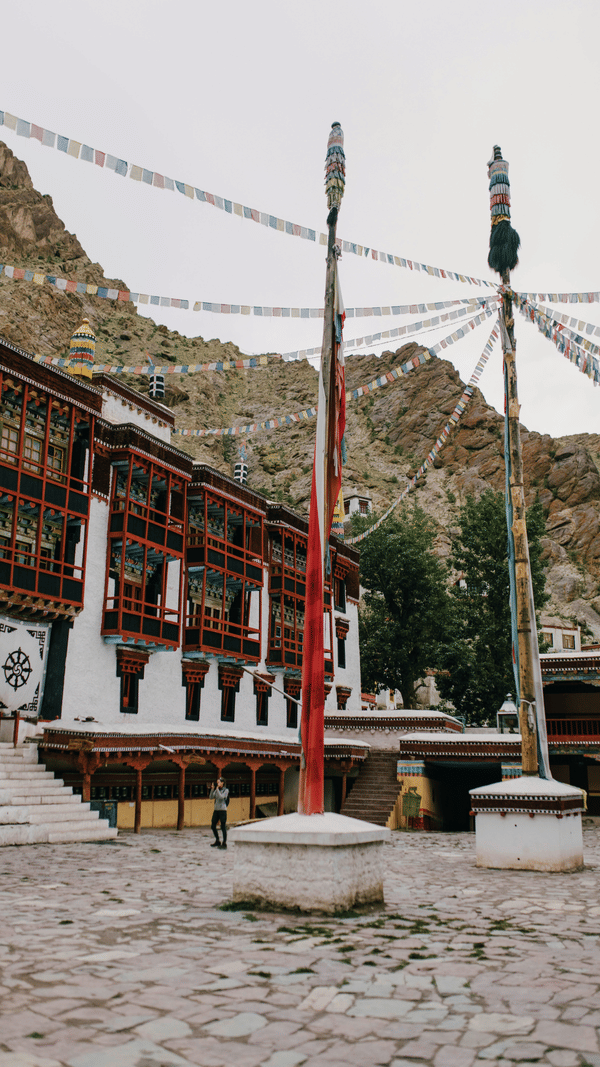
Manali to Srinagar Ladakh Trip with Umling La & Nubra Valley - Pocket Saver
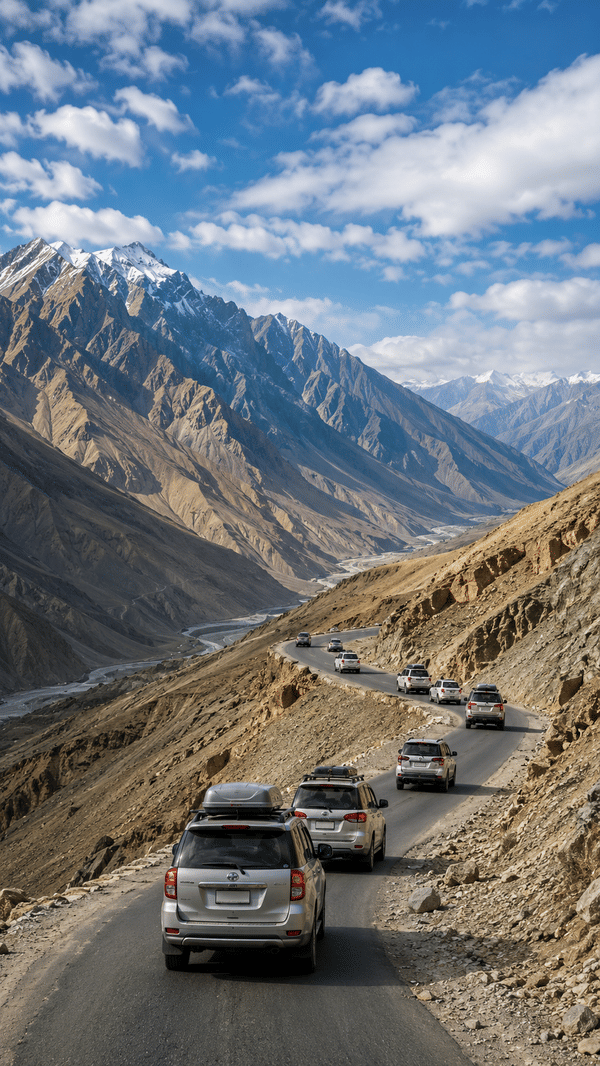
Full Spiti Valley Circuit Group Tour From Delhi: Shimla To Manali
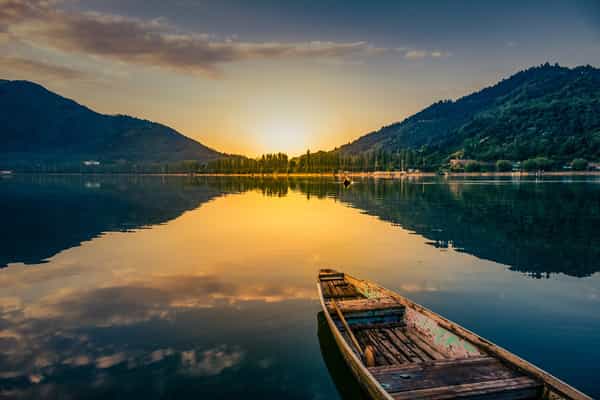
Kashmir Summer Community Trip: Srinagar, Gulmarg & Beyond
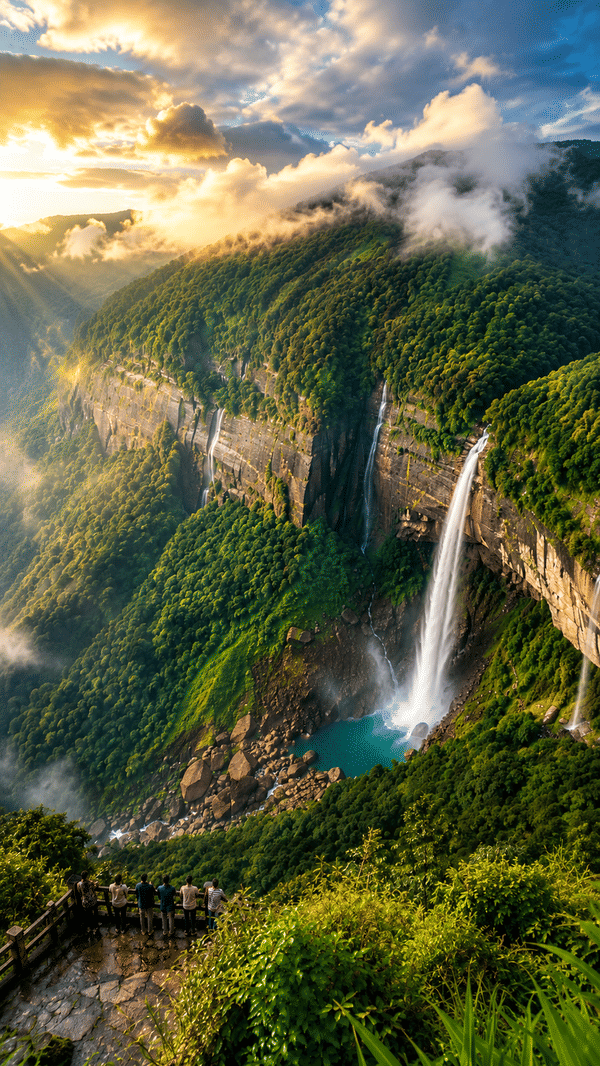
Meghalaya Group Trip With Wari Chora, Caves & Waterfalls
List of 12 Jyotirlingas in India with Location
If you're trying to explore the 12 jyotirlinga location in India before booking a route, treat this list as your starting map, running from Gujarat's coast to the Himalayan ridge above Kedarnath.
1. Somnath, Gir, Gujarat

Somnath is traditionally regarded as the first among the 12 jyotirlingas in India. It stands on the Arabian Sea coast in the Gir Somnath district. Having been destroyed and rebuilt multiple times over a thousand years, the modern structure is built in the grand Māru-Gurjara (Solanki) architectural style.
Its towering spire draws both pilgrims and history readers in equal numbers, but it is the temple's enduring resilience, more than its architecture, that people remember after visiting.
Somnath is often listed among the top tourist places in Gujarat India, with nearby Gir National Park making for an easy add-on to the trip.
- Opening Hours: 6 am to 10 pm
- Location: Somnath, Gir Somnath District, Gujarat
- Nearest Airport: Diu Airport, around 85 km away (Rajkot Airport is a larger alternative, around 233 km away)
- Nearest Railway Station: Veraval, around 7 km away
2. Mallikarjuna, Srisailam, Andhra Pradesh

Srisailam is one of the two jyotirlingas that is also recognized as Shakti Peethas, where Shiva and Parvati are worshipped side by side.
Perched on the Nallamala Hills above the Krishna River, the temple sits inside thick forest cover that keeps the surrounding hills quiet even during peak pilgrimage months.
- Opening Hours: 4:30 am to 10 pm
- Location: Srisailam, Andhra Pradesh 518101
- Nearest Airport: Rajiv Gandhi International Airport, Hyderabad, around 208 km away
- Nearest Railway Station: Markapur Road, around 85 km away
3. Mahakaleshwar, Ujjain, Madhya Pradesh

Mahakaleshwar is the only Jyotirlinga where Shiva faces south as Dakshinamurti, a detail priests here will point out within minutes of your arrival. This shrine ranks among the most visited 12 jyotirlinga temples in India during the Shravan month.
The Bhasma Aarti at Mahakaleshwar takes place before dawn in Ujjain, when ash is offered to a lingam believed to be Swayambhu (self-manifested).
- Opening Hours: 6 am to 9:30 pm
- Location: Jaisinghpura, Ujjain, Madhya Pradesh 456006
- Nearest Airport: Devi Ahilya Bai Holkar Airport, Indore, around 61 km away
- Nearest Railway Station: Ujjain Junction, around 2 km away
4. Omkareshwar, Khandwa, Madhya Pradesh

The Narmada splits around an island shaped like the sacred Om here, and that geography alone makes Omkareshwar unlike any other shrine on this list. Devotees often complete the Om Parikrama, a walk around the island, before entering the main temple.
- Opening Hours: 5 am to 10 pm
- Location: Mandhata, Omkareshwar, Madhya Pradesh 450554
- Nearest Airport: Devi Ahilya Bai Holkar Airport, Indore, around 84 km away
- Nearest Railway Station: Omkareshwar Road (Mortakka), around 13 km away
5. Kedarnath, Uttarakhand

At over 11,000 feet, Kedarnath Temple is the highest of the 12 jyotirlingas in India, and the temple is reachable only by trek or by helicopter during the short window each year.
This is exactly why most Uttarakhand tour packages built around Kedarnath include a buffer day or two, since weather can delay the trek without much notice.
Legend credits the Pandavas with its construction after the Kurukshetra war, and heavy snowfall shuts the shrine every year once the pilgrimage season ends.
- Opening Hours: 4 am to 12 pm and 3 pm to 9 pm
- Location: Kedarnath, Uttarakhand 246445
- Nearest Airport: Jolly Grant Airport, Dehradun, around 250 km away, with the final stretch covered by road and a 16 km trek from Gaurikund
- Nearest Railway Station: Rishikesh, around 216-240 km away, followed by the same road and trek route
Most Popular Uttarakhand Trips Loved by Thousands of Indians

Uttarakhand Weekend Trip from Delhi: Chakrata Community Getaway
Chandrashila -Tungnath Trek with Deoria Tal - Weekend Group Trip

Kanatal Weekend Trip: Surkanda Devi, Camping & Tehri Dam Water Sports

Magnificient Uttarakhand
6. Bhimashankar, Pune, Maharashtra

The Sahyadri hills around Bhimashankar are thick enough to qualify as a protected wildlife sanctuary, and the Bhima River itself originates near the temple grounds. Only a few other Jyotirlingas combine pilgrimage with this much untouched forest.
- Opening Hours: 4:30 am to 12 pm and 4 pm to 9:30 pm
- Location:A/p,bhimashankar Bhimashankar wadi Tal, dist, khed, Maharashtra 410509
- Nearest Airport: Pune Airport, around 125 km away
- Nearest Railway Station: Pune Junction, around 126 km away
7. Trimbakeshwar, Nashik, Maharashtra

The Godavari River begins near Trimbakeshwar, and the temple's black stone carvings reflect classic Hemadpanthi craftsmanship.
What separates it from every other shrine on this list: the lingam here holds three faces, representing Brahma, Vishnu and Shiva together, making Trimbakeshwar the only one among the 12 jyotirlinga temples in India built around this exact form. Families also travel here specifically for Pitru Tarpan and Shraddha rituals.
- Opening Hours: 5:30 am to 9 pm
- Location: Trimbak, Maharashtra 422212
- Nearest Airport: Nashik (Ozar) Airport, around 55 km away
- Nearest Railway Station: Nashik Road, around 40 km away
8. Vaidyanath, Deoghar, Jharkhand

Every Shravan, lakhs of Kanwariyas walk barefoot from Sultanganj to Deoghar carrying Ganga water, completing one of the most physically demanding versions of 12 jyotirlinga darshan anywhere on this list.
Mythology holds that Shiva healed Ravana at this spot, which is why the shrine carries the name Vaidyanath, meaning Lord of Physicians, and why devotees still pray here for health and recovery.
- Opening Hours: 4 am to 4 pm, and 6 pm to 9 pm
- Location: Baba Baidyanath Temple Administrative Building, Baba Mandir Campus, Shivganga Muhalla, Deoghar, Jharkhand 814112
- Nearest Airport: Deoghar Airport, around 10 km away
- Nearest Railway Station: Jasidih Junction, around 9 km away
9. Nageshwar, near Dwarka, Gujarat

A 25-meter seated Shiva statue greets visitors before they even reach the sanctum at Nageshwar. The legend here involves Shiva protecting a devotee named Supriya from demons, and that story is why the shrine is still associated with protection from poison and negative energy.
- Opening Hours: 6 am to 9 pm
- Location: Daarukavanam, Goriyali, Gujarat 361335
- Nearest Airport: Jamnagar Airport, around 155 km away
- Nearest Railway Station: Dwarka, around 16 km away
10. Kashi Vishwanath, Varanasi, Uttar Pradesh

Varanasi's ghats stay loud with chants of Har Har Mahadev through most of the day, and Kashi Vishwanath sits at the centre of that energy on the western bank of the Ganga.
Tradition holds that a visit here grants moksha, freedom from the cycle of birth and death, which is why pilgrims who complete a 12 jyotirlinga darshan often treat Kashi as the final and most significant stop on their route.
Among things to do in Varanasi, an early morning boat ride past the ghats followed by darshan at Kashi Vishwanath remains the most recommended combination.
- Opening Hours: 3 am to 11 pm
- Location: Lahori Tola, Varanasi, Domari, Uttar Pradesh 221001
- Nearest Airport: Lal Bahadur Shastri International Airport, around 26 km away
- Nearest Railway Station: Varanasi Junction, around 6 km away
11. Ramanathaswamy, Rameswaram, Tamil Nadu
 WanderOn
Rameswaram occupies a unique place on the map, one most visitors don't realize before arriving. It holds one of the 12 Jyotirlingas in India, and it is also one of the four dhams, making it the single point where the 12 jyotirlinga and 4 dham routes intersect.
Legend says Lord Rama installed the lingam himself after defeating Ravana, seeking penance for killing a Brahmin. The temple's corridor, the longest of any Hindu shrine in the country, runs the length of that story.
- Opening Hours: 4 am to 1 pm and 3 pm to 8 pm
- Location: E Car St, Rameshwaram, Tamil Nadu 623526
- Nearest Airport: Madurai Airport, around 190 km away
- Nearest Railway Station: Rameswaram Railway Station, around 2 km away
12. Grishneshwar, near Ellora, Maharashtra

Grishneshwar rounds off the list of 12 Jyotirlingas in India, and it is widely considered the smallest of the twelve. Its red stone carvings echo South Indian temple style, a contrast to its Maharashtra location.
The story behind it involves a woman named Kusuma, whose devotion is said to have brought her dead son back to life, a legend still recounted by local priests today.
- Opening Hours: 5 am to 9:30 pm
- Location: Ghrushneshwar, Ghrushneshwar Mandir Rd, Ellora, Maharashtra 431102
- Nearest Airport: Chhatrapati Sambhajinagar (Aurangabad) Airport, around 41 km away
- Nearest Railway Station: Aurangabad (Chhatrapati Sambhajinagar) Railway Station, around 40 km away
Best Time to Visit Jyotirlingas

- October to March works best for most shrines, when cooler weather makes long-distance travel between states more manageable.
- Mahashivratri (usually February or March) draws the largest crowds of the year, with grand celebrations at nearly every temple on this list. Plan a 12 jyotirlinga darshan outside this window if you'd rather skip the queues.
- Kedarnath Temple shuts completely from November to April under heavy snow.
- Rameswaram and Trimbakeshwar welcome pilgrims through every season, though winter and early spring remain the more comfortable months to visit either one.
12 Jyotirlinga and 4 Dham: How They Differ
The 12 Jyotirlingas in India and the four dhams often get grouped together by pilgrims planning a longer yatra. Char Dham refers to four specific pilgrimage points: Badrinath, Dwarka, Puri, and Rameswaram, each tied to a different deity and region.
Understanding the difference between 12 jyotirlinga and Char Dham yatra matters when mapping a multi-state trip, since only Rameswaram appears on both lists. The rest of the Jyotirlingas form a separate, Shiva-specific circuit spread across a wider stretch of the country.
12 Jyotirlingas: Route Map by Region
Region | Jyotirlingas |
East India | Vaidyanath |
West India | Somnath, Nageshwar, Bhimashankar, Trimbakeshwar, Grishneshwar |
North India | Kedarnath, Kashi Vishwanath |
South India | Mallikarjuna, Rameswaram |
Central India | Mahakaleshwar, Omkareshwar |
Which Jyotirlinga Will You Visit First?
Twelve shrines, twelve stories, one belief holding them together. Rameswaram sits by the sea, Bhimashankar sits deep in forest, and Kedarnath sits high enough to need a trek.
Covering all 12 usually takes 25 to 30 days if you're doing the full circuit, so most travellers either pick one region to start with or choose a structured Jyotirlinga tour package to handle the routing, stays, and transport across states.
Once you've picked a shrine or a region, working out how to reach 12 Jyotirlingas in India gets easier: airports, trains, and road routes are listed for every temple above. Whether it's one darshan this year or the full yatra planned out end to end, the routes above will get you there.
Frequently Asked Questions
What are 12 jyotirlingas in India?
The 12 jyotirlingas are sacred shrines of Shiva. The name of 12 jyotirlinga in India are Somnath, Mallikarjuna, Mahakaleshwar, Omkareshwar, Kedarnath, Bhimashankar, Trimbakeshwar, Vaidyanath, Nageshwar, Kashi Vishwanath, Rameswaram, and Grishneshwar.
What is the significance of the 12 Jyotirlingas?
Each Jyotirlinga marks a place where Shiva is believed to have manifested as a beam of divine light. Pilgrims consider a visit deeply purifying, believing it washes away sins and brings lasting spiritual peace.
Where are the 12 Jyotirlinga locations in India?
The 12 Jyotirlingas are spread across nine states, from Gujarat and Maharashtra to Uttarakhand and Tamil Nadu. This 12 jyotirlinga name with place guide lists the exact location of every shrine.
Which Jyotirlinga is considered the first among the 12?
Somnath, located on the Arabian Sea coast in Gujarat, is traditionally regarded as the first among the 12 Jyotirlingas, and it holds deep historical and spiritual significance for pilgrims.
How many days are required to visit all 12 Jyotirlingas?
Visiting all 12 Jyotirlingas usually takes between three and four weeks, depending on the route chosen, travel mode, and time spent at each shrine along the way.
What is the best time to visit the 12 Jyotirlingas?
October to March is the best time to visit, when cooler weather makes travel easier. Mahashivratri draws large crowds, so plan accordingly if you prefer quieter darshan.


