best-time-to-visit-europe

Best Time to Visit Europe: When to Go for Ideal Weather

16 Mar, 2026

5 minutes read
Written by- Simantini

Share this link via

Or copy link

16 Mar, 2026

5 minutes readWritten by - Simantini

Share this link via

Or copy link

Table of Contents

Table of Contents

  • Europe Weather by Month – Big Picture
  • Best time to visit Europe in summer (June to August) – Peak Season
  • Europe in Spring (March to May) – Shoulder Season
  • Europe in Autumn (September to November) – Shoulder Season
  • Best Time to Visit Europe in Winter (December to February) – Low Season
  • Best Season to visit Europe
  • When to Go to Europe — Final Reality Check
  • Finding Your Perfect Season to Explore Europe
Join our travel community for the latest tips, guides, and exclusive offers!

You have already subscribed our newsletter!
Thanks for Subscribing our newsletter!

The best time to visit Europe really comes down to one thing: what do you actually want from the trip?

Spring is lovely, no argument there. May especially. The weather is warm enough to enjoy but not unbearable, the crowds haven't fully arrived yet, and everything feels fresh. It's the kind of weather where you'll actually want to walk everywhere.

Summer gets complicated. Europe in July is fun until it isn't. Long days, rooftop bars, beach towns at full swing. But also packed trains, booked-out hotels, and queues that test your patience. If crowds don't bother you, go for it.

September is where most people get it wrong by skipping it. The summer rush is gone, prices settle down, and the weather is still genuinely good. You get the nice version of Europe without fighting for it.

Winter has its own charm. Christmas markets, quiet museums, and affordable flights. Yes, it gets cold. But there's something about a hot drink in a snow-covered square that makes it worth it.

The best time to go to Europe is whenever it works for you. Sorted on dates, but not sure about the rest? Our Europe Tour Packages take the stress out of planning.

our top selling europe tour packages

Europe Weather by Month – Big Picture

Blog image

Before diving into regions and countries, it helps to see how the weather shifts across Europe. Looking at Europe month by month gives you a realistic idea of what your trip will actually feel like. This also helps you decide the best time to visit Europe, the best time to go to Europe, and the ideal season to go to Europe.

January

  • Temp: -2°C to 8°C (varies by region)
  • Coldest stretch in Northern and Eastern Europe
  • Short daylight hours, and snow is common in Scandinavia and the Alps
  • Quiet streets, good for museums, winter activities, and budget travel
  • Low tourist numbers make it the best time to visit Europe to avoid crowds

February

  • Temp: -1°C to 9°C
  • Winter is still strong in the north, mild in Southern Europe
  • Ski resorts at peak, romantic snowy towns
  • Few tourists, good for indoor sightseeing and winter activities
  • A potential best time to visit Europe for honeymoon

March

  • Temp: 2°C to 14°C
  • Early spring begins, snow melting in Northern Europe
  • Mixed weather with occasional rain, days slowly getting longer
  • Crowds are still manageable, and cheaper flights and hotels
  • Good for the best time to see Europe

April

  • Temp: 5°C to 18°C
  • Pleasant and fresh, spring blooms in gardens and the countryside
  • Ideal for walking tours, cycling, and outdoor sightseeing
  • Shoulder season, fewer crowds than summer
  • One of the best seasons to visit Europe

May

  • Temp: 10°C to 22°C
  • Warm and lively, outdoor cafés and terraces open
  • Festivals start in many countries
  • Comfortable sightseeing across Europe
  • Often considered the best time to visit Europe

June

  • Temp: 14°C to 25°C
  • Start of summer, long daylight hours, sunny skies
  • Popular tourist season begins; beaches and city tours are busy
  • Great for city sightseeing and coastal trips
  • Good, the best time to travel in Europe

July

  • Temp: 16°C to 27°C
  • Warmest period, busy across all major cities
  • High season; expect queues and higher prices
  • Beaches, festivals, and long evenings
  • Best for summer lovers, but crowded

August

  • Temp: 16°C to 26°C
  • Warm summer weather, some locals leave cities
  • Still busy but slightly calmer than July
  • Good time for the best time to see Europe in sunny regions

September

  • Temp: 12°C to 23°C
  • Mild, very comfortable, crowds are thin
  • Autumn colours start appearing in forests and cities
  • Excellent for sightseeing and cultural experiences
  • Often considered the ideal season to go to Europe

October

  • Temp: 8°C to 19°C
  • Cool, crisp air, beautiful autumn foliage
  • Less crowded streets, lower hotel prices
  • Comfortable walking and sightseeing
  • Great, best time to travel in Europe

November

  • Temp: 3°C to 13°C
  • Chilly, grey skies, fewer tourists
  • Museums, indoor sightseeing, cosy cafés
  • Quiet, off-season feel
  • Good for budget travellers

December

  • Temp: 0°C to 9°C
  • Cold but festive, Christmas markets and lights
  • Ski resorts and Northern Europe winter attractions
  • Romantic atmosphere, ideal for couples
  • Can be the Best time to visit Europe for honeymoon

Europe Temperature by Season

  • Winter (Dec–Feb): 0°C to 9°C – cold and quiet, great for snow and budget travel
  • Spring (Mar–May): 5°C to 22°C – mild and fresh, flowers bloom
  • Summer (Jun–Aug): 14°C to 27°C – warm and busy, peak tourist season
  • Autumn (Sep–Nov): 8°C to 23°C – cool and comfortable, fewer crowds

Knowing this helps you pick the best time to visit Europe based on your comfort level, sightseeing preferences, and travel style.

Suggested Read: Travel Around Europe on a Budget: Complete Guide 2026

Best time to visit Europe in summer (June to August) – Peak Season

Blog image

Summer in Europe (June–August) is the continent's peak travel season. It’s characterised by long sunny days, vibrant energy in cities, lively beaches, and a high density of international travellers. In 2026, this season is packed with festivals, outdoor events, and cultural highlights across all major regions.

When is peak season in Europe?

Peak season runs from mid-June through August. This is easily the busiest time to visit Europe, especially in iconic cities like Paris, Rome, Amsterdam, and Barcelona. Popular beach destinations in Spain, Greece, and Italy are also packed.

Summer can absolutely be the best time to visit Europe if you want energy, sunshine, and outdoor fun. But if crowds and higher prices bother you, consider spring or early autumn instead.

Seasonal Overview

  • Daylight: Longest of the year, especially in Northern Europe, with sunsets as late as 10:00 PM
  • Temperature: Average highs range 21°C–30°C, though heatwaves can push temperatures above 35°C in Southern Europe
  • Conditions: Mostly sunny, with occasional brief rain showers
  • Crowds & Costs: This is the most expensive period for flights and hotels, with queues at major landmarks in every popular city

Highlights

  • City Streets Alive: Outdoor cafés, terraces, and street performances are at their peak
  • Beaches & Coastal Fun: Mediterranean coasts, Greek islands, and Spanish beaches are buzzing
  • Cultural Festivals: Music, theatre, and food festivals pop up across Europe
  • Long Sightseeing Days: Extended daylight allows for morning and evening exploration

Best Time to Visit Europe for Festivals & Events (Summer 2026)

1. Music Festivals

  • Rock in Rio Lisboa (Lisbon, Portugal): Returns June 20, 21, 27, and 28, 2026, for its 11th edition.
  • Rock Werchter (Werchter, Belgium): Features major acts like Linkin Park on June 28, 2026.
  • Tomorrowland (Boom, Belgium): Typically held in late July, this is one of Europe's largest electronic music festivals.
  • Gent Jazz Festival (Ghent, Belgium): Running from July 4 to July 16, 2026, celebrating the centennials of Miles Davis and John Coltrane.
  • Summer Peak Festival (Pag Island, Croatia): A multi-day beach festival starting August 22, 2026.

2. Traditional & Cultural Events

  • Bastille Day (France): Massive national celebrations including fireworks and parades on July 14.
  • The Palio di Siena (Siena, Italy): Historic bareback horse races held on July 2 and August 16, 2026.
  • Edinburgh Festival Fringe (Scotland): A world-renowned arts festival taking place throughout August.
  • La Tomatina (Buñol, Spain): The famous giant tomato fight, traditionally held on the last Wednesday of August.
  • Bayreuth Festival (Bayreuth, Germany): A prestigious opera festival dedicated to Richard Wagner, with performances like Götterdämmerung on August 25, 2026.

3. Regional Specialities

  • Midsummer (Sweden): Celebrated in late June with traditional dancing and festivals.
  • CIOFF Pilsen International Folklore Festival (Pilsen, Czech Republic): A global gathering for folk art and traditional costumes starting June 10, 2026

2026 Summer Travel Essentials

  • Booking: Book flights and accommodations well in advance
  • Tickets: Skip-the-line passes for major museums and attractions are recommended
  • Packing: Light, breathable clothing, sunscreen, comfortable walking shoes, and a light rain jacket

Who It’s Best For

  • First-time European travellers
  • Festival lovers and social explorers
  • Families on school holidays
  • Beach-goers and outdoor activity enthusiasts

Challenges

  • Peak hotel and flight prices
  • Long queues at landmarks
  • Crowded public transport
  • Hot afternoons in Southern Europe

Summer is ideal if you want Europe in full energy, but for calm sightseeing and lower costs, spring or early autumn might be a better season to go to Europe.

Suggested Read: How To Apply For a Europe Visa? Step-by-Step Guide for 2026

Europe in Spring (March to May) – Shoulder Season

Blog image

Spring in Europe is often called the ideal season to go to Europe. After cold winters, the continent starts to wake up. Flowers bloom, trees regain their green, and cities slowly fill with travellers, but without the chaos of summer. It’s a perfect time for sightseeing, photography, and cultural experiences. For first-time visitors or those travelling from India, this can be the best time to visit Europe from India because the weather is comfortable and the crowds are manageable.

When is spring the best time to visit Europe?

March to May marks the spring shoulder season. March is early spring, still cool in Northern and Eastern Europe but mild in Southern Europe. By April and May, temperatures rise, days are longer, and the landscape is alive with colour. This is considered the best time to see Europe for nature lovers, city explorers, and photographers.

Seasonal Overview

  • Daylight: Slowly increasing; by May, many countries enjoy 14–16 hours of daylight, perfect for sightseeing
  • Temperature: Ranges from 5°C in Northern and Eastern Europe to 22°C in Southern Europe. Cities like Rome, Lisbon, and Barcelona start to feel warm and inviting
  • Conditions: Spring showers are common, so a light waterproof jacket or umbrella is recommended. The weather can be a mix of sunny, mild days and occasional rain
  • Crowds & Costs: Lower than summer peak season. Early March sees the fewest tourists, making it one of the best time to visit Europe to avoid crowds

Highlights

1. Blossoms and Gardens:

  • Netherlands: Keukenhof tulip gardens are in full bloom in April
  • Paris: Luxembourg Gardens and Tuileries Garden show their colourful best
  • Vienna and Budapest: Parks are vibrant with daffodils and cherry blossoms

2. City Walks and Outdoor Cafés:

  • Mild temperatures make walking tours, cycling, and open-air markets enjoyable
  • Terraces start reopening in Southern Europe, perfect for sipping coffee or wine outdoors

3. Cultural Events Resuming:

  • Museums, galleries, and historic sites welcome visitors after the quieter winter months
  • Small towns host spring fairs, flower festivals, and traditional celebrations

4. Wildlife & Nature:

  • Countryside trails in Switzerland, Austria, and Scotland show fresh greenery
  • Coastal regions see migratory birds and the first warm days on beaches

5. Photographic Opportunities:

  • Spring colours, festivals, and early morning sunlight make this season ideal for photography

Best Time to Visit Europe for Festivals & Events (Spring 2026)

March 2026

  • Venice Carnival (Italy): Ending 1 March 2026, featuring elaborate masks and masquerade balls.
  • St. Patrick’s Festival (Dublin, Ireland): 14–17 March 2026. A city-wide celebration with parades and live music.
  • Las Fallas (Valencia, Spain): 13–20 De Marzo De 2026. Famous for giant satirical sculptures and pyrotechnic displays.
  • Keukenhof Gardens Opening (Lisse, Netherlands): Opens 19 March 2026 (runs until 10 May). The world's largest spring garden.

April 2026

  • Holy Week / Semana Santa (Spain, Italy, & Greece): 29 March – 5 April 2026. Notable for intense religious processions, particularly in Seville and Rome.
  • Feria de Abril (Seville, Spain): 21–26 April 2026. A week-long spring fair with flamenco dancing and traditional casitas.
  • King’s Day (Netherlands): 27 April 2026. A nationwide street party in Amsterdam and beyond, where everyone wears orange.
  • Walpurgis Night (Germany & Sweden): 30 April – 1 May 2026. The ancient spring festival is celebrated with bonfires and dancing.

May 2026

  • Eurovision Song Contest (Vienna, Austria): 12–16 May 2026. The iconic international music competition.
  • Cannes Film Festival (France): 12–23 May 2026. One of the world's most prestigious film events on the French Riviera.
  • Chelsea Flower Show (London, UK): 19–23 May 2026. A world-renowned gardening event featuring cutting-edge floral designs.
  • Monaco Grand Prix (Monte Carlo): Scheduled for late May (typically the final weekend), drawing global crowds for high-speed racing.

Regional Spring Insights

1. Northern Europe:

  • Still cool in March (5°C–10°C), but daylight is increasing
  • Snow may linger in Scandinavia, but late April brings mild weather and flower blooms
  • Great for the best time to travel in Europe if you enjoy early spring serenity

2. Western Europe:

  • Temperatures are mild (10°C–18°C), and cities like London, Paris, and Amsterdam bloom
  • Festivals, art events, and open-air cafés make this the best time to see Europe in cultural vibrancy

3. Central & Eastern Europe:

  • Prague, Budapest, and Vienna have crisp mornings but pleasant afternoons
  • Perfect for sightseeing without the summer rush
  • Early spring (March) is cheaper, while April–May is comfortable for walks and sightseeing

4. Southern Europe:

  • Rome, Barcelona, Lisbon, and the Greek islands start warming up (15°C–22°C)
  • Beaches may not be fully crowded yet, making it an ideal window for exploring coastlines
  • Spring is also considered the best time to visit Europe from India, avoiding extreme heat

2026 Spring Travel Essentials

  • Clothing: Light layers, sweaters, and a waterproof jacket for spring showers
  • Shoes: Comfortable walking shoes for city streets and countryside paths
  • Accessories: Sunglasses, a hat, and a small umbrella; a backpack for day trips
  • Booking: Early spring sees cheaper flights; late April–May is busier but still manageable

Who It’s Best For

  • Couples and honeymooners seeking romantic, mild weather
  • First-time visitors exploring major cities
  • Nature lovers wanting gardens, parks, and early blooms
  • Photographers and slow travellers
  • Families avoiding summer school crowds

Challenges

  • Early March is still chilly in Northern and Eastern Europe
  • Occasional rain showers; spring weather can be unpredictable
  • Late spring can bring slightly higher prices and rising crowds

Why Spring is One of the Best Times to Visit Europe

  • Pleasant weather across most regions
  • Fewer crowds than in summer, especially in March and early April
  • Festivals, blooms, and local culture at its peak
  • Great balance of sightseeing, outdoor activities, and comfort

Spring is often considered the best time to visit Europe for travellers wanting the perfect mix of weather, manageable crowds, and lively city experiences. For honeymooners, it’s especially romantic with blooming gardens, quiet streets, and mild afternoons.

Suggested Read: Visa Free Countries in Europe for India (Myths vs Reality)

Europe in Autumn (September to November) – Shoulder Season

Blog image

Autumn in Europe is calm, with warm hues painting parks, forests, and city streets. Crowds thin out, making it one of the best time to visit Europe to avoid crowds.

When is autumn the best time to see Europe?

September to November marks the autumn shoulder season. September still retains warmth and long days, October is cooler and beautifully colourful, and November is chillier with fewer crowds, making it one of the best time to visit Europe to avoid crowds.

Seasonal Overview

  • Daylight: Slowly decreasing; September still enjoys long evenings, but by November, sunset comes earlier
  • Temperature: 8°C–23°C depending on region; Northern Europe is cooler, Southern Europe still mild
  • Conditions: Crisp air, occasional rain; perfect for city walks and countryside drives
  • Crowds & Costs: Lower than summer; September can still be busy, but by October and November, many destinations are quieter and more affordable

Highlights

1. Autumn Colours and Nature:

  • Central Europe: Germany, Austria, and Switzerland have forests and vineyards glowing with golden hues
  • Paris, London, and Prague: Parks and gardens turn into photographic goldmines
  • Countryside walks and vineyard tours are at their best

2. Cultural Experiences:

  • Wine harvests and food festivals in France, Italy, and Spain
  • Museums and galleries are less crowded
  • Historic towns feel more authentic without summer tourist swarms

3. Mild Weather for Exploration:

  • Comfortable for walking and sightseeing without overheating
  • Coastal regions in Spain, Italy, and Greece are still pleasant for outdoor activities

4. City Atmosphere:

  • Cafés and restaurants are lively but not overcrowded
  • Streets feel calm yet vibrant, ideal for photography and relaxed travel

Best Time to Visit Europe for Festivals & Events (Autumn 2026)

September 2026

  • Regata Storica (Venice, Italy): 6 September 2026. A historical gondola race on the Grand Canal featuring 16th-century style boats and costumed rowers.
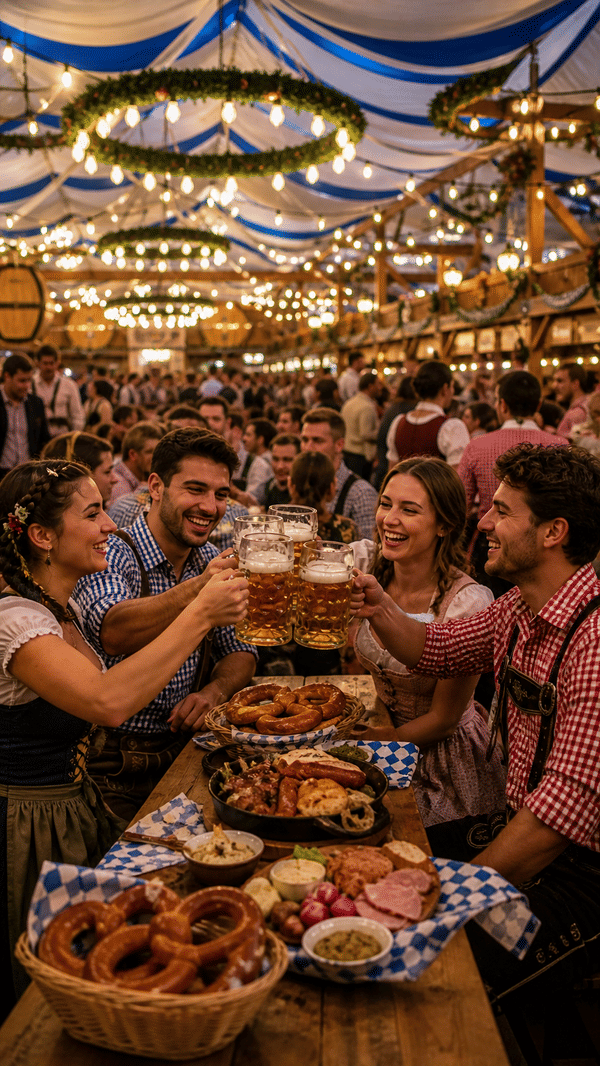
  • Oktoberfest (Munich, Germany): 19 September – 4 October 2026. The 191st edition of the world's most famous beer festival, featuring traditional Bavarian music, parades, and large-scale beer tents at the Theresienwiese.
  • Eel Festival / Sagra dell'Anguilla (Comacchio, Italy): Starts 26 September 2026. A major culinary event in the Ferrara region celebrating local eel dishes across three weekends.

October 2026

  • Fête des Vendanges de Montmartre (Paris, France): Typically early October. A historic wine harvest festival in Paris's 18th arrondissement featuring parades, concerts, and local tastings.
  • Berlin Festival of Lights (Germany): Usually mid-October. Iconic landmarks like the Brandenburg Gate and Berlin Cathedral are illuminated with world-class light art and projections.
  • Amsterdam Dance Event (Netherlands): 21–25 October 2026. The 30th anniversary of the world's largest electronic music conference and club festival spans multiple venues across the city.

November 2026

  • Alba White Truffle Festival (Piedmont, Italy): Peak weekends in November. A world-renowned celebration of the rare white truffle, including an international market and sensory tastings.
  • St. Martin’s Day (Germany & Central Europe): 11 November 2026. Celebrated with traditional lantern processions and roast goose dinners.
  • European Christmas Markets (Various Cities): Mid-to-late November. Major markets in cities like Vienna, Strasbourg, and Cologne begin opening for the holiday season.

Regional Autumn Insights

  • Northern Europe:
  • Norway, Sweden, and Finland: Crisp days, northern lights in late autumn, colourful forests
  • Less crowded; ideal for photographers chasing autumn light
  • Western Europe:
  • Paris, London, Amsterdam: Mild and comfortable, the streets are quieter than in summer
  • Autumn festivals and cultural events are in full swing
  • Central & Eastern Europe:
  • Prague, Vienna, Budapest: Temperatures 10°C–18°C; autumn foliage in parks and riverbanks
  • Great for sightseeing without peak-season crowds
  • Southern Europe:
  • Spain, Italy, Greece: Still mild (15°C–22°C), coastal towns are enjoyable without summer chaos
  • Fewer tourists on the beaches, perfect for a relaxed pace

2026 Autumn Travel Essentials

  • Clothing: Layers, sweaters, light jackets, scarves for cool evenings
  • Shoes: Comfortable walking shoes for city streets and countryside trails
  • Accessories: Umbrella for occasional rain, camera for autumn landscapes
  • Booking Tips: September still requires early booking for popular destinations; October and November are easier and cheaper

Who It’s Best For

  • Slow travellers wanting quiet streets
  • Couples seeking romantic atmospheres
  • Photographers capturing autumn colours
  • Food and wine enthusiasts attending harvest festivals
  • Anyone wanting the best time to visit Europe to avoid crowds

Challenges

  • November can be grey and chilly, especially in Northern and Eastern Europe
  • Shorter daylight hours limit sightseeing time
  • Some attractions may reduce hours for winter maintenance

Why Autumn is One of the Best Times to Visit Europe

  • Pleasant weather in most regions
  • Lower crowds than in summer, especially after early October
  • Scenic landscapes and cultural experiences at their peak
  • Balance of sightseeing, nature, and festivals without the chaos of peak season

Autumn is often considered the best time to visit Europe for honeymoon or a romantic getaway due to the golden light, quiet streets, and cosy cafés. For photographers and slow travellers, this is one of the ideal seasons to go to Europe.

Suggested Read: Europe Trip Cost from India | Budget Tips

Best Time to Visit Europe in Winter (December to February) – Low Season

Blog image

Winter in Europe feels completely different from the rest of the year. The big summer crowds disappear, cities feel quieter, and many places transform into cosy winter destinations. Snow covers mountain towns, Christmas markets light up historic squares, and cafés become warm refuges from the cold.

When is winter the best time to visit Europe?

Winter runs from December through February. December is festive and lively thanks to Christmas markets in Europe and celebrations. January and February are quieter and cheaper, making them attractive for travellers searching for the best time to visit Europe to avoid crowds.

Seasonal Overview

  • Daylight: Shortest days of the year. In December and January, sunset can happen as early as 4:30 PM in Northern Europe.
  • Temperature: Typically between 0°C and 9°C in major cities. Northern and Eastern Europe can drop below freezing.
  • Conditions: Snow in Alpine regions, Scandinavia, and parts of Central Europe. Western Europe sees more rain than snow.
  • Crowds & Costs: December holidays bring tourists, but January and February are usually quiet and affordable

Highlights

  • Christmas Markets and Festive Lights
  • Many European cities host famous Christmas markets. Wooden stalls sell hot chocolate, mulled wine, handmade gifts, and festive food. Cities like Vienna, Prague, Munich, and Strasbourg are especially known for these magical winter markets.
  • Snowy Mountain Landscapes
  • The Alps in Switzerland, Austria, and France turn into winter playgrounds. Skiing, snowboarding, and snowshoeing attract travellers from around the world.
  • Cosy Café Culture
  • Cold weather encourages slow travel. Sitting inside a café with hot chocolate or coffee while watching snowy streets is a classic European winter experience.
  • Northern Lights Experiences
  • Northern Europe offers one of the best chances to see the Aurora Borealis. Norway, Finland, and Iceland attract visitors hoping to see the glowing northern lights during long winter nights.

Best Time to Visit Europe for Festivals & Events (Winter 2026)

1. December 2025 – January 2026: Holiday Magic

  • European Christmas Markets: Most major markets in cities like Vienna, Strasbourg, Munich, and Cologne run through late December 2025, offering festive lights and local treats.
  • New Year’s Eve Celebrations: Major street parties and fireworks displays take place in almost every capital, with Reykjavík, Iceland, being particularly famous for its massive community bonfires and belief in "Yule lads”.
  • Amsterdam Light Festival: Running through January in the Netherlands, this event transforms the city’s canals with light-based art installations.
  • Þorrablót (Iceland): An ancient pagan winter festival celebrated from mid-January to mid-February featuring traditional food, dancing, and singing.

2. February 2026: Carnival & Romance

  • Carnival of Venice (Italy): One of the most famous events in the world, featuring elaborate masks and masquerade balls. The 2026 dates are February 8–20.
  • Tenerife Carnival (Spain): Known for its massive parades and vibrant costumes, scheduled for February 13–17, 2026.
  • Sanremo Music Festival (Italy): Italy’s premier song competition, taking place February 24–28, 2026.
  • Rye Bay Scallop Week (England): A popular foodie festival in East Sussex running from February 21 to March 1, 2026

3. March 2026: Winter-to-Spring Transitions

  • Basel Fasnacht (Switzerland): A unique carnival in Basel known for its "Morgestraich" (early morning lantern parade), taking place March 2–4, 2026.
  • Snowboxx (France): A major music and ski festival in Morzine/Avoriaz, running from March 15–22, 2026.
  • Saint Patrick’s Day (Ireland): Celebrated on March 17 with massive parades and festivals, particularly in Dublin and Kilkenny.

Regional Winter Insights

Northern Europe

  • Scandinavia experiences very cold temperatures and limited daylight
  • Snow-covered landscapes and northern lights make this a unique winter destination
  • Activities include dog sledging, snowmobiling, and winter safaris

Western Europe

  • Cities like Paris, Amsterdam, and London remain active during winter
  • Christmas markets, museum visits, and cosy cafés make winter travel enjoyable
  • Rain is more common than snow in these areas

Central and Eastern Europe

  • Prague, Vienna, and Budapest look especially beautiful with festive lights and occasional snow.
  • Christmas markets and winter festivals are major attractions

Southern Europe

  • Spain, Portugal, and Southern Italy remain relatively mild (10°C–15°C)
  • Fewer tourists and lower prices make this region appealing for relaxed winter travel.

2026 Winter Travel Essentials

Clothing: Pack warm layers, including sweaters, thermal wear, gloves, scarves, and a heavy winter coat.

Footwear: Waterproof boots or sturdy walking shoes help with wet streets or snow.

Accessories: A hat, warm socks, and hand warmers can make winter sightseeing much more comfortable.

Planning Tips: Flights and hotels are cheaper after the holiday season. January and February can be the best time to visit Europe for travellers on a budget.

Who It’s Best For

  • Budget travellers looking for lower prices
  • Winter sports enthusiasts visiting ski resorts
  • Couples seeking festive winter romance
  • Travellers wanting the best time to travel in Europe without large crowds

Challenges

  • Short daylight hours limit sightseeing time
  • Cold weather can make long outdoor activities uncomfortable
  • Some smaller attractions may have reduced winter schedules

Suggested Read: Summer in Europe | Best Locations for Vacation

Best Season to visit Europe

Blog image

The best overall seasons to visit Europe are Spring (late March to early June) and Autumn (September to October). Known as "shoulder seasons," these periods offer the most balanced experience with mild weather, fewer crowds, and lower travel costs compared to the peak summer rush.

Regional Best Times

  • Southern Europe (Spain, Italy, Greece): Spring and early Autumn are ideal to avoid the scorching 30°C+ summer heat.
  • Northern Europe (Scandinavia, Iceland): Summer (June–August) is best for the "Midnight Sun" and accessible hiking. For Northern Lights, visit between November and February.
  • Central Europe (Germany, Switzerland, Austria): May and September are "smart" months with pleasant weather and manageable crowds.

Flight Price Trends

For those flying from Kolkata (current location), prices vary significantly by destination. Based on current data for early 2026:

  • Cheapest major hubs: Paris and Istanbul offer some of the most competitive rates, often starting below ₹55,000.
  • Higher-cost destinations: Edinburgh and Barcelona tend to be more expensive, reaching over ₹85,000.
Best Selling Europe Tour Packages

When to Go to Europe — Final Reality Check

Blog image

Here’s the truth: Europe is big. What works for Spain might not work for Scandinavia. What’s warm in Greece could still be rainy in Ireland. But if you want one simple answer to When to go to Europe that works for most travellers, here it is:

Late April to early June and September to October.

These months strike a balance of good weather, fewer crowds, and better prices. They are truly the best time to visit Europe for most people, especially first‑time visitors or travellers from India who want comfort and value.

Finding Your Perfect Season to Explore Europe

Blog image

If you want comfort, good weather, and manageable costs, the best time to visit Europe is not the height of summer. It’s the weeks when spring blooms or autumn colours show up. If you want snow and magic, winter is unbeatable. If you want beaches and heat, summer delivers.

For most travellers, especially from India, the months around April–June and September–October are simply the smartest time to plan your trip.

Europe is a place worth visiting any time of year. But knowing the rhythm of seasons and crowds helps you enjoy it without stress.

Suggested Reads

Blog cover
12 Mar, 20266 minutes read

Best eSIM for Europe Travel: Compare Prices, Coverage and Speed

Stay connected on your trip with the best eSIM for Europe travel. Compare data plans, coverage across countries, and top eSIM providers.
TravelEurope
Blog cover
11 Mar, 20266 minutes read

15 Coldest Countries in Europe and Their Winter Climate Guide

Looking for Europe’s chilliest places? This guide covers the Coldest Countries in Europe and their winter weather.
TravelEuropewinter
Blog cover
14 Mar, 20267 minutes read

Europe Trip Cost from India for Couples - How to Budget?

Dreaming of cobbled streets, Swiss Alps views & candlelight dinners in Paris? Here’s what a Europe trip from India really costs for couples — flights, hotels, visas, food & smart saving tips included!
EuropeTravel TipsHolidays
Blog cover
9 Mar, 20266 minutes read

How Many Days Are Enough for Europe Trip? Complete Planning Guide

How many days are enough for Europe? Find the ideal trip length, suggested itineraries, and practical tips to plan your Europe trip the right way.
EuropeTraveltravel guide
Blog cover
10 Mar, 20263 minutes read

24 Famous Instagrammable Places in Europe for Perfect Photos

Discover the most beautiful Instagrammable Places in Europe, from colourful villages to famous landmarks. These photogenic destinations are perfect for stunning travel photos and unforgettable views.
EuropephotographyTravelHolidays
Blog cover
14 Mar, 20264 minutes read

Best Summer Festivals in Europe You Should Experience Once

Summer Festivals in Europe bring together music, culture, street parades, and centuries-old traditions. Here are some of the most popular events travellers look forward to every year.
TravelEuropeFestivalsSummer

Get exclusive travel insights & updates into your inbox!

*By clicking subscribe you'll receive emails from WanderOn.

You have already subscribed our newsletter!
Thanks for Subscribing our newsletter!

Unfiltered Reviews

jumping
group

"Im grateful to the whole wander on team for a great customised experience in Europe this summer. Especially thank you to Anand and Akash for their constant support and cooperation. Looking forward to organising more trips with you all!!"

continue reading ...

Niketa Sharma

jumping
group

"I planned a trip to uk and Europe through wanderon and really had an amazing time of my life ..my first solo trip and I was like hope everything is planned well and I was very happy the way the team took care of everything and Akash was available on Whatapps incase I needed help and supported me all the time if I wanted anything ..thought everything was well planned and I need not need much help from them ..Yashwant from visa team also was very very helpful and supportive ..the trip was simply amazing and very well organised I had the best time of my life ..and had a relaxed time thanks to the entire wanderon team ..keep up the good work from package to travel to visa to stays everything was very nice and well planned for me thanks a to. Form making it special for me !! Thanks again Aakash ,Yashwant and Sidhant !!"

continue reading ...

Priya Neetu

jumping
group

"We planned a customised UK trip with Wanderon. Aakash and Dev were extremely helpful. Each country was planned meticulously, so that we can see everything beautiful. The hotels were 3 star and all the tours were perfect. We were given a complete walkthrough of the itinerary before we went and our doubts were solved patiently. They even kept in constant touch with us everyday. WanderOn customers for life."

continue reading ...

Rashi Pokharna

jumping
group

"I'm still struggling to put into words the incredible feelings this trip has left me with. Each and every one of you made this journey truly special, and I'm not exaggerating when I say it was the best time of my life. The entire experience was both fulfilling and overwhelming, leaving my heart full and brimming with emotions. I'm already looking forward to reconnecting with you all soon. A huge thank you to WanderOn for crafting an unforgettable adventure. Europe, you stole my heart! I'm eager to explore more of the world with this amazing group."

continue reading ...

Ankita Thakur

FAQ'S

01

What is the best season in Europe?

Many travellers feel spring (April to June) and autumn (September to October) are the best seasons in Europe. The weather is pleasant, cities are lively, and tourist crowds are smaller than in summer. These months are comfortable for sightseeing, walking tours, and exploring famous European attractions.

02

Is 7 days enough for a European trip?

03

Is there a rainy season in Europe?

04

What is the cheapest time to go to Europe?

WANDERON EXPERIENCES PVT LTD

CIN-U63040HR2019PTC118957

3rd Floor, Building No-436, Phase IV, Udyog Vihar, Sector-18, Gurugram, Haryana-122015

© WANDERON EXPERIENCES PVT LTD, All rights reserved.
bak
Request a Call Back
Request a Call Back

Where do you want to go next?

Make your move, fill out your details now!
icon
icon
icon
msg
Thank you! Your form has been submitted successfully. We'll be in touch soon.
Your details have been submitted. Our Expert will get in touch with you soon.