


Holi in Sangla, Himachal Pradesh, is a unique traditional four-day celebration that is part of the larger Faguli festival. One of the oldest festivals celebrated in the Himalayan region, this 800-year-old festival features masked dances, Ramayana reenactments, traditional music, and local delicacies like phasur (liquor) from the Nag Mandir. This is the time to immerse in the culture with vibrant colors, rituals, and Himalayan scenery, unlike typical loud Holi parties.
For travelers who think they have already “seen Holi,” Sangla rewrites that assumption. This is a version of the festival rooted in centuries-old Kinnauri traditions, community, and landscape. It is also why more people now seek curated India tour packages that include offbeat Himalayan festivals instead of predictable tourist hubs.
Key Aspects of Sangla Holi 2026

- Faguli Festival: Holi is the third day of this four-day festival, honoring the local deity, Lord Bering Nag.
- Temple-first celebration: Rituals at local deities, especially in Nag Devta Temple begin Holi before any public color play.
- Kinnauri folk dominance: Traditional songs, drums, and community dances like Phagli shape the festival’s rhythm.
- Multi-day Festival: Not a One-Day Event: Celebrations unfold gradually across villages.
- Village participation over tourism: Locals lead, and visitors observe and join respectfully.
- Accessible in March 2026: Typically open via the Shimla-Rampur-Karcham route.
Best Himalayan Picks

Bir Billing Winter

Tirthan Valley Winter
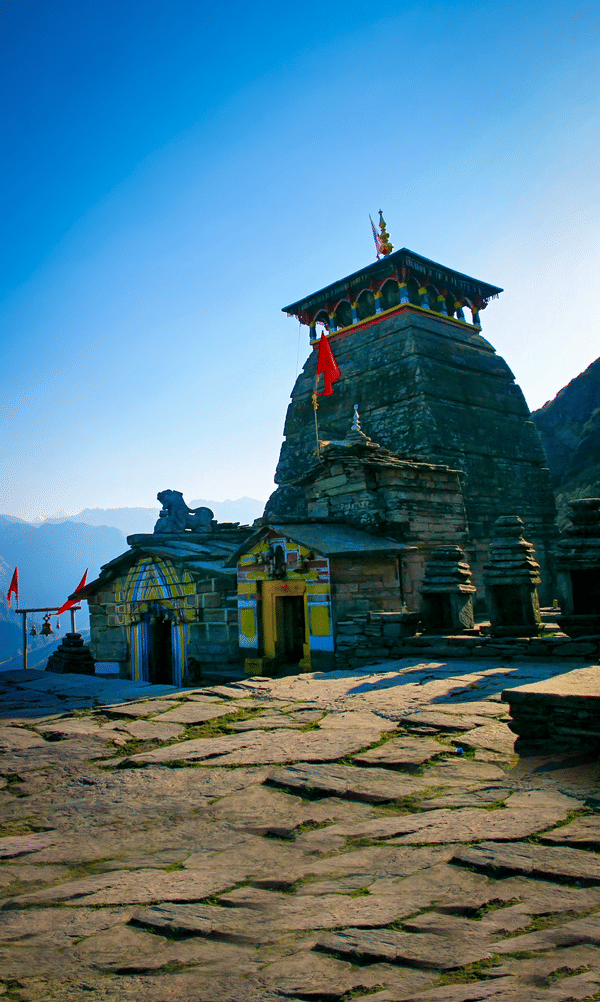
Chandrashila -Tungnath Trek with Deoria Tal - Weekend Group Trip
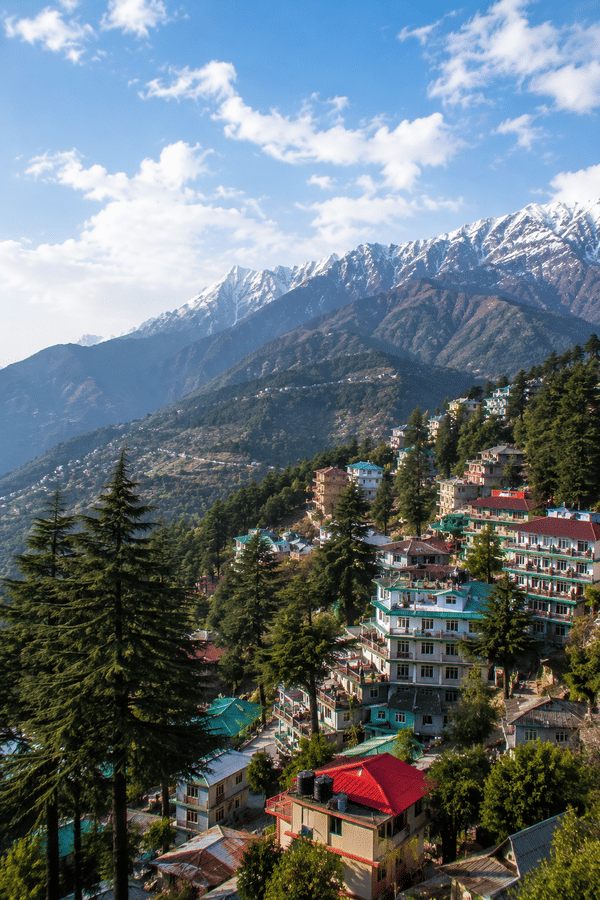
McLeodganj Bir Tirthan Valley Group Expedition From Delhi

Spiti Valley - Bliss in Budget with Sangla Holi Celebration
When to Go: Holi Festival in Sangla

Best Time Window: Mid-March 2026 (Holi typically falls the day after the full moon in Phalguna).
Peak Experience Days: 2–3 days around the main celebration—arrive at least one day early. Feb 28th to March 4, 2026.
Ideal for Weather & Views:Early to mid-March—snow still caps the mountains while valleys begin to warm.
What to Expect: Holi in Sangla—Insider Insights for Travelers
- A Festival You Can Participate in Respectfully: Unlike chaotic city Holi, Sangla lets you join locals in rituals, color application, and processions, giving a hands-on cultural experience rather than just observation.
- Hidden Corners of Celebration: Expect small gatherings in quiet village courtyards, temple grounds, and riverside spots where the real traditions happen. These moments aren’t advertised and can’t be found in typical tour itineraries.
- Authentic Kinnauri Traditions: You’ll hear folk songs sung in Kinnauri, watch dances with centuries-old steps, and see ceremonial uses of color that symbolize community blessings, not just fun.
- Food That Tells a Story: Holi in Sangla is also about local flavors. Try traditional Kinnauri sweets, steamed dishes, and seasonal snacks that only appear during the festival.
- Offbeat Travel Advantage: Visiting Sangla during Holi puts you ahead of crowds that flock to mainstream Holi hubs. It’s an opportunity to experience India’s festival culture without the usual chaos.
Suggested read: Holi celebration in Mathura
Holi in Sangla: Rituals and Ceremonies

Day 1: Preparations and Community Gatherings
Villagers clean homes, decorate temple courtyards, and prepare traditional sweets. Elders and temple committees set the stage for rituals, inviting locals and visitors to join in respectful observation.
Day 2: Rituals and Sacred Color Application
The Holi celebration in Sangla officially begins with prayers at temples. Colors are applied ceremonially after blessings, symbolizing harmony and goodwill. Processions through the main villages, including Sangla, Batseri and Rakcham, feature traditional Kinnauri music, drumming and folk dances.
Day 3: Faguli Festivities and Folk Performances
Faguli is the cultural heart of the festival, with folk songs, dances, and community games performed in village squares. Locals share seasonal delicacies and sweets, creating a communal atmosphere that visitors rarely experience elsewhere.
Day 4: Closing Rituals and Valley-wide Celebration
The final day marks blessings of homes and fields, concluding rituals, and a more playful but still traditional application of colors. The best part of this day includes the Ramayana street plays and enactments!
How to Reach Sangla

By air:
- The nearest airport is Kullu-Manali Airport (Bhuntar), around 200 km from Sangla.
- Flights connect from Delhi, Chandigarh, and other major cities.
- From Bhuntar, hire a taxi or take a local bus via Reckong Peo - Rampur - Karcham - Sangla.
By Train:
- There is no direct train to Sangla. The nearest major railway station is Shimla or Kalka.
- From Shimla or Kalka, travelers can take taxis, private cabs, or state buses to reach the valley.
By road:
- Sangla is accessible via Shimla-Rampur-Karcham-Sangla, covering approximately 250 km from Shimla.
- Buses and taxis are available from Shimla, Rampur, or Reckong Peo.
Pro Tip for Tourists:
Combine your journey with other highlights in Himachal. For example, travelers often stop at Kalpa, Reckong Peo, or Chitkul before reaching Sangla, making the trip part of the scenic experience.
Suggested read: Holi in Rishikesh
Tips to Attend Holi in Sangla

- Roads can get tricky during the festival; plan your travel in advance.
- Even in March, Sangla’s mountain chill can surprise you.
- Protect your skin and the valley’s pristine environment.
- Opt for homestays to experience authentic Himachali hospitality.
- Sangla’s Holi begins with prayers and local folk songs, which is a beautiful cultural experience.
- Try the famous dishes, also some specialties of Holi - Siddu, Madra, Chha Gosht, Babru, Mittha, and Bhey.
Frequently Asked Questions
Are there any Holi events in Sangla Valley?
Yes. Sangla Valley hosts traditional Holi events every year, including temple rituals, village processions, folk music and dances, ceremonial color application, and community feasts. Villages such as Sangla, Batseri, and Rakcham host the celebrations, providing tourists with an authentic Himalayan festival experience.
How is Holi celebrated in Sangla?
Holi in Sangla is celebrated with temple rituals, ceremonial colors, folk music, and village processions, offering a slow, immersive Kinnauri festival experience.
What other festivals are celebrated in Sangla?
Besides Holi, Sangla celebrates Faguli, Losar, Diwali, and local harvest festivals, featuring traditional music, dances, and community rituals unique to the Kinnaur region.
Is Sangla Holi family friendly?
Yes, Sangla Holi is family-friendly, with safe, slow-paced celebrations, temple rituals, and community gatherings suitable for all ages.


