


Thailand's Songkran Festival stands as the nation's biggest celebration - a unique mix of age-old customs and today's water-soaked revelry. Running April 13-15 this year, the Thai New Year water festival turns streets across Thailand into areas where everyone joins the splashing, laughing, and celebrating together.
Songkran goes beyond water battles! Families visit temples, younger generations honor their elders, and people seek fresh starts through symbolic cleansing rituals. The Songkran Festival Thailand delivers cultural depth alongside pure entertainment.
We'll walk you through the festival's background, traditional practices, top destinations, practical safety advice, and Songkran Thailand tour packagesfrom India that simplify your planning. Let's get started!
- Songkran Festival 2026 Dates: April 13–15, 2026
What is Songkran?

Songkran is one of the most iconic celebrations associated with Thailand tourism, marking the country’s traditional New Year through vibrant water festivities held nationwide. Streets across destinations such as Bangkok, Chiang Mai, Phuket, and Pattaya come alive as locals and visitors use buckets, hoses, and water guns to splash one another.
Beyond the playful celebrations, Songkran carries deep cultural significance. Water symbolises cleansing away the hardships of the previous year and welcoming good fortune, renewal, and prosperity for the year ahead.
Significance of Songkran
"Songkran" comes from Sanskrit, meaning "to step into," signifying the shift toward a fresh chapter. What distinguishes this festival is its unifying effect. Differences in age, origin, and background become irrelevant once the water festivities begin.
Those planning a Thailand Trip from India in April, whether in Bangkok, Chiang Mai, or Phuket, will find genuine insight into Thai cultural values and community spirit during Songkran.
WanderOn’s Thailand Trip Packages

Frozen Spiti Backpacking - Bliss in Budge
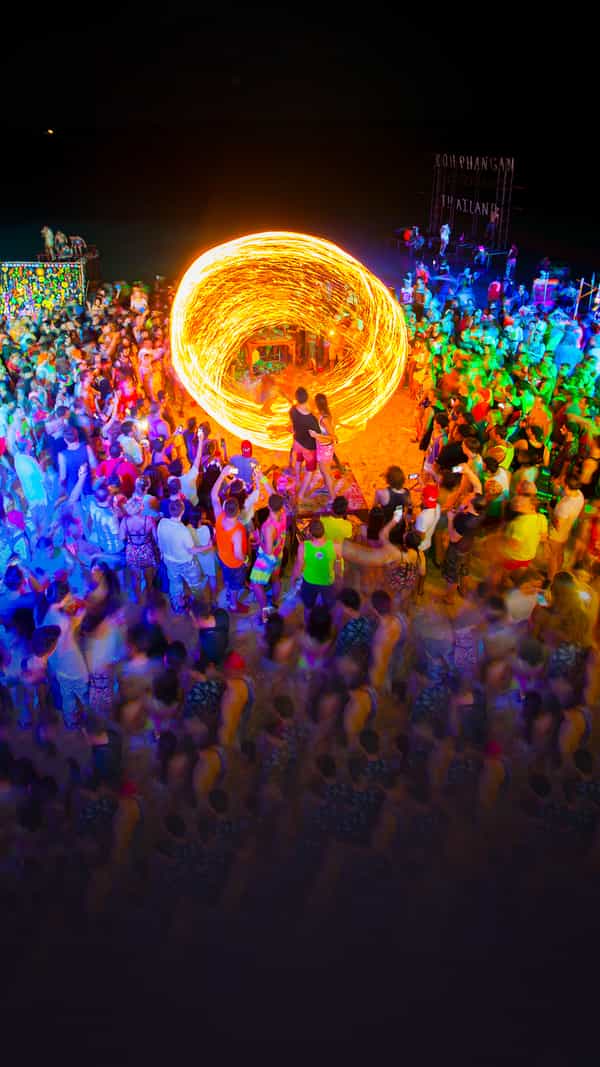
Thailand Trip with Full Moon Party at Koh Samui

6 Days Fun Thailand Tour Package | Island Hopping Special

3 Jewels Thailand Tour Package: Bangkok, Pattaya, Phuket
The Roots of Songkran Festival

The history of Songkran traces back hundreds of years to a simpler, more sacred celebration. Communities honoured elders, cleansed away misfortune, and welcomed the New Year with fresh intentions. Pouring water over Buddha statues and elders was a heartfelt gesture of respect and blessings.
Over centuries, that meaningful act grew into the lively water fights seen today. Songkran now blends tradition with festive energy. But its foundation has never moved: family, cleansing, and the joy of starting over.
Suggested Read: Best Time to Visit Thailand in 2026: Travel Guide
When is Songkran in Thailand
Songkran falls every year in April, a time when the whole country slows down, gathers together, and celebrates the Thai New Year with water, rituals, and plenty of food.
Dates of Songkran 2026 in Thailand fall on April 13-15.
How is the Songkran Festival Celebrated?

The Songkran Celebration in Thailand combines traditional customs with modern, fun-filled activities, making it one of the most exciting festivals to experience in the country. Travellers booking Thailand group tour packages during Songkran can enjoy everything from temple visits and cultural rituals to lively street celebrations, water fights, and festive events across major destinations.
Songkran Festival Traditions and Customs: The Traditional Way
- House Cleaning: Traditional rituals of Songkran include families thoroughly cleaning their homes to remove bad luck and negative energy before welcoming the new year.
- Visiting Temples: People visit temples such as Wat Pho, Wat Phra Singh, and Wat Phra That Doi Suthep to make merit by offering food to monks and pouring water over Buddha statues for blessings.
- Paying Respect to Elders: A significant tradition, "Rod Nam Dum Hua," involves young people pouring fragrant water(often scented with jasmine) over the hands of elders as a gesture of respect.
- Sharing Meals: Families prepare traditional dishes like Khao Chae (cold rice in jasmine water) and Pad Thai, along with festive sweets, gathering for meals and sharing with neighbors to strengthen community bonds.
Modern Songkran Celebration
While traditional customs remain important, modern celebrations have evolved into a countrywide festival of fun and excitement.
- Songkran Water Festival: The most iconic part of Songkran is the water battles. Streets transform into playgrounds where people use water guns, buckets, and hoses to drench everyone in sight. The water symbolizes purification and blessings.
- Street Festivals: Bangkok, Chiang Mai, and Pattaya(the best cities to visit in Thailand), and major roads are closed for street parties, concerts, and parades.
- Cultural Events: Beauty pageants, traditional dance shows, Muay Thai demonstrations, and other entertainment events take place throughout the festival period.
- Regional Variations: Chiang Mai hosts elaborate parades and traditional ceremonies, Pattaya extends celebrations for an entire week, while rural areas maintain a stronger focus on spiritual traditions.
Suggested Read: Things to Do in Thailand | Top Activities to Explore
Sonkran Festival 2026 - What to Expect?

Travellers exploring Thailand tour packages in summercan plan their trip around Songkran in April, when the country comes alive with water celebrations, temple rituals, cultural processions, and festive events. It is one of the most energetic times to experience Thailand, especially in cities like Bangkok, Chiang Mai, and Ayutthaya.
Streets turn into full-scale water battlegrounds:
- Buckets, hoses, water guns — everything is fair game.
- Chiang Mai’s moat and Bangkok’s Khao San Road see some of the wildest action.
- Temples fill up early with worshippers, offerings, and quiet rituals.
- Buddha statues are bathed in fragrant water as part of the Song Nam Phra ceremony.
- Younger generations pour water over elders’ hands to ask for blessings.
- Elephants in ceremonial dress join water celebrations in Ayutthaya.
- Chiang Mai hosts traditional processions through its ancient walled city.
- Phra Pradaeng near Bangkok stages colourful folk parades and cultural performances.
- Street food stalls come alive as the sun goes down.
- Live music, crowds, and celebrations often continue well into the night.
Most Loved Thailand from WanderOn | Family Edition

Perfect Family Vacation to Thailand

6 Days Family Trip to Bangkok and Pattaya

7 Days Tropical Thailand Tour Package with Phuket and Krabi
Best Places to Celebrate Songkran in Thailand
The Songkran Festival in Thailand is celebrated nationwide, but some cities are particularly famous for their unique festivities. Travellers exploring Thailand cultural festivals packages can plan around destinations such as Bangkok, Chiang Mai, Pattaya, and Ayutthaya to experience different versions of Songkran, from large-scale water fights to temple rituals, parades, traditional performances, and local community celebrations.
1. Bangkok - High-Energy Urban Celebrations

Bangkok delivers the most intense and internationally known Songkran experience. Expect massive crowds, organized stages, and nonstop water action.
Key Celebration Areas:
- Khao San Road: Backpacker hub with DJs, foam cannons, and packed water battles.
- Silom Road: Long stretch ideal for large-scale splashing; popular with locals and office crowds.
- Central World area: It is one of the best places to visit in Bangkok, often hosts structured events and music festivals.
- Temples like Wat Pho for traditional rituals.
Best for: High-energy travelers and first-timers.
How to Reach:
- Nearest Airport: Suvarnabhumi Airport (BKK)
- Main Railway Station: Krung Thep Aphiwat Central Terminal
- Main Bus Terminal: Mo Chit 2 Bus Terminal
- Local Transport: BTS Skytrain and MRT connect key areas.
Safety & Practical Tips:
- Arrive early; roads close by late morning.
- Use waterproof phone pouches.
- Avoid carrying passports unless necessary.
- Expect heavy traffic disruptions.
- Be cautious with motorbikes - accidents increase during Songkran.
Suggested Read: 30 Best Things to Do in Bangkok, 2025 Guide
2. Chiang Mai - Cultural & Community-Centered

Chiang Mai blends traditional rituals with large-scale celebration. Many consider it the most atmospheric place to celebrate.
Key Celebration Areas:
- Old City Moat: The epicenter of water celebrations; pickup trucks circle the moat splashing water.
- Tha Phae Gate area for parades.
- Wat Phra Singh for merit-making and Buddha processions.
Best for: Travelers seeking both tradition and festive energy.
How to Reach:
- Nearest Airport: Chiang Mai International Airport (CNX)
- Railway Station: Chiang Mai Railway Station
- Bus Terminal: Chiang Mai Arcade Bus Terminal
- Local Transport: Red songthaews and tuk-tuks are widely available.
Travellers extending their northern Thailand itinerary can also check how to reach Pai from Chiang Mai, as Pai is one of the most popular add-on destinations from the city. The journey is usually done by road through the mountains, making it easy to combine Chiang Mai’s Songkran celebrations with Pai’s viewpoints, cafés, waterfalls, and laid-back atmosphere.
Safety & Practical Tips:
- The moat water is not clean, avoid swallowing it.
- Streets become extremely congested in the afternoon.
- Respect temple dress codes if visiting religious sites.
- Stay hydrated; April heat in northern Thailand is intense.
Suggested Read: Chiang Mai Travel Guide - Things to do and Places to Visit
3. Pattaya - Extended Wan Lai Celebrations

Pattaya stands out because festivities continue beyond the main April 13-15 dates. “Wan Lai” usually peaks around April 19.
Key Celebration Areas:
- Beach Road: Main water battle stretch.
- Central Pattaya entertainment zones.
- Best temples in Pattaya, like Wat Chai Mongkhon, Wat Phra Yai (Big Buddha) extend merit-making ceremonies.
Best for: Those wanting a longer celebration window.
How to Reach:
- Nearest Airport: Suvarnabhumi Airport (BKK), Bangkok
- Railway Station: Pattaya Railway Station
- Bus Terminal: Ekkamai Bus Terminal (Bangkok)
- Local Transport: Baht buses run along main routes.
Safety & Practical Tips:
- Confirm Wan Lai event dates before booking.
- Expect larger weekend crowds.
- Protect valuables carefully in beachside zones.
- Choose accommodation within walking distance to avoid roadblocks.
Suggested Read: Your Ultimate Guide to the Top 11 Beaches in Pattaya
4. Phuket - Island Party Atmosphere

Phuket blends beachside relaxation with vibrant Songkran parties. Especially Patong’s Bangla Road and beachfront promenades are the best places to visit in Phuket.
Key Celebration Areas:
- Bangla Road (Patong Beach): Main nightlife strip turned water battleground.
- Patong Beach promenade.
- Local temples across Phuket Town for quieter rituals.
Best for: Beach lovers and nightlife-focused travelers
How to Reach:
- Nearest Airport: Phuket International Airport (HKT)
- Railway Access: No direct train service
- Bus Terminal: Phuket Bus Terminal 2
- Local Transport: Tuk-tuks, taxis, andGrab operate widely.
Safety & Practical Tips:
- Crowds in Patong can become extremely dense at night.
- Wear secure footwear; the streets get slippery.
- Avoid riding scooters during peak hours.
- Resorts often host controlled, safer celebrations.
Suggested Read: 20 Best Things to Do in Phuket: Complete Travel Guide 2026
5. Ayutthaya - History, Elephants & Unexpected Magic

Most people drive straight past Ayutthaya heading to Chiang Mai. Ayutthaya celebrates Songkran the old way; no foam cannons, no stages. Expect Decorated elephants, ancient temple grounds, and water celebrations that have rarely changed in generations.
Key Celebration Areas:
Historical park ruins like Ayutthaya Historical Park for elephant festivities and open-air water celebrations
Local temple grounds, like Wat Phra Si Sanphet and Wat Chaiwatthanaram, for merit-making and Buddha bathing ceremonies
Main streets like Si Sanphet Road for elephant processions and traditional performances
Best for: Travelers who want Songkran with culture, history, and celebration all in one place.
How to Reach:
- Nearest Airport: Don Mueang International Airport (DMK), Bangkok
- Railway Station: Ayutthaya Railway Station
- Bus Terminal: Mo Chit 2 Bus Terminal (Bangkok)
- Local Transport: Tuk-tuks are the most convenient option.
Safety & Practical Tips:
- Book accommodation early. Ayutthaya fills up fast during the festival
- Hire a tuk-tuk or rent a bicycle to move between celebration spots
- Carry cash; smaller vendors rarely accept cards
- Respect temple grounds. The mix of ruins and rituals means dress codes apply throughout.
Songkran Festival Etiquette: Do’s and Don’ts

Before you grab a bucket, a few water festival rules and Songkran water fight safety tips are worth knowing
Songkran Festival Do’s
1. Do respect traditional rituals: Visit temples, observe Buddha bathing ceremonies, and understand that Songkran is a Thai New Year water festival rooted in spirituality.
2. Do pour water gently on elders: Traditional water pouring over elders’ hands symbolizes blessings and respect; it’s not a splash fight.
3. Do dress modestly: Wear lightweight but appropriate clothing, especially near temples. Avoid overly revealing outfits.
4. Do protect your valuables: Use waterproof bags and secure pouches for phones and cash.
5. Do ask before applying powder: Although din sor pong is part of Songkran tradition, applying it without permission can be disrespectful.
6. Do stay hydrated and pace yourself: April is hot, and celebrations last long hours.
Songkran Festival Don’ts
1. Don’t splash monks, elderly people, or babies: This is considered highly disrespectful.
2. Don’t use ice water or high-pressure hoses: It can cause injury and is frowned upon.
3. Don’t throw water at motorcyclists or moving vehicles: This can cause accidents and is dangerous.
4. Don’t wear see-through clothing when wet: It can attract unwanted attention and is culturally inappropriate.
5. Don’t assume it’s only a party festival: Remember, for many locals, it’s a religious and family-oriented occasion.
6. Don’t ignore local police rules or alcohol restrictions: Authorities strictly monitor safety during the festival.
Your Songkran Story Starts Here

The Songkran Festival is more than just a water fight. It is a celebration of joy, renewal, and tradition that brings families, friends, locals, and travellers together across Thailand. Those exploring Thailand tour packages under 100000 can plan their trip around Songkran and combine the celebrations with city sightseeing, temples, local markets, and other cultural experiences.
Whether you are joining the water fights on Khao San Road, watching traditional celebrations in Ayutthaya, or quietly pouring water over a Buddha statue at a temple, every destination offers a different way to experience the spirit of Songkran.
Follow Thailand’s travel tips for celebrating Songkran safely, respect the traditions behind the splashing, and you'll walk away with more than just good photos. Thailand saves its best self for April - make sure you're there to see it!
Frequently Asked Questions
What happens during the Songkran Festival in Thailand?
During the Songkran Festival Thailand, streets turn into water battlegrounds, temples fill with worshippers, families gather for rituals, and cities host parades, food stalls, and live performances from April 13 to 15, 2026.
What is Songkran and why is it celebrated in Thailand?
Songkran marks the Thai New Year. Water symbolises washing away bad luck, and the festival honours family, elders, and spiritual renewal through traditional rituals and celebrations.
Which place is best for the Songkran Festival in Thailand?
For the Thai New Year 2026, Chiang Mai and Bangkok are the most popular. Ayutthaya suits culture seekers, Pattaya extends celebrations longer, and Phuket blends beach vibes with festive energy.
Why do people throw water during Songkran in Thailand?
Water represents purification and blessings in Thai culture. Splashing water on others symbolises washing away misfortune and wishing them good luck for the coming year.
What should tourists avoid during Songkran in Thailand?
During the Songkran Festival Thailand, avoid splashing monks, elderly people, or babies. Don't use ice water or high-pressure hoses, ignore local rules, or ride motorbikes during peak celebration hours.


