


Balpakram National Park is one of the most beautiful national parks in Meghalaya, located around 210 km from Shillong. The name Balpakram means “the land of perpetual winds,” while the Garo tribe lovingly calls it “the land of Spirits.” If you’re planning a Meghalaya Trip, this park deserves a spot on your list for its blend of nature, wildlife, and local folklore.
Every part of Balpakram feels alive with stories. Towering cliffs, deep gorges, and flowing rivers are linked to age-old Garo legends, giving the park a mystical aura. Beyond myths, it’s home to fascinating species like the endangered wild water buffalo, the carnivorous pitcher plant, and the vibrant hornbill. The mix of rare flora and fauna makes it a paradise for nature lovers.
With its mystery, biodiversity, and untouched charm, Balpakram isn’t just a destination, it’s an experience waiting to be discovered. Come see why it’s truly unforgettable!
About Balpakram National Park

One of the most fascinating places to visit in the Garo Hills of Meghalaya is Balpakram National Park. Declared a national park on 27th December 1987 by the late Prime Minister Shri Rajiv Gandhi, it spans 220 sq. km in the South Garo Hills at an altitude of about 910 m (3,000 ft). Located near the tri-border of the Garo Hills, Khasi Hills, and Bangladesh, the park holds both ecological and cultural significance.
Most Popular Meghalaya Travel Packages to Book Now

7 Days Ziro Music Festival Tour Package

Romantic Escapade to Meghalaya - 6 Days Honeymoon Tour Package

Meghalaya With Kaziranga Road Trip - Christmas and New Year Special Edition
Best of Meghalaya Group Tour | Witness the Monsoon Magic.
Entry Fees and Timings of Balpakram National Park

Entry Fees:
- Indian Nationals:₹50 per person
- Foreign Nationals:₹200 per person
- Children (under 12): Free
- Camera Charges:
- Still Camera– ₹100
- Video Camera– ₹500
Timings:
Open daily: 8:00 AM – 5:00 PM (some sources mention till 6:00 PM)
Best Time to Visit Balpakram National Park

The best time to visit Balpakram National Park is from October to March. During these months, the weather is pleasant, making it easier to explore the park’s hilly terrain and spot wildlife. The monsoon season (June to September) is not ideal because heavy rains can make the trails slippery and difficult to access.
Summer months (April to May) are also manageable, but the heat may make trekking tiring. If you want the best experience, plan your trip in winter or early spring when the skies are clear and the natural beauty of the park is at its peak.
How to Reach Balpakram National Park Meghalaya

Balpakram National Park is located in the South Garo Hills of Meghalaya and is accessible by air, rail, and road. Here’s a simple guide on how to reach Balpakram National Park:
- By Air: The nearest airport is Lokpriya Gopinath Bordoloi International Airport in Guwahati, Assam, about 220 km away. From Guwahati, you can hire a taxi or take a bus to Tura, which is the closest major town to Balpakram. From Tura, the park is approximately 90 km away and can be reached by road.
- By Rail: The closest railway station is Guwahati Railway Station, which is well-connected to major cities in India. From Guwahati, you can take a taxi or bus to Tura. The journey from Guwahati to Tura takes around 6–7 hours by road.
- By Road: If you’re planning a road trip, Balpakram is well-connected to Tura by motorable roads. Tura itself is linked to Shillong and Guwahati by highways. From Tura, you can hire a local taxi or take a bus to reach the park.
Balpakram National Park Attractions

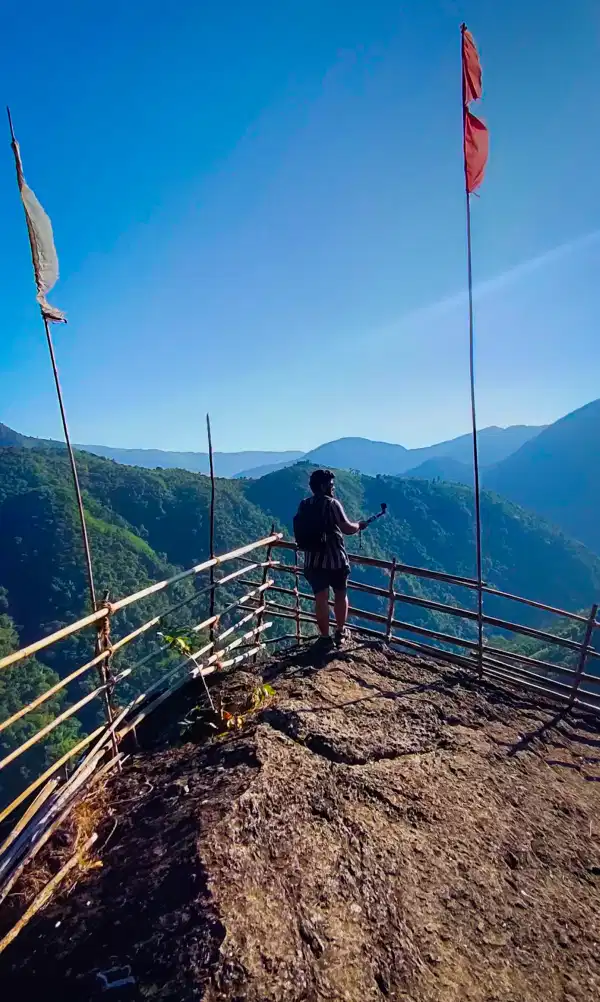
- Balpakram Plateau & Gorge: Dubbed the "Grand Canyon of the Garo Hills," the Balpakram Plateau features a deep gorge and panoramic views that showcase the rugged beauty of Meghalaya.
- Limestone Formations & Caves: The park is dotted with fascinating limestone caves and rock formations, offering a glimpse into its unique geological history.
- Simsang River: Flowing through the park, the Simsang River is a lifeline for the region. It also forms beautiful waterfalls like Rongdong Falls, which are particularly spectacular during the monsoon season.
Things to Do in Balpakram National Park

If you're planning a visit to Balpakram National Park Meghalaya, get ready for a world of unforgettable experiences in the heart of the Garo Hills. Here are the best things to do in Balpakram National Park:
- Trekking: Trekking in Balpakram National Park is amazing! It can take anywhere from 7 to 8 hours to get around, depending on the weather and how the animals move around. One of the most popular spots is Deoban Lake with the Bat Cave. You'll get to see crystal clear waters, schools of fish, untouched limestone caves, and lush tropical forests full of birds while trekking in Balpakram National Park. It's definitely one of the best adventure activities to do in Meghalaya.
- Camping: Take a break from the hustle and bustle of everyday life and camp out in the Garo Hills Balpakram National park. Relax and enjoy the peaceful vibe, and maybe even catch a glimpse of the stars. You'll be surrounded by campfires and the beautiful sound of nature.
- Cave Exploration: While trekking in Balpakram national park explore the mysteries of the limestone caves here. These uncharted underground chambers offer a chance to discover the hidden wonders of the earth. This is one the best places for cave exploration in Meghalaya which is not just an adventure but a journey into the unknown.
- Bird Watching: Garo Hills Balpakram National Park is a paradise for bird enthusiasts. Set out with your binoculars and explore the skies, keeping an eye out for unique avian species that call this park home. From the majestic hornbill to the vibrant peacock pheasant, you'll be treated to a visual feast of birdlife.
- Photography: Balpakram National Park is a photographer's dream. The stunning landscapes, rare wildlife in Balpakram National park, and unique geological formations provide endless opportunities for capturing nature's beauty through your camera lens.
- Waterfall Exploration: Discover the enchanting waterfalls of Meghalaya that are a part of the Balpakram National Park. These waterfalls offer a unique water adventure activity of Meghalaya, adding a touch of adventure to your trip. They also provide an ideal backdrop for relaxation and picnics.
- Interact with the Locals: Connect with the Garo people and gain insights into their traditions, folklore, and way of life. Sharing experiences with the locals can be an enriching cultural exchange.
Unique Flora and Fauna of Balpakram National Park

Garo Hills Balpakram National Park is a biodiversity hotspot in Meghalaya, known for its unique and rare species of flora and fauna, many of which are endemic to the region.
Unique Flora
- Carnivorous Plants: The park is famous for housing rare insectivorous plants, most notably the Pitcher Plant (Nepenthes khasiana).
- Medicinal Plants: The dense forests are a repository of numerous medicinal plants, herbs, and wild varieties of orchids.
- Varied Vegetation: The park's diverse topography, ranging from deep gorges to plateaus, supports a mix of tropical deciduous forests, grasslands, and bamboo groves.
Unique Fauna
- Red Panda: Balpakram is one of the last remaining habitats for the endangered red panda, making it one of the important national parks in Meghalaya for the species.
- Wild Cats: The park is home to a variety of wild cats, including the elusive Clouded Leopard, Marbled Cat, and the Golden Cat.
- Primates and Other Mammals: You can also find the Hoolock Gibbon (India's only ape species), Asian elephants, wild water buffaloes, and several species of deer.
- Avian Species: It is a paradise for birdwatchers, with sightings of the majestic Great Hornbill, Indian Pitta, and the endangered Rufous-necked Hornbill.
Legends Associated with Balpakram National Park

Mythical Realm of Souls
Balpakram is considered the land of spirits by the Garo tribe. According to local belief and the history of Balpakram National Park, visiting this sacred land is essential for reincarnation as a human. The park is dotted with mystical sites, each carrying its own tale:
- Gandhi Soram– three hillocks marking the funeral site of tribal ancestors.
- Mebit (Oracle Rock)– where pebbles are believed to predict locations for Jhum fields.
- Balpakram Gorge– said to be the resting place of departed souls.
- Chidimak (Black Pool)– believed to be the bathing spot of spirits, darkened by their ashes.
- Me.mang Anti-Charam– thought to be a spirit marketplace.
- Dikini Ring– a rock formation resembling an upside-down boat, surrounded by mystery.
Ecological Landmarks
Beyond myths, Balpakram is rich in ecological diversity and is home to several unique sites:
- So.gin Sa.ram– nesting ground for vultures.
- Matcha Melaram– known as a meeting place for tigers.
- Deoban– believed to be a fishing spot for deities, while also showcasing the park’s abundant wildlife.
The Magnetic Rock
One of the most mysterious attractions in Balpakram National Park is the Magnetic Rock. This hollow rock is said to have a powerful magnetic pull that draws in animals and birds that come too close, though humans remain unaffected. Its unexplained nature continues to fascinate visitors.
Accommodation Near Balpakram National Park

If you’re planning a trip to Balpakram, most accommodation options are found in nearby towns rather than inside the park itself.
1. Baghmara (Closest Town)
- Baghmara Tourist Lodge– basic facilities, convenient for travelers.
- Forest Department Guesthouses– simple, budget-friendly options.
2. Tura (More Comfortable Stays)
- Hotel Polo Orchid– modern amenities with scenic views.
- Hotel Rikman Continental– mid-range option with decent facilities.
- Hotel DDP Tura– good for longer stays with comfort.
3. Hatisia (Near Park Entrance)
- Forest Department Guesthouse & Dormitory– located right at the entrance.
- Ideal for those who want to stay close to Balpakram National Park, though advance booking may be required.
Tourist Places Near Balpakram National Park

- Baghmara: The nearest town to Balpakram, Baghmara is the headquarters of South Garo Hills. It’s a great base for your trip and offers insight into the local life of the Garo people. Located on the banks of the Simsang River, it’s also a hub for trade with neighboring Bangladesh.
- Siju Caves: Also called the "Cave of Bats,"Siju Caves are among the longest cave systems in India. Famous for stalactite and stalagmite formations and an underground river, exploring these caves is an exciting adventure.
- Siju Bird Sanctuary: Located near the caves, this sanctuary is a haven for birdwatchers. It hosts migratory birds like Siberian ducks and resident species including the Great Hornbill.
- Nokrek National Park: A UNESCO Biosphere Reserve, Nokrek National Park is home to the endangered Red Panda and other rare wildlife. Ideal for nature and wildlife enthusiasts.
Final Words
When it comes to exploring Meghalaya, Balpakram National Park is a must-visit spot for nature lovers, adventure seekers, and anyone curious about local myths. From its rugged plateaus and deep gorges to rare wildlife like the Red Panda and exotic birds, there’s so much to discover. The History of Balpakram National Park adds another layer of intrigue, with its spiritual significance in Garo folklore and mystical tales that have been passed down for generations. Among the national parks in Meghalaya, Balpakram stands out for its mix of breathtaking landscapes, fascinating legends, and vibrant biodiversity. Whether you’re hiking, spotting wildlife, or simply soaking in the views, this park promises an unforgettable experience that truly captures the spirit of the Garo Hills.
Frequently Asked Questions
Where is Balpakram National Park located?
Balpakram National Park is located in the South Garo Hills district of Meghalaya, India. It lies at an elevation of about 910 meters and is situated close to the international border with Bangladesh.
What are the legends and myths of Balpakram National Park?
The local Garo tribe considers Balpakram a sacred place and the abode of spirits. Legends suggest that the souls of the dead reside here before their final journey to the afterlife, and the park has several mysterious rock formations and depressions in trees that are attributed to these spirits.
Which animals are found in Balpakram National Park?
The wildlife in Balpakram National Park is incredibly diverse, including endangered species. Visitors may spot animals like the Red Panda, Hoolock gibbon, wild water buffalo, Asian elephants, and various wild cats such as the Clouded Leopard and Golden Cat.
What is the best time to visit Balpakram National Park?
The best time to visit Balpakram National Park is from late October to May. The weather is pleasant and dry during this period, which is ideal for trekking and allows for a better chance of spotting wildlife
What are the visiting timings of Balpakram National Park?
The park is typically open from 8:00 AM to 5:00 PM. It is advisable to confirm these timings with the local authorities before your visit, as they can sometimes change, especially during different seasons.
Can tourists hire guides for Balpakram National Park tours?
Yes, it is highly recommended and often necessary to hire a local guide for tours inside Balpakram National Park. Guides not only ensure your safety but also provide valuable insights into the park's unique flora, fauna, and local folklore.
What are the major attractions inside Balpakram National Park?
The park's major attractions are its deep gorges and canyons, which are often compared to the Grand Canyon of the USA. The unique rock formations, a variety of rare medicinal plants, and the chance to spot the elusive Red Panda are also significant draws.
What are the accommodation options near Balpakram National Park?
Accommodation options near the park are limited, but you can find forest rest houses and guesthouses in the nearby towns of Baghmara and Tura. It's best to book your stay in advance, especially during the peak tourist season.
Is Balpakram National Park suitable for family trips?
Yes, Balpakram National Park can be suitable for family trips, especially for those who enjoy nature and soft adventure. The mystical landscapes and the mini-zoo make it an engaging experience for young explorers, but some treks may require supervision.
What is the nearest airport and railway station to Balpakram National Park?
The nearest airport is Lokpriya Gopinath Bordoloi International Airport in Guwahati, Assam, which is well-connected to major Indian cities. The nearest railway station is also in Guwahati. From there, you must travel by road to reach the park.
What is Balpakram National Park famous for?
Balpakram National Park is famous for its breathtaking canyon-like gorges, its deep connection to the Garo tribe's spiritual beliefs, and its rich biodiversity, which includes rare and endangered species like the Red Panda and Pitcher Plant.
How to reach Balpakram National Park from Shillong?
To reach Balpakram from Shillong, you can hire a taxi or take a bus to Tura, the nearest major town. From Tura, you can hire another local taxi to cover the remaining distance to the park. The journey is long but offers scenic views of Meghalaya.
Why is Balpakram National Park called the Land of Spirits?
Balpakram National Park is called the Land of Spirits because of the Garo tribe's belief that it is the resting place for the souls of the dead. Local legends and myths, coupled with mysterious natural phenomena within the park, have contributed to this spiritual significance.


