


Not many things can make you stop and just stare, but a castle in Europe can.
There's something about standing in front of a 900-year-old stone fortress that hits differently. These aren't museum replicas or movie sets. Castles in Europe are the real deal. And there are over 150,000 of them spread across the continent. Think of Neuschwanstein Castle in Germany, the fairytale-like Château de Chambord in France, the dramatic cliffside Edinburgh Castle, or the massive medieval Conwy Castle in Wales.
France alone has around 45,000 castles, Germany has 25,000, and even tiny Wales has more castles per square mile than anywhere else in Europe, making Europe group tour packages worth considering for travellers hoping to explore castles across multiple countries.
Every European castle has its own story. Some survived wars. Some changed hands between kings. Some were abandoned and left for nature to reclaim. Walking through them feels less like sightseeing and more like stepping into a chapter of history nobody told you about in school.
And the good news? Most of them are open. You can actually go inside, climb the towers, and stand where history happened.
If that sounds like your kind of trip, take a look at our Europe Tour Packages and start picking your castles.
Europe Tour Packages

12-Day Europe Backpacking: Paris, Amsterdam, Prague, Vienna
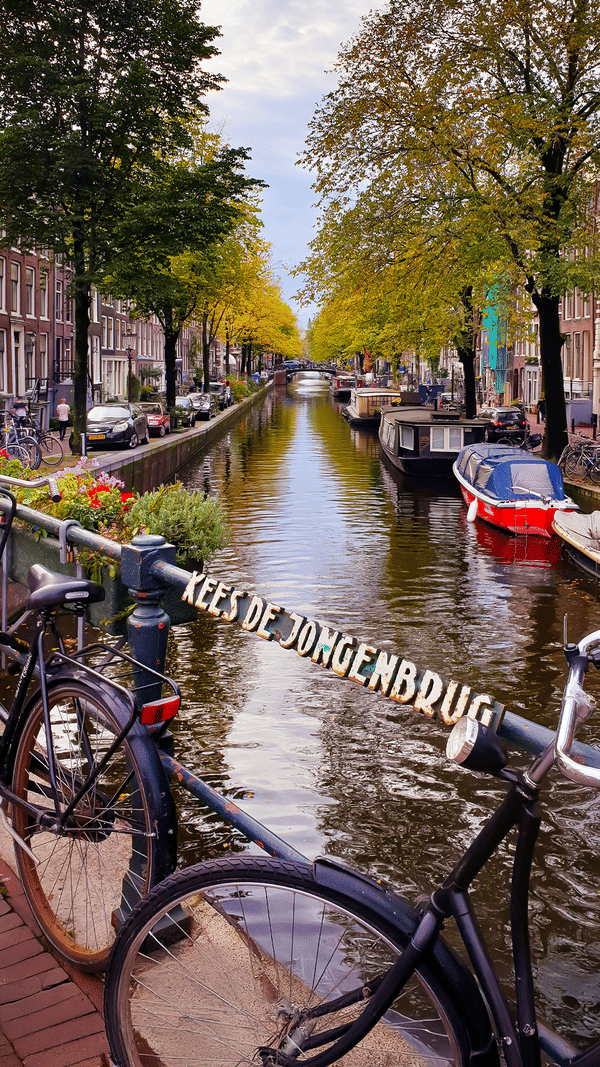
12 Day Europe Backpacking Tour: Amsterdam, Prague & Budapest

Summer Deals: 11 Days Amazing Europe Tour

8 Days Swiss Paris Delights | Special Europe Tour Package
30 Best Castles in Europe You Can Actually Visit
1. Neuschwanstein Castle, Germany

Built between 1869 and 1886 by King Ludwig II of Bavaria, Neuschwanstein was inspired by medieval legends and Richard Wagner’s operas. Unlike true medieval European fortresses, it was never meant for defence. It was a private retreat.
The Romanesque Revival design includes a dramatic throne hall and an artificial grotto. Ironically, Ludwig barely lived there before his mysterious death. Today, it’s one of the most photographed castles in Europe and receives over a million visitors yearly. Its location in the Bavarian Alps makes it an excellent stop for travellers who want to combine historic landmarks with outdoor experiences featured in Europe adventure tour packages.
- Location: Near Füssen, Bavaria, southern Germany, close to the Austrian border.
- Things to Do: Guided interior tour, view the Throne Hall, walk to Marienbrücke bridge for beautiful photos, and hike surrounding Alpine trails.
- Timings: 9:00 AM – 6:00 PM (April–October); shorter hours in winter.
- Entry Fee: Approx. €15–18 for adults.
- How to Reach: Train to Füssen, then bus 73 or 78 to Hohenschwangau; uphill walk or shuttle bus to the entrance.
- Insider Tips: Book tickets online in advance. The best views are from Marienbrücke, not the courtyard.
2. Edinburgh Castle, Scotland

Edinburgh Castle stands on Castle Rock, a volcanic plug formed over 300 million years ago. Archaeological evidence shows occupation since at least the Iron Age. During the Wars of Scottish Independence, it changed hands multiple times between Scots and English forces.
This castle in Scotland houses the Honours of Scotland, the country’s crown jewels, and the Stone of Destiny used in royal coronations. Unlike many Europe castles that became decorative, this remained militarily active into the 17th century. It’s not just scenic - it shaped Scottish national identity.
- Location: Castle Rock, Royal Mile, Edinburgh city centre.
- Things to Do: See the Scottish Crown Jewels, visit St. Margaret’s Chapel, watch the One O’Clock Gun, and explore the National War Museum.
- Timings: 9:30 AM – 6:00 PM (summer); shorter hours in winter.
- Entry Fee: Around £19–22 for adults.
- How to Reach: Walk up the Royal Mile from Princes Street or Waverley Station.
- Insider Tips: Arrive early. It gets crowded by late morning, especially in summer.
3. Prague Castle, Czech Republic

Founded around 880 AD by Prince Bořivoj,Prague Castle is considered the largest ancient castle complex in the world, covering nearly 70,000 square meters. It includes St. Vitus Cathedral, the Old Royal Palace, and defensive towers.
Over centuries, it transitioned from a fortified residence to one of the grand European palaces. It remains the official office of the Czech president. This blend of medieval fortification and later Renaissance and Baroque additions makes it a textbook example of how Europe castles evolved politically and architecturally.
- Location: Hradčany district, overlooking Prague’s Old Town.
- Things to Do: Tour St. Vitus Cathedral, Old Royal Palace, Golden Lane, and castle gardens.
- Timings: Castle grounds open 6:00 AM – 10:00 PM; buildings usually 9:00 AM – 5:00 PM.
- Entry Fee: Circuit tickets approx. €10–15.
- How to Reach: Tram 22 to Pražský hrad stop; short uphill walk.
- Insider Tips: Enter through the back gate in the morning to avoid the main security queues.
Suggested Read:How To Plan A Europe Trip Guide For 2025 European Tour!
4. Windsor Castle, England

Established by William the Conqueror in the 11th century, Windsor Castle is the longest-occupied palace in Europe. Originally built as a motte-and-bailey defensive structure, it was later expanded into a royal residence. It survived the English Civil War and multiple architectural transformations.
Today, it is still an official residence of the British monarch. The State Apartments contain works by Rembrandt and Rubens. As a Castle in England, it shows the full arc from medieval stronghold to functioning royal estate, bridging castle medieval Europe and refined European palaces.
- Location: Windsor, Berkshire, about 40 km west of London.
- Things to Do: Tour the State Apartments, visit St. George’s Chapel, and see Queen Mary’s Dolls’ House.
- Timings: 10:00 AM – 5:15 PM (closed Tuesdays and Wednesdays).
- Entry Fee: Around £28 for adults.
- How to Reach: Train from London Paddington or Waterloo to Windsor & Eton Central.
- Insider Tips: Check the flag above the Round Tower - if it’s flying, the monarch is in residence.
Suggested Read: Best Places for Honeymoon in Europe
5. Tower of London, England

Founded in 1066, the Tower of London began with the White Tower built by William the Conqueror. It served as a royal residence, prison, mint, treasury, and execution site. Anne Boleyn and other political prisoners were held here. It houses the Crown Jewels today.
Among castles in London, this is the most historically intense. It’s a fortress built to intimidate and control the city. As a Famous castle in Europe, it reflects how power was enforced in medieval England.
- Location: Tower Hill, central London, beside the River Thames.
- Things to Do: View the Crown Jewels, join a Yeoman Warder tour, see the White Tower, and walk the medieval walls.
- Timings: 9:00 AM – 5:30 PM (varies by day).
- Entry Fee: Around £33 for adults.
- How to Reach: Tube to Tower Hill Station.
- Insider Tips: Go straight to the Crown Jewels first to avoid long lines. One of the key castles in London to prioritise.
6. Alhambra, Spain

The Alhambra in Granada began as a fortress in 889 but was transformed into a royal Nasrid palace in the 13th century. Its Islamic architecture includes intricate stucco work, geometric tile designs, and the famous Court of the Lions.
After the Christian Reconquista in 1492, it was modified but not destroyed. Unlike typical castle medieval Europe structures, the Alhambra focuses on artistry and water features rather than heavy stone defence. It represents a different architectural tradition within Castles in Europe and is now a UNESCO World Heritage Site.
- Location: Granada, Andalusia, southern Spain.
- Things to Do: Visit Nasrid Palaces, Generalife Gardens, Alcazaba fortress, and Palace of Charles V.
- Timings: 8:30 AM – 8:00 PM (seasonal variations).
- Entry Fee: Around €14–19, depending on access areas.
- How to Reach: Bus C30 or C32 from Granada city centre.
- Insider Tips: Book weeks ahead. Entry tothe Nasrid Palaces is strictly timed.
7. Stirling Castle, Scotland

Stirling Castle controlled the main route between the Scottish Highlands and Lowlands. Because of that position, it became one of the most fought-over sites in Scotland. Major battles nearby include Bannockburn in 1314. Several Scottish monarchs were crowned here, including Mary, Queen of Scots.
The Great Hall, completed in 1503, was one of the largest Renaissance buildings in Britain. This castle in Scotland balances military importance with royal ceremony, making it central to Scottish history.
- Location: Stirling city centre, central Scotland.
- Things to Do: Explore the Great Hall, Royal Palace, Regimental Museum, and castle ramparts.
- Timings: 9:30 AM – 6:00 PM (summer).
- Entry Fee: Around £17–20 for adults.
- How to Reach: Train from Edinburgh or Glasgow to Stirling; 15-minute uphill walk.
- Insider Tips: Combine with Bannockburn Battlefield for full historical context. A must-see castle in Scotland.
8. Carcassonne, France

Carcassonne is not just a castle but a fortified medieval city. Its double walls stretch nearly three kilometres and include 52 towers. Originally a Roman settlement, it was fortified in the 13th century. By the 19th century, it had fallen into ruin before restoration by architect Eugène Viollet-le-Duc.
It remains one of the most complete examples of castle medieval Europe urban castle defence. Unlike isolated fortresses, Carcassonne shows how entire communities lived inside defensive systems.
- Location: Carcassonne, Occitanie region, southern France.
- Things to Do: Walk the fortified walls, tour Château Comtal, and explore medieval streets inside the citadel.
- Timings: 10:00 AM – 6:30 PM (seasonal variation).
- Entry Fee: Around €11 for the inner castle; town access is free.
- How to Reach: Train from Toulouse; a short walk from the station.
- Insider Tips: Stay overnight to experience the old town after day-trippers leave.
Suggested Read: Things To Do In Paris For Europe Trip 2026
9. Kronborg Castle, Denmark

Built in the 1570s, Kronborg guarded the narrow Øresund Strait between Denmark and Sweden. Ships passing through had to pay tolls, making it strategically and economically vital. Shakespeare used it as the setting for Hamlet, though he never visited Denmark.
The fortress combines Renaissance elegance with heavy military fortifications. It reflects how Europe Castles controlled trade routes, not just land borders. Its location made Denmark powerful in Baltic commerce.
- Location: Helsingør, northeastern Denmark, facing Sweden across the Øresund Strait.
- Things to Do: Explore royal chambers, casemates, ballroom, maritime exhibitions.
- Timings: 10:00 AM – 5:00 PM (seasonal).
- Entry Fee: Around €15.
- How to Reach: Train from Copenhagen (approx. 45 minutes).
- Insider Tips: Combine with a quick ferry trip to Helsingborg, Sweden.
10. Malbork Castle, Poland

Constructed in the 13th century by the Teutonic Knights, Malbork Castle is the largest castle in the world by land area. Built entirely of brick, it served as headquarters for a powerful religious military order.
Its layered defensive system includes multiple baileys and fortified gates. After damage in World War II, it was extensively restored. Among Castles in Europe, Malbork represents the peak of military monastic architecture during castle medieval Europe.
- Location: Malbork town, northern Poland, near Gdańsk.
- Things to Do: Guided castle tour, explore Grand Master’s Palace, visit medieval weapon displays.
- Timings: 9:00 AM – 5:00 PM (seasonal changes apply).
- Entry Fee: Around €12–15 depending on tour type.
- How to Reach: Train from Gdańsk (about 1 hour).
- Insider Tips: Opt for the audio guide - the complex is huge and easy to navigate with commentary.
11. Château de Chambord, France

Built in the early 16th century under King Francis I, Château de Chambord was designed as a hunting lodge rather than a defensive fortress. Its architecture blends French medieval structure with Italian Renaissance influence, possibly inspired by Leonardo da Vinci.
The most famous feature is its double-helix staircase, where two people can ascend without meeting. Though it looks fortified, it functioned more like one of the grand European palaces. Among Castles in Europe, Château de Chambord is among the notable monuments of France, reflecting the shift from military necessity to royal display and architectural experimentation.
- Location: Loire Valley, spanning the River Cher.
- Things to Do: Walk through a gallery over the river, tour royal bedrooms, explore flower gardens.
- Timings: 9:00 AM – 7:00 PM (seasonal).
- Entry Fee: Around €15–17.
- How to Reach: Train from Tours to Chenonceaux station; short walk.
- Insider Tips: Visit late afternoon when light reflects beautifully on the river. One of the most elegant European palaces with castle medieval Europe roots.
Suggested Read: Family Trip To Europe Complete Guide 2025
12. Hohensalzburg Fortress, Austria

Constructed in 1077, Hohensalzburg overlooks the city of Salzburg from Festungsberg hill. It was built by archbishops to protect their political and economic power, particularly salt trade revenues. Unlike many Europe Castles damaged by war, it was never captured by enemy forces. Its thick defensive walls and towers reflect true castle medieval Europe strategy. Inside, richly decorated princely chambers contrast with the harsh military exterior. It remains one of the largest fully preserved medieval fortresses in Central Europe.
- Location: Festungsberg hill, Salzburg, Austria.
- Things to Do: Tour princely chambers, visit the Golden Hall, explore the fortress museum, and walk the defensive towers for Alpine views.
- Timings: 9:00 AM – 5:00 PM (extended in summer).
- Entry Fee: Around €13–16, depending on ticket type.
- How to Reach: Funicular from Festungsgasse in Salzburg Old Town or a 20-minute uphill walk.
- Insider Tips: Buy the all-inclusive ticket for full access. Go early to avoid tour groups.
13. Alcázar of Segovia, Spain

The Alcázar began as a Roman fort before becoming a medieval royal palace. Its ship-like shape, perched above a rocky crag, makes it one of the most recognisable and beautiful Europe castles. It served as a royal residence and later a military academy. Queen Isabella I was crowned here in 1474. Though it has defensive features, its later Gothic interiors reflect evolving tastes similar to European palaces. It’s frequently listed among the best castles to visit in Europe because of its preserved halls and dramatic location.
- Location: Segovia, Castile and León, central Spain.
- Things to Do: Tour royal halls, climb the Tower of Juan II, explore the armoury museum, and walk around the fortress walls.
- Timings: 10:00 AM – 6:00 PM (varies by season).
- Entry Fee: Around €9–10; extra fee for tower climb.
- How to Reach: Train from Madrid to Segovia; 20-minute walk uphill from the station.
- Insider Tips: Climb the tower for wide views of the old town and countryside. Go early before tour groups arrive.
14. Eilean Donan Castle, Scotland

Originally built in the 13th century, Eilean Donan guarded sea routes against Norse invasions. It was destroyed in 1719 during the Jacobite uprisings and lay in ruins for nearly 200 years before restoration in the 20th century. This castle in Scotland sits where three sea lochs meet, giving it strategic value in medieval times. While smaller than Edinburgh Castle, it represents Highland clan history. Its restored structure makes it one of the most photographed castle in Scotland today.
- Location: Dornie, Scottish Highlands, at the junction of three lochs.
- Things to Do: Explore restored interiors, cross the stone bridge, photograph Highland scenery.
- Timings: 10:00 AM – 4:00 PM (varies seasonally).
- Entry Fee: Around £11–12.
- How to Reach: Drive from Inverness (approx. 1.5 hours); limited public transport.
- Insider Tips: Best photos at sunrise or sunset. Parking fills quickly in summer.
15. Wawel Royal Castle, Poland

Located in Kraków, Wawel Castle dates back to the 14th century and served as the residence of Polish kings. Unlike purely military Europe Castles, Wawel evolved into a Renaissance palace complex. It houses royal tombs and significant national artefacts.
The castle reflects Poland’s political and cultural development, blending Gothic, Renaissance, and Baroque styles. It stands as both a defensive hilltop fortress and one of Eastern Europe’s notable palaces.
- Location: Wawel Hill, Kraków, Poland.
- Things to Do: Visit State Rooms, Royal Private Apartments, Crown Treasury, Wawel Cathedral nearby.
- Timings: 9:30 AM – 5:00 PM (varies by exhibition).
- Entry Fee: Tickets sold per exhibition, approx. €7–15.
- How to Reach: 15-minute walk from Kraków Old Town.
- Insider Tips: Tickets for main exhibitions sell out fast. Arrive early.
Suggested Read: How to Apply for Europe Visa
16. Mont Saint-Michel, France

Mont Saint-Michel began as a small island settlement in the 8th century and later became a fortified abbey. During the Hundred Years’ War, it successfully resisted English attacks.
The structure combines religious architecture with military defence. Unlike typical castle medieval Europe, its steep vertical layout follows the rocky island’s natural shape. It remains the most famous castle in Europe because of its dramatic tides and silhouette.
- Location: Normandy coast, tidal island off mainland France.
- Things to Do: Visit an abbey, walk medieval streets, explore ramparts, and observe tidal changes.
- Timings: Abbey 9:30 AM – 6:00 PM (seasonal).
- Entry Fee: Around €11–13 for the abbey; island access is free.
- How to Reach: Shuttle bus from mainland parking; nearest rail station is Pontorson.
- Insider Tips: Check the tide schedule before visiting. Stay overnight to avoid daytime crowds.
17. Blarney Castle, Ireland

Built in 1446 by the MacCarthy dynasty, Blarney Castle is best known for the Blarney Stone, said to grant eloquence to those who kiss it. Though partially ruined, its tower house design reflects defensive Irish medieval architecture. It was seized during Cromwell’s campaign in the 17th century. While smaller than continental Europe Castles, it offers insight into Gaelic lordship and local clan power structures.
- Location: Blarney village, near Cork, Ireland.
- Things to Do: Climb the tower, kiss the Blarney Stone, explore the gardens and lake grounds.
- Timings: 9:00 AM – 5:00 PM (seasonal variation).
- Entry Fee: Around €18–20.
- How to Reach: Bus from Cork city (approx. 30 minutes).
- Insider Tips: Wear sturdy shoes for steep stairs. Visit the gardens after the tower to avoid queues.
18. Conwy Castle, Wales

Constructed by Edward I between 1283 and 1287, Conwy Castle was part of a ring of fortresses built to control Wales. Its eight massive towers and intact curtain walls make it one of the most complete castle medieval Europe sites in Britain.
The adjacent walled town still exists. Unlike castles in London that evolved into ceremonial spaces, Conwy was strictly military. It remains one of the best-preserved examples of English medieval conquest architecture.
- Location: Conwy, North Wales, UK.
- Things to Do: Climb towers, walk the curtain walls, explore the inner ward, and visit adjacent town walls.
- Timings: 9:30 AM – 5:00 PM (seasonal).
- Entry Fee: Around £11–13.
- How to Reach: Train to Conwy station; short walk to entrance.
- Insider Tips: Climb all towers for coastal and Snowdonia views.
Suggested Read: Summer in Europe | Best Locations for Vacation
19. Heidelberg Castle, Germany

Heidelberg Castle began in the 13th century and expanded over 400 years. It blends Gothic and Renaissance elements. Damaged by lightning and French troops in the 17th century, it was never fully rebuilt.
The partial ruin overlooking the Neckar River adds to its dramatic presence. It contains one of the world’s largest wine barrels. Unlike fully restored Europe Castles, Heidelberg reflects how war permanently altered many structures.
- Location: Heidelberg, Baden-Württemberg, Germany.
- Things to Do: Tour the Great Terrace, visit Heidelberg Tun, explore the pharmacy museum, and take a funicular ride.
- Timings: 8:00 AM – 6:00 PM (seasonal changes).
- Entry Fee: Around €9–10 including funicular.
- How to Reach: Funicular from Kornmarkt in Old Town.
- Insider Tips: Sunset offers the best views over the Neckar River.
20. Ashford Castle, Ireland

Dating back to 1228, Ashford Castle was originally built by the Anglo-Norman de Burgo family. Over centuries, it expanded and shifted from fortress to aristocratic estate. Today, it operates as a luxury hotel.
Its transformation reflects how buying a castle in Europe sometimes results in commercial redevelopment. Rather than preserving strict medieval character, it evolved into a refined country residence, similar in style to later European palaces.
- Location: Cong, County Mayo, Ireland.
- Things to Do: Stay overnight, falconry experience, boating on Lough Corrib, guided estate walks.
- Timings: Grounds limited to hotel guests; hotel open year-round.
- Entry Fee: No general public access; hotel rates vary widely.
- How to Reach: Drive from Galway (approx. 1 hour).
- Insider Tips: Even non-guests can book select experiences in advance.
21. Castel del Monte, Italy

Built by Emperor Frederick II in the 1240s, Castel del Monte is known for its perfect octagonal shape. Scholars debate its purpose - it lacks traditional defensive features like a moat or drawbridge.
It may have served symbolic or ceremonial functions. This unusual geometry makes it stand apart from typical castle medieval Europe structures. Its mathematical precision reflects Frederick’s intellectual interests rather than pure military planning.
- Location: Andria, Apulia region, southern Italy.
- Things to Do: Explore the octagonal courtyard, climb the towers, and study the geometric layout.
- Timings: 9:00 AM – 6:30 PM (seasonal variation).
- Entry Fee: Around €7–10.
- How to Reach: Train to Andria; taxi or bus to the site.
- Insider Tips: Bring water. The site has limited shade in summer.
22. Predjama Castle, Slovenia

Predjama Castle was built into a cliff face in the 13th century. Its natural cave system allowed secret access routes, making it difficult to besiege.
The most famous resident, Erasmus of Lueg, reportedly used hidden tunnels to resist attackers. Unlike most Europe castles, Predjama integrates geology directly into architecture. It’s a rare example of defensive design shaped by natural terrain.
- Location: Predjama, near Postojna, Slovenia.
- Things to Do: Explore cliff-built chambers, visit underground caves (seasonal), audio-guided tour.
- Timings: 9:00 AM – 5:00 PM (extended in summer).
- Entry Fee: Around €15; combo tickets with Postojna Cave available.
- How to Reach: Drive or bus from Ljubljana (about 1 hour).
- Insider Tips: Combine with cave visits for better value.
Suggested Read: Schengen Visa New Rules
23. Eltz Castle, Germany

Eltz Castle has remained in the same family for over 850 years. Unlike many Castles in Europe destroyed by wars, it survived intact because of strategic political alliances. It features Romanesque, Gothic, and Baroque elements added over centuries. Surrounded by forest, it was never transformed into a grand european palaces complex. Instead, it reflects a continuous noble family occupation rather than royal expansion.
- Location: Wierschem, Rhineland-Palatinate, Germany.
- Things to Do: Guided interior tour, visit the treasury, hike forest trails around the valley.
- Timings: Typically open April–November, 9:30 AM – 5:30 PM.
- Entry Fee: Around €14–16.
- How to Reach: Train to Moselkern; 1.5-hour hike or shuttle bus.
- Insider Tips: Arrive at opening time to avoid mid-day tour groups.
24. Trenčín Castle, Slovakia

Dating back to the 11th century, Trenčín Castle guarded trade routes connecting Central Europe. It includes Roman inscriptions carved into rock below the castle hill. Over centuries, it expanded into a large fortress complex.
Fires and neglect damaged parts of it, but restoration efforts continue. It represents Central European military strategy during castle medieval Europe, especially in controlling commercial routes.
- Location: Trenčín town centre, western Slovakia.
- Things to Do: Explore Matúš Tower, medieval exhibitions, and castle courtyard events.
- Timings: 9:00 AM – 6:00 PM (seasonal).
- Entry Fee: Around €8–10.
- How to Reach: Train from Bratislava (approx. 1.5 hours); uphill walk from the station.
- Insider Tips: Wear comfortable shoes for steep inclines.
25. Glamis Castle, Scotland

Glamis Castle dates to the 14th century and is linked to the British royal family, particularly the Queen Mother. Unlike defensive Highlands fortresses, Glamis evolved into a baronial residence.
Though it has medieval foundations, later architectural expansions gave it a more palace-like character. It represents how some castle in Scotland structures transitioned from warfare to aristocratic country homes.
- Location: Angus, eastern Scotland.
- Things to Do: Guided interior tour, walk through gardens and woodland trails.
- Timings: Seasonal opening, typically 10:00 AM – 5:00 PM (April–October).
- Entry Fee: Around £16–18.
- How to Reach: Drive from Dundee (20 minutes); limited public transport.
- Insider Tips: Check seasonal opening dates before planning
26. Hungary Budapest Castle (Buda Castle), Hungary

The hungary budapest castle was first built in the 13th century after Mongol invasions. It expanded under King Matthias Corvinus into a Renaissance palace. Later Ottoman occupation and Habsburg rebuilding reshaped it repeatedly.
The current structure reflects 18th and 19th-century reconstruction. Hungary Budapest Castle stands as both fortress and palace. Today, it houses museums and the Hungarian National Gallery. Its layered design shows how Europe castles adapt after destruction rather than disappearing.
- Location: Castle Hill, Budapest, overlooking the Danube River.
- Things to Do: Visit the Hungarian National Gallery, the Budapest History Museum, and walk around Fisherman’s Bastion nearby.
- Timings: Grounds open 24/7; museums 10:00 AM – 6:00 PM.
- Entry Fee: Grounds free; museums charge approx. €8–12.
- How to Reach: Funicular from Chain Bridge or Bus 16 from the city centre.
- Insider Tips: Sunset offers the best city views over Parliament.
27. Corvin Castle, Hunedoara, Romania

Corvin castle hunedoara romania was built in the 15th century by John Hunyadi. It combines Gothic and Renaissance styles with high towers and a long wooden drawbridge. Legends connect it to Vlad the Impaler, though historical evidence is debated. Corvin castle hunedoara romania is one of Eastern Europe’s most dramatic fortress complexes. It remains one of the strongest examples of castle medieval Europe architecture in Romania.
- Location: Hunedoara, Transylvania, Romania.
- Things to Do: Cross the wooden drawbridge, explore Knight’s Hall, climb the towers, and visit prison pits.
- Timings: 9:00 AM – 5:00 PM (extended in summer).
- Entry Fee: Around €10–12.
- How to Reach: Train to Deva; taxi or bus to Hunedoara.
- Insider Tips: Cloudy days create dramatic photo conditions.
Suggested Read: Travel Around Europe on a Budget
28. Orava Castle in Slovakia

Orava castle in Slovakia was constructed in the 13th century on a steep rock formation above the Orava River. It expanded over centuries into multiple levels connected by staircases and terraces.
Unlike the flatland Europe Castles, Orava Castle in Slovakia uses vertical elevation as its main defence. It was used as a filming location for early horror cinema due to its isolated and imposing appearance.
- Location: Oravský Podzámok, northern Slovakia.
- Things to Do: Tour multi-level chambers, climb towers, and enjoy mountain views.
- Timings: 9:00 AM – 5:00 PM (seasonal variation).
- Entry Fee: Around €8–10.
- How to Reach: Bus from Žilina or Dolný Kubín.
- Insider Tips: Expect many stairs; wear sturdy footwear.
29. Château de Chenonceau, France

Built in the 16th century across the River Cher, Chenonceau is known as the “Ladies’ Castle” because influential women shaped its design. Unlike traditional castle medieval Europe structures, it was built for elegance and leisure.
Its gallery stretching across the river reflects Renaissance sophistication. It is often counted among the most beautiful Europe castles because of its symmetry and gardens.
- Location: Loire Valley, France, spanning the River Cher.
- Things to Do: Walk river gallery, explore the royal apartments, and stroll the formal gardens.
- Timings: 9:00 AM – 7:00 PM (seasonal).
- Entry Fee: Around €15–17.
- How to Reach: Train from Tours to Chenonceaux station; short walk.
- Insider Tips: Late afternoon light reflects beautifully on the water.
30. Bran Castle, Romania

Bran Castle dates to the 14th century and was built by the Saxons of Brașov to defend trade routes. Though marketed as Dracula’s castle, its historical link to Vlad the Impaler is minimal. Still, its dramatic setting in Transylvania keeps it popular. Among Castles in Europe, Bran demonstrates how myth can amplify tourism beyond historical fact.
- Location: Bran, near Brașov, Transylvania, Romania.
- Things to Do: Explore narrow staircases, visit museum exhibits, and enjoy mountain viewpoints.
- Timings: 9:00 AM – 6:00 PM (seasonal variation).
- Entry Fee: Around €14.
- How to Reach: Bus from Brașov (45 minutes).
- Insider Tips: Arrive early in peak season; queues build quickly
Best Europe Tour Packages

13 Days Splendid Europe Tour Package | Summer Special

10 Days Finland and Sweden Tour package: Northern Lights Special Community Trip
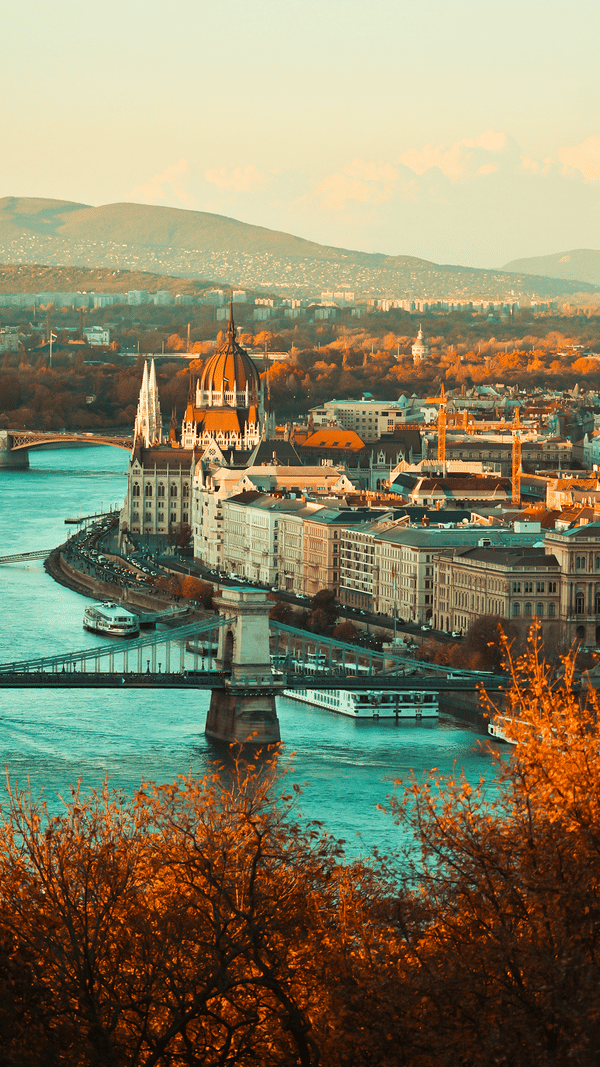
15-Day Europe Backpacking Tour: Paris to Budapest

15 Days Summer Special European Grandeur Tour Package
Buying a Castle in Europe: Fantasy or Reality?

Yes, it’s technically possible to buy a castle in Europe - but the reality is far more complex than the dream. You’ll find listings in countries like France, Germany, the Czech Republic, Slovakia, and Hungary, ranging from modest historic forts to grand estates.
The Cost of Owning History
- Purchase Price: Smaller or ruined structures can start as low as €150,000–€300,000 in some Eastern European regions if you’re willing to take on extensive restoration. Fully restored Castles in Europe often start around €1 million and can exceed €20+ million for iconic estates.
- Renovation & Maintenance: Historic buildings need specialized work. Restoration costs alone can range from €500 to €3,000 per m² depending on condition and heritage requirements. Ongoing maintenance - roofing, heating, stonework, grounds - often exceeds €30,000–€100,000 yearly for large properties.
- Taxes & Fees: Transfer taxes, legal and notary fees, and specialist heritage insurance add to upfront and recurring expenses, with tax treatments varying by country.
Legal & Practical Realities
- Heritage laws in countries like France, Italy, and Spain can restrict changes to structure and appearance, meaning modern amenities and major remodeling may require lengthy approvals.
- In some places, buying a historic castle means agreeing to public access or preservation conditions.
- Mortgages for castles are niche; lenders often require large down payments or heritage-specialist finance.
Suggested Read: Places To See Northern Lights
Who Actually Buys Them?
Some buyers purchase a fortress primarily for heritage passion rather than profit. Others turn them into hotels, event venues, or tourism properties to generate income and offset the high cost of upkeep.
Can You Actually Buy a Castle in Europe?
Yes- there are real examples of people and investors buying historic castles across Europe. But no, it’s not cheap or simple. The asking price is just the start; restoration, compliance with conservation laws, and continuous maintenance make it a serious commitment.
What this really means is: buying a castle in Europe remains possible for exceptionally wealthy buyers or those willing to take on a multi-year restoration project. It’s less a standard real estate transaction and more a long-term heritage commitment.
Why Castles Still Capture Us

Castles in Europe are more than old stone buildings. They reflect power, survival, and beauty across centuries. From a dramatic castle in Scotland to a historic Castle in England, and from hungary budapest castle to castles in London, each site tells a different story.
Some began as strongholds of castle medieval Europe. Others evolved into grand European palaces. Today, the best castles in Europe remain powerful symbols of heritage, attracting travelers from around the world.
Whether you dream of exploring Europe’s castles or even consider buying one, these landmarks are more than historic buildings. They are living reminders of how the continent was shaped and a memorable part of Europe tourism.
Frequently Asked Questions
How many days are enough to explore Europe?
There’s no perfect number, but 10 to 14 days lets you see two or three countries comfortably. If you want to explore Castles in Europe and major cities, three weeks is better. Europe Castles are spread out, so travel time matters.
Which European country has castles?
Almost every country has them. France, Germany, England, Scotland, Hungary, Romania, and Slovakia are famous for Castles in Europe. You’ll find everything from castle medieval Europe fortresses to grand European palaces across the continent.
What are the 4 types of castles?
The four main types are motte-and-bailey, stone keep, concentric, and palace-style castles. Early castle medieval Europe designs focused on defense. Later versions became more like European palaces, built for comfort rather than war.
Which is the most popular castle in Europe?
Neuschwanstein Castle in Germany is often called the most popular and a Famous castle in Europe. It inspired fairy-tale designs and ranks among the best castles in Europe thanks to its dramatic mountain setting.
What are the best Castles to visit in Europe in Winter?
The best castles to visit in Europe in winter include Neuschwanstein in Germany, a castle in Scotland like Edinburgh Castle, and hungary budapest castle. Snow makes these Castles in Europe look even more magical and less crowded.