


Driving your car across a frozen lake is something people in Finland actually do every winter, not as a stunt but as a regular commute. Most people hear that and think it sounds extreme. For Finns, it is just a Tuesday. That right there tells you everything about the coldest countries in Europe and how differently people live in them.
Winter in Europe is not what travel brochures make it look like. Finland's Lapland sits at -20°C for most of January. Norway's Finnmark once hit -51.4°C, a number that is hard to even process. Estonia gets these sharp, relentless winds coming in from Russia that make the actual temperature feel like a lie.
And yet people not only live there, they genuinely love it. Finns have 3 million saunas for 5.5 million people. Norwegians have built an entire life philosophy, Friluftsliv, around going outside no matter what the sky is doing. These are not coping mechanisms. This is just how winter works there.
If you have ever thought about experiencing a real European winter, our Europe Tour Packages are a solid place to start figuring out where to go.
Best-Selling Europe Packages

Amazing 5 Days in Paris - Europe Trip to the “City of Romance”
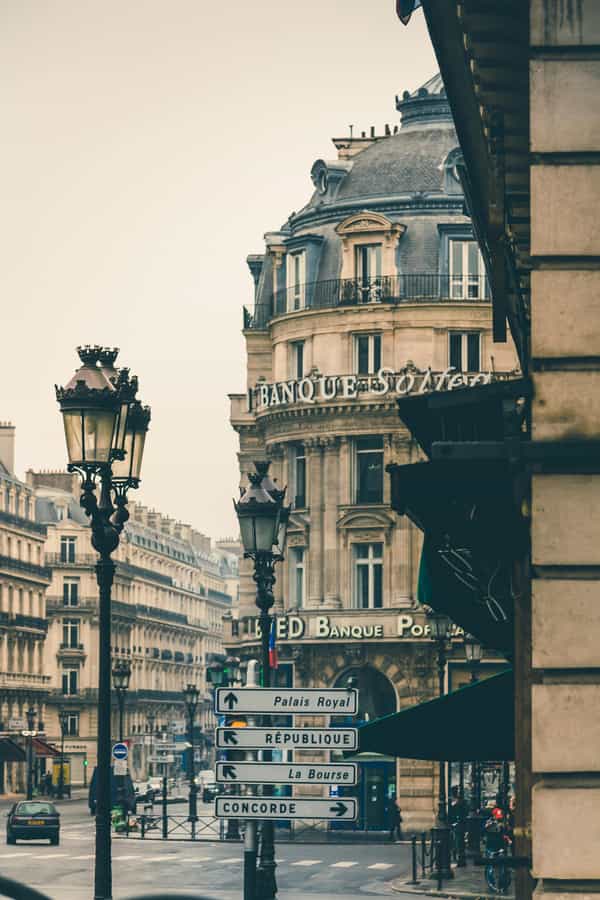
8-Days Highlights of Europe Summer Tour Package: Paris to Zurich
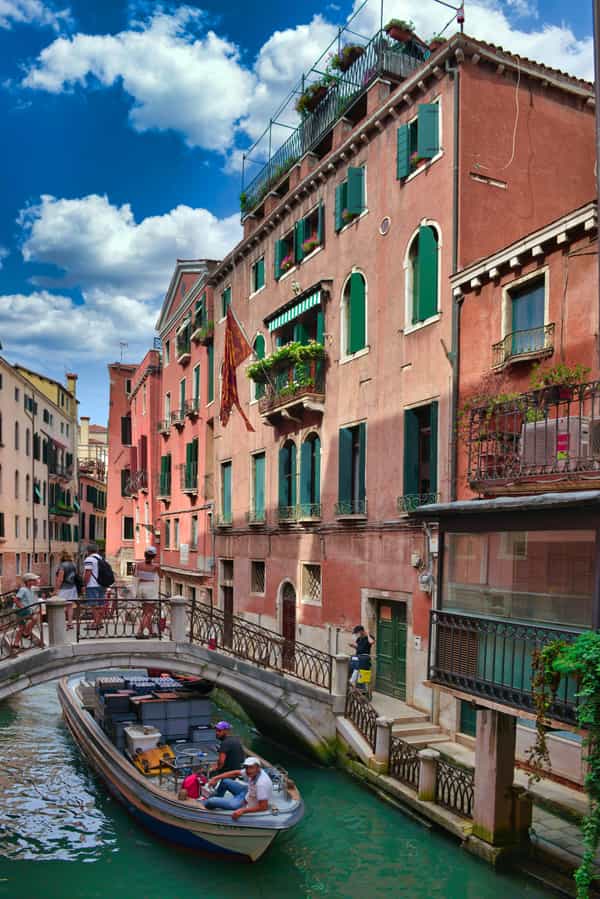
13-Days Perfect Europe Tour 2026: Paris, Switzerland, Italy & More
11 Days Amazing Europe Tour Package
Understanding Winter in Europe

Before looking at the coldest countries in Europe, it helps to understand what winter in Europe is like.
Winter usually lasts from December to March across most of the continent. However, northern countries often experience cold weather for longer periods.
During winter in Europe, many regions experience:
- Temperatures below freezing
- Snowfall covers cities and forests
- Frozen lakes and rivers
- Short daylight hours
Because of these conditions, some places become the coldest places in Europe with the lowest temperatures.
The average temperature in Europe by country varies widely. Southern countries like Spain or Italy may stay above 10°C in winter, while northern countries often fall well below freezing. This contrast is one of the reasons Europe tourism changes so much from one region to another, especially during the winter months.
Key Things to Know About Europe’s Coldest Countries

- Geographical Diversity: The Coldest countries in Europe include Nordic nations, Baltic states, and parts of Eastern and Central Europe. Each region has different winter landscapes, from Arctic tundra to snowy mountains.
- Extreme Temperatures: Some of the coldest places in Europe, with the lowest temperatures, can drop below –30°C in Arctic areas and high mountain regions during peak winter.
- Daylight Changes: In Europe’s coldest countries, winter days can be very short. Northern regions may experience polar nights with very little daylight.
- Winter Activities: Popular experiences include skiing, dog sledging, northern lights viewing, ice skating, snowmobiling, and visiting festive winter markets.
- Local Traditions: Winter brings seasonal food, holiday festivals, and cosy traditions that make life in these cold regions lively and welcoming.
- Easy Access: Many of the best coldest countries in Europe have good airports, trains, and winter tourism services that make travel easier.
- Best Time to Visit: The best time to visit Europe depends on what you want from your trip. Winter is best for snow and northern lights, while summer offers cooler weather in some coolcation destinations in Europe.
15 Coldest Countries in Europe and Their Winter Climate Guide
1. Finland

- Region: Nordic, Northern Europe
- Lowest Recorded Temperature: Around –51°C in Kittilä, Lapland.
- Winter Characteristics: Long snowy winters, frozen lakes, and temperatures often below –20°C in northern regions.
- Popular Winter Activities: Northern lights viewing, reindeer sledging, snowmobiling, and ice fishing.
- Cultural Highlights in Winter: Finnish sauna culture andLapland’s Santa Claus traditions.
- Accessibility for Tourists: Helsinki Airport; regional airports in Rovaniemi and Ivalo.
- Best Time to Visit: December to March for deep snow and northern lights.
- Visa Type: Schengen visa.
- Relevant Culture: Finnish and Sami cultures are closely tied to Arctic life.
Finland is one of the coldest countries in Europe, especially in the northern Lapland region. During winter in Europe, the country turns into a white landscape of forests, frozen lakes, and snowy villages. Temperatures regularly drop far below zero.
Travellers come here to experience a real Arctic winter. Reindeer sledge rides, glass igloos under the northern lights, and peaceful snowy forests make Finland one of the most magical coolcation destinations in Europe.
Top places to visit in Finland
- Lapland– Arctic wilderness famous for northern lights and Santa Claus Village.
- Rovaniemi– The official hometown of Santa Claus.
- Helsinki– Finland’s capital, with modern design and seaside views.
- Kemi SnowCastle– A large snow-built structure recreated each winter.
- Lake Inari– A beautiful frozen lake surrounded by Arctic landscapes.
Best Things to do in Finland
- See the northern lights in Lapland
- Stay in a glass igloo
- Ride a reindeer or husky sledge
- Experience a traditional Finnish sauna
- Explore snowy national parks
Travellers come here to experience a real Arctic winter. Reindeer sledge rides, glass igloos under the northern lights, and peaceful snowy forests make Finland one of the most magical coolcation destinations in Europe, especially for those considering Europe tour packages in winter.
Suggested Read: Best Places to Visit in Europe in December
2. Iceland

- Region: North Atlantic, Nordic region
- Lowest Recorded Temperature: Around –37.9°C in Grímsstaðir.
- Winter Characteristics: Cold winds, glaciers, snow-covered volcanoes, and frozen waterfalls.
- Popular Winter Activities: Glacier hiking, ice cave exploration, northern lights viewing.
- Cultural Highlights in Winter: Icelandic folklore and seasonal winter festivals.
- Accessibility for Tourists: Keflavík International Airport near Reykjavík.
- Best Time to Visit: November to March for winter scenery and the aurora.
- Visa Type: Schengen visa.
- Relevant Culture: Icelandic Viking heritage and strong nature traditions.
Iceland stands out among the Coldest countries in Europe because of its dramatic natural landscapes. Winter brings icy winds, frozen waterfalls, and glowing northern skies.
Even though temperatures are not always the lowest, the powerful weather and glaciers create a true Arctic atmosphere. Iceland has become one of the most popular coolcation destinations in Europe.
Top places to visit in Iceland
- Reykjavík– The world’s northernmost capital city.
- Golden Circle– A route including geysers, waterfalls, and Thingvellir National Park.
- Vatnajökull Glacier– Europe’s largest glacier.
- Blue Lagoon– Famous geothermal spa.
- Jökulsárlón Glacier Lagoon– Floating icebergs in a stunning lagoon.
Best things to do in Iceland
- Explore ice caves
- Visit geysers and waterfalls
- Relax in geothermal hot springs
- Watch the northern lights
- Drive the scenic Ring Road
3. Sweden

- Region: Scandinavia, Northern Europe
- Lowest Recorded Temperature: Around –52.6°C in Vuoggatjålme, Lapland.
- Winter Characteristics: Long snowy winters, frozen lakes, and Arctic conditions in the north.
- Popular Winter Activities: Ice hotels, skiing, northern lights tours.
- Cultural Highlights in Winter: Sami heritage and winter festivals.
- Accessibility for Tourists: Stockholm Arlanda Airport; regional airports in Kiruna.
- Best Time to Visit: December to March for snow and Arctic experiences.
- Visa Type: Schengen visa.
- Relevant Culture: Swedish and Sami traditions.
Sweden is one of the best coldest countries in Europe for winter travel. Northern Lapland experiences deep snow and long Arctic nights, making it a natural part of Europe Sandinavia tour packages combine Arctic landscapes with Nordic cities. Kiruna is often listed among Europe's coldest cities in winter. Snowy forests and frozen lakes make Sweden a true winter landscape.
Top places to visit in Sweden
- Stockholm– Sweden’s beautiful capital, built across islands.
- Kiruna–An Arctic city famous for the Icehotel.
- Abisko National Park– One of the best places to see northern lights.
- Gothenburg– A coastal city known for culture and food.
- Swedish Lapland– Vast Arctic wilderness.
Best things to do in Sweden
- Stay at the icehotel
- See the northern lights
- Go snowshoe hiking
- Visit snowy national parks
- Experience the Sami culture
4. Norway

- Region: Scandinavia, Northern Europe
- Lowest Recorded Temperature: Around –51.4°C in Karasjok.
- Winter Characteristics: Long polar nights, deep snow, Arctic winds in northern regions.
- Popular Winter Activities: Northern lights tours, dog sledging, fjord cruises, skiing.
- Cultural Highlights in Winter: Sami culture, Arctic festivals, and traditional winter food.
- Accessibility for Tourists: Oslo Gardermoen Airport; regional airports in Tromsø and Alta.
- Best Time to Visit: November to March for winter and aurora viewing.
- Visa Type: Schengen visa.
- Relevant Culture: Nordic and Sami traditions.
Norway is one of the coldest countries in Europe, especially in Arctic regions like Finnmark. Winters bring long nights, frozen fjords, and heavy snowfall.
The country attracts travellers looking for dramatic winter landscapes and the northern lights. Snow-covered mountains, quiet Arctic towns and activities like dog sledging and fjord cruises make Norway particularly suited to Europe adventure tour packages.
Top places to visit in Norway
- Geirangerfjord – UNESCO-listed fjord known for dramatic cliffs and waterfalls.
- Lofoten Islands – an Arctic archipelago famous for fishing villages and aurora views.
- North Cape – Northernmost viewpoint of mainland Europe overlooking the Barents Sea.
- Bergen – Historic harbour city with colourful wooden buildings.
- Tromsø – Popular Arctic city for northern lights and winter tours.
Best things to do in Norway
- See the northern lights
- Go dog sledging in Arctic regions
- Take scenic fjord cruises
- Visit Arctic towns like Tromsø
Suggested Read: Travel Around Europe on a Budget: Complete Guide 2026
5. Estonia

- Region: Baltic Region, Northern Europe
- Lowest Recorded Temperature: Around –43.5°C.
- Winter Characteristics: Snowy forests, frozen lakes, cold Baltic winds.
- Popular Winter Activities: Ice skating, winter festivals, and forest hikes.
- Cultural Highlights in Winter: Medieval Christmas markets and Baltic traditions.
- Accessibility for Tourists: Tallinn Airport with connections across Europe.
- Best Time to Visit: December to February for winter scenery.
- Visa Type: Schengen visa.
- Relevant Culture: Baltic and Nordic influences.
Estonia is among the coldest countries in Europe during winter. Snow covers forests and historic towns for several months.
Tallinn’s medieval streets look especially magical during winter. Frozen lakes and quiet forests create peaceful winter landscapes.
Top places to visit in Estonia
- Tallinn Old Town – Medieval UNESCO-listed historic centre.
- Lahemaa National Park – Forest park with frozen lakes and coastal landscapes.
- Tartu – Estonia’s cultural and university city.
- Saaremaa Island – a Baltic island known for windmills and castles.
- Narva – Historic border city with medieval fortress views.
Best things to do in Estonia
- Explore Tallinn Christmas markets
- Walk through snowy medieval streets
- Ice skate on frozen lakes
- Visit Baltic castles
- Experience winter festivals
6. Belarus

- Region: Eastern Europe
- Lowest Recorded Temperature: Around –42.2°C.
- Winter Characteristics: Long, cold winters, heavy snow, frozen forests.
- Popular Winter Activities: Forest hikes, winter photography, snow sports.
- Cultural Highlights in Winter: Slavic winter traditions and Orthodox celebrations.
- Accessibility for Tourists: Minsk National Airport.
- Best Time to Visit: December to February for winter landscapes.
- Visa Type: Visa requirements vary depending on nationality.
- Relevant Culture: Eastern Slavic heritage.
Belarus experiences strong continental winters with deep snowfall. Large forests and open plains become covered in snow for months.
The country is known for its quiet natural landscapes and Soviet-era architecture. Winter highlights its frozen lakes and national parks. These conditions place Belarus among Europe’s coldest countries, where winter shapes everyday life and local culture.
Top places to visit in Belarus
- Minsk – Capital city with wide boulevards and monuments.
- Brest Fortress – Historic WWII memorial site.
- Belovezhskaya Pushcha – Ancient forest and UNESCO site.
- Mir Castle – Medieval castle complex.
- Nesvizh Castle – Historic palace surrounded by gardens.
Best things to do in Belarus
- Explore medieval castles
- Visit historic war memorials
- Walk through snowy forests
- Discover soviet architecture
- Experience Slavic winter traditions
Suggested Read: How To Apply For a Europe Visa? Step By Step Guide for 2026
7. Lithuania

- Region: Baltic Region, Northern Europe
- Lowest Recorded Temperature: Around –42.9°C.
- Winter Characteristics: Cold, snowy winters with frozen lakes and forests.
- Popular Winter Activities: Ice skating, winter festivals, and forest walks.
- Cultural Highlights in Winter: Baltic folklore and traditional markets.
- Accessibility for Tourists: Vilnius International Airport.
- Best Time to Visit: December to February for winter scenery.
- Visa Type:Schengen visa.
- Relevant Culture: Baltic traditions and Catholic heritage.
Lithuania is one of the coldest Baltic countries during winter. Temperatures drop well below freezing, especially inland.
Snow-covered towns and historic churches create classic European winter scenes. Frozen lakes and quiet forests add to the atmosphere. This climate places Lithuania among the coldest countries in Europe by temperature, especially during strong cold waves.
Top places to visit in Lithuania
- Vilnius Old Town – UNESCO-listed historic district.
- Trakai Castle – An island castle surrounded by a frozen lake in winter.
- Kaunas – Cultural city with historic architecture.
- Curonian Spit – Coastal dunes and nature reserve.
- Hill of Crosses – Unique pilgrimage site.
Best things to do in Lithuania
- Visit Trakai Castle in winter
- Explore Vilnius Old Town
- Walk through snowy national parks
- See traditional Christmas markets
- Experience Baltic culture
8. Poland

- Region: Central Europe
- Lowest Recorded Temperature: Around –41°C.
- Winter Characteristics: Snowy winters, cold mountain regions, icy plains.
- Popular Winter Activities: Skiing, snow hiking, Christmas markets.
- Cultural Highlights in Winter: Traditional Polish winter festivals.
- Accessibility for Tourists: Warsaw Chopin Airport and Kraków Airport.
- Best Time to Visit: December to February for winter travel.
- Visa Type: Schengen visa.
- Relevant Culture: Polish Slavic traditions.
Poland experiences cold continental winters with snow across much of the country. Mountain regions become major winter destinations.
Historic cities and festive markets make winter travel especially attractive here. Because of these conditions, Poland sometimes appears in lists of the Top 10 coldest country in Europe during particularly cold winters.
Top places to visit in Poland
- Kraków – A historic city with a medieval square and castles.
- Zakopane – Popular winter resort in the Tatra Mountains.
- Warsaw – Capital city with historic and modern districts.
- Wroclaw – A colourful city famous for bridges and squares.
- Auschwitz-Birkenau – Historic memorial site.
Best things to do in Poland
- Ski in Zakopane
- Visit Kraków’s winter markets
- Explore historic old towns
- Walk through snowy mountains
- Experience Polish winter cuisine
9. Latvia

- Region: Baltic Region, Northern Europe
- Lowest Recorded Temperature: Around –43.2°C.
- Winter Characteristics: Snowy winters, frozen Baltic coastline.
- Popular Winter Activities: Ice skating, winter festivals, and forest walks.
- Cultural Highlights in Winter: Baltic folk traditions and seasonal markets.
- Accessibility for Tourists: Riga International Airport.
- Best Time to Visit: December to February.
- Visa Type: Schengen visa.
- Relevant Culture: Baltic heritage.
Latvia experiences long, cold winters with snow covering forests and coastal towns.
Riga’s historic centre becomes especially beautiful during winter with festive decorations and snowy streets. These conditions place Latvia among the Coldest countries in Europe.
Top places to visit in Latvia
- Riga Old Town – UNESCO-listed historic district.
- Jurmala – Baltic coastal resort town.
- Gauja National Park – Forest park with castles and rivers.
- Cesis – Medieval town with historic castle.
- Sigulda – Scenic valley region.
Best things to do in Latvia
- Explore Riga’s winter markets
- Walk through snowy forests
- Visit medieval castles
- Ice skate in city squares
- Experience Baltic festivals
Suggested Read: Visa Free Countries in Europe for India (Myths vs Reality)
Countries that are cold but not among the coldest
These get cold winters but rarely reach the extreme temperatures seen in Eastern or Arctic Europe. For travellers covering several countries in one trip, Europe group tour packages can also make it easier to combine different regions and winter experiences.
10. Denmark

- Region: Scandinavia, Northern Europe
- Lowest Recorded Temperature: Around –31.2°C.
- Winter Characteristics: Cold, windy winters with occasional snow.
- Popular Winter Activities: Christmas markets, winter cycling, and city exploration.
- Cultural Highlights in Winter: Danish hygge culture and festive traditions.
- Accessibility for Tourists: Copenhagen Airport.
- Best Time to Visit: December to February.
- Visa Type: Schengen visa.
- Relevant Culture: Nordic traditions.
Denmark has colder winters than much of Western Europe, though coastal winds moderate extreme temperatures.
Cities focus on cosy winter experiences, seasonal food, and festive lights.
Top places to visit in Denmark
- Copenhagen – Denmark’s vibrant capital.
- Aarhus – Cultural city with museums and historic streets.
- Odense – Birthplace of Hans Christian Andersen.
- Skagen – Coastal town where two seas meet.
- Roskilde – Historic Viking city.
Best things to do in Denmark
- Visit Tivoli Gardens in winter
- Explore Copenhagen Christmas markets
- Experience Danish hygge cafés
- Visit Viking museums
- Cycle through historic cities
11. Switzerland

- Region: Central Europe, Alpine Region
- Lowest Recorded Temperature: Around –41.8°C in La Brévine.
- Winter Characteristics: Alpine snow, frozen lakes, mountain blizzards.
- Popular Winter Activities: Skiing, snowboarding, glacier tours.
- Cultural Highlights in Winter: Alpine festivals and Swiss winter cuisine.
- Accessibility for Tourists: Zurich Airport and Geneva Airport.
- Best Time to Visit: December to March for snow sports.
- Visa Type: Schengen visa.
- Relevant Culture: Alpine Swiss traditions.
Switzerland is famous for cold Alpine winters. Mountain regions experience heavy snowfall and freezing temperatures.
Snow-covered villages and ski resorts attract visitors from around the world. These alpine conditions place Switzerland among the must visit coldest countries in Europe.
Top places to visit in Switzerland
- Zermatt – Alpine village near the Matterhorn.
- Interlaken – Adventure hub between two lakes.
- Lucerne – A scenic city with a lake and mountains.
- St. Moritz – Luxury ski resort town.
- Jungfrau Region – Famous Alpine landscape.
Best things to do in Switzerland
- Ski in the Alps
- Ride scenic mountain trains
- Visit glacier viewpoints
- Explore snowy Alpine villages
- Try Swiss winter cuisine
12. Austria

- Region: Central Europe, Alpine Region
- Lowest Recorded Temperature: Around –52.6°C recorded in the Alpine region.
- Winter Characteristics: Snowy Alpine winters with cold valleys and heavy mountain snowfall.
- Popular Winter Activities: Skiing, snowboarding, winter hiking, and alpine resorts.
- Cultural Highlights in Winter: Austrian Christmas markets and alpine traditions.
- Accessibility for Tourists: Vienna International Airport and Innsbruck Airport.
- Best Time to Visit: December to March.
- Visa Type: Schengen visa.
- Relevant Culture: Austrian Alpine culture.
Austria experiences cold winters due to its Alpine geography. Mountain regions receive heavy snowfall, turning towns into major ski destinations.
Winter also highlights Austria’s famous Christmas markets and historic architecture. Because of its snowy mountain landscapes, Austria is considered one of the best coldest countries in Europe for winter travel.
Top places to visit in Austria
- Vienna – Imperial capital with palaces and museums.
- Salzburg – Baroque city and birthplace of Mozart.
- Innsbruck – Alpine city surrounded by ski resorts.
- Hallstatt – Scenic lakeside village.
- Zell am See – Popular winter resort near glaciers.
Best things to do in Austria
- Ski in the Alps
- Visit Vienna Christmas markets
- Explore alpine villages
- Ride the mountain cable cars
- Enjoy Austrian winter cuisine
Suggested Read: Europe Trip Cost from India | Budget Tips
13. Czech Republic

- Region: Central Europe
- Lowest Recorded Temperature: Around –42.2°C recorded in Litvínovice.
- Winter Characteristics: Cold continental winters with snowfall, icy rivers, and foggy historic towns.
- Popular Winter Activities: Christmas markets, winter castle visits, skiing in mountain regions.
- Cultural Highlights in Winter:Prague Christmas markets, traditional Czech winter cuisine, and festive concerts.
- Accessibility for Tourists: Václav Havel Airport Prague; regional access via Brno and Ostrava.
- Best Time to Visit: December to February for snowy city views and festive markets.
- Visa Type: Schengen visa.
- Relevant Culture: Czech Central European traditions.
The Czech Republic experiences cold winters typical of Central Europe. Snowfall often transforms medieval towns and castle landscapes into classic winter postcard scenes.
Historic cities like Prague become especially lively in winter, with festive markets, warm cafés, and illuminated old squares.
Top places to visit in the Czech Republic
- Prague – Historic capital known for the Prague Castle and the Charles Bridge.
- Český Krumlov – Fairytale town with a UNESCO-listed medieval centre.
- Karlovy Vary – Famous spa town surrounded by forested hills.
- Brno – Cultural city with historic architecture and museums.
- Bohemian Switzerland National Park – Dramatic sandstone landscapes and winter trails.
Best things to do in the Czech Republic
- Explore Prague’s Christmas markets
- Visit historic castles in winter
- Walk through snowy old towns
- Relax in traditional spa towns
- Taste Czech winter dishes and mulled wine
14. Slovakia

- Region: Central Europe, Carpathian Mountains
- Lowest Recorded Temperature: Around –41°C recorded in Vígľaš-Pstruša.
- Winter Characteristics: Cold continental winters with heavy snow in mountain regions and freezing valleys.
- Popular Winter Activities: Skiing in the High Tatras, snow hiking, and winter photography.
- Cultural Highlights in Winter: Slovak folk traditions, mountain festivals, and seasonal cuisine.
- Accessibility for Tourists: Bratislava Airport; nearby access via Vienna International Airport.
- Best Time to Visit: December to March for snow and ski conditions.
- Visa Type: Schengen visa.
- Relevant Culture: Slovak Carpathian and Central European traditions.
Slovakia experiences cold winters, especially in the High Tatra Mountains, where temperatures drop significantly, and snow covers alpine landscapes for months.
The country is known for its peaceful mountain villages, historic castles, and scenic national parks that become striking winter destinations.
Top places to visit in Slovakia
- Bratislava – Capital city along the Danube with a historic old town.
- High Tatras – Slovakia’s famous mountain range and ski destination.
- Spiš Castle – One of the largest castle complexes in Europe.
- Poprad – Gateway city to the Tatra mountains.
- Slovak Paradise National Park – Known for waterfalls and hiking trails.
Best things to do in Slovakia
- Ski in the High Tatras
- Visit medieval castles
- Explore snowy national parks
- Experience traditional mountain villages
- Try Slovak winter cuisine
15. Romania

- Region: Eastern Europe, Carpathian Mountains
- Lowest Recorded Temperature: Around –38.5°C recorded in Bârlad, Transylvania.
- Winter Characteristics: Cold continental winters with deep snow in mountain regions and frozen forests.
- Popular Winter Activities: Skiing, winter hiking, castle tours, snow photography.
- Cultural Highlights in Winter: Romanian folk traditions, winter festivals, and rural customs.
- Accessibility for Tourists: Bucharest Henri Coandă International Airport; regional airports in Cluj-Napoca and Brașov.
- Best Time to Visit: December to February for snowy landscapes and winter festivals.
- Visa Type: Romanian visa / Schengen entry, depending on travel rules.
- Relevant Culture: Romanian and Transylvanian traditions.
Romania experiences cold winters, especially in the Carpathian Mountains, where snowfall is heavy, and temperatures often drop well below freezing.
Transylvania’s castles, forests, and historic towns create some of the most atmospheric winter landscapes in Eastern Europe.
Top places to visit in Romania
- Bucharest – Romania’s capital, with grand boulevards and historic buildings.
- Brașov – Medieval town surrounded by the Carpathian Mountains.
- Bran Castle – A famous fortress often linked with the Dracula legend.
- Sibiu – Historic Transylvanian city with colourful houses.
- Peleș Castle – Beautiful royal castle in the Carpathian Mountains.
Best things to do in Romania
- Visit Transylvanian castles in winter
- Ski in the Carpathian Mountains
- Explore medieval towns
- Experience traditional winter festivals
- Discover rural mountain villages
How to Prepare for an Extreme European Winter

Travelling to the coldest countries in Europe during winter requires some preparation. Temperatures can drop well below freezing, and daylight hours are often short in northern regions.
- Dress in Proper Layers
- Use a three-layer system: a thermal base layer, an insulating middle layer like fleece or wool, and a waterproof outer jacket to block wind and snow. Gloves, hats, scarves, and insulated boots are essential.
- Wear Waterproof Footwear
- Snow and slush are common in winter. Waterproof boots with a strong grip help prevent slipping and keep feet warm and dry.
- Plan Around Short Daylight
- Winter days in northern Europe can be very short, so it’s best to schedule outdoor activities during daylight hours.
- Check Weather Conditions
- Snowstorms and icy conditions can affect travel. Checking weather forecasts regularly helps you plan activities and transport safely.
- Stay Hydrated and Protect Your Skin
- Cold weather can dry the skin and body quickly. Drinking water and using moisturiser or lip balm helps protect against harsh winter conditions.
These simple preparations make travelling across Europe’s coldest countries safer and far more comfortable during winter.
Is It Safe to Visit the Coldest Countries in Europe?

Yes, visiting the coldest countries in Europe is generally safe, even during winter. Countries across Northern, Baltic, and Central Europe are well prepared for snow, freezing temperatures, and shorter daylight hours. Roads are cleared regularly, public transport runs efficiently, and cities are designed to handle winter conditions.
Most destinations also have strong tourism infrastructure, especially in places known for winter travel. Ski resorts, Arctic tours, and northern lights destinations operate with trained guides and proper safety measures.
For travellers who pack warm clothing, plan activities carefully, and check weather forecasts, winter travel in these regions can be both comfortable and memorable.
In fact, experiencing snow-covered forests, frozen lakes, and quiet historic towns reveals a side of Europe many travellers never see. From Arctic landscapes in Finland to snowy cities across Eastern Europe, the best coldest countries in Europe offer unique winter scenery and peaceful atmospheres.
As more travellers look for cooler climates and off-season adventures, these destinations are quickly becoming some of the most appealing coolcation destinations in Europe.
Frequently Asked Questions
Why is Europe colder than India?
Europe is colder than India mainly because much of it lies farther north, closer to the Arctic region. Less tropical sunlight, cold Arctic winds, and continental climates make winters much colder compared to India’s mostly tropical and subtropical climate.
Is it worth planning a Europe trip in the cold months?
Yes, a Europe trip in winter can be very rewarding. Snowy landscapes, Christmas markets, northern lights, and winter festivals create a unique atmosphere. Many travellers visit during winter to experience quiet cities, alpine ski resorts, and scenic snowy destinations across Europe.
Which is the coldest city in Europe?
One of the coldest cities in Europe is Kiruna in northern Sweden. Located above the Arctic Circle, Kiruna experiences long winters, heavy snow, and freezing temperatures, often dropping far below zero during the coldest months of the year.
What is the coldest place in Europe in winter for extreme temperature lovers?
One of the coldest places in Europe in winter is Vuoggatjålme in Swedish Lapland, where temperatures have dropped below –52°C. Northern Finland and Norway also experience extreme cold, making them ideal for travellers who enjoy harsh Arctic winter conditions.
Which are the coldest countries in Europe to visit in winter?
Some of the coldest countries in Europe to visit in winter include Finland, Sweden, Norway, Iceland, and Estonia. Northern regions like Lapland experience deep snow, frozen lakes, and long Arctic nights, making them popular destinations for northern lights, snow activities, and true winter landscapes.


