


When people talk about fake monastery donations in Bhutan, they refer to scams where individuals pose as monks or religious representatives and ask tourists for money - often under the pretence of maintaining or renovating monasteries, building temples, or supporting religious causes. These people sometimes carry "receipts," show emotional stories or claims of spiritual benefit, and pressure tourists for cash.
These scams hijack genuine charity, take advantage of the good faith of visitors, and destroy the good reputations of religious institutions. According to Bhutan’s government, any genuine fund collection through monasteries or lhakhangs (temples) follows strict procedures.
Therefore, it’s important for travellers to know what are fake monastery donation scams? - so they don’t end up giving money to fraudsters instead of supporting real causes.
Travelling with our Bhutan Tour Packages means having a guide who can spot these situations from a mile away. They know the difference between legitimate donation opportunities and people running scams. Makes the whole trip less stressful.
What are fake monastery donations in Bhutan?
They are scams where people pretend to be monks or temple volunteers and ask tourists for money, claiming it’s for monastery repairs or religious causes. These collectors are not real, and the money never reaches any monastery.
Trips You May Like
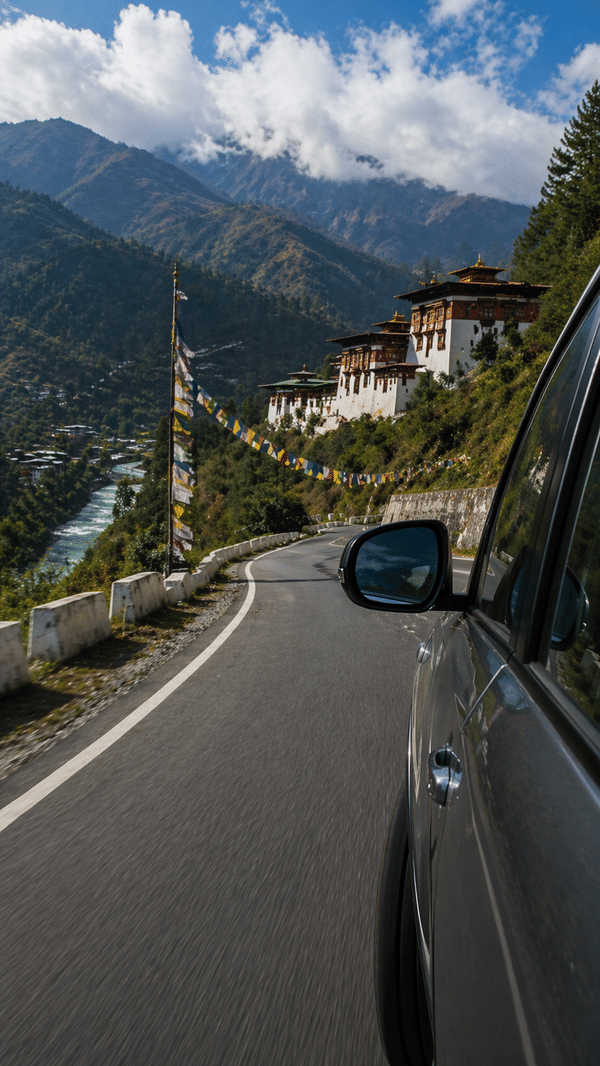
Epic 7 Days Bhutan Road Trip: A Drive Through Quiet Himalayas
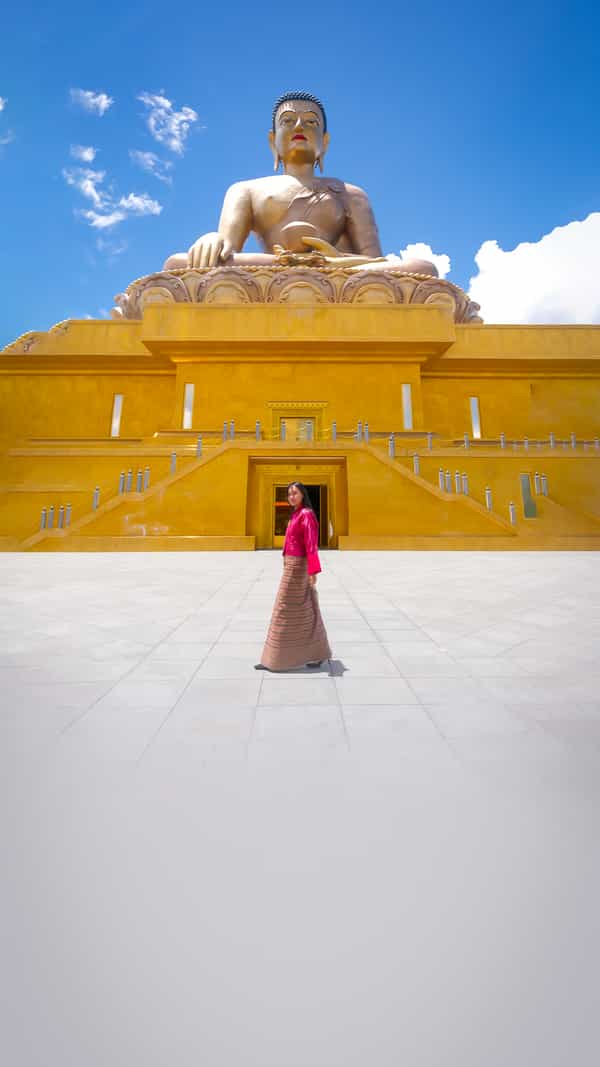
Bhutan Road Trip with Phobjikha Valley

Archery and Picnic in the Land of Dragons: Bhutan Squad Trip

Best of Bhutan in 5 Days

Explore the Gems of Bhutan - 6 Days Tour Package

10 Days Complete Bhutan Tour Package
How fake monastery donation scams typically operate

- Scammers pose as monks or religious volunteers. They may dress in robes, speak about sacred causes, and claim they are collecting money for rebuilding or renewal of monasteries.
- Use of emotional or spiritual appeals. They might tell stories about damaged temples, lost statues, or needy monks, hoping to gain sympathy and donations.
- Fake receipts or documentation. To seem legitimate, they may hand out receipts or “approval papers,” though these often are meaningless and not recognised by the local authorities or religious institutions.
- Pressure tactics and guilt-trips. If you hesitate, they may insist, become persistent, or imply that refusing donation is disrespectful or spiritually harmful.
- Street-level or temple-area solicitations. Sometimes scammers approach people near temples or at monasteries or even go door-to-door claiming to collect for religious causes.
Because of these tactics, many unsuspecting tourists might fall for fake monastery donations in Bhutan, thinking they are contributing to a worthy cause - only to find later that their money went to fraudsters.
Are fake monastery donation scams a part of broader tourist scams in Bhutan?

Yes - fake donation scams are one among several types of fraud that fall under the broader category of tourist scams in Bhutan or common tourist scams in Bhutan. While Bhutan is generally considered a safe country for visitors, travellers should still be aware of the risks.
Other common scams include:
- Overcharging for souvenirs, handicrafts, or services.
- Fake or unlicensed tour operators and guides offering discounted rates.
- Transportation scams, like taxis refusing to use meters and charging inflated fares.
- Selling counterfeit or poor-quality traditional crafts to tourists.
In this context, scams involving donation solicitations at monasteries are especially sensitive - because they exploit religion, culture, and the goodwill of visitors.
Suggested Read: Trongsa Dzong
Why these scams are surprising (and often effective)

- Many travellers come to Bhutan, attracted by its spiritual heritage and beautiful monasteries. This predisposes them to trust monks or people identifying with religious causes. Scammers exploit this trust, making donation requests seem genuine or even sacred.
- In some cases, scammers may appear very official - with receipts, plausible stories about restoration, or claims of being linked to recognised temples. Tourists unfamiliar with local norms or actual procedures may find it hard to judge authenticity.
- Bhutan’s relaxed laws around public donations have been tightened. According to local media, official authorities no longer approve many random collections; legitimate collections must go through regulated institutions. Collections by individuals on streets or door-to-door are often illegal.
- Tourists - especially first-time visitors - may feel guilty refusing or may worry about offending local culture or religion. This social pressure works in favour of scammers.
Given all this, fake monastery donations in Bhutan remain a hidden but real threat - especially for travellers who are unprepared or unaware.
How to avoid these scams - practical advice

If you want to protect yourself while travelling in Bhutan - and avoid falling for fake donation scams - here are some concrete steps:
- Verify legitimacy before donating. If someone claims to raise funds for a monastery or religious cause, ask for documentation. But more importantly: confirm directly with the monastery or temple administration - ideally through official channels. Real monasteries rarely send uninvited collections or door-to-door fundraisers.
- Donate only through recognised institutions or approved channels. If you wish to contribute, go to an official monastery office or authorised charity - not a random person on the street. Genuine monasteries often have transparent processes.
- Refuse unsolicited donation requests politely, but firmly. If approached at a monastery gate or on the street by someone asking for cash, don’t feel obligated. Real monks seldom solicit money directly from strangers in public.
- Be aware of pressure tactics. If you feel rushed, guilt-tripped, or emotionally manipulated - that’s a red flag. A legitimate cause will not force you to donate.
- Stay alert to other tourist scams, too. Many fake donation efforts come as part of broader patterns targeting tourists - overpriced guides, fake tour packages, counterfeit souvenirs. Being generally cautious helps.
- Use licensed guides or tour operators. If you are using a tour, make sure it’s from a provider licensed by the local authorities (e.g. Tourism Council of Bhutan (TCB)). This reduces the risk of being misled into scammy experiences - including donation scams disguised as part of a tour.
In short, if you want to know how to avoid fake monastery donation scams in Bhutan, the key is awareness, verification, and healthy scepticism.
Suggested Read: Dochula Pass
The bigger picture: Tourist scams in Bhutan & Bhutan tourist safety

Overall, Bhutan remains relatively safe compared to many tourist destinations worldwide. Reports and travel safety guides say violent crime is rare, and many visitors enjoy their trip without major problems.
Yet, as with any place that attracts many tourists, common tourist scams in Bhutan do exist - especially targeting visitors unfamiliar with local contexts. Overcharging, fake guides, souvenir traps, and donation scams like fake monastery collections are among the most reported issues.
Whether you’re travelling solo or in a group, it’s wise to stay alert. Understanding how to avoid scams in Bhutan - including donation scams - contributes significantly to your overall safety and peace of mind.
Summary: Stay respectful - but stay smart
The idea behind fake monastery donations in Bhutan preys on kindness, religion, and trust. These scams can take many forms - from faux monks soliciting cash to counterfeit receipts or emotional appeals - all disguised as spiritual generosity.
If you want to know what are fake monastery donation scams? Remember: they are not about legitimate temple upkeep - they are about exploiting tourists. To protect yourself, follow clear guidelines: verify authenticity, avoid unsolicited requests, prefer recognised channels, use licensed guides, and always trust your instincts.
If you remember just one thing, real religious institutions in Bhutan don’t depend on random tourists handing over cash to wandering “collectors.” So when in doubt, say no.
Frequently Asked Questions
How can I avoid fake monastery donation scams in Bhutan?
Avoid giving money to anyone asking for donations on the street. Real monasteries don’t send monks to collect cash. Donate only inside official monastery offices. If unsure, ask your guide or verify with the monastery directly.
What are the common scams tourists face in Bhutan?
Common scams include fake monastery donations, overpriced taxis, fake guides, inflated souvenir prices, and people pretending to collect money for religious causes. Staying alert, checking prices, and using licensed guides can help avoid these tricks.
Are fake monastery donation scams common in Bhutan?
They are not extremely common, but they do happen, especially around busy tourist areas. Some people pretend to be monks or volunteers collecting money. Tourists should stay aware and donate only through official monastery channels.
How can travellers avoid scams in Bhutan?
Use licensed guides, confirm prices beforehand, avoid street donations, and check if any charity request is officially approved. If something feels odd or too pushy, politely say no. Staying alert is the best way to avoid scams.
How safe is Bhutan for tourists?
Bhutan is generally very safe, with low crime rates and friendly locals. Most travellers feel comfortable exploring. However, like any destination, small scams may happen, so basic awareness and caution are still important.
How to identify fake monks or donation collectors in Bhutan?
Fake collectors usually approach tourists first, act pushy, ask for cash immediately, or offer suspicious receipts. Real monks rarely ask strangers for money. When in doubt, visit the monastery office to confirm any donation request.


