


The Losar festival in India marks the Tibetan New Year, blending spiritual rituals, cultural traditions, and community celebrations across the Himalayan region. Based on the lunar calendar, the festival typically takes place in February or March. In 2026, Losar will fall on February 18-20, ushering in the Year of the Fire Horse. The festivities span nearly 15 days with prayers, family feasts, monastery ceremonies, and masked dances rooted in Buddhist tradition.
Across India, regions like Ladakh, Himachal Pradesh, Sikkim, and Arunachal Pradesh celebrate Losar with their own local flavors, incorporating rituals of spiritual renewal and traditional cleansing practices.
You can also consider planning a trip to some of the most beautiful Himalayan regions of North India with India trip packages and experience the best of this festival.
Losar 2026 (Fire Horse Year) - Key info

Losar Festival 2026 Dates & Schedule
Pre-Festival Preparations:
- February 16, 2026 -Preparation Day (Nyi-shu-gu)
- February 17, 2026 -New Year's Eve (Guthuk Day)
Main Celebration Days:
- February 18, 2026 -Day 1 - Lama Losar
- February 19, 2026 -Day 2 Gyalpo Losar - King's Losar
- February 20, 2026 -Day 3 - Choekyong Losar
- Extended Festivities: Continue for 15 days until March 4, 2026
Main Losar Celebration Locations in India 2026:
North India:
- Ladakh -Leh, Hemis Monastery, Thiksey Monastery, Likir Monastery
- Himachal Pradesh -Dharamshala, McLeod Ganj, Spiti Valley, Manali, Lahaul Valley
Northeast India:
- Sikkim -Rumtek Monastery, Phodong Monastery, Lachung, Lachen
- Arunachal Pradesh -Tawang (Monpa tribe celebrates for 15 days), Mechuka Valley
Other Regions:
- Darjeeling, West Bengal -Ghoom Monastery, Bhutia Busty Monastery
- Bodh Gaya, Bihar—Mahabodhi Temple, Tibetan Monastery, Thai Monastery, Bhutanese Monastery (Royal Bhutan Monastery)
- Kushalnagar, Coorg, Karnataka—Major Tibetan settlement (Bylakuppe), Namdroling Monastery (Golden Temple), Sera Jey Monastery, Sera Mey Monastery, Tashi Lhunpo Monastery, Sakya Monastery, Zangdog Palri Temple
- Other Urban Tibetan Communities in cities like Delhi & Mumbai
Suggested Read: 15 Popular Festivals of Ladakh You Can't Miss in 2026
Best-Selling India Trips from WanderOn
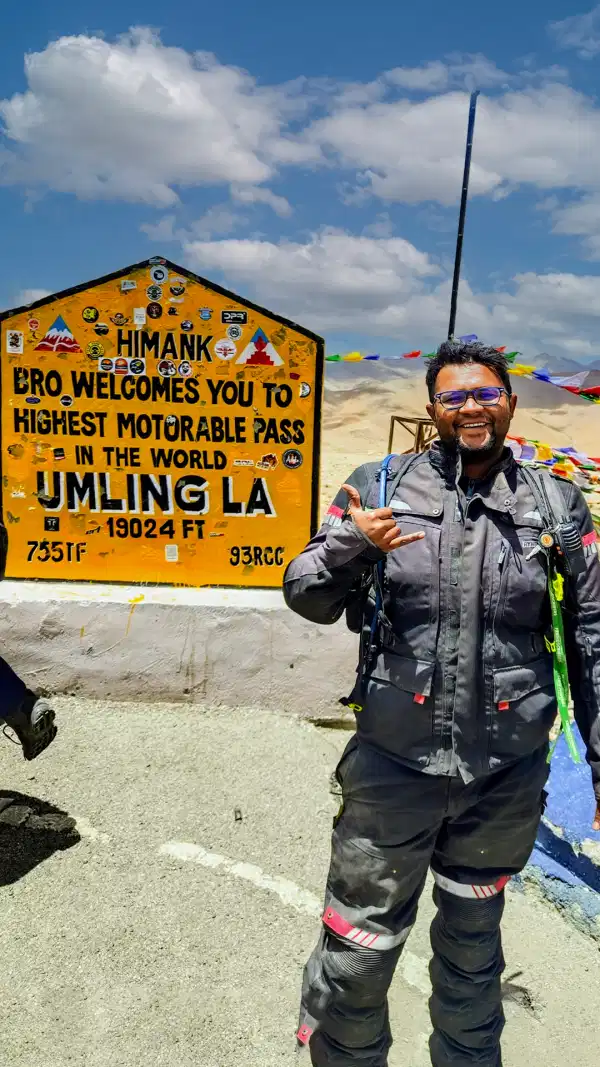
Best Ladakh Bike Trip from Srinagar to Manali | Umling La | Tso Moriri

11 Days Ladakh Tour Package with Umling La | Manali Leh Srinagar

6 Days Captivating Himachal Tour Package with Shimla and Manali

Best of Sikkim Tour Package with Darjeeling
What is the Losar Festival About?

The Tibetan New Year, referred to as Losar, has an ancient history that marks the arrival of Buddhism in Tibet.
Before Buddhism arrived, Tibetans followed the Bon religion, which included a winter festival where people burned incense to honor local spirits (Dharma) and deities (lha).
Over time, this spiritual practice merged with harvest celebrations.
A major development came during the reign of Tibet's 9th king, Pude Gungyal. According to tradition, an elderly woman named Belma figured out how to track time using the moon's phases, which led to the creation of a lunar calendar.
King Pude Gungyal then officially combined the old spiritual rituals with agricultural festivals, creating what became the structured 15-day Losar Festival celebration we know today.
Losar centers on themes of renewal and cleansing. Families gather together, monks perform masked Cham dances, prayers are chanted, and everyone works to start the new year fresh by clearing out negativity from the past.
Suggested Read: 20 Famous Festivals in India You Need to Experience
Losar Festival Celebrations and Significance

Meaning of Losar: The name itself comes from two Tibetan words: "Lo," meaning year, and "Sar," meaning new, translating to "New Year." It's a time for spiritual cleansing and fresh starts.
Preparations (Day Before Losar)
On the eve of Losar (29th of the 12th lunar month), Tibetan families complete an important tradition by eating guthuk soup. This hearty, delicious soup consists of dumplings with hidden objects inside: wool, coal, or white stones, to represent the personality of the individual who finds them, and creates great humor at the table!
Day 1: Lama Losar
The first day of Losar is described as a day of devotion to the Buddha. On this day, monks stay together at monasteries, and people visit the temple and make offerings and light butter lamps to receive blessings.
Many decorate their homes with special items such as Chemar! It means wooden boxes of roasted barley flour and butter inside and outside with seaweed or other materials to make them as beautiful as possible; it’s believed they represent hope of abundance in the new year!
Day 2: Gyalpo Losar (King's Losar)
The second day of Losar is considered a major celebration! You can experience various festivities on this day by greeting your neighbors, participating in community events, viewing cultural performances, and dancing. Many government officials also attend formal ceremonies on this day.
Day 3: Chokyong Losar
Most of the activities on the third day of Losar revolve around honoring protectors and guardian spirits. Continuing from the previous days, people pray to the guardian deities for their protection in the coming year.
Significance of Losar 2026 – Year of the Horse
In Tibetan astrology, the Year of the Horse brings powerful energies for change, movement, and spiritual growth. This symbolism is captured in the Wind Horse (Lungta), a sacred symbol of vitality, good fortune, and inner strength depicted on prayer flags throughout the celebration.
What to Experience During Losar Festival

Losar offers travelers a window into centuries-old Himalayan traditions still celebrated today.
- Monastery Celebrations
Monasteries host Cham dance performances where monks wear intricately carved masks while enacting spiritual stories. Prayer halls fill with the warm glow of butter lamps and the fragrance of juniper incense. Ladakh's Metho procession sees torch-bearing locals marking the year's transition through winding streets.
- Cultural Events
Deep-toned dungchen horns and traditional drums create the festival's soundtrack. Organized performances often shift into spontaneous circle dances, with community members welcoming visitors to join.
- Food & Gatherings
Families share Guthuk soup on festival eve, with hidden dumpling surprises creating laughter. Kapse pastries and butter tea appear at gatherings, while Chang circulates during meals that last for hours.
- Spiritual Participation
Lamas (senior Buddhist monks or spiritual teachers) offer blessings at temples throughout the festival. White khatas (ceremonial scarves) are exchanged as signs of respect. Prayer flags are hung at monasteries and passes, with both devotees and curious travelers taking part.
Losar Festival 2026—Best Places to Celebrate in India
The Losar festival in India comes alive across Himalayan monasteries, mountain valleys, and Tibetan communities throughout the country.
North India
North India’s Himalayan belt celebrates Losar in its most spectacular form, where ancient monasteries transform into the heart of the festivities.
1. Ladakh

Ladakh is where Losar truly comes alive in India, with Leh at the heart of everything. Hemis, Thiksey, and Likir monasteries put on elaborate shows; monks in ornate masks perform sacred Cham dances that date back centuries.
Prayer halls glow with butter lamps while the scent of juniper incense drifts through the air. The Metho fire procession winds through Leh's narrow streets to drive out negativity from the old year.
Mid-February hits the sweet spot for visiting, as the monasteries across the region roll out their biggest celebrations. A Leh Ladakh Tour Package timed with Losar gets you into both the monastery ceremonies and the community gatherings that happen around town.
- Best Places to Visit: Leh, Hemis Monastery, Thiksey Monastery, Likir Monastery
- How to Reach:
- Nearest airport: Kushok Bakula Rimpochee Airport, Leh (8 km from the city).
- Nearest Railway Station: Jammu Tawi (700 km)
- By Road: Via Manali-Leh Highway or Srinagar-Leh Highway


2. Himachal Pradesh

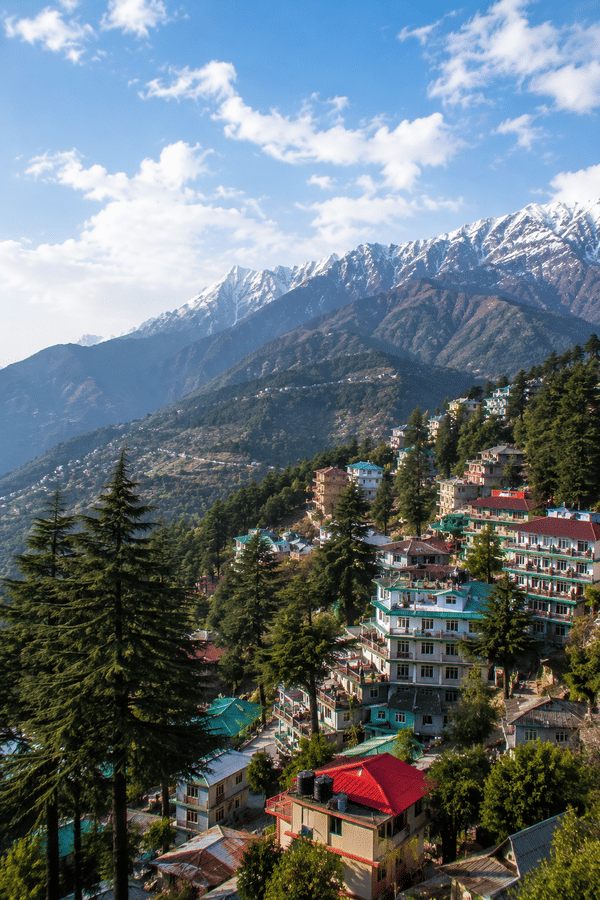
The Losar festival in Himachal Pradesh offers both stunning Himalayan views and authentic Buddhist traditions. It hosts vibrant Losar celebrations across Dharamshala, McLeod Ganj, Manali, Lahaul and Spiti Valley. The Losar festival in Himachal Pradesh centers around shared traditions: Crispy Kapse pastries and Chang, the traditional barley beverage, flow freely during community gatherings.
Monasteries host sacred Cham dances and butter lamp ceremonies throughout the celebration period. Travelers planning a trip to Himachal during February should explore Spiti Valley Tour Packages aligned with Losar dates for an authentic experience.
- Best Places to Visit: Dharamshala, McLeod Ganj, Spiti Valley, Manali, Lahaul Valley
- How to Reach:
- Nearest Airport: Gaggal (Kangra) Airport, Dharamshala (15 km); Bhuntar Airport, Kullu (for Manali, 50 km)
- Nearest Railway Station: Pathankot (90 km from Dharamshala); Joginder Nagar (160 km from Manali)
- By Road: Well-connected by buses and taxis from major cities

Northeast India
The northeastern states bring their own unique flavor to Losar, blending local traditions with Tibetan Buddhist customs.
3. Sikkim

Rumtek and Phodong monasteries host Sikkim's biggest Losar events, complete with masked dances, prayer rituals, and communal feasting.
Head to the Lachung and Lachen valleys, and you'll find celebrations happening on a quieter, more intimate level; local communities gather for their observances away from the monastery crowds.
What makes the Sikkimese Losar celebrations unique is the gastronomical culture of the Bhutia people. One of their popular dishes is Gyathuk (noodle soup), which provides body warmth during these cold February celebrations while representing family togetherness.
An expertly planned Sikkim Trip in February will allow you to enjoy both ceremonial splendor and cultural experiences at ground level.
- Best Places to Visit: Rumtek Monastery, Phodong Monastery, Lachung, Lachen
- How to Reach:
- Nearest Airport: Bagdogra Airport, West Bengal (124 km); Pakyong Airport, Sikkim (35 km)
- Nearest Railway Station: New Jalpaiguri (NJP), West Bengal (125 km)
- By Road: NH-10 connects Sikkim via Siliguri; regular buses and shared taxis available


4. Arunachal Pradesh

For travelers seeking authentic Losar festival Arunachal Pradesh experiences, Tawang and Mechuka Valley stand out. The historic Tawang Monastery draws crowds who participate in collective prayer recitations and ceremonial offerings.
The Monpa Losar festival tribe blends local shamanic elements with Buddhist practices. Many Arunachal Pradesh travel packages now include Tawang visits timed with Losar, allowing travelers to witness these age-old Buddhist traditions.
- Best Places to Visit: Tawang (Tawang Monastery), Mechuka Valley
- How to Reach:
- Nearest Airport: Lokpriya Gopinath Bordoloi International Airport, Guwahati (480 km); Tezpur Airport (320 km)
- Nearest Railway Station: Rangapara/Tezpur Railway Station (320 km)
- By Road: Via Guwahati→Bhalukpong→Bomdila→Dirang→Tawang (14-16 hours); Inner Line Permit required
Suggested Read: 16 Best Things to Do in Tawang
Other Regions
Beyond the usual places, the Losar festival in India thrives in places where Tibetan communities have made their homes.
5. Darjeeling, West Bengal

Darjeeling's Tibetan communities bring their own character to Losar celebrations, with festivities centered around monasteries and refugee settlements throughout the hill town.
The celebrations here blend traditional Tibetan customs with the region's distinct tea-garden culture, creating a unique atmosphere where monastery bells echo across terraced hillsides.
- Best Places to Visit: Ghoom Monastery, Bhutia Busty Monastery
- How to Reach:
- Nearest Airport: Bagdogra Airport (70 km)
- Nearest Railway Station: New Jalpaiguri (NJP) (88 km)
- By Road: Well-connected by buses, taxis, and the iconic Darjeeling Himalayan Railway (Toy Train)
6. Bodh Gaya, Bihar

As one of Buddhism's most sacred sites, Bodh Gaya's Tibetan monastery centers observe Losar with deep spiritual reverence. Monks and pilgrims from across the Himalayan regions gather here.
- Best Places to Visit: Mahabodhi Temple, Tibetan Monastery, Thai Monastery, Bhutanese Monastery (Royal Bhutan Monastery)
- How to Reach:
- Nearest Airport: Gaya International Airport (7 km)
- Nearest Railway Station: Gaya Junction (17 km)
- By Road: Well-connected to Patna, Varanasi, and other major cities via NH-83
7. Kushalnagar, Coorg, Karnataka

The major Tibetan settlement at Bylakuppe in Kushalnagar hosts vibrant Losar celebrations that bring Himalayan traditions to South India. The Namdroling Monastery (Golden Temple) becomes the focal point, where the tropical Karnataka landscape provides a striking backdrop to traditional snow-land festivities.
- Best Places to Visit: Major Tibetan settlement (Bylakuppe), Namdroling Monastery (Golden Temple), Sera Jey Monastery, Sera Mey Monastery, Tashi Lhunpo Monastery, Sakya Monastery, Zangdog Palri Temple
- How to Reach:
- Nearest Airport: Bangalore (Kempegowda) International Airport (260 km); Mysore Airport (90 km)
- Nearest Railway Station: Mysore Junction (85 km
- By Road: Frequent buses from Bangalore (5 hours) and Mysore (2 hours) via SH-88
8. Urban Tibetan Communities

Tibetan communities in Delhi, Mumbai, and other cities celebrate Losar at community centers and temples, blending traditional customs with urban life while keeping their cultural heritage alive.
Tips for Celebrating Losar Festival 2026
- Plan your visit around February 18-20 when the major events and rituals take place
- Secure hotels and flights ahead as mountain towns get packed during festival season
- Bring your warmest gear; February in the Himalayas means sub-zero mornings and icy winds
- Get to monastery courtyards early if you want decent viewing angles for the dances
- You'll be offered local dishes and drinks; try them, but watch how residents consume them first
- Point your camera at processions freely, but ask individuals before photographing them up close
- Bad weather can ground Leh flights or shut down mountain passes, so keep your schedule flexible
- Shoes need to be taken off before you step into any prayer room or temple space
- ATMs are scarce once you leave main towns, so withdraw cash beforehand
- The party doesn't stop after three days. Some communities keep going for another week or more
Experience the Magic of Losar Festival 2026

The Losar Festival 2026 is your gateway into centuries-old traditions. Mark your calendars, as February 18, 2026 is when the Fire Horse Year begins across India.
Whether you're watching masked Cham dances at Ladakh's monasteries, sharing Guthuk soup with families in Himachal, or joining prayer ceremonies in Sikkim, each experience connects you to the spirit of the Tibetan New Year.
From Ladakh's frozen passes to Karnataka's tropical settlements, the Losar festival celebration brings communities together in hope, gratitude, and fresh beginnings.
Frequently Asked Questions
Losar festival is celebrated in which state?
Losar festival 2026 is celebrated across Ladakh, Himachal Pradesh, Sikkim, Arunachal Pradesh, West Bengal (Darjeeling), Bihar (Bodh Gaya), and Karnataka (Bylakuppe). Each state's Tibetan Buddhist communities observe this festival.
What food is eaten during Losar festival?
Traditional foods during Losar include Guthuk soup with dumplings, Kapse (crispy pastries), Chang (barley beverage), Gyathuk noodle soup, Chemar (roasted barley flour), butter tea, and various meat and vegetable dishes.
Why is the Losar festival celebrated?
The Losar festival celebrates the Tibetan New Year, marking spiritual renewal, cleansing of negativity, and welcoming prosperity. Families gather during this time to settle debts and begin anew.
Why is the Losar festival celebrated in Ladakh?
The Losar festival of Ladakh is celebrated because of the region's centuries-old Buddhist heritage and strong cultural connections with Tibet.
Are monasteries open for tourists during the Losar festival?
Yes, most monasteries welcome tourists during Losar festival celebrations. However, individual monasteries may restrict certain sacred ceremonies, so it's best to check with them beforehand for specific access.


