


Ever seen a desert with double-humped camels, snow-capped mountains, and rivers - all in one frame? No, it’s not Photoshop, it’s Nubra Valley! A trip to Ladakhis incomplete without Nubra, because without it, Ladakh just isn't the same.
But Nubra is more than just a pretty backdrop, it’s a perfect mix of adventure, culture, and raw natural beauty. And yes, one of the most unique things you’ll spot here is the Bactrian camel — the iconic double-humped camel you won’t find just anywhere! Whether you're exploring ancient monasteries perched on hills, taking a bumpy ride on these camels in Hunder, or soaking your tired feet in the hot springs of Panamik, Nubra is that one place where you’ll find most of the must-visit spots of Ladakh!
A Ladakh bike trip? Now that's the ultimate way to soak in all the jaw-dropping beauty this place has to offer! Ready to ride through some of the most epic landscapes? Let’s dive into the best places to visit in Nubra Valley!
1. Diskit Monastery

If there’s one place in Nubra Valley that truly makes you go “wow” both spiritually and visually — it’s Diskit Monastery (also known as Deskit Gompa). Located around 115 km north of Leh, this is the oldest and largest Buddhist monastery in the region, sitting majestically on a hilltop near Diskit village.
Belonging to the Gelugpa (Yellow Hat) sect of Tibetan Buddhism, the monastery offers breathtaking views of the Shyok River and the dramatic landscapes of the valley, making it one of the must-visit places in Nubra Valley.
Key Highlights of Diskit Monastery
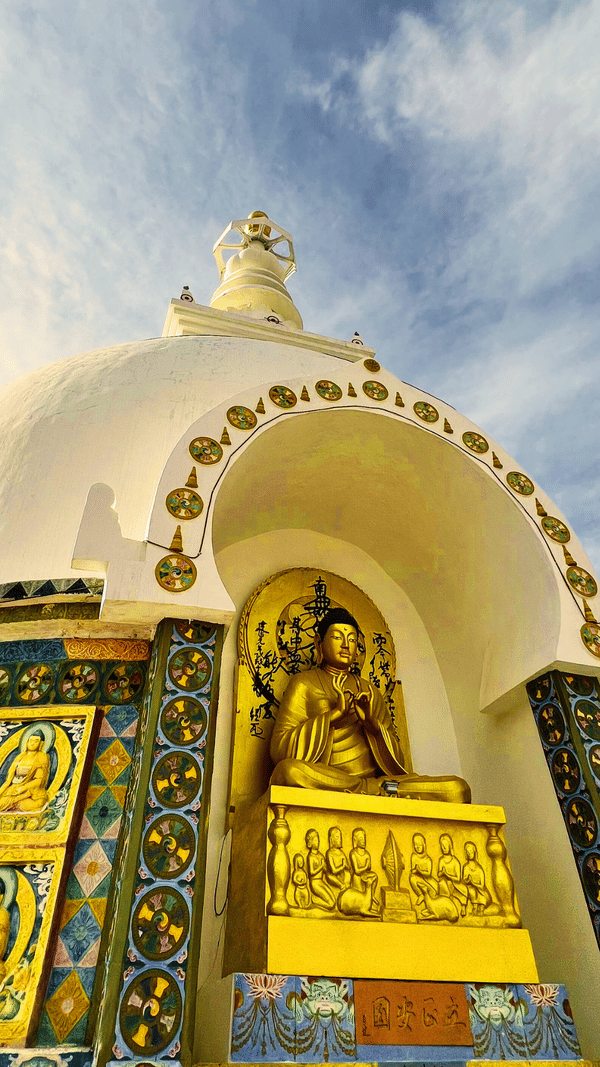
1. The Majestic Maitreya Buddha Statue
- A 32-meter (105 ft) tall golden statue of Maitreya Buddha (Future Buddha) overlooks the valley.
- Built in 2010, it symbolizes peace and prosperity.
- The statue’s chamber contains relics, murals, and smaller Buddha images.
2. Ancient Monastery Complex
- Founded in the 14th century by Changzem Tserab Zangpo, a disciple of Tsongkhapa.
- Houses a rich collection of Buddhist scriptures, thangkas, and frescoes.
- The main prayer hall (Dukhang) has a statue of Tsongkhapa (founder of Gelugpa sect).
3. Annual Gustor Festival
- Held in October/November, featuring masked Cham dances (performed by monks).
- Celebrates the victory of good over evil.
- Location: Diskit village, atop a hill overlooking the Shyok River.
- Timings: Generally 7:00 AM – 1:00 PM and 2:00 PM – 7:00 PM.
- Entry Fee: Approximately ₹30 – ₹50 per person.
Trending Ladakh Packages 2026

Thrilling Experiential Ladakh Tour With Umling La: SUV Edition

8 Days Apricot Blossom Special Trip to Ladakh
8-Day Leh Ladakh Tour Package with Turtuk and Tso Moriri
8 Days Thrilling Leh Ladakh Tour Package with Umling La
2. Hunder Sand Dunes

Located near Hunder village in Nubra Valley, the Hunder Sand Dunes are a surreal high-altitude desert surrounded by snow-capped mountains. Famous for its double-humped Bactrian camels and breathtaking landscapes, this is a must-visit for every traveler in Ladakh.
Why Visit Hunder Sand Dunes?
1. Ride the Rare Bactrian Camels
- The star attraction of Hunder is the double-humped Bactrian camel (native to Central Asia).
- Camel Safari Cost: ₹500–₹800 per person (15-20 min ride).
- Best time: Early morning or sunset for soft golden light.
2. Stunning Desert-Meets-Mountains Landscape
- White sand dunes against a backdrop of Himalayan peaks create a magical contrast.
- Perfect for photography, picnics, and stargazing (minimal light pollution).
- Location: Hunder, approximately 10 km from Diskit.
- Timings: Open all day; best visited at sunrise or sunset (6:00 AM – 9:00 AM or 3:00 PM – 6:00 PM).
- Entry Fee: Admission to the dunes is free, but activities are charged separately.
- Activity Costs: Double-humped camel rides typically cost between ₹350 and ₹500. ATV rides cost around ₹800 – ₹1,000.
3. Yarab Tso Lake

Tucked away near the village of Sumur, Yarab Tso Lake is often called the “Hidden Lake” and rightly so! You’ll need a short uphill trek to reach it, but the reward is pure serenity. Surrounded by rugged mountains and absolute silence, this sacred lake is one of the most peaceful places to visit in Nubra Valley in 2 days.
Why Yarab Tso is Special
Sacred Waters
- Revered by locals as a spiritual site (avoid swimming or disturbing the lake).
- Crystal-clear blue-green waters that change color with sunlight.
Secluded Adventure
- Requires a 30-minute uphill hike from Tiggar (moderate difficulty).
- No crowds – often you'll have the entire lake to yourself!
Surreal Photography
- Perfect mirror-like reflections of surrounding peaks.
- Best shots at sunrise (calm waters) or under moonlight.
- Location: Situated on the right side of the Shyok River, approximately 15 km from Diskit and 6 km from Panamik.
- Timings: Generally accessible from sunrise to sunset. It is best visited during the day to navigate the rocky trail safely.
- Entry Fees: There is no entry fee to visit the lake.
4. Panamik Village & Hot Springs

Located around 140 km from Leh, Panamik Village is the northernmost point civilians can travel to in Nubra Valley and it's famous for one steamy reason: natural hot springs! Surrounded by snow-capped peaks and the Nubra River, this quaint village offers a magical contrast, icy views with warm, therapeutic water.
The Panamik hot springs are rich in sulfur and are believed to have healing properties for skin and joint issues. Whether you’re sore from a bike ride or just craving a Himalayan spa day, this spot is one of the best places to see in Nubra Valley. You can even enjoy a dip in a dedicated bath area built for tourists!
Why Visit Panamik?
1. Natural Sulfur Hot Springs
- Temperature: 50–60°C (the hottest in Ladakh).
- Healing Properties: Believed to cure joint pain, skin diseases & fatigue.
- Bathing Options:
- Public Pools (Basic, free)
- Private Baths (₹100–₹200 per person, cleaner)
2. Gateway to Siachen
- Last Civilian Village before the Siachen Glacier (Army base ahead).
- Permits Required: Civilians can’t go beyond Panamik checkpost.
- Location: Panamik village, facing the Karakoram ranges.
- Timings: Generally 8:00 AM – 6:00 PM.
- Entry Fee: Nominal local maintenance fee of ₹20 – ₹30.
5. Turtuk Village

Ever heard of Turtuk Village? It’s a tiny village tucked between the Shyok River and the Pakistan border, super remote and full of charm! Only opened to tourists in 2010, it gives you a rare chance to experience Balti culture, stroll through lush green fields, and soak in stunning Himalayan views.
Why Visit Turtuk?
1. Unique Balti Culture
- One of the only Balti villages in India (majority are in Pakistan-administered Gilgit-Baltistan).
- Language: Balti (a Tibetan dialect), though Hindi/Urdu is understood.
- Religion: Predominantly Shia Muslim (unlike Buddhist-majority Ladakh).
2. Historical Significance
- Formerly Part of Pakistan: Captured by India in the 1971 war.
- Old Royal Palace: Ruins of the Turtuk King’s Fort (Chaqchan Rajmahal).
- Ancient Rock Carvings: Buddhist inscriptions from the 8th–10th century.
3. Authentic Homestays & Food
- Balti Cuisine: Try momo, thukpa, and chhang (local barley beer).
- Homestays: Live with locals in traditional houses.
Popular Ladakh Trip Packages 2026
7 Days Thrilling Ladakh Tour with Umling La - Classic Value Circuit
11 Days Value Edition Ladakh Tour: Srinagar to Manali with Umling La

Great Lakes of Ladakh: Manali to Srinagar - 9 Days Value Expedition
Manali to Srinagar Ladakh Trip with Umling La & Nubra Valley - Pocket Saver
6. Samstanling Monastery

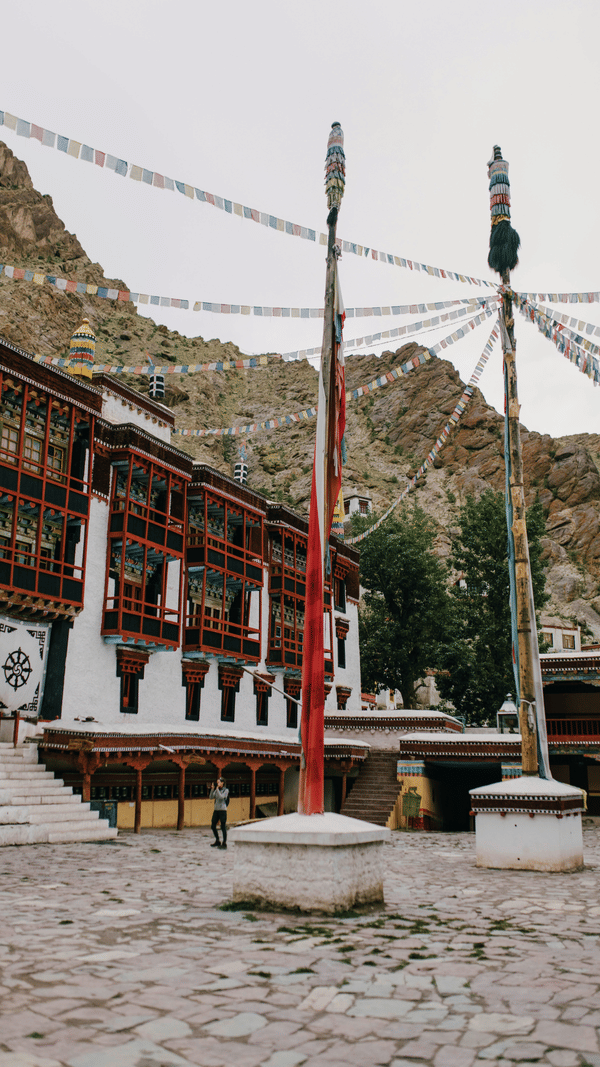
Tucked near Sumur village, Samstanling Monastery is that peaceful spot you didn’t know you needed on your Nubra trip. It’s part of the Gelugpa (Yellow Hat) sect and has beautiful architecture, but without the tourist crowd like Diskit. If you're looking for calm vibes and fewer selfies around, this is your place.
Why Visit the Samstanling Monastery?
1. Architectural Grandeur
- Tibetan-style design with vibrant murals, intricate woodwork, and a golden rooftop.
- Houses a 15-foot-tall statue of Maitreya Buddha.
2. Spiritual Significance
- Founded in the 19th century by Lama Tsultim Nima, a disciple of the Dalai Lama.
- Home to 30+ monks who perform daily rituals.
3. Annual Festival – Dosmoche
- Held in February, featuring masked Cham dances and prayers to ward off evil.
- Location: Sumur village.
- Timings: 8:00 AM – 12:00 PM and 1:00 PM – 6:00 PM.
- Entry Fee: Approximately ₹20 per person.
7. Khardung La Pass (En Route to Nubra)

Not exactly in Nubra, but you have to cross this epic pass! If you're heading to Nubra Valley, there's no way you're skipping Khardung La Pass, it's one of the highest motorable roads in the world, standing tall at a whopping 17,982 feet above sea level!
Originally used by caravans on the ancient Silk Route, Khardung La now welcomes bikers, travelers, and the occasional snowball fight. Don’t forget to stop at the army café near the top for a hot cup of tea and those iconic “you made it!” photos with the signboard.
A quick tip? Breathe easy (literally), go slow, and dress warm, this pass is chilly even in summer.
Best Time to Visit Nubra Valley Ladakh

If you're dreaming of riding a bike through moon-like landscapes, spotting double-humped camels, and sipping tea with mountain views, timing is everything! The best time to visit Nubra Valley is from May to September. This is when the weather is pleasant, the roads are mostly clear, and some of the best places to see in Nubra Valley are at their absolute best.
Avoid the winter months (November to March) unless your idea of fun is freezing your toes off and finding roads buried under snow. Most mountain passes, including Khardung La, are shut during this time.
How to Reach Nubra Valley from Leh

Nubra Valley is located about 150 km from Leh, and the journey involves crossing the famous Khardung La Pass (5,359 m), one of the highest motorable roads in the world. Here’s how you can travel from Leh to Nubra Valley, where you’ll find some of the most popular tourist spots in Nubra Valley waiting to be explored!
1. By Road (Most Common Option)
Wondering how to explore Nubra Valley on a road trip? Well, this is the way to do it! The most popular route is by road, either on a bike or by hiring a taxi or driving yourself. The journey takes around 5–6 hours, depending on how often you stop for photos or chai breaks.
- Distance:~150 km (Leh to Diskit/Hunder)
- Travel Time: 5-7 hours (depending on stops & road conditions)
- Route:
Leh → Khardung La Pass (5,359 m) → Khalsar → Diskit → Hunder / Turtuk
Options for Road Travel:
a. Private Taxi/Jeep (Best Option)
- Hire a shared or private taxi from Leh.
- Cost: ₹4,000–₹6,000 (one way, depending on vehicle type).
- Recommended: Book through a travel agency or hotel in Leh.
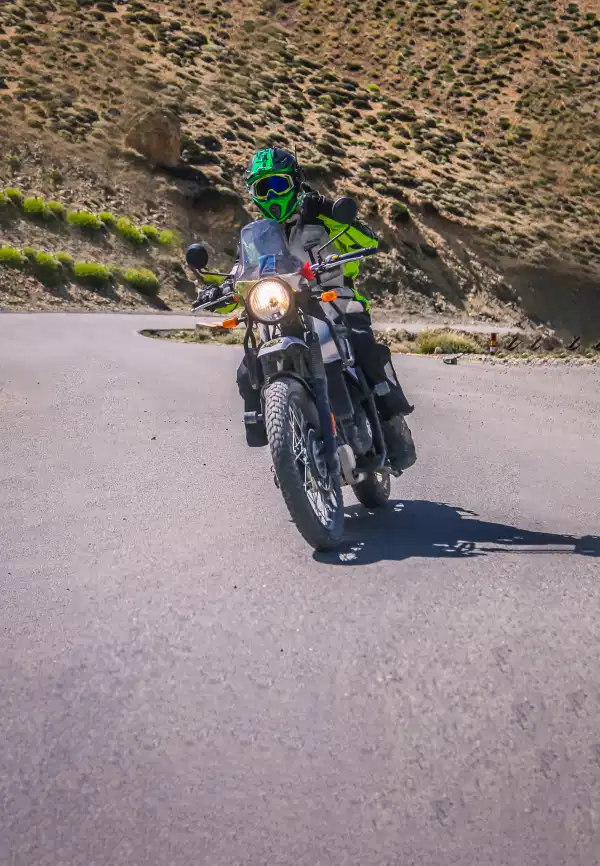
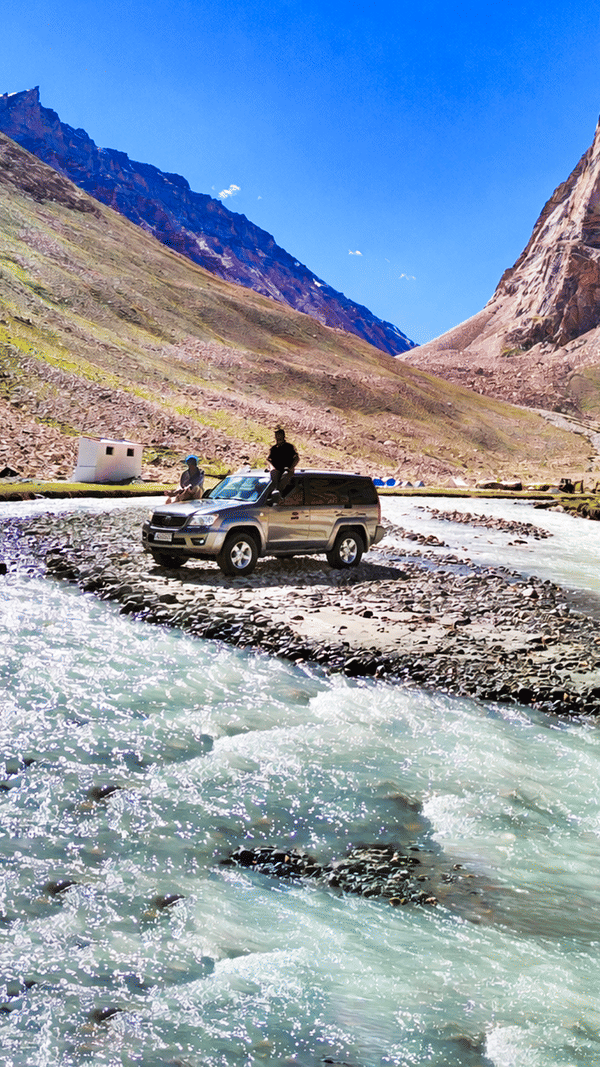
b. Self-Drive Bike/Car (For Adventurous Travelers)
- Rent a bike (Royal Enfield) or SUV in Leh.
- Permit Required: Ensure your Inner Line Permit (ILP) includes Nubra Valley.
- Fuel: Fill up in Leh; petrol pumps are scarce in Nubra.
c. Shared Taxis (Budget Option)
- Available from Leh Bus Stand, but not very frequent.
- Cost: ₹800–₹1,200 per person (shared with others).
2. By Public Bus (Cheapest but Less Flexible)
Leh to Diskit Bus (Operated by J&K SRTC)
- Runs 3-4 times a week (check current schedule).
- Fare: ₹300–₹500 per person.
- Timing: Starts early morning (~5 AM) from Leh Bus Stand.
Note: Buses don’t go to Hunder or Turtuk; you’ll need a taxi from Diskit.
Ready to Explore the Best Places to Visit in Nubra Valley Ladakh?

So there you have it, a glimpse into the magical land of sand dunes, snow peaks, and double-humped camels! Whether you’re into adventure, culture, or just chasing beautiful views, the places to visit in Nubra Valley Ladakh have something for every kind of traveler. From ancient monasteries to quirky camel rides and soothing hot springs, these Nubra Valley tourist attractions are nothing short of unforgettable.
Now all that’s left? Pack your bags, charge your camera, and let Nubra Valley blow your mind, one epic stop at a time! This Nubra Valley travel guide is your go-to for planning a smooth, memorable trip filled with the best experiences, routes, and must-visit spots.
Frequently Asked Questions
What are the must-visit places in Nubra Valley, Ladakh for a first-time traveler?
Top Nubra Valley tourist places include Diskit Monastery, Hunder sand dunes (for camel rides), and Turtuk village for culture. You can also explore some offbeat places in Nubra Valley like Sumur and Panamik for a quieter experience.
How do I get the Inner Line Permit for Nubra Valley and what does it cost?
You can apply for the permit online or through a travel agent in Leh. It usually costs around ₹600–₹800 per person for about 7–10 days and is required to visit most Nubra Valley tourist attractions.
What is the best month to visit Nubra Valley and why?
The best time is from May to September when the weather is pleasant and roads are open. During this time, all major Nubra Valley tourist places are easily accessible and safe to explore.
Are there hot springs in Nubra Valley? Where are they located?
Yes, hot springs are located in Panamik village, one of the lesser-known offbeat places in Nubra Valley. They are believed to have medicinal properties and are a relaxing stop.
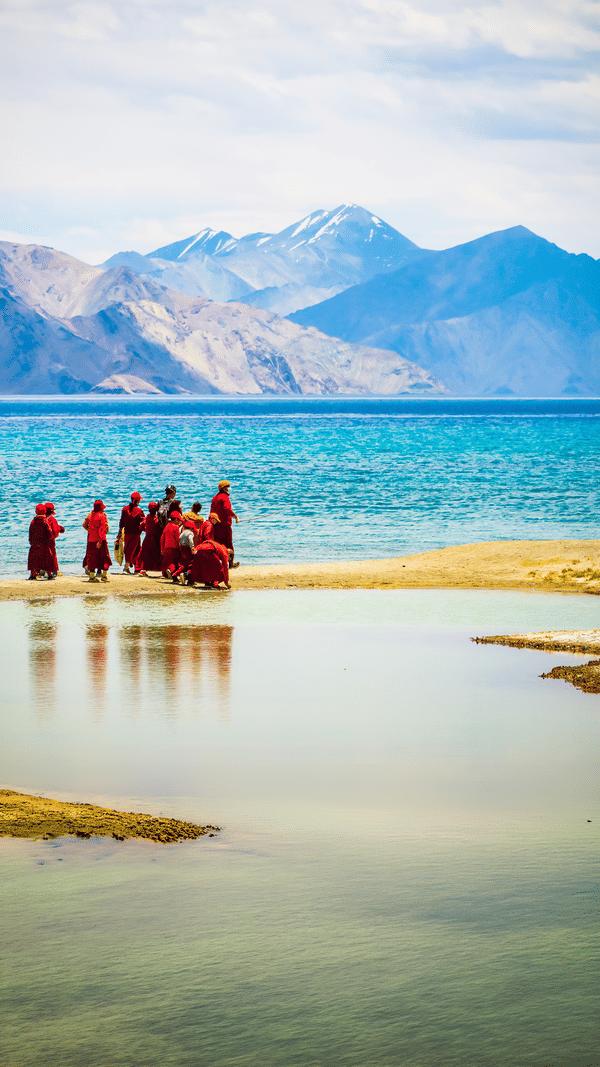
How is Nubra Valley different from Pangong Lake in Ladakh?
Nubra Valley is known for its sand dunes, villages, and greenery, while Pangong Lake is famous for its changing blue waters. Both are popular Nubra Valley tourist attractions and Ladakh highlights, but offer completely different landscapes.


