


Tango Monastery is among Bhutan’s most significant Buddhist institutions, situated on a forested ridge just north of Thimphu. Surrounded by rugged Himalayan terrain and pine trees, Tango Monastery serves both as a spiritual retreat and as a major center for monastic education.
Often included in most of the Bhutan tour packages, Tango Monastery offers a deep insight into Bhutanese Buddhism, traditional architecture, and daily monastic life. Whether you are a history fanatic, nature lover, or have an interest in spirituality, this monastery offers a perfect blend of all three, making it truly unforgettable among all monasteries in Bhutan.
How to Reach Tango Monastery?

Wondering how to reach Tango Monastery from Thimphu? Then you must know that Tango Monastery is located approximately 14 kilometers north of Thimphu, the capital city of Bhutan. The most common way to reach the monastery is by road, either by hiring a taxi or taking a public bus from Thimphu. The journey takes about 45 minutes to an hour, passing through picturesque countryside and winding mountain roads.
Alternatively, adventurous travelers may choose to hike to Tango Monastery from nearby villages, enjoying the scenic beauty of the Bhutanese countryside along the way. Knowing about the how to reach Tango Monastery in advance will help travelers plan their visit efficiently and avoid unnecessary delays.
By Air
The nearest airport to Tango Monastery is Paro International Airport, which is located around 50 km away; it connects Bhutan to major cities like Delhi, Bangkok, and Kathmandu. After landing in Paro, travelers can reach Thimphu by road and continue onward to Tango Monastery using private taxis.
By Road
Reaching Tango Monastery by road is the most convenient option, as it is situated approximately 14 kilometers north of Thimphu. Taxis and private vehicles can easily access the trailhead, from where a short uphill walk leads to the monastery complex.
By Rail
Bhutan does not have a railway network, and there is no direct rail connectivity to Tango Monastery or even Thimphu. The nearest major railway stations are located in India, after which travelers must continue their journey by road and air to reach Bhutan.
Local Transport to Reach the Monastery
Local buses and shared taxis operate from Thimphu towards the northern outskirts, bringing visitors close to the starting point of the hike to Tango Monastery. From the drop-off point, visitors must complete a short hike to reach the monastery, making local transport a practical and budget-friendly option.
Best-Selling Bhutan Packages
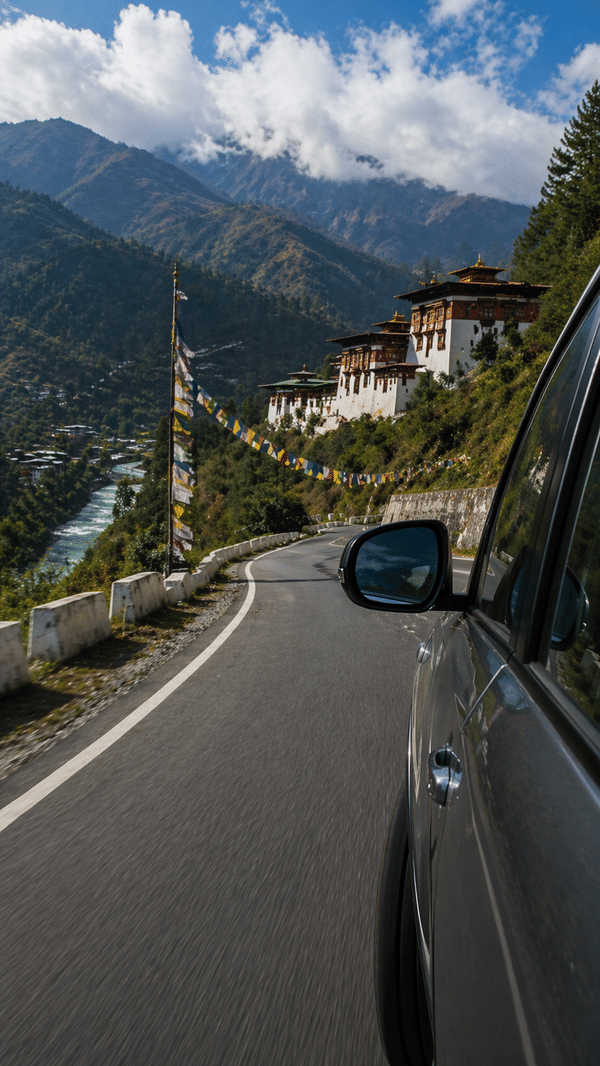
Epic 7 Days Bhutan Road Trip: A Drive Through Quiet Himalayas
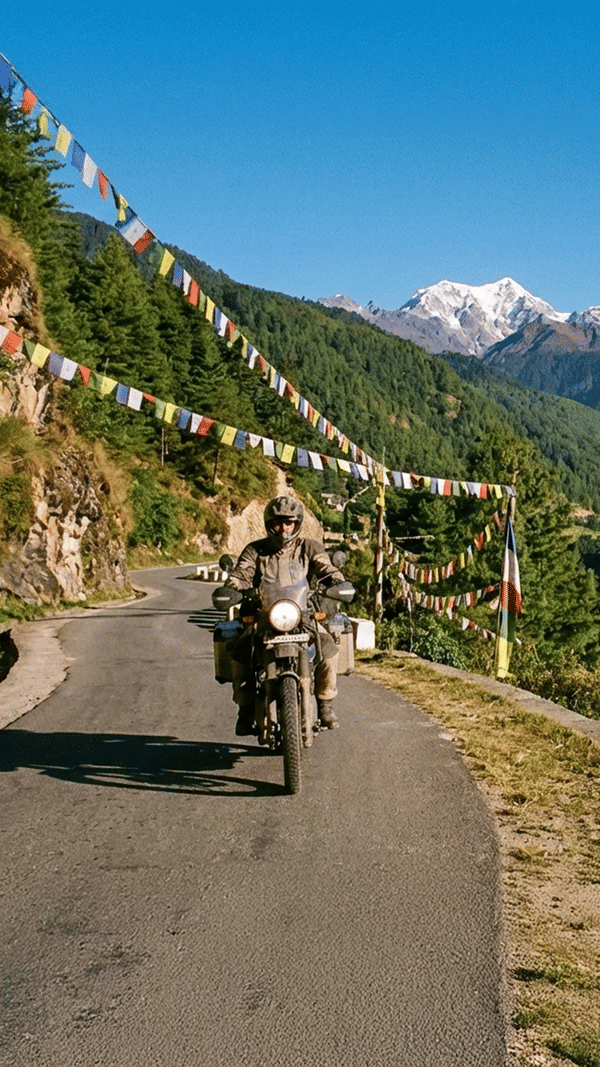
8-Days Bhutan Bike Trip Expedition: Ride across the Land of Thunder Dragon

10 Days Complete Bhutan Tour Package
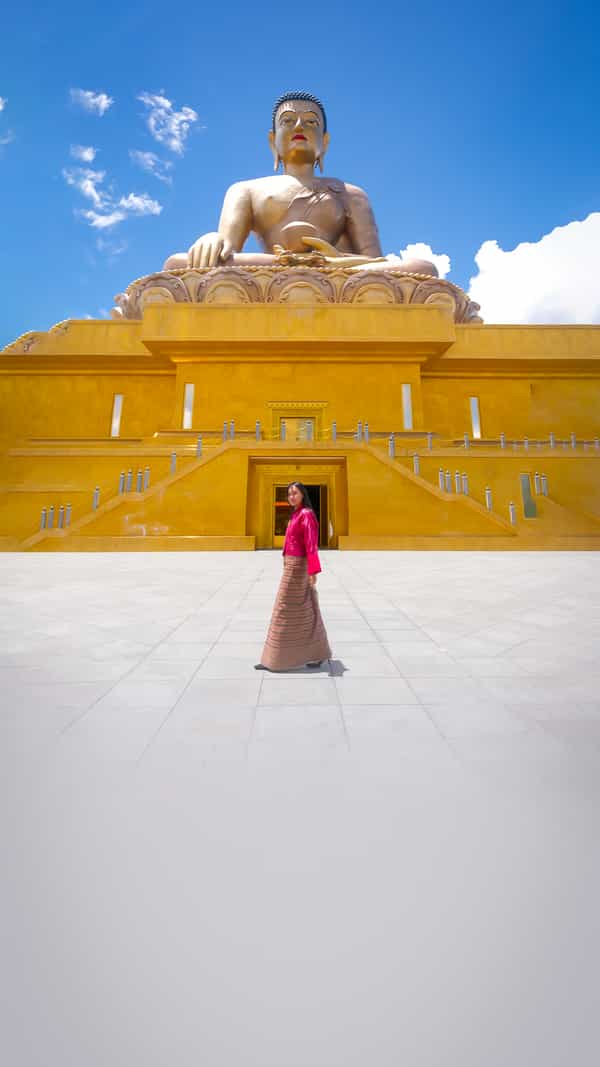
Bhutan Road Trip with Phobjikha Valley
What is the Best Time to Visit Tango Monastery?

Knowing about the best time to visit Tango Monastery allows travelers to enjoy clear skies, pleasant temperatures, and uninterrupted views of the surrounding Himalayan terrain.
Best Time to Visit Tango Monastery
The best time to visit Tango Monastery is during the spring and autumn seasons when weather conditions are stable and visibility is at its best. These months offer a comfortable environment for sightseeing, hiking, and spiritual exploration.
Best Months to Visit Tango Monastery
The best months to visit Tango Monastery are from March to May and September to November, when the weather is mild and the skies are clear. During these months, visitors can enjoy comfortable temperatures and stunning views of the surrounding Himalayan landscapes.
Best Time During the Day to Visit Tango Monastery
The best time during the day to visit Tango Monastery is early morning, when the atmosphere is peaceful and monks begin their daily prayers. Visiting in the morning also allows travelers to avoid crowds and enjoy cooler temperatures during the hike.
Best Time to Visit Tango Monastery During Festivities
Additionally, these months coincide with several religious festivals like the Nimalung Tshechu celebrated at the monastery, offering a unique cultural experience for travelers.
Things To See In Tango Monastery

Here’s a list of things to see in Tango Monastery that you should not miss.
- Main Temple: The main temple of Tango Monastery is the focal point of the complex, housing sacred relics, statues, and elaborate altars dedicated to Buddhist deities.
- Inner Courtyard: The monastery’s inner courtyard is a serene space where visitors can soak in the atmosphere of spiritual contemplation and observe monks engaged in daily rituals and prayers.
- Paintings and Sculptures: Intricately painted sculptures adorn the walls of the Tango Monastery, depicting scenes from Buddhist mythology, the life of the Buddha, and other religious teachings.
- Druk Drakha Goemba: Situated nearby, Druk Drakha Goemba is another monastery worth visiting, known for its stunning location perched atop a cliff overlooking the Thimphu Valley.
What are the Places to Visit Near Tango Monastery?

Several places to visit near Tango Monastery, Bhutan, include various city landmarks and nearby forested trails. Exploring these attractions near Tango Monastery helps in enhancing the overall travel experience with historical and natural value.
1. Cheri Monastery
Located a short distance from Tango Monastery, Cheri Monastery is one of the oldest monastic institutions in Bhutan, offering breathtaking views of the surrounding mountains and valleys.
2. Thimphu
As the capital city of Bhutan, Thimphu is a bustling hub of cultural, historical, and architectural attractions, including the Tashichho Dzong, National Memorial Chorten, and Folk Heritage Museum.
3. Tango Wildlife Sanctuary
Nature enthusiasts can explore the nearby Tango Wildlife Sanctuary, home to a diverse range of flora and fauna, including Himalayan black bears, red pandas, and various species of birds.
4. Motithang Takin Preserve
Among the popular attractions near Tango Monastery, Motithang Takin Preserve offers a chance to see Bhutan’s national animal while enjoying a short nature-focused excursion.
5. Buddha Dordenma Statue
Another iconic attraction near Tango Monastery, this massive statue provides panoramic views of Thimphu Valley and complements a cultural visit to Tango Monastery Bhutan.
6. Dochula Pass
A little farther, Dochula Pass is included in many itineraries covering places to visit near Tango Monastery Bhutan, famous for its 108 chortens and Himalayan views, which makes it among the most beautiful places to visit in Bhutan.
7. Forest Trails & Nature Walks
The surrounding forested paths are quieter attractions near Tango Monastery, suited for travelers seeking peaceful walks and natural scenery near Tango Monastery in Thimphu.
What are the Tango Monastery travel tips?

When visiting Tango Monastery in Bhutan, keeping a few key tips in mind can enhance your experience and ensure that you make the most of your time at this sacred site:
- Wear clothing that covers your shoulders, chest, and knees out of respect for the monastery’s religious significance.
- Before entering any temple or prayer hall, remove your shoes as a sign of reverence and cleanliness.
- Ask for permission before taking photographs, especially inside the monastery, and refrain from using flash to avoid disrupting religious rituals.
- Keep noise to a minimum and avoid disruptive behavior to preserve the tranquil atmosphere of the monastery.
- Refrain from talking loudly or engaging in unnecessary chatter, particularly during prayers or meditation sessions.
- If you wish to engage with monks or residents of the monastery, approach them respectfully and ask for permission before initiating conversation.
- Be curious and respectful of Bhutanese culture, which may differ from your own.
- Dispose of waste responsibly, follow designated trails, and avoid disturbing wildlife or natural habitats to minimize your impact on the fragile Himalayan ecosystem.
- Purchase souvenirs or handicrafts from local artisans and vendors to contribute to the local economy and support sustainable livelihoods in the region.
History of Tango Monastery Bhutan

Tango Monastery, also known as Tango Cheri Monastery, was founded in the 13th century by Lama Gyalwa Lhanampa, a renowned Buddhist saint and scholar. Over the centuries, the monastery has served as a center for Buddhist learning and practice, attracting scholars, monks, and devotees from across the region.
In the 17th century, the monastery was expanded and renovated under the patronage of Desi Tenzin Rabgye, a prominent Bhutanese nobleman, further solidifying its status as a respected religious institution. Today, Tango Monastery continues to uphold its legacy as a symbol of Bhutanese spirituality, welcoming visitors from around the world to experience its timeless teachings and serene beauty.
The history of Tango Monastery reflects its transformation into one of Bhutan’s most influential centers of Buddhist education and spiritual discipline. Knowing about the history of Tango Monastery helps visitors appreciate its long-standing role in shaping Bhutanese religious traditions.
Architecture of the Tango Monastery

The architecture of the Tango Monastery reflects traditional Bhutanese monastery design, characterized by red and gold accents, whitewashed stone walls, and tiered structures built into the hillside. Built to harmonize with its natural surroundings, the architecture of the Tango Monastery follows Bhutan’s principles of sacred geometry and environmental balance.
The monastery has a fortress-like layout that not only serves spiritual purposes but also reflects the defensive architectural style common in historic Bhutanese religious institutions.Every element of the architecture of the Tango Monastery is designed to support learning and meditation as well as monastic discipline rather than visual excess.
What are the various rituals practiced at the Tango Monastery?

At Tango Monastery, rituals play a central role in daily life, providing a framework for spiritual practice and fostering a deep sense of connection to the divine.
- Morning Prayers: In Tango Monastery, the day usually starts with the reciting of morning prayers, called “Lhakhang Drubchen.” Monks gather in the prayer hall or main temple to recite mantras and holy scriptures to invoke good fortune and blessings for the next day.
- Offerings and Offertory Practices: Monks participate in a variety of offertory rituals after morning prayers, bringing symbolic gifts to the Three Jewels—the Buddha, the Dharma (teachings), and the Sangha (spiritual community), such as light, water, flowers, and incense. These offerings show the follower’s dedication to the enlightenment path and are acts of devotion, gratitude, and cleansing.
- Meditation Sessions: Tango Monastery monks practice regular meditation sessions, or ‘gompa,’ throughout the day. During these sessions, they focus on their breathing, their bodies, or sacred items like statues or mandalas to develop mindfulness and concentration.
- Puja ceremonies and ritual offerings: Tango Monastery holds elaborate ceremonial sacrifices and puja ceremonies on various days throughout the year to honor Buddhist deities, celebrate auspicious occasions, and ask for blessings for the well-being of every living creature. People believe these rituals drive out negativity and cleanse the atmosphere, often incorporating complex dances called "cham," prayers, chanting, and rites.
- Mahakala Rituals: One of the unique aspects of Tango Monastery’s ritual practices is its devotion to Mahakala, a furious deity linked to protection, wisdom, and the removal of obstacles from the spiritual path. At Tango Monastery, monks engage in unique ceremonies devoted to Mahakala, calling upon his ferocious force to conquer both internal and external challenges and to develop bravery and fearlessness in their search for enlightenment.
Modern Challenges and Opportunities

Tango Monastery strives to maintain its rich history while adapting to the rapidly changing world, confronting both modern opportunities and challenges. The monastery struggles with several financial, cultural, and environmental issues that will affect its future course as Bhutan continues to modernize and become more globally connected.
- Demographic Changes: One of the significant challenges facing Tango Monastery is demographic shifts within the monastic community. As Bhutan experiences demographic changes, including urbanization, migration, and changing social norms, the number of young men entering monastic life has declined. This trend poses a challenge to the monastery’s sustainability and raises questions about the continuity of traditional monastic education and practices.
- Technological Advancements:Technological advancements present both opportunities and challenges for Tango Monastery. Modern technology can help with outreach, education, and However, it can also cause concern among people about secular influences and distractions infiltrating the monastic community.
- Environmental Conservation: Amidst rapid urbanization and industrialization, environmental conservation emerges as a pressing concern for Tango Monastery. As stewards of the natural environment, monks recognize the importance of sustainable practices, waste management, and ecosystem preservation. Initiatives such as reforestation, water conservation, and renewable energy adoption are essential to safeguarding the pristine beauty of the surrounding Himalayan landscapes for future generations.
Final Thoughts on Visiting Tango Monastery
Tango Monastery Bhutan is one of Bhutan’s most important spiritual landmarks, located just outside Thimphu and surrounded by quiet forested hills. Known for its deep religious significance, Tango Monastery serves as a major center for Buddhist learning and monastic life.
Tourists can reach Tango Monastery through a short uphill walk that offers scenic valley views and a peaceful start to the experience. People also appreciate the place for its traditional architecture, daily prayer rituals, and peaceful atmosphere.
Planning your visit around the right season helps you enjoy comfortable weather and cultural events. With several attractions nearby, Tango Monastery fits easily into a Bhutan itinerary.
For travelers exploring Bhutan with WanderOn, Tango Monastery offers a complete blend of spirituality, nature, and culture that makes your journey unforgettable.
Frequently Asked Questions
What is Tango Monastery and where is it located?
Tango Monastery is a prominent Buddhist monastery and monastic education center in Bhutan. Located about 14 kms north of Thimphu, the monastery is set on a forested hillside surrounded by pine trees and Himalayan terrain.
How do I reach Tango Monastery from Thimphu?
Tango Monastery can be reached by road from Thimphu in approximately 45 minutes. Tourists can hire either a taxi or use local transport to reach the trailhead, followed by a short uphill walk to the monastery complex.
What can visitors expect to see and do at Tango Monastery?
Tourists visiting Tango Monastery can observe daily prayer rituals, enjoy quiet meditation, explore traditional monastery buildings, and take a short hike. You can experience a peaceful spiritual environment away from city crowds.
Is there an entrance fee to visit Tango Monastery?
There are no fixed entrance fees to visit Tango Monastery. However, tourists may be expected to make a small donation, and standard Bhutan tourism regulations apply for international travelers.


