Ubud Art Market
Ubud Art Market is Bali's most famous traditional bazaar, stocked with handwoven baskets, wood carvings, sarongs, and Balinese souvenirs opposite the Ubud Royal Palace.

Bali does not need an introduction. The Island of the Gods has been on the world's travel map long enough that most people arrive already knowing what to expect and still leave surprised. What keeps Bali Tourism growing year after year is simple; the island consistently delivers.
Every type of traveler, every budget, every trip style finds its place here. First visits rarely feel like enough. So before you book, this Bali travel guide covers everything you need to plan your trip with Bali Tour Packages visa, flights, best time to go, where to stay, what to see, and how to get the most out of every day on the island. ali tra
| Detail | Information |
|---|---|
| Country | Indonesia |
| Province | Bali |
| Bali's Regional Capital | Denpasar |
| Currency | Indonesian Rupiah (IDR) |
| Official Language | Indonesian (Bahasa Indonesia); English is common in tourist hubs |
| Time Zone | WITA (UTC+8) |
| International Airport | Ngurah Rai International Airport (DPS), Denpasar |
| Electricity | 220V, Type C/F plugs |
| SIM & Mobile Networks | Telkomsel, XL Axiata, Indosat Ooredoo (Telkomsel has the broadest coverage) |
| Tourist Levy | IDR 150,000 per international visitor (mandatory since Feb 14, 2024) |
| Visa for Indians | Visa on Arrival available |
| Average Temperature | 26°C to 31°C throughout the year |
| Dry Season | April to October |
| Wet Season | November to March |
| Ideal Trip Duration | 7 to 10 days |
| Famous For | Culture, Beaches, temples, rice terraces, surfing, nightlife, wellness retreats, luxury villas |
| Best For | Solo travelers, friend groups, couples, honeymooners, and digital nomads |
| Popular Areas | Ubud, Seminyak, Canggu, Uluwatu, Nusa Dua, Sanur, Nusa Penida, Gili Islands |
| Emergency Number | 112 |

Few islands pack this much variety into one place. You can hike a volcano at sunrise, spend the afternoon at a beach club, eat well for almost nothing, and book a private villa for less than a hotel room in most European cities.
The infrastructure is solid, English works fine everywhere tourists go, and the island shifts mood completely depending on where you are: Ubud feels nothing like Canggu, which feels nothing like Uluwatu.
And beyond the landscapes, Bali's culture and the warmth of its people leave an impression that most destinations simply don't. Bali tourism keeps growing for exactly this reason.
One thing every Bali travel guide should cover before anything else is the visa and for Indians, it is simpler than most expect. Indian passport holders need a Bali visa on arrival (VOA) to enter Indonesia. You either sort it before you fly or pick it up at the airport when you land. Here is what you need to know about Bali Visa.
30 days, single entry, extendable once for another 30 days. Cost is ₹3,000 to 3,500 (IDR 500,000). Two ways to get it:
Option 1: Apply Online (e-VOA) Before Your Flight
Option 2: Get it at the Airport
Need more than 30 days? You can extend once for another 30 days (60 days total). Start the process 7 to 10 days before your visa expires, not the last day.
₹5,500 (IDR 1,000,000) per day, paid in cash before you can leave. Repeat offenders risk deportation and a future travel ban. Set a reminder 10 days before your visa expires.

Bali runs on the Indonesian Rupiah (IDR). As of mid-2026, 1 Indian Rupee gets you roughly 185–190 IDR.
Cash or Card?
ATMs and Money Exchange
Before You Travel
Wondering how to reach Bali ? Most Indian cities have a flight route to Bali that works. As any solid Bali guide will tell you, sorting your flights early makes a real difference on price.
Delhi gets the easiest deal. Air India runs a non-stop to Denpasar, about 8.5 hours, no layovers. Bengaluru has direct connectivity too via IndiGo.
Mumbai, Hyderabad, Chennai, Kolkata, and Pune connect through Singapore, Kuala Lumpur, or Bangkok. Total travel time stays comfortably under 12 hours on most routes and these are consistently the most affordable way to fly.
Round trip fares start from ₹26,901. Book ahead.
Key Facts at a Glance
Getting around is easier than most expect. This Bali guide breaks down every option worth knowing:

The best time to visit Bali depends on temperature, rain, crowds, and what you'll pay. This Bali trip guide breaks it down by season so you know exactly when to go.
Bali covers a lot of ground, and every area has its own character. Knowing the best places to visit in Bali before you book makes a real difference, as where you stay shapes the entire trip.
| Area | Best For | Vibe | Approx. Budget Range (per night) |
|---|---|---|---|
| Seminyak / Cannggu | Nightlife, dining, surf | Stylish, social, international | ₹3,000, ₹22,000+ |
| Ubud | Culture, wellness, nature | Art-forward, slower, inward-looking | ₹2,000, ₹12,000+ |
| Uluwatu / Bukit | Cliff temples, surf, luxury | Dramatic views, high-end stays | ₹4,000, ₹30,000+ |
| Sanur | Families, snorkeling, relaxed pace | Laid-back, more traditional | ₹2,500, ₹9,000+ |
| Nusa Dua | Resorts, calm beaches, couples | Resort-polished and predictable | ₹5,000, ₹25,000+ |
| Nusa Penida | Island escapes, snorkeling, cliff views | Raw, scenic, slower-paced | ₹2,500, ₹15,000+ |
| Gili Islands | Island hopping, nightlife, snorkeling | Relaxed, social, beach-focused | ₹2,000, ₹18,000+ |
Note: Prices vary depending on season, villa type, location, and how early you book.

One thing most Bali trip guides don't say enough: the food alone is worth the flight. Local warungs serving traditional Indonesian plates sit a few doors down from vegan cafés, specialty coffee spots, beachfront seafood restaurants, and upscale dining rooms. Whatever you are looking for, the island has a version of it.
Bali tourism isn't just beaches and temples. The shopping alone can take up a full day. Handmade crafts, silver jewellery, wooden décor, local fashion, and beachwear turn up across markets, boutique stores, and dedicated art villages, often at prices that make it hard to walk away empty-handed.
What to Buy in Bali: Handmade bags and baskets, Balinese silver jewellery, wooden carvings and home décor, locally grown coffee and chocolate, resort wear and beach clothing.
Bali tourism has a nightlife side that surprises most first-timers. Nights run at different speeds depending on where you are. Uluwatu is cliffside sundowners and quiet lounges. Canggu is live music and beach parties. Seminyak is polished cocktail bars and upscale beach clubs. Kuta is loud, late, and budget-friendly. Pick your version.

Bali tourism is straightforward for most visitors, but first-timers tend to walk into the same traps. These travel tips for Bali cover the most common mistakes and scams worth knowing before you land.
Bali sits among the safer countries in Southeast Asia but this Bali trip guide would be incomplete without covering what to watch out for:
Bali works for almost every kind of traveler, but a little planning goes a long way. Sort your Visa on Arrival early, carry cash, pick one or two bases instead of trying to cover everything, and respect the culture while you are there. The island rewards those who slow down. If this Bali travel guide helped you figure out what kind of trip you want, WanderOn can take it from there. We plan and run Bali trips for Indians, handling flights, stays, transfers, and itineraries so you show up and enjoy the island.

Ubud is Bali's cultural heart, a lush town known for ancient temples, emerald rice terraces, yoga retreats, and the Sacred Monkey Forest sanctuary teeming with macaques.

Uluwatu Temple is Bali's breathtaking cliffside sea temple, perched 70m above the Indian Ocean, best visited at sunset when traditional Kecak fire dances take over the clifftop stage.

Tanah Lot is Bali's iconic sea temple, dramatically perched on a rocky outcrop in Tabanan, especially magical at sunset when crashing waves silhouette the ancient pagoda.

Mount Agung in Karangasem is Bali's highest and most sacred volcano, a 3,142m giant revered by Balinese Hindus and popular for demanding sunrise summit hikes.

Tegalalang Rice Terraces near Ubud are Bali's most photographed paddy fields, showcasing the island's traditional subak irrigation system alongside the iconic Bali Swing attractions.

Nusa Penida is Bali's offshore island paradise, famed for cinematic viewpoints like Kelingking Beach, Angel's Billabong, and the pristine snorkelling waters of Crystal Bay.

Surfing Kuta, Canggu, and Uluwatu is Bali's iconic wave experience, with beginner-friendly beach breaks, world-class reef waves, and one of Asia's most vibrant surf cultures.

White water rafting on the Ayung River near Ubud is Bali's most popular water adventure, combining Class II-III rapids with lush jungle scenery and waterfall stops.

Mount Batur sunrise trekking in Kintamani is Bali's signature hike, starting at 3am for a two-hour climb rewarded with a breathtaking sunrise over the caldera lake.

The Bali Swing in Ubud is the island's most Instagrammed attraction, sending visitors soaring over jungle canyons and rice terraces on multiple super-sized swings.

Scuba diving around Nusa Penida is Bali's ultimate underwater adventure, famous for manta ray encounters at Manta Point and seasonal sightings of the rare mola mola sunfish.

ATV rides in Ubud are Bali's muddy jungle thrill, ripping through rice paddies, waterfall trails, and dark caves on all-terrain quads with local guides.

Locavore in Ubud is Bali's celebrated farm-to-table restaurant, plating inventive tasting menus built around Indonesian heritage ingredients sourced from local farmers and foragers.

Sarong in Seminyak is one of Bali's most beloved fine-dining restaurants, offering chef Will Meyrick's Asian-fusion dishes inspired by Indian, Thai, and Indonesian street food traditions.

Warung Babi Guling Ibu Oka in Ubud is Bali's most famous babi guling spot, serving traditional Balinese roasted suckling pig opposite the Royal Palace since decades ago.

Merah Putih in Seminyak is Bali's showcase of modern Indonesian cuisine, blending creative plating with authentic archipelago flavors inside dramatic, cathedral-like architecture.

Sardine in Kerobokan is one of Bali's most beloved seafood restaurants, serving fresh Java Sea catches with modern Mediterranean flair beside a tranquil rice-paddy view.

Potato Head Beach Club in Seminyak is Bali's iconic beachfront destination, combining infinity pools, world-class DJs, international cuisine, and golden Indian Ocean sunsets.
Ubud Art Market is Bali's most famous traditional bazaar, stocked with handwoven baskets, wood carvings, sarongs, and Balinese souvenirs opposite the Ubud Royal Palace.

Kuta Art Market is Bali's colourful beach-town bazaar, loaded with sarongs, beachwear, paintings, and wooden carvings at negotiable prices right beside Kuta Beach.

Seminyak Village is Bali's chic shopping mall, home to upmarket fashion, jewelry, home decor, and local designer boutiques in the heart of trendy Seminyak.

Sukawati Art Market in Gianyar is one of Bali's oldest traditional bazaars, brimming with handcrafted masks, statues, textiles, and Balinese souvenirs at wholesale prices.

Beachwalk Shopping Center in Kuta is Bali's elegant open-air mall facing Kuta Beach, offering global brands, beachwear, cinemas, and relaxed dining beside the Indian Ocean.

Bali Collection in Nusa Dua is a Bali upscale shopping complex, curating boutique jewelry, home decor, and art galleries in the island's luxury resort enclave.


Ubud • Gili Islands • Seminyak/Kuta • Uluwatu • Nusa Penida • Seminyak/Kuta


Ubud • Kintamani Village • Bali Swing • Kuta • Nusa Penida Island • Benoa Beach • Uluwatu Temple • Kuta


2N Ubud • 2N Gili Island • 3N Uluwatu

Ubud • Kintamani Village • Bali Swing • Kuta • Lempuyang Temple • Nusa Penida • Uluwatu Temple • Kuta


Denpasar Airport • Ubud • Gili Islands • Seminyak • Denpasar Airport


Ubud • Kintamani Village • Gili Islands • Uluwatu Temple • Nusa Penida • Kuta

2N Ubud • 2N Gili Island • 3N Uluwatu

Kuta • Seminyak • Banyuwangi • Mount Ijen • Ubud • Gili Islands • Nusa Penida • Kuta
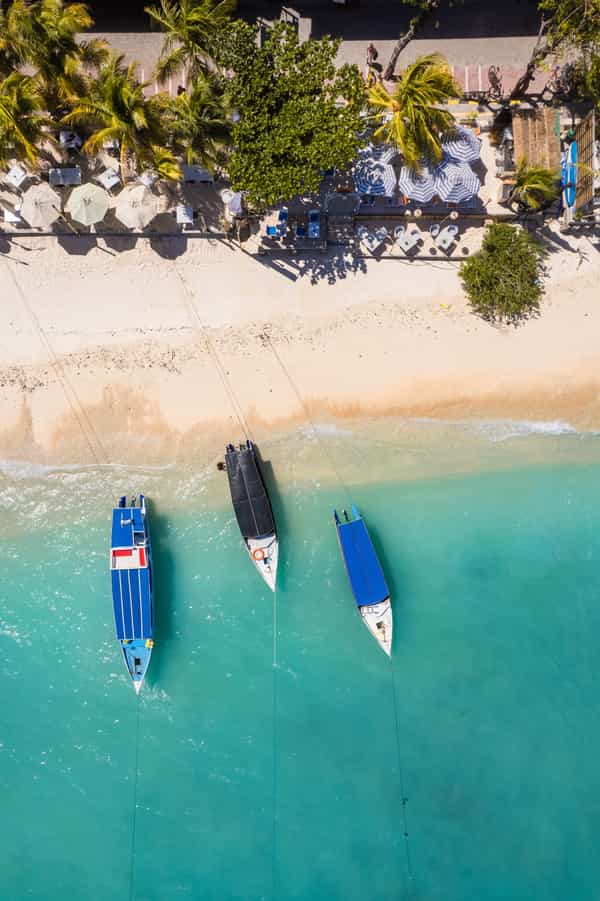

Kuta • Gili Islands • Ubud • Kuta

Ubud • Gili • Nusa Penida • Kuta • Labuan Bajo
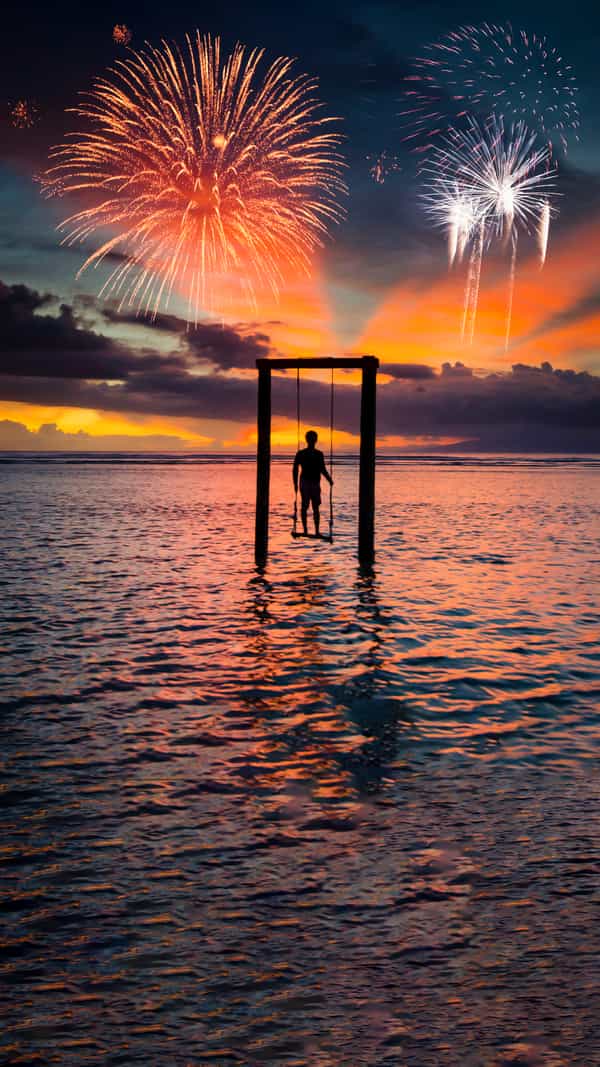
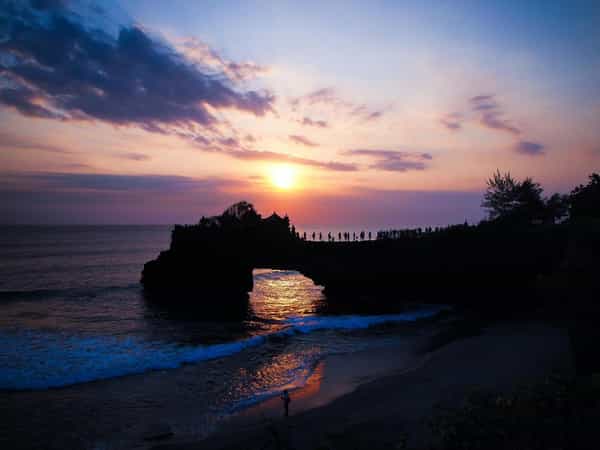
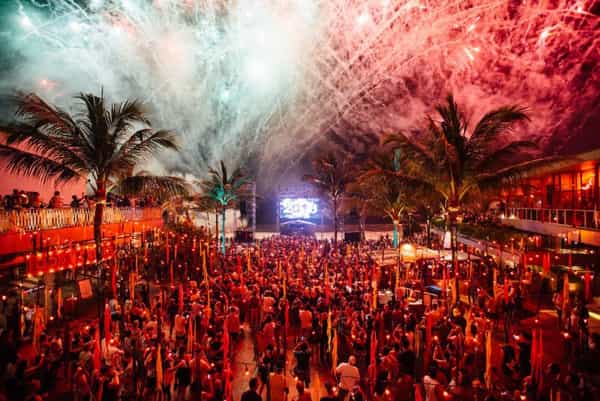

Mumbai • Denpasar • Kuta • Nusa Penida • Gili Trawangan • Ubud • Denpasar • Mumbai

Denpasar • Kuta • Nusa Penida • Gili Trawangan • Ubud • Denpasar
Ubud • Kintamani Village • Gili Islands • Uluwatu Temple • Nusa Penida • Kuta

Denpasar • Seminyak / Kuta • Nusa Penida • Seminyak / Kuta • Ubud • Denpasar
Ubud • Kintamani Village • Bali Swing • Kuta • Lempuyang Temple • Nusa Penida • Uluwatu Temple • Kuta

Seminyak / Kuta • Uluwatu • Nusa Penida • Ubud

Denpasar • Ubud • Bamboo Stay • Seminyak • Nusa Penida • Uluwatu • Denpasar

Denpasar • Ubud • Mt.Batur • Munduk • Sidemen • Denpasar
Ubud • Kintamani Village • Bali Swing • Kuta • Nusa Penida Island • Benoa Beach • Uluwatu Temple • Kuta


Seminyak/Kuta • Nusa Penida • Gili Islands • Ubud • Seminyak/Kuta

Seminyak / Kuta • Uluwatu • Nusa Penida • Ubud

Seminyak / Kuta • Nusa Penida • Gili Islands • Ubud


Denpasar Airport • Ubud • Java • Seminyak • Nusa Penida • Seminyak • Denpasar Airport

Denpasar • Seminyak/Kuta • Uluwatu • Nusa Penida • Ubud • Denpasar

Denpasar Airport • Ubud • Gili Islands • Lombok • Seminyak • Denpasar Airport
Seminyak/Kuta • Uluwatu • Nusa Penida • Gili Islands • Ubud • Mount Batur • Tegallalang • Ayung River • Ubud

Denpasar • Ubud • Lovina • Seminyak • Nusa Penida • Uluwatu • Denpasar
Denpasar Airport • Ubud • Gili Islands • Seminyak • Denpasar Airport
Ubud • Gili Islands • Seminyak/Kuta • Uluwatu • Nusa Penida • Seminyak/Kuta
Pooja Aski
10 Jul 2026We went on a trip to Bali with WanderOn, and had a great experience throughout. A special thanks to our POC, Deeksha, for being so helpful and ensuring everything was smooth and hassle-free. From beautiful sunsets and beaches to unforgettable moments and photos, Bali gave us memories we’ll cherish for a long time.
Moumita Haldar
10 Jul 2026We went on a trip to Bali with WanderOn, and it was truly one of the most amazing and memorable experiences we've ever had! 🌴✨ A special thanks to Deeksha Sharma and Suneha Chib from WanderOn, who helped us plan the entire itinerary for our Bali trip. From the very beginning, they were incredibly helpful, patient, and responsive. They provided us with all the necessary information before our trip and were always available to answer our questions and address our concerns. What impressed us the most was that the support didn't end once the trip began. Throughout our journey, the entire WanderOn team stayed connected with us, guided us at every step, and ensured that everything went smoothly. Their constant support, professionalism, and attention to detail allowed us to enjoy Bali completely stress-free. From breathtaking sunrises and beautiful beaches to exciting activities and countless picture-perfect moments, every day in Bali was filled with joy and unforgettable memories. The trip was exceptionally well-organized, and we genuinely felt cared for throughout the experience. Thank you, Deeksha Sharma, Suneha Chib, and the entire WanderOn team for making our Bali trip so special. Your dedication and warm support transformed this vacation into a collection of memories that we will cherish for a lifetime. We would highly recommend WanderOn to anyone looking for a seamless and memorable travel experience, and we are already looking forward to travelling with WanderOn again on our next adventure
Ramya Devaraj
6 Jul 2026Had a great experience on booking 8D7N Bali trip with Wanderon. From the start sharing itinerary, addressing enquiries, sharing milestones, sending across all important information, scheduling calls for explaining itinerary every thing was well coordinated. Thanks to Deeksha sharma and Rithika sharma. Being my first international trip, they have set the bar high. Would highly recommend.
Sudarshan saranath
3 Jul 2026We went on Bali tour with Wanderon The arrangement, and support by Diksha and Shivam was top notch with excellent on ground support too. Overall a very good experience.
Your right to Know!
Indians need to get a Visa on Arrival at (IDR 500,000, roughly ₹3,000), valid for 30 days and can be extended once for another 30 days. Passport should be valid for at least six months from your travel date.
Every international visitor pays IDR 150,000 (around ₹750) per trip. Pay through the official Love Bali portal before or after landing and save the confirmation on your phone.
April through October sees the least rain and the most reliable weather. May and September tend to work out well: fewer crowds than July and August, and slightly easier on the pocket too.
Seven to ten days covers the island well without rushing. Five nights works if you stick to one or two areas. For Ubud, the south, and the Nusa Islands, plan for at least eight nights.
Bali is one of the safer destinations in Southeast Asia. Petty theft and money changer scams are the main things to watch. Solo female travelers generally feel comfortable in Ubud and Seminyak.
1. Indian passport holders get a visa on arrival in Bali — pay the fee in USD or IDR and keep return tickets handy.
2. Bali's rainy season runs November to March, so pack ponchos, waterproof bags, and flexible plans for outdoor activities.
3. Respect Balinese Hindu customs — cover shoulders and knees when entering temples, and respect ongoing ceremonies on the streets.
4. Carry reef-safe sunscreen and avoid touching corals while snorkelling or diving around Nusa Penida and Menjangan Island.
5. Never swim alone at unmanned Bali beaches — strong currents and rip tides claim lives each year across Canggu and Uluwatu.
6. Use Gojek or Grab for reliable Bali transport instead of flagging street taxis, which can overcharge tourists significantly.
Some good reads to help you travel better!


Travel More. Worry Less. We've Got the Rest.
Expertly Crafted Itineraries
Famous sights, hidden gems, and everything in between — planned around your vibe, your crew, your budget.
Passionate Trip Captains
Our Captains are trained to lead and set the vibe. They will be part guide, part friend, all in.
End-to-End Travel Support
Visa help, on-ground assistance, round-the-clock support! You just book, we will handle the rest.
Top Rated by Travellers
4.9 stars on Google and TripAdvisor from 2 lakh+ travellers who booked, and came back to say it was worth it.
Transparent Pricing, No Hidden Costs
We clearly spell out what's included and what's not, so nothing catches you off guard mid-trip.
Best Stays, Transport & Meals
We arrange comfy stays, reliable drivers with good vehicles, and the best meals we can find for you.
Don't Just Dream, Travel!

Don't just dream travel!
Allow us to call you back!

Don't just dream travel!
Allow us to call you back!