


In 2024, 43% of GenZ reported drinking less alcohol than previous generations, a seismic shift that is revolutionizing how we travel. Enter dry tourism, alcohol-free travel experiences prioritizing clarity, connection and personal transformation over hangovers and blurry nights.
Dry tourism isn’t about restriction, it’s about intention. This emerging trend encompasses sober vacations, wellness-based travel, and immersive experiences where travelers swap cocktail bars for sunrise yoga, meditation retreats and authentic cultural connections. From India trips exploring Rishikesh’s spiritual heartland to International tour packages focused on Nordic forest bathing, the sober travel community is redefining what it means to truly “getaway”.
This movement reflects a profound shift, travelers especially Gen Z and millennials are choosing purpose over party, seeking “whycations (purpose-driven travel) that nourish mental health rather than numb it. As burnout culture peaks and mental wellness becomes non-negotiable, alcohol-free travel emerges not as a trend, but as the future of meaningful exploration.
What is Dry Tourism?

Dry Tourism isn't just about skipping drinks on vacation, though that's certainly part of it. At its heart, it's the decision to travel sober, which opens up a different kind of experience entirely. You're sharper, more present, and honestly, you remember things. All of it.
This goes well beyond turning down the hotel minibar. What we're really talking about is a shift in how people approach travel itself, what they want from it, what they're willing to give up, and what they might gain in return.
The Core Definition Of Dry tripping
- Clarity: Walking without hangovers to catch golden-hour sunrises and actually remember every conversation, view and breakthrough moment.
- Presence: Being fully immersed in experiences - whether it’s a meditation session in Bali or Ayurveda retreats in Kerala.
- Authentic connection: Forming real bonds with fellow travelers and locals through shared activities, and meaningful conversation rather than alcohol-fueled small talk.
Best Sober Vacation India tour packages:

Great Lakes of Ladakh: Manali to Srinagar - 9 Days Value Expedition

Uttarakhand Weekend Trip from Delhi: Chakrata Community Getaway

4 Days Best Kerala Tour Package
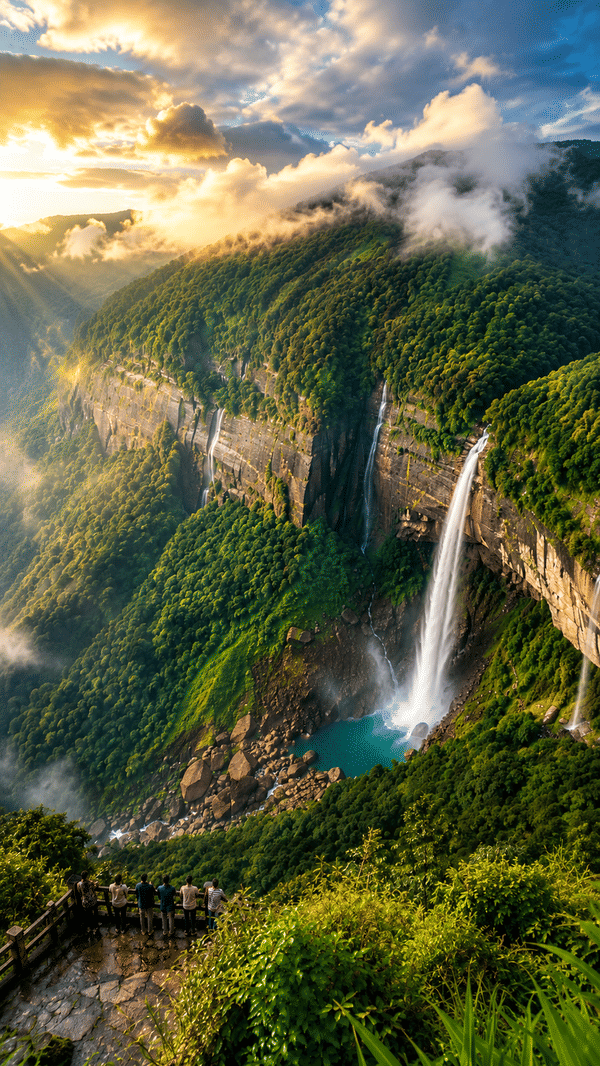
Meghalaya Group Trip With Wari Chora, Caves & Waterfalls
Numbers behind this Gen Z travel trend 2026
The data tells a compelling story. GenZ’s relationship with alcohol has fundamentally shifted, with 43% consuming less than millennials did at the same age. The UK reports that one in five adults now participates in “Dry January” and that mindset increasingly extends year-round.
The sober curious movement has exploded globally, with Google searches for “sober travel” increasing 78% between 2022-2024. Meanwhile, accommodation platforms report a 340% rise in searches for “wellness retreat” and “alcohol-free” resort bookings from 2024 - 2026. Boutique hotels in Bali, Rishikesh, and Costa Rica now actively market their substance-free environments as premium features, not limitations.
The Rise of “Whycations” - Purpose-Driven Travel

Forget escaping reality -whycations are about intentionally designing it. This word of “why” and “vacation” captures a fundamental shift, travelers now ask “Why I am going” before “Where I am going”? These journeys have clear and transformative objectives beyond Instagram photos.
Whycations center on deliberate outcomes like improving mental health, learning a new skill, deepening spiritual practice or contributing to a cause. This philosophy pairs naturally with dry tourism and alcohol free travel, because transformation requires clarity. You can't achieve a yoga benefits or creative breakthrough while nursing a hangover.
- Yoga and meditation retreats remain the cornerstone - Rishikesh’s ashrams, Bali’s yoga retreats and Kerala’s Ayurvedic resorts offer structured programs.
- Digital detox getaways in the Himalayas or Andaman islands take away screens, forcing presence and reconnection with nature’s rhythms.
- Skill-based learning trips: Japanese pottery workshops, Rajasthani block-printing courses, Italian cooking schools and provide tangible abilities along cultural immersion.
- Wellness Immersion groups: Ayurvedic consultations, sound healing, breathwork sessions, and nutritional workshops create holistic transformation beyond any single practice.
Mental Wellness and GenZ’s Travel Priorities

Studies reveal that 56% of GenZ report experiencing anxiety or depression, with rates significantly higher than any previous generation. The awareness fundamentally reshapes GenZ travel trends 2026.
Traditionally “party destinations” lose appeal when you are already battling anxiety, adding alcohol to that equation feels counterproductive rather than fun. Skipping drinking isn’t viewed as missing out, it’s self-preservation. For GenZ, sober tourism represents radical self-care, not sacrifice.
How dry tourism supports mental wellness:
- Sleep quality improves dramatically. Alcohol wrecks your REM cycles even if you feel like you're "sleeping fine." Remove it, and most people sleep better than they have in months. You wake up actually rested, not just conscious.
- Emotional clarity returns. Alcohol doesn't just numb difficult feelings, it amplifies anxiety and depression, often creating the very problems people drink to escape. Sober travel gives you space to sit with emotions as they are. Some wellness retreats offer therapeutic support for this, others simply provide the environment for it to happen naturally.
- Real connection becomes possible. It's harder to be vulnerable in bar settings where everyone's performing a loosened-up version of themselves. Without alcohol as the default social framework, conversations tend to go somewhere deeper faster. This matters particularly for younger travelers who want authentic community but find traditional drinking culture alienating.
- You take skills home with you. Most vacations end at the airport. Wellness-focused travel is different, you learn meditation techniques, breathing practices, and skills that actually transfer to daily life. The trip becomes a starting point rather than an escape hatch.
12 Best Destinations for Sober Travel

Himalayan Wellness Sanctuaries
1. Uttarakhand: Rishikesh's ashrams and yoga schools have operated alcohol-free for decades, it's the default, not an exception. Places like Kasar Devi near Almora extend this further into the mountains, drawing meditation practitioners and travelers seeking genuine solitude. The state's spiritual infrastructure makes sober travel feel natural rather than restrictive.
2. Himachal Pradesh: Places like Dharamkot, Tirthan Valley, and McLeod Ganj have become natural hubs for sober travel. Dharamkot draws yoga practitioners and meditators to its hillside perches overlooking the Kangra Valley. Tirthan offers pristine river treks and village homestays where the rhythm is slow and deliberate. McLeod Ganj, with its Tibetan Buddhist community and meditation centers, creates an environment where sobriety isn't a restriction, it's just what makes sense.
3. Ladakh: The high-altitude desert naturally discourages drinking, your body is already struggling with thin air and extreme conditions. Buddhist monasteries dot the valleys, offering meditation retreats and teachings that draw travelers seeking something beyond typical tourism.
4. Spiti Valley: At 10,000 to 14,000 feet, alcohol isn't just inadvisable, it's medically risky. It accelerates altitude sickness and disrupts the acclimatization your body desperately needs. Instead, travelers visit monasteries, trek when their bodies adjust, and join Buddhist meditation sessions. The environment at that elevation, thin air, vast landscapes, crystalline light, provides its own intensity without adding anything else to the mix.
NorthEast India’s Beauty
5. Meghalaya: The “Abode of clouds” offers living root bridges, beautiful waterfalls and tribal villages where sustainable tourism thrives. Cherrapunji and Mawlynnong’s community-based tourism models emphasize nature walks, local cuisine and cultural exchanges.
6. Arunachal Pradesh: Dong Valley offers India's first sunrise, travelers wake up to see this beauty! The state remains largely untouched by mass tourism, Tawang's high-altitude monasteries, Ziro Valley's Apatani tribal culture, Sela Pass's prayer-flag-strung landscapes. These remote destinations demand focus and presence, drinking would only dull what's already overwhelming.
South India’s Ayurvedic Haven
7. Kerala is a popular destination for wellness tourism. Kovalam’s Ayurvedic resorts, Alleppey’s backwater houseboats, and Munnar’s tea plantations offer comprehensive rejuvenation. Kerala integrates panchakarma treatments, yoga sessions, and Kerala cuisine - experiences where alcohol contradicts the entire healing philosophy.
International Wellness Escapes

Here are some of the sober travel destinations for International exploration.
8. Bali: It has evolved into the global wellness capital. Ubud’s yoga shalas, Canggu’s surf-and-yoga camps, and Amed’s dive retreats attract sober curious travel enthusiasts worldwide.
9. Thailand: It offers diverse wellness options. Koh Phangan hosts renowned yoga retreats and detox centers. Chiang Mai’s meditation temples and Bangkok’s traditional Thai massage schools provide immersive learning.
10. Sri Lanka: it comes with beach relaxation and spiritual depth. Mirissa's whale watching, Ella’s train journeys through tea country and Kandy’s Temple of the Tooth create soulful itineraries. Ayurvedic resorts in Bentota and surf camps in Arugam Bay offer wellness programs where alcohol-free vacations become lifestyle resets.
11. Maldives:The Maldives offers world-class sober tourism through few of the naturally alcohol-restricted local islands and wellness-focused resorts. With pristine diving, sunrise yoga and spa-centric properties like COMO Cocoa Island and Six Senses Laamu, it proves luxury lies in presence.
12. Bhutan: The kingdom’s high-altitude monastery treks, Buddhist meditation programs, and mandatory sustainable tourism tariff create transformative journeys where alcohol would contradict the entire experience.
Traditional Travel vs. Dry Tourism
The complete comparison:
1. Daily budget:
Traditional travel: INR 8,000 - INR 10,000
Dry tourism: INR 5,600 - INR 7,000
2. Productive hours:
Traditional travel: 8-10 hours/day
Dry tourism: 14-16 hours/day
3. Hangover days:
Traditional travel: 2-3 days
Dry tourism: 0
4. Morning activities
Traditional travel: Impossible
Dry tourism: Every sunrise
5. Return feeling
Traditional travel: exhausted
Dry tourism: energized
Myths About Dry Tourism

1. Myth: Sober travel must be so boring though
Reality: Not even close. Here's the thing - when you're not dulling your senses, everything hits different. That live music actually moves you. Conversations with locals go somewhere real. Hiking doesn't feel like punishment. You're experiencing more, not less.
2. Myth: This is just for people in recovery programs, right?
Reality: No! Most people doing this are just regular travelers who realized hangovers are a terrible use of vacation days. The wellness crowd picked up on it, and now plenty of us are just "sober curious" or tired of losing mornings to nausea and regret. No dramatic backstory required.
3. Myth: There are no sophisticated drink options.
Reality: The hospitality industry is rapidly evolving, with airlines like JetBlue and Emirates offering premium non-alcoholic beers and craft mocktails. Many luxury hotels and estates now provide elevated zero-proof menus served in the same elegant glassware as alcoholic drinks to ensure an inclusive social experience.
4. Myth: You’ll miss out on local culture
Reality: Alcohol-free vacations often encourages travelers to seek out authentic local delicacies. For example, in Latin America, travelers can explore a vast variety of traditional non-alcoholic drinks likes aguas frescas in Mexico or chicha morada in Peru.
5. Myth: It costs the same as traditional level
Reality: Skipping drinking is a significant money-saver. Estimates suggest a dry vacation can save an individual a lot of money on cocktail costs alone.
Other Emerging Dry Tourism Trends

1. Alcohol-free festivals and events
- The festival scene is being reimagined. Sober raves and morning glories - dance parties starting at 6 AM are exploding globally, with events like Daybreaker hosting thousands in cities from Mumbai to Berlin. Participants experience the euphoria of music and movement fueled by endorphins, not substances.
- Wellness festivals like Wanderlust combine yoga, meditation, live music and workshops creating multi-day celebrations of conscious living. India’s own Soulfest and Auroville’s cultural gatherings offer alcohol-free environments where connection happens through shared practice.
- Silent discos with kombucha bars replace traditional nightlife, dancers wear headphones choosing between DJ channels while sipping probiotic drinks, proving you don’t need alcohol to lose yourself in music.
2. Dry-friendly accommodations
The hospitality industry is adapting. Progressive hotels now offer elaborate mocktail menus - craft zero-proof cocktails rivaling their alcoholic counterparts in complexity and presentation. Properties like Six Senses and Ananda in the Himalayas curate sophisticated non-alcoholic beverage experiences.
- Wellness resorts with no-alcohol policies position substance-free environments as premium features. Bali’s COMO Shambhala Estate and Kerala’s Somatheeram Ayurveda resort create sanctuaries where every element supports healing.
- Glamping sites focused on nature immersion - from Ladakh’s luxury camps to Coorg’s treehouses emphasize stargazing, bonfires, and wildlife encounters that alcohol would only diminish.
3. Boost of Adventure Tourism
Intense physical activities and alcohol simply don't work together. When your body and mind need to perform, sobriety isn't optional, it's practical.
- High-altitude treks like the Chadar trek or Markha Valley in the Himalayas demand clarity and endurance. No room for hangovers when you're dealing with altitude and extreme conditions.
- Surf camps in Varkala and Gokarna structure everything around pre-dawn waves and physical training. The schedule alone doesn't accommodate drinking.
- Rock climbing at Hampi or Badami requires focus and trust. When someone's belaying you, you want them sharp, not recovering from last night.
- Cycling tours through Rajasthan or Kerala's backwaters work better with full awareness. The distances are real, and the meditative rhythm only happens when you're fully present.
4. Urban dry tourism
- Cities offer sober exploration too. Coffee culture tours in Bangalore’s Third Wave cafes or Mumbai’s independent roasteries celebrate ritual without intoxication.
- Food tours without wine pairings focus on culinary craftsmanship, Delhi’s street food walks or Kolkata’s sweet shop trails stand powerfully alone.
- Museum and art-focused trips encourage contemplation, spending afternoons in afternoons in Kochi’s galleries or Jaipur’s palaces rewards presence and attention.
- Architectural walks through Mumbai’s Art Deco district or Old Delhi’s Mughal monuments become immersive history lessons best experienced with clear minds.
Best International Sober Travel Destinations
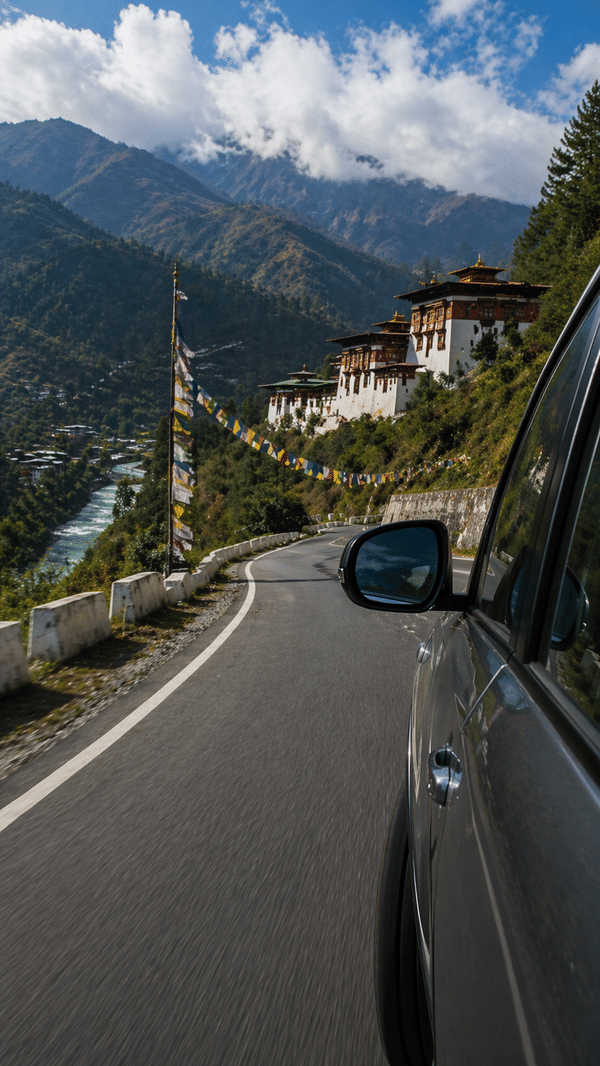
Epic 7 Days Bhutan Road Trip: A Drive Through Quiet Himalayas
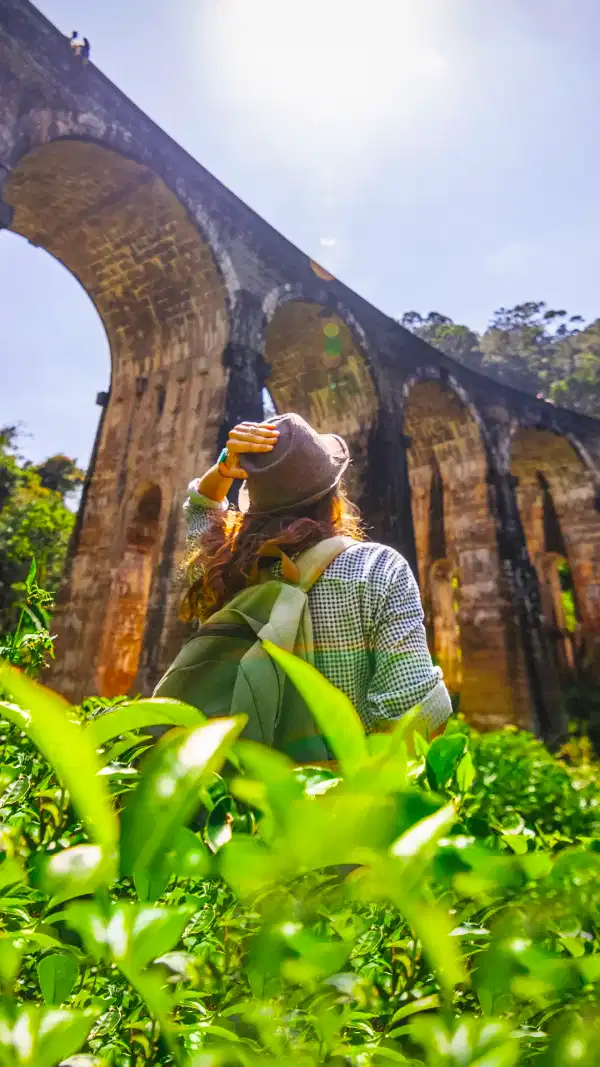
8D Sri Lanka Community trip with Beaches, Hills & Heritage

Perfect Mini Vacation to Thailand
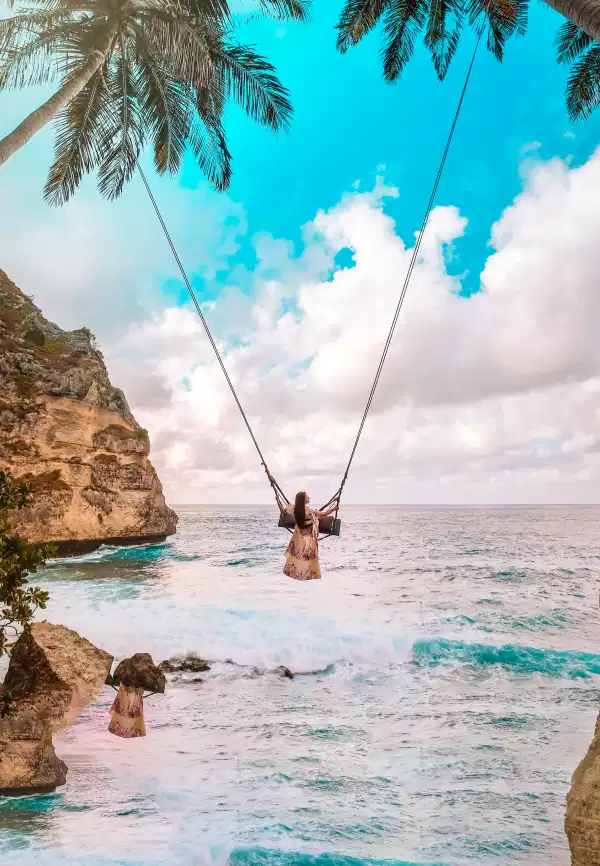
Bali with Gili and Nusa Penida Island

5 Days Maldives Trip with Beach Bungalow at Makunudu
Travel Tips for Planning Your First Sober Vacation

- Choose “Sober-friendly” destinations:
- Culture-first spots: Countries like Morocco, Oman and Bhutan have strong alcohol-free traditions, making it easy.
- Nature and adventure hubs: Costa Rica, Iceland and Nepal focus on early-morning activities that naturally discourage late-night drinking.
- Wellness capitals: In India, Rishikesh (yoga capital) and Auroville (conscious living) are premier choices for a reset.
- Check the menu situation- More restaurants now have actual mocktail menus, not just "Coke or orange juice?" Do a quick search so you're not stuck with kiddie drinks.
- Have your default order ready- Soda with lime, ginger beer, fancy lemonades, or whatever the local specialty is. Saves you from that awkward moment when everyone's ordering and you're drawing a blank.
- The half-and-half approach- If you're dipping your toes in (not going full sober), alternate each drink with water or a mocktail. You'll actually remember the night and feel human the next day.
- Flip your schedule- Book those sunrise tours and early morning stuff. You'll have the place to yourself while everyone else is facedown in their hotel room. Better photos too.
- Find your people- Apps like Sober Grid or Lopsid connect you with other sober travelers. Sounds cheesy but it's nice knowing you're not the only one ordering sparkling water.
- Spend that bar money elsewhere- Those ₹2,000 cocktails add up fast. Put it toward a nicer room, a massage, or that local craft you've been eyeing. Way more memorable than a hangover.
Is Dry Tourism Worth It? The Final Verdict
Here's what nobody tells you about sober travel: you're not missing out, you're just awake for more of it.
That ₹14,000-21,000 you'd normally drop on drinks each week? Still in your pocket. Every sunrise, every conversation, every weird beautiful moment? Actually stored in your brain, not pieced together from Instagram the next day.
You wake up ready to move. No lost mornings, no "let's just get breakfast at 2pm" situations. And the connections you make with people? They actually stick because you were present for them.
Coming home exhausted and needing another vacation to recover? That doesn't happen here.
WanderOn does trips to Spiti Valley, Ladakh, Meghalaya - places where being sharp matters. Mountain passes, local communities, landscapes that deserve your full attention. Not exactly party destinations anyway.
Try it once. You might realize those 5am starts beat stumbling home at 5am.
Frequently Asked Questions
What is dry tourism?
Dry tourism is travel without alcohol consumption, where travelers stay completely sober to remain fully present and mindful. Also called sober travel, it focuses on experiencing destinations with mental clarity, better health, and authentic connections while saving 20-30% of travel budgets.
What is sober travel?
Sober travel is exploring destinations without drinking alcohol, prioritizing wellness and authentic experiences over party culture. Travelers wake energized for sunrise adventures, remember every moment clearly, and maximize daily experiences. It's about experiencing more, not missing out.
Why is Gen Z drinking less while travelling?
Gen Z drinks less while traveling due to mental health awareness, wellness lifestyles, social media influence, and budget consciousness. 30% actively reduce alcohol consumption, choosing authentic experiences and avoiding hangover days that waste vacation time.
What are the benefits of travelling sober?
Benefits include crystal-clear memories (100% recall), saving ₹14,000-21,000 per week, zero hangover days, maximum energy (14-16 productive hours), authentic connections, better health, mental clarity, and returning home energized instead of exhausted.
What are the best destinations for sober travel?
Top destinations include Spiti Valley, Ladakh, Rishikesh, Meghalaya, Kerala, and South Goa in India. Internationally: Bhutan, Nepal, Iceland, Vietnam, and New Zealand. Best choices feature activity-rich itineraries and wellness infrastructure.
Why are more people choosing sober vacations?
More people choose sober vacations for wellness benefits, budget savings (20-30% less), authentic experiences, and mental health awareness. The sober curious movement has made alcohol-free travel mainstream, with 41% of millennials drinking less.
What is mindful travel and how is it different from regular travel?
Mindful travel means being fully present and intentional, focusing on authentic experiences and personal growth. Unlike regular travel (party-focused, rushing), it prioritizes quality over quantity, deep connections, and wellness. Dry tourism is mindful travel.


