


Kumaoni Holi is a traditional festival celebrated in the Kumaon region of Uttarakhand, marked by classical music, folk songs, and spiritual gatherings. Unlike mainstream Holi, it begins almost two months before Rangwali Holi, starting from Basant Panchami.
From Baithki and Khadi Holi to women-led Mahila Holi, every form reflects the region’s rich musical heritage and social harmony! The festival revolves around Holi geet sung in classical ragas, narrating tales of Krishna, devotion, love, and social harmony. Locals often say, “Yahan Holi suni jaati hai, kheli nahi jati!”
In this blog, WanderOn takes you deep into the heart of Kumaon to explore the history, rituals, types, traditional songs, food, and best places to experience Kumaoni Holi.
History and Origins of Kumaoni Holi
The roots of Kumaoni Holi trace back to the Chand Dynasty, which ruled Kumaon between the 10th and 18th centuries. Inspired by Braj Holi and North Indian classical traditions, the rulers patronized music and poetry, combining them with local folk culture.
Over centuries, this evolved into a community-led celebration, where people from all castes, ages, and social backgrounds gather to sing together, a rare example of cultural equality long before modern times.
Best Selling Packages
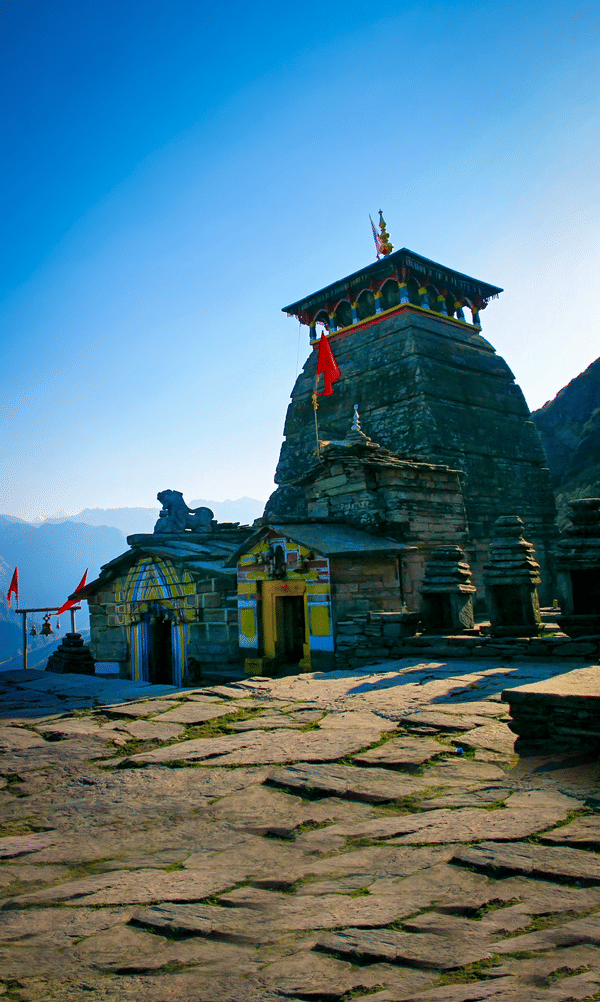
Chandrashila -Tungnath Trek with Deoria Tal - Weekend Group Trip

Marvellous Uttarakhand
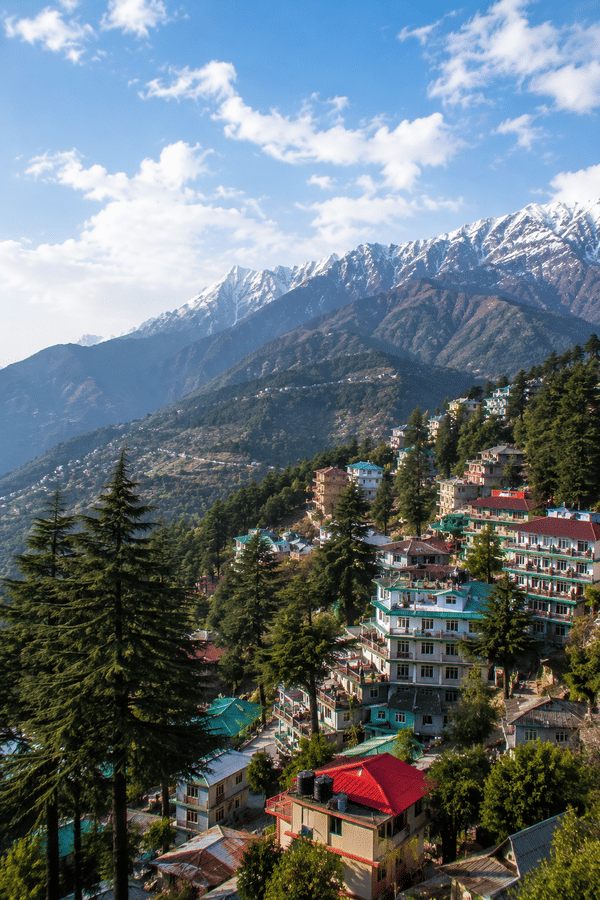
McLeodganj Bir Tirthan Valley Group Expedition From Delhi

Manali Solang
Types of Kumaoni Holi
1. Baithki Holi

- Celebrated indoors in homes and community halls
- Participants sit in a circle (baithak)
- Songs are sung in ragas like Bhairav, Todi, and Pilu
- Lyrics focus on devotion, Krishna Leela, and Social satire
This kind of Holi in Uttarakhand begins from Basant Panchami and continues until Mahashivratri.
Baithki Holi 2026 date: 22 January - Early March 2026
2. Khadi Holi

- Sung while standing and dancing
- Accompanied by dholak, manjira and harmonium
- Takes place in open courtyards and village squares
- Celebrated close to Rangwali Holi
It represents joy, movement, and collective celebration—“Mil jul ke gaane ka maza hi alag hota hai.”
Khadi Holi 2026 dates: 4th March 2026
3. Mahila Holi

Mahila Holi is performed exclusively by women and is one of the most empowering aspects of Kumaoni culture.
- Women gather daily in homes.
- Songs include devotion, humor and social commentary
- Passed orally across generations
This tradition preserves women-led folk narratives, rarely seen elsewhere in India.
Mahila Holi 2026 dates: 3rd-4th March 2026
Musical Traditions and Ragas

Music is the backbone of Kumaoni Holi. The songs are based on Hindustani classical ragas, making it a great celebration rather than a loud celebration.
Common Ragas Used
- Raga Bhairav
- Raga Kafi
- Raga Jhinjhoti
- Raga Pilu
Rituals and Customs of Kumaoni Holi
1. Holi begins with a song, not colors
The biggest highlight of the Kumaoni Holi tradition is that the festival starts weeks before the actual Holi. From Basant Panchami, homes and community spaces echo with Holi geet sung in classical ragas. People gather daily, sit in circles, and sing—no loudspeakers, no rush, just voices and rhythm.
2. Holi Patra: The Formal Invite
Unlike modern WhatsApp invites, traditional Kumaoni villages announce Holi through a Holi Patra, a symbolic invitation that marks the official start of celebrations.
3. Cheer Bandhan and Holika Dahan

As Holi approaches, Cheer Bandhan takes place, where a ceremonial pole is set up in the village. This leads to Holika Dahan, performed with prayers, folk songs, and quiet reflection rather than loud celebrations, staying true to the soulful nature of Kumaoni Holi.
4. Khadi Holi
If Baithki Holi is calm and classical, Khadi Holi is where things get lively. People sing while standing, gently dance, and move through courtyards with dholak and manjira beats. It’s joyful, expressive, and deeply communal.
5. Mahila Holi
One of the most beautiful parts of the Kumaoni Holi tradition is Mahila Holi, where women gather daily to sing. These sessions include devotion, humor, and even subtle social commentary passed down through generations—no scripts, just memory and melody.
6. Colors, But Keep It Simple
On the final day, colors do make an appearance, but gently. Natural gulal is applied respectfully, often after days of singing. Here, color is the closing note, not the main performance.
Kumaoni Holi vs. Garhwali Holi: What’s the Difference?

To truly understand Kumaoni Holi vs. Garhwali Holi, here’s a simple breakdown:
- Kumaoni Holi in Uttarakhand is music-centric, stretching over weeks with classical ragas and group singing
- Garhwali Holi is shorter and more energetic, with folk dances and quicker celebrations
- Kumaoni Holi focuses on baithaks and lyrical depth
- Garhwali Holi leans more towards dance and outdoor festivity
Suggested read: Holi in Barsana 2026
Kumaoni Holi Dates 2026

Unlike regular Holi, Kumaoni Holi in Uttarakhand is not a one-day event. It unfolds over several weeks, starting with music and ending with colors.
Basant Panchami – Start of Kumaoni Holi
- 22 January 2026 (Thursday)
This marks the official beginning of Kumaoni Holi celebrations. From this day onwards, Baithki Holi and Mahila Holi sessions begin across Kumaon.
Baithki and Mahila Holi Period
- 22 January - Early March 2026
Daily or weekly singing gatherings take place in homes and community spaces, focusing on classical ragas and traditional Holi geet.
Cheer Bandhan & Holika Dahan
- 3 March 2026 (Tuesday)
Villages and towns perform Cheer Bandhan, followed by Holika Dahan, symbolising the victory of good over evil.
Rangwali Holi (Main Holi Day)
- 4 March 2026 (Wednesday)
This is when colours are finally played, marking the conclusion of Kumaoni Holi celebrations.
Travel Tip
For the best cultural experience, visit Almora, Nainital, or Ranikhet between mid-February and early March 2026; this is when Kumaoni Holi feels most alive.
Best Places to Experience Kumaoni Holi
1. Almora-The Cultural Heart of Kumaon

Almora is where the Kumaoni Holi tradition feels most alive and authentic.
- Daily Baithki Holi sessions take place in heritage homes.
- Strong classical musical influence
- Deep-rooted Mahila Holi culture
Best Time to Visit: February to early March
Vibe: Traditional, musical, deeply cultural
2. Nainital - Holi by the Lake

Nainital adds a scenic charm to Kumaoni Holi celebrations.
- Community Baithki Holi gatherings near the lake.
- A beautiful mix of locals and visitors.
- Calm, organized, and inclusive celebrations.
Best Time to Visit: Late February
Vibe: Cultural with a relaxed hill-station feel
3. Bageshwar- Raw and Rooted Traditions

For a more grassroots experience, Bageshwar offers an unfiltered glimpse of Kumaoni Holi in Uttarakhand.
- Strong village-style Khadi Holi
- Less touristy, more authentic
- Traditional rituals are performed collectively
Best Time to Visit: February
Vibe: Local, earthy, community-driven
4. Ranikhet-Calm, Graceful, and Musical

Ranikhet celebrates Kumaoni Holi with elegance and discipline.
- Well-organized Baithki Holi sessions.
- Army cantonment influence adds structure
- Ideal for first-time visitors.
Best Time to Visit: Mid-February
Vibe: Peaceful, refined, soulful
Special Holi Food in Kumaon

- Gujiya
- Singal
- Aloo Gutuk
- Bhatt ki Churkani
- Raita and seasonal saag
- Thandai
Quick Food Tip for Travelers
If you’re experiencing Kumaoni Holi in Uttarakhand, accept food when offered; it’s considered a gesture of warmth and respect. Plus, you’ll taste dishes you won’t find on restaurant menus.
Suggested read: Holi in Sangla
Travel Tips for Kumaoni Holi

- Go for Baithki or Khadi Holi, not just color play - these are musical gatherings where locals sing classical ragas.
- Attend morning sessions because most singing happens in the mornings and can go on for hours.
- Expect slow and soulful celebrations because Kumaoni Holi is calm, melodic and spiritual. Don’t expect loud DJs or aggressive color throwing.
- Don’t record immediately because locals prefer you listen first.
- Soft gulal or no color at all is more appropriate in traditional gatherings.
Frequently Asked Questions
What is Kumaoni Holi?
Kumaoni Holi is a traditional, music-based celebration from the Kumaon regions of Uttarakhand, where people sing classical ragas in calm gatherings called Baithki and Khadi Holi, with very little color play.
Where is Kumaoni Holi celebrated?
Kumaoni Holi is celebrated in the Kumaon region of Uttarakhand, especially in towns like Almora, Nainital, Bageshwar, and Ranikhet
When is Kumaoni Holi celebrated?
Kumaoni Holi is celebrated from Basant Panchami (late January) until Rangwali Holi (March), with music and rituals spanning several weeks.
What makes Kumaoni Holi different from normal Holi?
Kumaoni Holi is different because it features Baithki Holi, Khadi Holi and Mahila Holi, focusing on music and tradition instead of color play.
Is Kumaoni Holi worth experiencing for tourists?
Yes. Kumaoni Holi is worth it for tourists because it lets you sit inside local homes and temples, listen to live folk–classical music, and witness traditions like Baithki and Mahila Holi that are usually closed to mass tourism.
What are the best places to experience Kumaoni Holi in Uttarakhand?
The best places to experience Kumaoni Holi in Uttarakhand are Almora, Nainital, Bageshwar, and Ranikhet, where traditional music and rituals are most vibrant.
What is the history of Kumaoni Holi?
Kumaoni Holi originated under the Chand Dynasty in Kumaon, blending classical ragas, folk songs, and Krishna-inspired traditions into a unique cultural festival.

