


Ladakh rock art is one of India’s most fascinating cultural treasures that offers a glimpse into ancient traditions. Ladakh petroglyphs depict everything from hunting scenes to sacred motifs. For travelers seeking prehistoric sites Ladakh, these stone carvings reveal a history older than monasteries and kingdoms, which you can explore with the best Leh Ladakh tour packages.
Whether you're planning a rock art tour Ladakh, exploring prehistoric tourism, or searching for a complete Ladakh rock art guide 2026, these timeless carvings promise history, adventure, and stunning rock art photography opportunities. They also add a unique cultural stop for travelers planning Leh Ladakh bike trips, offering a glimpse into the region's ancient human history.
Best Selling Ladakh Tour Packages

Great Lakes of Ladakh: Manali to Srinagar - 9 Days Value Expedition
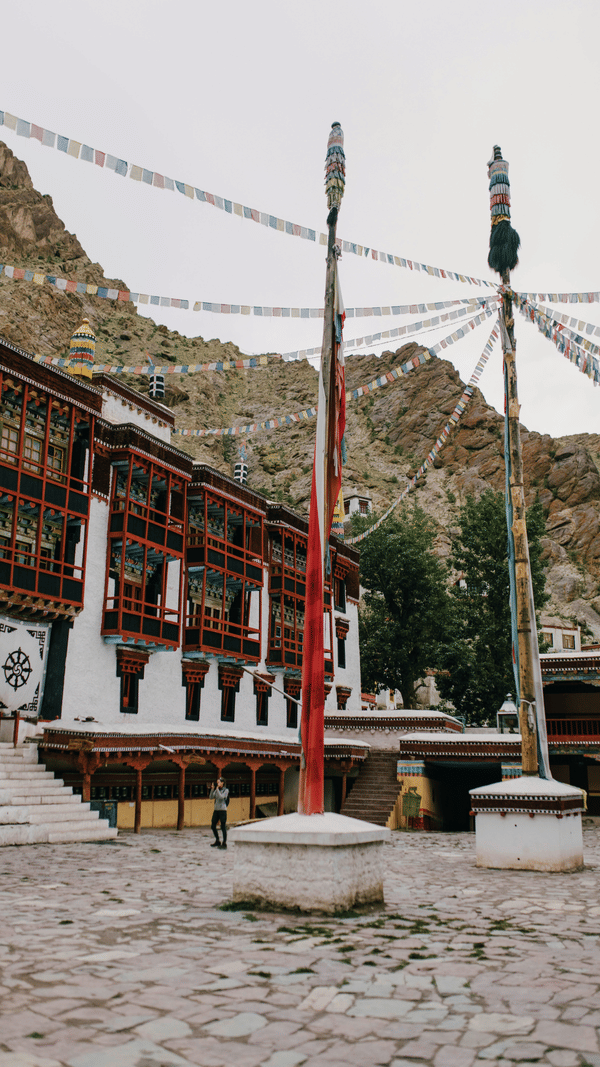
Manali to Srinagar Ladakh Trip with Umling La & Nubra Valley - Pocket Saver
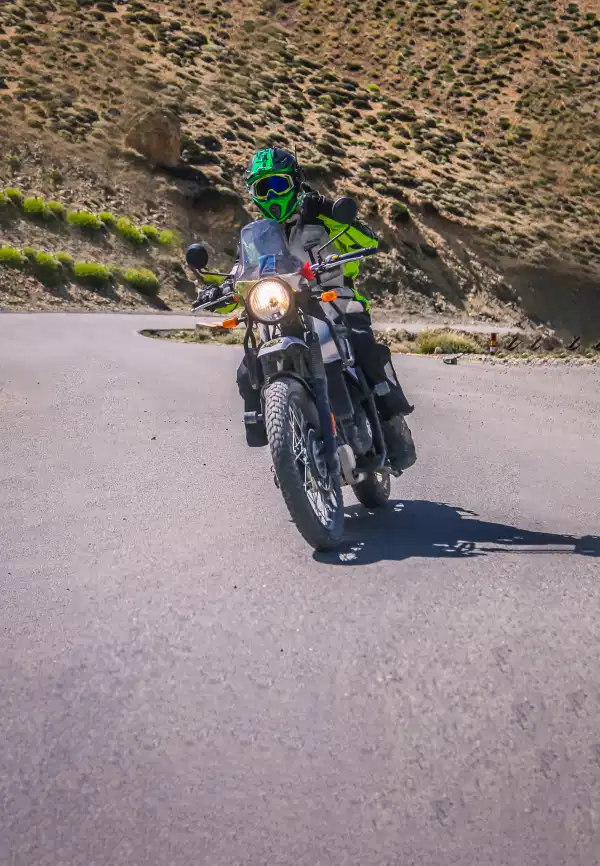
8-Day Leh Ladakh Tour Package with Turtuk and Tso Moriri
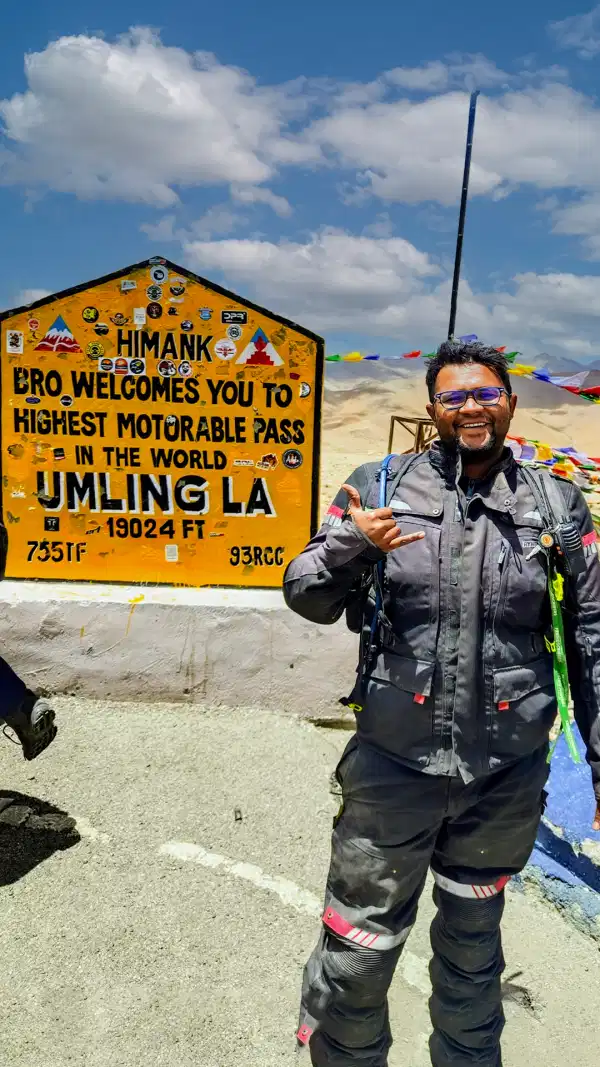
Best Ladakh Bike Trip from Srinagar to Manali | Umling La | Tso Moriri
Quick Details About Ladakh Rock Art

- Key Themes and Motifs: Ibexes, hunting scenes, camels, wolves, dogs, human figures and astronomical symbols.
- Cultural Evolution: Early carvings (prehistoric) focus on wildlife, hunting, and rituals. With the advent of Buddhism (around 2,000 years ago), the art evolved to include chortens, swastikas, and buddhist symbols Ladakh rocks.
- Locations: Key areas for rock art include sites in the Sham region, particularly around the Indus valley. Major concentrations exist at Alchi, Stakmo, Sabu (near Leh), Khaltse, and in the Nubra Valley.
- Significance: These engravings act as a bridge to Ladakh's ancient past, showing its historical connections with Central Asia and the Trans-Himalayan region.
- Conservation Status: Many of these sites are threatened by developmental projects, tourism, and natural weathering, despite their high potential for historical research.
What Is Ladakh Rock Art?

The Ladakh Rock Art provides a glimpse into the prehistoric history of the region, presenting detailed rock carvings and petroglyphs that adorn the rugged landscape of the Himalayas.
These prehistoric rock art sites in Ladakh, including the renowned Domkhar Rock Art Ladakh, Alchi rock carvings, and Stakna petroglyphs, contain rock art depicting animal, human, and Buddhist symbols Ladakh rocks.
These sites are considered some of the best petroglyph sites in India, attracting prehistoric tourism Ladakh enthusiasts, rock art photography fans, and those interested in guided tours of the rock art sites in Ladakh. The rock art sites at Nubra Valley, including the rock carvings at Dah Brokpa Valley, are renowned for the large size of Ladakh petroglyphs.
However, the detailed Ladakh Rock Art Guide 2026 helps travelers who want to visit these sites. For tourists, knowing the best way to visit Domkhar Rock Art Ladakh sites and other prominent sites is vital to exploring the prehistoric history of the region.
Also Read: 13 Popular Food in Ladakh to Try in 2026 – Eat Like a Local!
History And Cultural Significance

- The prehistoric sites Ladakh house carvings and the best preserved petroglyphs India that go back thousands of years. These sites offer a glimpse into the lives of the first inhabitants of the Himalayan Mountains.
- The Domkhar rock art, Ladakh rock carvings, Alchi rock carvings, and Stakna petroglyphs contain carvings of animals, hunters, and men. These carvings offer a glimpse into the lives of the first inhabitants of the Himalayan Mountains.
- The carvings contain Buddhist symbols Ladakh rocks. These carvings offer a glimpse into the influence of religion and culture on the people of Ladakh.
- The prehistoric rock art of Ladakh represents a unique blend of art, history, storytelling, and symbolism. It represents some of the best Ladakh petroglyphs found anywhere in India.
- The sites like Nubra Valley rock art and Dah Brokpa Valley rock carvings offer a glimpse into the cultural exchange and trade routes followed by the people of Ladakh.
- These carvings are the focal points of prehistoric tourism in Ladakh. These sites attract the attention of many historians, archaeologists, enthusiasts of rock art photography Ladakh, and those who want to go on rock art tour Ladakh.
Key Themes and Motifs

- Animals and Hunting Scenes: Most of the prehistoric rock art sites in Ladakh feature depictions of animals, livestock, and hunting scenes, which emphasize the significance of animals and survival in Ladakh's past.
- Human Figures and Daily Life: Best preserved petroglyphs India feature depictions of humans participating in activities like hunting, dancing, and performing religious ceremonies, which give an insight into the ancient culture of Ladakh.
- Buddhist Symbols on Ladakh Rocks: Petroglyphs on some of the rocks in Ladakh feature early Buddhist symbols, which indicate the spiritual growth of Ladakh and the incorporation of religion into daily life.
- Geometric and Abstract Patterns: Repetition of certain patterns and designs might indicate the use of symbols for communication.
- Trade and Cultural Exchange: Petroglyphs feature some motifs that indicate the influence of other regions on Ladakh's culture, which emphasizes Ladakh's position as a crossroads.
- Notable Sites for Motifs: Domkhar rock art, Alchi rock carvings, Stakna petroglyphs, Nubra Valley rock art, Dah Brokpa Valley rock carvings are some of the prominent sites where the motifs are well preserved.
- Tourist and Research Interest: These motifs attract tourists who are interested in rock art tour Ladakh, rock art photography, and prehistoric sites Ladakh.
Enjoy Reading: Essential Things to Carry for Ladakh Bike Trip: Full List
Famous Rock Art Sites in Ladakh

1. Domkhar Rock Art Sanctuary (Leh District)
This sanctuary is considered the best-preserved rock art site in India. The intricate designs of animals and humans along the banks of the Indus River make it an important site. It is one of the best sites for rock art tourism in Ladakh and rock art photography enthusiasts.
2. Alchi Petroglyph Field
This site is near the famous Alchi Monastery. It has numerous rocks with the figures of ibex, tigers, and ancient Buddhist stupas. It is an important site for those who are interested in the historical and spiritual content of the rock art in Ladakh.
3. Tangtse (Changthang Route)
This site is along the road to Pangong Lake. It has over 300 engravings depicting hunting scenes and Central Asian symbols. This is an important site for those who are interested in the historical sites of Ladakh, which are not along the main valleys.

4. Ensa (Nubra Valley)
Ensa, a small village near Leh in Ladakh, is known for ancient petroglyphs carved on boulders around the settlement. These rock carvings depict unique masked faces and human forms and reflect Ladakh’s early cultural exchanges along trans-Himalayan trade routes.
5. Murgi Tokpo (Nubra)
Murgi Tokpo, located in the Nubra Valley, is known for petroglyphs carved on boulders near ancient habitation areas. Archaeological studies associate the site with settlement-linked rock carvings, including engravings of ibex, hunting scenes, and symbolic motifs.
6. Dah-Hanu Region
The Dah-Hanu region in Ladakh is known for clusters of ancient petroglyphs carved on boulders along the Indus corridor. These engravings depict ibex, hunting scenes, riders, and symbolic motifs.

7. Chilling Valley
Chilling Valley, located along the Zanskar River route west of Leh, contains scattered petroglyphs carved on boulders near historic travel paths linking the Indus and Zanskar regions.
8. Sasoma (Nubra Valley)
Sasoma, located at the gateway to the Siachen route in the Nubra Valley, contains ancient petroglyphs carved on rock surfaces near historic travel paths. The engravings, including ibex and horse figures, are associated with early pastoral activity.
9. Skunda
Skunda, located in the Nubra Valley of Ladakh, is known for petroglyphs carved on rock surfaces near old settlement areas and travel routes.
10. Stakna/Kharu
Stakna-Kharu, located along the Indus corridor east of Leh, contains scattered petroglyphs carved on boulders near ancient travel routes. The engravings include ibex, riders, and symbolic motifs, reflecting early human movement and cultural exchanges.
Techniques and Tools Used in Ladakh Rock Art

- Petroglyph Engraving: The majority of prehistoric rock art found in Ladakh is made through engraving or pecking on rock surfaces using hard tools.
- Use of Hammerstones and Chisels: It is believed that ancient rock art Ladakh was created using hammerstones and chisels to carve various figures of animals, humans, and symbols.
- Incised and Abraded Surfaces: Prehistoric rock art surfaces in various places of Ladakh are sometimes incised or abraded, making certain symbols or figures stand out.
- Use of Natural Rock Formations: Many prehistoric rock art sites in Ladakh, such as the Domkhar Rock Art site or the Alchi Petroglyph Field site, make use of natural rock formations.
- Layering of Motifs: Rock art sites such as Tangtse or Dah-Hanu feature a layer of motifs created by various prehistoric rock artists.
- Pigment Application (Rarest): Although the majority of prehistoric rock art found in various places of Ladakh is through engraving or pecking on rock surfaces, a few rock surfaces feature a little use of natural pigments to make certain rock figures stand out, especially those near religious symbols.
How to Visit Ladakh Rock Art Sites

- Domkhar Rock Art: If you are looking for an answer to how to reach Domkhar? It is accessible via a local road along the Indus River; hiring a local guide is recommended.
- Alchi Petroglyph Field: Near Alchi Monastery; it can be visited along with monastery tours.
- Tangtse (Changthang Route): Located en route to Pangong Lake, ideal for combining with high-altitude tours.
- Nubra Valley Sites (Murgi Tokpo, Ensa): Accessible from Diskit or Hunder; 4x4 vehicles are recommended for remote trails.
- Chilling Road (Zanskar River): Trekking or jeep routes along the river; guides improve navigation safety.
Best Time to Visit Rock Art Sites in Ladakh

The best time to visit Ladakh’s rock art sites is from May to September, when road connectivity improves and most valleys become accessible after winter snow clears. Petroglyph locations spread across regions like Nubra Valley and the Indus Valley can be reached more safely during this period.
June to August is considered the most stable travel window. Clear skies and long daylight hours make it easier to observe engravings carved on boulders, especially figures such as ibex, hunters and symbolic motifs found near historic trade routes around Leh.
Tips For Travellers Visiting Ladakh Rock Art Sites

- Acclimatize Well: Most petroglyph sites in Ladakh lie between 3,000-4,200 meters above sea level, including areas around Nubra Valley and Indus Valley. You should acclimatize in Leh for at least 24-48 hours.
- Travel with Local Knowledge: Petroglyph clusters are often scattered across river terraces, fields, and boulder slopes. Hiring a local guide or driver familiar with archaeological spots significantly improves your chances of locating genuine carvings.
- Visit During the Right Season: The safest time to explore Ladakh’s rock art landscapes is May to September, when mountain roads are open and river crossings are manageable.
- Respect Archaeological Heritage: Petroglyphs in Ladakh date from prehistoric and early historic periods, and many are fragile due to natural weathering. Visitors should never touch, trace, chalk, or climb on carved rocks.
- Carry Navigation and Safety Essentials: Remote petroglyph locations often lack mobile network coverage. Carrying offline maps, GPS-enabled devices, water, sun protection, and basic medical supplies is essential.
- Be Prepared for Rough Terrain: Many sites are reached through unpaved tracks, riverbeds, or short hikes across rocky slopes.
- Photograph Responsibly: Petroglyphs are best photographed during early morning or late afternoon, when angled sunlight makes carvings more visible.
Journey Through Time: Ladakh’s Ancient Rock Art
Ladakh rock art hides stories carved in stone with ancient petroglyphs and rock inscriptions that speak of civilizations long past. From depictions of animals and warriors to mysterious symbols, exploring these sites feels like stepping into a living history museum etched into the mountains. Each carving is a window into the region’s rich cultural and spiritual heritage.
Frequently Asked Questions
Where can I see the best-preserved petroglyphs in Ladakh?
The best-preserved petroglyphs in Ladakh can be seen at Alchi, Saspol, and Likir regions. These sites feature ancient carvings on rocks depicting animals, humans, and symbolic motifs. The isolated high-altitude terrain helps preserve them from erosion and human interference, making them exceptional examples of Himalayan prehistoric art.
What are Ladakh petroglyphs?
Ladakh petroglyphs are ancient rock carvings etched into stone surfaces. They include depictions of animals, humans, hunting scenes, and symbolic patterns. Created by early inhabitants, these carvings served religious, ritualistic, or communicative purposes, offering insight into prehistoric life, beliefs, and the cultural evolution of communities in the high-altitude Himalayan region.
Where are the best petroglyphs in Ladakh located?
The best petroglyphs in Ladakh are primarily located near Saspol, Alchi, Likir, and along the Indus Valley. These areas feature cliffs and rock faces with carvings that are exceptionally detailed and well-preserved. Remote locations reduce weathering and human damage, allowing scholars and visitors to study and appreciate ancient Himalayan artistry.
How old is the ancient rock art in Ladakh?
The ancient rock art Ladakh dates back to around 1500 BCE to 500 CE, though some carvings may be older. These petroglyphs provide a glimpse into early Himalayan civilizations, showing hunting scenes, animals, and religious symbols. Their age is determined through stylistic comparison and contextual archaeological evidence.
What is the best time to visit Ladakh's prehistoric rock art sites?
The best time to visit Ladakh’s prehistoric rock art sites is between May and September, when weather is mild and roads are accessible. Snow-free conditions ensure safety, visibility, and comfort. Summer months also allow for photography and exploration of multiple sites without high-altitude weather hazards that dominate winter months.
What do the animal figures in Ladakh's petroglyphs represent?
Animal figures in Ladakh’s petroglyphs often represent hunting, spiritual beliefs, and local ecology. They include ibex, deer, camels, and horses, reflecting food sources, domestication, or mythological symbolism. Such carvings helped early communities express reverence for nature, communicate survival practices, and integrate animals into ritualistic or cultural narratives.


