


You know what the real charm of any Ladakh trip is? Sure, the mountains, lakes, and desert landscapes steal the spotlight, but the real soul lies in the amazing monasteries in Ladakh. No Ladakh tour package is truly complete without a monastery or two on your list!
From the picture-perfect Thiksey Monastery that looks like a mini Potala Palace to the grand Hemis Monastery known for its colorful mask dance festival, each one has its own unique vibe. You’ll find ancient art, golden Buddha statues, and soothing chants that make the whole place feel alive. These monasteries also add a peaceful touch to your Ladakh bike tour!
So buckle up (and maybe slow down a little) because ahead, we’re taking you through the best monasteries in Ladakh that’s as soulful as it is scenic. Ready to find your calm in the clouds?
Best Selling Ladakh Packages
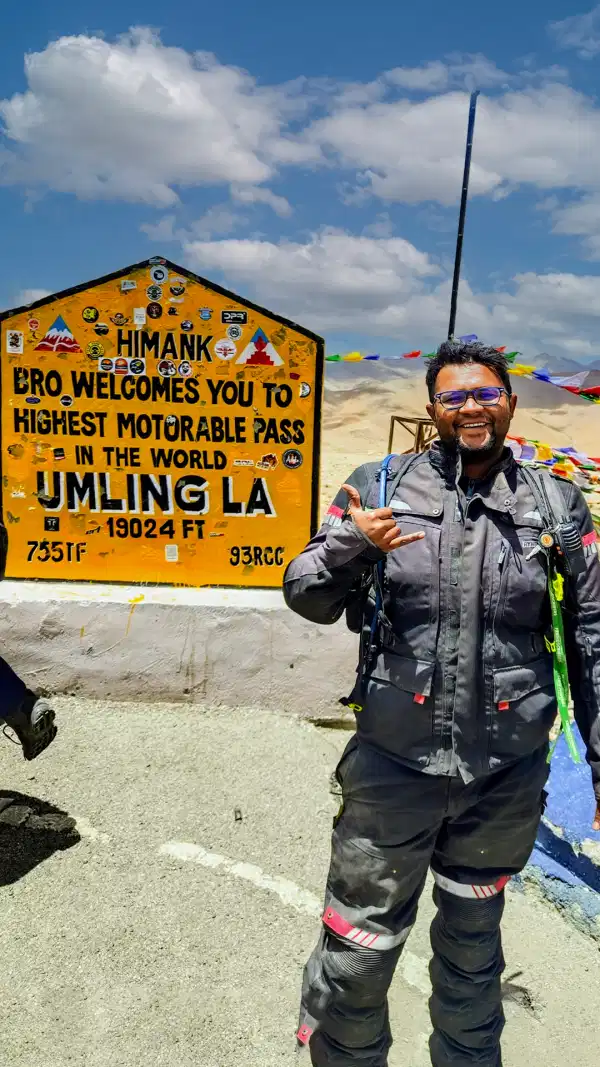
Best Ladakh Bike Trip from Srinagar to Manali | Umling La | Tso Moriri

11 Days Ladakh Tour Package with Umling La | Manali Leh Srinagar
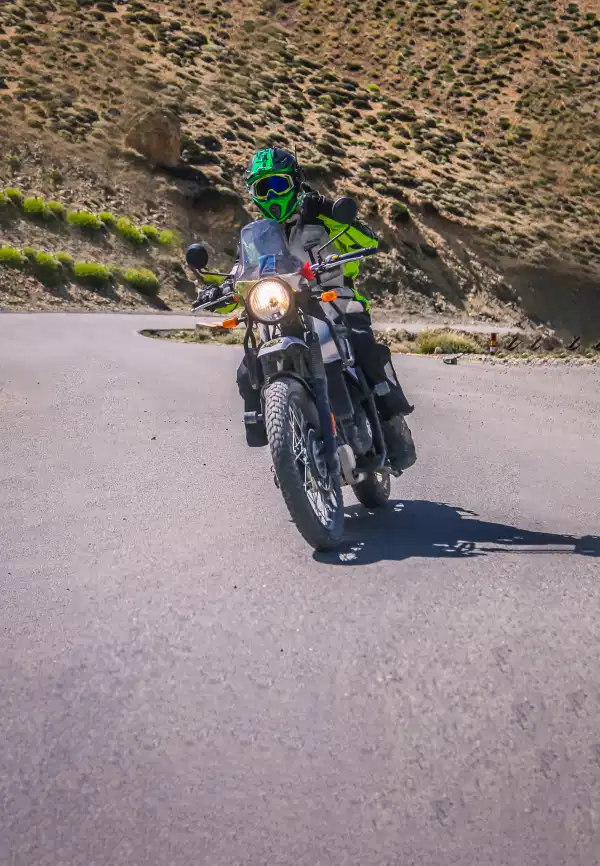
8-Day Leh Ladakh Tour Package with Turtuk and Tso Moriri
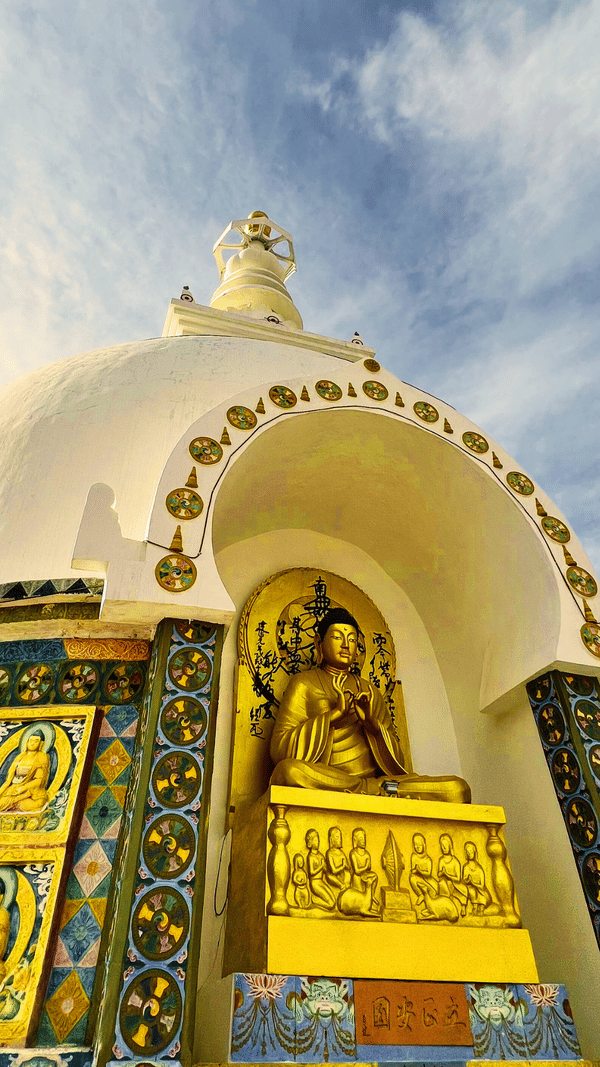
8 Days Thrilling Leh Ladakh Tour Package with Umling La
1. Hemis Monastery

Hemis Monastery is one of the most famous monasteries in Ladakh. It is renowned for its stunning golden statues, stupas adorned with precious stones, and beautiful thangkas brought from Tibet.
In the monastery, you can witness a large central courtyard, measuring about 60 meters long and 18 meters wide. It has four tall poles displaying colorful banners. You can also explore the two main temples, Tshogs-khang and Dukhang, which house impressive Buddhist statues, chortens, and ancient religious manuscripts.
One of the biggest attractions of Hemis Monastery in Ladakh is one of the most iconic Ladakh monastery festivals, Hemis Festival, held every June or July to celebrate the birth anniversary of Guru Padmasambhava. The vibrant dances, rituals, and energy of this festival make it an unforgettable experience. A blend of these experiences makes Hemis Monastery one of the most amazing monasteries of Ladakh.
Why Is Hemis Monastery Famous?
- The largest and wealthiest monastery in Ladakh.
- It belongs to the Drukpa Lineage of Tibetan Buddhism.
- It is world-famous for the Hemis Festival, a vibrant annual celebration.
- The monastery houses a rare 12-year-old display of a giant thangka (thongdrol).
- Extensive collection of ancient Buddhist manuscripts and gold stupas.
Location: Hemis, Ladakh 194201
Timings: 8 AM - 6 PM
Entry Fees: ₹50 per person
2. Thiksey Monastery

Thiksey Monastery is a Ladakh monastery that rises across 12 levels and has stood strong for over 600 years. This iconic monastery in Ladakh is truly a sight to behold, housing around 100 monks and featuring ten temples and chapels.
As you enter the central courtyard, you’ll be greeted by a newly built temple. It enshrines a magnificent 15-meter-tall Maitreya Buddha statue, one of the main highlights of Thiksey.
Thiksey Monastery in Ladakh has a main prayer hall that is equally breathtaking, with shelves lined with ancient books. You will see a large image of Sakyamuni Buddha behind the prayer area, surrounded by two smaller Bodhisattvas in this largest monastery in Ladakh.
The Wheel of Life painting on the far wall is an interesting thing to look for. It shows the cycle of birth and life in Buddhism. Thiksey Monastery is one of the most peaceful and beautiful gompas in Ladakh, giving visitors a real feel of culture, history, and spiritual life.
Why Is Hemis Monastery Famous?
- A 15th-century Gelug (Yellow Hat) sect monastery.
- Known as the “Mini Potala Palace” for its tiered hilltop architecture.
- It houses a 15-meter Maitreya Buddha statue.
- Features a 12-story complex with temples, prayer halls and a nunnery.
- Hosts one of the best Ladakh monastery festivals. Thiksey Gustor Festival, with sacred Cham dances.
- Famous for sunrise views over the Indus Valley.
Location:Thiksey, Ladakh 194201
Timings: 7 AM - 7 PM
Entry Fees: ₹30-50 for adults
3. Diskit Monastery

Diskit Monastery is one of the most famous and must-visit Buddhist monasteries in Ladakh, especially known for its peaceful morning prayer ceremony. It is the oldest and largest monastery in Nubra Valley.
Inside the main prayer hall of this largest monastery in Ladakh, you’ll find beautiful statues, old murals, and ancient relics that reflect Ladakh’s deep spiritual history. Just outside the monastery stands the 32-meter-tallMaitreya Buddha statue, the biggest highlight of Diskit Monastery, facing the Shyok River. This makes this gompa the most fascinating Leh Ladakh monastery.
Why Is Diskit Monastery Famous?
- The oldest and largest monastery in Nubra Valley.
- Offers panoramic views of the Nubra and Shyok rivers.
- Massive 32-meter Maitreya Buddha statue.
- Belongs to the Gelug (Yellow Hat) school of Tibetan Buddhism.
- Hosts the annual Dosmoche Festival, featuring traditional Cham masked dances.
Location: Diskit, Jammu and Kashmir 194401
Timings: 7 AM - 7 PM (Morning prayers: 7:00 AM to 8:30 AM)
Entry Fees: ₹30–₹50 per person
Camera Fee: ₹50
4. Alchi Monastery

The oldest monastery in Ladakh, Alchi Monastery is one of the most breathtaking places you cannot miss on your trip. Dating back to the 11th century, this Ladakh monastery is a beautiful example of early Ladakhi art and architecture.
As you walk towards the Gompa, the first structure you’ll see is the Sum-tsek Temple, the oldest of all, surrounded by finely carved wooden pillars and intricate designs of mythological animals. The monastery complex includes six main buildings, each decorated with detailed murals and paintings that depict Buddhist teachings and stories, making it one of the most famous monasteries in Ladakh.
Why Is Alchi Monastery Famous?
- The oldest monastery in Ladakh, dating back to the 11th–12th century.
- Founded by the great translator Rinchen Zangpo.
- exceptionally preserved Indo-Tibetan murals and Kashmiri-style wood carvings.
- Built on flat ground rather than a hilltop.
- It houses the famous Sumtsek Temple, featuring large clay statues of Bodhisattvas.
- Considered a UNESCO-protected heritage site candidate.
Location: Alchi, Ladakh 194107
Timings: 9 AM - 1 PM and 2 PM - 6 PM
Entry Fee: ₹100 per person
Note: Photography is not allowed inside the prayer halls.
5. Spituk Monastery

Spituk Monastery is one of the most beautiful gompas in Ladakh that blends Ladakhi architecture with centuries of Buddhist heritage. Founded in the 11th century by Od-de, a scholar and translator, it’s one of the ancient monasteries in Ladakh that still carries a sense of timeless devotion.
As you step inside, you’re welcomed by fluttering prayer flags and the soothing scent of incense. Some of the monastery’s statues and scriptures are over 500 years old, making it a treasure for history lovers.
A highlight here is the Gustor Festival, held in the 11th month of the Tibetan calendar. The festival bursts to life with mask dances, rituals, and offerings, making Spituk Monastery an amazing monastery in Ladakh.
Why Is Spituk Monastery Famous?
- The name “Spituk” means “Exemplary.”
- Founded in the 11th century by Od-de (elder brother of Lha Lama Changchub Od).
- Houses multiple temples, including Dukhang (assembly hall), Mahakala Temple, and shrine rooms.
- The Mahakala chapel displays a revered protector deity statue unveiled only during the annual festival.
- Hosts the Spituk Gustor Festival (January), featuring Cham masked dances.
Location: 4GGG+5C9, Leh, 194101
Timings: 6 AM - 1 PM and 1:30 PM - 6 PM
Entry Fee: ₹20 per person
6. Lamayuru Monastery

Known as the “Moonland Monastery,”Lamayuru Monastery is one of the oldest and most remarkable ancient monasteries in Ladakh. Founded in the 11th century, it sits on a hilltop overlooking the surreal, moon-like landscapes of Lamayuru village.
The monastery’s whitewashed buildings, fluttering prayer flags, and dramatic setting make it one of the most photogenic spiritual sites in Ladakh. The temple dedicated to Avalokiteshwara, the Bodhisattva of Compassion, features a striking 11-headed statue that captivates every visitor.
If you visit in July, don’t miss the Yuru Kabgyat Festival, a vibrant celebration of music, masks, and rituals at one of the most amazing monasteries in Leh Ladakh.
Why Is Lamayuru Monastery Famous?
- One of the oldest and largest monasteries in Ladakh.
- Affiliated with the Drikung Kagyu school of Tibetan Buddhism.
- The Indian Mahasiddha Naropa meditated here in the 10th–11th century.
- Historically housed over 400 monks; today it remains an active monastic center with resident monks.
- Overlooks the unique “Moonland” landscape, famous for lunar-like geological formations.
- Hosts the annual Yuru Kabgyat Festival, featuring sacred Cham masked dances.
Location: 7QMF+6J9, B.P.O Khaltse, Ladakh, Leh, Jammu and Kashmir 194106
Timings: 8 AM - 5 PM
Entry Fee: ₹50 per person
7. Likir Monastery

Located amidst quiet hills and open valleys, Likir Monastery is one of the best monasteries to visit in Ladakh. Built in the 11th century, it’s known for its peaceful atmosphere and the towering 23-meter-tall statue of Maitreya Buddha that dominates the skyline.
Inside, one of the most famous monasteries in Ladakh, the main prayer hall is decorated with colorful murals and ancient relics that showcase Ladakh’s deep-rooted spirituality. Legend says the monastery was built where two serpents appeared from the ground, a divine sign that made the spot sacred. Today, it continues to be a serene retreat for monks and travelers alike.
The calm environment, soothing chants, and scenic mountain views make Likir a wonderful stop for anyone seeking reflection, meditation, or simply a quiet break on a solo trip to Ladakh.
Why Is Likir Monastery Famous?
- Prominent 11th-century Gelug (Yellow Hat) monastery.
- Known for its 27-meter high gilded Maitreya Buddha statue.
- Likir hosts the Likir Gustor Festival, celebrated with Cham masked dances.
- The monastery remains an active center of monastic education.
Location: 76V8+72H, Likir, 194107
Timings: 8:00 AM to 5:00 PM
Entry Fee: Free
Museum Fee: ₹20 - ₹30 per person
8. Phyang Monastery

Located about 15 km from Leh, Phyang Monastery is one of the most famous monasteries of Ladakh to explore. Built in the 16th century, it’s known for its massive collection of ancientBuddhist relics, colorful murals, and beautifully preserved thangkas.
This Leh Ladakh monastery belongs to the Drikung Kagyu sect and is often compared to a mini-fortress because of its grand structure perched on a hilltop. Inside, the monastery has several shrines, statues, and old manuscripts that give a glimpse into Ladakh’s rich monastic heritage. The annual Phyang Tsedup Festival is one of the best reasons why you should visit Phyang Monastery, one of the most famous monasteries in Ladakh.
Why Is Phyang Monastery Famous?
- 15th-century Gelug (Yellow Hat) monastery.
- Founded by the Ladakhi king Deldan Namgyal in the 16th century.
- Dukhang (assembly hall), temples, stupas, and monks’ quarters.
- Rich collection of 500-year-old murals depicting Buddhist deities.
- The annual Phyang Gustor Festival wards off evil and blesses the community.
Location: 5FPQ+HW2, Fiang, 194101
Timings: 6 AM - 7 PM
Entry Fee: ₹30
9. Stakna Monastery

Perched on a hill shaped like a tiger’s nose, Stakna Monastery is one of the top monasteries in Leh Ladakh, which offers one of the most stunning views of the Indus Valley. The name “Stakna” literally means “Tiger’s Nose,” and the location perfectly lives up to it.
Founded in the late 16th century by a Bhutanese saint, this monastery belongs to the Drukpa sect of Buddhism. Inside the monastery, you’ll find beautifully decorated prayer halls with thangkas, old paintings, and a huge statue of Arya Avalokitesvara (the Compassionate One).
Stakna might not be as large as some of the other gompas in Ladakh, but its charm lies in its simplicity and views.
Why Is Stakna Monastery Famous?
- 15th-century Gelug (Yellow Hat) monastery.
- The name “Stakna” means “tiger’s nose” in Ladakhi.
- Founded by the Lama Chosje Modzin.
- Famous for its golden statue of Avalokiteshvara (Chenrezig).
- Dukhang (assembly hall), stupas, prayer halls, and monks’ quarters.
- Hosts the annual Stakna Gustor Festival.
Location: 2M4P+236, Stakna, 194201
Timings: 6 AM - 6 PM
Entry Fee: Free (donations appreciated)
10. Shey Monastery

Shey Palace in Leh Ladakh and Gompa, located in the heart of Ladakh, is one of the most fascinating monasteries in Leh Ladakh to visit. At the center of the monastery stands a beautiful three-story statue of Buddha Shakyamuni, made of copper gilt.
It’s the only one of its kind in the region and a fine example of Ladakhi craftsmanship. The detailed work and peaceful setting make it a real highlight for visitors.
Around the palace, you’ll find hundreds of chortens (stupas) and the Dresthang Gompa, built during the reign of King Singay Namgyal. This smaller monastery also houses a similar three-story Buddha statue and adds to the calm atmosphere of the place.
If you visit during the Shey Srubla Festival, you’ll also get to see traditional dances, music, and rituals that celebrate Ladakh’s vibrant heritage.
Why Is Shey Monastery Famous?
- Historic 17th-century Gelug (Yellow Hat) monastery.
- Originally established as a summer palace and monastic complex.
- 12-meter high gilded statue of Shakyamuni Buddha.
- Houses Dukhang (assembly hall), temples, stupas, and monks’ quarters.
- Hosts the annual Shey Gustor Festival.
- Panoramic views of the Indus Valley and surrounding mountains.
Location: 3JCJ+Q7, Manali - Leh Hwy, Shey, Ladakh 194201
Timings: 8:00 AM to 6:00 PM
Entry Fee: ₹20 per person
11. Matho Monastery

Perched on a hill overlooking the Indus Valley, Matho Monastery is one of the most vibrant Buddhist monasteries in Ladakh. Founded in the 16th century, it belongs to the Sakya sect and is known for its colourful festivals and unique spiritual traditions.
The highlight of this Ladakh monastery is the Matho Nagrang Festival, where oracles (monks believed to be possessed by spirits) make predictions for the coming year, a fascinating experience for visitors.
Inside, this monastery in Ladakh houses ancient thangkas, murals, and a museum displaying rare artifacts and old Buddhist texts. The view from the top is stunning, especially at sunrise when the golden light hits the mountains.
Why Is Matho Monastery Famous?
- 15th-century Gelug (Yellow Hat) monastery.
- Only monastery in Ladakh associated with the unique “Oracle” tradition.
- A large collection of ancient thangkas, statues, and manuscripts.
- Famous for the annual Matho Nagrang Festival.
Location: Matho, 194104
Timings: 6:00 AM - 7:00 PM
Entry Fee: ₹30 per person
12. Chemrey Monastery

Chemrey Monastery, located about 40 km from Leh, is one of the most picturesque gompas in Ladakh. Built in the 17th century, this stunning whitewashed structure sits peacefully on a hill surrounded by golden fields. It’s home to around 20 monks and features beautiful paintings, scriptures, and a huge statue of Padmasambhava (Guru Rinpoche).
The monastery’s calm vibe and dramatic backdrop make it a favorite among photographers and travelers seeking peace. During the annual Chemrey Angchok Festival, the courtyard comes alive with traditional mask dances and rituals, making it the best monastery in Ladakh.
Why Is Chemrey Monastery Famous?
- 17th-century Gelug (Yellow Hat) monastery.
- Founded by Jamyang Namgyal, a Ladakhi king.
- Known for its annual Chemrey Gustor Festival.
- Ancient thangkas, Buddhist manuscripts, and statues.
- Traditional Ladakhi-Tibetan design.
Location: XQ5Q+JJQ, Chemrey, 194201
Timings: 7 AM - 10 AM and 5 PM - 7 PM
Entry Fees: Free
13. Takthok Monastery

Unlike most other monasteries in Ladakh, Takthok Monastery is carved entirely out of rock. This is one of the most interesting highlights that makes Takthok Monastery a unique Leh Ladakh monastery.
Inside, the dark, cool interiors and faint smell of butter lamps create a mystical atmosphere. Ancient murals and rock carvings add to its charm, while the annual Takthok Festival brings life and color to the peaceful surroundings.
If you’re looking to visit something different from the usual top monasteries in Leh Ladakh, Takthok is a must-see.
Why Is Takthok Monastery Famous?
- 17th-century Nyingma sect monastery
- Its name “Takthok” means Stone Roof, as the monastery is built directly into and under natural rock formations.
- Founded by the Nyingma scholar Gonpo Dorje.
- Houses Dukhang (assembly hall), temples, stupas, and monks’ quarters.
- The famous Takthok Gustor Festival features sacred Cham masked dances and traditional ceremonies.
Location: 2R4C+734, Sakti, 194201
Timings: 6:00 AM to 6:00 PM
Entry Fee: Free (donations welcome)
14. Rizong Monastery

Rizong Monastery is one of those peaceful monasteries in Leh Ladakh that feels far removed from the rest of the world. Founded in 1831, it’s often called the “Paradise for Meditation,” and honestly, the name fits perfectly. Surrounded by rocky cliffs and quiet valleys, it’s home to monks who follow a very simple and disciplined lifestyle.
There’s also a small nunnery nearby where nuns help with the monastery’s daily prayers and rituals. If you’re someone who enjoys calm places and wants to experience true monastic life, Rizong is a must-visit famous buddhist monastery in Ladakh.
Why Is Rizong Monastery Famous?
- Founded in 1831 by Lama Tsultim Nima.
- Known as the “Paradise for Meditation” in Ladakh.
- Strict monastic discipline (Vinaya tradition).
- It houses 40 monks focused on study and silent practice.
- Austere architecture with three main chambers and Buddha shrines.
Location: Rizong Gompa, Leh, 194106
Timings: 7:00 AM to 4:00 PM or 7:00 AM to 07:00 PM
Entry Fees: Free
15. Stok Monastery

Stok Monastery is a beautiful Leh Ladakh monastery, offering a mix of spirituality, history, and stunning views. It was built in the 14th century and belongs to the Gelugpa sect of Buddhism. The monastery has a huge 71-foot Buddha statue that overlooks the valley. It's absolutely breathtaking, especially at sunset.
Inside, you’ll find colorful thangkas, old scriptures, and peaceful prayer halls. Every year, the Stok Guru Tsechu Festival adds life to the place with dances, rituals, and lots of local energy. Small, calm, and full of charm, Stok is one monastery in Ladakh you shouldn’t skip.
Why Is Stok Monastery Famous?
- Founded in the 14th century, affiliated with the Gelug (Yellow Hat) sect.
- Closely linked to the Namgyal royal family of Ladakh.
- Part of the historic Stok Palace complex.
- Rich collection of thangkas, royal crowns, and ancient artifacts.
- A striking 21-foot statue of Guru Rinpoche (Padmasambhava).
- Annual Stok Guru Tsechu Festival, featuring vibrant masked Cham dances.
Location: 3H73+Q89, Stok, Ladakh
Timings: 6:00 AM to 1:00 PM and 1:30 PM to 6:00 PM
Entry Fee:₹30 per person (for Indians)
16. Sankar Monastery

If you’re in Leh and want a quiet place to unwind, Sankar Monastery is perfect. It’s just 3 km from the main town, so you can easily visit it in the evening when it’s beautifully lit up. This small monastery is known for its peaceful vibe, colorful murals, and a stunning statue of Avalokitesvara, the compassionate Buddha with 1,000 arms and 11 heads.
Since it’s not as crowded as some other spots, you can really take your time soaking in the calm. It’s one of those monasteries that remind you why Ladakh feels so special, peaceful, spiritual, and simply beautiful.
Why Is Sankar Monastery Famous?
- A branch of the historic Spituk Monastery.
- Known for its impressive 11-headed and 1,000-armed statue of Avalokiteshvara (Chenrezig).
- Houses a striking statue of Tara (Green Tara), an important female bodhisattva.
- Serves as the official residence of the senior lama of Spituk.
Location: Sankar Gompa, Leh, 194101
Timings: 7:00 AM to 10:00 AM and 5:00 PM to 7:00 PM
Entry Fee: ₹30 per person
17. Mulbekh Monastery

Mulbekh Monastery is one of those places that instantly makes you stop and stare. Located about 45 km from Kargil, this ancient gompa in Ladakh sits high on a rocky hill and is famous for its massive 30-foot statue of Maitreya Buddha carved right into the cliffside.
You can actually spot the statue from the main Srinagar-Leh highway! This best monastery in Ladakh has two main gompas belonging to different Buddhist sects, both filled with old paintings, relics, and a peaceful vibe. Visiting Mulbekh feels like stepping into a living piece of Ladakh’s spiritual history, quiet, powerful, and incredibly scenic.
Why Is Mulbekh Monastery Famous?
- Famous for its 9-metre-tall rock-cut Maitreya (Future Buddha) statue.
- Also known as Mulbekh Chamba, with “Chamba” referring to Maitreya Buddha.
- Associated mainly with the Drukpa (Red Hat) sect of Tibetan Buddhism,
Location: 99H8+CM6, Mulbekh, 194109
Timings: 7:30 AM to 9:30 PM
Entry Fee: ₹30 per person
18. Basgo Monastery

Basgo Monastery, another of the famous monasteries of Ladakh, stands proudly on a rugged hill overlooking the ruins of Basgo village. Once an important cultural and political center, the monastery was built for the Namgyal rulers in the 17th century. Inside, you’ll find stunning murals, colorful frescoes, and three temples, all dedicated to Maitreya Buddha.
The intricate artwork and the view of the valley below make Basgo one of the best monasteries to visit in Ladakh, especially if you love places that blend beauty, history, and spirituality.
Why Is Basgo Monastery Famous?
- Closely associated with the historic Basgo Fort complex.
- Built mainly during the reign of Jamyang Namgyal.
- Famous for its three large Maitreya (Future Buddha) temples.
- Known for its well-preserved wall paintings and murals.
- The site has been listed by the World Monuments Fund.
Location: 67FG+QMX, Basgo, 194107
Timings: 9:00 AM to 6:00 PM (approx.)
Entry Fee: Free
19. Wanla Monastery

Hidden away near Lamayuru, Wanla Monastery is smaller than most gompas in Ladakh but equally captivating. It’s perched above a sleepy little village and is known for its 11-headed Avalokitesvara statue.
The structure dates back to the 13th century, and the old walls, woodwork, and paintings have somehow survived the test of time. It’s usually quiet here, which makes it perfect if you’re looking to experience Ladakh’s peaceful monastic life without crowds.
Why Is Wanla Monastery Famous?
- One of the oldest monasteries in Ladakh.
- Traditionally associated with the great Tibetan translator Rinchen Zangpo.
- Originally linked to the Kadampa school of Tibetan Buddhism.
- Famous for its ancient murals, thangkas, and traditional Buddhist iconography.
Location: 6RXJ+QFJ, Wanla, Ladakh 194106
Timings: 7:00 AM to 7:00 PM
Entry Fees: ₹50 - ₹100 per person
20. Phugtal Monastery

Phugtal Monastery is one of the most remote and fascinating gompas in Ladakh, hidden deep within the Zanskar Valley. Built in the 12th century, it is uniquely constructed around a natural limestone cave on a cliffside, resembling a beehive when seen from afar. The monastery was founded by Lama Gangsem Sherap Sampo and still houses over 70 monks who follow ancient Buddhist traditions.
The cave has been a place of meditation for centuries, believed to have been visited by several scholars and saints. What makes Phugtal truly special is its isolation, it’s accessible only on foot, requiring a scenic trek through rugged terrain along the Tsarap River. Inside this famous Buddhist monastery in Ladakh, you’ll find ancient frescoes, sacred scriptures, and a natural spring believed to have healing properties.
Why Is Phugtal Monastery Famous?
- Built dramatically into the side of a cliff around a natural cave.
- The name “Phugtal” comes from Phug (cave) and Tal (at leisure), meaning “cave of liberation/peace.”
- Associated with the Gelugpa (Yellow Hat) sect.
- One of the most isolated monasteries in Ladakh.
Location: 759H+7WC, 194302
Timings: 6:00 AM to 1:00 PM and 1:30 PM to 6:00 PM
- Entry Fees: Free
What Is The Best Time To Visit Ladakh Monasteries?

The best time to visit some of the best monasteries of Ladakh is between May and September, when the weather is relatively mild and pleasant, and roads are open, including the main highway from Manali to Leh.
Temperatures are generally comfortable for sightseeing during this time and traveling at these altitudes provides much safer travel. Some of the most remote and ancient monasteries in Ladakh in regions such as the Zanskar Valley, are more accessible as well.
During these months, you can also witness some of the most iconic Ladakh monastery festivals. These iconic festivals of Ladakh feature masked dances and rituals you cannot miss.
Why Should You Explore The Amazing Monasteries In Ladakh?

Honestly, exploring the monasteries in Ladakh is one of the most memorable parts of any trip here. From the grandeur of Hemis and Thiksey, to the peaceful vibes of Diskit, Likir, and Shey, each monastery has its own story to tell.
Add in the historic charm of Lamayuru, Phyang, Stakna, Sankar, and the quiet beauty of Matho, Chemrey, Takthok, Rizong, Stok, and the hidden gems like Mulbekh, Basgo, Wanla, and Sumda Chun, and you get a mix of culture, spirituality, and jaw-dropping scenery that’s truly unique to Ladakh.
These monasteries in Ladakh aren’t just religious sites, they’re living museums, filled with ancient murals, statues, and centuries of Buddhist tradition. Whether you’re a history buff, a spiritual traveller, or just someone who loves breathtaking landscapes, visiting these monasteries is a must on any Ladakh trip.
Frequently Asked Questions
Are there any specific rules to follow when visiting a monastery in Ladakh?
Yes. Dress modestly (covered shoulders and legs), remove shoes before entering prayer halls, and maintain silence during rituals. Photography may be restricted inside temples. Always walk clockwise around stupas and prayer wheels. Respect monks, sacred objects, and ongoing ceremonies.
What can I expect to see inside a monastery in Ladakh?
Inside monasteries in Ladakh, you will typically see prayer halls (dukhang), Buddha statues, thangkas, ancient murals, butter lamps, scriptures, and colorful wooden pillars. Many monasteries also house images of Maitreya, Padmasambhava, and protective deities, along with traditional musical instruments used during festivals.
Which monastery in Ladakh has the giant Buddha statue?
Thiksey Monastery is famous for its 15-metre-high Maitreya (Future Buddha) statue, one of the largest in Ladakh. The statue occupies two storeys of the monastery and was built to commemorate a visit of the 14th Dalai Lama.
Which monastery offers the best views in Ladakh?
Thiksey Monastery offers some of the best panoramic views, overlooking the Indus Valley. Perched on a hilltop about 19 km from Leh, its elevated position provides sweeping views of villages, mountains, and the river below.
Which is the most famous monastery in Ladakh?
The most famous monastery in Ladakh is Hemis Monastery. Built in the 17th century and belonging to the Gelugpa (Yellow Hat) sect, it is renowned for its annual Hemis festival, vibrant masked dances, and its rich collection of thangkas, murals, and sacred relics.
How many monasteries are there in Ladakh?
Ladakh has around 100–110 major monasteries, with many smaller shrines and hermitages scattered across the region.
Can tourists stay in Ladakh monasteries?
Tourists can stay in some monasteries like Thiksey, Hemis, or Lamayuru, but accommodations are basic and usually require prior permission.
Can tourists stay in Ladakh monasteries?
Tourists can stay in some monasteries like Thiksey, Hemis, or Lamayuru, but accommodations are basic and usually require prior permission.


