


Honestly, photos barely capture what Paro actually feels like. The moment you land, surrounded by pine-covered mountains and quiet valleys, it instantly feels different from anywhere else.
Paro is small, quiet, and deeply traditional. Farmers still work the same fields their grandparents did. Monks outnumber tourists on most mornings. And yes, Tiger's Nestis as breathtaking in real life as it looks on every travel blog.
This Paro travel guide is for people who want more than a checklist. We'll walk you through what to see, what to skip, and what nobody really tells you before you land.
If you're still sorting out the logistics, check out our Bhutan tour packages to find an itinerary that actually fits how you travel.
Bhutan asks for a little more planning than most destinations. It's worth every bit of it.
Best-Selling Bhutan Trip Packages
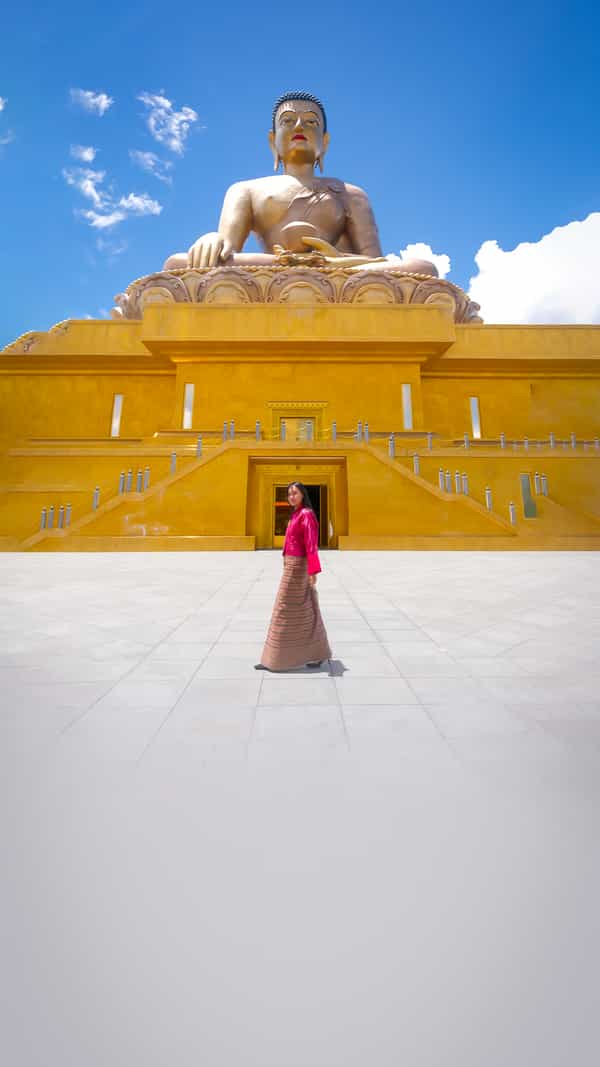
Bhutan Road Trip with Phobjikha Valley

10 Days Complete Bhutan Tour Package

Best of Thimphu, Punakha and Paro - 8 Days Bhutan Tour Package

Best of Bhutan in 5 Days
Quick Info Section for Paro
- Best Time to Visit: Spring (March-May) and Autumn (September-November) offer pleasant weather for exploring.
- Getting There: Paro International Airport (PBH) is the only international airport in Bhutan.
- Ideal Duration: A stay of 3 to 4 days is recommended to cover the main attractions.
- Must-See Attraction: The iconic Taktsang Monastery, also known as Tiger's Nest.
- Local Currency: Bhutanese Ngultrum (BTN).
- Time Zone: Bhutan Time Zone (BTT), which is UTC +6.
Foundations for Your Paro Journey: Visas and Fees

Bhutan's tourism rules aren't an afterthought. They are the framework that everything else sits on. The country's "High Value, Low Impact" approach is enforced through a structured visa system and the mandatory Sustainable Development Fee (SDF). Getting clear on both before you lock in dates will save you surprises later.
Visa Requirements
- Who Needs a Visa: Most international visitors must arrange a visa before arrival. The exceptions are travellers from India, Bangladesh, and the Maldives, who can obtain a permit on arrival.
- How to Apply: Apply online through Bhutan's official tourism portal or through a licensed Bhutanese tour operator. Independent travel without a registered operator is not permitted for most nationalities.
- Visa Fee: A one-time, non-refundable fee of USD 40 applies to all visa applicants.
- Processing Time: Visas are typically processed within 3 to 5 working days once your tour operator submits the application. Apply well in advance of your travel date.
- Visa Validity: The visa is tied to your approved itinerary and the duration of your stay in Bhutan.
- Indian, Bangladeshi, and Maldivian Nationals: These travellers do not need a visa but must carry a valid passport or voter ID (for Indian nationals). Permits are issued at the border or airport on arrival.
- Children: Minors travelling with parents are included in the same visa application. Separate documentation may be required depending on nationality.
Sustainable Development Fee (SDF)
- What It Is: The Sustainable Development Fee is a mandatory daily charge paid by all tourists visiting Bhutan. It is the cornerstone of Bhutan's controlled tourism model.
- Where the Money Goes: SDF revenue funds free public healthcare, free education, environmental conservation, and cultural preservation across the country.
- Current Rate (2026): USD 100 per person, per night for most international tourists. This reduced rate has been confirmed through August 31, 2027.
- Children's Concessions: Children aged 6 to 12 pay 50% of the standard rate (USD 50 per night). Children under 6 are exempt from the SDF entirely.
- Indian, Bangladeshi, and Maldivian Nationals: A separate, lower SDF rate applies to travellers from these three countries. Check the latest rate with your tour operator or the Tourism Council of Bhutan before booking.
- Payment: The SDF is typically collected by your licensed tour operator as part of your overall trip package. It is not paid separately at the border.
- Minimum Stay: There is no enforced minimum stay, but the SDF applies for every night you spend in Bhutan, so factor this into your overall trip budget.
- Why It Matters: The SDF is not a tourism tax in the conventional sense. It is a deliberate mechanism to limit visitor numbers, protect Bhutan's environment, and ensure tourism benefits local communities directly.
Key Things to Know Before You Book
- Licensed Tour Operator Required: All tourists (except Indian, Bangladeshi, and Maldivian nationals) must book through a licensed Bhutanese tour operator. This operator handles your visa application, itinerary approval, and SDF payment.
- No Solo Travel for Most Nationalities: Independent, unguided travel is not permitted. Your operator will arrange a guide and, where required, a driver for your entire stay.
- Visa and SDF Are Separate Costs: Budget USD 40 (visa fee) plus USD 100 per night (SDF) on top of your tour package cost.
- Cancellation Policy: The visa fee is non-refundable. If your plans change, check your operator's cancellation terms carefully before paying.
- Official Source: Always verify the latest visa and SDF rules directly with the Tourism Council of Bhutan (TCB) or your licensed operator, as policies can be updated.
Best Time to Visit Paro: A Tale of Four Seasons

Paro doesn't have a single "right" season; it has trade-offs. The valley stays temperate by Himalayan standards, but the feel of the place changes sharply depending on when you arrive, festival crowds and clear skies in peak months, or quiet streets and dramatic weather in the shoulder seasons.
Here's a Best Time to Visit Parobreakdown to help you decide:
- Spring (March to May): Often the sweet spot for Paro. Days are comfortable, and temperatures typically sit between about -3°C and 23°C. Rhododendrons and wildflowers brighten the valley, and the festival calendar is a big draw. Paro Tshechu is one of the country's most colourful religious events, expected in 2026 from March 29 to April 2.
- Summer (June to August): Monsoon season means warmer air (20–30°C) and regular rain. You'll deal with wet days and the occasional disruption, but the payoff is a valley at its greenest, and fewer visitors if you prefer a quieter pace.
- Autumn (September to November): Alongside spring, this is prime time. The monsoon pulls back, skies turn a clear blue, and the air gets crisp, ideal for long views of Himalayan peaks. Mild, sunny weather makes trekking and sightseeing feel effortless.
- Winter (December to February): Expect cold nights and daytime highs around 9°C, with temperatures dipping below freezing after dark. Snow dusts higher elevations, and some high passes can close, but Paro itself remains reachable. It's the off-season, which usually translates to fewer tourists and the chance of better accommodation deals.
Arriving in the Dragon Kingdom: How to Reach Paro

You can reach Paro, the gateway to Bhutan for most travellers, by air or by road. Each offers a very different arrival experience.
By Air: Flying into Paro International Airport (PBH)
- A Challenging Approach: The airport is famous for its difficult landing, nestled in a deep valley surrounded by Himalayan peaks over 18,000 feet (5,500 meters) high.
- Specially Certified Pilots: Only a small number of pilots from Bhutan's two national carriers, Drukair and Bhutan Airlines, are certified to perform the manual, visual-only approach.
- Daylight Operations: Flights are restricted to daylight hours and good weather conditions, as pilots rely on visual landmarks, not radar, to navigate the valley.
- Direct Flight Hubs: You can fly directly to Paro from several cities, including Kathmandu (Nepal), Delhi and Kolkata (India), Bangkok (Thailand), and Singapore.
By Road: Overland Entry from India
- Phuentsholing Crossing: The most common overland route is entering through Phuentsholing in southwest Bhutan, which borders Jaigaon in West Bengal, India. From there, it is a scenic but winding drive of about 141-150 kilometres (around 4-5 hours) to Paro.
- Other Entry Points: Travellers can also enter through Gelephu in the south-central region or Samdrup Jongkhar in the east. These entry points are much farther from Paro and are used less frequently by tourists whose itineraries are focused on western Bhutan.
- Permits Required: All travellers entering by road must obtain the necessary entry permits at the border. This process is typically handled by your Bhutanese tour operator.
Popular Things to Do in Paro
Paro packs a lot into a small valley: major religious sites, fortress architecture, and scenery that's never far from your line of sight. It also works well as a base, easy for a quick visit, but strong enough to fill a week if you want to slow down. These are the things to do in Paro that most travellers should prioritise.
1. The Iconic Tiger's Nest Monastery (Paro Taktsang)

Tiger's Nest isn't just Paro's headline activities to do in Paro; it's one of the Himalayas' most revered addresses. Paro Taktsang clings to a cliff 900 metres above the valley, and the setting alone explains why it's so deeply embedded in Bhutan's spiritual imagination.
The current monastery complex dates to 1692, and it's as much an architectural feat as it is a sacred space. Reaching it is part of the story: plan around 4–5 hours for the round-trip hike.
The trail climbs through pine forest strung with prayer flags, and the views keep widening as you gain height. It's a demanding walk, but it's also the moment that anchors many aBhutan travel story.
2. Rinpung Dzong: The Fortress of the Heaped Jewels

Rinpung Dzong is the kind of building that makes you stop mid-sentence. The fortress-monastery sits above the Paro Valley and still functions as both the district's administrative seat and a monastic centre.
Its thick, buttressed walls dominate the skyline, and inside you'll find courtyards, temples, and detailed woodwork and paintings that reward a slow walk. If you time your trip for Paro Tshechu, the dzong's courtyard becomes the main stage for the festival, equal parts ceremony and spectacle.
- Timings: Usually open from 9 AM to 5 PM, though visiting hours can vary during religious ceremonies and government functions.
- Entry Fee: Included in Bhutan’s Sustainable Development Fee (SDF) and tourism permits for international visitors. Indian travellers generally do not pay a separate entry ticket, but must carry valid travel permits.
- Best Time to Visit: Early morning or late afternoon for softer light and fewer tour groups.
Other Cultural and Natural Gems

- National Museum of Bhutan (Ta Dzong): Set inside a former watchtower above Rinpung Dzong, this museum is one of the best activities to do in Paro to get context on Bhutan's history, culture, and traditions before you head deeper into the country.
- Timings: Usually open from 9 AM to 5 PM daily.
- Entry Fee: Included for most international tourists under Bhutan travel permits. Indian travellers may need to pay a small museum entry fee separately, depending on current regulations.
- Best Time to Visit: Morning hours are quieter and better for exploring the galleries slowly.
2. Kyichu Lhakhang:Kyichu Lhakhang isa 7th-century temple and one of Bhutan's oldest. It's quiet, beautifully kept, and often feels like a pause button on a busy itinerary.
- Timings: Generally open from 9 AM to 5 PM.
- Entry Fee: Usually included under Bhutan tourism permits, though small donations are appreciated.
- Best Time to Visit: Early morning for a quieter spiritual atmosphere and fewer visitors.
3. Drukgyel Dzong:Drukgyel Dzong is a 17th-century fortress built to mark a victory over Tibetan invaders. It now stands in ruins, sits on Bhutan's tentative UNESCO World Heritage list, and offers a stark window into the past. If you're crossing by road, you can also look at more historical places to visit in Phuentsholing.
- Timings: Usually open from 9 AM to 5 PM.
- Entry Fee: Covered under Bhutan tourism permits for most travellers.
- Best Time to Visit: Late afternoon for clearer mountain views and softer light around the ruins.
4. Chele La Pass: Drive up for high-altitude views. At nearly 4,000 metres, it's among Bhutan's highest motorable passes. On clear days, you get wide panoramas of Mount Jomolhari and the surrounding ranges.
5. Dzongdrakha Goemba: Often called the "mini Taktsang," this cliffside temple complex is a less crowded alternative to Tiger's Nest and offers a similarly stunning setting with an easier hike.
6. Try Traditional Archery: Experience Bhutan's national sport firsthand. One of the most interesting activities to do in Paro is trying traditional Bhutanese archery, where locals shoot bamboo bows and arrows from surprisingly long distances with incredible precision. Many tour operators and hotels can arrange beginner-friendly sessions for travellers.
7. Paro Weekend Market: Dive into local life at this Paro weekend market. It’s an ideal place to see local produce, from exotic ferns to strings of dried yak cheese (chugo), and to find authentic handicrafts.
8. Tamchog Lhakhang and Iron Bridge: Visit a 15th-century temple founded by the saint Thangtong Gyalpo, known for building iron chain bridges across Bhutan. You can still cross one of his restored, centuries-old bridges to reach the temple.
9. Jangtsa Dumtseg Lhakhang: Explore this unique 15th-century temple built in the shape of a chorten. It was constructed to subdue a serpentine force and is filled with remarkable Buddhist paintings.
10. Airport View Point: For aviation enthusiasts, this viewpoint offers a safe and spectacular spot to watch the dramatic landings and takeoffs at Paro's famous airport.
A Taste of Bhutan: What to Eat in Paro

Bhutanese food doesn't do subtle heat. Chillies and cheese show up again and again, and Paro is an easy place to try the classics, simple, filling dishes that make sense in mountain weather. Most cafes and restaurants in Bhutan will have the staples, and you'll see the same names across menus for a reason.
Don't leave without trying:
- Ema Datshi: Bhutan's signature dish: a chilli-and-local-cheese stew, usually paired with generous servings of red rice.
- Kewa Datshi: A gentler take on datshi, built around potatoes, cheese, and chillies.
- Phaksha Paa: Pork cooked with spicy red chillies, sometimes alongside vegetables like radish or spinach.
- Momos: Himalayan comfort food, dumplings served steamed or fried, with fillings that range from cheese and vegetables to minced meat.
- Hoentay: Buckwheat-wrapped dumplings associated with the nearby Haa Valley, often stuffed with turnip greens and cheese.
- Red Rice: The everyday staple grown in the fertile Paro Valley, with a nutty bite that turns up at almost every meal.
- For a cosy, local-feeling meal, places like Sonam Tropheland My Kind of Place are popular picks for Bhutanese comfort food.
Shopping in Paro: Taking a Piece of Bhutan Home
Shopping in Bhutanfocuses on authentic local craftsmanship over mass-produced goods. Shopping in Paro here is about connecting with Bhutan's cultural heritage. You'll find that most items are handmade by skilled artisans, supporting local communities and preserving traditional practices.
What to Buy in Paro

- Handwoven Textiles: Look for Kira and Gho fabrics, the national dress for women and men, often made from silk, wool, or cotton with natural dyes. Scarves and shawls are also popular.
- Thangka Paintings: These are intricate Buddhist scroll paintings on silk or cotton that depict deities and mandalas, making for meaningful artistic souvenirs.
- Wooden Masks and Bowls: Decorative masks used in Tsechu festivals and hand-carved wooden bowls (dapa) are unique items to take home.
- Handmade Paper (Deh-sho): Made from the Daphne plant, this traditional paper is often sold as notebooks, stationery, or gift boxes.
- Incense and Prayer Wheels: Lightweight and deeply connected to Bhutanese spiritual life, these make for affordable and authentic souvenirs.
- Local Spices and Foods: The Paro Weekend Market is a great place to find local produce, spices, and items like yak cheese.
Where to Shop in Paro

- Paro Main Street: The town's central hub is lined with handicraft shops and emporiums. Shops like Cheencho Handicrafts are known for a wide selection of quality textiles.
- Paro Craft Market: Located near Rinpung Dzong, this market features rows of traditional stalls selling a variety of authentic souvenirs.
- Paro Weekend Market: A lively market where locals and tourists gather. It is ideal for finding fresh produce, local foods, and handicrafts at reasonable prices.
Shopping Tips
- Bargaining: Modest bargaining is acceptable in local markets, but prices are typically fixed in established emporiums and artisan stores.
- Payment: While larger shops may accept credit cards, carrying cash (Bhutanese Ngultrum or Indian Rupees) is recommended, especially for smaller stalls and markets.
- Antiques: The export of genuine antiques (anything over 100 years old) is strictly prohibited by Bhutanese law. If you purchase an item that looks old, ensure you get a non-antique certificate from the seller to avoid issues at customs.
Best Hotels and Resorts in Paro

Where you stay in Paro matters because the town itself is part of the experience. Most hotels here focus less on flashy luxury and more on mountain views, Bhutanese design, and quiet surroundings.
- COMO Uma Paro: One of the most luxurious stays in Bhutan, known for wellness treatments, forest views, and peaceful rooms overlooking the valley.
- Zhiwa Ling Heritage: A traditional Bhutanese-style property with handcrafted interiors, cultural charm, and easy access to major monasteries.
- Le Méridien Paro, Riverfront: A riverside resort offering modern comfort, spacious rooms, and scenic views of the Paro Valley.
- Naksel Boutique Hotel & Spa: Surrounded by pine forests, this quiet boutique stay is ideal for travellers looking for nature and privacy.
The best hotels and resorts in Paro are less about over-the-top luxury and more about slowing down, waking up to mountain air, and experiencing Bhutan’s calmer pace of life. Whether you want wellness retreats or cosy boutique stays, there are plenty of excellent options to stay in Paro comfortably.
Travel Tips for Paro

A little preparation goes a long way in making your trip to Paro smooth and respectful. Keep these practical travel tips for Paroin mind for everything from packing to daily interactions.
- Dress Modestly: When visiting monasteries (dzongs) and temples, cover your shoulders and knees. Full-length pants or skirts and shirts with sleeves are required. Remove hats and sunglasses before entering religious sites.
- Pack in Layers: Paro's weather can change quickly. Pack layers like fleeces, a waterproof jacket, and comfortable walking shoes. Even in summer, evenings can be cool. Slip-on shoes are convenient, as you'll need to remove them frequently to enter temples.
- Cultural Etiquette: Greet locals with a soft “Kuzu zangpo la” (hello). Use both hands or your right hand when giving or receiving objects. Always walk clockwise around temples and stupas. Ask for permission before taking photos of people.
- Money Matters: Cash is essential, especially in smaller shops and markets. The local currency is the Bhutanese Ngultrum (Nu.), which is pegged to the Indian Rupee (INR). Indian Rupees (except for 500 and 2,000 notes) are widely accepted. ATMs are available in Paro but can be unreliable; it's best to exchange currency at the airport or banks.
- Health and Safety: Paro is at an altitude of about 2,200 meters (7,200 feet). Acclimatise on your first day before undertaking strenuous hikes. Drink plenty of water. Pack sunscreen, lip balm with SPF, and any personal medications you need.
- Staying Connected: Most hotels in Paro offer Wi-Fi, though the speed can vary. You can easily buy a tourist SIM card from B-Mobile or TashiCell at Paro Airport for data and local calls.
Curated Bhutan Tour Packages
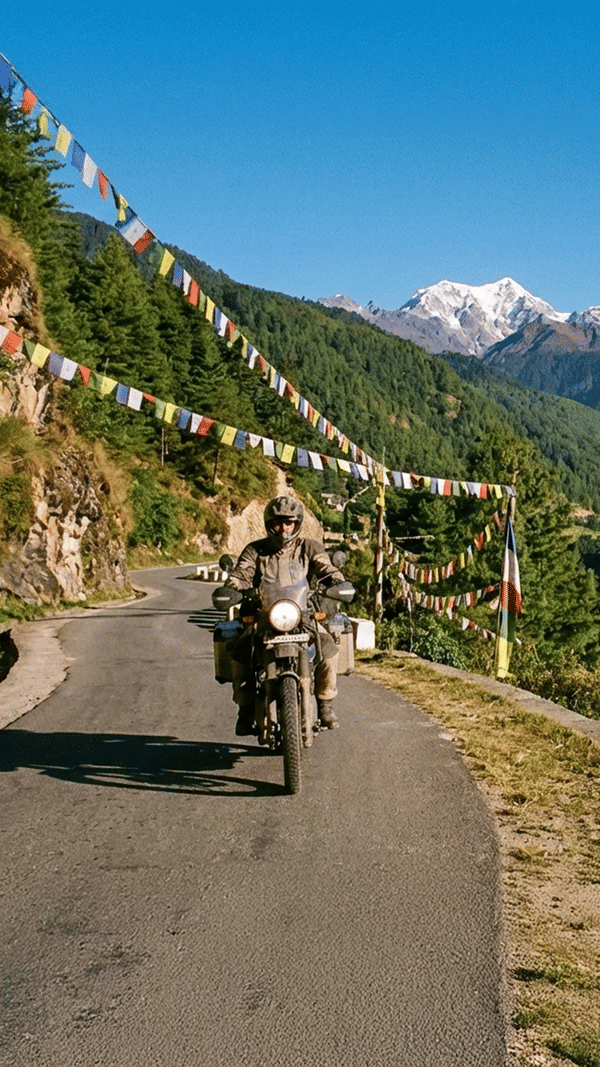
8-Days Bhutan Bike Trip Expedition: Ride across the Land of Thunder Dragon
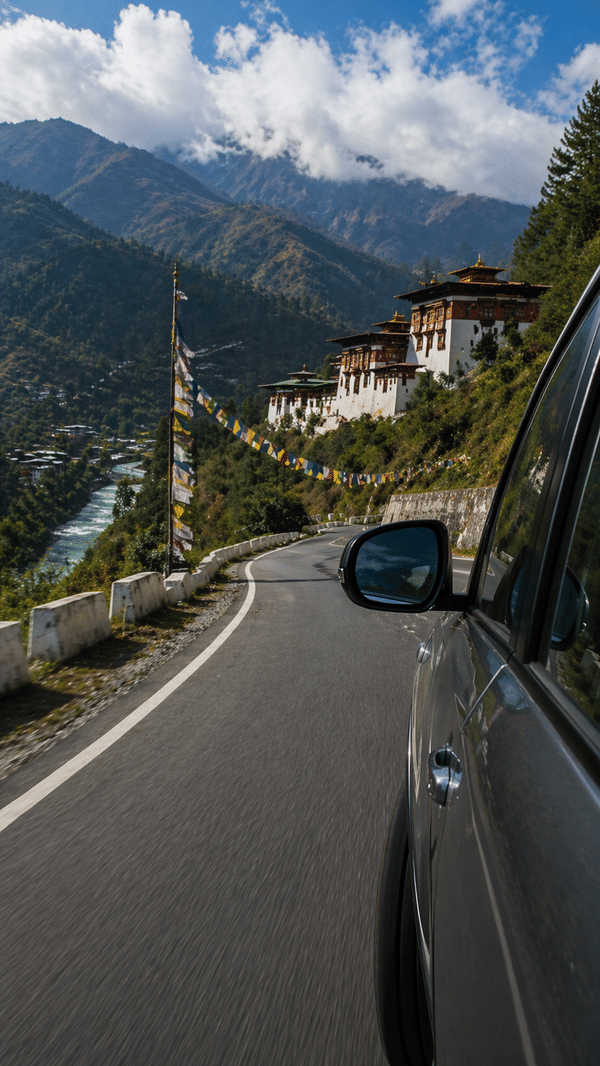
Epic 7 Days Bhutan Road Trip: A Drive Through Quiet Himalayas
Bhutan Road Trip with Phobjikha Valley
Best of Bhutan in 5 Days
Your Paro Travel Guide to Authentic Experiences
Paro is not the kind of place that feels loud or rushed. Life moves slowly here, and somewhere between the quiet streets, monasteries, and mountain views, you naturally start slowing down too.
You’ll come to Tiger’s Nest, like everyone else. But what stays with you is everything around it, the early morning calm, the conversations you didn’t expect, the feeling that nothing here is rushed or staged.
Planning a trip to Paro takes a bit more effort than most destinations. The visa rules, the SDF, the structured itineraries, it can feel like a lot at first. But once you’re there, it all makes sense. The experience feels intentional, not crowded, not chaotic.
If you’re looking for a place that trades convenience for meaning, Paro delivers. And once you leave, chances are you’ll already be thinking about going back.
Frequently Asked Questions
What is the best time to visit Paro Bhutan?
Spring (March–May) and autumn (September–November) are ideal for visiting Paro. A Paro city tour guide can help you explore blooming valleys or vibrant festivals. Refer to a Paro travel guide for seasonal travel tips and events.
Do I need a visa or permit to travel to Paro?
Indian citizens need a valid ID and an entry permit to visit Paro. A Paro city tour guide can assist with permit formalities. Non-Indian nationals must get a visa. Check a Paro travel guide for official requirements.
What are the top attractions in Paro Bhutan?
Key attractions include Tiger’s Nest Monastery, Rinpung Dzong, and the National Museum. A Paro city tour guide offers deep insights into each site’s history. Use a Paro travel guide to plan your sightseeing route effectively.
Is Paro safe for solo travellers?
Paro is considered very safe for solo travellers, including women. Hiring a Paro city tour guide enhances the local experience and ensures safety. Always consult a Paro travel guide for up-to-date safety tips and travel etiquette.
How expensive is Paro for tourists?
Paro offers both budget and luxury options. Hotels, food, and transport are moderately priced. Check a Paro travel guide to plan expenses smartly before your trip.