


Planning a trip to Leh Ladakh? The region known for its awe-inspiring scenery and wild charm stands out as one of the most sought-after spots for numerous wanderers. Yet, amidst its captivating allure, prioritizing safety tips and precautions for Leh Ladakh emerges as paramount. So when you book yourLeh Ladakh tour package make sure you have all the precautionary and safety tips ready.
Regardless of whether you’re a seasoned explorer or a novice traveller, grasping the essential Leh Ladakh safety tips can significantly impact the quality of your journey for all the best reasons. Within this blog post, we will delve into crucial Leh Ladakh safety tips and preventive dos and don'ts for Leh Ladakh trip to assist you in traversing the elevated paradise.
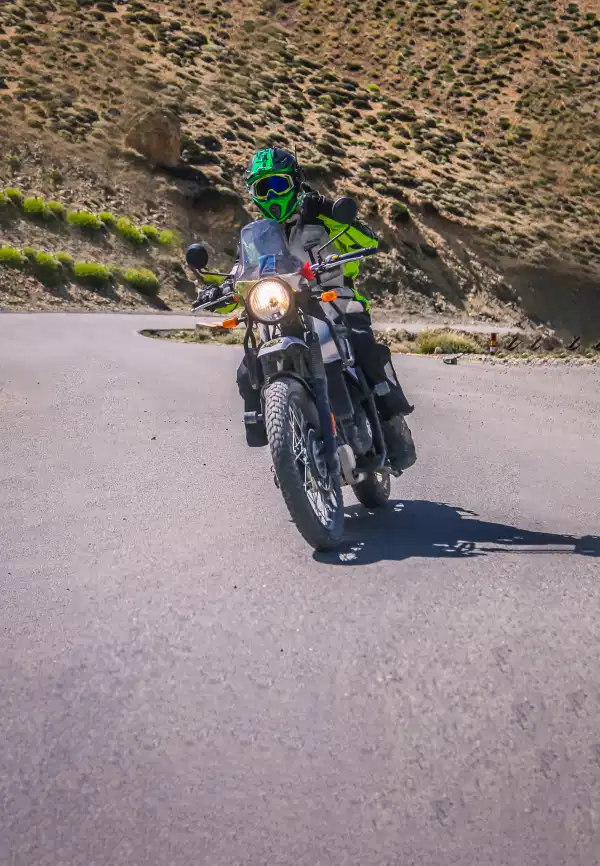
If you are planning your adventure through Leh Ladakh bike trip packages, ensuring proper preparation and safety awareness becomes even more important, especially when riding across high-altitude mountain passes and rugged terrains. A well-planned trip combined with the right safety measures will help you fully enjoy the breathtaking landscapes without unnecessary risks.
Best Selling Ladakh Tour Packages
8-Day Leh Ladakh Tour Package with Turtuk and Tso Moriri

7 Days Leh Ladakh Tour Package With Turtuk Village

8 Days Apricot Blossom Special Trip to Ladakh

Great Lakes of Ladakh: Manali to Srinagar - 9 Days Value Expedition
Is Ladakh Safe For Tourists?

To begin with, let’s answer the first and most common question that comes to the mind of every traveler before booking a Leh Ladakh bike package: “Is Ladakh safe to visit?” Absolutely, Ladakh is generally safe for tourists, including solo travellers and women.
However, to ensure a safe and comfortable Ladakh trip, you need to follow a few safety tips and precautions for Leh Ladakh, such as proper acclimatization, staying hydrated and packing essential items.
The biggest risks are:
- Altitude sickness
- Road accidents
- Sudden weather changes
- Limited medical facilities in remote areas
Keeping the best Leh Ladakh safety tips in mind will ensure a safe trip you will never forget in your lifetime.
Health & Safety Tips For Ladakh
1. Acclimatization Is The Key

As it is said “Acclimatize like your life depends on it!” It is actually true! One of the best safety tips for traveling to Leh Ladakh is to acclimatize properly. Once you arrive in Leh (3,500 meters), make sure you spend the first 24-48 hours completely resting and adjusting yourself to the high-altitude conditions.
You should not plan any sightseeing and heavy physicalactivities such as trekking or stair climbing on the first day of your Ladakh itinerary. Keep yourself well-hydrated, steer clear of alcohol, and take things easy during the initial days of your trip. The key is to give your body the necessary time to acclimatize effectively.
2. Acute Mountain Sickness - Symptoms and Prevention
Acute Mountain Sickness (AMS) in Ladakh can be the notorious and uninvited guest on your Leh Ladakh trip. But hey, the good news is, Acute Mountain Sickness in Ladakh can usually be prevented with proper health & safety tips for Ladakh. Since Ladakh is at an elevation of 11,500 feet above the sea level, the oxygen levels are significantly low and the air is thin.
This causes symptoms like headache, nausea, dizziness, fatigue and shortness of breath. To avoid these symptoms of altitude sickness in Ladakh, you should compulsorily acclimatize well for the first 2 days, stay hydrated, avoid alcohol and ascend gradually only when your body allo ws.
3. Essential Medicines To Carry

It is advised to consult your doctor before your Leh Ladakh trip for preventive medications. Carrying the right medicines is one of the most important things to carry for Ladakh, but only under a doctor’s guidance.
Due to high-altitude and to prevent acute mountain sickness, you should carry Diamox (Acetazolamide) (only under doctor’s guidance) to aid acclimatization. Carry a first-aid kit with remedies for headaches, nausea, and stomach upsets.
4. Hydration & Diet
One of the most crucial safety tips for Ladakh is to stay hydrated and maintain a balanced diet. Drink plenty of water, at least 3-4 litres, daily to avoid dehydration, since the high-altitude and dry climate conditions can quickly drain your energy. Other than water, you should also consume ORS or electrolytes with herbal teas and soups to prevent dehydration
Maintaining a good diet is often one of the most overlooked essential tips for a Leh-Ladakh trip. Have light and carbohydrate rich foods that are easy to digest at such a high altitude. Avoid oily, heavy or excessively spicy foods, and limit alcohol and caffeine intake.
5. Avoid Overexertion

One of the most important tips and suggestions for the Leh Ladakh trip is to not overexert your body, since the high altitude can put extra strain. In places like Leh, especially when hiking up high passes like Khardung La or exploring Pangong Lake, low oxygen levels can make you short of breath, tired, and dizzy even if you don't do any physical exercise.
You should spend enough time acclimatising and adjusting to the new environment. Avoiding hard exercise for the first 24-48 hours and taking breaks in between are also some of the most useful safety tips for traveling to Leh Ladakh.
6. Carry Oxygen
One must always carry a portable oxygen cylinder, which is one of the most essential travel tips for leh ladakh trip, because of its high altitude and low oxygen levels. In Ladakh, in cities such as Leh, and in high-altitude mountain passes such as Khardung La and the Chang La, the oxygen levels can be quite low, making people feel breathless and even causing Acute Mountain Sickness, in some cases.
Although the best way to deal with high altitude is to acclimatize, carrying a small portableoxygen cylinder can always prove to be useful in case of sudden discomfort, dizziness, and breathlessness.
7. Stay Only For A Limited Time At Very High-Altitude Attractions

Staying for a limited time at extremely high-altitude attractions is one of the most essential tips for a Leh-Ladakh trip. The popular high-altitude passes of Ladakh, such as Khardung La, Chang La, and Tanglang La, are situated at extremely high altitudes.
At such extremely high-altitude destinations, the level of oxygen in the air is very low. It is recommended that travelers planning a trip to these places limit their stay to a short time of 15-30 minutes and then descend to a lower altitude as soon as possible.
Road Safety And Navigation
1. Drive Cautiously

Cautious driving is one of the most important safety tips and precautions for Leh Ladakh to follow while travelling to Leh Ladakh. The region is well-known for its rugged terrain, sharp curves, steep climbs, and unpredictable weather conditions. Routes that connect Leh with tourist destinations such as the Nubra Valley, Pangong Lake, and high-altitude passes like Khardung La require cautious driving and full concentration.
Moreover, there may be instances of loose gravel, mountain roads, water crossings, and landslides. This may pose significant challenges to first-timers. It is advised that one should drive at a moderate speed while crossing these routes.
2. Vehicle Prep
Vehicle preparation is one of the most vital tips and suggestions for leh ladakh trip for bike as well as car travelers. The high-altitude road journey requires proper vehicle preparation. In cars, it is important that the brakes, clutch, oil, and coolant are checked, as are the battery and tyre condition.
In bikes, it is important that the chain tension, brake pads,spark plugs, oil, and tyre grip are checked. In addition, a spare tyre or tube, a puncture kit, tools, and fuel are important.
3. Offline Maps

Carrying offline maps is one of the most important Leh Ladakh safety tips, as mobile connectivity is poor or absent in some areas. Many routes to Nubra Valley, Pangong Lake, and high-altitude passes like Chang La have poor or no mobile connectivity.
Offline maps are a must-have when travelling to these areas, as this helps you navigate routes, locate fuel stations, and identify nearby villages even without mobile connectivity.
4. Fuel Availability
Fuel availability is one of the safety tips and precautions for Leh Ladakh that needs to be taken care of while planning a trip to Ladakh because fuel stations are limited and long stretches of the highway do not have fueling facilities.
Last Fuel Stations:
From Manali Side: Tank up at Tandi (last fuel station before Leh).
From Srinagar Side: Fill up at Kargil or Leh.
Carry Extra Fuel: Keep a fuel can (5-10 liters) as a backup. Note: Petrol cans are not allowed on flights, so buy them locally.
Fuel Availability in Leh: Leh has fuel stations, but they may have odd timings (usually 9 AM to 5 PM). Be prepared for long queues.
5. Full Mechanical Service Of The Bike

A complete mechanical bike service is a must before starting a bike trip to Ladakh, as the bike has to withstand the challenging weather, terrain, and altitude of the region. The bike must be serviced completely, which means checking the engine oil, brake pads, clutch plates, chain, sprockets, spark plugs, battery, and the condition of the tires.
Also, nuts, bolts, cables, and suspension need to be checked, and the bike must be equipped with spare parts such as a clutch cable, accelerator cable, spark plug, etc.
6. Choose The Correct Route
Selecting an appropriate route is one of the most important essential travel tips for Leh Ladakh trip, as different routes offer different levels of difficulty and altitude gain. One can enter Ladakh via two different routes: one through the Manali-Leh Highway and another through the Srinagar-Leh Highway.
While the Srinagar route offers better acclimatization, another route through Manali offers higher passes and tougher terrains. Road conditions are also important factors one must consider while planning a trip to Leh Ladakh.
Permits And Documentation

1. Required Permits
The procurement of the necessary permits is an essential safety tips and precautions for Leh Ladakh before stepping into the restricted and border-sensitive areas of the region. While Leh does not require any permit for Indian nationals, Nubra Valley, Pangong Lake, and Tso Moriri require the Inner Line Permit (ILP).
These can be procured online or from the Leh DC office and need to be carried along with valid proof of the government ID. Foreigners need to procure Protected Area Permits (PAP).
2. Valid ID Proofs And Documents
Valid ID proofs and travel documents are a must-carry while visiting the destination of Ladakh. It is very important that travelers carry government-verified ID like an Aadhaar card, passport, or driver's license, especially while visiting places outside Leh.
Places like Nubra Valley, Pangong Lake, and Tso Moriri require travelers to carry valid permits, with the ID at check points. It is recommended that travelers carry extra photocopies of their ID and permit, as they may be required to be submitted to the authorities at check points.
Weather And Environmental Precautions

1. Best Time To Visit For Safety
Choosing the best time to visit Ladakh plays a vital role in ensuring a safe and comfortable trip. The safest and most recommended period is between May and September, when roads to Leh, Nubra Valley, and Pangong Lake are generally open and weather conditions are relatively stable.
During these months, major routes such as the Manali-Leh Highway and Srinagar-Leh Highway remain accessible, reducing the risk of road closures due to heavy snowfall. Winters can be extremely harsh, with sub-zero temperatures and blocked passes.
2. Protect Yourself From Harsh Sun
Taking precautions against the scorching sun is a must when planning a trip to the region of Ladakh. The region receives intense sun rays due to its high altitude and low atmospheric pressure. Even if the weather is cold, the region of Leh, as well as the open spaces of Pangong Lake and Nubra Valley, exposes travellers to the harsh sunlight. This causes sunburn, tanning, dehydration, and even heat stroke.
It is therefore recommended to use sunscreens of broad spectrum, preferably of SPF 50 or more, along with sun glasses, a cap, and cotton clothing that covers the entire arm. Lip balm with SPF must also be carried to prevent chapped lips.
3. Sudden Weather Changes
Sudden weather changes are common in the region, and it is very important to be prepared at all times. Even during the best season, places like Leh, Pangong Lake, and passes like Chang La can experience sudden changes from bright sun to cold winds, rain, or even snowfall in a matter of a few hours.
One of the best precautions for Ladakh trip is to carry proper clothing like layers, rain jackets, gloves, etc., no matter which season it is.
Packing And Environment

If you are wondering what to pack for a Ladakh trip, then here is the complete list of the essential things to carry for Ladakh trip:
- Warm layered clothing (thermals, fleece jacket, down jacket)
- Windproof & waterproof jacket
- Comfortable trekking shoes with good grip
- Woolen socks, gloves, scarf, and cap
- UV-protected sunglasses
- Sunscreen (SPF 30+), lip balm with SPF, moisturizer
- Personal medications & basic first-aid kit
- ORS/electrolyte sachets for hydration
- Valid ID proofs & required permits
- Power bank and extra camera batteries
- Reusable water bottle
- Snacks like energy bars & dry fruits
- Basic toiletries (wet wipes, hand sanitizer, tissues)
- Small backpack for day trips to places like Pangong Lake or Nubra Valley
Mobile Network And Connectivity
The mobile network and connectivity can be poor and inconsistent in Ladakh. Though there is connectivity in Leh, the network can be absent or weak in other areas such as Nubra Valley, Pangong Lake, and the Chang La Pass. Postpaid connections, especially BSNL tend to work better than prepaid SIM connections. It is advisable to inform your family about potential network blackouts, download offline maps in advance.
Common Mistakes Travellers Make On Their Trip To Ladakh

- Skipping acclimatization after arriving in Leh
- Ignoring symptoms of Acute Mountain Sickness (AMS)
- Overexerting on the first day with sightseeing or biking
- Not carrying required permits for Nubra Valley, Pangong Lake, or Tso Moriri
- Underestimating fuel requirements on remote routes
- Relying completely on mobile internet and online maps
- Driving rashly on high passes like Khardung La
- Not carrying enough warm clothing, even in summer
- Staying too long at very high-altitude points
- Ignoring weather forecasts and road condition updates
- Traveling without proper vehicle servicing (bike or car)
- Littering and not respecting the fragile Himalayan ecosystem
Food And Water Precautions For The Ladakh Trip
Exploring the local food of Leh Ladakh is truly amazing, but ensuring food safety remains paramount. Choose to eat at restaurants in Ladakh or familiar places and avoid street vendors whose hygiene practices can be questionable. It is important to consume bottled or purified water to protect against waterborne diseases.
If your trip takes you to remote locations, consider bringing water purification tablets or a portable purification device. Remember, it’s always better to be safe than sorry! Enjoy your gastronomic adventures in the first few days while your body takes the necessary time to adapt.
Do’s For Leh Ladakh Trip

- High altitudes can cause dehydration faster than you might expect. Carry a reusable water bottle and refill it whenever you can
- The weather in Leh Ladakh can change rapidly, and layers allow you to adjust your clothing to stay comfortable. Include thermal wear, waterproof jackets, and warm accessories.
- Apply high-SPF sunscreen regularly and wear sunglasses to protect your eyes from the intense UV rays at high altitudes. A wide-brimmed hat can also provide extra protection from the sun.
- Show respect for local customs, traditions, and religious practices. Dress modestly, especially when visiting monasteries and other sacred sites. Engage with locals politely and be mindful of their customs.
- Pack a first aid kit with essentials like band-aids, antiseptic, painkillers, and any personal medications. Also, include altitude sickness medication if recommended by your doctor.
- Inform someone about your travel itinerary and expected check-ins. Carry a satellite phone or a local SIM card for better connectivity in remote areas. Regular communication ensures you can get help if needed.
- Follow eco-friendly practices. Carry reusable water bottles, avoid plastic bags, and dispose of waste responsibly. Respect the natural environment and help preserve it for future visitors.
- Suggested Read- Discovering Leh-Ladakh
Don’t Tips and Suggestions for Leh Ladakh Trip

- Never ignore symptoms like headaches, dizziness, nausea, or shortness of breath. These can be signs of altitude sickness. Stay updated with health & safety tips for Ladakh.
- Avoid packing your schedule too tightly. Give yourself time to acclimate and take breaks. Rushing through high-altitude areas can increase the risk of altitude sickness.
- Keep Leh Ladakh clean and beautiful by not littering. Carry all your trash with you until you find a proper disposal place.
- Stay on marked paths and trails, especially when trekking. Going off-trail can be dangerous due to unknown terrain and potential wildlife encounters.
- Digital maps can fail in remote areas due to poor connectivity. Always carry a physical map as a backup and familiarise yourself with the route.
- Take it easy, especially in the beginning. High altitudes mean less oxygen, and overexertion can lead to fatigue or worse. Listen to your body and rest when needed.
- Don’t skip out on travel insurance. It’s essential for covering medical emergencies, trip cancellations, and other unforeseen events.
Staying Safe During Activities In Ladakh

Your safety should always come first when attending outdoor activities in Leh Ladakh. This amazing place is a haven for hikers and thrill seekers, but it needs proper management. It is important to choose reliable guides and tour companies that put safety first and provide you with the necessary equipment for your chosen activity.
Whether you’re trekking in Ladakh, cycling, or participating in other escapades, if you have the proper gear to prevent accidents , you can fully enjoy the journey.
In A Nutshell - How To Plan The Best Leh Ladakh Trip With Safety And Precautions?
Visiting Leh Ladakh with family or alone requires careful contingency planning. It is important to have a readily available list of key contacts such as local authorities, hospitals, embassies, or diplomatic contacts. It is also recommended to keep important documents such as IDs and digital copies of insurance.
This preparation can greatly reduce stress and help deal with unexpected situations. Reliable communication is essential in remote areas like Leh Ladakh, so consider getting a local satellite phone or SIM card. It is important that someone at home knows your travel schedule and that you visit regularly.
This improves communication even in areas with limited networks, which can save lives in emergencies. Respecting local laws and customs is another important part of travel preparation. Take the time to understand the cultural norms and legal requirements in Leh Ladakh to ensure proper travel practices.
Frequently Asked Questions
Is Leh to Ladakh safe for mountain bikers?
Yes, cycling from Leh across Ladakh is generally safe for experienced mountain bikers. Roads are scenic but challenging due to high altitude, extreme weather, and rough terrain. Proper acclimatization, fitness, permits, and weather checks are essential. Travel during peak season and avoid riding alone in remote stretches.
Are there any terrorist threats in Ladakh?
Ladakh is considered one of India’s safest tourist destinations. Terrorist incidents are extremely rare compared to other border regions. The area is heavily monitored by the Indian Army due to proximity to borders. Travelers should still follow government advisories, respect local guidelines, and stay informed before visiting.
Is Ladakh having the highest road in the world?
Ladakh is home to some of the world’s highest motorable roads. Umling La, at about 19,024 feet, is currently recognized as the highest motorable road globally. Other famous high passes include Khardung La. These extreme altitudes require acclimatization and careful driving.
When to visit Ladakh to see snow?
To see fresh snowfall in Ladakh, visit between late December and February. Winter transforms the region into a snowy landscape, especially around Leh and high passes. Roads may close due to heavy snow, and temperatures drop below freezing, so proper winter clothing and planning are necessary.


