


Considering a Solo Trip to Bhutan? We can't say it strongly enough: do it! This small Himalayan kingdom between India and China has experiences you won't find elsewhere.
We recommend beginning with a hike to Tiger's Nest Monastery – just be sure to pack solid shoes for that steep incline! Thimphu's weekend markets are ideal for meeting locals who may teach you some Dzongkha words. For pure magic, we love the peacefulPhobjikha Valley, where the silence is practically obvious.
The destinations to explore in Bhutan seem endless, even though the country is relatively small. Everyone's got to include Punakha's towering fortress on their list, and the holy mountain scenery will render you speechless.
Need help ironing out the details? OurBhutan trip packageshandle all the fiddly stuff, such as permits and transfers, for you so that you can just relax and enjoy experiencing the famous Bhutanese hospitality and cuisine!
Best Selling Bhutan Tour Packages

7 Days Road Trip to Bhutan with Tiger’s Nest

Best of Thimphu, Punakha and Paro - 8 Days Bhutan Tour Package

Explore the Gems of Bhutan - 6 Days Tour Package
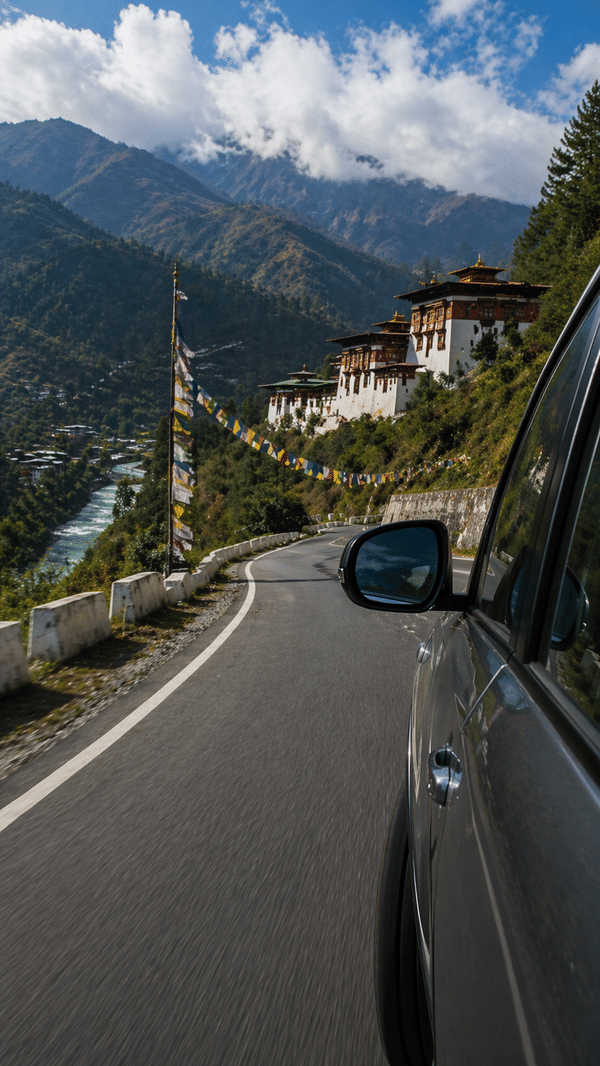
Epic 7 Days Bhutan Road Trip: A Drive Through Quiet Himalayas
Bhutan's Tourism Policy: What 'Solo' Really Means

For most international tourists, a truly independent solo trip to Bhutan is not possible. The country's official policy requires visitors to book through a licensed Bhutanese tour operator, complete with a pre-arranged itinerary, a private guide, and a driver.
You can't simply rent a car and disappear into the mountains on your own schedule. Indian nationals, however, are the exception. Independent travel is permitted for them, offering a level of freedom most visitors never get to experience.
So what does "solo travel" actually mean in the Bhutanese context? For international visitors, it translates to a private tour for one. You get your own guide and vehicle, which sounds restrictive on paper but plays out quite differently in practice.
Linger at a temple that moves you. Swap tomorrow's plan for something better. Spend an entire afternoon wandering a local market with no one waiting on you. It's the spirit of solo exploration, minus the logistical chaos that usually comes with it.
For Indian travellers, the picture is closer to genuine independence. You can move freely and set your own rhythm, though a guide becomes mandatory once you venture beyond the main areas of Thimphu and Paro.
The Sustainable Development Fee (SDF) Explained
Let's talk about the financial aspect. The Sustainable Development Fee (SDF) is a daily levy paid by every tourist, serving as a direct contribution to Bhutan's future. These funds support free healthcare and education for citizens, infrastructure development, and vital conservation efforts.
As of the 2026 travel season, the SDF rates are:
- International Tourists: USD $100 per person, per night. This reduced rate is confirmed until August 31, 2027.
- Indian Nationals: ₹1,200 per person, per night.
- Children, Ages 6-12, receive a 50% discount on the SDF. Children under 6 are exempt.
It is crucial to understand what the SDF is not. Before 2022, Bhutan operated with a Minimum Daily Package Rate, which bundled accommodation, food, and transport. That system is gone.
The current SDF is a separate fee paid directly to the government. All your other expenses, such as hotels, meals, transport, and your guide, are now additional costs that you or your tour operator will arrange and pay for separately. While this requires more careful budgeting, it also grants you greater flexibility in choosing your level of accommodation and service.
Is Bhutan Safe for Solo Female Travellers?

Short answer: yes. Bhutan solo female travel is widely considered safe, and that reputation holds up on the ground.
Women who travel here often talk about something simple but rare: feeling at ease, even when alone.
Why does it feel safe
- Strong cultural values
- Society in Bhutan is shaped by Buddhist principles. Respect isn’t performative; it’s just normal.
- Very low crime
- Violent crime is rare. Street harassment is almost unheard of.
- Friendly, not intrusive
- Locals are helpful when needed, but they don’t overstep. You won’t feel watched or bothered.
What makes solo travel easier
- Guided structure
- A licensed guide is required for many routes and activities. That means:
- Someone to navigate logistics
- Help with language and local context
- Quiet support without hovering
- Less mental load
- You’re not constantly figuring things out alone. That removes a lot of background stress.
- Works across experiences
- Whether you’retrekking in Punakha or visiting a monastery, the experience stays consistent and comfortable.
Accommodation is straightforward
- Boutique hotels and guesthouses are safe and welcoming
- Solo female travellers are treated normally, not differently
- Family-run stays often feel more personal and secure.
Best Time for a Solo Trip to Bhutan

March to May (Spring) and September to November (Autumn) are the best windows.
Why these work best:
March to May
- Clear skies with fresh mountain views
- Valleys are full of rhododendrons and blooming flowers
- Comfortable for long solo walks and monastery visits
- Slightly fewer crowds compared to peak autumn
September to November
- This is the classic “perfect Bhutan” season
- Sharp Himalayan views (especially Paro and Punakha)
- Dry weather, stable conditions for road travel
- Best time for photography and trekking routes
When to avoid (if you want a smooth solo trip)
June to August (Monsoon)
- Landslides, foggy views, unpredictable travel delays
- Not great for solo road movement
December to February (Winter)
- Very cold in higher regions
- Fewer tourists, but some routes feel harsh if you’re not prepared
How to Reach Bhutan for Solo Travellers

Getting into Bhutan isn’t complicated, but it’s controlled.
- By Air: The easiest route is flying into Paro International Airport, the country’s only international airport. Flights operate from cities like Delhi, Kolkata, Mumbai, and Bangkok. Airlines like Druk Air and Bhutan Airlines handle most routes.
- By Road (for Indians): You can enter via Phuentsholing from Jaigaon. This is the most budget-friendly option if you’re okay with a bit of travel effort.
What this really means: flights save time, roads save money. Pick your trade-off.
Permit Details
Bhutan doesn’t allow completely independent travel for most foreigners.
- Indians: You can travel without a visa but need an entry permit, usually issued at the Phuentsholing Immigration Office or pre-arranged online.
- Other nationalities: You must book through a licensed Bhutanese tour operator and pay a daily Sustainable Development Fee (SDF).
For solo travellers, this is the key reality: You’re not “backpacking freely” here like Thailand or Vietnam. Your movement is structured.
Packing List for Solo Trip

Bhutan’s weather changes fast, and overpacking will slow you down.
Must-haves:
- Layered clothing (mornings and evenings get cold, even in summer)
- Comfortable walking shoes (you’ll walk more than you expect)
- Basic medicines (remote areas don’t have easy access)
- Power bank (electricity cuts happen)
- Reusable water bottle
- Copies of ID and permits
Nice to have:
- Light rain jacket
- Snacks for long drives
- Small backpack for day trips
Skip fancy outfits. Bhutan is about comfort, not aesthetics.
Where to Stay in Bhutan for Solo Travellers

Accommodation is simple, clean, and often family-run.
- Budget: Guesthouses in Thimphu and Paro
- Mid-range: Boutique hotels with good views and local design
- High-end: Luxury stays like Six Senses Bhutan if budget isn’t a concern
Solo travellers usually do best with small guesthouses. You’ll get local interaction without feeling isolated.
Internet, SIM & Connectivity in Bhutan
Connectivity exists, but don’t expect speed or consistency.
- Local SIMs from TashiCell or Bhutan Telecom are easy to get with an ID
- Data works well in cities like Thimphu and Paro
- In remote areas, expect a weak or no signal
What this really means: don’t depend on constant internet. Download maps, keep offline backups, and be okay with disconnecting.
Crafting Your Perfect Bhutan Solo Trip Itinerary

The good news about travelling solo in Bhutan is that your itinerary is still very much your own, even with a guide and operator in the picture. The one thing worth keeping in mind: don't rush it. The mountain roads are slow and beautiful, and that's kind of the point.
A classic 7-day itinerary looks something like this:
- Days 1-2: Paro. Land at one of the world's most dramatic airports, get your bearings, and ease into the altitude (2,280 meters). Visit Paro Dzong, the National Museum, and the quietly stunning Kyichu Lhakhang temple.
- Day 3: Thimphu. An hour and a half up the road is Bhutan's capital, the only one in the world with no traffic lights. The Buddha Dordenma statue, National Memorial Chorten, and the Motithang Takin Preserve are all worth your time.
- Day 4: Punakha. The drive over Dochula Pass alone is worth waking up early for. Down in the valley, Punakha Dzong is arguably Bhutan's most beautiful building. Add a short walk to Chimi Lhakhang, and you've got a full, satisfying day.
- Day 5: Back to Paro. Use the drive back to decompress. The afternoon is yours.
- Day 6: Tiger's Nest. Most people build their entire trip around this one hike. The 4 to 5-hour round trip to Taktsang Monastery is as rewarding as advertised. Go early.
- Day 7: Departure. One last breakfast, then the airport.
Want more than a week? The Bumthang Valley rewards the extra time with ancient temples, almost no crowds, and a completely different pace. Spending a few days exploring things to do in Jakar is where Bhutan starts to feel less like a trip and more like an experience.
Best Places to Visit in Bhutan for Solo Travelers
The classic western circuit of Paro, Thimphu, and Punakha is popular for good reason. But certain places carry a special kind of appeal for solo travellers specifically, spots that offer iconic sights, room for quiet reflection, and environments where you genuinely feel at ease on your own.
1. Paro Valley: The Iconic Gateway

Every Bhutan trip starts here, and for good reason. Paro is home to the country's only international airport and the legendary Tiger's Nest Monastery. For solo travellers, the hike up to Tiger's Nest tends to feel less like sightseeing and more like a personal pilgrimage.
The valley has quieter pleasures too. Wander through the ruins of Drukgyel Dzongor wind down with a traditional hot stone bath after a long day on your feet.
2. Thimphu: The Lively Heart

Thimphu is where Bhutan's old and new lives exist side by side. Monks with smartphones walk past traditional textile shops, and nobody seems to find that unusual. It's the easiest place in the country to feel connected without feeling overwhelmed.
Spend an afternoon at a local café, browse the weekend market at Centenary Farmers Market, or watch an archery match at Changlimithang Stadium, the national sport, and you’ll leave knowing the city actually showed you something real.
You can also walk up to Buddha Dordenma for sweeping valley views or stop by Tashichho Dzong to get a feel for Bhutan’s living heritage.
3. Punakha Valley: The Valley of Bliss

Lower in altitude and warm year-round, Punakha feels like stepping into a different Bhutan entirely. The Punakha Dzong is unmissable, but the valley's real appeal for solo travellers is its pace.
- Walk through rice paddies, visit the Chimi Lhakhang temple, or try whitewater rafting on the Mo Chhu river. This is the kind of place that makes you want to stay an extra day.
4. Phobjikha Valley: A Sanctuary for Nature and Soul

If what you're really after is stillness, Phobjikha delivers it in abundance. This wide glacial valley is a protected conservation area and the winter home of the rare black-necked cranes.
The Gangtey Nature Trail is an easy, beautiful walk that lets the landscape do all the talking. For those wanting to go deeper, a meditation retreat in Bhutan in a setting like this is an experience that's hard to put into words.
5. Haa Valley: The Hidden Gem

Haa Valley is where solo travellers who want to step off the beaten path should head. Opened to tourists more recently than other regions, it still feels wonderfully untouched.
The drive overChele La Pass alone is worth the trip. Down in the valley, ancient temples like Lhakhang Karpo and Lhakhang Nagpo sit quietly, often with very few other visitors around. It's one of those rare places where Bhutan feels like it's all yours.
6. Bumthang Valley: The Spiritual Core
Bumthang isn’t just another stop. It’s where Bhutan feels the most rooted.
Spread across valleys like Chokhor Valley and Tang Valley, this region is packed with some of the country’s oldest monasteries, including Jakar Dzong and Kurjey Lhakhang.
For solo travellers, Bumthang works because it slows you down without trying. Long walks between villages, quiet temples, and almost no rush. It’s not dramatic like Paro. It’s deeper than that.
7. Trongsa: The Bridge Between East and West

Most people pass through Trongsa. That’s a mistake.
The massive Trongsa Dzong sits dramatically above the valley and feels more lived-in than staged. There’s also the Ta Dzong Trongsa, which gives you context about Bhutan’s monarchy and history.
What this really means for a solo traveller: it’s a place to pause, not just transit. Stay a night, and the whole journey feels less rushed.
8. Mongar: Raw, Eastern Bhutan
Once you head east, Bhutan changes. Fewer tourists, rougher roads, more authenticity.
Mongar isn’t about attractions. It’s about atmosphere. Hills covered in dense forest, winding roads, and villages that feel untouched by tourism.
If you’re travelling solo for perspective, not just photos, this is where things start to feel real.
9. Lhuentse: Where Traditions Still Hold Strong

Further east, Lhuentse feels like stepping into a Bhutan that hasn’t changed much.
It’s known for traditional weaving and its connection to Bhutan’s royal family. The standout here is Lhuentse Dzong, perched dramatically above a river valley.
This isn’t an easy detour, and that’s exactly why it works. You won’t find crowds here. You’ll find quiet and a version of Bhutan most people never see.
10. Samdrup Jongkhar: The Unfiltered Entry Point
If you want a completely different entry into Bhutan, skip the usual routes and come through Samdrup Jongkhar.
It borders Assam and feels more like a cultural crossover than a tourist destination. It’s not polished, not curated, and definitely not designed for visitors.
But here’s the thing. For solo travellers who don’t mind a bit of chaos, it shows a side of Bhutan that feels more grounded and less packaged.
11. Trashigang: The Far East Experience

Trashigang is about as far east as most travellers go, and very few actually make it here.
The town itself is quiet, but it acts as a base to explore remote villages and highland communities. It’s also the gateway to places like Merak and Sakteng, where semi-nomadic communities still live traditionally.
This is not an easy trip. Long drives, basic infrastructure. But if you’re doing Bhutan solo to get away from predictability, this is where it pays off.
12. Dagana: Quiet, Overlooked, Worth It
Almost no one talks about Dagana, which is exactly why it deserves attention.
It’s green, rural, and completely under the radar. The main highlight, Dagana Dzong, overlooks deep valleys and sees very few visitors.
You don’t come here for a checklist. You come here to feel like you’ve stepped outside the usual Bhutan narrative.
Things to Do in Bhutan for Solo Travelers

Bhutan solo travel works best when you focus on a few meaningful experiences instead of rushing through a checklist. The country is built for slow movement, quiet observation, and long pauses between activities.
1. Hike to Tiger’s Nest Monastery
The hike to Paro Taktsang is the most important experience in Bhutan. It takes around 4–6 hours round-trip, depending on pace.
Start early in the morning to avoid crowds and heat. The trail climbs through pine forests and viewpoints, with a cafeteria stop halfway for rest. Solo travel makes this hike easier because you control your own pace completely.
2. Explore Thimphu at a slow pace
Thimphu is not a city to “cover” in a hurry. It works better when you divide it into slow pockets of exploration.
Spend your morning at Buddha Dordenma for valley views. Walk through the Centenary Farmers Market to see local life. End the day around Clock Tower Square with cafés and short evening walks.
3. Visit Punakha Dzong properly
Punakha Dzong is best experienced without rushing. Go early when it’s quiet and walk through its courtyards slowly. The setting between two rivers makes it one of the most peaceful places in Bhutan. Solo travel gives you the time to stay longer without feeling pressured to move.
4. Walk the suspension bridge in Punakha
The long suspension bridge near Punakha is not just a photo stop. Walk across it slowly and notice the river flowing below. On the other side, take the village trail and explore small paths and chortens. It’s simple, but it gives a real sense of local Bhutan life.
5. Take a traditional hot stone bath in Paro
After the Tiger’s Nest hike, this isn’t optional; it’s recovery.
Local farmhouses heat river stones and drop them into wooden tubs filled with herbal water. It’s slow, quiet, and surprisingly restorative. In places around Paro, this feels less like a spa and more like a ritual.
6. Walk the Paro town trail instead of just driving through
Most people rush through Paro. Don’t. Spend time walking through small streets, visiting local shops, and sitting by the river. Add a stop at Rinpung Dzong to understand how central these structures are to daily life.
7. Hike to Khamsum Yulley Namgyal Chorten in Punakha
This is one of those hikes that feels rewarding without being exhausting.
The trail cuts through rice fields and gentle hills before reaching Khamsum Yulley Namgyal Chorten. The views from the top are wide and quiet, not dramatic, just deeply calming.

8. Try river rafting in Punakha
If your trip feels too slow, this balances it out.
Rafting on the Mo Chhu River or Pho Chhu River is gentle enough for beginners but still engaging. You’ll pass villages, dzongs, and open valleys from a completely different angle.
9. Walk the Gangtey Nature Trail in Phobjikha
This is Bhutan at its simplest and best.
The trail through Phobjikha Valley is flat, easy, and quiet. You’re not hiking for effort here; you’re walking to absorb the landscape.
Add a visit to Gangtey Monastery to give the place some cultural depth.
10. Attend a local festival if your dates match
Bhutan’s festivals are not staged for tourists; they’re community events.
If you’re in Thimphu during Thimphu Tshechu, go. Mask dances, rituals, and locals dressed in traditional clothing. It’s crowded, but it’s real.
11. Cross Chele La Pass for high-altitude views
The drive to Chele La Pass is one of the highest motorable routes in Bhutan.
On a clear day, you’ll see snow-capped peaks and endless ridgelines. Prayer flags everywhere. It’s less about activity, more about standing still and taking it in.
12. Visit Chimi Lhakhang in Punakha
This temple is different from the rest. Chimi Lhakhang is known as the fertility temple, but beyond that, it sits in the middle of quiet farmland. The walk to reach it is as meaningful as the visit itself.
13. Explore local food properly
Don’t just “try” Bhutanese food, sit with it. Order ema datshi, red rice, and seasonal dishes in small restaurants in Thimphu or Paro. Eat slowly. Bhutanese meals are simple but filling, and they tell you more about the place than any guidebook.
14. Spend time doing nothing in Haa Valley
This sounds vague, but it matters.
In Haa Valley, there’s no checklist. Walk, sit, talk to locals if you can. Let the day. Solo travel works best here because there’s no pressure to “do” anything.
15. Visit the National Memorial Chorten in Thimphu
Go in the morning or evening. At the National Memorial Chorten, you’ll see locals walking in prayer, spinning wheels, just going about their routine. It’s one of the easiest ways to observe everyday spirituality in Bhutan.
Solo Trip to Bhutan Costs from India: A Realistic Breakdown

Bhutan has a reputation for being expensive, and while it's true that it's not a backpacker-on-a-shoestring destination, the costs are more logical than they first appear. Here's what solo travellers are actually spending.
1. For International Tourists (Non-Indian)
The big-ticket items are the Sustainable Development Fee, your tour package (guide, vehicle, driver), and flights. One thing worth flagging for solo travellers specifically: most operators charge a single supplement since you're not splitting the guide and vehicle cost with anyone. That's usually an extra $40 to $60 per day.
A 7-day/6-night mid-range solo trip roughly breaks down like this:
- Sustainable Development Fee: 6 nights x $100 = $600
- Tour Package (Guide, Vehicle, 3-star Hotels, Meals):$200-250/night = $1,200 - $1,500
- Visa Fee: $40
- Flights to Paro (return): $500 - $1,000+
- Personal Expenses: $200
Total (excluding flights): around $2,040 - $2,340 USD
Go luxury, and this number climbs fast.
2. For Indian Nationals
The math looks completely different. A lower SDF rate plus the freedom to travel independently means Indian travellers have far more control over what they spend. According to Discover with Dheeraj (2026), a budget 7-day solo trip from India runs between ₹25,000 and ₹36,000, not counting travel to the border.
A realistic 7-day/6-night breakdown:
- Sustainable Development Fee: 6 nights x ₹1,200 = ₹7,200
- Accommodation (budget guesthouse): 6 nights x ₹1,500 = ₹9,000
- Food: 7 days x ₹700 = ₹4,900
- Local Transport: ₹3,000
- Permits & Entry Fees: ₹1,000
- Travel to/from Border: ₹2,000
Total: ₹27,100
That number moves depending on how you travel. For those who'd rather not figure out the logistics themselves, a structured Bhutan backpacking trip package often works out to surprisingly good value.
Most Loved Bhutan Packages
Epic 7 Days Bhutan Road Trip: A Drive Through Quiet Himalayas
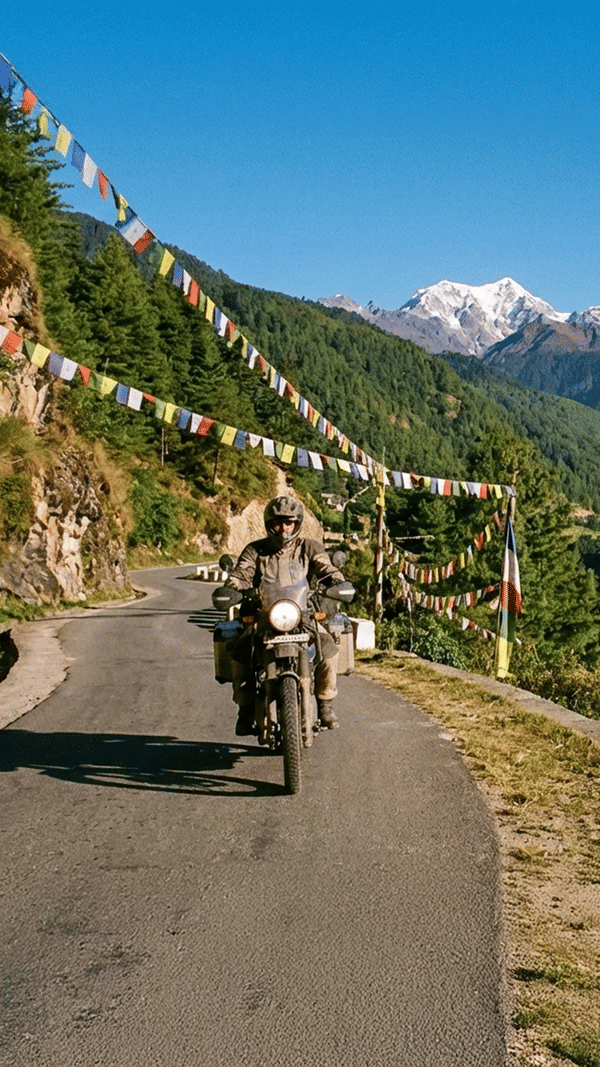
8-Days Bhutan Bike Trip Expedition: Ride across the Land of Thunder Dragon

10 Days Complete Bhutan Tour Package
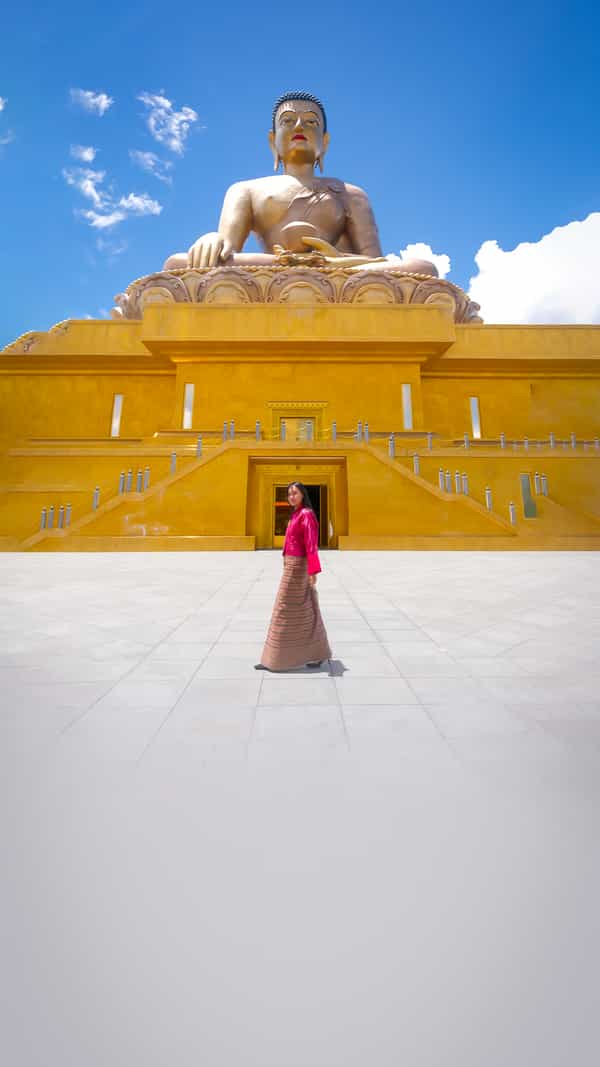
Bhutan Road Trip with Phobjikha Valley
Tips for Solo Travellers

Here’s the honest version, what actually matters on the ground:
- Respect local culture: Dress modestly, especially at monasteries
- Start early: Days are shorter than you think when travel is involved
- Carry cash: ATMs exist but aren’t always reliable
- Don’t rush the itinerary: Distances look short, but roads are slow
- Talk to locals: Bhutanese people are warm, but not intrusive—you’ll need to initiate
Be okay with quiet: Bhutan isn’t built for constant stimulation
Your Guide to Solo Travel in Bhutan
A solo trip to Bhutan is less about ticking places off and more about how you experience them.
The country’s tourism rules, permits, and Sustainable Development Fee aren’t obstacles. They’re what keep Bhutan quiet, safe, and culturally intact. For solo travellers, that means less chaos, more clarity, and a deeper connection to the place.
That said, planning Bhutan isn’t as straightforward as other destinations. Routes, permits, and logistics need to be handled properly. That’s where WanderOncome in. You get structure without losing the freedom of travelling solo.
What this really means is simple. If you approach Bhutan the right way, it doesn’t just feel like a trip. It stays with you long after you leave.
Frequently Asked Questions
Is Bhutan safe for solo female travelers
Yes, Bhutan is very safe for solo female travelers. Locals are respectful and helpful. Whether you're on a solo trip in Bhutan or enjoying a Solo Travel Tour to Bhutan, you'll feel secure. Just follow basic travel safety like you would anywhere else, trust your gut, and stay aware.
How much does a solo trip to Bhutan cost?
A solo trip in Bhutan usually costs between $200 to $300 per day, including stay, food, guide, and entry fees. Bhutan has a minimum daily spending requirement, especially for international travelers. But don’t worry, this Solo Travel Tour to Bhutan is worth every penny for the rich culture and views.
Do solo travelers need a visa for Bhutan?
Yes, all international travelers, including those planning a solo trip in Bhutan, need a visa. It’s handled by a licensed Bhutanese tour operator. If you're booking a Solo Travel Tour to Bhutan, the visa will be taken care of for you. Just make sure your passport is valid for six months.
What are the best solo activities in Bhutan?
From hiking to meditation retreats, Bhutan has tons of solo-friendly things to do. You can explore monasteries, trek to Tiger’s Nest, or just enjoy peaceful valleys. A Solo adventure in Bhutan is perfect for personal reflection, nature walks, and learning local culture, all at your own pace.
What are the best places in Bhutan for solo travelers?
Top spots for a solo trip in Bhutan include Paro, Thimphu, Punakha, and Bumthang. Each place offers calm surroundings and rich culture. These places make a Solo Travel Tour to Bhutan super enriching, safe, and scenic, perfect for anyone wanting a peaceful Solo adventure in Bhutan.
How many days are enough for a solo trip to Bhutan?
A 7 to 10-day solo trip in Bhutan is perfect. It gives you enough time to explore key cities, enjoy nature, and soak in Bhutan’s peaceful vibes. Whether you’re planning a Solo Travel Tour to Bhutan or going free-spirited, a week is ideal for a soulful Solo adventure in Bhutan.


