


Bhutan is not the kind of place where you rush from one attraction to another just to tick things off a list. The best things to do here involve mountain roads, quiet monasteries, local food, old markets, and plenty of moments where you simply stop and look around. From hiking to Tiger’s Nest to watching an archery match in Thimphu, there are many things to do in Bhutan are a mix of adventure, culture, and slow travel.
For most first-time travellers, 5 to 7 days is enough to cover the classic Paro, Thimphu and Punakha route without turning every day into a road marathon. WanderOn’s Bhutan Tour Packages also cover different routes and durations, making it easier to choose between a quick cultural escape and a longer Himalayan road trip.
Top Bhutan Tour Packages
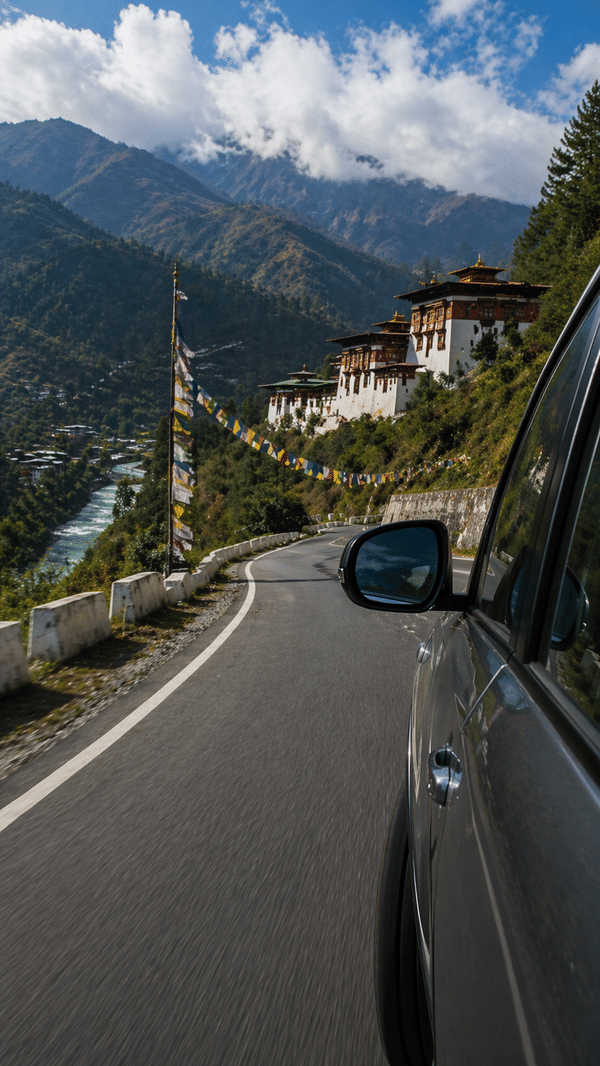
Epic 7 Days Bhutan Road Trip: A Drive Through Quiet Himalayas
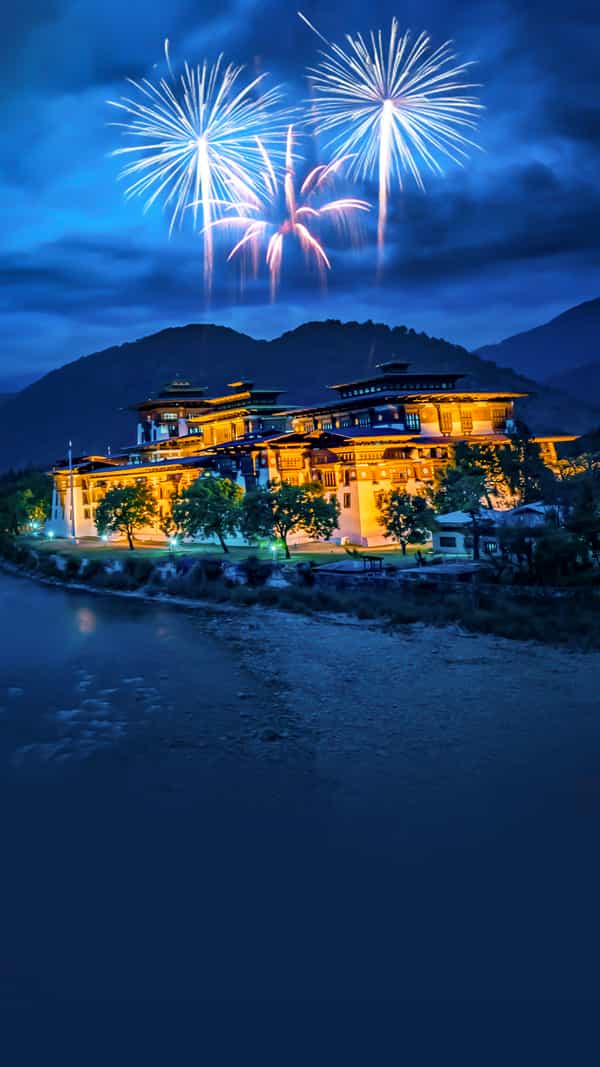
8 Days Bhutan Group Trip | Christmas & NY Special
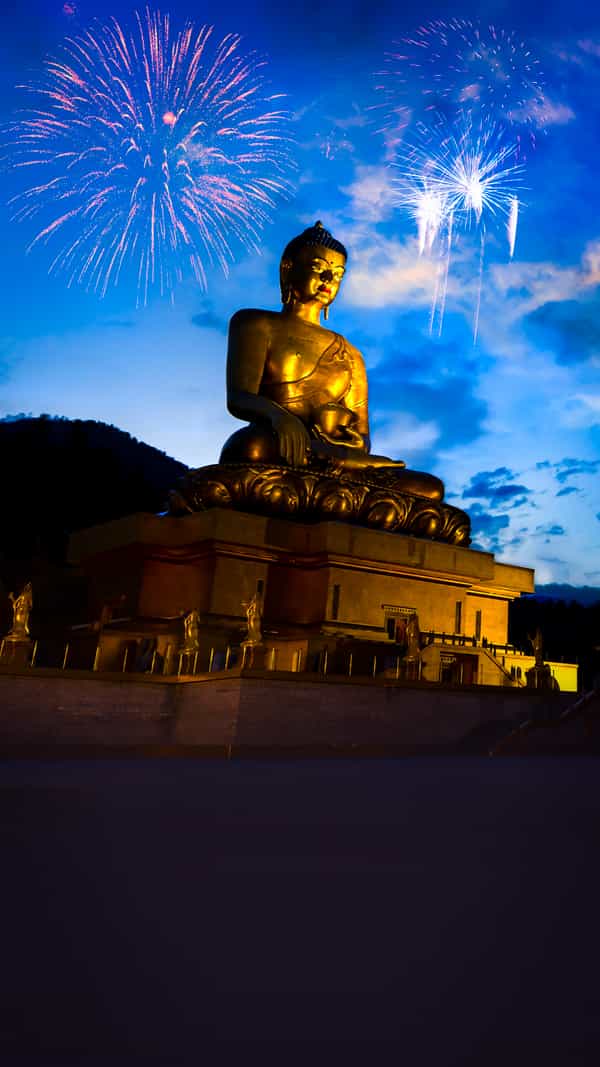
Exclusive Bhutan Tour Package for Christmas and New Year

10 Days Complete Bhutan Tour Package
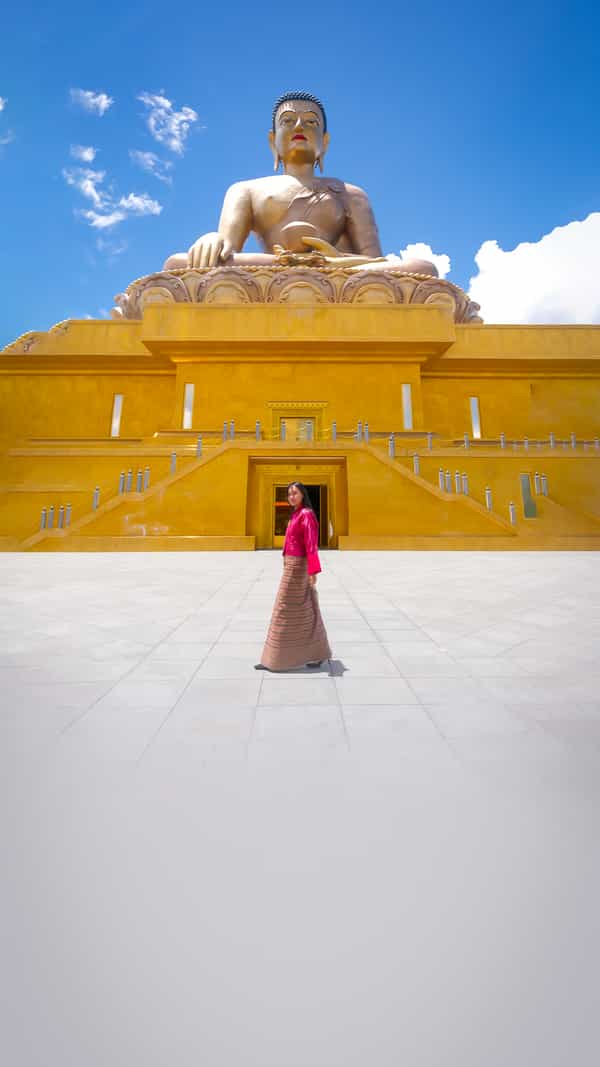
Bhutan Road Trip with Phobjikha Valley
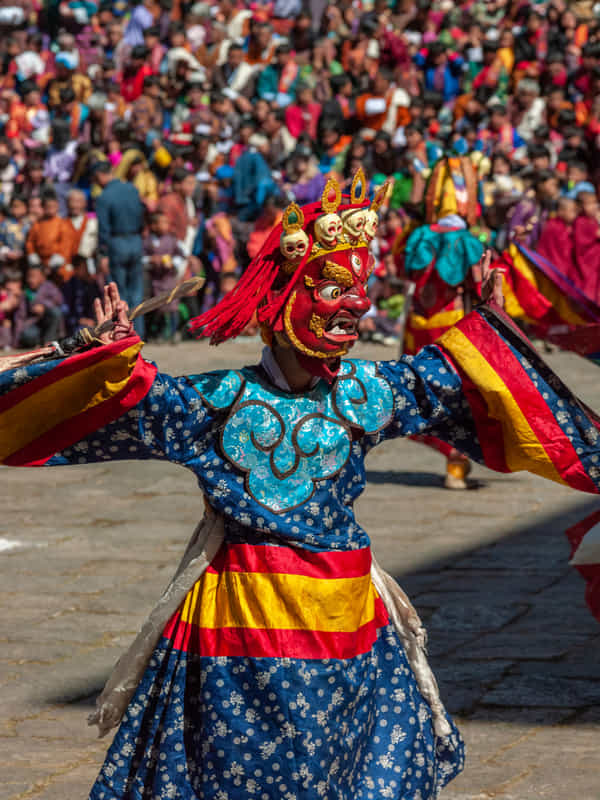
Cultural Bhutan Group Trip: Celebrate Grand Tsechu Festival
Unmissable Things to Do in Bhutan
1. Tiger's Nest Hike Difficulty: Know What You Are Getting Into

Let’s be honest. Tiger’s Nest looks magical in photographs, but getting there involves a proper uphill hike. The round trip usually takes around 4 to 6 hours, depending on your pace and how long you spend at the monastery.
The trail climbs through pine forests and gets steeper in sections. The altitude adds another layer to the effort, so take it slowly. You can also take a mule part of the way up to the cafeteria area, but you’ll still need to walk the final stretch.
Once you reach the monastery, the aching legs suddenly seem worth it. The cliffside setting is spectacular, and the atmosphere inside the temples is quiet and deeply spiritual. The monument entry fee is Nu. 1,000.
2. Visiting Punakha Dzong: One of the Best Things to Do in Bhutan

Punakha Dzong is the kind of building that makes you stop before you even walk inside. Sitting between the Pho Chhu and Mo Chhu rivers, the massive fortress has mountains rising behind it and perfectly maintained Bhutanese architecture all around.
Inside, you’ll find courtyards, temples, murals and intricate wooden details. The location is just as impressive as the building itself.
Pair the visit with a walk across the nearby suspension bridge. It sways enough to make you question your confidence for a few seconds, especially when the wind picks up.
3. Stop at Dochula Pass

Driving through the mountains is half the fun in Bhutan, and Dochula Pass is one of the best stops along the way. At around 3,100 metres, the viewpoint offers wide Himalayan views when the weather is clear.
The most recognisable sight here is the collection of 108 chortens built on the hillside. On a clear morning, the snow-covered peaks in the distance make the stop even better.
Clouds can roll in quickly, though. So if you get a clear view, take it. Bhutan’s mountains do not exactly follow your travel itinerary.
4. Explore Bhutan Attractions like Paro Valley and the National Museum

Paro is much more than a starting point for Tiger’s Nest. The valley has traditional houses, monasteries, riverside views and quiet roads where wandering without a fixed plan can be surprisingly enjoyable.
One worthwhile stop is the National Museum of Bhutan, housed inside the historic Ta Dzong above Rinpung Dzong. Its collection covers Buddhist art, royal history, traditional clothing, weapons, coins and other pieces of Bhutanese heritage. International visitors currently pay Nu 500, and the museum generally operates from 9 AM to 5 PM, with last admission at 4 PM.
If you want to understand the country beyond its famous monasteries, this is one of the Bhutan attractions worth making time for.
5. See Buddha Dordenma

The enormous Buddha Dordenma statue sits high above Thimphu and looks over the valley. It is one of those places where the scale becomes difficult to understand until you are standing there.
The statue is surrounded by smaller Buddha images and a large meditation hall. Even if you are not particularly interested in religious sites, the mountain setting makes this a peaceful stop.
Go earlier in the day if you want softer light and better views across Thimphu.
6. Visit the Weekend Market

The Centenary Farmers’ Market is a great place to see everyday Bhutan rather than the version built around sightseeing.
Stalls are packed with vegetables, fruits, grains, chillies, cheese and other local products. On weekends, the market gets lively, with locals shopping and chatting while vendors arrange their produce.
It is also a good place to observe the small details of daily life. No grand monument, no dramatic viewpoint, just people going about their Saturday routine.
7. Watch a Traditional Archery Match

Archery in Bhutan is a national sport, and watching a traditional match is a completely different experience from seeing it performed for tourists.
The targets are surprisingly far away. Players shoot, celebrate good shots, sing, dance and tease the opposing team. There is a lot more noise and excitement than you might expect from a sport involving people quietly standing with bows.
If there is a local match happening during your visit, try to catch it.
8. Walk Around Thimphu's Cultural Landmarks

Thimphu has plenty of smaller cultural stops that are easy to fit into a sightseeing day. The National Memorial Chorten, Tashichho Dzong and traditional handicraft shops are one of the best things to do in Thimphu, giving you a better sense of the capital’s character.
You do not need to race through every landmark. Spend some time walking around the streets, checking out cafés and watching the city move at its own pace.
For a more detailed city plan, check WanderOn’s Thimphu tour packages.
Culture You Can Time Bhutan Trip Around
9. Bhutan Festivals: Plan Around a Tshechu

A Bhutanese festival can completely change the feel of your trip. During Tshechu festival in Bhutan, monasteries and dzongs come alive with masked dances, music, colourful costumes and large gatherings.
The Cham dances are not simply performances. They are rooted in Buddhist traditions and tell stories through movement, costumes and symbolism.
Festival dates vary by location and year, so check the calendar before booking flights. If your dates line up, you get to see a much livelier side of the country. For more details, you can check WanderOn’s Bhutan group tour packages.
10. Try a Traditional Hot-Stone Bath

After a long day of walking, a hot-stone bath sounds less like a cultural activity and more like an excellent life decision.
The traditional bath uses heated river stones placed into a wooden tub of water. The minerals released from the stones are believed to have therapeutic benefits, while the warmth helps tired muscles relax.
It is especially nice after a hike or a long mountain drive. Just settle in and let Bhutan do the relaxing for you.
11. Have a Farmhouse Meal

One of the easiest ways to understand Bhutanese culture is through food. A traditional farmhouse meal lets you sit down to dishes prepared in a local home rather than eating only at hotels and restaurants.
Expect staples such as red rice, vegetables, ema datshi and other Bhutanese preparations. The food can be spicy, sometimes very spicy, so do not underestimate that innocent-looking chilli.
The experience is as much about the setting and hospitality as what ends up on your plate.
12. Experience Cham Dance and Buddhist Traditions

Even outside the major festivals, Bhutan offers plenty of chances to understand its Buddhist traditions. Monasteries, prayer wheels, murals and dzongs are part of everyday life rather than isolated tourist attractions.
Take your time at these places. Listen to your guide, observe local customs and dress respectfully.
Some experiences are better when you stop trying to photograph everything. Put the camera away for a few minutes and simply watch what is happening around you.
For the Active Traveller
13. Go on Day Hikes Beyond Tiger's Nest

Tiger’s Nest gets most of the attention, but Bhutan has plenty of shorter trails for travellers who want more time outdoors.
You can find walks around Paro, Thimphu, Punakha and the surrounding valleys. Some take you through forests and villages, while others lead towards monasteries and viewpoints.
The best part is that you do not always need to conquer a massive peak. A few hours on a quiet mountain trail can be enough to experience Bhutan away from the main roads.
14. Try River Rafting in Punakha

Punakha’s rivers make the valley a natural spot for adventure activities. River rafting on the Mo Chhu and Pho Chhu offers a different view of the surrounding landscape.
The water conditions and rafting routes depend on the season and operator, so check what is running during your visit.
It is a good option if your Bhutan trip feels a little too heavy on monasteries and sightseeing. A few rapids will definitely wake you up.
15. Cycle Through the Mountains

Cycling in Bhutan is not exactly a flat-road holiday. You will encounter climbs, descents and plenty of mountain roads.
That is also what makes it interesting. Cycling gives you a slower look at villages, forests and roadside landscapes that you might otherwise pass through inside a vehicle. It works best for travellers who are comfortable with climbs and changing weather.
Choose a route based on your fitness level rather than picking the hardest-looking one just for bragging rights.
16. Walk Through Phobjikha Valley

Phobjikha Valley feels noticeably quieter than the main tourist circuit. The wide valley is surrounded by mountains and is particularly known for the black-necked cranes that arrive during the colder months.
A walk through the valley is less about checking off attractions and more about enjoying the landscape.
Visit Gangtey Monastery, explore the valley and keep some time free to simply sit and look across the open fields. This is Bhutan at its slowest.
Planning: Fees, Money and Permits
1. Check Monument Entry Fees
Not every monastery or attraction has the same entry charge. Some sites are free, while others have fees that can go up to around Nu. 1,000, depending on the monument.
Tiger’s Nest, for example, currently has a Nu. 1,000 entry fee. Other major sites can fall into lower fee bands.
If you are travelling through a package, check whether monument tickets are included or need to be paid separately. This small detail can prevent an annoying surprise later.
2. Carry the Right Currency
Bhutan uses the Ngultrum, which is pegged at the same value as the Indian Rupee. Indian currency is widely accepted, especially in tourist areas, but carrying smaller notes is still a smart move.
Cards and digital payments are available in many places, but connectivity and acceptance can vary outside the main towns. Keep some cash with you for smaller shops, local food stops and remote areas.
3. Arrange Your Entry Permit
Indian travellers do not need a tourist visa for Bhutan, but they do need an entry permit. A valid Indian passport or Voter ID can be used for entry, subject to Bhutan’s current immigration requirements.
The SDF for Indian visitors is currently Nu 1,200 per person per night. Children between 6 and under 12 years pay a reduced SDF, while children under 6 are exempt.
Keep your documents ready before travelling because nobody wants their Himalayan holiday to begin with a paperwork scramble.
4. Choose Your Route Carefully
Bhutan looks compact on a map, but mountain roads take time. A route that seems short on Google Maps can turn into several hours once winding roads, viewpoints and road conditions enter the picture.
For a first visit, Paro, Thimphu and Punakha make a strong base. Add Phobjikha if you have more time and want quieter landscapes.
WanderOn currently offers Bhutan trips ranging from shorter holidays to longer road trips covering Paro, Thimphu, Punakha and Phobjikha, so you can choose based on how much time you actually have.
Frequently Asked Questions
What is Bhutan famous for?
Bhutan is famous for its Himalayan landscapes, Buddhist monasteries, traditional architecture, colourful festivals and unique Gross National Happiness philosophy. Tiger’s Nest, Punakha Dzong, Dochula Pass and Thimphu are among its most popular highlights for first-time visitors.
How hard is the Tiger's Nest hike?
The Tiger’s Nest hike is moderately challenging and usually takes around 4 to 6 hours round trip. The trail climbs steadily, and the altitude can make it tiring. Take regular breaks, carry water and walk at a comfortable pace.
How many days are enough for Bhutan?
Five to seven days are enough for a first Bhutan trip covering Paro, Thimphu and Punakha. This gives you time for major monasteries, mountain viewpoints, local experiences and the Tiger’s Nest hike without packing every day with back-to-back sightseeing.
What festivals can tourists attend?
Tourists can attend traditional Tshechu festivals held at monasteries and dzongs across Bhutan. These festivals feature masked dances, music, colourful costumes and Buddhist rituals. Popular celebrations include Paro Tshechu, Thimphu Tshechu and Punakha Tshechu, with dates changing every year.
What does Bhutan cost per day with the SDF?
For Indian travellers, the current Sustainable Development Fee is Nu 1,200 per person per night. This is separate from accommodation, food, transport and monument tickets. Other travel expenses depend on your hotel, route, activities and overall travel style.
Is Bhutan good for families?
Yes, Bhutan works well for families looking for a peaceful holiday with nature, culture and manageable sightseeing. Families can explore monasteries, markets, valleys and viewpoints at a relaxed pace. Just plan shorter travel days if travelling with young children or older family members.


