


The valleys of Ladakh come alive in spring, blanketed with delicate pink and white apricot blossoms. The landscape looks as if the mountains themselves are blushing in celebration of the Apricot Blossom Festival Ladakh. It is a vibrant celebration of Ladakhi culture, featuring folk dances, local music and handicraft markets.
From wandering through blooming orchards to witnessing traditional farming, Apricot Blossom Ladakh is the perfect way to witness the blend of nature and heritage. Witness Cham Dances, get your hands on traditional handicrafts and taste some authentic delicacies during the Apricot Blossom Ladakh season, all on your Leh Ladakh tour package.
If you are an adventure seeker who wants to explore the region on two wheels, while experiencing the magic of the Apricot Festival Ladakh 2026, then these Leh Ladakh bike trip packages are perfect for you. This guide will take you through all you need to know about Apricot Blossom Festival Ladakh.
Best Selling Ladakh Tour Packages

8 Days Apricot Blossom Special Trip to Ladakh

7 Days Thrilling Ladakh Tour with Umling La - Classic Value Circuit

7 Days Leh Ladakh Tour Package With Turtuk Village
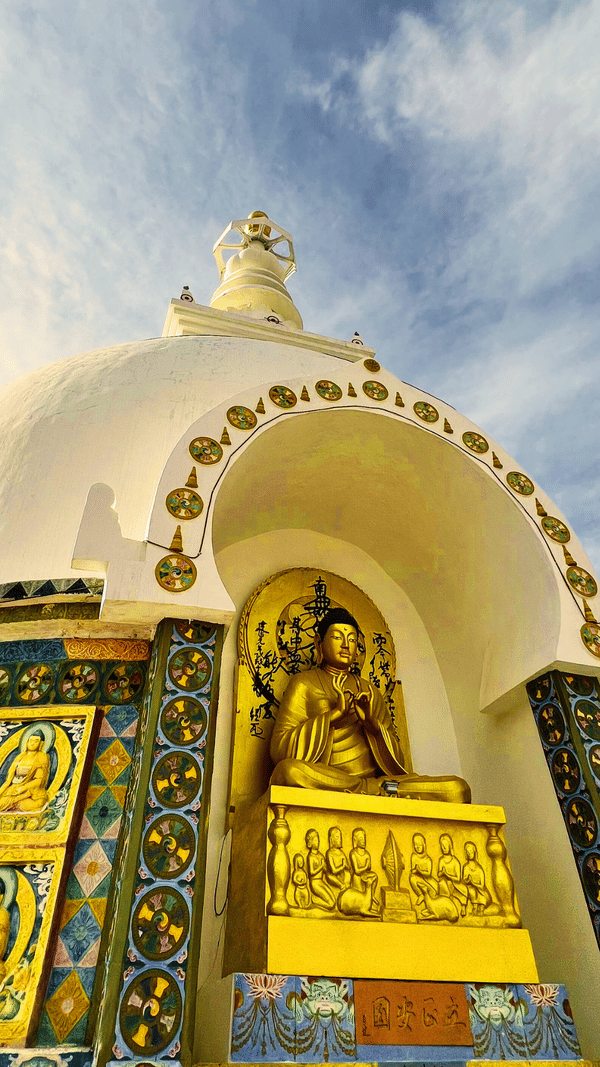
8 Days Thrilling Leh Ladakh Tour Package with Umling La
Apricot Blossom Festival Ladakh - What To Expect

- Dates 2026: Official dates to be announced yet; usually takes place in mid-April
- Location: Villages across Ladakh; Lower Indus Valley, Kargil District, Sankoo Valley
- Highlights: Walking through apricot orchards, traditional Ladakhi cultural performances, archery demonstrations, local handicraft and artisan markets, apricot-based foods
- Festival Season: Spring, early to mid-April
- Famous For: Blooming apricot orchards, vibrant village celebrations, cultural heritage
- Ideal Trip Duration: 3 - 5 days
What Is the Apricot Blossom Festival In Ladakh?

“Chuli Mendok,” the local name for apricot bloom, is a spring cultural celebration in Ladakh. It marks the blooming of apricot trees across villages such as Dha, Darchiks, Skurbuchan and Turtuk in the Himalayan region.
The festival is organized by the Ladakh Tourism Department every year, along with local communities. The Apricot Festival Ladakh is a way to celebrate Ladakh’s culture and the arrival of spring. As these orchards begin to bloom, you will see colourful traditional performances, folk music and handicraft displays.
In addition, you can engage in fun activities such as archery, which is a common sport. Other than that, the festival is a beautiful representation of the culture and nature coming together.
The festival was introduced to:
- Promote tourism during the spring season
- Showcase Ladakhi culture and traditions
- Support local farmers and apricot growers
- Encourage travelers to explore villages beyond Leh
Apricot Festival Ladakh Dates 2026

The Apricot Festival Ladakh dates, every year, vary depending on the weather conditions, bloom time and snowfall. The official dates are announced by the Ladakh tourism department closer to the festival; however, it remains fairly consistent throughout the years.
In general, the Apricot Festival Ladakh dates 2026 are expected to follow this timeline:
- Late March to mid-April: During this period, you can witness apricot trees begin blooming in lower-altitude villages.
- First two weeks of April: This is typically the peak blossom period, when many orchards across Ladakh are covered in pink and white flowers. This time is also ideal for photography enthusiasts and nature lovers because of the contrast these flowers offer against the snow.
- Late April to early May: By the time late April arrives, the apricot bloom slowly starts moving towards the higher villages. So even if the flowers begin fading in some lower areas, you’ll still find them in full bloom elsewhere. Many small villages continue celebrating during this time, which means travelers can still catch parts of the festival if they explore beyond the main towns.
Why are Apricot Blossoms Important in Ladakh?

1. Cultural and Social Significance: Apricot blossoms mean much more than just something beautiful to look at for the people of Ladakh. After months of long and freezing winters, the sight of these trees in bloom is often the first clear sign that spring has finally arrived.
2. Economic Impact: The apricot season significantly influences Ladakh's local economy. For numerous families, apricot trees provide a crucial source of income. The fruit is transformed into various products, including dried apricots, oils, jams, and sweets, all of which are sold in the local markets.
3. Symbol of Hope and Renewal: After months of harsh winter, the blooming of apricot trees feels like a fresh beginning for many villages in Ladakh. As the first flowers appear, the valley slowly comes back to life.
4. Ecological Health: Apricot blossoms also tell an important story about the health of Ladakh’s environment. When the trees bloom well, it usually means the winter snow, soil conditions, and seasonal changes have all worked in balance.
5. Unique Culinary Heritage: Apricots hold a special place in Ladakh's culinary history. The people of Ladakh incorporate this fruit into their lives in a variety of ways. They make sun-dried apricots, craft jams, and use the fruit to produce oils and sweets, especially during celebrations.
How To Reach Apricot Blossom Ladakh

If you are wondering about how to reach Ladakh in April, here are the best travel options to start your unforgettable journey to the land of apricot blossoms.
By Air: If you’re planning to visit Ladakh in April, flying to Leh’s Kushok Bakula Rimpochee Airport is usually the simplest option. At this time of year many of the mountain roads are still clearing after winter, so most travelers prefer to reach Leh by air.
By Road: Another way to reach Ladakh is by road via two routes that connect the region with other parts; Manali-Leh Highway and Srinagar-Leh Highway. The Manali-Leh Highway is generally closed during the month of April and opens mid-May. The other, Srinagar-Leh Highway, is generally open. However, that route is completely dependent on the weather conditions and snowfall, which can cause temporary closures.
- Manali-Leh Route: Atal Tunnel → Sissu → Keylong → Jispa → Baralachala Pass → Sarchu → Gala Loops → More Plains → Upshi → Karu → Leh
- Srinagar-Leh Route: Srinagar → Sonamarg → Zojila Pass → Drass → Kargil → Lamayuru → Leh
How To Reach Apricot Blossom Festival Villages From Leh?
1. Aryan Valley (Dha and Hanu)
Distance: 180-200 km
Route 1: Leh → Khalsi → Indus River road → Dha & Hanu
Route 2: Leh → Kargil → Batalik → Dha & Hanu
2. Turtuk Village
Distance: 200-210 km
Route: Leh → Khardung La → Nubra Valley → Diskit → Hunder → Turtuk
3. Alchi
Distance: 60-70 km
Route: Leh → Pathar Sahib → Magnetic Hill → Sangam → Saspol turnoff → Alchi Village
4. Likir
Distance: 50-60 km
Route: Leh → Magnetic Hill → Sangam → Nimmoo → Likir
5. Skurbuchan
Distance: 200-300 km
Route: Leh → Khalsi → Skurbuchan Village
Best Places To See Apricot Blossom Ladakh
1. Aryan Valley

Aryan Valley is one of the most beautiful places to experience the Apricot Festival Ladakh 2026. Villages like Dha and Hanu are among the most beautiful places to see apricot blossoms in Ladakh. During the blooming season, apricot trees spread across the valley and suddenly the landscape fills with soft shades of white and pink. It’s quite a contrast to the rugged mountains around the area. From late March to about mid-April, the valley looks completely different.
Another highlight of this valley is the indigenous Brokpa community, famous for preserving the most distinctive culture of Ladakh. During the Apricot Blossom Festival in Aryan Valley, you can enjoy cultural programs, traditional music and folk dances. Other than that, you can get your hands on apricot-based products such as dried apricots, oils and local foods.
What Makes Aryan Valley Special?
- Least crowded blossom viewing spots in Ladakh.
- Home to the Brokpa Community, known for their culture and attire.
- Trees blooming across traditional stone houses and terraced fields.
- Breathtaking landscapes with Indus Rivers and rugged mountains.
Best Photography Spots
- Orchard pathways in Dha village
- Blossom-covered terraces overlooking the Indus River
- Traditional houses surrounded by apricot trees
- Sunrise views when the blossoms glow in soft mountain light
2. Turtuk

Turtuk is one of the most scenic and breathtaking places to visit in Ladakh, which becomes even more spectacular during the apricot blossom Ladakh season. Every year, between the months of March and May, this enchanting place turns into a canvas painted in pink and white.
Turtuk Village in Ladakh is especially famous for its high-quality apricots, locally known as “Chuli.” As a part of Apricot Festival Ladakh, the village hosts events that let you experience the culture and traditions of the Balti community.
You can witness folk music, dance performances and local handicrafts. During the Apricot Festival, you can also buy products such as jams and oils.
What Makes Turtuk Village Special?
- One of the northernmost villages in India open to tourists
- Known for its Balti heritage, architecture, and cuisine
- Hundreds of apricot trees spread across the village and terraces
- Scenic views of the Shyok River and Karakoram mountains
Best Photography Spots
- Apricot orchards along the village trails and wooden bridges
- Blossom-covered terraces overlooking the Shyok River
- Traditional Balti houses surrounded by flowering trees
- Panoramic viewpoints with the Karakoram mountains in the background
3. Skurbuchan

One of the most amazing hidden gems of Ladakh, Skurbuchan is known for its tranquil apricot orchards and jaw-dropping landscapes. It is one of the most ideal places to experience the Apricot Festival Ladakh, which turns even more ethereal during the months of March and April.
The village is famous for its organically grown apricots, which are sweet and nutritious. During the blooming season, you can walk through these orchards, enjoy pink and white landscapes and experience the traditional Ladakhi culture.
What Makes Skurbuchan Special?
- One of the largest apricot-producing villages in Ladakh
- Dense apricot orchards surrounding traditional Ladakhi homes
- Scenic setting with green fields, streams, and mountain backdrops
- A peaceful alternative to more popular tourist spots
Best Photography Spots
- Apricot orchards across the terraced fields of the village
- Pathways leading through clusters of blossom-covered trees
- Scenic views with blossoms and Himalayan mountains in the background
- Sunrise and sunset shots across the orchards
4. Alchi

Alchi is one of those villages in Ladakh that feels calm the moment you arrive. Most people know it because of the centuries-old Alchi Monastery, which dates back to the 11th century and is famous for its ancient murals and architecture. But if you visit during the apricot blossom season, the village has a completely different charm. Around March and April, apricot trees begin to bloom across the area.
During the blossom season, the local Ladakhi communities also join in the celebrations. Villages become a little more lively than usual, with small cultural events, traditional music, and folk dances taking place as part of the festival.
What Makes Alchi Special?
- Famous for the Alchi Monastery (11th century) with intricate murals
- Apricot orchards blend beautifully with traditional Ladakhi houses
- Picturesque location along the Indus River
- Less crowded than Leh and Nubra, offering a peaceful blossom experience
Best Photography Spots
- Apricot trees framing the Alchi Monastery
- Orchard pathways leading to the village riverbanks
- Blossom-covered terraces with Himalayan mountains in the background
- Sunrise and sunset shots for soft, warm light
5. Likir

Likir is a fantastic destination in Ladakh to experience the Apricot Blossom Festival during March and April. Likir is renowned for its iconic Likir Monastery and surrounding apricot orchards. During the blooming season, the valley turns into a palette of pink and white, offering spectacular views.
When the apricot trees begin to bloom, the local community marks the season with small celebrations across the villages. You’ll often hear folk music playing, see traditional dances being performed and notice little fairs set up where people gather to enjoy the moment.
What Makes Likir Special?
- Home to the 11th-century Likir Monastery, one of the oldest in Ladakh
- Apricot trees scattered around traditional Ladakhi homes and monastery terraces
- Stunning views of the Indus River and surrounding mountains
- Less touristy compared to villages like Alchi or Turtuk, offering a peaceful blossom experience
Best Photography Spots
- Apricot orchards framing Likir Monastery
- Village terraces with blossoms and Himalayan mountains in the background
- Pathways through apricot trees and traditional homes
- Sunrise and sunset shots over the Indus Valley
6. Sham Valley

One of the most culturally rich places in Ladakh, Sham Valley turns into a pink wonderland every spring. It is one of the best destinations to experience the Ladakh Apricot Blossom Festival since it is home to some of the oldest and densest orchards in the entire region.
Often known as the “Apricot Valley of Ladakh,” the entire stretch along the lower belt of the Indus River blooms earlier than other regions. The Apricot Festival Ladakh is celebrated across traditional Ladakhi villages such as Alchi, Likir, Basgo and Temisgam. These are the places where terraced orchards create dramatic contrasts against rugged brown mountains.
Why Is Sham Valley Special?
- Known as the “Apricot Valley of Ladakh.”
- Delicate blossoms against barren mountains.
- One of the first regions in Ladakh where apricot trees flower.
- Less crowded than peak summer Ladakh.
- Dense apricot orchards along the Indus Valley.
Best Photography Spot
- Apricot orchards framing Likir Monastery
- Blossom-filled village terraces in Hemis Shukpachan
- Ancient architecture of Alchi Monastery
- Apricot blossoms with dramatic ruins of Basgo Palace
- Farm paths in Tingmosgang
7. Lower Indus Valley

One of the most rewarding regions to experience the Apricot Blossom Ladakh is the Lower Indus Valley. The region is home to villages such as Alchi, Saspol, Domkhar, Skurbuchan and Achinathang, where apricot trees carpet the valley floor. From mid-March to April, these villages turn pink and white against the backdrop of rugged mountains and blue skies.
The festivities begin with local cultural performances, folk music and traditional dances. During the Apricot Blossom Festival Ladakh you can also purchase goods made from apricots such as jams and oils.
Why Lower Indus Valley Is Special?
- Core Region of the Apricot Blossom Festival
- One of Ladakh’s Earliest Blossom Zones
- Historic Villages with Dense Apricot Orchards
- Blossom against dramatic Himalayan landscapes
Best Photography Spots
- Apricot orchards near Alchi Monastery
- Apricot blossoms with the ruins of Basgo Palace
- Traditional village scenes in Tingmosgang
- Orchards surrounding Alchi Choskor
- Apricot trees along the banks of the Indus River
8. Kargil District

Kargil District, home to vast apricot orchards, is one of the most spectacular destinations, which turns pink and white every spring. Villages such as Sankoo Valley, Hardass, Garkone and Darchik are known to have some of the densest apricot plantations.
The festival is also a reminder of how important apricots are for the people of Kargil. These trees have been growing here for generations, and for many families the fruit is still a big part of their livelihood. From drying apricots to making oil and local treats, the harvest supports everyday life in the region.
Why Is Kargil District Special?
- One of the Largest Apricot-Growing regions
- The district blends Balti and Purig heritage villages
- Blossoms framed by snow-capped peaks
- Blossom landscapes often include centuries-old settlements
- Clusters of apricot orchards covering entire village slopes
Best Photography Spots
- Apricot orchards with Nun-Kun peaks near Sankoo
- Traditional village orchards in Trespone
- Blossom-covered fields in Hardass
- Historic scenery near Shargole
- Orchards along the Suru Valley near Panikhar
Top Things To Do During Apricot Blossom Festival Ladakh
1. Walk Through Apricot Blossom Orchards

One of the best things to do during the Apricot Blossom Festival is to take serene walks through apricot orchards. This is the time when the villages, such as Alchi and Sham Valley in Ladakh, turn pink and white against the rugged brown mountains.
These orchards are usually located beside mud-brick homes, terraced farms, and irrigation channels fed by glacial streams, offering a rare glimpse into rural life in Ladakh.
2. Watch Traditional Ladakhi Cultural Performances
Traditional Ladakhi cultural performance is the heart of Apricot Blossom Festival, which offers a deeper understanding of the region’s culture. Villages across Ladakh host cultural programs such as folk dances, music and ceremonial traditions.
You can watch traditional dances performed in colorful Ladakhi attire along with rhythmic drumbeats, long horns and folk songs.
3. Explore Apricot-Based Food and Products

Another unique activity you can indulge in is exploring apricot-based food and local products. It is one of the most authentic and unique ways to learn about the importance of this festival. The villages of Ladakh are known to produce some of the highest-quality apricots.
During the festival, you’ll notice small stalls set up in different villages selling all kinds of apricot-based products. It’s actually one of the most fun parts of the event. Locals bring out sun-dried apricots, freshly made apricot juice, jams, chutneys, and even a few traditional sweets made from the fruit.
4. Visit Local Handicraft and Artisan Markets
Another amazing thing you can do during the Apricot Blossom Festival Ladakh is to stroll through local handicrafts and artisan markets. These markets offer a glimpse into the culture of Ladakh, which showcase traditional products.
You can find a wide range of products such as pashmina shawls, woolen carpets, apricot wood carvings and jewellery. In addition, you can also explore items crafted from apricot wood and apricot kernels.
5. Attend Traditional Archery Demonstrations

One thing you might come across during the Apricot Blossom Festival is traditional archery, and it’s actually quite fascinating to watch. Archery has been part of village life in Ladakh for a long time, especially in places like the Lower Indus Valley, Kargil, and the Sankoo region. Even today, it still shows up during local celebrations and community events.
During the festival, local communities organize competitions in open fields or village grounds surrounded by blooming apricot orchards. Participants use handcrafted bows and wooden arrows, demonstrating remarkable skill, focus and agility.
Also Read: Top 11 Things to Do on Leh Ladakh Bike Trip for an Epic Ride
Weather And Road Conditions In Ladakh In April

- Manali-Leh Highway: The Manali-Leh Highway is completely inaccessible during April due to heavy snowfall and accumulation at passes such as Rohtang Pass, Baralacha La and Tanglang La. The highway generally opens in mid-May, but again, it depends on the weather conditions.
- Srinagar-Leh Highway: The Srinagar–Leh Highway usually begins to reopen sometime between mid-March and early April, depending on how much snow the region has received during winter. Weather conditions can still be unpredictable around this time since the route passes through Zoji La Pass. Occasional snowfall or strong winds can lead to temporary road closures.
- Roads within Ladakh: Internal roads within Ladakh are usually open and accessible, depending on the weather conditions.
Travel Reality In Ladakh In April
- Expect unexpected snowfall and extreme weather, leading to temporary road closures.
- It is advisable to check weather updates regularly and not continue your journey if the weather conditions are extreme.
- Keep 2-3 days of buffer in hand, in case of unforeseen weather circumstances.
Best Time To See Apricot Blossoms In Ladakh

The best time to see the Apricot Festival Ladakh is during the peak blooming periods of apricot trees. This generally falls in early to mid April when these villages turn pink and white, creating a magical landscape.
The valleys are carpeted with pink and white flowers during Apricot Blossom Ladakh season, offering the most spectacular views for photographers and nature enthusiasts. This is the time when you can experience a true spring landscape in the high Himalayas.
The bloom usually lasts about one to two weeks, so visiting within the festival period ensures you see the trees at their peak flowering. It is combined with cultural events, local food and performances.
Enjoy Reading: The Best Time to Visit Ladakh: Find Out Your Perfect Season
Itinerary For Apricot Blossom Festival In Ladakh

Day 1: Arrival in Leh. Leisure Day for Acclimatization.
Day 2: Leh To Kargil Via Namika La & Fotu La. Explore Sham Valley.
Day 3: Local Sightseeing in Kargil. Visit Aryan Valley and Hunderman Village.
Day 4: Kargil to Leh. Participate in Apricot Festival and visit monasteries.
Day 5: Leh To Nubra Valley via Khardung-La - one of the World’s highest motorable pass
Day 6: Transfer from Nubra to Pangong | Explore colour-changing Lake
Day 7: Pangong to Leh via Chang La. Spend the evening at Leh market.
Day 8: Departure. Take back a lot of happy memories from Ladakh.
Packing List For Apricot Festival Ladakh

Warm Layered Clothing:
- Thermal innerwear (top and bottom)
- Fleece jacket or sweater
- Warm down jacket for mornings and evenings
- Long-sleeve shirts or base layers
- Comfortable trekking pants or jeans
- A lightweight windproof jacket
Comfortable Walking Shoes
- Waterproof trekking shoes or hiking boots
- Comfortable sneakers for village walks
- Extra pairs of warm socks
Cold Weather Accessories
- Woolen cap or beanie
- Gloves
- Scarf or neck gaiter
- Sunglasses (to protect from strong mountain sunlight)
Skincare and Sun Protection
- High SPF sunscreen (SPF 50 recommended)
- Lip balm with SPF
- Moisturizer or hydrating lotion
- Sunglasses with UV protection
Personal Health Essentials
- Personal medications
- Basic first-aid kit
- Pain relievers
- Motion sickness tablets
- Hand sanitizer and wet wipes
Photography Gear
- DSLR or mirrorless camera
- Extra camera batteries (cold weather drains them quickly)
- Tripod for sunrise or sunset photography
- Portable power bank for phones and devices
Travel Documents and Essentials
- Government ID or passport
- Flight tickets and hotel confirmations
- Printed copies of permits if required for certain areas
- Small daypack for daily excursions
Travel Tips For Apricot Blossom Ladakh Season

1. Acclimatize Properly In Leh: Leh and most of the best places to see the Apricot Blossom Festival in Ladakh sit at an elevation of more than 3,500 meters above sea level. You need to acclimatize and adjust to your surroundings for at least 24-28 hours.
2. Plan Your Trip Around The Blooming Timing: Apricot blossoms do not appear everywhere at the same time. Blooming usually begins in lower-altitude villages and gradually moves to higher areas.
3. Start Early For Village Visits: Blossoms do not peak everywhere at the same time. To maximize the chances, you should start early at lower altitude regions and then move high up.
4. Include Villages Known For Apricot Orchards: If you’re visiting Ladakh during the apricot blossom season, it’s worth planning your route around a few villages that are known for their orchards. Places like Turtuk, Hunder, and Alchi are among the best spots to see the trees in bloom.
5. Dress For Cold Spring Weather: Although it is spring, Ladakh in April remains cold, especially at night. Pack thermal layers, a warm jacket, gloves and woolen caps for comfort during early mornings and evenings.
6. Carry Enough Cash: Some regions in Ladakh have weak or no mobile networks and limited ATMs. So, it is advisable to carry enough cash to buy things during the apricot blossom festival.
Also Read: Tips For Travelling In Ladakh: Complete Guide For First-Time Visitors
Experience the Magic of Ladakh’s Apricot Blossom Festival
If you want to see the side of Ladakh that only unveils once a year, where every corner turns pink and white, then the Apricot Blossom Festival Ladakh is the answer. The festival is a celebration of spring, Ladakhi culture, art and community.
From breathtaking views of blooming apricot orchards to amazing local cultural performances, the Apricot Blossom Ladakh season offers an unmatched experience.
If you’re ready to immerse yourself in this magical celebration and capture memories amidst Ladakh’s blooming apricot orchards, plan your trip with WanderOn today and explore the festival like a true insider.
Frequently Asked Questions
Where to see apricot blossoms in Ladakh?
You can witness stunning apricot blossom Ladakh scenes in villages like Nubra Valley (including Turtuk and Hunder), Dah-Hanu in Aryan Valley, Basgo, Nimmu and around Leh (Spituk, Phyang, Choglamsar). These orchards turn valleys pink and white as flowers bloom along Himalayan backdrops.
What month do apricot trees bloom?
Apricot trees in Ladakh typically bloom between late March and mid‑April, with lower valleys flowering first and areas around Leh peaking in early April. This is the best time to see apricot blossoms in Ladakh before petals fall and leaves appear.
What happens during the Apricot Blossom festival?
The apricot blossom festival Ladakh (locally Chuli Mendok) celebrates spring’s arrival with apricot orchard sightings, traditional music, folk dances, local apricot‑based cuisine and handicraft stalls.
What is the famous flower in Ladakh?
Ladakh’s state flower is the Himalayan Blue Poppy, locally called Tser‑sNun, known for its striking blue petals and alpine rarity. Ladakh also hosts other wildflowers like edelweiss and primulas in summer meadows.
What is the pink flower in Ladakh?
The most visible pink flower in Ladakh during spring is the apricot blossom, which carpets orchards in pink and white before fruiting. These blooms herald warmer weather and attract apricot festival Ladakh visitors who come to villages across Leh and Kargil districts each year.


