


Mention Ladakh, and most people picture vast, barren landscapes, high-altitude deserts, and maybe a motorbike kicking up dust on a mountain pass. It’s an image of beautiful, stark austerity. And it’s true, for most of the year. But for a few fleeting weeks in spring, something entirely different happens. The valleys blush pink.
This isn't just a few trees here and there. Entire villages, nestled along the Indus and Nubra rivers, erupt in a delicate explosion of white and pink apricot blossoms. Locally called ‘Chuli Mendok’, it’s a cultural celebration marking the end of a harsh winter and the promise of a fruitful harvest, making this season a prime focus for many Leh Ladakh tour packages.
Planning a trip for this spectacle requires precision. The window is short, typically from early to late April, and varies with altitude. That’s why we’ve put together this 2026 guide. We’ve seen people miss the peak bloom by a week and find only green leaves.
We’ve also seen them arrive at the perfect moment and be utterly transformed by the experience, which you can also explore on your Leh Ladakh bike trip packages. Here are the 10 best places to see apricot blossom in Ladakh, based on our years of scouting these valleys.
Best Selling Ladakh Tour Packages

8 Days Apricot Blossom Special Trip to Ladakh
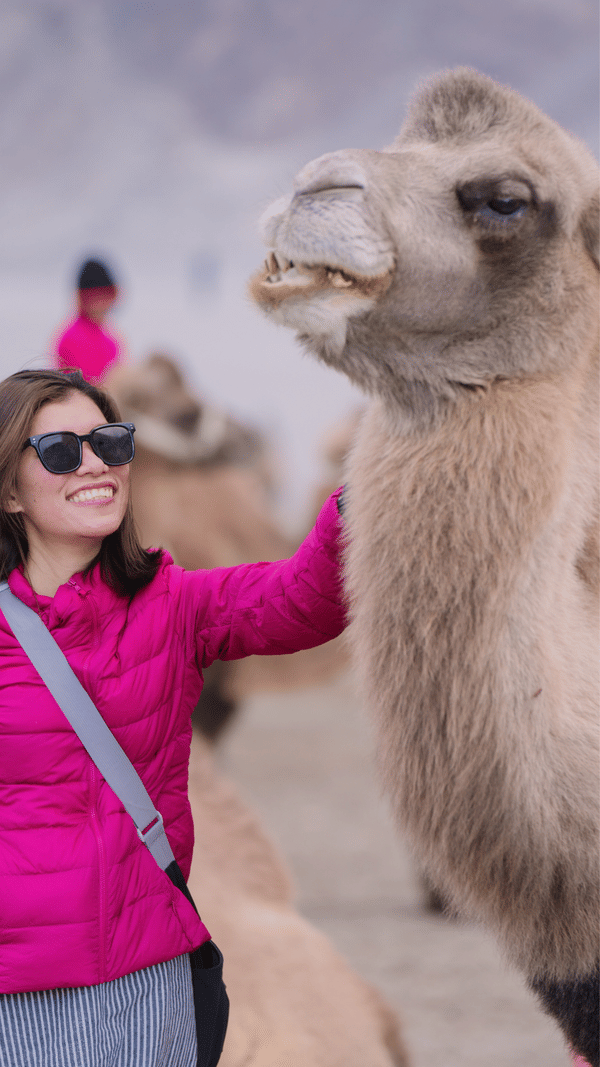
6 Days Leh Trip with Nubra and Pangong | Super Saver

11 Days Manali Leh Manali Tour Package with Umling La
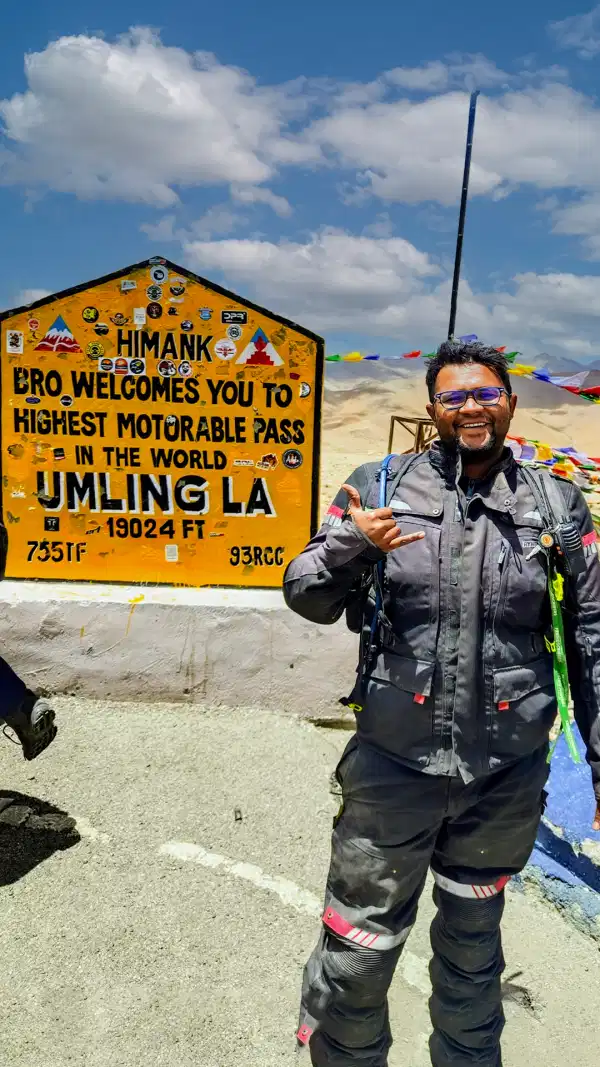
Best Ladakh Bike Trip from Srinagar to Manali | Umling La | Tso Moriri

9 Days Leh to Manali Exploration with Turtuk and Pangong
Key 2026 Festival Locations & Dates:

April 8: Garkone (Kargil)
April 9: Dha Bema (Leh)
April 10: Darchiks (Kargil)
April 11: Skurbuchan (Leh)
April 12: Karkitchoo (Kargil)
April 13: Turtuk (Leh)
April 14: Tyakshi (Leh)
April 15: Minjee (Kargil)
April 16: Tyger (Leh)
How To Choose Ladakh's Top 10 Blossom Havens

Planning a blossom trip in Ladakh isn’t just about chasing pretty trees, it’s about finding places where the whole experience comes together. The kind of villages you remember aren’t just scenic, they feel alive in that moment. That’s exactly what we kept in mind while putting this together.
- Visual Impact: First, the visual impact has to hit you instantly. Some places just have a few scattered trees, while places to visit in Ladakh feel completely washed in pink and white, with orchards stretching across the landscape and monasteries quietly sitting in the middle of it all. That scale makes a huge difference, especially in Ladakh where the contrast against barren mountains is what makes the bloom so striking.
- Accessibility and Journey: Then there’s the journey itself. Some of these spots are easy to reach and work well as a relaxed day trip, while others take a bit more effort. But in Ladakh, the road is never just a way to get somewhere, it’s part of the experience. The more remote villages often end up being the ones you remember the most.
- Cultural Connection: The cultural side matters just as much. Apricots, locally called ‘chuli’, aren’t just seasonal flowers here, they’re tied into everyday life. The best places aren’t just where you look at blossoms, but where you actually see how they’re part of the local rhythm, whether that’s through food, farming, or just conversations with people who’ve grown up around these orchards.
- Visitor Experience: And of course, the practical side can’t be ignored. Some villages offer cozy homestays right inside the orchards, while others are better suited for a quick visit and move on. Having basic amenities sorted means you’re not worrying about logistics when you should be soaking it all in.
- Timing: Timing, though, is what makes or breaks this trip. The bloom usually starts in late April in lower regions like Sham Valley and gradually moves upward towards higher altitude villages by mid-May. If you want to catch it at its best, you need to plan around that shift.
And if you’re looking for something more immersive, try aligning your trip with the Ladakh Apricot Blossom Festival, expected to run from April 8th to April 16th in 2026. It’s one of the few times when the blossoms, local culture, and community celebrations all come together in one place.
Top Places To See Apricot Blossom In Ladakh
1. Turtuk: The Last Village's Pink Paradise

Turtuk is special. Until 2010, this village was off-limits to tourists. Located in Nubra Valley, it was part of Pakistan until 1971, and its Balti culture is distinct from the rest of Ladakh. This isn't just a place to see flowers; it's a place to feel a different rhythm of life. The village is surprisingly lush, a pocket of green and pink against the stark mountains, thanks to the Shyok River.
The apricot blossoms here feel more intimate. They line the narrow stone pathways between traditional homes and frame views of the K2 peak on a clear day. The best experience is to simply walk through the village, from the lower areas to the monastery perched above.
You'll find yourself completely surrounded by blossoms, with the sound of glacial meltwater as your soundtrack. For anyone considering a Turtuk tour package, timing it for the bloom is a must.
2. Domkhar: Where History Meets Horticulture

If you want to see the grand old trees of Ladakh, Domkhar is your destination. This village in the Sham Valley is home to the Domkhar Rock Art Sanctuary and, more importantly for our purposes, some of the oldest and most magnificent apricot trees in the region. The experience here is less about vast landscapes and more about the quiet dignity of these ancient orchards.
Domkhar also hosts an Apricot Blossom Festival and has a small museum dedicated to the fruit, offering a deeper understanding of its importance to Ladakhi life.
It’s a quieter, more contemplative spot than Turtuk or the main tourist hubs. This is the place to sit under a blooming tree, talk to a local farmer, and understand the lifecycle of the ‘Chuli’. The density of blossoms is incredible, creating canopies of pink that you can walk beneath. It feels less like a viewpoint and more like an immersion.
3. Kargil: The Gateway's Grand Floral Welcome

Many travelers see Kargil as just a stopover on the way to Leh or Zanskar. That’s a mistake, especially in April. The areas around Kargil, particularly along the Suru River, are home to some of the most extensive apricot orchards in Ladakh. As one of the first major towns to greet you on the Srinagar-Leh highway, its floral welcome is spectacular.
The scale here is impressive. You’ll see entire hillsides painted in shades of pink. Villages like Hardass and Karkichu are particularly beautiful. Because Kargil is at a lower altitude, the bloom often starts here earlier than in Leh or Nubra. It’s a fantastic start to any Leh Ladakh road trip in the spring. Plus, the local markets are a great place to find apricot jams, oils, and dried fruits.
4. Sham Valley (Basgo, Likir, Alchi): The Cultural Blossom Trail

Often called the ‘Apricot Valley’, the Sham Valley is perhaps the most classic destination for blossom viewing. It’s easily accessible from Leh and offers the quintessential Ladakhi combination of ancient monasteries and vibrant spring life. A drive through this valley is like a highlight reel of the best places to see apricot blossom in Ladakh.
You can create a perfect circuit. Start with the dramatic ruins of Basgo Fort, where blossoms grow right up against the historic mud-brick structures. Move on to Likir Monastery, with its giant outdoor Buddha statue overlooking a valley dotted with pink.
Finally descend to Alchi, a village on the banks of the Indus famous for its 11th-century murals and beautiful orchards. The contrast of the delicate flowers against the ancient, sacred art is something you won’t forget.
5. Leh City & Surrounds: Urban Blooms with Mountain Views

Don't have time for a multi-day excursion? You don't have to. You can find beautiful apricot blossom spots right in and around Leh. This is the perfect option for those on a shorter trip or anyone who wants to combine blossom viewing with exploring the capital.
Walk around the base of Leh Palace or Tsemo Fort, and you’ll find clusters of blooming trees. For a more immersive experience take a short drive to the villages in the Leh valley, like Stok, Saboo or Choglamsar. Here, orchards are set against the magnificent backdrop of the Stok Kangri mountain range. The landscape of pink flowers framing snow-capped peaks is breathtaking. It's an ideal setup for a family trip to Ladakh offering easy access and stunning views.
6. Aryan Valley (Dah, Hanu, Darchik): A Glimpse into Ancient Traditions

This is a trip for the culturally curious. The Aryan Valley is home to the Brokpa people, a community believed to be descendants of Alexander the Great's army. Their culture, traditions and attire are distinct from the rest of Ladakh. Here the apricot blossoms are intertwined with a unique human story.
The villages of Dah, Hanu, and Darchik are nestled in a narrow, fertile gorge. The Brokpas are known for their elaborate floral headgear which becomes even more spectacular during the spring festival.
While the blossom density might not match Skuru or Kargil the experience is richer. You're not just seeing flowers; you're witnessing a culture that has revered them for centuries. It’s one of the most unique apricot blossom spots in Ladakh.
7. Skuru & Khaltse: The Heart of the Apricot Belt

For sheer, overwhelming volume of blossoms, head to Skuru and Khaltse. These villages, located along the Indus River west of Leh, are the epicenter of Ladakh's apricot production. This is where the fruit is a serious business, and the orchards reflect that. They are vast, well-tended, and absolutely spectacular in spring.
The experience here is deeply authentic and rural. You won't find many tourist cafes or souvenir shops. What you will find are endless orchards stretching along the river creating a sea of pink and white. It’s a place to understand the agricultural soul of Ladakh.
If your timing aligns with the tail-end of the bloom, you might even see the initial stages of the fruit setting. It’s a raw, unfiltered look at one of the best places to see apricot blossom in Ladakh.
8. Nubra Valley (Hunder, Diskit): Deserts, Monasteries, and Blossoms

Nubra Valley is already on every Ladakh itinerary for its sand dunes, double-humped camels, and the magnificent Diskit Monastery. In spring, you get to add apricot blossoms to that incredible mix. The contrast is what makes Nubra a top-tier destination for spring travel.
Imagine this: you're standing on the Hunder sand dunes, and in the distance, nestled against the mountains, is a village shimmering with pink blossoms. Or you're at Diskit Monastery, looking down at the valley floor, where the green fields are fringed with flowering trees.
The blossoms are concentrated in the villages of Hunder, Diskit, and Sumur. Combining a camel safari with a walk through a blooming orchard is a travel memory that’s hard to beat.
9. Padum (Zanskar Valley): The Remote Bloom

This one is not for the faint of heart. Reaching Zanskar Valley especially in the spring when the passes have just opened is a serious undertaking. But for those who make the journey the reward is immense. Zanskar is one of the most isolated inhabited valleys in the world and its beauty is raw and untouched.
The apricot blossoms around Padum the main town and in surrounding villages like Sani and Karsha are a sight to behold. They bloom later here due to the higher altitude often in May. Seeing these delicate flowers against the backdrop of the formidable Zanskar range with its hanging glaciers and stark peaks is a humbling experience.
The journey itself through a landscape that feels prehistoric is as much a part of the adventure as the destination.
10. Wanla: A Hidden Gem for Serene Blossom Moments

Tucked away off the main Leh-Kargil highway, Wanla is a destination that most tourists miss. And that's precisely its appeal. This small, peaceful village is built around an ancient monastery, one of the oldest in Ladakh. It’s a place for quiet reflection and photography away from the crowds.
The apricot trees in Wanla are scattered throughout the village and along the small river that runs through it. The blossoms frame the ancient gompa and the traditional houses perfectly. It’s an ideal spot for photographers who want to take their time and capture undisturbed scenes.
If your idea of the perfect trip involves finding a quiet corner of the world and just soaking in the beauty, Wanla is your place.
More Top Selling Ladakh Tour Packages

8 Days Ladakh Road Trip: Challenge yourself in Zanskar

8D Offbeat Leh Ladakh Trip: Aryan Valley with Nubra & Pangong

Thrilling Experiential Ladakh Tour With Umling La: SUV Edition
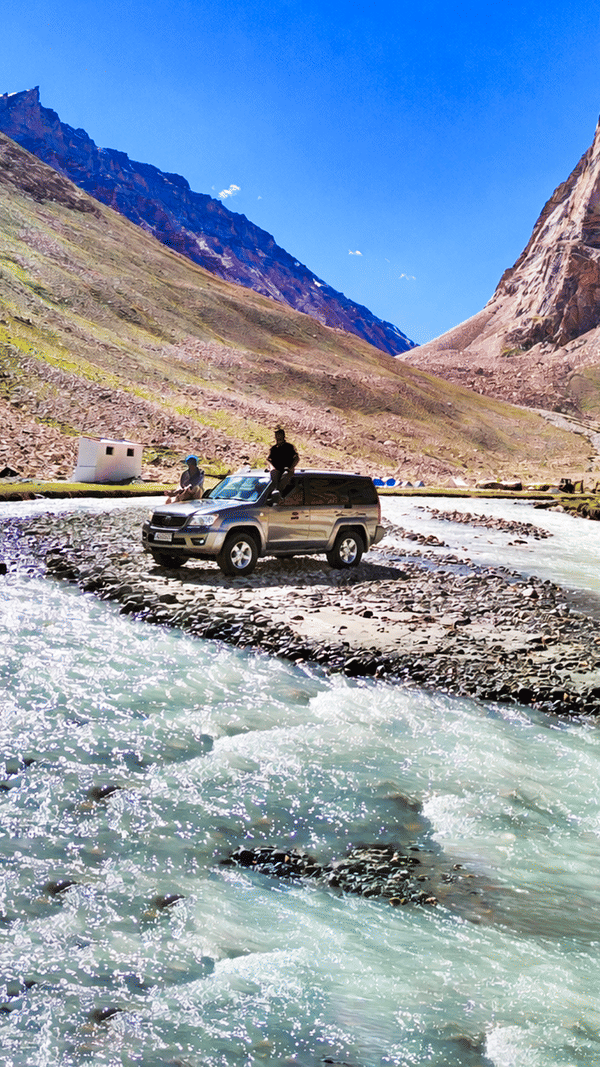
7 Days Thrilling Ladakh Tour with Umling La - Classic Value Circuit
From Petals to Plans: Don't Just See Ladakh, Experience It
The apricot blossoms are more than just a beautiful sight. They are a fleeting and magical moment when Ladakh's harsh landscape softens and celebrates life. Whether you seek the cultural depth of the Aryan Valley, the sheer scale of Kargil's orchards or the quiet solitude of Wanla there's a perfect spring experience waiting for you. But the window is brief and timing is everything.
Don't leave it to chance. At WanderOn, we live and breathe these valleys. We know when the first buds appear in Sham Valley and when the last petals fall in Zanskar. Let us handle the logistics so you can focus on the magic.
Frequently Asked Questions
What is the Local name for apricot in Ladakh?
In Ladakh, apricots are locally called Chuli. It is one of the most important fruits in the region, widely grown in villages across lower-altitude areas. Chuli is used for oil extraction, dried snacks, jams, and traditional dishes, making it culturally and economically significant in Ladakhi households.
Where can I see apricot blossoms in Ladakh?
Apricot blossoms can be seen in villages like Turtuk, Sham Valley, Skurbuchan, Alchi, and Leh outskirts. These lower-altitude regions bloom earlier and are filled with white and pink flowers, offering stunning spring landscapes and a peaceful cultural experience.
What is the best time to visit Ladakh for apricot blossoms?
The best time to witness apricot blossoms in Ladakh is from early April to early May. Blooming starts in lower villages like Turtuk in early April and gradually moves to higher regions. Timing varies slightly each year depending on temperature, but mid-April is usually the peak bloom period.
How long does the apricot blossom last in Ladakh?
Apricot blossoms in Ladakh typically last around 10 to 14 days in a specific location. However, since blooming progresses from lower to higher altitudes, you can witness blossoms across different regions for nearly 3 to 4 weeks if you plan your travel route strategically.
Is Turtuk worth visiting for apricot blossoms?
Yes, Turtuk is absolutely worth visiting for apricot blossoms. It is one of the earliest blooming regions, surrounded by lush orchards and unique Balti culture. The combination of scenic beauty, fewer crowds, and cultural richness makes it one of the best blossom destinations.
What is the apricot blossom festival in ladakh
The Apricot Blossom Festival is a spring celebration held in villages like Turtuk, Alchi, and Skurbuchan. It showcases Ladakhi culture through folk music, dance, local food, and handicrafts. Organized by the tourism department, it promotes rural tourism and celebrates the blooming season with vibrant community participation.


