


Eastern vs Western Europe: Two Worlds, One Continent Western Europe is great. Nobody is saying otherwise. But if you have done the Eiffel Tower, walked the Colosseum, and paid 18 euros for a glass of wine in Rome, you already know how that trip goes.
Eastern Europe is a completely different story. The cities are stunning, the food is proper, and your money actually stretches. Budapest, Kraków, Prague, Sarajevo. These places have a certain energy that is hard to explain until you are standing in the middle of it.
This Eastern vs Western Europe guide breaks down the real differences—costs, crowds, culture, transport and which type of traveller belongs where.
Use this Eastern Europe travel guide to plan smarter, not just cheaper.
And when the research is done, and you are ready to go, our Europe Tour Packageswill take care of the rest.
Europe Tour Packages
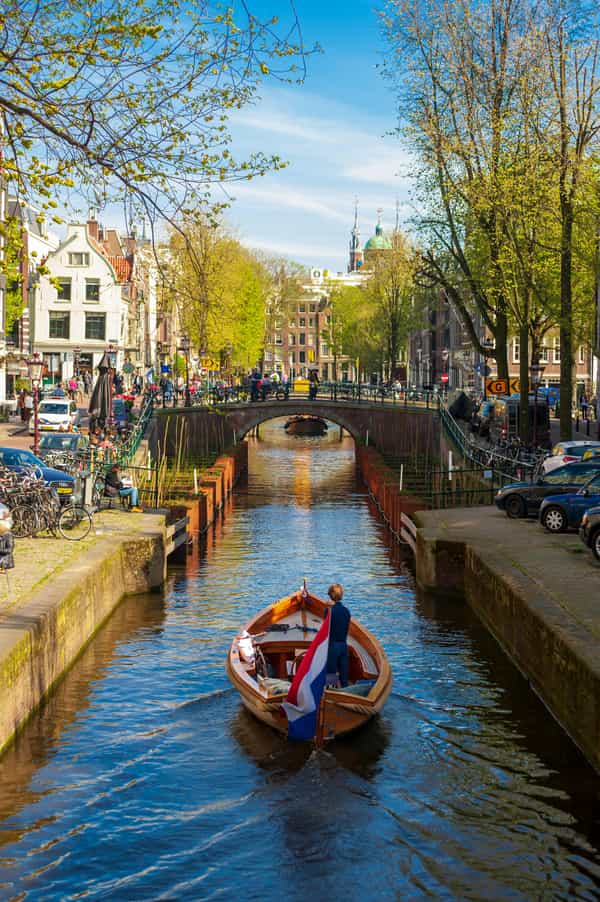
9 Days Amazing Europe Tour: France, Belgium, The Netherlands, Germany, Switzerland
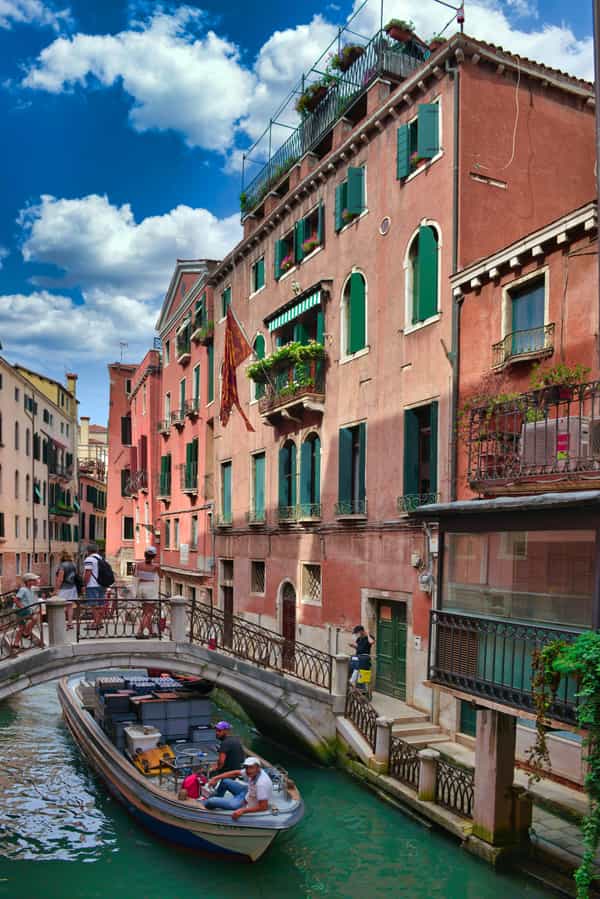
13-Days Perfect Europe Tour 2026: Paris, Switzerland, Italy & More

11 Days Amazing Europe Tour Package

8-Days Highlights of Europe Summer Tour Package: Paris to Zurich
Eastern vs Western Europe: Quick Snapshot

When comparing Eastern vs Western Europe, the biggest differences appear in culture, cost, and tourism development.
- Western countries usually have larger economies and more famous tourist destinations. Eastern nations often offer rich history, fewer crowds, and better value for money.
- Many travellers exploring Eastern Europe vs Western Europe travel experiences notice that Western cities feel more polished and global, while Eastern destinations often feel traditional and local.
Both regions are worth exploring, and many travellers combine them into one trip.
Western Europe Countries

The region known as Western Europe countries includes many of the continent’s most visited destinations.
Some of the most popular Western Europe countries include:
- France
- Germany
- Italy
- Spain
- Netherlands
- Belgium
- Switzerland
- Austria
These Western Europe countries attract millions of travellers each year because of their famous landmarks and strong tourism infrastructure.
Cities like Paris, Rome, and Amsterdam are known around the world.
If someone asks for a simple west europe country list, it usually includes France, Germany, Italy, Spain, the Netherlands, Belgium, and Switzerland.
Another common West europe country list used by travellers may include Austria and Portugal, along with those countries.
Tourism in Western Europe countries is very well organised. Public transport is reliable, tourist information is easy to find, and attractions are developed for international visitors.
Because of this, many first-time visitors begin their European journey in Western Europe countries.
Eastern Europe Countries

The region known as Eastern Europe countries is becoming increasingly popular with travellers looking for something different.
Some well-known Eastern Europe countries include:
- Poland
- Hungary
- Czech Republic
- Romania
- Bulgaria
- Slovakia
- Croatia
- Serbia
These Eastern Europe countries offer incredible architecture, deep history, and a welcoming culture.
A basic east europe country list often includes Poland, Hungary, the Czech Republic, Romania, and Bulgaria.
Another simple east europe country list might add Croatia and Slovakia to the group.
Many travel blogs also share an east europe country list when recommending destinations that are affordable but culturally rich.
Tourism in Eastern Europe countries has grown rapidly over the past decade.
Suggested Read: Le Walk App Europe
Difference Between Eastern and Western Europe

The Difference between Eastern and Western Europe mainly comes from history.
Historical and Political Foundations
- Cold War Legacy: The most definitive modern split was the Iron Curtain. Western Europe remained allied with the U.S. (NATO) and practised capitalism, while Eastern Europe fell under Soviet influence and communist regimes.
- Religious Divide: Historical roots go back to the Great Schism of 1054. Western Europe developed under Western Christianity (Catholicism and Protestantism), while much of Eastern Europe developed under Eastern Orthodoxy.
- Central Europe: Many countries like Poland, Czechia, and Hungary often identify as Central Europe, sharing Western religious roots (Catholicism) but a history of communist rule.
Economic Disparities
- Wealth & Development: Western Europe is generally more affluent, benefiting from earlier industrialisation and post-WWII stability. Eastern Europe experienced slower growth under socialist economies but has been catching up rapidly since joining the European Union.
- Cost of Living: For travellers, Eastern Europe remains significantly more affordable for accommodation, dining, and transport
Culture and Social Values
- Social Outlook: According to the Pew Research Centre, Eastern Europeans tend to be more religious, family-oriented, and socially conservative. Western Europeans often hold more secular and liberal views on issues like same-sex marriage.
- Work Culture: Western European workplaces typically emphasise egalitarianism and work-life balance. In contrast, Eastern Europe often maintains more hierarchical structures and a legacy of a more "demanding" work ethic from the Soviet era.
Travel Experience
- Infrastructure: Western Europe offers high-speed train networks and polished tourism facilities. Eastern Europe is prized for "off-the-beaten-path" adventures and less-crowded medieval towns.
- Language: English is widely spoken in both, but proficiency is generally higher in Northern and Western Europe.
- Architecture: also shows the Difference between Eastern and Western Europe. Western cities often display Renaissance and classical European styles, while eastern cities combine medieval structures with Soviet-era buildings.
Cultural Differences in Europe

One of the most interesting parts of travelling across the continent is seeing the cultural differences in Europe.
The North-South "Personality" Divide
A primary cultural split exists between the cooler, more reserved North and the warmer, more expressive South.
- Social Interaction: Southern Europeans (e.g., Italy, Spain, Greece) are generally more extroverted and expressive, often using dynamic body language and hand gestures. Northern Europeans (e.g., Scandinavia, Germany) tend to be more reserved, valuing privacy and quiet.
- Time and Punctuality: Northern cultures are often "monochronic," meaning they value strict schedules and punctuality. Southern cultures are more "polychronic," viewing time as fluid; a bus being 15 minutes late in Italy is often seen as a minor detail rather than a failure.
- Lifestyle: Southerners often eat dinner much later (9 PM or later) and prioritise social "aperitivo" hours. Northerners typically follow an earlier schedule for both work and meals.
The East-West Values Gap
The legacy of the Iron Curtain continues to influence social and political values.
- Religion & Identity: In Eastern Europe, religion is often deeply tied to national identity (e.g., being Orthodox is "truly Greek" or "truly Russian"). Western Europe is more secular, with fewer people seeing religion as a core part of their nationality.
- Social Values: Pew Research shows a persistent gap on issues like same-sex marriage and abortion, with Western Europeans generally holding more liberal views and Eastern Europeans leaning more conservative.
In many eastern destinations, traditions are strong and local customs remain visible. These cultural differences in Europe create a more traditional atmosphere.
Suggested Read: Travel Around Europe on a Budget: Complete Guide 2026
Eastern Europe vs Western Europe Cities

When comparing Eastern Europe vs Western Europe cities, travellers often notice a clear difference in atmosphere. Cities in Western Europe tend to be larger, wealthier, and more international.
Economic & Travel Costs (2025–2026)
Cities in the East remain substantially more budget-friendly than their Western counterparts.
- Daily Expenses: Monthly living costs for essentials (excluding rent) in cities like Warsaw or Budapest range from €574 to €800, whereas Western cities like Paris or Amsterdam often exceed €1,200.
- Accommodation & Dining: Hotels in the East are typically 40–60% cheaper. A basic restaurant meal in London can cost €10–€20, compared to €5–€10 in Warsaw.
- Public Transport: Monthly passes in Prague or Sofia cost roughly €20–€40, while similar passes in London or Paris can reach €70–€100.
Western Europe: The Iconic Classics
Western European cities are the standard for "classic" European tourism, offering world-class infrastructure and globally recognised landmarks.
- World-Renowned Landmarks: Home to "bucket list" items like the Eiffel Tower (Paris) and the Colosseum (Rome).
- Infrastructure: Highly developed public transport networks, including the high-speedEurostar, which connects major hubs like London and Paris.
- Culture & Luxury: Offers a polished experience with high-end shopping, famous jazz clubs, and world-class museums like the Louvre.
- Crowds: These cities attract millions annually, meaning long queues and crowded tourist zones are common, especially in summer.
Eastern Europe: The Emerging Gems
Often referred to as "Central and Eastern Europe," this region offers a sense of discovery and a much lower price tag.
- Unbeatable Value: Accommodations and meals are significantly more affordable than in the West.
- Historical Preservation: Many cities, such as Prague and Tallinn, feature impeccably preserved medieval "Old Towns" and unique Soviet-era history.
- Safety & Hospitality: Recent travel sentiment highlights Eastern cities as being remarkably safe for solo travellers, with a culture known for warm hospitality.
- Nightlife: Known for unique and affordable entertainment, such as the famous "ruin bars" in Budapest or the vibrant club scene in Belgrade.
Choosing the Right Region for You
- Go West if: You want to see world-famous sights, have a higher budget, and prefer mild weather and seamless, luxury travel experiences.
- Go East if:You are a budget-conscious traveller or backpacker looking for authentic local culture, fewer crowds, and stunning history that feels “undiscovered” — a travel style that aligns naturally with Europe budget tour packages.
Suggested Read: Best eSIM for Europe Travel
Eastern Europe vs Western Europe Travel

Planning Eastern Europe vs Western Europe travel experiences depends largely on what travellers want to see.
Western Europe: The Iconic Choice
- Best for: First-time travellers, families, and those seeking luxury or high-end amenities, especially those who prefer the convenience of travelling together on Europe group tour packages.
- Destinations: France, Italy, Spain, the UK, Germany, and the Benelux countries.
- Highlights: Global art hubs like Paris, ancient ruins in Rome, and the high-end nightlife of Amsterdam or London.
- Convenience: Moving between countries is seamless via high-speed trains like the Eurostar or by using anInterrail/Eurail Pass.
Eastern Europe: The Value Choice
- Best for: Budget-conscious travellers, history buffs, and solo adventurers looking for a slower pace.
- Destinations: Poland, Hungary, the Czech Republic, Romania, Bulgaria, and the Balkan nations.
- Highlights: Stunning "old towns" like Krakow and Prague, thermal baths in Budapest, and wilder, less commercialised nature spots.
- Safety & Hospitality: Often reported as having lower petty crime rates than Western hubs, with locals frequently noted for genuine hospitality.
- 2026 Trend: Many travellers are shifting east to avoid the rising costs and "overtourism" seen in Western European capitals.
Climate Considerations
- Western Europe: Generally milder, maritime climate with frequent rain but less extreme winters.
- Eastern Europe: More continental; summers can be very hot, while winters are significantly colder with heavy snowfall.
This type of Eastern Europe vs Western Europe travel itinerary allows visitors to see both sides of the continent.
Suggested Read: How many days are enough for Europe
Eastern Europe Travel Guide

For travellers exploring the region for the first time, a basic Eastern Europe travel guide can be helpful.
Essential Travel Gear & Resources
- Guidebooks: The Lonely Planet Eastern Europe 16th Ed. (₹1,710) It is a top-rated resource for up-to-date transit tips and cultural insights.
- Packing: Bring supportive walking shoes for cobblestone streets and modest attire (covering shoulders/knees) for visiting historic churches.
- Transport:Transport: For multi-country trips, a Eurail Pass is convenient, while FlixBus is the most affordable option for inter-city travel (€5–€20 per route), which works particularly well for travellers following Europe backpacking tour packages.
New Rules for 2026
- Entry/Exit System (EES): By April 2026, the EU will fully implement digital passport checks. First-time visitors will need to provide fingerprints and a facial scan at the border, which may lead to longer initial queues.
- Tourist Taxes: Many cities like Prague (₹187/night) and Budapest now charge nightly tourist fees added to your hotel bill.
Another tip from any Eastern Europe travel guide is to explore smaller towns. Rural villages often provide the most authentic experiences.
Best Europe Packages
8-Days Highlights of Europe Summer Tour Package: Paris to Zurich
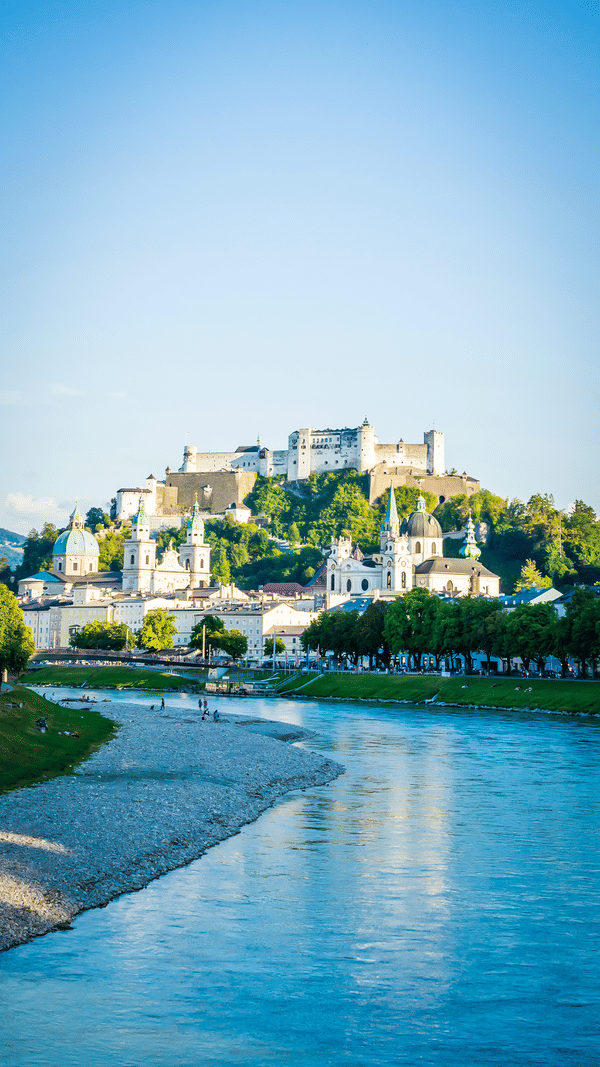
12-Day Europe Backpacking Tour: Amsterdam to Budapest
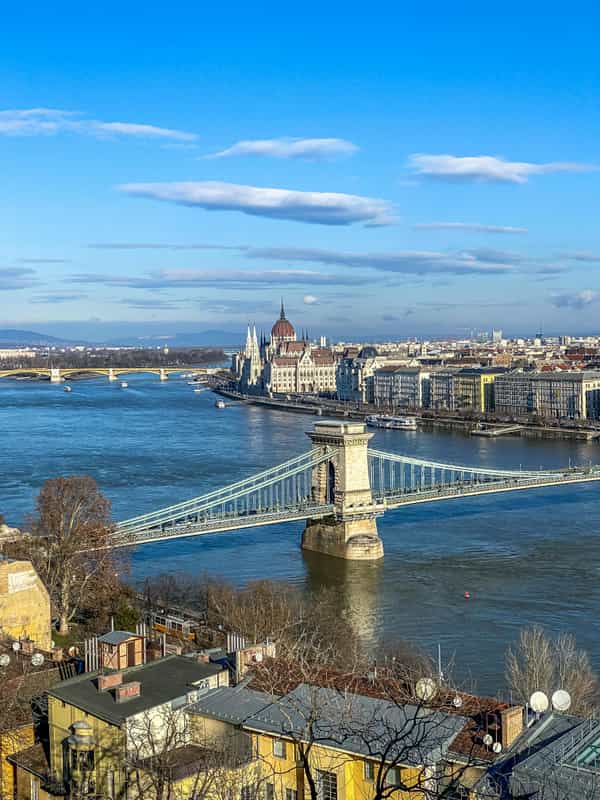
8 Days Ultimate East Europe Tour Package
13-Days Perfect Europe Tour 2026: Paris, Switzerland, Italy & More
Eastern vs Western Europe Cost

A major factor when comparing Eastern vs Western Europe costs is daily travel expenses. Travel in Eastern Europe remains significantly more affordable than in Western Europe, with overall daily costs generally 40–60% lower.
For a comfortable 10-day trip, Western Europe typically requires a budget of ₹2.5 – ₹3 lakh, while a similar trip to Eastern Europe can be managed for ₹1 – ₹1.5 lakh, making Europe tour packages under 150000 particularly relevant for travellers looking to keep their Eastern Europe trip within this range. A closer Eastern vs Western Europe travel cost comparison highlights how large the gap can be.
Major Cost Differences
- Accommodation: A mid-range hotel in Budapest typically costs €60–€80, whereas a comparable stay in Paris can exceed €140–€200.
- Dining & Drinks: A local beer in Prague averages €2–€3, while the same drink in Oslo or London can cost €8–€10.
- Regional Variance: Within Western Europe, countries like Switzerland and the UK are extreme outliers, with daily costs often doubling those of Spain or Portugal.
- 2026 Flight Trends: New seasonal routes to Eastern hubs like Warsaw and Zagreb are keeping airfares to this region roughly 20–30% lower than traditional Western gateways.
Recommended Value Destinations (2026)
- Bulgaria & Romania: Consistently ranked as the cheapest EU countries for hotels and dining.
- Poland & Hungary: Offer high-quality "Old World" charm at approximately half the price of German or Austrian equivalents.
- Balkans: Countries like Albania, Serbia, and North Macedonia offer some of the lowest food costs in Europe for 2026.
This Eastern vs Western Europe travel cost comparison shows why the east attracts backpackers and budget travellers. Even so, the Eastern vs Western Europe travel cost comparison varies depending on the city and season.
Suggested Read: Paris trip cost from India for couple
Is Eastern Europe Cheaper Than Western Europe?

Many travellers ask Is Eastern Europe cheaper than Western Europe. Yes, Eastern Europe is significantly cheaper than Western Europe, with on-ground costs for travellers typically being 40% to 60% lower.
Key Cost Savings in Eastern Europe
- Dining: Traditional meals at milk bars in Poland or local taverns in the Balkans often cost between €5 and €7.
- Alcohol: A beer in a Prague pub typically costs around €2.70, compared to €6.00 in Vienna or over €8.00 in Nordic cities.
- Flights: In 2026, new seasonal routes to hubs like Budapest, Prague, and Warsaw are helping keep airfares 20–30% lowerthan traditional Western hubs like Paris or London.
- Regional Winners: Romania, Bulgaria, and Poland are consistently ranked among the most affordable destinations, with daily budgets as low as €25 – €60 for savvy travellers.
Why the Price Difference Exists
- Lower Wages: Service costs (beauty salons, car services, dining) are lower because they correlate with local median incomes.
- Infrastructure: Western Europe prioritises high-speed rail and luxury amenities, whereas the East relies on efficient but lower-cost bus and standard train networks.
- Single Market Benefits: EU members like Romania and Bulgaria benefit from the Single Market, which lowers import and transportation costs compared to non-EU neighbours.
When to Choose Each
- Choose Eastern Europe for: Budget-friendly adventures, history without the crowds, and authentic local experiences in cities like Kraków, Budapest, and Sofia.
- Choose Western Europe for: Iconic bucket-list sites (Eiffel Tower, Colosseum), high-end luxury, and seamless, high-speed travel convenience.
Which Is Better Eastern or Western Europe?

The question of which is better eastern or western Europe, does not have a single answer.
Western destinations are ideal for travellers interested in famous landmarks and luxury travel experiences.
Eastern destinations are great for travellers who prefer authentic culture, lower prices, and fewer crowds.
Ultimately, deciding which is better Eastern or Western Europe depends on personal travel style.
Many experienced travellers believe the best solution to determine which is better Eastern or Western Europe, is to visit both regions.
Suggested Read: Travel insurance for the UK and Europe
Final Thoughts: Two Different Sides of Europe

Comparing Eastern vs Western Europe shows that both regions offer incredible travel experiences.
Western destinations provide famous landmarks, luxury travel, and world-class museums.
Eastern destinations offer historic cities, traditional culture, and more affordable travel.
Instead of choosing one region, many travellers combine Eastern Europe vs Western Europe travel into a single itinerary.
Experiencing both sides of the continent helps travellers truly understand the diversity of Europe tourism.
Frequently Asked Questions
Is Western Europe richer than Eastern Europe?
Yes, Western Europe is generally richer than Eastern Europe. Countries like Germany, France, and Switzerland have stronger economies and higher incomes. Many Eastern European countries are still developing economically, which is why travel, food, and accommodation are often cheaper there.
Which countries are in Eastern Europe?
Countries in Eastern Europe commonly include Poland, Hungary, the Czech Republic, Romania, Bulgaria, Slovakia, and Croatia. Some lists also include Serbia and Ukraine. These countries are known for historic cities, castles, beautiful countryside, and relatively affordable travel compared to Western Europe.
Which is better, Eastern or Western Europe?
Which is better, Eastern or Western Europe depends on what you enjoy. Western Europe offers famous landmarks and big cities. Eastern Europe is cheaper and less crowded. Both regions are beautiful and unique, so many travellers prefer visiting both.
What is the difference between Western Europe and Eastern Europe?
The main difference between Western Europe and Eastern Europe is history, economy, and lifestyle. Western Europe is generally wealthier and more developed. Eastern Europe is usually more affordable and traditional. Cities, architecture, and culture also vary across these regions.


