


The Indus Valley Ladakh stretches over 400 kilometres from Demchok in the southeast to Batalik in the northwest, carving through the heart of Ladakh along the Indus River. This valley is home to 30+ towns, ancient monasteries, royal palaces and confluence points that make it the most culturally rich corridor in the entire Himalayas. Whether you are planning a road trip, a monastery circuit, or a riverside trek, the Indus Valley in Ladakh is where every journey begins and ends.
Most Leh Ladakh tour packages centre around this valley because it connects every major landmark in the region. From Thiksey's towering gompa to the dramatic Indus-Zanskar confluence at Nimu, everything sits along this single river corridor.
If you are looking at Leh Ladakh bike trips, the Indus Valley road is the spine that links Leh to Manali on one side and Leh to Srinagar on the other. This guide covers every place, the ideal route, the best season, treks, and practical tips to help you plan it right.
Best Selling Ladakh Tour Packages
Manali to Srinagar Ladakh Trip with Umling La & Nubra Valley - Pocket Saver

Great Lakes of Ladakh: Manali to Srinagar - 9 Days Value Expedition
7 Days Thrilling Ladakh Tour with Umling La - Classic Value Circuit
11 Days Value Edition Ladakh Tour: Srinagar to Manali with Umling La
Why is the Indus Valley the Heart of Ladakh?

Every civilisation in Ladakh, from the 10th-century kings to today's farming communities, has grown along the Indus River Ladakh valley. The river provides water, fertile alluvial soil, and the only flat terrain in a region surrounded by 5,000–7,000 metre peaks. Leh, the capital, sits right on its banks at 3,500 metres.
The reason why Indus Valley is the heart of Ladakh goes beyond geography. Every major monastery, every royal palace, and every historic trade route passes through this valley. The Silk Route caravans moved along the Indus.
The Ladakhi kings built their capitals, Shey, Basgo and Leh, on its banks. Even today, the NH1 (Srinagar–Leh Highway) and the Manali–Leh Highway both converge into the Indus Valley Ladakh corridor.
Landmarks In Indus Valley Region
Here are the top places to visit in Indus Valley, listed from southeast to northwest along the river:
Upper Indus Valley (Demchok to Upshi)

- Demchok: This is where the Indus River crosses into India from Tibet, right at the Line of Actual Control. You need an Inner Line Permit to visit, and the military presence here is heavy.
- Chumur: Chumur is a remote settlement on the upper Indus plateau that sits close to the LAC. There is not much here for tourists, but it marks the beginning of the Indus corridor in Indian territory.
- Nyoma:Nyoma is a trade and military town at 4,200 metres with its own airstrip and a small monastery. Most travellers pass through here on the way to Hanle or the Changthang plateau.
- Mahe: Mahe is a quiet agricultural village in the upper Indus stretch where locals grow barley and tend livestock.
- Upshi: Upshi is the gateway checkpoint where the Manali–Leh Highway meets the Indus River Ladakh valley floor. If you are driving in from Manali, this is the first time you see the Indus up close.
Central Indus Valley (Karu to Leh)

- Karu: Karu is the junction village where the Pangong Lake road branches east from the main Indus corridor. Most people blow past it, but the army base and the roadside dhabas make it a natural pit stop.
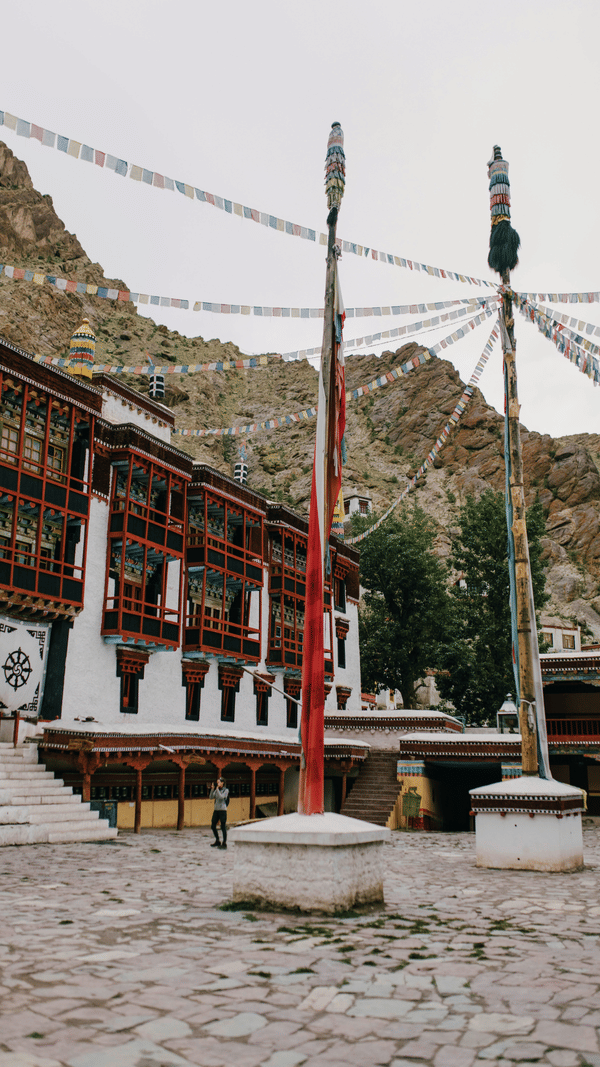
- Hemis:Hemis Monastery is Ladakh's largest and wealthiest monastery, tucked into a side valley off the Indus. It hosts the famous Hemis Festival every June–July with masked Cham dances.
- Stakna: Stakna is a 400-year-old monastery perched on a hilltop directly above the Indus River. The views from the top are some of the best in the entire valley, and it rarely gets crowded.
- Matho: Matho is the only Sakya-sect monastery in all of Ladakh, which makes it unique among the valley's many gompas. The oracle festival held here every February–March is one of the most intense rituals you will see.
- Thiksey: Thiksey is a stunning 12-storey monastery that looks so much like the Potala Palace in Lhasa that people call it "Mini Potala." Get there at sunrise for the morning prayer ceremony.
- Shey: Shey served as the summer capital of the Ladakhi kings and still holds a massive copper-gilt Shakyamuni Buddha inside the old royal palace.
- Choglamsar: Choglamsar is a significant town just south of Leh that is home to the largest Tibetan refugee settlement in Ladakh and the Central Institute of Buddhist Studies.
- Stok: Stok is where the current royal family of Ladakh still lives, and the Stok Palace museum displays the queen's turquoise-studded crown and centuries-old thangkas.
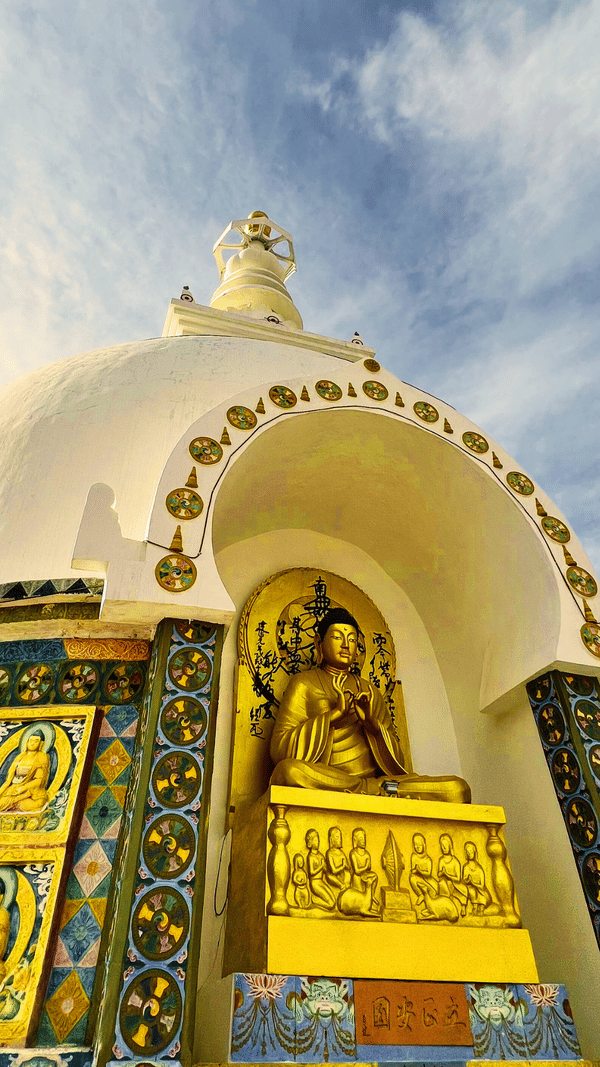
- Leh: Leh is the capital of Ladakh at 3,500 metres and every road trip through the Indus Valley starts or ends here. The Leh Palace, Shanti Stupa, and the bustling old bazaar are the main draws.
Western Indus Valley (Spituk to Khalatse)

- Spituk: Spituk is a 15th-century hilltop monastery with a fierce Kali temple at the very top, sitting just west of Leh overlooking the Indus.
- Phyang: Phyang is a 16th-century Drigungpa monastery with a rich collection of thangkas and a biennial festival that draws monks from across the region.
- Phey: Phey is a small, quiet village sitting between Leh and Nimu along the Indus. It is popular among rafters as a launch point for the stretch down to Nimu and beyond.
- Nimu: Nimu is where you witness the dramatic Indus Zanskar Sangam Leh — the muddy brown Zanskar meeting the emerald green Indus in a swirl of two colours.
- Basgo:Basgo was once a powerful citadel, and the ruins of its 15th-century fort still stand on a hilltop with two temples containing beautiful murals and a massive Maitreya Buddha.
- Likir: Likir is famous for its giant outdoor Maitreya Buddha statue that you can spot from the road long before you reach the monastery.
- Alchi:Alchi houses an 11th-century monastery with rare Indo-Kashmiri Buddhist art that you will not find anywhere else in Ladakh.
- Saspol: Saspol has ancient cave temples hidden in the cliffs above the village, with Buddhist murals dating back to the 14th and 15th centuries.
- Nurla: A green oasis village with apricot orchards between Saspol and Khalatse.
- Khalatse: The last major settlement before the Indus enters deep, narrow gorges. A popular Indus Valley trek Ladakh starting point.
Lower Indus Gorge (Domkhar to Batalik)

- Domkhar: Domkhar is known for its prehistoric rock carvings etched into boulders along the river, some believed to be thousands of years old. If you visit in spring, the cherry blossoms here are a bonus.
- Skurbuchan: Skurbuchan is a remote village deep in the Indus gorge where terraced farms cling to the hillsides above the river.
- Achinathang: Achinathang sits in the lower Indus gorge surrounded by dramatic cliff faces that tower over the river.
- Dah & Hanu: Dah and Hanu are home to the Brokpa people, an ethnically distinct Aryan community with unique customs, dress and festivals that set them apart from the rest of Ladakh.
- Batalik: Batalik sits close to the Line of Control and played a significant role during the 1999 Kargil conflict. You need permits to visit this region.
More Ladakh Tour Packages
11 Days Manali Leh Umling La Manali - Value Saver Escape
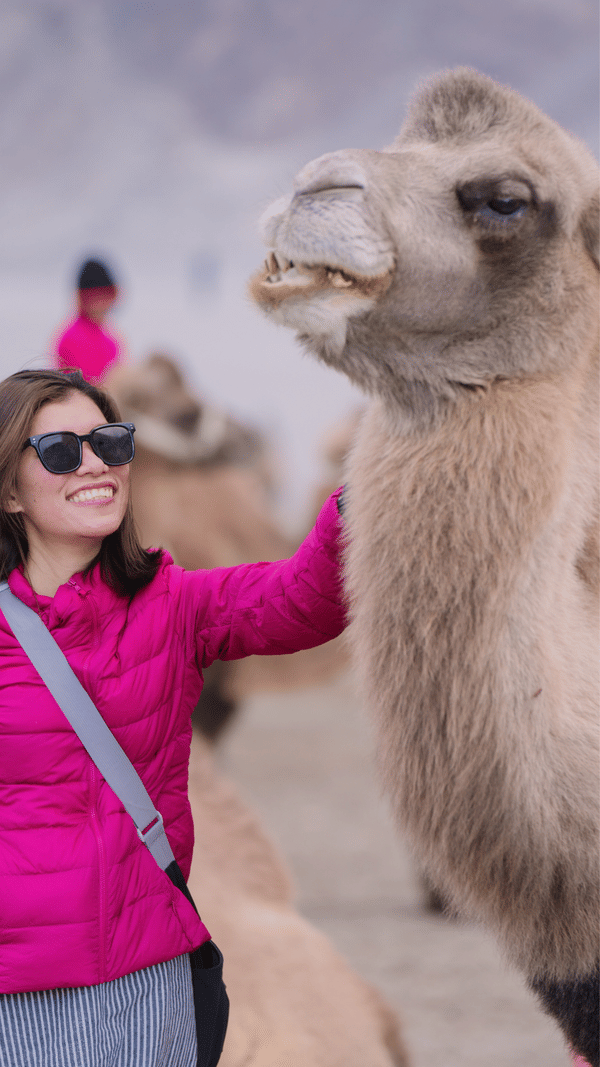
6 Days Leh Trip with Nubra and Pangong | Super Saver

11 Days Manali Leh Manali Tour Package with Umling La
8-Day Leh Ladakh Tour Package with Turtuk and Tso Moriri
The Ideal Indus Valley Road Trip Ladakh Route

The best way to cover the Indus Valley Ladakh corridor is a southeast-to-northwest road trip along the river. Here is a practical 5-day route after 24-48 hours of acclimatization:
Day 1: Leh — Upshi — Hemis — Thiksey — Shey — Leh (100 km)
Cover the eastern Indus belt. Start with Hemis early, visit Stakna and Matho, then Thiksey for the sunset, and Shey on the return.
Day 2: Leh — Stok — Choglamsar — Spituk — Phyang (40 km)
A short day covering places immediately around Leh. Visit Stok Palace in the morning and the hilltop monasteries in the afternoon.
Day 3: Leh — Nimu — Basgo — Likir — Alchi (120 km)
The best stretch of the Indus valley road trip Ladakh offers. Stop at the Indus Zanskar Sangam Leh point at Nimu, explore Basgo's ruins, and end at Alchi for the night.
Day 4: Alchi — Saspol — Khalatse — Domkhar — Dah-Hanu (150 km)
Enter the lower gorge. Saspol's cave temples, Domkhar's rock art, and the Brokpa villages make this the most offbeat stretch.
Day 5: Dah-Hanu — Batalik — Return to Leh (250 km)
Complete the loop via Kargil road or retrace to Leh. Check permit requirements for Batalik.
Things To Do At Indus Valley Ladakh
The things to do at Indus Valley Ladakh go far beyond sightseeing. Here are the top experiences:
1. Monastery Circuit

Hemis, Thiksey, Likir, Alchi, and Spituk form one of the richest Buddhist heritage corridors in Asia. Spend at least 2–3 days on the monastery loop.
River Rafting
The Grade II–IV rapids between Phey and Nimu, and Nimu to Alchi, are among the things to do at Indus Valley Ladakh that most travellers miss. The stretch around the Sangam of Indus and Zanskar river is the most thrilling, making river rafting in Ladakh one of the best activities.
Indus Valley Trek Ladakh
The Sham Valley trek (Likir to Yangthang) is a gentle 3–4 day walk through villages in the western Indus Valley. The Markha Valley trek starts from Chilling near Nimu and climbs into the Zanskar range. Both are classic options for trekking in this region.
4. Photography at Sangam

The two-toned waters at the Nimu confluence are best photographed in morning light between 8–10 AM at Sangam Point Ladakh.
5. Brokpa Village Visits
The things to do at Indus Valley Ladakh include cultural immersion in Dah-Hanu, where the Brokpa people maintain traditions believed to be thousands of years old.
6. Stargazing
The things to do at Indus Valley Ladakh after dark are equally stunning. The high altitude and zero light pollution make the Indus Valley one of the best stargazing corridors in India.
Amazing Ladakh Tour Packages
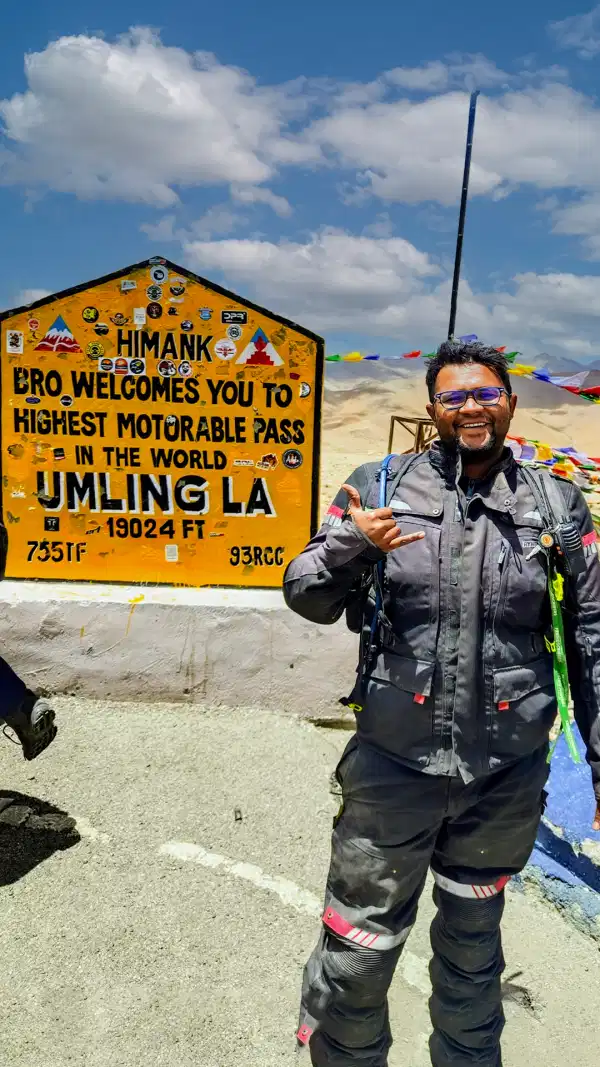
8 Days Thrilling Leh Ladakh Tour Package with Umling La
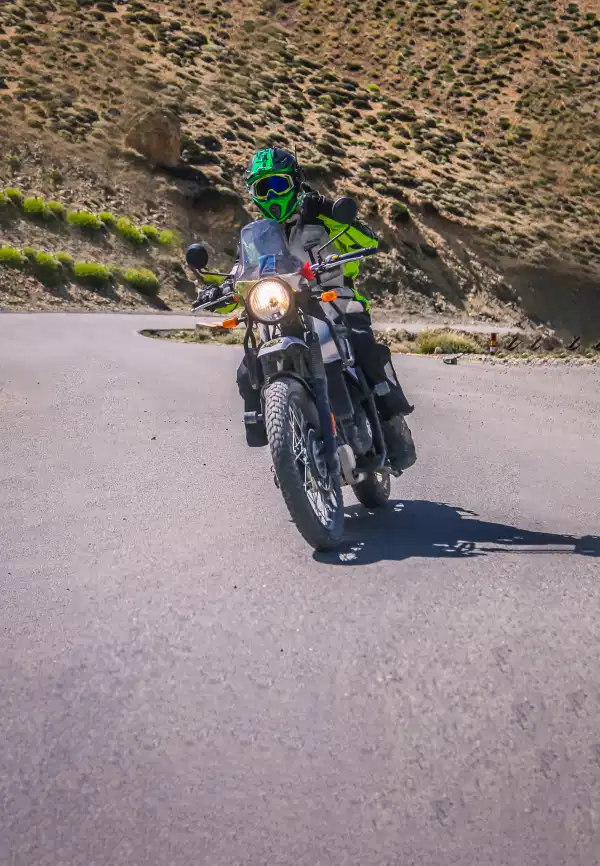
Best Ladakh Bike Trip from Srinagar to Manali | Umling La | Tso Moriri

Thrilling Experiential Ladakh Tour With Umling La: SUV Edition

9 Days Leh to Manali Exploration with Turtuk and Pangong
How to Reach Indus Valley Ladakh

There are three ways to reach the Indus Valley Leh Ladakh:
By Air: Fly into Kushok Bakula Rimpochee Airport in Leh. Daily flights from Delhi, Mumbai, and Srinagar. You land directly in the Indus Valley.
By Road (Manali–Leh Highway): 474 km, the journey takes 1-2 days. The route is open from June to September. You enter the Indus Valley in Ladakh at Upshi after crossing Tanglang La.
By Road (Srinagar–Leh Highway): 434 km, the journey through this route takes 1-2 days. The highway typically opens from April to October, depending on the weather conditions. You enter the Indus Valley at Khalatse after crossing Namika La and Fotu La. This is the route from the Kashmir side.
Best Time To Visit Indus Valley Ladakh

The best time to visit Ladakh is from June to September. Both highways are open, the weather is warm (15–30°C during the day), and all Indus Valley monasteries Ladakh and guesthouses are operational.
- Peak Season (June – September)
Both the Manali–Leh and Srinagar–Leh highways are open during these months, daytime temperatures sit between 15–30°C, and every guesthouse, monastery, and rafting operator in the valley is fully functional. June brings wildflowers and the thrill of being among the first travellers on freshly opened roads, while July hosts the famous Hemis Festival with its masked Cham dances.
- Shoulder Season (October & April)
October mornings drop to 0–5°C but the valley turns golden with autumn poplars lining every village from Nimu to Alchi, and the monasteries are blissfully empty. The highways can close without warning after a heavy snowfall, so you need to stay flexible. April is the opposite bookend, the Srinagar–Leh Highway typically reopens late in the month, the snow is melting, and if you time it right you catch the apricot blossoms.
- Off Season (November – March)
Both highways are closed and the only way into Ladakh is by air. Nights drop to –15°C in the valley and –30°C in the upper reaches around Demchok and Nyoma, most guesthouses outside Leh are shut, and dining options shrink to a handful of places in the old bazaar. Winter does have its draws though, the Matho Oracle Festival in February is one of the rawest cultural experiences in Ladakh.
Travel Tips For The Indus Valley Ladakh

- Acclimatise first: Spend 2 full days in Leh before doing anything. Acute Mountain Sickness is the biggest risk in the Indus Valley region.
- Carry permits: Inner Line Permits (ILP) are mandatory for Demchok, Nyoma, Dah-Hanu and Batalik. Apply online or at the DC office in Leh.
- Fuel up in Leh: There are no reliable fuel stations between Leh and Khalatse. Fill your tank before heading west.
- Carry cash: ATMs exist only in Leh. Villages beyond Nimu have no banking facilities.
- Respect monastery etiquette: Remove shoes, walk clockwise, do not photograph inside prayer halls unless permitted, and speak softly.
- Dress in layers: Even in July, mornings and evenings in Indus Valley Leh Ladakh can drop to 5°C while afternoons hit 25°C.
- Hire local: Local drivers and guides know the road conditions, permit checkpoints, and hidden spots that no map will show you.
What Makes Indus Valley Ladakh Stay With You?
The Indus Valley is not just another stop on a Ladakh itinerary, it is the itinerary. From the 11th-century murals at Leh to Alchi route Indus Valley to the two-toned waters at Nimu, from the royal ruins at Basgo to the Brokpa villages at Dah-Hanu, this single river corridor holds more history, culture, and raw beauty than most people expect from one route. If you have been planning a trip and want someone to handle the logistics, let WanderOn be your travel buddy.
Frequently Asked Questions
What is Indus Valley in Ladakh?
The Indus Valley in Ladakh is the 400+ kilometre corridor along the Indus River that runs from Demchok in the southeast to Batalik in the northwest. It is the cultural and geographical backbone of the region, home to nearly every major monastery, palace, and town in Ladakh.
What are the best places to visit in Indus Valley Ladakh?
The best places to visit in Indus Valley Ladakh include Hemis, Thiksey, Shey, Alchi, and Likir for monasteries, Nimu for the Indus-Zanskar confluence, Basgo for its ancient ruins, and Dah-Hanu for the unique Brokpa culture. Leh ties it all together as the central hub.
Is Indus Valley the same as Sham Valley?
Not exactly. Sham Valley is a smaller section within the larger Indus Valley, covering the western stretch around Likir, Alchi, and Saspol. The Indus Valley as a whole is much bigger and stretches from Demchok all the way to Batalik.
How far is Indus Valley from Leh?
Leh sits right in the middle of the Indus Valley, so you are already there the moment you land or drive in. The eastern end at Upshi is about 50 kilometres from Leh, and the western stretch toward Alchi is around 70 kilometres away.
Can I do a road trip in Indus Valley?
Absolutely, and it is one of the best ways to experience it. The NH1 and Manali–Leh Highway run along the Indus for most of the route, so you can cover the entire valley in a 4–5 day road trip starting and ending in Leh.


