


Ladakh is not just one place, it is a whole collection of valleys pretending to be one destination. Each turn takes you somewhere completely different, from the desert-like dunes of Nubra Valley to the wild, untouched drama of Zanskar Valley.
What makes it interesting is how quickly everything changes, especially if you are on a bike trip to Ladakh. Valleys like Sham Valley feel calm, cultural, and easy to explore, while others are remote, quiet, and made for people who enjoy a bit of adventure. You get rivers, mountains, small villages, and landscapes that look almost unreal.
If you are planning a Ladakh trip, exploring these valleys gives you the most complete experience of Ladakh. Each one offers something different, so you can choose based on your travel style, time, and how offbeat you want your journey to be.
Major Valleys in Ladakh
1. Nubra Valley

Often called the Valley of Flowers, Nubra Valley is easily one of the top valleys in Ladakh. What makes it special is how unexpected it feels. Snow-covered peaks rise in the distance while sand dunes stretch out below, creating a landscape that does not feel real at first glance.
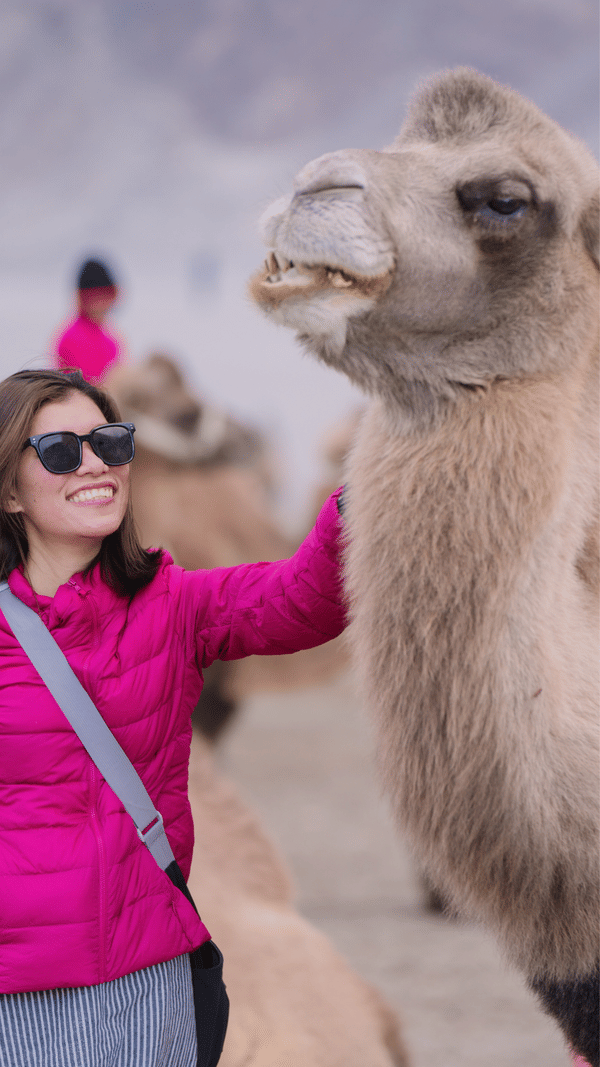
Hunder Sand Dunes are the highlight here, where you can ride rare double-humped Bactrian camels across a cold desert. Diskit Monastery adds a spiritual pause to the journey, with its massive Maitreya Buddha statue overlooking the valley. Turtuk Village, close to the border, introduces you to a completely different culture, with apricot orchards and Balti influences shaping everyday life.
Reaching Nubra is part of the experience, especially when you cross Khardung La, one of the highest motorable passes in the world.
Key Facts
- Location: Northern Ladakh, India
- Altitude: Around 3,000 meters (9,800 ft) above sea level
- Main rivers: Shyok and Nubra
- Major settlements: Diskit, Hunder, Sumur, Turtuk
- Activities: Camel safaris, ATV rides at Milkha Point, and a visit to the hot springs of Panamik.
- Access: Reached from Leh via Khardung La, one of the highest motorable roads in the world.
2. Zanskar Valley

Zanskar Valley is for those who want Ladakh at its rawest. It is remote, less crowded, and deeply peaceful. The kind of place where the silence itself becomes part of the journey.
One of the most striking sights here is Phugtal Monastery, built into a cliff in a way that almost feels unreal. The Drang Drung Glacier adds to the dramatic landscape, stretching like a frozen river through the mountains. Padum, the main town, acts as a base to explore nearby monasteries and hidden corners of the valley.
For adventure lovers, Zanskar offers white-water rafting on powerful river currents and the famous Chadar Trek during winter, when the river freezes and becomes a walking trail.
Key Facts
- Location: Kargil district, Ladakh, India
- Elevation: Around 3,500–7,000 meters
- Main river: Zanskar River
- Activities: White-water rafting in the Zanskar River with serious rapids and the iconic Chadar Trek in winter when the river freezes solid.
- Access: Traditionally via Kargil, with newer routes opening from Manali through Shinku La.
3. Markha Valley

Markha Valley is less about ticking places off a list and more about experiencing Ladakh step by step. It is one of the best valleys in Ladakh for trekking, especially if you want a mix of nature and local life.
Known as a tea house trek, this route lets you stay in village homestays, giving you a closer look at daily life in Ladakh. The trail takes you through river crossings, open landscapes, and high mountain passes like Kongmaru La, which offers stunning views of Kang Yatse.
Along the way, you might spot wildlife like blue sheep or ibex, adding a sense of quiet excitement to the journey. The Markha Valley trek usually takes between 5 to 8 days, depending on your pace.
Key Facts
- Location: Ladakh, northern India
- Highest point: Kongmaru La Pass ≈ 5,150 m (17,060 ft)
- Typical Duration: 6–9 days (≈ 70–80 km)
- Difficulty: Moderate to challenging, high-altitude conditions
Trending Ladakh Holiday Packages
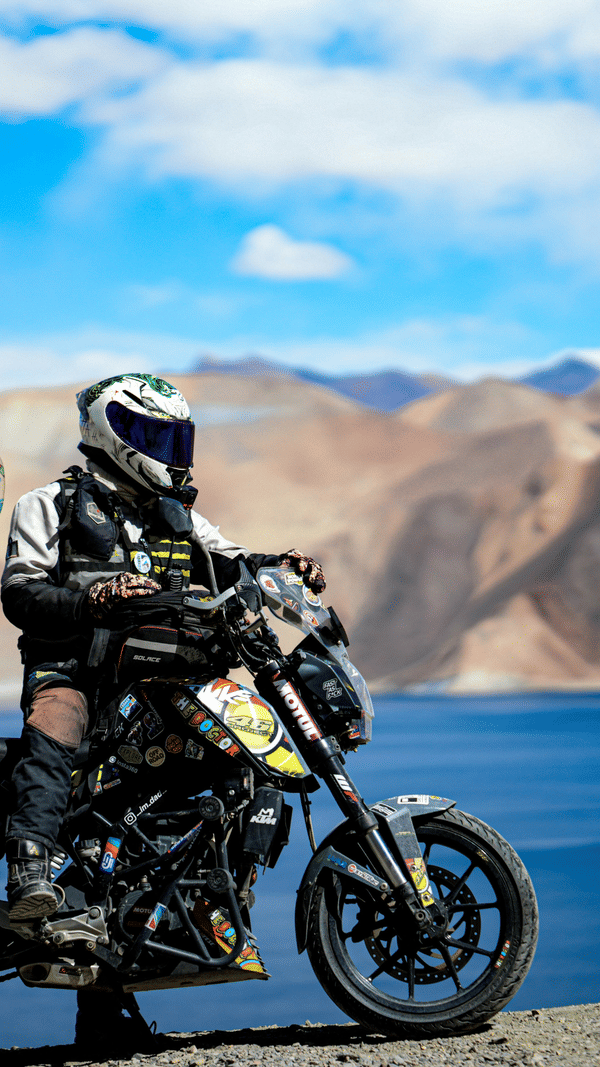
9 Days Srinagar to Leh Tour with Umling La - Pocket Saver Deal

Great Lakes of Ladakh: Manali to Srinagar - 9 Days Value Expedition
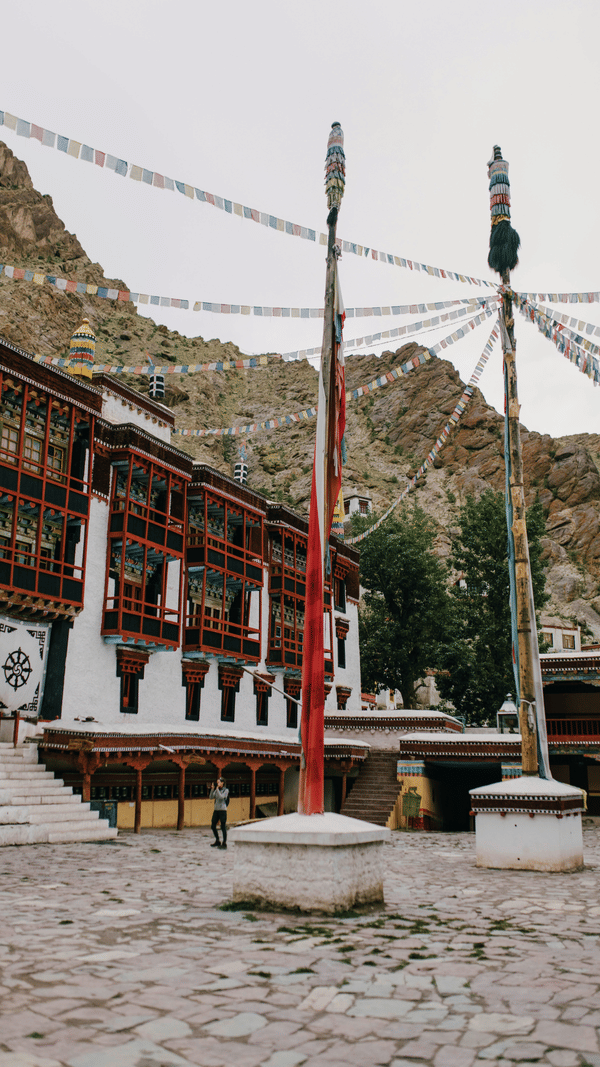
Manali to Srinagar Ladakh Trip with Umling La & Nubra Valley - Pocket Saver
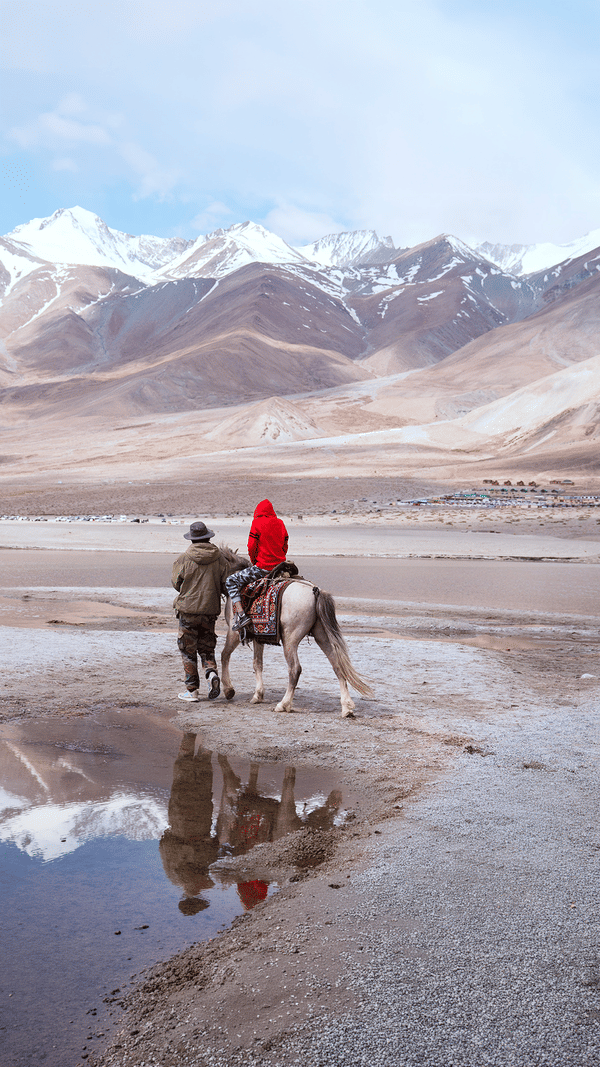
11 Days Manali Leh Umling La Manali - Value Saver Escape
4. Sham Valley

If Ladakh ever had a softer side, it would be Sham Valley. Often called the Apricot Valley, this region feels calmer, greener, and far more lived-in than the rugged landscapes people usually imagine. It quietly earns its place among the best valleys in Ladakh for photography, especially if you enjoy capturing culture, textures, and everyday life.
One of the highlights here is Alchi Monastery, known for its rare 11th-century Indo-Tibetan frescoes that look completely different from other monasteries in Ladakh. Nearby, Likir Monastery adds to the charm with its peaceful setting and traditional architecture.
Then comes the fun twist at Magnetic Hill, where vehicles seem to roll uphill, making it a quirky stop for both photos and stories. A little further, Sangam offers one of the most striking visuals in Ladakh, where two rivers meet in contrasting colors. You can also stop at Gurudwara Pathar Sahib, a serene place with spiritual and historical significance.
Sham Valley is perfect for cultural immersion, village homestays, and easy “baby treks.” It may not feel dramatic at first, but it stays with you longer, especially through your photographs.
Key Facts
- Location: West of Leh, on the Leh–Kargil Highway
- Altitude: 3,200–3,700 m (10,500–12,100 ft)
- Nickname:“Apricot Valley” or “Baby Trek of Ladakh”
- Approx. distance from Leh: 60–70 km
- Activities: Easy treks, village walks, and cultural exploration. Photography focused on monasteries, landscapes, and daily life.
- Access: Located 40–70 km from Leh along NH1. Easily reachable by car in 1–2 hours, ideal for day trips or short stays.
5. Indus Valley

The Indus Valley Ladakh unfolds slowly along the banks of its namesake river, connecting some of the most iconic landmarks in Ladakh. It stands out among the top valleys in Ladakh for its deep cultural roots and visually stunning architecture.
Thiksey Monastery is often the first thing that catches your eye, rising in layers like a hilltop fortress and offering one of the most photographed views in the region. Not far from here, Hemis Monastery adds color and movement, especially during its famous masked dance festival.
History continues at Shey Palace, once the summer capital, where a massive copper-gold Buddha statue dominates the interiors. Then there is Stok Palace, still home to the Ladakhi royal family, offering a glimpse into royal life through its museum and artifacts.
- Location: Central Ladakh, Jammu and Kashmir (Union Territory of Ladakh), India
- Elevation: 3,000–3,600 meters (9,800–11,800 feet)
- Major towns: Leh, Shey, Thiksey, and Stok
- Primary river: Indus River (Sindhu)
- Cultural sites: Thiksey, Hemis, Shey, and Spituk monasteries
- Activities: Monastery visits, heritage walks, and festival experiences like Hemis. Photography of architecture, river landscapes, and cultural details.
- Access: Well-connected by road from Leh via local highways. Can be explored in a day with multiple stops along the route.
Offbeat Valleys in Ladakh
6. Suru Valley

Tucked away in Kargil district, Suru Valley feels like a completely different version of Ladakh. It is greener, quieter, and the most beautiful valley in Ladakh, especially when the Nun and Kun peaks rise dramatically in the background.
Nun and Kun Peaks dominate the landscape and act as a base for serious mountaineering expeditions. Kartse Khar adds a historical layer with its 7th-century rock-carved Buddha. Further ahead, Rangdum Monastery sits in isolation, surrounded by a vast, bowl-shaped valley that feels almost untouched.
Key Facts
- Location: Kargil District, Ladakh, India
- Elevation: 2,700–3,500 meters
- Main Peaks: Nun (7,135 m) and Kun (7,077 m)
- Main settlements: Sankoo, Panikhar, Parkachik, Rangdum
- Activities: Mountaineering, river rafting on the Suru River, and exploring remote villages. Photography here focuses on greenery, glaciers, and towering peaks.
- Access: Reached via Kargil on the Srinagar–Leh highway. The route ahead towards Rangdum is longer and more remote, best done with planning.
7. Dras Valley

Dras Valley is where Ladakh begins to shift in character. Known as the Gateway to Ladakh, it is one of the hidden valleys in Ladakh, famous not just for its extreme cold but also for its historical importance.
At the center of it is Dras War Memorial, built in memory of the soldiers of the 1999 Kargil War. From here, you can see Tiger Hill and Tololing, peaks that played a crucial role during the conflict. In contrast, Mushko Valley nearby softens the landscape with seasonal wildflowers and tulips.
Key Facts
- Elevation: About 3,280 meters (10,760 feet) above sea level
- Location: Kargil district, Union Territory of Ladakh, India
- Temperature: Can drop below −45 °C (−49 °F) in winter
- River: Dras River, a tributary of the Suru River
- Nearest town: Kargil, approximately 60 km away
- Activities: Visiting war memorials, exploring nearby valleys, and light trekking in summer. Photography captures both history and dramatic terrain.
- Access: Located on the Srinagar–Leh highway, about 60 km from Kargil. Easily accessible by road during the summer season.
Top Selling Ladakh Trip Packages 2026
6 Days Leh Trip with Nubra and Pangong | Super Saver

8D Offbeat Leh Ladakh Trip: Aryan Valley with Nubra & Pangong
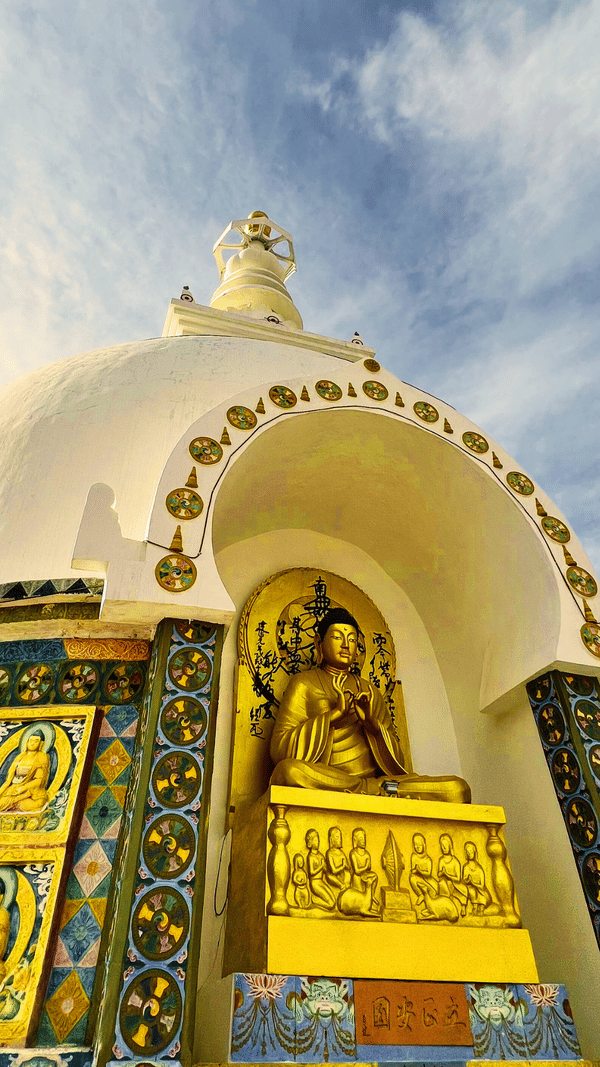
8 Days Thrilling Leh Ladakh Tour Package with Umling La
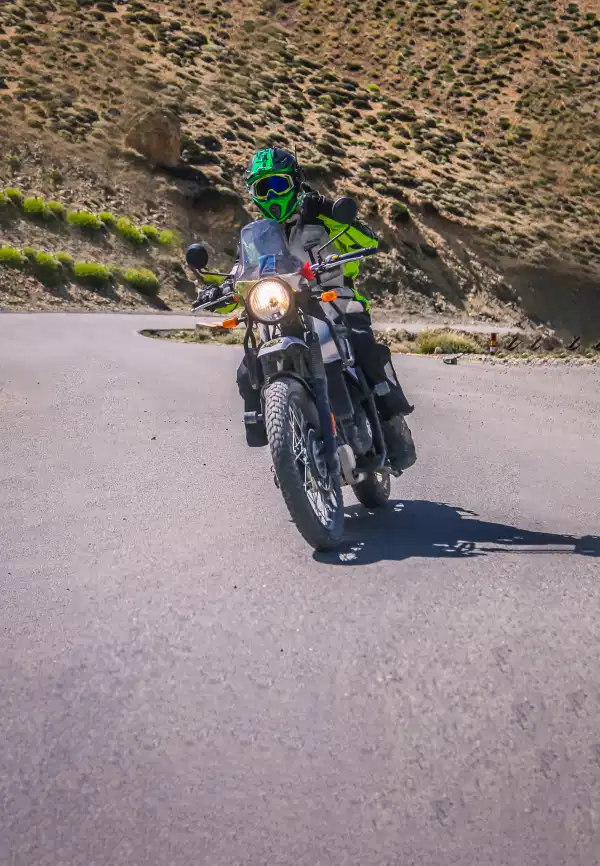
8-Day Leh Ladakh Tour Package with Turtuk and Tso Moriri
8. Changthang Valley

Changthang is vast, high, and quietly powerful. Stretching towards Tibet, it is one of the most offbeat valleys in Ladakh, known for its lakes, wildlife, and the nomadic Changpa way of life.
The landscape is defined by high-altitude lakes like Pangong Tso and Tso Moriri, both known for their constantly changing shades of blue, making this region the most beautiful valley in Ladakh.
The Changthang Wildlife Sanctuary adds another layer, home to rare species like the snow leopard, kiang, and black-necked crane. Hanle, with its clear skies, is also one of the best stargazing spots in India.
Key Facts
- Elevation: 4,000–5,500 meters above sea level
- Location: Eastern Ladakh, near the India–China border
- Main lakes: Pangong Tso, Tso Moriri, Tso Kar
- Inhabitants: Changpa nomads (pastoral community)
- Protected area: Part of the Changthang Wildlife Sanctuary
- Activities: Wildlife photography, stargazing, and experiencing nomadic culture. Ideal for those looking for remote and expansive landscapes.
- Access: Reached from Leh via Pangong or Chumathang routes. Inner line permits are required, and proper acclimatization is essential.
9. Rupshu Valley

Rupshu feels like Ladakh at its most extreme. Stretching across a vast plateau in the Changthang region, it is easily one of the hidden valleys in Ladakh, where the landscape opens into endless plains, salt lakes, and silence that feels almost overwhelming.
The terrain is defined by high-altitude desert, rolling hills, and iconic lakes like Tso Moriri and Tso Kar. The region is home to Changpa nomads, who live in traditional yak-wool tents and move with their herds across the plateau. Wildlife sightings include the Kiang and rare birds like the black-necked crane, making it one of the most beautiful valleys in Ladakh in a raw, untouched way.
Key Facts
- Elevation: Around 4,500–5,500 meters (14,800–18,000 ft)
- Location: Southeastern Ladakh, India
- Main settlements: Korzok, Samad Rokchen
- Activities: Wildlife spotting, lake exploration, and experiencing nomadic life. Ideal for photography of vast landscapes and minimalistic terrain.
- Access: Reached via Nyoma from Leh as part of the Changthang circuit. Requires inner line permits and careful acclimatization due to extreme altitude.
10. Dah Hanu Valley

Dah Hanu is one of the most culturally unique and hidden valleys in Ladakh, located along the Indus River at a lower altitude. It feels completely different from the rest of Ladakh, both in landscape and people.
The valley is home to the Brokpa community, known for their distinct features and elaborate floral headdresses. Villages like Dah, Hanu, Garkon, and Beema offer a glimpse into their traditions, language, and way of life. The landscape is greener and warmer, with apricot, walnut, and grape orchards adding a softness rarely seen in Ladakh.
Key Facts
- Location: Western Ladakh, India, near the Indo-Pakistan border
- Main villages: Dah, Hanu, Garkon, and Darchik
- Ethnic group: Brokpa (Drokpa) community
- Language: Brokskat, an Indo-Aryan dialect
- Tourism access: Restricted; special permits often required
- Activities: Cultural visits to Brokpa villages, local interactions, and photography focused on people and traditions.
- Access: Located on the Srinagar–Leh route beyond Kargil. Requires inner line permits and is best visited with a planned route.
Most Booked Ladakh Travel Packages

8 Days Exciting Leh to Srinagar Road Trip Via Kargil

8 Days Ladakh Road Trip: Challenge yourself in Zanskar

Thrilling Experiential Ladakh Tour With Umling La: SUV Edition

7 Days Ladakh Road Trip With Thang & Siachen
Best Time to Visit Valleys in Ladakh

Think of Ladakh like a place with extreme moods. Sometimes it is warm and welcoming, sometimes it is freezing and shut. So timing your trip makes all the difference.
- June to September (Best Time)
This is when most of the top valleys in Ladakh are open and accessible. Roads to Nubra, Pangong, and even remote areas like Changthang are clear. The weather is pleasant, skies are blue, and everything just works. If you want to see the most beautiful valleys in Ladakh without stress, this is your window.
- April to May (Quiet and Pretty)
Snow is melting, roads are opening, and places look fresh. Valleys like Sham and Indus are great during this time. Fewer tourists, softer light, and blooming apricot trees make it ideal for photography.
- October (Cold but Peaceful)
Tourists start leaving, and Ladakh becomes quiet again. Some high routes begin to close, but you still get clear views and empty landscapes. Good if you like silence more than comfort.
- November to March (Extreme Mode)
Most valleys are cut off due to heavy snow. Temperatures drop way below zero. Only places like Leh and nearby areas are accessible. This is for serious travelers, not casual trips.
Ladakh Valley Itinerary

Don’t ask which valley is best in Ladakh, because the real magic lies in seeing how each one changes the story. To truly experience the top valleys in Ladakh, from the cultural depth of the Indus Valley to the wild, open stretches of Changthang, you need at least 10 to 12 days.
This route is designed to take you through the most beautiful valleys in Ladakh at the right pace, allowing proper acclimatization while the landscapes shift gradually from green villages to cold deserts to high-altitude wilderness.
Day 1–2: Arrival in Leh + Sham Valley (Acclimatization)
- Arrive in Leh and take it slow on Day 1. Ladakh rewards patience, especially at high altitude.
- On Day 2, explore Sham Valley, one of the easiest introductions to the region.
- Highlights: Visit Magnetic Hill, witness the stunning confluence at Sangam, and explore the ancient Alchi Monastery.
Day 3–5: Nubra Valley – The Northern Frontier
- Cross Khardung La to enter Nubra Valley, where the landscape shifts dramatically into a high-altitude desert.
- Highlights: Camel rides at Hunder Sand Dunes, panoramic views from Diskit Monastery, and a day trip to Turtuk, one of the most culturally unique border villages.
Day 6–7: Pangong Tso & Changthang Plateau
- Drive towards Pangong via the scenic Shyok route, one of the most visually striking stretches in Ladakh.
- Highlights: Camp beside Pangong Tso and experience changing shades of blue through the day. Continue into Changthang towards Hanle, known for its clear skies and incredible stargazing.
Day 8–9: Rupshu Valley & Tso Moriri
- Enter one of the most offbeat valleys in Ladakh, where the terrain becomes vast, silent, and raw.
- Highlights: Visit Tso Moriri, explore Korzok village, and spot Kiang roaming freely across the plains. Return via Puga Valley, known for its natural hot springs.
Day 10–12: Indus Valley & Departure
- Wrap up your journey with Ladakh’s cultural heart.
- Highlights: Explore Thiksey Monastery, Hemis Monastery, and Shey Palace. Spend your last evening at Leh Market before departure.
Frequently Asked Questions
What are the best valleys to visit in Ladakh?
The top valleys in Ladakh include Nubra, Zanskar, Indus, and Changthang, each offering a completely different landscape. Nubra gives you deserts, Changthang brings high-altitude lakes, while Indus is rich in culture and monasteries.
Best time to visit Ladakh valleys?
The best time is June to September when all major routes and valleys are open. Spring (April–May) and early autumn (October) are quieter and great for photography but with limited access to remote areas.
How many days are needed to explore Ladakh valleys?
You need at least 7–8 days to cover a few key valleys comfortably. For a complete experience, 10–12 days is ideal.
Which valley in Ladakh is best for trekking?
Markha Valley is the most popular trekking destination, known for its well-defined trails and homestays. Zanskar Valley is better for more challenging and remote trekking experiences.
Are Ladakh valleys safe for solo travelers?
Yes, Ladakh is generally safe for solo travelers, including women. Basic precautions, proper acclimatization, and planning for remote areas are important.
Which is the highest valley in Ladakh?
Rupshu Valley is considered the highest valley in Ladakh, with an average elevation above 4,500 metres. It is part of the Changthang plateau and features extreme terrain, thin air, and lakes like Tso Moriri.
Which valley is best for photography?
Nubra Valley and Changthang are among the best valleys in Ladakh for photography due to their diverse landscapes. Nubra offers desert dunes with snow peaks, while Changthang stands out for lakes like Pangong Tso, dark skies for astrophotography, and rare wildlife.


