


Sangam Point in Ladakh is the meeting point of the Indus and Zanskar rivers at Nimmu village, roughly 35 km west of Leh on the Srinagar highway. The Indus arrives from the east after flowing hundreds of kilometres down from Tibet through the Ladakh range, and the Zanskar comes in from the south after cutting through the Zanskar mountains. The moment they meet, sometimes carrying two visibly different colours and sometimes flowing in near-identical shades depending on the season, is what pulls most Leh day-tour groups to this stop.
The viewpoint above the confluence is free to enter, gives you a wide panorama of both rivers merging, and takes about 30 to 60 minutes if you're stopping only for photos. If you're adding rafting, plan for a half-day trip that starts upstream near Phey and finishes at the confluence itself. Sangam Point Ladakh works best as part of the classic Leh western-loop day, paired with Magnetic Hill, Gurudwara Pathar Sahib and the Hall of Fame museum on the same route.
This page covers where the two-river meeting sits, why the colour show varies by season, rafting logistics with honest price ranges, and how to sequence the full Leh day loop around it. All prices and timings are current as of the publish date and worth reconfirming closer to your travel window.
Sangam Point at a glance

Everything you need to know about the Sangam Point Ladakh in one quick view:
Details | Information |
Location | Nimmu village, on the Srinagar-Leh highway |
Distance from Leh | Approximately 35 km |
Elevation | Around 3,000 metres |
Entry fee | Free |
Rafting season | Roughly June to September (verify at booking) |
Rafting price band | ₹1,500 to ₹3,000 per person for the Phey-Nimmu stretch |
Ideal visit duration | 15-20 minutes for viewpoint only, 3 to 4 hours with rafting |
Best colour contrast | Late spring through early summer |
*Prices and season windows shift year to year, so reconfirm at the time of booking rather than relying on published estimates.
Best Selling Ladakh Packages
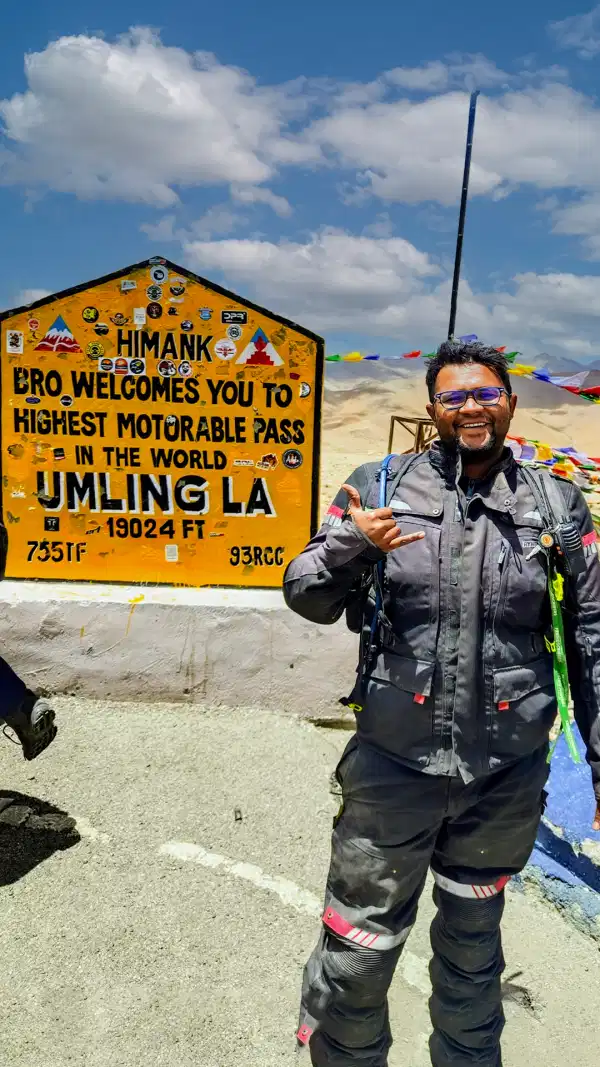
Best Ladakh Bike Trip from Srinagar to Manali | Umling La | Tso Moriri

5-Day Leh Ladakh Tour: Khardung La Adventure

11 Days Ladakh Tour Package with Umling La | Manali Leh Srinagar
8-Day Leh Ladakh Tour Package with Turtuk and Tso Moriri
The two-colour confluence, explained

The reason Sangam Point ranks as one of Ladakh's most photographed spots is the colour play between the two rivers. The Indus often runs in a muddy brown or golden tone from the sediment it's carrying down through the Tibetan and Ladakhi plateaus, while the Zanskar comes in with a greener, cooler tint from the glacial melt of the Zanskar mountains. When both are flowing at the right sediment load, the contrast at the confluence is genuinely striking and holds visible for several hundred metres downstream before mixing fully.
Here's the honest part most travel content skips: The two rivers don't always look different. Sediment load in both rivers shifts with the season, glacial melt patterns and recent weather. In peak monsoon and immediately after heavy melt, both rivers can carry similar sediment concentrations and the colour contrast can be subtle or almost absent. In late winter and early spring, water levels drop significantly and the character of the confluence changes entirely, with narrower channels and softer colours.
When the colour show peaks: Local guides and returning visitors will tell you that the best colour contrast typically shows up between late April and early June, when the Zanskar is running fresh with early glacial melt but before the Indus starts carrying its heavier summer sediment load. September through early October also gives strong contrast as the sediment settles back down. Peak monsoon months in July and August can produce dramatic water volumes but muddier colours in both rivers.
Set expectations accordingly: If the colour contrast is the main reason you're making the trip out, plan around the shoulder months rather than assuming any visit will deliver the postcard shot. The Indus Zanskar confluence itself is worth visiting year-round for the landscape and the sheer scale of the two rivers meeting, but the specific colour show is a seasonal event.
River rafting at Sangam

River rafting on this stretch of the Indus valley is one of the most popular adventure add-ons for travellers spending a full day around Nimmu village. The standard route is the Phey to Nimmu stretch, running roughly 25 km upstream to the confluence itself, and it's the section that most Leh-based operators run through the summer months.
Grade honesty: The Phey-Nimmu stretch is graded II to III on the international rafting scale, which puts it in the moderate range. Genuinely accessible for first-timers with no prior rafting experience, but with enough rapids to feel like proper white-water rather than a scenic float. Larger volumes in July can push some sections toward Grade III+, so ask your operator about current conditions on the day.
Season window: Rafting typically operates from June to September when water volumes are high enough for the rapids to hold. Early June and late September can see reduced flow depending on the year's melt patterns. Rafting stops entirely through the winter and shoulder months when water levels drop.
Operator price bands: Rates through the summer season generally sit in the ₹1,500 to ₹3,000 per person range for the Phey-Nimmu stretch, depending on the operator, group size and inclusions. Some operators price higher if the package includes photo services, GoPro rentals or extended stretches. Reconfirm current rates directly with your operator.
What's typically included: Life jackets, helmets, wetsuits where the water is cold, safety kayakers on the run, and a briefing session before you launch. A packed lunch at the confluence is common on half-day rafting packages, though not universal.
Safety gear is non-negotiable: Long-time river guides who've run this stretch dozens of times will tell you the same thing: never step into a raft without a properly fitted life jacket and helmet, regardless of how calm the water looks. The Indus and Zanskar are cold, fast, and unforgiving if someone goes over without proper gear. If any operator suggests skipping the gear or moves you to a run without a safety briefing, walk away.
The classic Leh day loop

Sangam Point Ladakh is almost never done as a standalone trip. Instead, it forms one stop on what most Leh operators simply call the "western loop" or the "Sangam-Magnetic Hill circuit", a half-day to full-day route that covers three or four of Leh's most-visited sites in sensible sequence.
The standard sequence works clockwise out from Leh and covers Gurudwara Pathar Sahib, Magnetic Hill, the Sangam viewpoint, and the Hall of Fame museum on the way back. This order works well because it puts the shorter religious and cultural stops on the outbound leg when your body is fresher, and holds the confluence viewpoint for mid-morning when the light on the two rivers works best.
Gurudwara Pathar Sahib sits about 25 km from Leh on the same Srinagar highway. It's an active gurudwara maintained by the Indian Army, tied to a local legend of Guru Nanak, and worth 20 to 30 minutes for the peaceful visit and the langar (community meal) if you're there at meal time.
Magnetic Hill and Sangam pair naturally because they sit on the same route within 10 km of each other. Magnetic Hill is the optical-illusion stop where the road appears to pull vehicles uphill against gravity — genuinely worth a 15-minute stop even if the science behind it is straightforward. From here, the confluence viewpoint is another 10 minutes down the road.
Hall of Fame sits on the return leg back to Leh, roughly 4 km from the town centre. It's an Indian Army museum focused on the Kargil war and the region's military history, and it's worth an hour if you have the interest.
Fitting rafting into the loop: If you're rafting, the day sequence changes. Rafting typically starts at Phey around 9 to 10 AM, finishes at the confluence by early afternoon, and leaves time for a shorter visit to Magnetic Hill or the Hall of Fame on the way back. Gurudwara Pathar Sahib usually gets folded into the outbound morning drive to the rafting put-in point.
For travellers heading to Pangong Tso afterwards, our Pangong Tso guide covers how to structure that longer leg alongside the shorter Leh day loops.
Sangam Point Best time and the colour show

Sangam is accessible year-round because the Srinagar highway stays open in the Nimmu section even through most of winter, though the character of the site changes completely across the seasons.
Late April to early June delivers the most dramatic colour contrast at the confluence, with the Zanskar showing early glacial melt greens and the Indus not yet at peak sediment. Rafting starts up in June as water volumes build.
July and August are peak summer and peak rafting season, with the highest water volumes and strongest rapids. Colour contrast can be muddier during this window as both rivers carry heavy sediment.
September and early October brings back the colour contrast and cooler weather, with rafting still operational until water levels drop.
Winter (November through March) is a completely different experience. Water levels drop, some smaller channels can freeze, and the landscape takes on a stark stripped-back beauty that many photographers actually prefer to the summer colours. Rafting doesn't operate.
For the full seasonal picture across Ladakh, see our best time to visit Ladakh guide.
How to reach Sangam Point

Nimmu village is on the Leh-Srinagar highway, and the drive out from Leh is one of the more scenic short routes in Ladakh. There are two ways most travellers use to reach the Indus Zanskar confluence.
By cab: A private cab from Leh to Sangam and back, typically run as part of the western loop day, costs roughly ₹3,500 to ₹5,500 for a full-day round trip depending on the vehicle and how many stops you're adding. Shared cabs from Leh Main Market run cheaper but on fixed schedules that don't always suit shorter stops.
By bike: Renting a bike in Leh for the day and riding the Srinagar highway out to Nimmu is one of the classic ways to see Sangam. The road is smooth for the most part, the elevation stays comfortable at around 3,000 metres, and the return can be timed around the light at Magnetic Hill and the confluence.
Airport arrival note: Most travellers stop at Sangam on their second or third day in Leh rather than on the arrival drive itself, since airport-to-Sangam adds too much to a day already spent adjusting to altitude. For arrival logistics from Delhi, see our how to reach Ladakh from Delhi guide.
The Srinagar highway context: For travellers doing Ladakh as a road trip in from Srinagar, Sangam sits about halfway between Kargil and Leh and typically features as one of the last major photo stops before entering Leh proper. Coming in this direction, the confluence is your first proper introduction to the Indus valley.
Planning your stop

Viewpoint vs riverbank access: Most travellers stop at the road-side viewpoint above the confluence, which gives the wide-angle shot most people are after. Access down to the riverbank itself is possible on foot from a couple of trails that lead down to the water, and it's worth the walk if you have time. The perspective from water level looking up at the confluence is completely different from the panorama shot.
Drone rules: Drone regulations across Ladakh shift regularly and specific permits are required for most locations, especially near military areas or sensitive corridors. Sangam sits close enough to strategic zones that flying without prior clearance can create real problems. Confirm current regulations with your operator or the local district administration before packing a drone.
Best light of the day: Mid-morning through early afternoon gives the strongest natural light on the two rivers for photography. Late afternoon works but shadows from the surrounding hills start covering parts of the confluence earlier than you'd expect at this latitude.
Cafes and refreshments: Nimmu village has a small collection of local cafes and dhabas serving Ladakhi thukpa, momos and standard Indian meals. Nothing at the viewpoint itself, so plan to stop in the village either before or after the confluence visit.
Combining with a full Ladakh trip: For travellers building a proper Ladakh itinerary around the western loop, our Ladakh tour packages include structured Leh days with Sangam sequenced alongside Magnetic Hill, Gurudwara Pathar Sahib and Hall of Fame on the acclimatisation-friendly day of the trip.
Frequently Asked Questions
Where is Sangam Point?
The confluence sits at Nimmu village on the Srinagar-Leh highway, roughly 35 km west of Leh. It's the point where the Indus and Zanskar rivers meet after flowing hundreds of kilometres from different directions, and it's easily accessible as a half-day trip from Leh.
Why do the two rivers look different colours?
The Indus typically carries sediment from the Tibetan and Ladakhi plateaus, giving it a muddy or golden tone, while the Zanskar carries glacial melt from the Zanskar mountains, showing a greener or cooler tint. The contrast peaks in late spring and early autumn when sediment loads and glacial melt hit the right balance. In peak monsoon months, both rivers can carry similar sediment and the colour difference softens.
How much does rafting at Sangam cost?
River rafting at Sangam typically costs ₹1,500 to ₹3,000 per person for the standard Phey-to-Nimmu stretch, depending on the operator, group size and what's included. Rafting runs from June to September, and rates should be reconfirmed directly with your operator at the time of booking.
How far is Sangam from Leh?
The Sangam point Leh distance is approximately 35 km on the Srinagar-Leh highway, and the drive typically takes 45 minutes to an hour depending on traffic and stops. Most travellers combine the visit with Magnetic Hill and Gurudwara Pathar Sahib on the same day.
What else can be combined with Sangam?
Sangam is almost always paired with the western loop day from Leh, which includes Magnetic Hill, Gurudwara Pathar Sahib and the Hall of Fame museum. Rafting on the Phey-to-Nimmu stretch is the other common half-day add-on when the season allows.
Is Sangam worth visiting in winter?
Yes, though it's a completely different experience from the summer visit. Water levels drop, some channels can partially freeze, and the landscape takes on a stark stripped-back beauty. The Srinagar highway stays open in the Nimmu section through most of winter. Rafting doesn't operate, so plan for a scenic viewpoint stop rather than the full experience.


