


Is Spiti safe for solo female travelers? Absolutely. With a deeply rooted Buddhist culture and near-zero crime, Spiti is one of the safest places in India for both women and solo travelers.
While you don’t need to worry about social safety, you must strictly prepare for environmental challenges at 12,500 ft like thin air (AMS), treacherous roads and digital dead zones. Successfully navigating a trip to Spiti Valley as a woman alone comes down to smart logistics.
For a smooth experience, you must enter via the Shimla route to prevent Acute Mountain Sickness (AMS) and carry physical cash since UPI is unusable in most villages. Whether you seek the quiet of a Tabo homestay or the security of a guided group, Spiti offers a rare sanctuary where the only real danger is the breathtaking view at 14,000 feet.
Follow this guide for detailed info on Spiti solo female travel 2026 and tips to navigate Spiti Valley solo safely.
Popular Spiti Valley Group Trips
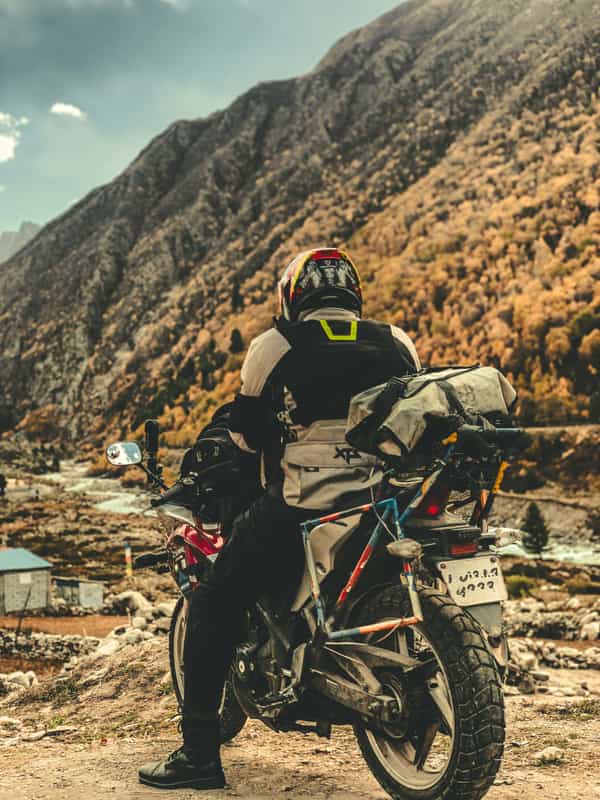
Spiti Valley Circuit Group Bike Trip | Tirthan To Manali On Two Wheels

Spiti Valley Adventure From Chandigarh: Sangla, Kalpa & Tabo Special

Spiti Valley Tour From Manali: Chandratal Camping & Kibber Wildlife
Why Is Spiti One Of India’s Safest Places For Women?

For anyone considering solo female travel in Spiti, the answer starts with culture, not infrastructure. Here, the local culture is your biggest bodyguard, and the only "danger" you’ll likely face is the breathtaking altitude. Women solo travel Spiti experiences consistently report feeling safer here than in most Indian hill towns.
Here is why Spiti remains one of the top places in India for solo female travelers in 2026.
1. Low Crime Rates and High Social Safety
The crime rate in Spiti is nearly zero. Because the population is small and deeply connected, everyone is held accountable by the community, making theft or harassment extremely rare.
2. Buddhist Culture and Values
The local people follow Tibetan Buddhism, which emphasizes non-violence, compassion and hospitality. You will find that locals treat female travelers with genuine respect and care.
3. Women-Led Economy
There is a visible presence of women running Spiti homestays for solo females, cafes and shops. Seeing local women in positions of authority makes the environment feel familiar and comfortable for solo female visitors.
4. Community-Based Homestays
The "homestay culture" means you are rarely alone; it’s a big factor for Spiti solo female travel safety. Local families look after solo travelers as if they were their own. Local homestays in Spiti generally include a warm bed, food, ‘bukhari’ and local advice on road safety.
5. The "Everyone Knows Everyone" Effect
In remote villages of Spiti Valley like Langza or Dhankar, neighbors look out for one another. If you are traveling alone, the locals will often check in on you just to ensure you aren't lost or struggling with the altitude.
6. Respectful Trekking Culture
The guides and porters in Spiti are known for being professional and helpful. Whether you are on a short hike or a long trek, the mountain trekking community maintains a strict code of conduct regarding female safety.
The Real Risks In Spiti For Solo Female Travelers

No Spiti travel safety guide is complete without addressing what actually puts travelers at risk here. While Spiti is socially one of the safest places in India for women, the environment is unforgiving. In 2026, the risks aren't about who you meet, but how prepared you are for the elements.
This Spiti female travel guide 2026 presents the real challenges you need to manage:
- Acute Mountain Sickness (AMS): Spiti’s average altitude is over 12,000 ft, where oxygen is thin. AMS can hit anyone regardless of fitness, leading to severe headaches, nausea, or breathlessness if you rush your ascent.
- The Digital Blackout: Outside Kaza and Tabo, mobile signals (even BSNL/Jio) are non-existent. You will be completely "off the grid" for days, meaning you cannot rely on GPS or emergency calls while on the road.
- Treacherous Road Conditions: The stretch from Manali to Kaza is famous for "Pagal Nalas" (unpredictable water crossings) and "Shooting Stones" (falling rocks). Landslides can block roads for 24 - 48 hours without warning.
- Unreliable Cash Flow: ATMs in Kaza frequently run out of cash or stop working due to link failures. In a region where UPI fails 80% of the time due to poor internet, being without physical cash is a genuine safety risk.
- Extreme Weather Shifts: Even in peak summer, temperatures can drop to -2°C at night. Sudden snow at high passes like Kunzum La can trap travelers, making high-quality gear a survival necessity rather than a choice.
- Limited Medical Infrastructure: Kaza has a basic community health center, but specialized medical help is at least 10–12 hours away in Shimla or Manali. For Spiti solo female travel safety, you need to be careful at remote locations if you have a pre-existing condition.
Best Time For Solo Women To Visit Spiti Valley

The best time for solo women to visit Spiti is June to September. This window provides the highest level of safety because the roads are clear, the weather is stable, and the presence of other travelers makes it easy to find help or share transport.
- June (Best for road access): The Manali-Kaza road opens, completing the full circuit. Check out the weather condition of Spiti Valley in summer for a better understanding.
- July & August (Peak Social Safety): The valley is most populated, ensuring you are never truly isolated on the road or in hostels.
- September (Best Weather): Skies are clear and the monsoon retreat makes road conditions more predictable for long bus journeys.
Alternative: April & October (Shoulder Season)
You can visit during these months for fewer crowds, but be cautious. Many seasonal homestays remain closed, and sudden snowfall can trap you in a village without a way out for days. Check out season by season weather conditions in Spiti Valley for a better understanding.
Avoid Winter (November to March) at all costs
Unless you are a professional explorer, avoid visiting Spiti Valley in winter. You will face -20°C temperatures, no running water (frozen pipes), and frequent power outages, making it a dangerous environment for a solo traveler to manage alone.
How To Reach & Get Around Spiti As A Solo Female?

Navigating the "Cold Desert" alone is simpler than it looks, provided you respect the altitude and the local schedule.
- The Safety Route (Entry via Shimla): For the best acclimatization, take the HRTC bus or a shared cab from Shimla. It’s a two-day journey with a stop in Reckong Peo that helps your body adjust to the 12,000 ft+ elevation.
- The Shortcut (Entry via Manali): Only open from June to September, the Manali to Spiti route is faster but steeper. It's best used as an exit route to avoid sudden altitude sickness.
- Moving Locally: While private taxis are expensive, Kaza has a thriving "Shared Sumo" culture. You can easily find fellow travelers at the Kaza Taxi Stand or hostel cafes to split costs for sightseeing.
- The Lifeline: Local HRTC buses connect Kaza to villages like Tabo and Losar daily. They are safe, reliable, and incredibly cheap for solo explorers.
For a complete breakdown of bus timings, safety tips, itinerary, and the best routes, check out our comprehensive guide on how to reach Spiti Valley.
Check Out Popular Spiti Group Trips

Spiti Valley Group Adventure | Journey To Lepcha La

Frozen Spiti Backpacking - Bliss in Budget -edited
Spiti Valley Circuit Group Bike Trip | Tirthan To Manali On Two Wheels
Solo Female Travel Spiti: Essential Safety Tips For 2026

If you are planning your Spiti female travel guide 2026, following a plan is necessary. These direct Spiti solo trip safety tips will help you navigate the "Cold Desert" with confidence.
1. Plan Your Itinerary Well In Advance
Spiti is not a place for "figure it out as you go" travel; you must map out a fixed solo Spiti itinerary for women to align with infrequent HRTC bus timings and limited homestay availability.
If you’re wondering: is Spiti safe for solo female travelers, choose the Shimla route for a gradual "slow ascent" to prevent AMS, as the steep Manali entry often leaves solo travelers too sick to function. Always pre-book your stays and build in two "buffer days" for road blocks to ensure you aren't stranded without a signal.
2. Verify Latest Road And Weather Conditions
Even short internal routes like Kaza to Pin Valley or the Dhankar-Tabo stretch can close due to sudden shooting stones or rising water levels at crossings. Every morning, ask your homestay host or the local HRTC conductor for the latest road status.
Knowing the road is clear before you leave ensures you aren’t stranded in a "dead zone" with no network, shops, or shelter for the night; it’s one of the most essential solo female Spiti travel tips to remember.
3. Decide Between Solo Vs. Group Travel
If you’re traveling to Himalayan region for the first time, you may consider Spiti women only tours or group trips for the safety net of a backup vehicle and oxygen. If going solo, you must be comfortable being "off the grid" and navigating long, remote bus journeys independently.
4. Use HRTC Buses Or Shared Cabs For Transport
HRTC buses are the safest and most social way to travel. For remote spots, visit the Kaza taxi stand at 8:00 AM to split a "Shared Sumo" with other travelers, keeping your Spiti solo female travel safety high while cutting costs. Avoid renting a scooty solo unless you can handle high-altitude stream crossings.
5. Stay In Local Homestays Or Hostels

Most solo female travelers recommend staying in family-run homestays in Langza, Dhankar, or Tabo for a built-in "local family" safety net. In Kaza, you can opt for hostels like Zostel that are perfect for meeting fellow women explorers. The Key Monastery guesthouse is also a very secure, quiet option for solo women.
6. Don’t Go Solo At Night In Remote Locations
Spiti is socially safe, but after 7:00 PM, the risks are environmental: sub-zero temperatures, pitch-black paths, and stray dogs. Always be back in your stay before dark, if you’re in remote locations; this is a non-negotiable Spiti travel safety guide rule.
7. Prepare For A Total Digital Blackout
Expect zero connectivity outside main towns like Kaza. Only BSNL Postpaid works reliably in Kaza; Jio and others fail in higher villages. Part of spirit safety for women is informing your family that you will be unreachable for 24 - 48 hour stretches.
8. Carry A Large Cash Reserve
Carry ₹12,000 - ₹15,000 in physical cash from Shimla. Kaza ATMs are notoriously unreliable and UPI fails 80% of the time due to poor internet. Being "cash-poor" in a remote village is a genuine safety risk. Check out the Spiti Valley travel checklist to not miss out on any essentials.
9. Explore These Safe Solo Destinations
Every village in Spiti is safe to wander alone. Some of the best places to visit on Spiti Valley solo trip include Kaza, Tabo, Hikkim-Langza-Komic circuit and Mudh Village in Pin Valley. These areas are peaceful and free from the typical "tourist pestering" found in cities.
10. Prioritize Health And Acclimatization
Carry a "Mountain Pharmacy" with Diamox (for AMS), ORS, and a portable oxygen canister. The most vital of all Spiti solo trip safety tips is this: if you feel a persistent headache or nausea, do not go higher. Descend immediately.
Pro Tip: If you ever feel stuck or uncomfortable, head to the nearest Monastery. The monks are incredibly helpful and will ensure you have a safe place to sit, drink tea, and find a way back to your base.
Is It Safe To Hitchhike For Women In Spiti?

Hitchhiking in Spiti Valley is generally safe for women due to the deeply rooted Buddhist culture of honesty and respect. While local crime is nearly non-existent, you must be careful while traveling solo anywhere in the world. Solo female travelers should prioritize hitching rides with families or in vehicles already carrying women.
The real limitations are environmental: extremely low vehicle frequency on remote routes and a total lack of mobile signal if you get stranded.
For maximum safety, only hitchhike during daylight hours and avoid relying on it for long-distance stretches to avoid being stuck in the cold for hours.
Final Verdict: Is Spiti Safe For Solo Female Travelers?

Spiti isn't just safe; it’s a place where the mountains and the people look out for you. While the thin air and rugged roads require respect, the warmth of the local culture makes it a rare sanctuary for women seeking solitude.
Solo travel is the ultimate freedom, but in Spiti, it means you are your own only backup. If you aren't comfortable being 100% self-reliant in a place with no internet, no night-life and limited doctors, the "solitude" can feel more like stress. If you're second-guessing your solo logistics, that’s where joining a community comes in.
Get in touch with the team at WanderOn to experience the valley with a crew of like-minded travelers and expert captains who handle the risks while you enjoy.
Frequently Asked Questions
Is Spiti safe for solo female travelers in 2026?
Yes, Spiti is exceptionally safe for solo female travelers in 2026. The crime rate is nearly non-existent, and the local Buddhist culture fosters deep respect for women. Your primary safety concerns will be environmental, such as managing altitude sickness and road blockages.
What makes Spiti different from other Indian destinations for women?
Spiti stands out due to its unique village watch community and spiritual influence. Unlike crowded tourist hubs, the remote, small-village dynamics ensure locals actively look out for outsiders, creating an environment where solo women feel like protected guests rather than targets.
Is it safe to trek alone as a woman in Spiti?
While socially safe, trekking entirely alone is not recommended due to treacherous terrain and zero mobile connectivity. It is safer to hire a local guide or join a group, as sudden weather shifts or minor injuries can become life-threatening when isolated.
Can I travel to Spiti alone without prior mountain experience?
Yes, you can travel to Spiti alone, provided you follow a strict acclimatization schedule. Entering via the Shimla route is essential for beginners to avoid AMS. You must be prepared for basic infrastructure, long travel hours, and limited medical facilities.
Is Leh safe at night for solo female travelers?
Leh is considered very safe at night, particularly in the well-lit Main Market areas. However, as a precaution, avoid walking alone in poorly lit or deserted outskirts after 10:00 PM to stay safe from stray dogs and the freezing 2026 temperatures.
Are there women-friendly stays in Spiti?
Yes, Spiti is famous for women-run homestays and hostels like Zostel Kaza. Staying in traditional homestays is highly recommended, as local Ama-las (mothers) offer a secure, homely environment where solo women can experience authentic culture with total peace of mind.


