


Key Monastery sits at 4,166 metres above the Spiti River, about 12 kilometres from Kaza. It is the largest Spiti Valley monastery and one of the oldest, with roots going back nearly a thousand years. Locals also call it Key Gompa, and almost every list of Spiti Valley tour packages includes a stop here.
The building looks like a random stack of whitewashed rooms. That shape comes from centuries of damage and rebuilding. Mongol raids, Dogra armies, fire, and the 1975 earthquake each took their toll, and monks rebuilt over the ruins every time. In 2000, the Dalai Lama held the Kalachakra ceremony here. Today it remains a working monastery and a training centre for young lamas. The climb to its prayer halls rewards you with one of the finest views in Spiti, and that view is why so many Spiti Valley tour packages keep Key Monastery on the route.
Key Monastery: Quick Highlights

Also known as: Key Gompa, Ki Monastery, Kee Monastery
Key monastery location: 72X6+4QM, Key, Pinjoor, Himachal Pradesh 172114
Key monastery height: 4,166 metres above sea level
Religious order: Gelugpa (Yellow Hat) school of Tibetan Buddhism
Timings: Open daily, roughly 6 am to 6 pm
Entry fee: NIL
Best time to visit Key Monastery: May to October, with June to September the easiest for road access
Key monastery photography: Allowed in the courtyard and outside. Ask a monk before shooting inside the prayer halls, and avoid flash near the old murals
Nearest town: Kaza, 12 km
Time needed: 1 to 2 hours
Spiti tour Packages - Book Now!
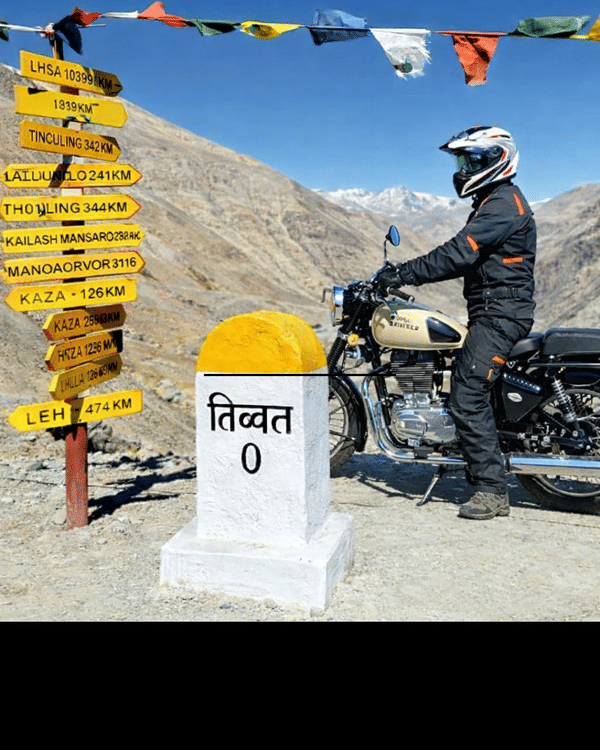
Thrilling Spiti Valley Bike Trip | Ride To The Edge At Lepcha La
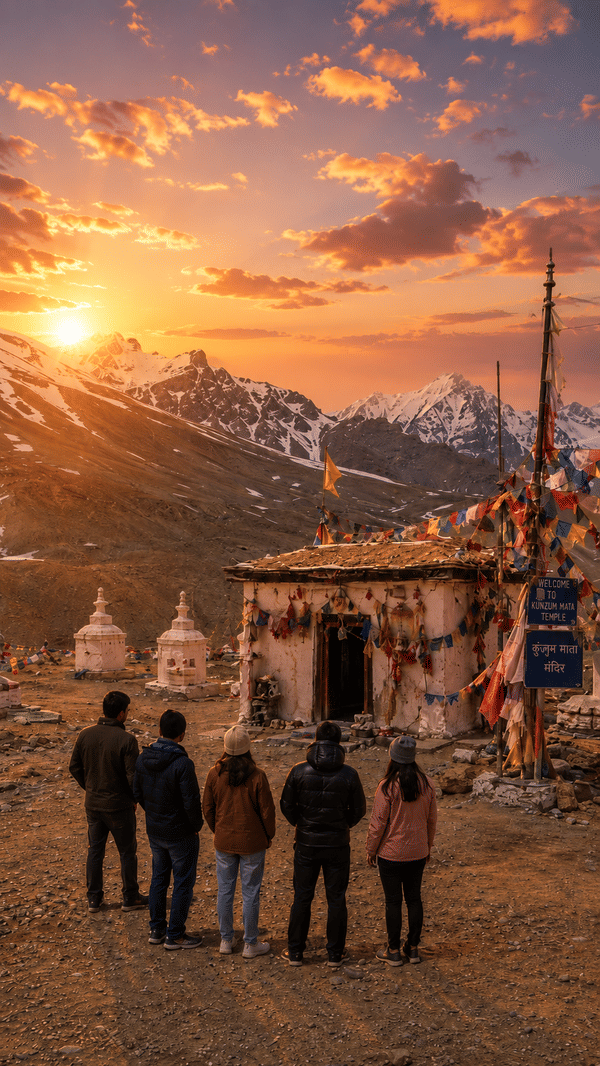
Spiti Valley Group Trip with Chandratal: Summer Edition

Spiti Valley Road Trip From Delhi | Summer Trip To Chandratal
What is Key Monastery?

Key Monastery Spiti Valley is a Tibetan Buddhist monastery that has stood for close to a thousand years. It is the largest monastery in the region and its main centre of religious learning. Perched at 4,166 metres on a rocky hill above the Spiti River, the complex follows the Gelugpa, or Yellow Hat, school of Tibetan Buddhism.
It is still a working monastery. Monks live, study, and pray here, and young lamas come for training. Most travellers reach it from Kaza, the nearest town. The Kaza to Key Monastery drive is only about 12 kilometres and takes around half an hour, climbing steadily as the valley opens out below you.
Inside, you will find old prayer halls, faded murals, thangkas, and manuscripts gathered over centuries. The setting is what stays with most visitors. By day the monastery stands pale against bare brown mountains. After dark, the Key Monastery night view takes over, with the building lit on its hill beneath a sky full of stars, since Spiti has almost no light pollution.
History of Key Monastery

Key Monastery was founded around the 11th century and grew into the main centre of Buddhist learning in Spiti. Its past was turbulent. Mongol armies raided it in the 17th century. The Dogra wars of the 1800s brought fresh plunder, and fire later tore through its halls.
In 1975, a powerful earthquake struck Spiti and damaged the monastery once more. Each time, the monks rebuilt over the ruins rather than starting somewhere new. That is why Key Gompa rises in uneven, stacked tiers today, with later rooms set on top of older, damaged ones.
Walking up through the complex roughly traces this layered past. Its importance was confirmed in 2000, when the Dalai Lama held the Kalachakra ceremony here, drawing thousands to this remote part of the Himalayas.
Suggested read: Best time to visit Spiti
What to See Inside Key Monastery

Here is what to look for when you step inside Key Gompa:
- Prayer halls: Dim assembly rooms lined with cushions and low tables, lit by butter lamps and used for daily chanting.
- Murals and thangkas: Old wall paintings and painted scrolls, many darkened by age and lamp smoke.
- Buddha statues: Images of the Buddha and other deities placed around the halls.
- Old manuscripts: Shelves of ancient Buddhist texts and scriptures, collected over centuries.
- Musical instruments: Ceremonial drums and long horns, played during prayers and the Chaam festival.
- Old weapons: A small collection of arms, a quiet reminder of the raids Key Monastery survived. This surprises most visitors.
- Best time to be inside: First light, when the monks gather to chant. A key monastery stay in the simple guest rooms lets you witness this up close.
- Travelling with WanderOn: On our Spiti trips, the Trip Captains time the visit for these quieter hours and explain what each painting and ritual object means, the kind of context most rushed visitors to Key Monastery Spiti Valley miss.
The Annual Festival at Key Monastery

Once a year, Key Monastery comes alive for its biggest festival. The highlight is the Chaam dance, a slow, masked ritual performed by the monks. They wear bright robes and carved masks of various deities, moving in slow circles to the sound of long horns, drums, and cymbals. The dance is believed to drive away evil and bring good fortune for the year ahead.
The festival follows the Tibetan lunar calendar, so the exact dates shift each year. It usually falls in the summer months, often around June or July, which is also when Spiti's roads are open and travel is easiest. Monks and families from nearby villages gather at Key Gompa for the event. It is one of the social high points of the year for the whole region.
If you want to time a trip to Key Monastery Spiti Valley around the festival, confirm the year's dates in advance, since they are not fixed.
How to Reach Key Monastery?

From Kaza to Key Monastery
- Distance: 12 kilometres, roughly 25 to 30 minutes by road
- Route follows the Spiti River before climbing sharply up to the monastery hill
- Road is paved for most of the stretch but gets narrow near the top
- Most travellers hire a local taxi from Kaza or join a group vehicle
- On WanderOn Spiti trips, the Trip Captain handles this transfer and times arrival for early morning, before day-trippers arrive
From Manali to Key Monastery
- Distance: Around 200 kilometres, takes 7 to 9 hours depending on road conditions in Spiti
- Route goes over Rohtang Pass through Gramphu, Losar, and Kaza before the final stretch
- Road is only open between late May and early October
- Snow can block the Rohtang stretch even in June, so buffer days are essential
- WanderOn Trip Captains travel this route regularly and plan for weather delays that independent travellers often underestimate
From Shimla to Key Monastery
- Distance: Around 420 kilometres via Hindustan Tibet Highway, NH5
- Route passes through Narkanda, Rampur, Jeori, and Reckong Peo before entering Spiti through Tabo and Kaza
- More gradual and reliable than the Manali route in early or late season
- Travel time is 12 to 14 hours, best split across two days
- Most travellers break the journey at Reckong Peo or Tabo
- Key Monastery Spiti Valley is the natural last stop before turning back toward Kaza
Best Time to Visit Key Monastery

September is the best month to visit Key Monastery. Here is why:
- Skies are clear, dry, and stable after the monsoon season ends
- Visibility across the Spiti Valley is at its sharpest, with snow-capped peaks fully visible
- Both the Manali and Shimla routes into Spiti remain open and road conditions are at their most reliable
- Daytime temperatures stay between 10°C to 15°C, comfortable for walking and exploring
- Key Monastery night view is most rewarding in September, with zero light pollution and near-perfect sky clarity
- The landscape turns golden brown, making it the strongest month for Key Monastery photography
- WanderOn's Spiti Valley tour packages see their highest September demand, so early booking is advised
Best Time of the Day
Early morning, between 6:00 am and 7:00 am, is the best time of day to visit Key Gompa. Here is why:
- Morning prayers and chanting begin at first light, giving visitors a rare, unscripted look at monastic life
- Natural light at this hour is soft and directional, ideal for photographing the monastery against the mountains
- Tourist footfall is near zero before 9:00 am, the experience feels genuinely private
- Butter lamps are freshly lit inside the prayer halls, the scent and light together are unlike any other time of day
- The only practical way to be there at 6:00 am without a rushed pre-dawn drive from Kaza is a key monastery stay in the on-campus guest room.
Spiti tour Packages - Book Now!

Frozen Spiti Expeditions

Spiti Winter - Bliss in Budget

Frozen Spiti Backpacking - Bliss in Budge

Spiti 4x4 Winter Expeditions
Key Monastery: Timings, Entry Fee and Visitor Information

Key Monastery Timings
- Key Monastery is open every day of the year, including during winter
- General visiting hours are 6:00 am to 6:00 pm
- Morning prayers run between 6:00 am and 7:00 am, the quietest and most atmospheric window to visit
- Afternoon hours between 12:00 pm and 2:00 pm can see monk schedules shift, so some inner halls may be briefly unavailable
- There are no fixed off days, but visiting during active prayer sessions requires respectful silence and minimal movement
Key Monastery Entry Fee
- There is no fixed entry fee for Key Monastery
- A donation box is placed at the entrance, contributions go directly toward monastery maintenance and monk welfare
- A donation of ₹50 to ₹100 per person is considered appropriate by most regular visitors
- Photography inside the prayer halls may require a separate informal permission from the monk on duty, always ask before shooting
Visitor Information and Guidelines
- Remove footwear before entering any prayer hall inside Key Gompa
- Dress modestly, shoulders and knees should be covered
- Keep your voice low inside the halls, especially during active prayers
- Do not touch the murals, thangkas, or manuscript shelves
- Flash photography near old murals is damaging and strictly discouraged
- Circumambulate the monastery clockwise, as is the Buddhist tradition
- Carry cash, there are no ATMs in Spiti near Key Monastery Spiti Valley and the nearest one is in Kaza
- Acclimatise before visiting, Key Monastery height of 4,166 metres means altitude sickness is a real risk for travellers arriving directly from the plains
- WanderOn Trip Captains brief all travellers on monastery etiquette and altitude precautions before the visit, so nothing catches you off guard on the day.
Can You Stay at Key Monastery?

Yes, you can stay at Key Monastery. Key Gompa offers simple guest rooms inside the complex for overnight visitors, making it one of the few working monasteries in Spiti Valley that opens its doors to travellers.
Rooms are basic, sparse furnishings, shared bathrooms, no heating, and limited electricity. Carry a personal sleeping bag regardless of the season. Meals are simple, dal, rice, and butter tea, served at fixed hours.
The real reason to stay is the morning. The 6:00 am prayers and chanting are only accessible if you sleep on campus. The Key Monastery night view, with zero light pollution and the Milky Way clearly visible, makes the cold worth it.
WanderOn's Spiti Valley tour packages can be customised to include an overnight stay, your Trip Captain handles the coordination in advance.
Suggested read: How to Reach Spiti Valley
Tips for Visiting Key Monastery

- Arrive before 7:00 am to catch morning prayers, this is the single best tip for any visit to Key Monastery Spiti Valley
- The best exterior photography spot is not inside the complex, it is from the road just below the monastery, slightly to the left, about 200 metres before the entrance gate, at sunrise
- Wear layers, even in July the wind at 4,166 metres cuts through light clothing by early morning
- Remove footwear before every prayer hall, not just the main one, this catches many first-time visitors off guard
- Circumambulate the complex clockwise, this is Buddhist tradition and monks notice when visitors get it wrong
- Spend time in the smaller side halls, most visitors crowd into the main prayer hall and miss the older, quieter rooms which often hold the most interesting manuscripts and instruments
- If a monk offers butter tea, accept it, refusing is considered impolite and the interaction that follows is usually the most memorable part of a visit to Key Gompa
Frequently Asked Questions
How do I go from Kaza to Key Monastery?
The Kaza to Key Monastery distance is 12 kilometres and takes roughly 25 to 30 minutes by road. Most travellers hire a local taxi from Kaza or travel as part of a group vehicle. The road is paved for most of the route but gets narrow near the top of the monastery hill.
Can I stay in Key Monastery?
Yes. Key Gompa offers simple guest rooms inside the complex for overnight visitors. Rooms are basic with shared bathrooms and no heating. A nominal donation covers the stay. Booking in advance is recommended during peak season between July and September.
How do I get to Key Monastery?
The most common route is from Kaza, which is 12 kilometres away and takes around 25 to 30 minutes by road. From Manali it is around 200 kilometres via Rohtang Pass. From Shimla it is around 420 kilometres via NH5. From Delhi the total distance is roughly 700 kilometres, covered over two to three days.
What is Key Monastery famous for?
Key Monastery is famous for being the largest monastery in Spiti Valley. It sits at 4,166 metres, follows the Gelugpa school of Tibetan Buddhism, and has survived Mongol raids, wars, fire, and an earthquake over nearly a thousand years. The annual Chaam dance festival and the morning prayer sessions draw visitors from across the world.
How old is the Key Monastery?
Key Monastery was founded in the 11th century, making it close to a thousand years old. It is one of the oldest surviving monasteries in the Spiti Valley and has been rebuilt multiple times following raids, fire, and the 1975 earthquake


