


A Leh Ladakh bike trip is a high-level adventure ride that tests your mindset as well as physical endurance and mechanical preparation. For those who are planning a trip in 2026, the primary challenges revolve around extreme altitudes, logistical scarcity, and unpredictable road conditions, but with our expertly curated Leh Ladakh bike trip packages you can ride every twist and turn smoothly.
Whether you are chasing the adventure or excited for scenic sightseeing, in this blog, we will make sure you are well aware of the problems faced during a Leh Ladakh bike trip and the solutions for it. Beyond that, you will also get to k now about the best bikes and travel tips for a smooth and worry-free journey.

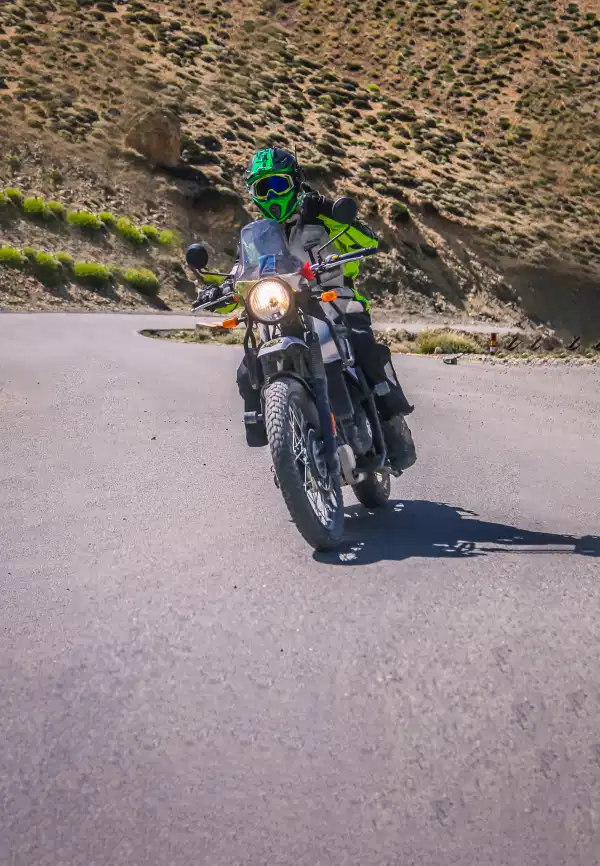
Common Challenges Riders Face in for Ladakh

Here are some of the key challenges you may face on a Ladakh bike trip, along with tips to help you plan a smooth and hassle-free journey. With our Leh Ladakh tour packages, you stay well-prepared for a memorable Himalayan expedition.
1.High Altitude & Oxygen Deficiency: One of the main Leh Ladakh bike trip challenges is the high-altitude environment. As you ride through the highest motorable roads like Umling La and Khardung La, the lack of oxygen can lead to altitude sickness, which can further lead to dizziness, nausea, and shortness of breath, which could make your ride uncomfortable.
2. Rough & Unpredictable Roads: The roads in Leh, Ladakh, are very challenging. Many stretches are unpaved, with bumpy paths, rocky terrains, and water crossings. These roads not only test your physical fitness but also mental endurance; therefore, whether you are a first-time or a seasoned traveler, you need to gear up for the adventurous journey well.
3. Harsh Weather Conditions: Another challenge is the harsh weather conditions. Leh, Ladakh, is known for its extreme weather. While the days are hot due to the sunrays being strong because of high altitude, the nights can get extremely cold, even freezing. Additionally, the weather can change rapidly, with unexpected rain showers and snowstorms. Therefore, it is advisable to check weather forecasts daily and pack appropriately for all weather conditions.
4. Limited Fuel Stations & Services:

There are very few fuel stations in Ladakh, and the few of them are located at far distances. You can fill your tank in Leh, from where you will begin your journey, and then refill it in Karu, Nyoma, or Diskit, whichever lies on your route. Further, it is recommended to carry extra jerry cans of fuel for the journey ahead.
5. Lack of Proper Medical Facilities: Leh has limited medical facilities; for serious injuries and health issues, you may require traveling long distances to reach proper medical care, and this could pose a major problem in case of an emergency, as medical help may not be accessible. Therefore, it is recommended to carry a basic first aid kit and your personal medications, if any. There are few hospitals in Leh and district hospitals in Kargil, Nubra Valley and public health centers near Tangste.
6. Unpredictable Landslides & Roadblocks: Another Leh-Ladakh bike trip challenge that you might face is the unpredictable hazards in the region. Ladakh is prone to landslides and roadblocks due to the region’s steep hills and unstable mountain slopes, which can cause road blockages, causing delays and forcing you to take detours.
7. Physical & Mental Fatigue:

A Leh Ladakh bike trip is physically demanding, as it requires long hours of riding, unpredictable weather conditions, and challenging terrains, which can cause exhaustion. You can also face mental fatigue, especially during tough stretches and high-altitude passes and even remote areas.
8. Lack of Proper Connectivity: In many parts of Ladakh, there is poor connectivity, and there are few mobile networks that work, among which Jio has the best connectivity. Therefore, you are advised to buy a postpaid SIM for Airtel, Jio, or BSNL, as only these are operational.
The areas where these physical SIMs work include Leh, Kargil, Nubra Valley (Diskit & Hunder), parts of Pangong Tso, Jispa, Darcha, partially in Tso Moriri & Hanle, and even Padum (Zanskar). As per the route taken, you can update your closed ones about your well-being accordingly. Remember, you will not be able to use an e-SIM in Leh, Ladakh.
9. Wildlife & Environmental Hazards: Lastly, Leh Ladakh bike trip challenges also include the wildlife and environmental hazards, as the area is prone to a range of wildlife from yaks to snow leopards, which are not a threat usually, but their presence combined with rugged terrains can increase the risk of accidents if you’re not cautious.


What is the Best Time for a Leh Ladakh Bike Trip?

The best time for Leh Ladakh bike trips is usually in the summers (May-September), when the skies are clear, the weather is pleasant, and most of the roads are open, ideal for sightseeing and Leh Ladakh bike trips.
It is generally not recommended to plan a bike ride in the winter, as there might be heavy snowfall and frequent avalanches. Further, most of the roads become inoperational at this time as all the roads get covered with snow. You should also avoid riding in monsoons due to roads becoming slippery and dangerous.
8 Common Mistakes to Avoid on a Leh-Ladakh Bike

Here are the common mistakes to avoid and Leh Ladakh bike trip tips for a hassle-free journey, as well as the essential things to carry for a Ladakh bike trip.
- First and foremost, it is necessary to acclimatise well to avoid acute mountain sickness for a day or so in Leh to adjust to the high altitude of Ladakh. From the next day on, you can start your bike trip. Further, you must also stay hydrated and eat light meals and high-energy foods on the way to stay healthy and maintain your stamina. Take regular breaks to avoid exhaustion.
- Next, you need to ensure that you pack appropriately for all weather conditions. You should layer your clothes in accordance with the weather and carry waterproof jackets, gloves, and warm layers for the night. Do check weather forecasts regularly and prepare accordingly.
- Before starting your journey, make sure your bike is well maintained for rough terrain. A bike with good tyres and strong suspension is required. Further, you can practice riding on bumpy roads in advance to prepare well for the real adventure. Some of the best bikes for a Leh-Ladakh trip include the Royal Enfield Himalayan, the KTM 390 Adventure, and the Royal Enfield Classic 350.
- Always carry extra fuel in cans, especially if you are moving towards remote areas. There are very limited fuel stations in Ladakh, and most of them are located in Leh, so you must fill your tank and stay updated about refueling it from the nearest fuel stations to avoid later challenges.
- Carry a well-stocked first aid kit, including common medicines for altitude sickness and pain relief. Also, you must have travel insurance that covers both medical emergencies and evacuations, as medical help may not be accessible easily.
- One of the biggest mistakes riders make is skipping essential safety gear. Always wear a good quality helmet, riding gloves, knee guards, elbow guards, and a riding jacket to protect yourself from unpredictable terrain and weather conditions during your Leh Ladakh bike trip.
- Stay updated on road conditions by communicating with locals, checking news updates, or consulting road authorities; always have ideas of alternative routes planned.
- Lastly, you need to share your itinerary before you set out. Consider carrying a satellite or a walk-in talkie for emergency communications in areas without a network. Further, Airtel, Aircel, and BSNL postpaid sims run in the region, and you can buy one to avoid standing in long queues at STD booths.
Leh Ladakh Bike Trip Tips

Here are some essential Leh Ladakh bike trip tips to help you plan a safe, smooth, and memorable journey through the rugged Himalayan terrain:
- Acclimatize properly: Spend at least 1–2 days in Leh to allow your body to adjust to the high altitude and reduce the risk of altitude sickness.
- Carry proper riding gear: Always wear a good helmet, riding jacket, gloves, knee guards, and sturdy boots for safety and protection from cold weather.
- Check your bike thoroughly: Ensure your bike is well serviced before the trip, including brakes, tyres, engine oil, and clutch plates.
- Carry essential documents: Keep your driver's license, vehicle registration certificate, insurance papers, and Inner Line Permits handy.
- Pack smart but light: Carry essentials like thermal wear, rain gear, medicines, sunscreen, and power banks without overloading your bike.
- Keep extra fuel: Fuel stations are limited in remote areas, so carrying extra fuel can help avoid unexpected issues.
- Stay hydrated and eat well: Drink plenty of water and have light meals to maintain energy during long rides.
- Start your ride early: Roads in Ladakh can get challenging in the afternoon due to weather changes and water crossings, so begin your ride early in the day.
- Ride cautiously: Mountain roads can be unpredictable, so maintain a safe speed and always stay alert while riding.
Conclusion: Conquering the Challenges of a Leh Ladakh Bike Trip
A Leh Ladakh bike trip is as thrilling as it is demanding, with challenges like high altitude, unpredictable weather, rugged roads, and limited fuel stations testing every rider’s endurance.
However, with proper planning, the right gear, and awareness of the terrain, these obstacles become part of the adventure. With WanderOn, riders can experience this incredible journey with better planning, expert guidance, and the confidence to explore Ladakh safely.
Frequently Asked Questions
Is Leh Ladakh safe for solo bike riders?
Yes, Leh, Ladakh is completely safe for solo bike riders if they follow a few guidelines, like not travelling at night, not staying alone, sharing your live location with family and friends, socialising with locals, carrying proper riding gear, acclimatising well, and lastly, being aware of your surroundings & potential hazards.
What are the biggest challenges during a bike trip to Leh Ladakh?
The biggest challenges during a bike trip to Leh, Ladakh, include high altitude, oxygen deficiency, harsh weather conditions, rough and unpredictable roads, limited fuel stations, connectivity problems, and much more. Beyond these challenges, the Leh Ladakh trip will offer some of the best memories.
Which is the best route for a bike trip to Ladakh – Manali or Srinagar?
The best route for a bike trip to Ladakh can be either Manali or Srinagar; it totally depends upon you. If you want adventure and you are a seasoned rider, then you should choose the Manali route; however, if you want both sightseeing and adventure and you are a first-time rider, then you can take the longer yet comfortable Srinagar route on your Ladakh bike trip.
What kind of road conditions can I expect in Ladakh?
The road conditions are generally good in Ladakh; most of the roads are well maintained, with few having stretches that are rough, narrow, and unpaved. It is generally recommended to carry a sturdy vehicle like a Royal Enfield Himalayan or Classic, especially if you are planning to explore more remote areas and offbeat locations; be prepared for occasional landslides, water crossings, and unpredictable snowfall.
Are rented bikes reliable for Ladakh trips?
Yes, rented bikes are reliable for Ladakh trips; all you have to do is ensure that the bike rented by you is well maintained and has proper documents like bike insurance, bike registration, etc. Further, it is recommended to book the bike in advance, especially during peak season, and ensure the bike is robust and suited for high-altitude environments.
How do bikers deal with low oxygen levels in Ladakh?
Bikers deal with low oxygen levels in Ladakh by acclimatizing properly and avoiding rapid ascent. It is recommended to spend at least a day or two in Leh before starting the ride to allow the body to adjust to the altitude. Staying hydrated, eating light meals, avoiding alcohol, and carrying basic medicines for altitude sickness can also help riders cope with reduced oxygen levels during a Ladakh bike trip.
Are fuel stations easily available during a Ladakh bike trip?
Fuel stations are available in major towns like Leh, Kargil, and Diskit, but they can be limited in remote areas of Ladakh. Bikers are advised to refill their tanks whenever possible and carry extra fuel while traveling to distant regions such as Nubra Valley, Pangong Lake, or Tso Moriri to avoid running out of fuel during the journey.
What is the toughest route during a Ladakh bike trip?
One of the toughest routes during a Ladakh bike trip is the stretch from Leh to Manali via high mountain passes like Tanglang La, Baralacha La, and Rohtang Pass. The route is challenging due to rough terrain, unpredictable weather, water crossings, and high altitude, making it suitable mainly for experienced riders.


