


Most travellers "finish" Bhutan after Tiger's Nest and Punakha, missing 90% of what makes it extraordinary.
The offbeat places in Bhutan tell a completely different story. Think semi-nomadic Brokpa villages in eastern Bhutan, a Haa Valley sealed off as a military zone until 2002, and Phobjikha, a glacial bowl where endangered black-necked cranes fly in from Tibet every winter, and the valley buried its power lines underground just to protect them.
These aren't backup options. They're the real Bhutan.
The country's unique tourist spots in Bhutan, from the mystical Sakteng Wildlife Sanctuary, rumoured home of the yeti, to Kila Gompa, a 9th-century nunnery located on a sheer cliff above the Paro Valley, reward travellers who go deeper. If that sounds like your kind of trip, explore our Bhutan tour packages built around exactly these experiences.
Best Selling Bhutan Tour Packages
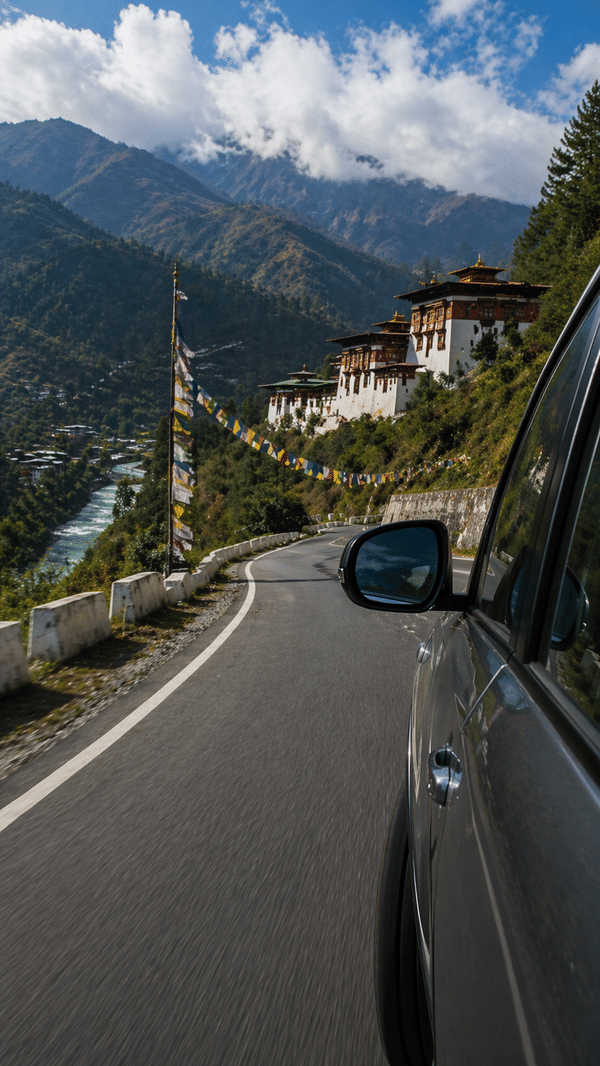
Epic 7 Days Bhutan Road Trip: A Drive Through Quiet Himalayas
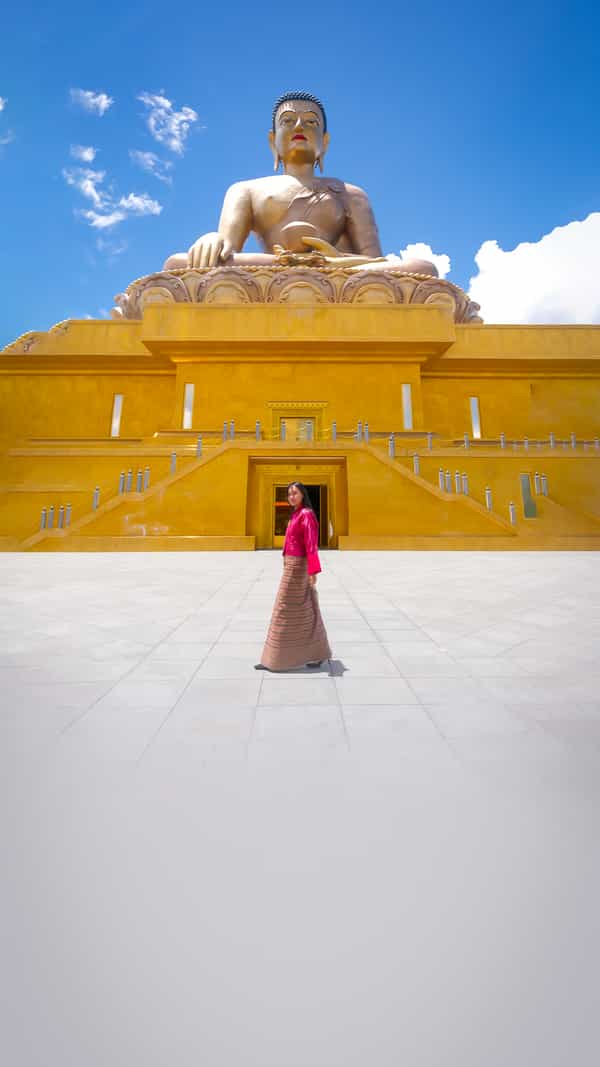
Bhutan Road Trip with Phobjikha Valley

Best of Thimphu, Punakha and Paro - 8 Days Bhutan Tour Package

Best of Bhutan in 5 Days

Explore the Gems of Bhutan - 6 Days Tour Package
Understanding Bhutan's Unique Travel Philosophy

- Bhutan follows a unique tourism policy called “High Value, Low Impact,” introduced in 1974 to protect its culture, traditions, and environment from mass tourism.
- The focus is on meaningful travel experiences rather than large tourist crowds, which is why Bhutan still feels peaceful, authentic, and less commercialised.
- This approach is especially noticeable when exploring remote and offbeat regions, where local culture and natural landscapes remain largely untouched.
- International tourists are required to pay a Sustainable Development Fee (SDF), currently set at US$100 per person, per night until August 2027.
- The SDF directly supports Bhutan’s free healthcare, education system, cultural preservation projects, and environmental conservation efforts.
- Bhutan is also the world’s only carbon-negative country, and tourism revenue plays an important role in maintaining that status.
- International travellers must book their trip through a licensed Bhutanese tour operator.
- Tour operators handle visas, SDF payments, permits, accommodation, transport, and local logistics, making travel much smoother.
- This becomes particularly useful while visiting hidden spots and offbeat destinations in Bhutan, where local expertise and special permits are often required.
Things to Know Before Visiting Offbeat Bhutan

- Many offbeat places in Bhutan are located in remote mountain regions where roads can be long, winding, and slower than expected. Keep extra travel time in your itinerary.
- Internet connectivity and mobile networks can be limited in remote districts, especially in eastern Bhutan and high-altitude areas.
- Some lesser-known regions require special permits, which are usually arranged by your tour operator in advance.
- Accommodation in offbeat destinations is often simple and locally run rather than luxury-focused, but that’s part of the experience.
- Weather conditions can change quickly in the mountains, especially during winter and monsoon months, so layered clothing is essential.
- Respect for local customs is important. Dress modestly while visiting monasteries, villages, and religious sites.
- Bhutanese culture values silence, cleanliness, and responsible tourism, so avoid loud behaviour and littering.
- Carry enough cash while travelling to remote regions, as ATMs and digital payment options may not always be available.
- Altitude sickness can affect some travellers in higher regions, so staying hydrated and travelling at a steady pace helps.
- Offbeat Bhutan is best experienced slowly. The real charm lies in conversations, landscapes, village life, and moments that aren’t rushed.
The Serene West: Haa and Phobjikha Valleys
Paro and Thimphu may be Bhutan’s main gateways, but peace and open space aren’t far away. Two valleys (both reachable within a few hours) offer an easy first step into offbeat Bhutan without committing to a cross-country expedition.
1. Haa Valley: A Portrait of Traditional Life

Haa only opened to tourists in 2002, and it still feels like one of Bhutan’s least-visited, best-preserved districts. It sits just beyond the Chele La Pass from Paro, and the drive is part of the appeal.
For travellers who want quiet immersion, Haa is among the best offbeat places in Bhutan, a valley of traditional farmhouses, small settlements, and old temples.
Things to Do:
- Visit Lhakhang Karpo & Nagpo: Explore the foundational White and Black Temples, believed to have been built in the 7th century by a Tibetan king.
- Hike the Haa Panorama Trail: This easy one-hour hike offers a full-length view of the valley and is perfect for acclimatising.
- Experience a Homestay: Participate in local life by staying with a family, trying a traditional hot stone bath, or learning to make 'hoentey' (buckwheat dumplings).
- Drive over Chele La Pass: The journey from Paro to Haa over this 3,988m pass offers breathtaking views of Mount Jomolhari on clear days.
Best Time to Visit:
- Autumn (October-November): Ideal for clear skies and stunning mountain views, making it perfect for hiking.
- Spring (March-May): The valley is vibrant with blooming flowers, offering pleasant weather for exploring.
How to Reach:
- The most common way to reach Haa is by car from Paro, a scenic 2-3 hour drive over the Chele La Pass. The distance is approximately 65 kilometres.
Insider Tips:
- Haa requires a special permit, which your tour operator will arrange.
- Try the local speciality, 'hoentey,' a delicious buckwheat dumpling unique to the Haa region.
- If visiting in summer, check the dates for the Haa Summer Festival, a lively celebration of nomadic culture, sports, and cuisine.
2. Phobjikha Valley: A Sanctuary for Nature Lovers

In central Bhutan, Phobjikha opens into a wide, U-shaped glacial valley that feels built for long views and slow walks. It’s a protected area and, between late October and mid-February, the winter home of endangered black-necked cranes migrating from the Tibetan Plateau.
Catching them in the soft light of morning is one of Bhutan’s most special wildlife moments. Gangtey Monastery watches over the valley from above, and conservation isn’t just a slogan here: power lines run underground to keep the landscape unobstructed.
Things to Do:
- Visit Gangtey Monastery: Explore this expansive 17th-century monastery that serves as the spiritual heart of the valley.
- Black-Necked Crane Information Centre: Learn about the conservation of the valley's famous winter visitors. You can use their telescopes for bird watching.
- Hike the Gangtey Nature Trail: This easy 90-minute trail offers beautiful views as it descends from the monastery and crosses the valley floor.
- Attend the Black-Necked Crane Festival: If you visit on November 11th, you can witness this unique festival at Gangtey Monastery, celebrating the cranes' arrival.
Best Time to Visit:
- Late October to Mid-February: This is crane season, the main reason for many visits. The weather is cold but clear.
- Spring (March-May) & Autumn (September-November): These seasons offer pleasant weather for hiking and enjoying the valley's landscapes without the extreme cold.
How to Reach:
- Phobjikha is located in central Bhutan, about a 5-6 hour drive from Thimphu or a 3-4 hour drive from Punakha. The journey takes you over scenic mountain passes.
Insider Tips:
- Book accommodations in advance, especially during the crane festival, as options are limited.
- Bring binoculars for birdwatching. The cranes are best viewed in the early morning and late afternoon.
- Pack warm, layered clothing. Even in summer, the high altitude (around 3,000 meters) means nights are chilly.
3. The Spiritual Heartland: Exploring Bumthang's Four Valleys

Bumthang is often nicknamed the “Switzerland of Bhutan,” and it’s easy to see why: broad valleys, crisp air, and a sense of spaciousness that’s rare elsewhere in the Himalayas.
The region is made up of four main valleys (Chokhor, Tang, Ura, and Chhume), and it’s widely seen as Bhutan’s spiritual and cultural heartland.
With some of the country’s oldest and most revered temples and monasteries, Bumthang rewards travellers who want more than surface-level sightseeing and are willing to spend the time.
What makes each valley in Bumthang a unique destination?
- Chokhor Valley: This is the most expansive valley and home to Jakar, the main town of Bumthang. Key sites include the Jakar Dzong ('Castle of the White Bird'), the 7th-century J ambay Lhakhang, and the Kurjey Lhakhang, where Guru Rinpoche left a body imprint on a rock.
- Tang Valley: More remote and rugged, Tang Valley is home to the Ogyen Choling Museum, a beautifully preserved manor house that offers a fascinating look into the life of a noble Bhutanese family. The valley is also known for Mebar Tsho, the 'Burning Lake', a sacred pilgrimage site where the treasure-revealer Pema Lingpa is said to have discovered religious treasures.
- Ura Valley: Known for its picturesque cobblestone village and theUra Yakchoe festival, Ura offers a glimpse into a community that has maintained its traditions for centuries. A visit here feels like walking through a living museum, with traditional houses and a serene atmosphere. This is one of the top unexplored places to visit in Bhutan for cultural immersion.
- Chhume Valley: This valley is a centre for Bhutan's famous 'Yathra' weaving. You can visit local workshops to see weavers create these distinctive, brightly coloured woollen textiles on traditional backstrap looms, providing a wonderful opportunity to support local artisans and purchase an authentic souvenir.
Bumthang isn’t a quick add-on; it asks for days, not hours, and that’s exactly why it works. Give the region time, and you’ll come away with a stronger feel for Bhutan’s Buddhist heritage and the stories that still shape local life.
If you want an itinerary with enough breathing room to do it properly, a7-night Bhutan backpacking trip can offer the flexibility needed to move through these valleys without rushing.
The Final Frontier: Journey to Eastern Bhutan
Eastern Bhutan is where the country starts to feel truly far from the usual circuit, quieter, wilder, and more demanding in terms of time and road travel.
It’s the most isolated and least developed part of the country, stitched together by winding mountain roads and shaped by dramatic terrain and deeply rooted traditions.
The payoff is real, but so is the effort: this is a region for travellers who value authenticity enough to earn it.
4. Lhuentse: The Ancestral Home of Kings and Weavers

Lhuentse is among Bhutan’s most remote districts, known both as the ancestral home of the royal family and as a centre for some of the country’s finest textiles. Getting here takes time, but the scenery keeps pace with the journey: towering cliffs, deep gorges, and a calm that feels almost total.
Khoma village is the name most visitors hear first, thanks to its master weavers and the intricate “Kishuthara,” a prized silk textile. Sitting in a weaver’s home and watching the slow, precise work up close is a standout experience for anyone interested in living craft traditions. If you’re collecting hidden gems in Bhutan, Lhuentse belongs high on the list.
Things to Do:
- Visit Lhuentse Dzong: Explore the historic fortress that serves as the administrative and religious centre of the district, perched dramatically above the Kuri Chhu river.
- Explore Khoma Village: Witness the creation of Kishuthara, Bhutan's most celebrated textile, and purchase authentic woven goods directly from the master weavers.
- See the Guru Padmasambhava Statue: Visit one of the world's largest statues of Guru Rinpoche in Takila, offering panoramic views of the valley.
- Discover Gangzur Village: Learn about the traditional art of pottery, a craft passed down through generations of women in this small village.
Best Time to Visit:
- Autumn (September-November): Enjoy pleasant weather and clear skies, ideal for photography and exploring the region.
- Spring (March-May): Experience the valley in bloom with pleasant temperatures, perfect for hiking and cultural tours.
How to Reach:
- Lhuentse is a remote destination reached by road. It is a scenic 3-hour drive from Mongar or a multi-day journey from Thimphu. The nearest domestic airport is Yongphulla Airport near Trashigang.
Insider Tips:
- A special area permit is required, which your tour operator will arrange.
- Accommodations are simple, consisting mostly of guesthouses and homestays, so book in advance.
- Carry enough cash, as ATM access is very limited in this remote region.
- Try the local spirit, 'Ara,' a traditional alcoholic beverage made from rice or maize.
5. Merak and Sakteng: Land of the Brokpas

Farther east, inside the Sakteng Wildlife Sanctuary, Merak and Sakteng sit in a landscape that still feels genuinely remote. These villages are home to the semi-nomadic Brokpa people, whose distinct culture and language have remained intact for centuries.
Yak herding anchors their lives, and their clothing (including a black yak-hair hat with five fringes) is instantly recognisable. The sanctuary itself was established in part to protect habitat associated with the “Migoi,” or Yeti, a figure woven into local folklore.
Reaching this region requires a special permit and often includes trekking, but the reward is rare: a chance to witness a way of life that hasn’t been smoothed down for tourism. For many travellers, these are the most compelling offbeat destinations in Bhutan.
Things to Do:
- Trek the Merak-Sakteng Route: Embark on a multi-day trek through the Sakteng Wildlife Sanctuary to experience the pristine landscapes and visit both villages.
- Experience a Brokpa Homestay: Stay with a local family to get a firsthand look at their semi-nomadic lifestyle, culture, and hospitality.
- Witness Unique Festivals: If timing allows, attend a local festival to see traditional Brokpa dances, including the Ache Lhamo and the Yak Dance.
- Explore the Sakteng Wildlife Sanctuary: Hike through alpine meadows and rhododendron forests, keeping an eye out for rare wildlife like the red panda.
Best Time to Visit:
- Spring (March-May) & Autumn (September-November): These seasons offer the best trekking conditions with stable weather, clear skies, and moderate temperatures. The Brokpa communities are also present in the villages during this time.
How to Reach:
- Access is via a multi-day trek, typically starting from Chaling near Trashigang. Reaching the trailhead requires a 4WD vehicle. A special restricted-area permit, arranged by your tour operator, is mandatory.
Insider Tips:
- This is a physically demanding trek at high altitudes (1,500m to over 4,100m). Ensure you are well-acclimatised and physically prepared.
- Accommodations are basic, consisting of camping and simple homestays. Do not expect modern amenities.
- Pack warm, layered clothing, sturdy trekking boots, and be prepared for variable weather conditions.
- Engage respectfully with the Brokpa people. Always ask for permission before taking photographs.
Curated Bhutan Tour Packages

7 Days Road Trip to Bhutan with Tiger’s Nest
Best of Thimphu, Punakha and Paro - 8 Days Bhutan Tour Package
Explore the Gems of Bhutan - 6 Days Tour Package

10 Days Complete Bhutan Tour Package
Practical Guide to Your Offbeat Bhutan Adventure

Bhutan’s lesser-known regions are absolutely doable (they just demand smarter planning than the standard Paro-Thimphu loop). A few practical choices around season, routing, and pacing will make the difference between a trip that feels rushed and one that feels like Bhutan.
Best Time to Visit:
- Spring (March-May): Ideal for most regions. Rhododendrons are in bloom, and the weather is pleasant for hiking and festivals like theParo Tshechu.
- Autumn (September-November): Offers clear skies and stunning mountain views, making it perfect for trekking and photography. The arrival of the black-necked cranes in Phobjikha begins in late October.
- Winter (December-February): A great time for the western valleys and central Bhutan if you don't mind the cold. You'll encounter fewer tourists and can enjoy crisp, sunny days. This is the peak season for crane watching in Phobjikha.
- Monsoon (June-August): Generally avoided due to heavy rains that can cause road closures, especially in the east. However, it's a good time for those interested in lush, green landscapes and who have a flexible itinerary.
Crafting Your Itinerary:
- Be Realistic with Time: Distances look short on a map, but travel is slow, especially once you aim east. Even the drive from Thimphu to Trashigang can take 2-3 days. For an offbeat route that doesn’t feel like constant transit, plan on at least 10-14 days.
- Mix and Match: You don’t have to choose between classics and quieter corners. Add Haa Valley to a Paro (Thimphu) Punakha trip for an easy offbeat detour. If you want something more immersive, base the trip entirely around Central or Eastern Bhutan.
- Work with an Expert: A strong tour operator matters most when the logistics get tricky. They’ll handle permits for restricted areas such as Merak and Sakteng, line up experienced guides, and manage the moving parts of remote travel. They can also flag other offbeat stops that fit your interests and timeframe.
- Embrace Flexibility: Bhutan’s mountains don’t follow your schedule. Weather shifts fast, and road conditions can change. Build in buffer days and keep your plans adaptable; the detours are often where the trip gets interesting.
If you’re entering Bhutan overland from India, it’s worth planning a short stop before you climb into the interior. Getting familiar with the places to visit in Phuentsholing can set an easy pace for day one.
Your Journey Beyond the Ordinary Awaits
Choosing offbeat places in Bhutan changes the entire pace of the journey. It becomes less about ticking off landmarks and more about experiencing the country in a slower, more meaningful way. From Haa’s peaceful valleys to Lhuentse’s weaving traditions and the unique culture of the Brokpas in eastern Bhutan, these lesser-known regions leave a lasting impression long after the trip ends.
Exploring beyond Paro and Thimphu also supports local communities, traditional culture, and sustainable tourism. And honestly, that’s where you’ll discover some of the most unique tourist spots in Bhutan because far fewer travellers make the journey.
If this is the kind of experience you want, WanderOn’sBhutan tour packages can also include these offbeat destinations.
Frequently Asked Questions
What are the best offbeat places to visit in Bhutan?
Some of the best offbeat places in Bhutan include the Haa Valley, Phobjikha Valley, Merak and Sakteng villages, Lhuentse, and Bumthang. These places offer peaceful landscapes, traditional Bhutanese culture, fewer tourists, and a slower travel experience compared to popular destinations like Paro and Thimphu.
Which offbeat places in Bhutan are perfect for nature lovers?
Phobjikha Valley, Bumdeling Wildlife Sanctuary, Haa Valley, and Sakteng Wildlife Sanctuary are ideal for nature lovers. These offbeat places in Bhutan are known for forests, rare birds, mountain views, hiking trails, rivers, and quiet surroundings that feel untouched and calm throughout the year.
What are the least crowded tourist spots in Bhutan?
Lhuentse, Trongsa, Haa Valley, Merak, Sakteng, and eastern Bhutan remain some of the least crowded tourist spots in Bhutan. These regions receive fewer visitors, allowing travellers to enjoy monasteries, villages, and natural beauty without heavy crowds or commercial tourism.
Which remote villages in Bhutan can travellers visit?
Travellers can visit remote Bhutanese villages like Merak, Sakteng, Ura, Laya, and Gangtey. These villages are known for traditional lifestyles, mountain scenery, local festivals, and unique cultural experiences. Reaching some villages may require long drives or short treks through remote Himalayan regions.


