


Snowfall in Bhutan hits differently when you realise the country sits at an average elevation of 2,500 metres. Bumthang stays blanketed in snow for weeks, Thimphu wakes up to frozen mornings, and the Dochula Pass at 3,100 metres opens up views of over 100 Himalayan peaks that are clearest right after a fresh snowfall. This is not your average winter destination.
Bhutan snowfall runs from December through February, and this is also when the country quiets down. Fewer tourists, lower package prices, and festivals like the Monggar and Trashigang Tshechus happening in the colder months make it a genuinely good time to visit rather than just a budget alternative.
What makes winter in Bhutan special is the atmosphere around it. Monastery bells echo through snowy valleys, smoke rises from farmhouses, and prayer flags move in icy mountain winds.
Most people save Bhutan for spring or autumn. The ones who go in winter tend to say the snow made it unforgettable. Browse our Bhutan Tour Packages and find out what they mean.
Best Selling Bhutan Tour Packages

7-Day Leh Ladakh Couple Tour- Amazing Ladakh with Nubra and Pangong
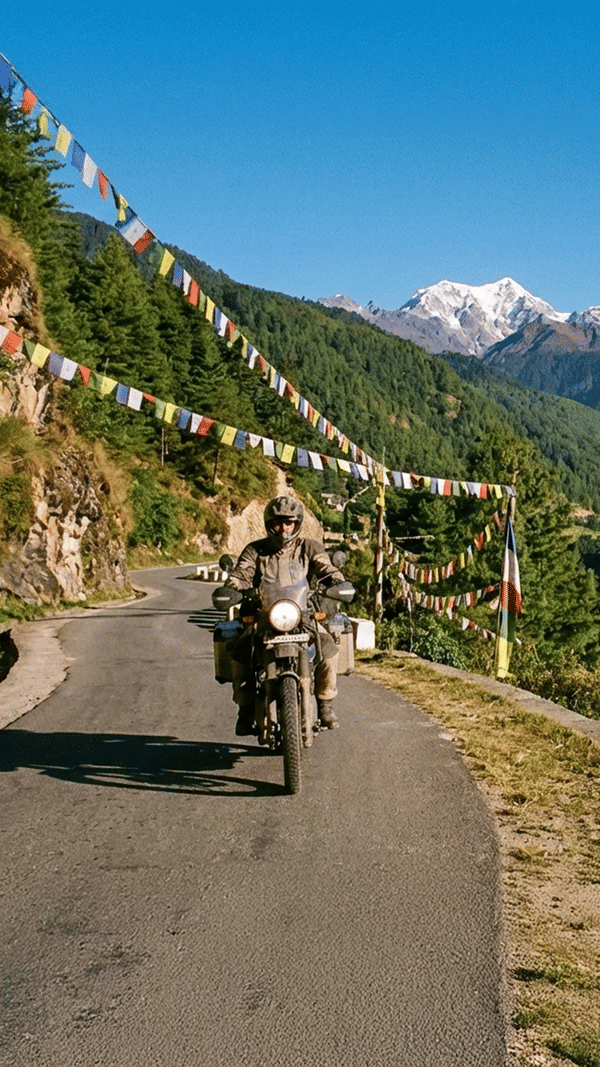
8-Days Bhutan Bike Trip Expedition: Ride across the Land of Thunder Dragon
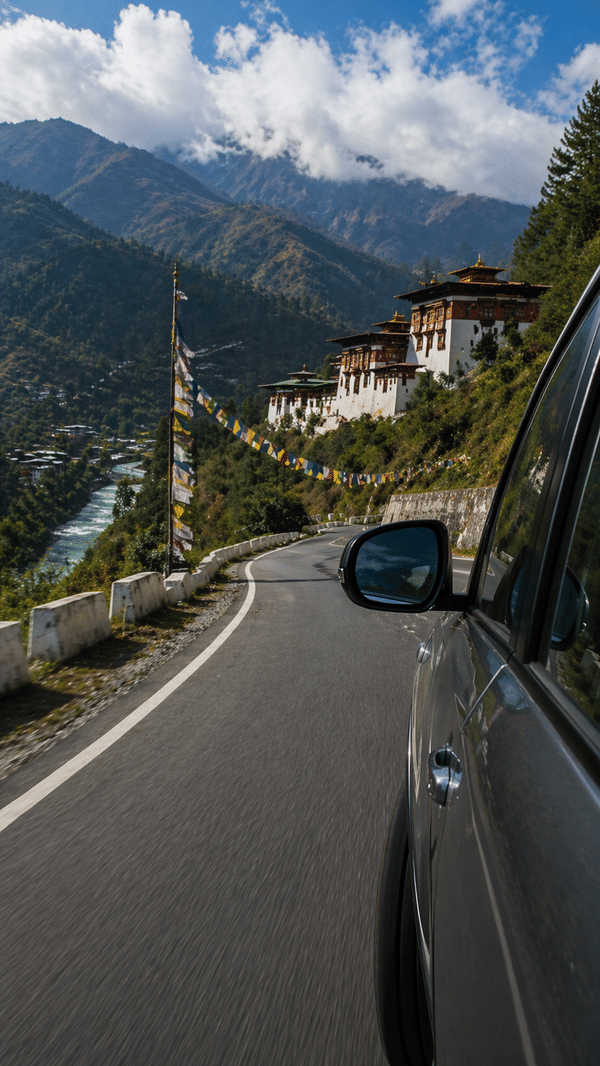
Epic 7 Days Bhutan Road Trip: A Drive Through Quiet Himalayas
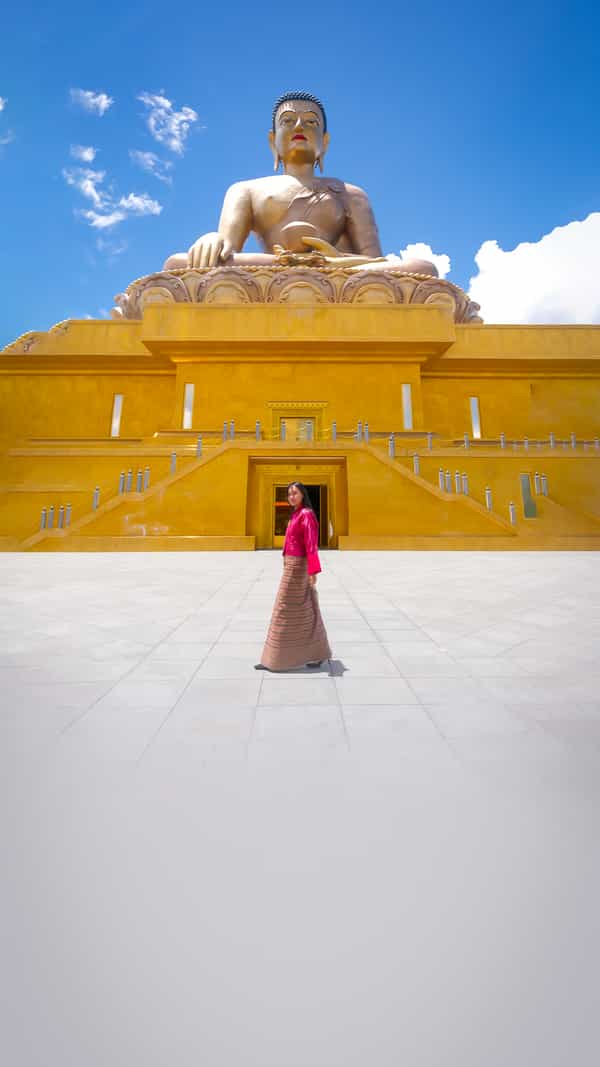
Bhutan Road Trip with Phobjikha Valley

Best of Bhutan in 5 Days
Best Time to Experience Snowfall in Bhutan

If seeing snow is high on your Bhutan wishlist, timing and location matter more than anything else. Snowfall in Bhutan is not evenly spread across the country. Some places only get an occasional dusting, while higher regions can turn fully white during peak winter.
Bhutan Snowfall Time
The main Bhutan snowfall time is from late December to early February. January is usually the coldest month and offers the highest chances of snowfall in elevated regions.
Where You’re Most Likely to See Snow
- High mountain passes such as Chele La Pass and Dochula Pass
- Valleys like Haa Valley, Phobjikha Valley, and parts of Bumthang
- Northern and high-altitude regions of the country
What Winter Feels Like Across Bhutan
- Southern foothills near Phuentsholing remain relatively mild
- Thimphu, Paro, and Punakha experience cold, dry winters with chilly mornings and nights
- Higher elevations and shaded valleys see more frequent snow conditions
Important to Know Before Planning
- Snowfall in Paro or Thimphu does happen occasionally, but it is unpredictable
- Don’t plan your entire trip around seeing snowfall in Bhutan’s cities
- For a stronger chance of snow, include high passes and mountain valleys in your itinerary
- Clear winter skies also make this season excellent for Himalayan mountain views.
- How winter feels across regions: Southern foothills are milder, central valleys are crisp and dry, high passes and northern valleys are coldest and snow-prone.
- Valley temperatures (Thimphu, Paro): Daytime often around 7 to 15°C, nights can drop to 0°C or below.
- High altitude areas: Much colder than the valleys, with stronger wind chill at exposed viewpoints.
- Sun versus shade: Shaded roads and trails can stay icy for days after a snowfall, even when the sun is out.
- Snow by elevation band: Below roughly 2,000m, you are more likely to see cold rain or dry winter weather; between about 2,500m and 3,200m, you might get intermittent snow; above 3,200m, snow is more common and lingers longer.
- Road reality in winter: Slush can refreeze into black ice early morning and after sunset, and fog can reduce visibility quickly on passes.
- Planning rule that works: Snow is not guaranteed in main towns, but it is far more predictable on high passes. Build at least one pass crossing and one high valley stay into your route, then treat snowfall in Paro or Thimphu as a bonus.
Best Places to Visit in Bhutan During Snowfall
Chasing snow in Bhutan is an exercise in aiming high. While a surprise flurry can grace the capital, your most reliable snow sits on high passes, ridge lines, and elevated valleys where winter settles in for weeks.
These places to visit in Bhutan during snowfall also pair snow with classic Bhutan experiences, prayer-flag viewpoints, monastery visits, and quiet village stays.
The High Passes: Your Most Reliable Snow Encounters

For many travellers, mountain passes are the most accessible places to visit in Bhutan during snowfall. These routes are often part of the main tourist circuit, making them convenient stops between major valleys.
- Chele La Pass (3,988m): The highest motorable pass in Bhutan, with a strong chance of snow. Connects Paro and Haa Valley, with quick altitude gain that often brings snow near the top. Prayer flags and Mount Jomolhari views are the highlights. Practical note: the road can be icy, and fog can roll in fast, so travel with an experienced driver and keep extra time for slow sections.
- Dochula Pass (3,100m): On the Thimphu to Punakha road, famous for 108 memorial chortens and Himalayan panoramas. It often snows even when Punakha is clear. Stop early for better visibility, and pack gloves because the wind at the viewpoint can feel sharper than in Thimphu.
- Pele La Pass (around 3,300m): Key pass when heading towards Phobjikha and Bumthang. Snowfall is common in peak winter, and roadside slush can turn icy after storms. It is a reliable snow stop on the classic Thimphu, Punakha, Phobjikha circuit.
- Yotong La Pass (around 3,400m): High pass on the way to Bumthang, good odds of snow when moving deeper into central Bhutan. Less of a long stop and more of a transit point, but the scenery after fresh snowfall can be dramatic. Keep snacks and water handy because winter driving speeds drop, and stops can run longer than expected.
The Winter Valleys: Where Snow Carpets the Landscape

For a more immersive experience, venturing into Bhutan's higher valleys is a must. These regions offer not just a glimpse of snow but the chance to stay in it, wake up to frosted fields, and explore monasteries and villages at a slower winter pace.
- Haa Valley: A remote western valley that often sees significant snowfall in winter. The approach via Chele La Pass is part of the experience. Expect quiet village walks, traditional farmhouses, and snow-covered fields between snow spells.
- Phobjikha Valley (Gangtey): Wide glacial valley known for snow and black-necked cranes (late November to February). Visit the Gangteng Monastery viewpoint and do easy valley walks when trails are not iced over.
- Bumthang Valley: Higher elevation heartland with cold winters and moderate snowfall, especially in the upper reaches. Strong for monastery visits and slow cultural days when trekking routes are limited by snow and ice.
- Paro Valley (upper reaches):Paro town is not a guaranteed snow zone, but higher slopes and shaded forest sections on the Tiger's Nest route can hold snow and ice after storms. Start early, wear grippy footwear, and expect icy patches in shade.
- Thimphu (when it snows): Snowfall is not guaranteed, but when it happens, it transforms the city and surrounding hills. Head to higher viewpoints such as the Buddha Dordenma area, and keep your schedule flexible because traffic and road conditions can slow down quickly.
Planning Your 2026 Bhutan Snowfall Adventure
A winter trip to Bhutan requires careful planning, from timing your visit to understanding the logistics of travel within the kingdom. Here’s a breakdown of what you need to know about the places to visit in Bhutanduring snowfall and how to get there.
How to Reach Bhutan During Snowfall

Reaching Bhutan in winter involves choosing between air and road. Your choice will depend on your starting point, budget, and travel style. Both offer a unique start to your Himalayan journey.
By Air: Flying into the Kingdom
- Primary Airport: The only international airport is Paro International Airport (PBH), offering dramatic Himalayan views upon descent.
- Airlines: Flights are operated by Drukair (the national carrier) and Bhutan Airlines.
- Direct Connections: Paro connects with several cities, including Delhi, Kolkata, Mumbai, Guwahati (India), Kathmandu (Nepal), Bangkok (Thailand), Singapore, and Dhaka (Bangladesh).
- Booking: It is wise to book flights well in advance, especially during winter, as schedules can be limited and subject to weather-related changes.
- Entry Requirement: Most international tourists need a pre-approved visa clearance letter to board the flight to Bhutan.
By Road: An Overland Adventure from India
- Main Entry Point: The most popular land border crossing is at Phuentsholing, Bhutan, which adjoins Jaigaon in West Bengal, India. This route leads to Thimphu and Paro.
- Alternative Entry Points: Other crossings from Assam, India, include Gelephu and Samdrup Jongkhar. These are better suited for itineraries focused on central or eastern Bhutan.
- Travel Time: The drive from Phuentsholing to the capital, Thimphu, takes approximately 5-6 hours, allowing for gradual acclimatisation.
- Permits for Indian Nationals: Indian citizens do not need a visa but must obtain an entry permit. This can be applied for online or upon arrival at the border with a valid passport or Voter ID card.
- Tour Operator Requirement: All travellers (except Indian, Bangladeshi, and Maldivian nationals) must arrange land entry as part of a pre-booked tour with a licensed Bhutanese operator.
- Local Transport: Your tour operator will provide a vehicle and an experienced local driver, which is essential for safely navigating mountain roads that may have ice during winter.
Crafting Your Winter Itinerary

When designing your trip, remember that daylight hours are shorter in winter. It is best to start your days early to maximise sunlight for sightseeing and travel. A flexible itinerary is key, as weather can cause unexpected delays. Here’s a sample structure you might consider:
A 10-Day Snow-Seeker's Itinerary:
- Days 1-2: Paro. Arrive and acclimatise. Explore the Paro Valley, visit the National Museum, and prepare for the iconic Tiger’s Nest hike. Even if the valley floor is clear, the upper reaches of the trail might have snow.
- Day 3: Chele La Pass & Haa Valley. Take a day trip to Chele La Pass for guaranteed snow views. Continue to the remote Haa Valley for an overnight stay to experience its pristine winter beauty.
- Days 4-5: Thimphu. Travel to the capital. Visit the Buddha Dordenma statue for panoramic views and explore the city's cultural sites. A light snowfall in Thimphu is a rare treat.
- Day 6: Dochula Pass & Punakha. Drive towards Punakha, stopping atDochula Pass to enjoy the snow and the Himalayan vista. Punakha itself is in a lower, warmer valley, offering a pleasant contrast.
- Days 7-8: Phobjikha Valley. Journey to the high-altitude Phobjikha Valley. Spend time at the Black-Necked Crane Information Centre and watch these majestic birds in their winter habitat, hopefully in a snowy landscape.
- Day 9: Return to Paro. A long but scenic drive back to Paro for your final night.
- Day 10: Departure.
Essential Travel Tips for Visiting Bhutan During Snowfall

A winter trip to the Himalayas requires a bit more preparation than a summer holiday. Following these travel tips for visiting Bhutan during snowfall will ensure your trip is comfortable, safe, and memorable.
What to Pack
- Layering is Key: This is the most crucial advice. Pack thermal base layers, fleece or wool mid-layers, and a high-quality waterproof and windproof outer jacket. This allows you to adapt to the wide temperature swings between a sunny afternoon and a freezing night.
- Warm Accessories: Don't forget a warm hat (beanie), gloves or mittens, a scarf or buff, and several pairs of thick wool socks. These are essential for keeping your extremities warm.
- Footwear: A pair of insulated, waterproof hiking boots with good grip is non-negotiable. You'll need them for walking on potentially snowy or icy paths, including the trail toTiger's Nest.
- Sun Protection: The sun at high altitudes is incredibly strong, especially when reflected off snow. Pack high-SPF sunscreen, lip balm with SPF, and a good pair of sunglasses.
- Moisturiser: The mountain air is extremely dry in winter. A heavy-duty moisturiser and hand cream will save your skin.
Health and Safety
- Stay Hydrated: The dry, cold air can lead to dehydration. Drink plenty of water and warm beverages like tea throughout the day. Trying the local butter tea, suja, is a warming cultural experience.
- Acclimatise Properly: Altitude sickness is a real concern. Plan your itinerary to allow for gradual acclimatisation. Spend your first couple of days in lower-altitude areas like Paro or Thimphu before ascending to higher passes or valleys.
- Travel Insurance: Comprehensive travel insurance that covers trip cancellations, medical emergencies, and emergency evacuation is mandatory.
- Be Flexible: Road closures due to heavy snow are a possibility, especially on high passes. Build buffer days into your schedule and trust your local guide's judgment. They are experts in navigating these conditions safely.
Festivals and Winter Experiences in Bhutan

- Winter festivals in Bhutan: Winter is a strong time for local tsechus in Bhutan and smaller community festivals, especially in western and central valleys. Dates can shift year to year, so confirm your travel dates with your tour operator once the annual calendar is announced.
- What to expect at a tsechu in winter: Mask dances, traditional music, locals in their finest gho and kira, and a lively courtyard atmosphere. Morning starts are common, and it gets colder as the day goes on, so carry gloves and a warm layer.
- Plan festivals around road conditions: If a festival day involves crossing a high pass like Dochula or Chele La, start early and keep buffer time for slow winter driving.
- Other winter experiences that pair well with snow: Prayer-flag viewpoints on passes, monastery visits with fewer crowds, and slow village walks in Haa or Phobjikha when trails are not icy.
Curated Bhutan Tour Packages

7 Days Road Trip to Bhutan with Tiger’s Nest

Best of Thimphu, Punakha and Paro - 8 Days Bhutan Tour Package

Explore the Gems of Bhutan - 6 Days Tour Package

10 Days Complete Bhutan Tour Package
What to Eat in Bhutan in Winter

- Ema datshi: Bhutan’s iconic chilli and cheese dish, served hot and comforting in cold weather. Ask for spice levels if you are sensitive to heat.
- Kewa datshi: A potato and cheese version that many travellers find easier as a first datshi dish in winter.
- Phaksha paa: Pork cooked with chillies and radish or greens, a hearty option after a day on snowy passes.
- Momos and thukpa-style soups: Warm, filling, and easy to find in Paro and Thimphu, great for quick winter lunches.
- Red rice and buckwheat dishes: Bhutanese staples that pair well with stews and datshi, especially in colder valleys.
- Suja (butter tea): Salty, warming tea that helps you stay comfortable in the dry winter air, particularly at higher elevations.
- Ara (where available): A traditional local spirit sometimes offered in villages. Drink responsibly, and avoid it if you are adjusting to altitude.
Your Winter Wonderland Awaits
A trip to Bhutan to witness the Bhutan snowfall is more than just a vacation; it's an entry into a world of quiet contemplation and stark, natural beauty. The kingdom transforms under a blanket of white, offering a unique perspective on its timeless landscapes and sacred sites.
From the high-altitude thrill of Chele La Pass to the serene, snow-dusted valleys of Phobjikha and Haa, the Bhutan snowfall places offer something for every type of winter traveller.
By planning, packing smartly, and embracing a flexible mindset, you can embark on an unforgettable journey into the heart of the winter Himalayas. The crisp air, clear skies, and serene atmosphere make for a truly special experience.
Ready to chase the snow in the Land of the Thunder Dragon? Explore WanderOn and start planning your 2026 winter adventure today.
Frequently Asked Questions
Does Bhutan get snowfall?
Yes, Bhutan gets snowfall during winter, mainly from December to February. Snow is most common on high passes like Chele La Pass and Dochula Pass, and in valleys such as Haa Valley and Bumthang.
When not to visit Bhutan?
The monsoon season from June to September is the toughest time to visit Bhutan. Heavy rain can cause landslides, road closures, and poor mountain views. Winter can also be challenging because of freezing temperatures and occasional snow-related travel delays.
Is there snowfall in Paro?
Yes, Paro does receive snowfall occasionally during winter, but it is not guaranteed every year. Snow usually melts quickly in town, while higher areas near the Tiger’s Nest trail remain colder and icier for longer periods.
What animal is only found in Bhutan?
The Takin is Bhutan’s national animal and is strongly associated with the country. This rare goat-antelope lives in high mountain forests and holds deep cultural and religious importance in Bhutanese tradition.


