


Most people know Bhutan as "that happy country." But spend even a week here, and you'll realise it's so much more than a feel-good headline.
This Bhutan travel guide is built for travelers who want the real picture, not just pretty monastery photos. We're talking visa fees, cultural rules locals actually care about, and the seasonal sweet spots that most generic guides skip over.
Bhutan is also one of the few places where tourism is intentionally kept slow. The $100/day Sustainable Development Fee isn't a cash grab. It's what keeps this place from turning into the next over-touristed hotspot.
A good Bhutan tour guide on the ground makes a bigger difference here than almost anywhere else in Asia. The context they add changes how you see everything.
Curious where to start? Browse our Bhutan Tour Packages and find one that actually fits how you travel.
Best Selling Bhutan Tour Packages
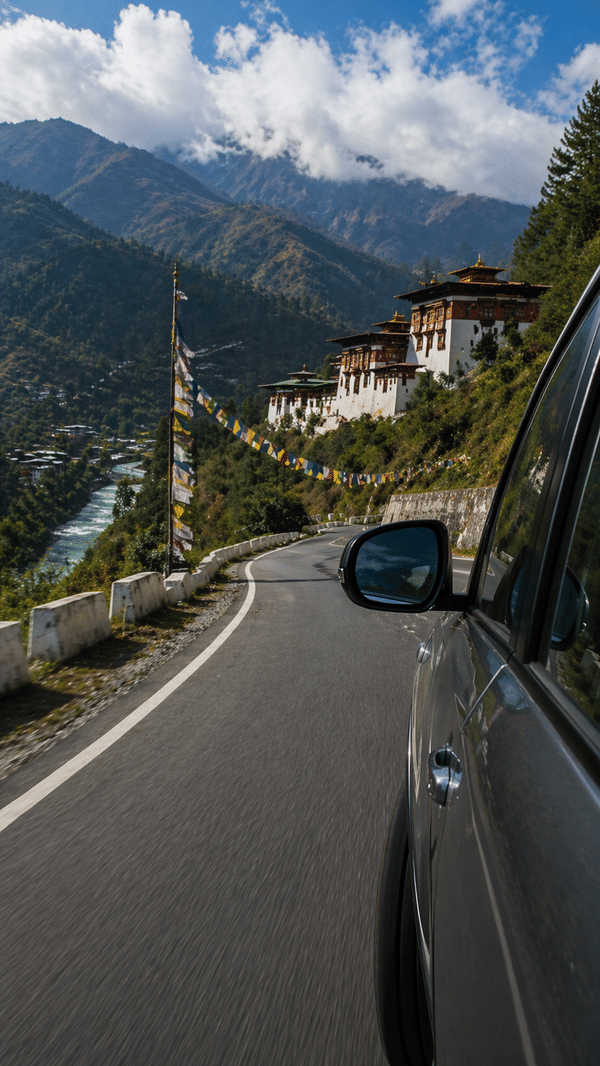
Epic 7 Days Bhutan Road Trip: A Drive Through Quiet Himalayas
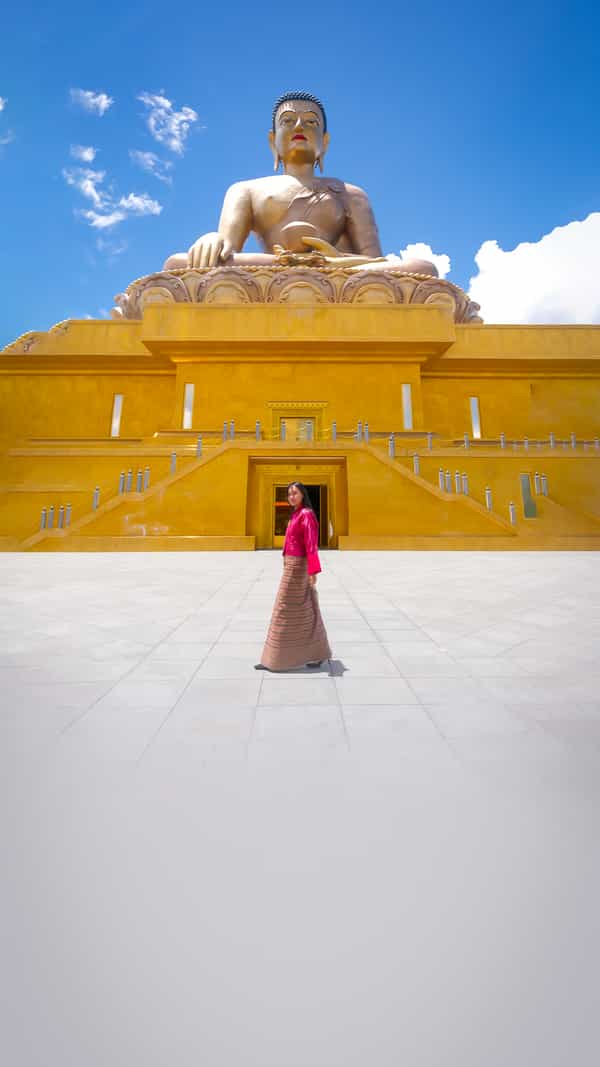
Bhutan Road Trip with Phobjikha Valley

Best of Thimphu, Punakha and Paro - 8 Days Bhutan Tour Package

Best of Bhutan in 5 Days

Explore the Gems of Bhutan - 6 Days Tour Package
Quick Info: Bhutan Travel Guide 2026 Snapshot
- Entry basics: Most international travellers need a visa clearance letter arranged via a licensed Bhutanese tour operator. Indian citizens need an Entry Permit (visa not required).
- Mandatory daily fee: Sustainable Development Fee (SDF) applies per night, in addition to hotels, transport, meals, and activities.
- SDF (international): USD 100 per person, per night (reduced rate confirmed until August 31, 2027).
- SDF (Indian citizens): INR 1,200 per person, per night.
- Best seasons for first-timers: Spring (March to May) and autumn (September to November) for clear skies, comfortable temperatures, and major festivals.
- Most common first route: Paro, Thimphu, and Punakha, with optional add-ons like Phobjikha Valley or Haa Valley.
- Getting around: Mountain roads mean slow travel, a private vehicle with a driver is the norm for most itineraries, and domestic flights help for long distances.
- Top hike: Paro Taktsang (Tiger’s Nest) is a moderately challenging 4 to 5-hour round trip for most travellers.
Understanding Bhutan’s Unique Tourism Philosophy

Before you lock in flights or hotels, you need to understand Bhutan’s "High Value, Low Volume" tourism policy. It’s not a tagline, it’s the framework that shapes how visitors enter, where they can go, and what they pay. The system is enforced through a mandatory fee that applies to every visitor and isn’t negotiable.
The Sustainable Development Fee (SDF)
The engine behind that model is the Sustainable Development Fee (SDF), charged per day. The SDF helps fund free healthcare and education, supports conservation, and underwrites cultural preservation. In plain terms: your trip directly finances the things Bhutan is trying hard to protect.
As of 2026, the SDF rates are:
- International Tourists: USD 100 per person, per night. This reduced rate is confirmed to be in effect until August 31, 2027.
- Indian Citizens: INR 1,200 per person, per night.
- Children (International): Ages 6-12 receive a 50% discount on the SDF, paying USD 50 per night. Children aged 5 and under are exempt.
- Children (Indian): Ages 6-12 receive a 50% discount, paying INR 600 per night. Children under 5 are exempt.
Keep the math straight: the SDF sits on top of your usual travel spend, such as hotels, meals, transport, and tours. It’s less a "service charge" and more Bhutan’s way of making tourism pay into the country’s long-term priorities.
How to Visit Bhutan: Visas and Entry Requirements

Bhutan’s entry rules are clear, but they’re not one-size-fits-all. International tourists and Indian citizens follow different processes, and getting it right early saves you last-minute scrambling.
For International Tourists
Unless you’re a citizen of India, Bangladesh, or the Maldives, you’ll need a visa clearance letter before you travel.
Bhutan also doesn’t allow independent travel for international visitors: you must book through a licensed Bhutanese tour operator (or an international partner working with one). That requirement is a central part of how the country controls visitor numbers and impact.
The process is simple:
- Book a Tour: Start by booking with a registered tour operator. They’ll build your itinerary and arrange accommodation, a private vehicle, and a mandatory licensed Bhutan tour guide. WanderOn offers a range of itineraries, from the adventurousBhutan Bike Trip Expedition to more culture-forward routes.
- Visa Application: Your operator submits the visa application for you. You’ll share a digital copy of your passport (valid for at least six months from your entry date) and a recent passport photo.
- Pay the Fees: You’ll pay the one-time visa fee of USD 40 plus the full SDF for the length of your stay, either through the government portal or via your operator.
- Receive Clearance: After approval, you’ll get a visa clearance letter. Show it when you check in for your flight to Bhutan. The visa itself is stamped into your passport on arrival at Paro International Airport.
For Indian Citizens
Indian citizens don’t need a visa for Bhutan, but you do need an Entry Permit. You can apply online ahead of time (the smoother option) or get it on arrival at Paro airport or at the Phuentsholing land border.
Required documents include:
- A valid Indian Passport with a minimum of six months' validity, OR
- An original Voter ID card.
- For children under 18 without a passport, an original birth certificate (in English) and a valid school ID card are required.
- Two passport-sized photographs.
The standard Entry Permit covers travel within Paro and Thimphu. If you’re heading beyond that (Punakha and Bumthang are common additions), you’ll need a separate "Route Permit" from the Immigration Office in Thimphu. Factor this into your Bhutan trip planning, so you’re not burning a sightseeing day on paperwork.
Planning Your Journey: When and Where to Go

In Bhutan, timing and geography do a lot of the heavy lifting. Seasons change the feel of the valleys, and the distances (while not huge on a map) take time on mountain roads. Pick the right window and a sensible circuit, and the trip gets dramatically easier.
Best Time to Visit Bhutan
Bhutan works across the year, but spring and autumn draw the biggest crowds for a reason: stable weather, clear skies, and festival calendars that line up perfectly with a first visit.
- Spring (March to May): Valleys come alive with blooming jacaranda and rhododendrons, and the days are generally clear, great for hikes and long viewpoints. The Paro Tshechu (festival) often falls in this season.
- Autumn (September to November): Expect crisp air, sharp Himalayan views, and excellent conditions for trekking. Major festivals, including the Thimphu Tshechu, are typically held during these months.
- Monsoon (June to August): Rain is part of the deal, but the payoff is a deep green landscape and fewer visitors. It’s also a calm season for wellness-focused stays.
- Winter (December to February): Days can be sunny and bright, with cold nights. The visibility is often excellent for mountain views, and it’s the season when Black-necked Cranes migrate to the Phobjikha Valley.
If you want a tighter read on weather patterns and festival timing, see ourBest Time to Visit Bhutan guide.
Top Cities to Visit in Bhutan for First-Timers
For a first trip, the western circuit is the smartest place to start. It’s logistically simple, culturally dense, and packed with Bhutan’s headline sights. Most classic itineraries stitch together Paro, Thimphu, and Punakha, with some travellers adding the peaceful valleys of Phobjikha or Haa.
A classic itinerary covers these key Places to visit in Bhutan:
1. Paro

Paro is where most Bhutan journeys begin, thanks to the country’s only international airport. The valley feels peaceful from the moment you arrive, with rice fields, monasteries, traditional farmhouses, and mountain views surrounding the town. It also serves as the base for Bhutan’s most famous hike.
Major attractions:
- Tiger's Nest Monastery
- Rinpung Dzong
- National Museum of Bhutan
- Kyichu Lhakhang
2. Thimphu

Bhutan’s capital feels modern by local standards, but it still moves at a slower pace than most cities. You will not find traffic lights here, and traditional Bhutanese architecture still dominates the streets. Thimphu works best as a cultural stop with monasteries, museums, cafés, and local markets.
Major attractions:
- Buddha Dordenma
- Tashichho Dzong
- National Memorial Chorten
- Folk Heritage Museum
3. Punakha

Punakha feels warmer, greener, and more relaxed than Thimphu. The drive through Dochula Pass alone makes the journey worth it. Surrounded by rivers and rice fields, Punakha is known for some of Bhutan’s most beautiful scenery and traditional architecture.
Major attractions:
4. Phobjikha Valley

Phobjikha Valley is one of Bhutan’s calmest landscapes. Wide open valleys, misty hills, quiet trails, and traditional villages make this region feel completely removed from modern life. During winter, the valley becomes home to endangered black-necked cranes migrating from Tibet.
Major attractions:
- Gangtey Monastery
- Gangtey Nature Trail
- Black-Necked Crane Information Centre
5. Haa Valley

Haa Valley remains one of Bhutan’s least-visited regions, which honestly makes it even more rewarding. The valley feels raw, quiet, and deeply traditional, with very few crowds. It is ideal for travellers who want slower village life, scenic drives, and mountain landscapes beyond the standard tourist route.
Major attractions:
- Chele La Pass
- Lhakhang Karpo
- Lhakhang Nagpo
- Village walks and local homestay experiences
Things to Do in Bhutan: Activities for First-Time Visitors

Bhutan’s highlights are not only about where you go, but they’re also about what you do once you arrive. A good first itinerary mixes a few signature hikes, cultural experiences, and slow moments in the valleys so the trip doesn’t feel rushed.
- Hike to Tiger’s Nest (Paro Taktsang): The classic Bhutan experience. Start early to avoid crowds, pace yourself on the climb, and plan time for tea at the viewpoint cafeteria before the final steps.
- Attend a tshechu (festival) if dates match: Paro Tshechu and Thimphu Tshechu are the most famous for first-timers. Expect masked dances, ritual music, and a strong local crowd, so arrive early for a good viewing spot.
- Explore a dzong with your guide: Punakha Dzong and Rinpung Dzong are standout stops. Your guide helps with context, etiquette, and the small details that are easy to miss.
- Do a valley viewpoint day: Dochula Pass is a popular stop between Thimphu and Punakha. On clear days, the Himalayan range views are the reward, plus the 108 chortens make it a memorable photo stop.
- Try a traditional hot stone bath: Common in Paro and Punakha areas. It’s a relaxing way to recover after long drives or the Tiger’s Nest hike.
- Short nature walks in Phobjikha: The Gangtey Nature Trail is a gentle option for most fitness levels, and winter visits can line up with black-necked crane sightings.
- Rafting in Punakha (seasonal): The Pho Chhu and Mo Chhu rivers offer rafting options when conditions are right. Operators typically run shorter, beginner-friendly stretches for first-timers.
- Handicraft and culture stops in Thimphu: Add time for museums and craft centres if you enjoy textiles, woodwork, and traditional arts.
The Practicalities: Costs, Transportation, and Packing
Once you’ve got the route and season sorted, the trip comes down to execution: what you’ll spend, how you’ll move, and what you should actually carry. Any useful Bhutan trip guide has to deal with those on-the-ground details.
Bhutan Trip Cost from India and Beyond

After the mandatory SDF, the rest of your budget depends on how you travel, hotel category, trip length, and what your operator bundles into the package. Since the Minimum Daily Package Rate was removed, services are priced separately, though many operators still offer all-in packages because it keeps planning simpler.
A typical budget for a mid-range trip would look something like this:
- International Tourists (mid-range): Expect to budget around USD 250-350 per person per day. This usually covers the USD 100 SDF, 3-star hotel accommodation, all meals, a licensed Bhutan guide, a private vehicle with a driver, and entry fees to monuments.
- International Tourists (premium comfort): A more upgraded trip with 4 to 5-star hotels, boutique stays, or luxury lodges can push daily costs well beyond the mid-range band. The biggest drivers are hotel rates, private experiences, and longer driving days that increase vehicle and guide costs.
- Bhutan Trip Cost from India (typical 6N/7D): For Indian travellers, costs come down substantially. A comfortable 7-day tour often lands around INR 45,000 to INR 90,000 per person, including SDF, stay, transport, and meals. WanderOn’s6-Night Bhutan Road Trip is positioned as a strong-value option in that range.
- Bhutan Trip Cost from India (what changes the price): Your final total usually shifts based on room sharing (double vs triple), hotel category, whether you add Phobjikha or Bumthang (more driving or flights), and whether you travel in peak festival weeks when rooms sell out faster.

To make your budgeting more accurate, split your spending into fixed charges and variable costs. Fixed charges are the SDF (per night) and, for most international travellers, the one-time visa fee of USD 40. Trip-variable costs are where itineraries differ the most: hotel rates, transport days, guide services, and how many paid activities you add.
Use this checklist to sanity-check any quote you receive from an operator:
- SDF and visa: The SDF is charged per night and is paid for the full length of stay. International visitors also pay the USD 40 visa fee. Indian citizens do not need a visa but do pay the SDF.
- Flights to Bhutan: Paro is the main gateway. Airfares fluctuate sharply by season and how early you book, so lock in flights early if you are travelling in spring, autumn, or around major festivals.
- Hotels: Bhutan has everything from simple homestays and 3-star hotels to high-end resorts. Paro andThimphu are typically pricier than smaller valleys, and festival dates can raise rates due to limited inventory.
- Meals: Many tour packages include meals, which simplifies planning. If meals are not included, budget extra for restaurant meals and hot drinks during long sightseeing days.
- Transport and guide: A private vehicle with a driver and a licensed guide is a core line item for most itineraries. Longer routes (for example, adding Bumthang by road) increase cost because you add more driving days.
- Monument entry fees and experiences: Dzongs, museums, and cultural sites often have entry fees, and some experiences (traditional hot stone bath, special cultural performances, rafting in Punakha season) add to the total.
- Shopping and tips: Handwoven textiles, prayer flags, and handicrafts are popular buys. Tipping is not mandatory, but many travellers tip guides and drivers if the service is strong.
For Indian travellers doing a road trip via Jaigaon Phuentsholing, costs often look lower on paper because you can control transport and hotel choices more tightly. Still, the SDF remains a fixed nightly charge, and route permits (if you go beyond Paro and Thimphu) can add time to your schedule, which indirectly affects transport and hotel nights.
Transportation Services Within Bhutan

Getting around Bhutan is an adventure in itself. The country’s road network is defined by its mountainous terrain, featuring winding routes, steep drop-offs, and blind curves. Road conditions are generally poor outside of urban centres, and travel is slow. Expect an average speed of only 25-35 km/h, turning a 100 km journey into a multi-hour trip. With the exception of Indian citizens, international tourists are not permitted to drive themselves. This regulation ensures safety and is part of the country's controlled tourism strategy.
- Private Vehicle with Driver: This is the standard and most convenient way for tourists to travel. Tour packages typically include a comfortable SUV or sedan with an experienced local driver. These drivers are skilled at navigating the challenging mountain roads safely, allowing you to relax and enjoy the spectacular scenery. This approach is a core part of Bhutan's tourism model, ensuring visitor safety and providing local employment.
- Domestic Flights: To cover long distances and save multiple days of driving, you can take a domestic flight. Drukair and Bhutan Airlines operate services connecting Paro (PBH) with airports in Bumthang (BUT), Gelephu (GLU), and Yonphula (YON) in the east. Flights are highly dependent on weather conditions and should be booked well in advance, especially during peak seasons.
- Taxis: In major towns like Paro and Thimphu, taxis are available for shorter trips and local sightseeing. They offer flexibility for exploring within the main valleys. While you can hire them for a flat fee, remember that your licensed guide must still accompany you for any travel outside of the Paro and Thimphu areas.
- Public Transport: A network of buses connects major towns, and they are the most affordable way to get around. However, tourists rarely use them. The buses offer basic comfort, can be crowded, and schedules may be unreliable, making a pre-arranged private vehicle a much more practical choice for most itineraries.
What to Pack: The Essentials

Packing for Bhutan comes down to three rules: dress in layers, keep it modest for religious sites, and prioritise comfort. Weather shifts quickly with altitude, and cultural etiquette matters more here than it does in many tourist-heavy destinations.
Here are some essential Bhutan travel tips for your packing list:
- Layered Clothing: Pack light base layers, a warm fleece, and a waterproof, windproof outer jacket so you can adapt as the day changes.
- Modest Attire: Dzongs, temples, and monasteries require covered shoulders and knees. Bring long-sleeved tops and long pants or a long skirt. A scarf is a useful backup.
- Comfortable Footwear: Expect plenty of walking. Sturdy walking shoes are a must; for Tiger’s Nest, bring broken-in hiking boots.
- Sun Protection: High altitude sun is no joke. Carry high-SPF sunscreen, lip balm, sunglasses, and a hat.
- Medication: Bring a personal first-aid kit with prescriptions plus basics like pain relief and motion-sickness tablets for the curves.
- Electronics: Pack a universal travel adapter (Bhutan uses types D and G), a power bank, and extra memory cards for your camera.
Where to Stay in Bhutan: Best Areas and Hotel Types

Where you stay in Bhutan shapes the pace of your trip because driving times between valleys add up quickly. For first-timers, it’s usually smarter to choose comfortable bases in Paro, Thimphu, and Punakha, then add one quieter valley if your schedule allows.
- Paro (best for arrival, departure, Tiger’s Nest): Stay 2 nights if you want a relaxed Tiger’s Nest day, plus time for a dzong and museum. Paro hotels range from simple 3-star options to boutique stays and luxury lodges.
- Thimphu (best for culture, museums, shopping): A practical base for first-timers who want city comforts, craft markets, and cultural sites. Nights here are often cooler than in Punakha.
- Punakha (best for warmer weather and river valley scenery): Great for Punakha Dzong, the suspension bridge, and a slower pace. Many travellers prefer at least 1 to 2 nights because the valley feels different from Paro and Thimphu.
- Phobjikha Valley (best for quiet landscapes and cranes in winter): Choose this if you want nature walks and a calmer, rural stay. Nights can be cold in winter.
- Haa Valley (best for offbeat village atmosphere): A good add-on if you want fewer crowds and scenic drives via Chele La Pass.
Most itineraries are arranged through an operator, so your accommodation is typically booked as part of the plan. If you have strong preferences (homestay, boutique hotel, or luxury lodge), tell your operator early, especially for spring and autumn when inventory is tight.
Food in Bhutan: What to Eat and What to Expect

Food in Bhutanis hearty, warming, and often spicy, which suits the mountain climate. Most travellers eat a mix of Bhutanese dishes and familiar Indian or continental meals, especially in Paro and Thimphu, where menus are broader.
- Ema Datshi: The signature chilli and cheese dish, often served with red rice. Many hotels can adjust spice levels if you ask.
- Kewa Datshi: A potato and cheese version that is usually easier for first-timers.
- Red rice and buckwheat: Staples you’ll see across regions, sometimes as pancakes or noodles in higher areas.
- Momos and soups: Common, filling, and easy to find in towns, especially after a cold day of sightseeing.
- Suja (butter tea): A traditional drink that tastes salty and rich. Some people love it immediately, others take time to get used to it.
If you have dietary preferences, share them early with your operator or hotel. Vegetarian food is widely available, and many places can handle mild spice requests, but choices narrow in smaller valleys.
Where to Shop in Bhutan: What to Buy and Where to Look

Shopping in Bhutan is less about big malls and more about crafts, textiles, and small local markets. Plan shopping time in Thimphu and Paro, where selection is better, and you can compare quality before you buy.
- Thimphu (best overall variety): Look for handicraft stores, textile shops, and local markets for woven items, prayer flags, and souvenirs.
- Paro (good for last-day shopping): Convenient for gifts before flying out, plus craft shops near the main town area.
- What to buy: Handwoven textiles, traditional scarves, prayer flags, incense, wooden masks, and locally made handicrafts.
- Buying tip: If you’re investing in a textile, ask about the weave and origin. Quality varies, and a good shop will explain what you’re buying without pressure.
Curated Bhutan Tour Packages
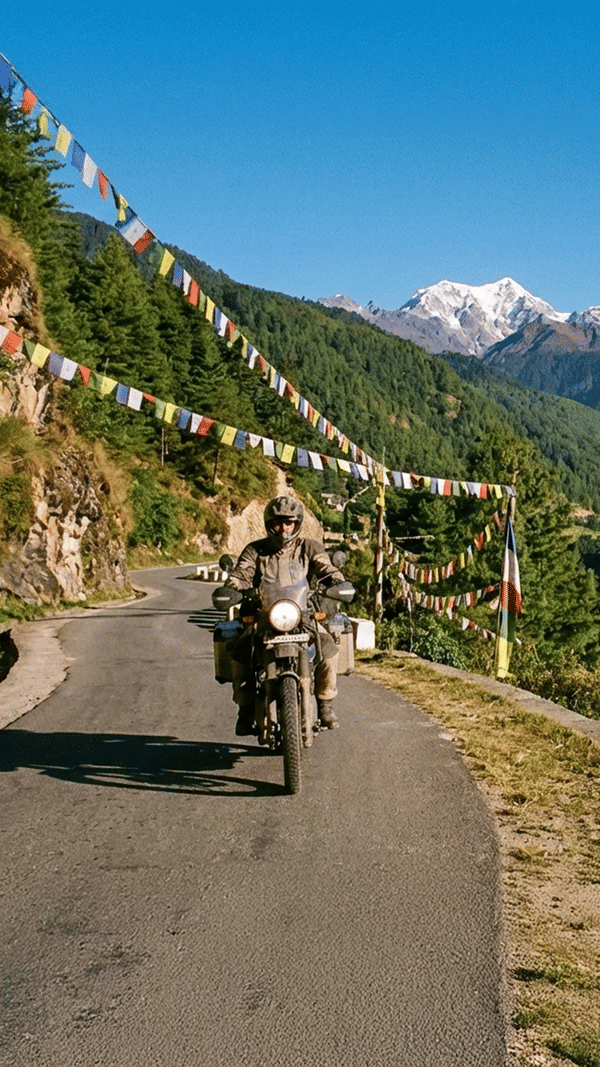
8-Days Bhutan Bike Trip Expedition: Ride across the Land of Thunder Dragon
Epic 7 Days Bhutan Road Trip: A Drive Through Quiet Himalayas
Bhutan Road Trip with Phobjikha Valley
Best of Bhutan in 5 Days
Cultural Etiquette: Things to Know Before Visiting Bhutan

Bhutanese life is strongly shaped by Buddhist tradition and a clear sense of respect toward people, places, and rituals. Travellers who meet that tone with a little awareness tend to have warmer interactions and a more meaningful experience overall.
- Greetings: A common greeting is "Kuzu zangpo la," meaning "hello." A slight bow of the head is a respectful touch.
- In Sacred Sites: Remove shoes and hats before entering temples and monasteries. Walk clockwise around stupas and prayer wheels. Don’t point your feet at people or religious icons, and avoid touching anyone’s head.
- Dress Code: Keep it modest. Skip shorts, short skirts, and sleeveless tops, especially at religious sites or official buildings.
- Photography: Ask before photographing people. Inside temples and monasteries, photos are often not allowed; follow posted signs and your guide’s instructions.
- Giving and Receiving: Use your right hand or both hands when offering or accepting items, as a sign of respect.
Your Bhutan Adventure Awaits
Bhutan stands out because it has protected what many destinations have traded away: a living culture that doesn’t feel staged, and landscapes that still feel genuinely quiet.
It’s the kind of trip that naturally pulls you away from constant noise and back into simpler routines, walks, viewpoints, monastery courtyards, and long drives through valleys. If you want a sense of how personal a Bhutan itinerary can feel, stories like a couple's first anniversary trip to Bhutan capture that mood well.
If you understand Bhutan’s tourism rules early, budget for the SDF properly, and travel with basic cultural etiquette, the rest of the trip tends to fall into place. From classic cultural circuits to road trips and more spiritual routes, there’s plenty of room to shape the experience to your pace. Browse WanderOn’s Bhutan tour packages and pick an itinerary that fits your 2026 travel window.
Frequently Asked Questions
Is Bhutan worth visiting for Indian tourists?
Yes, Bhutan is absolutely worth visiting if you enjoy mountains, peaceful places, monasteries, and slow travel. It feels very different from crowded tourist destinations and is one of the safest and cleanest countries near India.
Do Indians need a visa to travel to Bhutan?
No, Indian tourists do not need a visa to visit Bhutan. You can enter using a valid passport or voter ID card. However, you must get an entry permit after reaching Bhutan through the airport or border checkpoint.
How many days are enough for Bhutan?
A 5 to 7-day trip is enough to explore Bhutan comfortably. You can visit places like Paro, Thimphu, and Punakha without rushing and still enjoy the peaceful atmosphere.
How can I travel to Bhutan from India?
You can travel to Bhutan by flight or road. Direct flights are available from cities like Delhi, Kolkata, and Guwahati to Paro. You can also enter by road through the Jaigaon-Phuentsholing border in West Bengal.
Is Bhutan expensive for tourists?
Bhutan can feel slightly expensive compared to some Indian destinations, mainly because of daily tourist fees and transport costs. But with budget hotels, shared transport, and local food, Indian travellers can still plan affordable Bhutan trips.


