


If you think you have seen all that Spiti has to offer - monasteries, moonscapes and mountain roads - think again. The Parang La Trek Spiti is not your average Himalayan hike. It’s a heart-pounding, soul-awakening, glacier-river crossing kind of adventure that takes you from the rugged valleys of Himachal all the way to the high deserts of Ladakh.
In this blog, we are breaking down everything you need to know - Parang La Trek itinerary, route details, best time to go, and why this epic trail deserves a top spot on your trekking bucket list. And if you are looking for curated Spiti tour packages that include this offbeat gem, we have got suggestions for that too!
So, are you ready to ditch the crowds and follow the wild? Lace up - Parang La is calling!
Parang La Trek Spiti: Highlights

- Best Time To Go For Parang La Pass Trek: Mid-July to early September
- Parang la trek difficulty level: Challenging - suitable for experienced trekkers
- Parang La Pass height: 5,580 meters
- Parang La Trek duration: 9-10 days
- Parang La trek distance: 100-110 km
- Parang La trek route: Chicham- Thaltak - Borogen - Parang La - Norbu Sumdo - Kingdom - Korzok
Best-Selling Spiti Packages

Spiti Valley Group Adventure | Exclusive Himalayan Escape

Frozen Spiti Expeditions

Spiti Valley Tour From Manali: Chandratal Camping & Kibber Wildlife
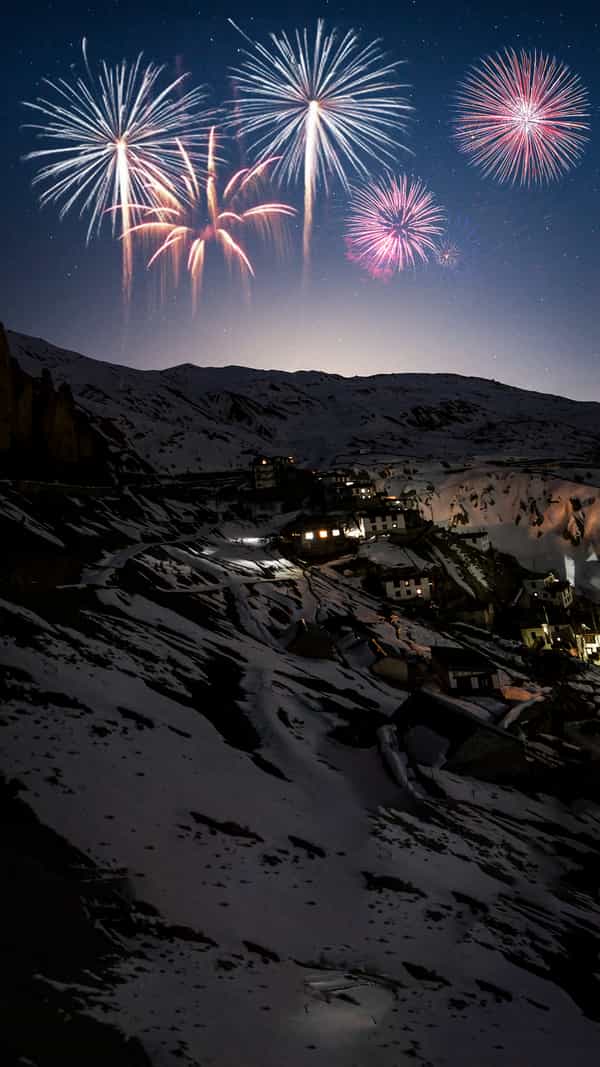
Best of Spiti Valley - Xmas and New Year Special Tour Package
Best Time To Go For Parang La Pass Trek

The best time to do the Parang La Trek Spiti is from mid-July to early September. This short window is when the high-altitude trail becomes accessible, snow starts to melt, and river crossings are manageable.
Parang La isn’t your average weekend trek, it’s wild, remote, and demands ideal weather conditions. Attempting it outside the trekking season can be dangerous due to snow blockages, freezing temperatures, and risky glacier crossings.
Parang-La Pass Trek Itinerary

Here is the Parang-La Pass Trek itinerary that will make your way!
Day 1: Arrive in Kaza (3,800 m)
- Travel Tip: Reach Kaza from Manali or Shimla a day or two earlier to acclimatize.
- Explore the Spitian capital and stock up on supplies.
- Overnight stay: Kaza
Day 2: Drive to Chicham & Trek to Thaltak Meadow (4,250 m)
- Drive: Kaza to Chicham (~2 hours)
- Trek: 5–6 km / 4–5 hours
- A gradual climb to Thaltak with sweeping valley views.
- Camp: Thaltak meadow
Day 3: Thaltak to Borogen (4,700 m)
- A challenging day with a steep descent to the Parilungbi gorge followed by a climb.
- Camp near the river with glaciers in sight.
- Trek time: 6–7 hours
Day 4: Borogen to Parang La Base Camp (5,000 m)
- Trek through moraine and boulder terrain.
- Camp just below the pass, surrounded by snow-capped peaks.
- Trek time: 6–7 hours
Day 5: Cross Parang La Pass (5,580 m) to Kharsa Gongma (4,900 m)
- The big day! Cross one of the highest trekking passes in the Indian Himalayas.
- Expect glaciers, snowfields, and epic views.
- Descent to a wide valley post-pass.
- Trek time: 7–8 hours
Day 6: Kharsa Gongma to Kapapuche (4,700 m)
- Gentle walk alongside the Pare Chu River.
- A welcome relief after the intense previous day.
- Trek time: 4–5 hours
Day 7: Kapapuche to Norbu Sumdo (4,600 m)
- Follow river trails and cross icy streams.
- Norbu Sumdo is a confluence point and a key rest stop
- Trek time: 5–6 hours
Day 8: Norbu Sumdo to Kiangdom (4,600 m)
- Enter Ladakh! The landscape changes dramatically.
- Reach the banks of Tso Moriri Lake- surreal, silent, and sacred.
- Trek time: 6–7 hours
- Camp: Kiangdom by the lake
Day 9: Drive from Kiangdom to Korzok Village
- Drive along the edge of Tso Moriri to the lakeside village of Korzok.
- Rest, explore, or sip butter tea with locals.
- Optional: Stay overnight or drive to Leh via Sumdo and Chumathang.
Parang La Trek Spiti Difficulty

The Parang La Trek is rated as challenging to difficult, making it suitable only for experienced trekkers with prior high-altitude, multi-day trekking experience. Spanning over 100 km and reaching a maximum altitude of 5,580 meters, the trek demands physical endurance, mental resilience, and the ability to navigate remote, high-altitude terrain with no habitation or rescue access en route.
Why It’s Considered Difficult:
- High Altitude: Crosses one of the highest passes in the region
- Remote Terrain: No villages, no mobile network, complete wilderness
- Glacier & River Crossings: Requires care and proper gear
- Cold Temperatures: Especially at night, even in peak season
- Long Walking Days: 6–8 hours of trekking per day on average
- Self-Sufficiency Required: Fully supported camping trek only
Suggested read: Chandratal Trek Spiti
Permits and Regulations for Parang La Trek

Required Permits:
1. Inner Line Permit (ILP) for Ladakh
- Mandatory for Indian and foreign nationals entering Korzok and Tso Moriri
- Can be obtained online via the Ladakh Tourism website or in person from DC offices in Leh
- Valid ID proof required (Aadhar, Passport, etc.)
2. Wildlife/Environmental Permits
- Depending on your Parang La trek route, the Tso Moriri wetland zone may require additional permissions to protect wildlife and fragile ecosystems.
3. Local Authorities in Kaza or Chicham
- In some cases, local registration may be required before beginning the trek.
- Trekking with a licensed guide or tour operator ensures smoother clearance.
For Foreign Nationals:
- Must carry passport & valid visa copies
- Foreigners must have ILP to enter the Changthang and Tso Moriri region
- It’s recommended to trek with a registered local agency for logistics and support
Important Notes:
- Carry multiple photocopies of your permits for checkpoints
- Always have physical copies, the network is non-existent on the trail
- Some permits have limited validity, so plan your Parang La trek itinerary accordingly
- Keep your waste to a minimum, This is an ecologically sensitive zone
Packing List and Trekking Tips

Clothing
- Base layers (thermal tops and bottoms)
- 2–3 quick-dry T-shirts
- 1–2 fleece or down jackets (lightweight but warm)
- Waterproof & windproof outer shell (jacket + pants)
- Trekking pants (quick-dry) – 2 pairs
- Warm hat/beanie + sun hat/cap
- Woolen gloves + waterproof gloves
- Warm socks (4–5 pairs) + extra liners
- Lightweight sleepwear
Footwear
- Sturdy waterproof trekking boots (well broken-in)
- Trekking sandals or crocs (for river crossings and camp)
- Gaiters (for snow or scree zones)
Gear
- Backpack (50–65L) with rain cover
- Daypack (15–20L) for summit day or essentials
- Sleeping bag (rated -10°C or lower)
- Trekking poles (highly recommended)
- Headlamp + extra batteries
- Sunglasses with UV protection
- Reusable water bottles/hydration bladder (at least 2L)
- Dry sacks or ziplocks (to keep items dry)
Toiletries & Personal Care
- Sunscreen (SPF 50+)
- Lip balm with SPF
- Wet wipes + small towel
- Biodegradable soap/shampoo
- Toilet paper + hand sanitizer
- Small first-aid kit (see below)
Basic Medical Kit
- Diamox (for altitude sickness – consult your doctor)
- Painkillers, anti-inflammatory medicine
- Band-aids, crepe bandage, antiseptic cream
- ORS sachets, anti-diarrhea tablets
- Personal medications (with extras)
Documents
- Identity proof (Aadhar/Passport)
- Photocopies of permits, ILPs, emergency contacts
- Insurance documents (if applicable)
Suggested read: Spiti Valley road trip
Frequently Asked Questions
Which pass joins Spiti to Ladakh?
Parang La Pass joins Spiti Valley in Himachal Pradesh to Ladakh, serving as an ancient trade route and a challenging high-altitude trekking trail.
Is there any trek in Spiti Valley?
Yes, Spiti Valley offers several treks, with the most popular being the Parang La Trek, along with shorter options like the Dhankar Lake Trek and Pin-Bhaba Pass Trek for adventure enthusiasts.
Which is the best trek in Spiti?
The Parang La Trek is considered the best trek in Spiti for experienced trekkers, offering a high-altitude adventure from Spiti Valley to Ladakh through glaciers, river crossings, and remote Himalayan landscapes.
What is the distance of Parang LA pass?
The Parang La Pass trek covers a distance of approximately 100 to 110 kilometers, starting from Chicham in Spiti Valley and ending at Korzok near Tso Moriri Lake in Ladakh.
What is the highlight of the Parang La trek?
The main attractions on the Parang La trek are the views of Spiti Valley, the beautiful lakes at high altitude, and the fabulous experience of interacting with the locals.


