


Can you imagine a vast glacial plateau in the cold desert of Spiti Valley? Sounds fascinating, right? We are talking about Samudri Tapu, a remote glacial plateau near Chandratal in Spiti Valley, located at around 4,300 - 4,500 meters altitude.
It is known as one of the sources of the Chandra River, which later merges with the Bhaga River to form the Chenab. The place is accessible only via trekking over rugged secluded terrain and is considered one of the least explored locations in the region.
It’s mostly visited by nomadic Gaddi shepherds during summer only. In 2026, adventurers, trekkers, and offbeat explorers are taking interest in this hidden gem of Spiti Valley.
If you are looking to explore beyond the shores of Chandratal on your Spiti trip, this Samudri Tapu trek guide 2026 covers the route, the risks, and the raw beauty of this place.
Samudri Tapu: 2026 Quick Snapshot

- Location: 8 km ahead of Chandratal Lake, Lahaul & Spiti, Himachal Pradesh
- Samudri Tapu Altitude:~4,500 meters (14,760 feet)
- Trek Distance: 16 km round-trip (Chandratal base)
- Difficulty: Moderate (unstable moraine and icy stream crossings)
- Weather: 10°C to 15°C during day and -5°C at night even in summer
- Road Status: The route from Manali via Atal Tunnel is currently Open (seasonal: June to October).
- Best Time: Mid-June to September (Peak clarity in September)
- Key Attraction: The "snout" of Samudra Glacier, the Chandra River source
- Connectivity: Zero mobile network or GPS (Offline maps required)
- Stay: No camps at Tapu; luxury/basic camps available at Chandratal (2 km from lake)
- Permits: Aadhar card/ID required at Gramphu and Losar check-posts.
- Tour Guide: Highly recommended for first-timers; the trail over the shifting moraine is unmarked and requires expert navigation of glacial streams.
Check Out Our Best-Selling Spiti Tour Packages

Spiti Valley Adventure From Chandigarh: Sangla, Kalpa & Tabo Special

Frozen Spiti Backpacking - Bliss in Budget
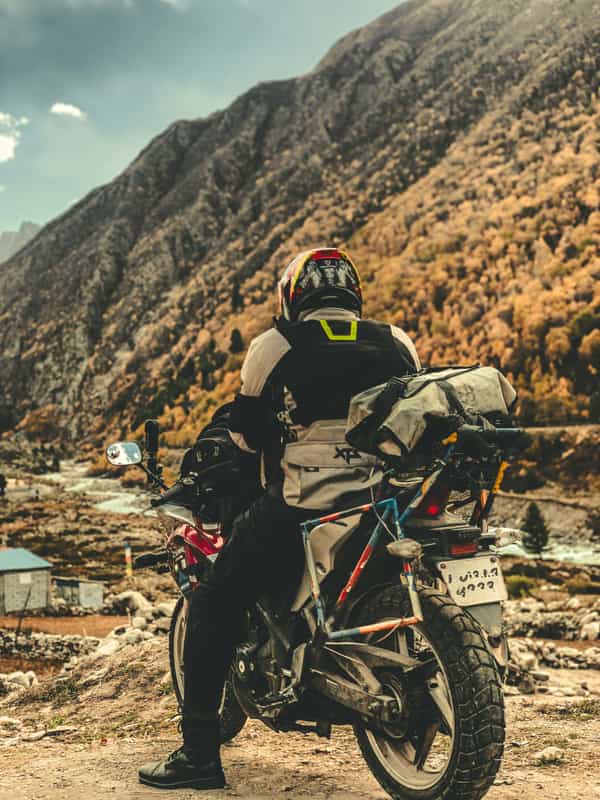
Spiti Valley Circuit Group Bike Trip | Tirthan To Manali On Two Wheels

Spiti Valley Tour From Manali: Chandratal Camping & Kibber Wildlife
What Exactly Is Samudri Tapu?

The word “Samudri Tapu” literally means “Sea Island”. Now, in the middle of a high-altitude cold desert, a "sea" is the last thing you’d expect. But when you finally stand there, it makes total sense.
It’s this massive, flat graveyard of rocks and ice (a glacial plateau) sitting right where the Samudri Glacier starts melting into the Chandra River. Because the river splits into dozens of tiny, silver streams that wrap around this rocky landmass, it looks exactly like an island sitting in a sea of moving water.
- The Three Fingers: It’s actually where three massive glacial "tongues" converge from the high peaks. This creates a landscape of shifting ice and "ghost lakes" like small ponds that appear and disappear as the glacier melts.
- Shepherd Territory: You aren't alone up here. You’ll likely see Gaddi shepherds in their stone huts (dogris). These guys are the real experts; a friendly "Namaste" might even get you a cup of salty goat-milk tea.
- The "Jhoola": Because the terrain is so wild, locals often use a manual ropeway, a metal basket on a wire to cross the river gorge. It’s a heart-in-your-mouth shortcut that shows just how remote this place really is.
Samudri Tapu Vs Chandratal: Why Go Further?

Chandratal is iconic while Samudri Tapu is offbeat and rugged yet its Chandratal Level 2.
Here’s what to expect from Samudri Tapu vs Chandratal:
- The Birth of a River: At the lake, the water is still. At the Tapu, you are standing at the source of the Chandra River. Watching a massive river roar directly out from under a wall of ice is a perspective you simply don't get at the lake.
- Zero Crowds: 99% of people stop at the lake. The moment you head toward the Tapu, the people disappear. It’s just you, the wind, and the sound of shifting ice.
- Views: Unobstructed 360-degree panoramas of the Mulkila peaks and the Samudra Glacier snout.
- Experience: A true sense of isolation; while 100 people might be at the lake, you’ll likely be the only one at the Tapu.
- A Changing Landscape: Every year, the melting glacier creates "ghost lakes" and new streams. In 2026, the terrain looks different than it did two years ago. It’s a place that feels "alive" and constantly evolving.
How To Reach Samudri Tapu Spiti?

To get to Samudri Tapu Spiti Valley, you first have to reach the Lahaul-Spiti region. Since this is one of the most remote parts of the Indian Himalayas, your journey will be a mix of long mountain drives followed by a dedicated trek.
Reaching Spiti Valley
Most travelers use Manali as their base as the lake and Tapu are located near Batal on the Manali-Leh route. Note that there are no direct flights or trains into the valley itself.
By Air
- The nearest airport is Kullu-Manali Airport (Bhuntar), located about 50 km from Manali (1.5 - 2 hours).
- Next Step: From Bhuntar, you’ll need to hire a private taxi or take a local bus to Manali. From Manali, the road journey toward the Kunzum Pass begins.
By Train
- The nearest broad-gauge railway station is Chandigarh, and the nearest narrow-gauge station is Shimla.
- The Route: From Chandigarh, you can hire a cab for the 8–10 hour drive to Manali via the Atal Tunnel.
By Road: Two Routes
Most people take the Manali route. It is the fastest, most logical way to reach the lake. But it’s not the only way. While the Manali route is a favorite for trekkers, you should check out our complete Spiti Valley road trip guide to understand the full circuit before planning your trip.Here is how to decide:
The Manali Route (The Shortcut): Use this if you are on a short trip (3–5 days) specifically for the lake and Samudri Tapu Spiti. You’ll drive through the Atal Tunnel toward Gramphu and then head toward the rugged Chandra Valley.
- This road only opens around June and closes by October when the snow hits. During this window, 90% of travelers use this route because you can get from Manali to the lake in about 6- 7 hours.
- The Warning: It’s a huge altitude jump. Don't be surprised if you get a headache the first night.
The Shimla Route (The Scenic Loop): Use this if you are doing a full 8–10 day Spiti road trip.
- The Logic: People don't drive from Shimla just for the lake. They take this route to see the whole valley (Tabo, Kaza, Dhankar) and visit Chandratal as their final stop before exiting through Manali.
- The Benefit: It’s much easier on your body. By the time you reach the lake, you’ve been at high altitude for a week, so the Samudri Tapu trek Spiti will feel much easier.
For a detailed breakdown of stops and experiences in between these routes, read this guide
Batal To Chandratal

- From Batal, a narrow 14 km road leads you to the "Parking Area" of Chandratal Lake. This is the last point accessible by wheels. You need to walk to the lake (1-2 km) from here.
- Views: Enjoy the views of Chandra-Bhaga mountains, Mt. Indrasan, and Deo Tibba from the lake. Then, start trekking further to the Tapu.
How To Reach Samudri Tapu From Chandratal?
- From Chandratal, you need to trek the rugged terrain of 8 km to reach Samudri Tapu altitude.
Samudri Tapu Trek Spiti: Route & Difficulty

Samudri Tapu Spiti Valley is strictly a trekking-only destination. The road ends at Chandratal and the real exploration starts. After exploring the lake, start trekking further to the Tapu with the goal to reach before the sun starts melting the ice.
The Trekking Route
The Samudri Tapu trek Spiti starts from the Chandratal camping area or the lake's perimeter.
- Distance: Approximately 8 km (one way)
- Time taken: 4-5 hours to reach the glacial snout
- Path: Follow the left bank of the Chandra River. The terrain is a mix of loose rocks (scree), grassy patches, and glacial moraines.
- Difficulty: Samudri Tapu trek difficulty level is moderate. While the elevation gain isn't extreme, the terrain is tricky.
- Total Trek Duration: 1-2 days (starting from Chandratal base and overnight camping for acclimatization).
The Samudri Tapu Trek: Ideal 3-Day Plan
- Day 1: Reach Batal by 2:00 PM at the latest to navigate the rugged 14 km road to the Chandratal parking area. Must sleep at Chandratal camps (4,300m) to prepare your lungs for the trek.
- Day 2: Start at 6:00 AM. Reach the Tapu by 11:00 AM. Return to Chandratal by 4:00 PM. Stay a second night to recover from the 16 km hike.
- Day 3: Departure – Drive back to Manali or Kaza after breakfast.
The Rule: Never start trekking the same day you arrive, and never drive back the same day you trek back to Chandratal camps. Fatigue and altitude are a dangerous mix on Spiti’s roads.
The Challenge: The "Nallah" Crossings
The biggest challenge on this route is crossing the mountain streams, or nallahs.
- The Golden Rule: Start at the crack of dawn. By 1:00 PM, the sun melts the glacier ice rapidly, turning a small hop-over stream into a dangerous, knee-deep torrent of freezing water.
Shepherd Signs: Follow the cairns (small stone piles). Gaddi
Best Time To Visit Samudri Tapu

Mid-June to September is the only time the Samudri Tapu trek Spiti is reliably accessible. Outside this Samudri Tapu best time to visit, the roads from Manali are buried, and the lake itself is often frozen or blocked by snow.
Look at the changing landscape of the lake and Tapu during this window:
Mid-June to July (The Adventure Phase)
This is when the Manali route usually opens. You’ll see plenty of snow patches, and the "island" look of Samudri Tapu Spiti Valley is most dramatic as the glaciers start melting rapidly. Stream crossings (nallahs) are at their most aggressive because of the heavy snowmelt.
August (The Green Phase)
Spiti is in a rain shadow, so while the rest of Himachal is dealing with landslides, this area stays relatively dry. The meadows around the lake turn surprisingly green, and you’ll find the most Gaddi shepherds during this month.
September to Early October (The Clarity Phase)
This is arguably the best time to visit Spiti Valleyfor photographers. The skies are crystal clear, the water is a deep turquoise, and the streams have settled down, making the Samudri Tapu trek much easier to navigate. It starts getting freezing at night. By October, the first snow hits, and the campsites at Chandratal begin to pack up.
Best Things To Experience At Samudri Tapu
Since you won’t find many YouTube vlogs or "Top 10" lists for this place, it still feels like a genuine discovery. Here is what makes the Samudri Tapu trek actually stick in your memory:
1. Trekking The Glacial Moraine

Trekking to Samudri Tapu Spiti Valley involves a rugged 8 km (one way) trek over a "living" landscape of loose rocks, volcanic-like scree, and shifting ice. The real challenge is the Nallah crossings so you have to time your Samudri Tapu trek to cross these glacial streams before the afternoon sun melts the ice and turns them into impassable torrents.
2. Hearing the Glacier "Groan"
If you sit still for ten minutes near the snout, you’ll hear deep cracks, bass-heavy thuds, and rumbles coming from the Samudra Glacier. It’s not a quiet place; it sounds like the mountain is shifting right under your feet as the ice calves into the meltwater ponds.
3. High-Altitude Birdwatching

The silence here makes birdwatching incredible. Keep an eye on the thermals for the Himalayan Griffon and Golden Eagle. Near the water and rocky banks, you’ll often spot the Tibetan Snowcock, Chukors, and the White-Capped Redstart flitting between the stones.
4. Lunar Photography
At the Tapu, you get a 360-degree theater of jagged 6,000 m peaks like Mulkila. The lighting here is raw, reflecting off silt-heavy streams and temporary "ghost lakes" (bright blue ponds that form and vanish each season). It’s the kind of scale that makes a human look like a tiny dot in the frame.
5. Interacting With Gaddi Shepherds

You’ll pass stone huts called dogris where shepherds have lived every summer for generations. This isn't a cultural show for tourists; it’s raw Himalayan survival. A simple "Ju-lay" usually gets you a nod or a brief chat with the real masters of this terrain.
6. Finding The "Jhoola"
Keep an eye out for the manual steel ropeway (a metal basket on a wire) used by locals near the Shepherd settlements to cross the river gorge. Even if you don’t ride it, seeing how they move supplies across a crashing glacial river tells you more about Spiti’s grit than any museum could.
Essential Gear For The Samudri Tapu Trek Spiti

Here are the essentials you must carry for this adventurous Samudri Tapu trek Spiti to be safe and experience the best.
- Footwear (The Most Important): Use high-ankle trekking boots with deep lugs (Vibram or similar). You’ll be walking on loose, sharp rocks and crossing slippery streams; sneakers will lead to a twisted ankle or soaked feet.
- The "Nallah" Kit: Carry a pair of lightweight floaters or water shoes for stream crossings. Changing into these saves your main boots from getting soaked for the rest of the 16 km trek.
- Layering (3-Layer Rule): Even in July, the wind at the glacier snout is biting Moisture-wicking dry-fit tee as base, a warm fleece or down jacket and a windproof/waterproof shell (Gore-Tex or similar).
- Trekking Poles: These aren't "optional" here. You need them for balance while navigating the shifting stones of the glacial moraine and for stability in fast-moving water.
- Sun Protection: The UV radiation at 4,500 metres is brutal. Pack Category 3 or 4 sunglasses to prevent snow blindness from glacial reflections and a high-SPF sunscreen (50+).
- Hydration & Energy: Carry a 2-liter water bladder or bottle. Add electrolyte sachets to your water and pack calorie-dense snacks like dark chocolate, almonds, and dates to keep your body heat up.
- Emergency Meds: Beyond a basic first-aid kit, carry Diamox (after consulting a doctor) for AMS (Acute Mountain Sickness) and a small bottle of oxygen if you aren't fully acclimatized.
- Dry Bag: Use a waterproof liner or dry bag inside your backpack for your camera, power bank, and spare socks. If you slip in a stream, you'll be glad your electronics stayed dry.
Travel Tips Before Visiting Samudri Tapu

Before you head out into the wild to find Samudri Tapu, keep these reality-checked tips in mind. The terrain in 2026 is as unpredictable as ever, so preparation is your best friend.
- Permits: For Indians, no Rohtang permit is needed via the Atal Tunnel. However, carry your original Aadhar/ID for mandatory registrations at the Gramphu and Losar check-posts. Foreign nationals still require a Protected Area Permit (PAP) if traveling the full Spiti circuit.
- Follow the "1 PM Rule": The glacial streams (nallahs) you cross during the trek are fed by melting ice. By 1:00 or 2:00 PM, they turn from small trickles into dangerous, waist-deep torrents. Start your trek by 6 AM to ensure you’re back across the tricky parts before the afternoon thaw.
- The 48-Hour Acclimatization: Going from Manali (2,000 m) to the Tapu (4,500 m) in one day is a recipe for Altitude Sickness (AMS). Spend at least one night in Manali and another at a mid-point like Sissu or Koksar before attempting the trek.
- Zero Connectivity: Once you leave the Atal Tunnel (Manali side) or Losar (Kaza side), your phone becomes a brick. Download offline maps (Google Maps/Maps.me) and inform your family that you’ll be off the grid for 2–3 days.
- Permit Check: If you take the Atal Tunnel route, you don't need a Rohtang permit. However, always carry a physical copy of your Aadhar/ID, check-posts at Gramphu and Losar will ask for it.
- Footwear is Key: This is a "moraine" trek, meaning you’ll be walking on a giant jigsaw puzzle of loose, sharp rocks. Leave the sneakers at home; you need high-ankle trekking boots with a solid grip and waterproof lining.
- Carry Spare Socks: No matter how good your boots are, you will get wet during stream crossings. Keep a dry pair of woollen socks in a plastic bag inside your backpack to change into once you reach the Tapu.
- Self-Sufficient Snacks: There are no dhabas or shops between the Chandratal parking lot and the Tapu. Carry high-energy food like nuts, chocolate, and energy bars, plus at least 2 liters of water (though you can refill from side-streams if you use purification tablets).
- The "Buffer Day": Spiti weather can change in minutes. Always keep one extra "buffer day" in your itinerary in case a sudden landslide or heavy rain blocks the Batal-Gramphu stretch.
Read our complete 2026 guide on the travel tips for Spiti Valley to navigate this rough terrain safely.
Places To Visit Near Samudri Tapu
Since you’re already in one of the most remote corners of the Himalayas, your "neighbors" are high passes and tiny high-altitude settlements. Here’s where you should head after finishing the Tapu trek:
1. Chandratal Lake

You’ll pass this on your way to the Tapu, but it deserves a dedicated stop. This "Moon Lake" is famous for changing colors from turquoise to emerald as the sun moves across the sky. If you’re here for Samudri Tapu camping, it’s not recommended for 99% of travelers due to the rough terrain.
Most people camp at the designated sites 2 km away from Chandratal, one of the popular camping sites in Spiti Valley and walk to the banks for sunset.
- Distance from Tapu:~8 km (Start of the trek)
- Altitude: 4,300 m
- Things to do: 2 km lakeside walk, night photography (the Milky Way is extremely clear here), and camping at designated sites.
2. Lord Vishnu Lake
Legend has it that this lake is a sacred abode of Lord Vishnu, and locals believe the water has purifying properties. Because it sits slightly higher and is less frequented, the water is often even clearer than Chandratal, perfectly mirroring the surrounding snow-capped peaks. It’s a short but steep hike that gives you a "bird’s-eye" view of the entire Samudra Tapu plateau.
- Distance from Tapu:~6–7 km (It’s about 6 km west of Chandratal)
- Altitude:~4,450 meters
- Things to do: Meditative silence, high-altitude photography, and a short "ridge trek" that connects it back to the Chandratal trail.
3. Kunzum Pass

Located about 15 km from Batal, Kunzum Pass is the high-altitude gateway between Lahaul and Spiti. It’s home to the Kunzum Devi Temple, where every driver stops for a mandatory circumambulation (parikrama) for safety. The views of the Bara-Sigri Glacier (the second largest in India) from the top are massive.
- Distance from Tapu:~20 km (via Batal)
- Altitude: 4,551 - 4,590 metres
- Things to do: Visit the Kunzum Devi Temple and take photos of the colorful prayer flags against the snow.
4. Batal
Batal isn’t a town; it’s one of the legendary places to visit in Spiti Valley and a necessary pitstop on your route. It’s famous for Chacha-Chachi’s Chandra Dhaba, a stone-shack eatery that has been rescuing stranded travelers for decades. Stopping here for a hot meal and some mountain stories is a rite of passage for any Spiti traveler.
- Distance from Tapu:~22 km (14 km drive + 8 km trek)
- Altitude: 4,000 metres
- Things to do: Have lunch, listen to rescue stories from the owners, and use it as a base for acclimatization before heading higher.
5. Sissu

If you’re heading back toward Manali, Sissu is about 3-4 hours away. It’s a fast-developing hub known for the Sissu Waterfall and the gold-colored Lake Sissu. It’s a great place to stay if you want a bit more comfort (and oxygen) after the ruggedness of the Tapu.
- Distance from Tapu:~65 km
- Altitude: 3,120 metres
- Things to do: Visit the 50-meter-high Sissu Waterfall, take a boat ride on Sissu Lake, and enjoy the first mobile network signal you'll find after leaving the lake.
6. Losar Village
Losar is the first inhabited village you’ll hit if you head toward Kaza. It’s a quiet, traditional Spiti settlement with white-washed houses and barley fields. It’s the best place near the lake to experience actual local life and grab a bowl of authentic thukpa.
- Distance from Tapu:~40 km
- Altitude: 4,085 - 4,090 meters
- Things to do: Eat authentic Thukpa or Kyiu, explore the local monastery, and stay in a traditional homestay to experience Spitian hospitality.
7. Suraj Tal

Located further up on the Manali-Leh highway near Baralacha La, this is the "Sun Lake”. It’s the Chandra River source of the Bhaga River and sits even higher than Chandratal. It’s stark, snowy, and usually frozen well into June.
- Distance from Tapu:~50 km (requires a detour toward the Manali-Leh highway)
- Altitude: 4,882 - 4,950 meters
- Things to do: High-altitude photography and visiting the source of the Bhaga River.
Key Takeaway: Is Samudri Tapu Worth Visiting?
Standing at the edge of the Samudra Tapu is one of those rare moments where you realize how small we actually are. Between the literal "groans" of the moving ice and the birth of the Chandra River right at your feet, Samudri Tapu is easily Spiti’s most raw, unfiltered experience.
This isn't a trek you wing with a basic map or a rental bike. Between the 2026 glacial melts and tricky stream crossings, you need a team that knows the terrain and makes it worth visiting.
Connect with us at WanderOn for your dream Spiti expedition and let’s get you to Spiti’s hidden corners the right way.
Frequently Asked Questions
What is Samudri Tapu and why is it famous?
Samudri Tapu is a massive glacial plateau near Chandratal where the Chandra River originates. It is famous for its "island" appearance, created by crisscrossing glacial streams. Travelers visit to witness the raw Samudra Glacier snout and hear the unique, deep "groaning" of shifting ice.
How difficult is the Samudri Tapu trek for beginners?
The trek is moderately difficult. While the 16 km round-trip is relatively flat, beginners will struggle with high-altitude breathing and navigating unstable, rocky glacial moraine. The real challenge is the icy "Nallah" crossings, which require good balance and very specific timing to avoid rising waters.
What is the best time to visit Samudri Tapu?
The best window is mid-June to September. July offers a dramatic, snowy "Ice Age" feel, while September provides crystal-clear skies and calmer streams for easier trekking. Avoid visiting after October, as Kunzum Pass closes and the plateau becomes an inaccessible, sub-zero frozen wilderness.
Is Samudri Tapu safe for solo travelers?
It is risky for solo travelers due to zero mobile connectivity and unpredictable glacial streams. Navigating the moraine alone can be dangerous if you get injured. It is highly recommended to trek with a local guide or join an organized group like WanderOn for safety.
Do I need a special permit to visit Samudri Tapu?
No special Inner Line Permit is required for Indian tourists. However, you must carry a valid ID (Aadhar/Voter ID) for the police check-posts at Gramphu or Losar. Foreign nationals need an E-permit to enter Spiti Valley via the Reckong Peo route.
Are there any stay options at Samudri Tapu?
No. There are zero permanent structures or campsites at the Tapu itself. You must stay at the Chandratal camping area (2 km from the lake). Most trekkers do this as a day trip, starting at dawn and returning before sunset.
Can I drink the water from the streams during the trek?
While the water looks crystal clear, it’s heavily silted with "glacial flour" (fine rock dust). It is safer to carry your own water or use purification tablets if you refill from side-streams to avoid stomach issues at high altitudes.


