


In the vast emptiness of the Spiti Valley cold desert lies a village so small that the entire settlement fits inside a single house. Kakti Village Spiti, located just 10 km from Kaza, is often considered one of India’s smallest villages.
Only one family lives here, surrounded by miles of stark mountains, silence, and sky. What makes Kakti fascinating isn’t just its size, but the story of a five-generation lineage unfolding in one lonely home. This hidden gem is not yet part of most popular Spiti trips yet.
If you are looking for Kakti Village Spiti on Google Maps, you might struggle to find a precise pin as it is one of the remote villages in Spiti. It is best to ask locals in Kaza for directions to the "village with only one house"; everyone there knows the Namgyal family who calls this isolated ridge home.
Follow this detailed Kakti Village travel guide to learn everything you need for planning an offbeat Spiti itinerary.
Best-Selling Spiti Packages in 2026
Full Spiti Valley Circuit Group Tour From Delhi: Shimla To Manali

Spiti Valley Tour From Manali: Chandratal Camping & Kibber Wildlife

Spiti Valley Adventure From Chandigarh: Sangla, Kalpa & Tabo Special

Spiti Valley Group Adventure | Exclusive Himalayan Escape
Where Is Kakti Village In Spiti?
Kakti is located in the Lahaul and Spiti district of Himachal Pradesh in the Kaza subdivision, sitting at an altitude of roughly 3,800 meters (12,460 feet). While the famous "High Villages" like Hikkim or Langza host dozens of families, Kakti Village Spiti is a hidden gem and the smallest village in Himachal.
It is a government-recognized village consisting of exactly one house, making it one of the most unique villages in the Himalayas. To find this single house village Spiti, you need to use the town of Kaza as your base.
How To Reach Kakti Village From Kaza?

Your journey to Kakti Village Spiti starts from Kaza, the headquarters of Spiti Valley, which is roughly 10 km (6 miles) away.
Getting To Kaza
Before you can head to Kakti, you must reach Kaza via one of the two classic Spiti routes:
- The Shimla Route (All-Year): A longer, gradual climb through Kinnaur (2 days journey). This is better for acclimatization. Read our detailed guide onhow to reach Spiti (Kaza) for full breakdown.
- The Manali Route (June–October): A shorter, more rugged journey over the Rohtang and Kunzum Passes taking only 8-12 hours to reach.
From Kaza To Kakti
Before heading to remote ridges like Kakti, make sure you understand the full Lahaul and Spiti circuitto plan your entry and exit points correctly. Once you are in Kaza, you have three main options to reach the village ridge:
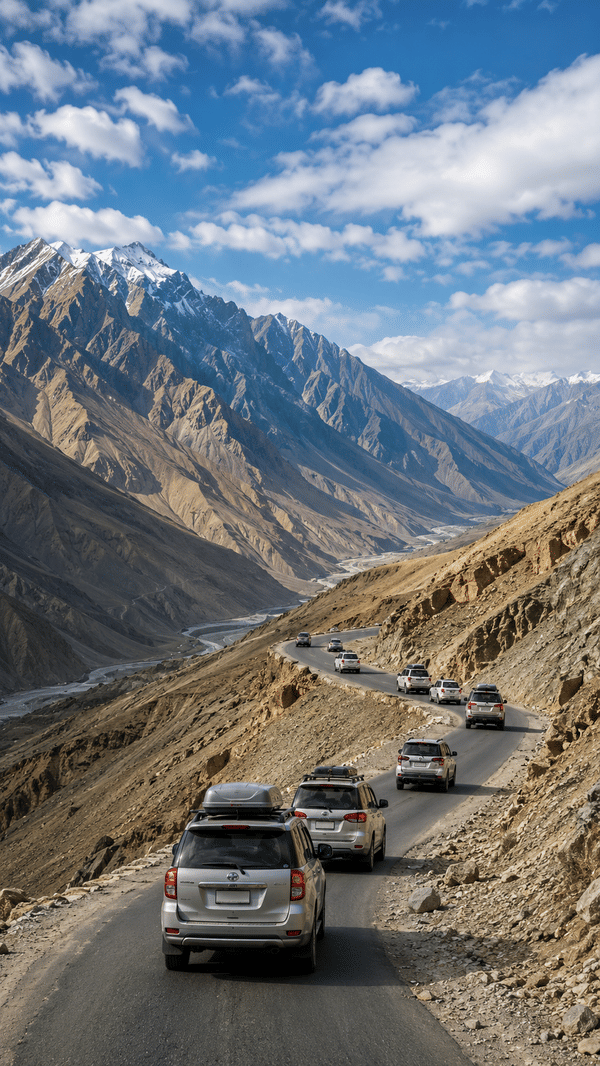
- By Private Vehicle (The Easiest Way): Hire a local taxi or use your own high-clearance SUV/Motorbike. The drive takes about 30-40 minutes. The road is a narrow, unpaved "kucha" track that zig-zags up the mountain. It can be dusty in summer and slippery after rain.
- By Foot (The Local Shortcut): If you are physically fit and already acclimatized to the altitude, you can trek. There is a steep, 5 km mountain trail used by the Namgyal family. It cuts the distance in half but doubles the effort due to the thin air at 12,000 feet.
- Mountain Biking: For thrill-seekers, cycling from Kaza to Kakti is a popular choice. It’s a grueling uphill climb, but the downhill ride back to Kaza offers incredible panoramic views of the Spiti River.
Best Time To Visit Kakti Village Spiti

The absolute best time to visit Kakti Village is June and September. These months offer the perfect balance of accessible roads and manageable weather.
In June, the snow has just melted, opening the high passes from both Manali and Shimla, while September provides crisp, clear skies and the most stable road conditions after the monsoon.
Since Kakti is a high-altitude ridge, these "shoulder" months ensure you get the stunning views and the warmth of the sun without the heavy tourist crowds of mid-summer. Read our detailed guide on Spiti Valley in July for planning your trip during this window.
Other Seasons to Consider
- Summer (May to July): This is the peak season. The weather is pleasant (15°C to 20°C), all guest houses are open, and the valley is most lively. It is the safest and best time to visit Spiti Valleyfor first-time visitors and navigate the rugged road to Kakti.
- Monsoon (July to August): Spiti is a "rain shadow" area and doesn't get much rain, but the access roads (especially from Shimla/Kinnaur) are highly prone to landslides. Visit now only if you have a flexible schedule and an adventurous spirit.
- Autumn (October): A beautiful but chilly transition. The landscapes turn a brilliant golden-orange, and the crowds vanish. However, temperatures at Kakti start dipping below freezing at night, and some services begin to close.
- Winter (November to April): Temperatures drop to -30°C, and the village is often buried in snow. The 10 km road from Kaza to Kakti remains closed and cut, there is no way to reach.
The Story Behind Kakti Village Spiti

Kakti isn't a modern experiment in "off-grid living"; it is a centuries-old commitment. Being the smallest village in Himachal, it exists because one family, the Namgyals, refused to abandon their high-altitude ridge when others moved to the valley floor for easier lives.
Here is the story of one family village of Spiti:
5 Generations of Lineage
The current head of the house, Tsering Namgyal, represents the fifth generation of his family to live on this specific ridge. While the mud house is about 100 years old, their ancestors lived in a natural rock cave directly beneath the current structure for nearly 300 years. You can still see the soot-stained walls of the cave today.
Official "Village" Status
Kakti is a single house village Spiti, recognized in government records because it owns 15 bighas (about 3 acres) of registered agricultural land. As long as the family maintains this land and pays revenue taxes, the Indian government recognizes it as a distinct village, complete with its own electricity and postal address.
The Spiritual Connection
For the Namgyals, staying is a karmic duty. Like most of Spiti, they follow Tibetan Buddhism and maintain a sacred prayer room (Chotkang) in the house. They believe their presence keeps the "spirit of the ridge" alive, serving as a peaceful buffer between the wilderness and the growing town of Kaza.
The Water Pact
There is a practical side to Namgyals’ survival. In a legendary local deal, the family allowed the government to tap into a natural spring on their land to supply water to Kaza. In exchange, the state provided this lone house with a motorable road and electricity, making it one of the unique Spiti Valley hidden gems.
Why Do They Stay?
When asked why they don't move to the "busy" town of Kaza just 10 km away, the family simply says they are "well-acquainted with the silence." To them, solitude is a privilege, not a hardship.
Who Lives In Kakti Village Spiti?

The Kakti Village Spiti is currently home to the Namgyal family, who represent the fifth generation of their lineage on this land. The household is headed by Tsering Namgyal and his wife, Ringzin Uden.
They have three sons. The eldest is a Lama (monk) studying in a monastery, another son handles the family's taxi business in Kaza, and their youngest son also helps with the household. Tsering’s younger brother is also a monk serving at a monastery in Kaza.
Life In The Smallest Village Of Spiti

Being India’s smallest village with just one family, life in Kakti Village Spiti is raw and simple.
- High-Altitude Farming: Survival depends on small patches of barley and black peas in this single house village Spiti. Because water is scarce, they rely on ancient "kuhl" channels to divert glacial meltwater to their fields.
- Livestock & Fuel: They keep yaks and sheep for wool and milk to survive the Kakti Village altitude and weather. In a treeless desert, dried animal dung is their primary fuel for cooking and heating during the brutal winters.
- Winter Isolation: When temperatures hit -30°C, the 10 km road to Kaza often shuts down. The family stocks six months of rations (flour, butter, and dried veg) to survive the total lockdown in Spiti Valley in winter.
- Modern Ties: Despite being in one of the remote villages in Spiti, the house has electricity and a satellite dish. It’s a surreal sight, watching global news on TV from a home that is miles away from the nearest neighbor.
Visiting Kakti Village: What Travelers Experience
Visiting Kakti Village Spiti is not about checking off a "monument"; it is an experiential pause. Most travelers visit Kakti as a half-day trip from Kaza. Here is what you can expect from the Kakti Village homestay experience on your day trip:
- The Welcome: The Namgyal family is famously hospitable. Expect to be invited in for Salted Butter Tea or Sattu (roasted barley flour).
- The Silence: Because there are no other houses, cars, or shops, the silence at Kakti is absolute. You can hear the wind whistling through the prayer flags from hundreds of meters away.
- The "Tiger" Encounter: The family usually has a Himalayan mastiff (often named 'Tiger'). While protective, these dogs are the village's only "security system."
- The "Barter" Spirit: Since there are no shops for 10 km, the family appreciates small gestures. Bringing fresh milk, sugar, or green vegetables from Kaza is the best way to say "thank you" for their hospitality.
Places To Visit Near Kakti Village
Since Kakti is essentially a single home, it serves as a quiet pit-stop or a base for exploring the more famous "Spiti Circuit." Because it is just 10 km from Kaza, you are perfectly positioned to see the nearby places to visit Kakti Village.
1. Key Monastery

Key Monastery is the largest and most famous Tibetan Buddhist monastery in Spiti, famously resembling a "castle in the sky" due to its stacked, fortress-like architecture. You can wander through narrow, dimly lit corridors to find ancient murals, rare thangkas, and a peaceful prayer hall where monks have chanted for over 1,000 years.
- Distance from Kaza: 14 km
- Pro Tip: Arrive early in the morning to witness the monks’ daily rituals and enjoy a cup of their legendary herbal tea.
2. Kaza Market & Monastery
Kakti is one of the hidden villages near Kaza. Kazais the administrative heart of the valley and the best place to base yourself for the unique Kakti Village homestay experience. The market is a vibrant hub where you can buy hand-woven yak wool shawls, turquoise jewelry, and local sea buckthorn juice. It’s one of the best nearby places to Kakti Village due to the facilities available.
- Distance from Kaza: 10 km
- Pro Tip: Visit the Sakya Tangyud Monastery within the town to see its bright, colorful facade and large prayer wheels without a long hike.
3. Hikkim: The World’s Highest Post Office

Located at an altitude of 4,440 meters (14,567 feet),Hikkim tiny village is home to a post office that has become a mandatory pilgrimage for travelers. The post office is a simple mud structure where you can buy postcards and have them stamped with a unique seal from the "highest post office in the world."
- Distance From Kaza: 15 km
- Pro Tip: Carry your own pen and a list of addresses beforehand, as the thin air and small crowds can make the writing process surprisingly slow!
4. Langza: The Fossil Village
Langza is instantly recognizable by the giant, golden Maitreya Buddha statue that sits on a hill overlooking the village and the "Chau Chau Kang Nilda" peak. Millions of years ago, this area was the floor of the Tethys Sea; today, you can find prehistoric marine fossils (Ammonites) just by walking along the dry riverbeds.
- Distance From Kaza: 16 km
- Pro Tip: While children may offer to sell you fossils, it is best to leave them in the earth to preserve the geological heritage of the region.
5. Chicham Bridge

Suspended 150 meters (492 feet) above a massive gorge, Chicham Bridge is one of the highest suspension bridges in Asia and a marvel of Himalayan engineering. Walking across the bridge offers a dizzying view of the Samba Lamba Nullah (stream) below and connects the villages of Kibber and Chicham.
- Distance From Kaza: 19 km
- Pro Tip: The bridge is a prime photography spot, especially at sunset when the jagged cliffs of the gorge turn a deep, fiery orange.
6. Kibber Wildlife Sanctuary
Kibber Wildlife Sanctuary is one of the few places in the world where you can potentially spot the elusive Snow Leopard, particularly during the winter months. Even in summer, the sanctuary is great for spotting Himalayan Ibex, Blue Sheep, and Red Foxes against a backdrop of stark, treeless mountains.
- Distance From Kaza: 19 km
- Pro Tip: If you are a wildlife enthusiast, hire a local tracker from Kibber village who knows the animals' migratory patterns and hidden caves.
Things To Know Before Visiting Kakti Village

Kakti is India’s smallest village with just one family, not a tourist monument. To have a meaningful experience while respecting the Namgyal family, this Kakti Village travel guide breaks down some specific points for you to keep in mind:
- The "Guest" Mindset: Remember you are walking into someone’s living room, not a public gallery. Always wait to be invited in and remove your shoes before entering their home or their sacred prayer room (Chotkang).
- Carry a "Useful" Gift: Being one of the Spiti Valley hidden gems, there are no shops within 10 km of the ridge. Instead of money, bring practical supplies like fresh milk, sugar, cooking oil, or green vegetables from Kaza. These are highly valued and a gracious way to thank them for their time.
- Ask Before You Click: While the "one house village Spiti" is incredibly photogenic, always ask the family for permission before taking portraits of them or filming the interior of their home.
- Manage Your Breath: Surviving the Kakti Village altitude and weather in colder months can be difficult as it sits higher than Kaza. If you choose the 5 km Spiti Valley trek shortcut, do not attempt it on your first day in the valley. Ensure you have spent at least 24–48 hours acclimatizing in Kaza first.
- The "Tiger" Protocol: The family usually keeps a large Himalayan Mastiff for protection against snow leopards and wolves. Stay with a family member when approaching the house to ensure the dog knows you are a friend.
- Zero-Waste Visit: There is no waste management system on this remote ridge. Whatever you bring including plastic water bottles or snack wrappers, must go back to Kaza with you.
- Connectivity Reality: While there is now a BSNL 4G tower nearby, the signal can be erratic. Download your offline maps in Kaza and don’t rely on live GPS to find the unmarked trail.
Want to fit Kakti Village into your larger road trip? Follow our 8-day Spiti Valley itinerary to see all the major highlights and hidden gems.
Why Kakti Village Is The Soul Of Spiti?
Kakti Village Spiti is more than just a geographical outlier or a "one-house" curiosity; it is a living lesson in human endurance. In an era of over-tourism, this single ridge offers a rare, silent perspective on what it means to live in harmony with the Himalayas.
Whether you visit to see the ancient cave foundations, meet the resilient Namgyal family, or simply to stand in a village where you are the only guest, Kakti reminds us that the most profound travel experiences often come in the smallest packages.
Frequently Asked Questions
Where is Kakti Village located?
Kakti is a remote settlement in the Spiti Valley of Himachal Pradesh, situated at approximately 12,460 feet. It lies about 10 km from Kaza, the regional headquarters. You can reach it via a rugged motorable road or a steep 5 km trekking trail.
Why is Kakti Village famous?
Kakti is famous for being India’s smallest village. Despite having its own government revenue record and electricity, it consists of only one ancestral house. Its unique history of a family living in a cave for generations before building the house fascinates travelers.
How many people live in Kakti Village?
The village is home to only one family, the Namgyals. Currently, about 4 to 6 members (including Tsering Namgyal, his wife, and sons) reside there. They are the sole guardians of this isolated ridge, living a life of remarkable self-sufficiency.
What is the best time to visit Kakti Village?
The ideal window is June to September. During these months, the mountain passes are open and the weather is pleasant (15°C to 20°C). While winters offer a raw, snowy experience, temperatures can drop to -30°C, making the village nearly inaccessible.
Is there a homestay in Kakti Village?
There are no formal commercial homestays or hotels in Kakti. Since it is a private residence, visitors usually stay in Kaza and visit Kakti as a day trip. However, the family is known for offering traditional tea to respectful visitors.
What should I pack for Kakti Village?
Pack heavy woolens, a windcheater, and sturdy trekking shoes. Essential items include high-SPF sunscreen, lip balm, and a reusable water bottle. It is also thoughtful to carry basic supplies like sugar or milk as a gift for the lone resident family.
What makes Kakti different from other Spiti villages?
Unlike typical Spiti villages like Kibber or Langza, which have dozens of homes, Kakti is a Village of One. It holds a distinct legal status as a village in government records despite having only one household and no other neighbors for miles.
Are there any nearby attractions to Kakti?
Kakti is close to Spiti’s biggest highlights. Within a 15–20 km radius, you can visit the iconic Key Monastery, the world’s highest post office at Hikkim, the fossil-rich village of Langza, and the spectacular Chicham Bridge, Asia’s highest suspension bridge.
Is Kakti Village safe for solo travelers?
Yes, Kakti Village in Spiti is very safe. The family is welcoming, and Spiti is known for its low crime rate. However, solo travelers must be acclimatized to the altitude to avoid AMS and should inform someone in Kaza before heading to this isolated ridge.


