


Ta Dzong in Bhutan sits on a ridge above Paro town and dates back to 1649. It was built by Ponlop Tenzin Drukdra, the first governor of Paro, specifically to watch over the valley and defend Rinpung Dzong from Tibetan invasions.
What makes it remarkable is that the entire structure was built using only stone and wood, without a single nail, and it survived major earthquakes in both 1714 and 1896.
King Jigme Dorji Wangchuck converted it into the National Museum of Bhutan in 1968, and today it holds over 3,000 artefacts covering more than 1,500 years of the country's cultural history.
Inside, you can see the First King's robes, the Raven Crown, and the swords of the Third King alongside thangkas, festival masks, textiles and ancient iron links from the Tachhog bridge.
There is genuinely nothing else in Paro that gives you this kind of historical context in one place. Explore our Bhutan tour packages to plan a visit worth your time.
Best Selling Bhutan Tour Packages
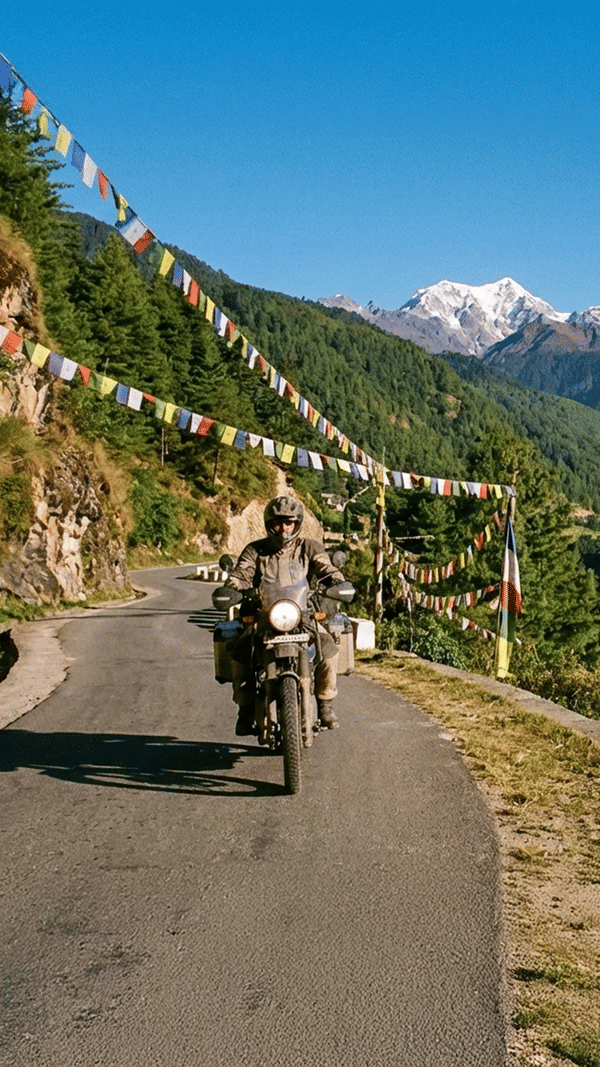
8-Days Bhutan Bike Trip Expedition: Ride across the Land of Thunder Dragon
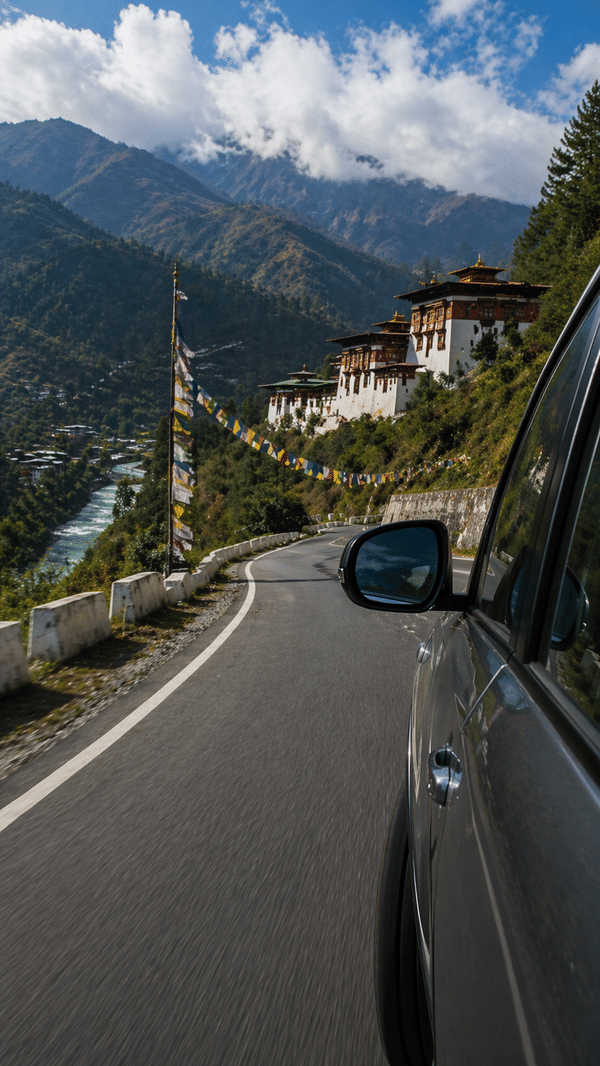
Epic 7 Days Bhutan Road Trip: A Drive Through Quiet Himalayas
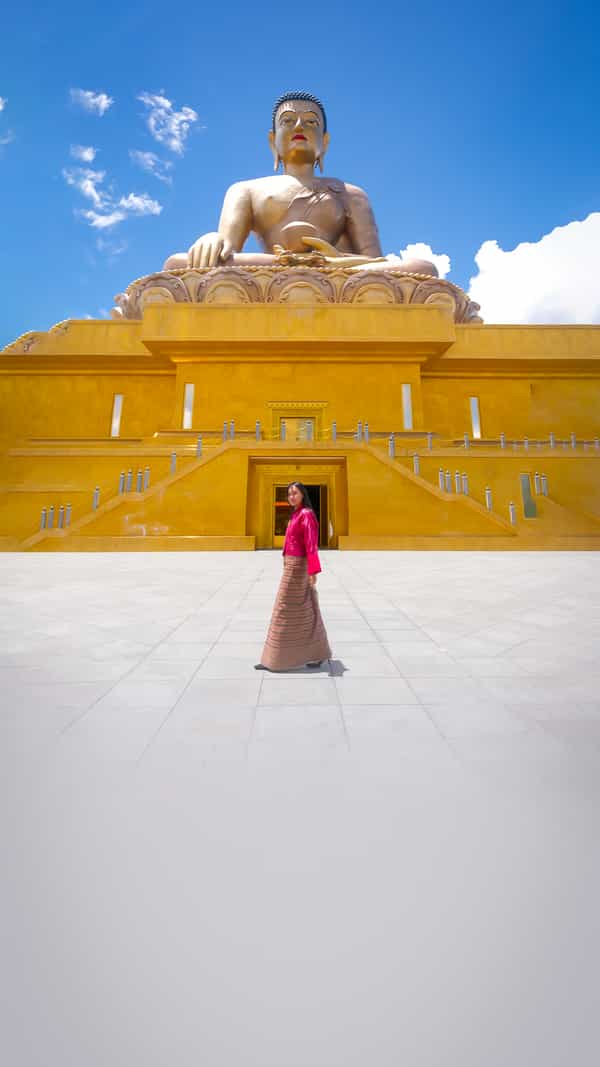
Bhutan Road Trip with Phobjikha Valley

Best of Bhutan in 5 Days
About Ta Dzong

To understand Ta Dzong, you need to go back to the 17th century. What you see today started as a military structure, not a museum.
Key facts:
- Built around 1649 as a watchtower to protect Rinpung Dzong from invasions
- Strategically located high above Paro Valley for a clear, wide view of approaching threats
- Distinct circular design, unlike most traditional Bhutanese dzongs
- Constructed using stone and wood without nails, showing advanced craftsmanship for its time
- Converted into the National Museum of Bhutan in 1968, shifting from defence to cultural preservation
Quick Visitor Info
- Location: Paro, Bhutan
- Altitude: Around 2,200 meters above sea level
- Timings: Usually 9 AM to 5 PM (closed on some national holidays)
- Entry Fee: Free for Bhutanese citizens; fee applies for international visitors
- Time Needed: 1 to 2 hours is enough for most visitors
Best Time to Visit: Morning or early afternoon for clear views of Paro Valley.
Ta Dzong Highlights
Let’s talk about the real Ta Dzong Highlights that make this place worth visiting.
- Circular architecture: The building itself is rare. Its round shape makes the experience different from other dzongs.
- Museum galleries: There are multiple floors, each showing a different part of Bhutanese life: religion, history, and nature.
- Ancient artefacts: You’ll see items that are hundreds, even thousands of years old.
- Valley views: From outside, the view of Paro Valley is easily one of the best in the area.
These Ta Dzong Highlights are what keep visitors engaged throughout the visit.
History of Ta Dzong

The story of Ta Dzong starts in the mid-17th century, during a time when Bhutan needed strong defences.
- Built in 1649 under the leadership of Zhabdrung Ngawang Namgyal, the unifier of Bhutan.
- Constructed as a watchtower to guard Rinpung Dzong from potential invasions, especially from the north.
- Its hilltop position above Paro Valley gave soldiers a clear advantage to spot approaching enemies early.
- Designed in a circular, multi-level structure, which was unusual but effective for surveillance and defence.
Built using traditional methods without nails, relying on stone and timber craftsmanship.
The Best Time To Visit Ta Dzong

Choosing the best time to visit Ta Dzong can make your experience much better.
Bhutan’s weather plays a big role here.
- Spring (March to May): Pleasant weather, clear skies, and blooming landscapes
- Autumn (September to November): Crisp air, great visibility, and overall the best travel conditions
These are widely considered the best time to visit Ta Dzong because you’ll get both good weather and clear views of Paro Valley.
If you visit during the monsoon, the paths can get slippery, and clouds may block the views. Winter is quieter but colder.
Timing during the day also matters. Morning visits are usually more peaceful.
How To Reach Ta Dzong

Getting to Ta Dzong (home of the National Museum of Bhutan) is straightforward and scenic, whether you arrive by air, road, or even on foot.
By Air: From Paro International Airport
- Paro International Airport is Bhutan’s only international airport, located about 6-7 km from Ta Dzong.
- Taxis are available right outside the terminal. A ride to the museum takes around 15-20 minutes, depending on traffic, and fares aren't metered, so it’s best to agree ahead of time.
- If you’ve arranged a passport-and-drop service via a tour, they’ll likely pick you up here as well.
By Road: From Paro Town or Thimphu
- If you're coming fromThimphu, the drive to Paro takes approximately 1.5 hours along the spectacular Lateral Road.
- From Paro town centre, Ta Dzong is only about 3.1 km uphill. A taxi ride is around 5-10 minutes, and parking is available near the entrance.
By Bus: Public Transport Option
- Local buses also run from Paro town towards Ta Dzong. The ride takes around 10-15 minutes and drops you just below the hill, after which you’ll walk the rest of the way up.
On Foot or by Bike: A Scenic Approach
- Love a bit of walking or cycling? You can hike up from Paro Dzong (Rinpung Dzong), along a paved path leading into the Dop Shari valley. The walk is steep but takes roughly 20-30 minutes, depending on your pace, and treats you to some lovely valley views as you climb.
- Cycling is also an option for those wanting to move at their own pace-just be ready for uphill pedalling near the end
Ta Dzong Visiting Hours

To make your plan foolproof, here’s the usual timing of Ta Dzong:
- Tuesday to Saturday: 9 AM to 4 PM
- Sunday: 11 AM to 4 PM
- Closed: Mondays and some government holidays.
Note that in high season, the museum may extend summer hours to 5 PM for tourists, so it’s always good to double‑check online.
Ta Dzong Entry Fee

Now, let’s get clear about the Ta Dzong entry fee.
The cost depends on where you’re from:
- Foreign tourists: around Nu. 200–500
- SAARC visitors (including Indians): around Nu. 100–300
- Locals: minimal or free.
So the Ta Dzong entry fee is not very high, especially considering what you get to see inside.
Do note that prices can change, so it’s always better to check before your visit.
The Interesting Fact about Ta Dzong

Here’s an interesting fact about Ta Dzong: it’s built without a single nail. That’s right-it's thick stone and wooden walls, up to 2.5 meters thick, that are held together purely through traditional craftsmanship. Plus, it has withstood major earthquakes-1714, 1896, even a big one in 2011-proving how sturdy ancient Bhutanese engineering was. That resilience is just one more reason this place feels magical.
- There’s a secret underground path said to connect the museum to the Paro river, used during times of war for a water supply.
The museum often hosts temporary art exhibitions and educational programs. It doesn’t just preserve the past-it also supports Bhutanese artists today.
Best Places to Visit near Ta Dzong

Once you finish exploring inside, don’t wander off just yet-there are multiple places to visit near Ta Dzong that make the area richly rewarding:
1. Rinpung Dzong (Paro Dzong)
Just a short walk down the hill from Ta Dzong, the Rinpung Dzong is one of the most famous landmarks in Paro. This beautiful fortress-monastery is built in traditional Bhutanese style with whitewashed walls, wooden windows, and intricate paintings.
- Why Visit: It’s still used by monks and government officials, so you get to witness real life inside an active dzong.
- Fun Tip: The view of Ta Dzong from here is amazing—perfect for photos!
2. Kyichu Lhakhang
One of the oldest and most spiritual temples in Bhutan,Kyichu Lhakhang, is located around 20 minutes from Ta Dzong Paro by car. The temple dates back to the 7th century and has peaceful surroundings.
- Why Visit: The peaceful garden and sacred atmosphere make it a great place to relax after exploring the National Museum of Bhutan.
- Interesting Fact: The temple is believed to have been built to pin down a demoness who was lying over Tibet and Bhutan.
3. Paro Town Market
Only 10 minutes away from Ta Dzong,Paro town has a small but lively local market where you can shop for souvenirs, handicrafts, and traditional Bhutanese clothing.
- Why Visit: If you’re curious about local life and want to take home something traditional, don’t miss this spot.
- Pro Tip: Try some local snacks or buy handmade crafts that reflect the culture of the Paro valley.

4. Drukgyel Dzong Ruins
Located around 30 minutes from Ta Dzong, theDrukgyel Dzong Ruins are the remains of a fortress that once played an important role in defending Bhutan from Tibetan invasions.
- Why Visit: The location offers stunning views of the surrounding mountains and gives a glimpse into Bhutan’s warrior past.
- Interesting Fact about Ta Dzong Nearby: Ta Dzong was once part of the defence system, just like Drukgyel Dzong.
5. Tiger’s Nest Monastery (Paro Taktsang)
Though it’s a bit of a hike (around 2 hours uphill),Tiger’s Nest Monastery is only about 10 km from Ta Dzong and is a must-visit. It sits on the edge of a cliff and is one of Bhutan’s most iconic sites. Even though it's a trek away, it's still counted among the top places to visit near Ta Dzong.
- Why Visit: The location, the view, and the spiritual energy make this place truly special.
- Travel Tip: Start early in the morning, wear good walking shoes, and carry water.
6. Chele La Pass
Located about 1.5 hours by car from Ta Dzong,Chele La Pass is one of the highest motorable points in Bhutan. It offers stunning views of the Himalayan mountains. For nature lovers, this is a stunning addition to the list of places to visit near Ta Dzong.
- Why Visit: If you enjoy nature, cool breezes, and mountain landscapes, this spot is perfect for a half-day trip.
- Best Time To Visit Ta Dzong Nearby: Spring and autumn are great for combining this scenic ride with a visit to Ta Dzong Paro.
Curated Bhutan Tour Packages
8-Days Bhutan Bike Trip Expedition: Ride across the Land of Thunder Dragon
Epic 7 Days Bhutan Road Trip: A Drive Through Quiet Himalayas
Bhutan Road Trip with Phobjikha Valley
Best of Bhutan in 5 Days
Tips for Visiting Ta Dzong

- Skip Mondays, when the museum is closed.
- Arrive early to beat the crowd and enjoy the galleries peacefully.
- Leave your camera in lockers; photography inside is prohibited, but the grounds are photogenic.
- Dress respectfully; modest attire is always appreciated.
- Hire a guide for richer stories; they know the myths, the heroes, and the hidden gems behind each artefact. Also, tourist areas like Dzongs often require guides.
- Enjoy the view before you leave, pause on the terrace and soak in the Paro valley, fields, and ancient fortresses below.
Is Ta Dzong Worth Your Time? Here’s the Honest Take
Here’s the truth.
Ta Dzong is not the most dramatic place in Bhutan. It doesn’t have the wow factor of mountain hikes or cliffside monasteries.
But it offers something more useful, understanding.
If you visit without going here, you’ll still enjoy Bhutan. But you might miss the deeper context behind everything you see.
Spend a couple of hours at Ta Dzong, and the rest of your trip will start to make more sense.
And that’s exactly why it deserves a place on your itinerary.
Frequently Asked Questions
Where is Ta Dzong?
Ta Dzong is located in Paro, a beautiful valley town in western Bhutan. It sits on a hill above Rinpung Dzong, offering wide views of the surrounding valley.
Who built Ta Dzong?
Ta Dzong was built in the 17th century by Tenzin Drukdra, who was the governor of Paro at that time. It was constructed as a watchtower to protect Rinpung Dzong from enemies.
Which is the most famous dzong in Bhutan?
The most famous dzong in Bhutan is Paro Taktsang, also known as Tiger’s Nest. It is built on a cliff and is one of the most iconic and visited places in the country.
How old is Tashichho Dzong?
Tashichho Dzong was first built in 1641 by Zhabdrung Ngawang Namgyal. This makes it over 380 years old today, though it has been renovated and rebuilt several times over the years.


