Banh Mi Phuong
Banh Mi Phuong in Hoi An is Vietnam's most famous banh mi joint, hailed by Anthony Bourdain for its crusty bread stuffed with pate, cold cuts, and fresh herbs.

Vietnam is making news around the world for a valid reason indeed. Tourism is thriving in Vietnam as evidenced by the record-breaking number of foreign tourists who visited the country. In the first quarter of 2026 alone, Vietnam welcomed 6.76 million international tourists.
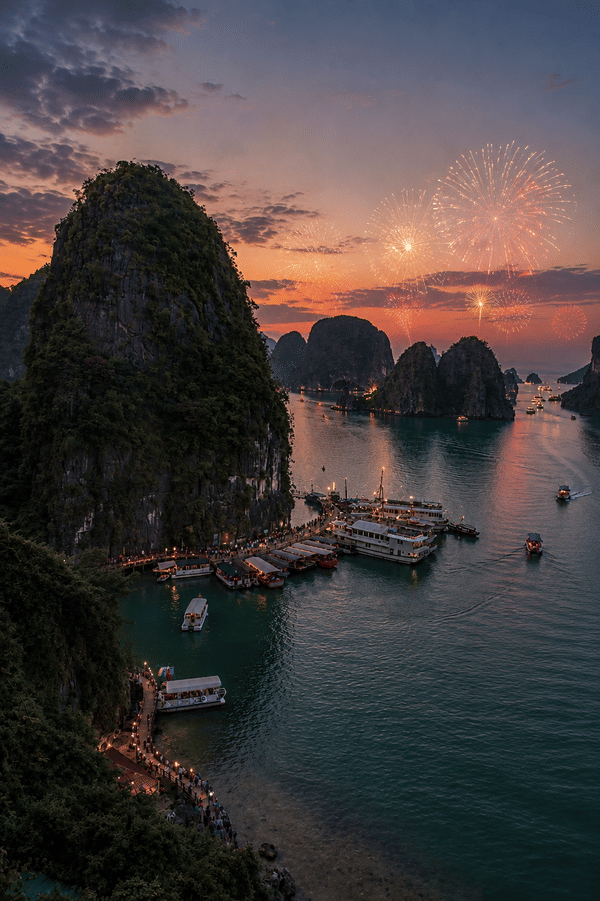
Vietnam, which is endowed with an array of beautiful sights like the historic buildings and temples of the country, including the famous karst cliffs at Ha Long Bay and Sapa rice terrace, is truly a gem of Southeast Asia.
Add to that the famous street food, miles of coastline, and favorable prices, and you will get an unbeatable package of experiences. If you want a trip where the planning part is already sorted, WanderOn’s Vietnam tour packages can help you find an itinerary that matches your travel style.
A good trip becomes much easier when you know what to expect. This overview of Vietnam tourism covers everything from visas and local tips to the best time to visit and experiences you shouldn’t miss, so you can spend less time stressing and more time enjoying Vietnam.
While some nationalities can enter Vietnam visa-free for a set number of days, most foreign visitors will require a visa. As of 2026, citizens from all countries are eligible to apply for an e-visa online. This is one of the easiest methods, allowing for a stay of up to 90 days with either single or multiple entries. Good resources for travel advisories include the U.S. Department of State's Vietnam Travel Advisory or Australia's Smartraveller page.
While traveling in Vietnam, you'll find that cash is essential. Major hotels and upscale restaurants in big cities will accept credit cards, but for day-to-day expenses like street food, local markets, and small shops, you will need cash.
The local currency is Vietnamese Dong (VND). Currency exchanges can be conducted at banks or through licensed gold merchants offering better rates than banks. There are many ATMs available but keep in mind possible transaction fees. Exchanging money with people on the street should be avoided.
Exchanging Vietnamese Dong back to your home currency can be difficult outside of Vietnam. A smart strategy is to spend most of your remaining Dong on last-minute souvenirs or airport snacks before you depart.

The majority of international travelers arrive in Vietnam by plane. The country's main international gateways are Noi Bai (HAN) in Hanoi, Tan Son Nhat (SGN) in Ho Chi Minh City and Da Nang (DAD) in the central region. For those traveling long distances, such as the well-traveled Hanoi to Ho Chi Minh City route, this Vietnam trip guide recommends air transport as the most convenient option.
If you are already exploring South East Asia you can enter Vietnam by land from neighbouring countries like Cambodia and Laos. There is also a train connection from China too. Many of the major cruise lines also include Vietnamese ports, such as Ha Long Bay and Da Nang, in their itineraries.
The weather can be dramatically different from one end of Vietnam to the other due to the country’s long, narrow shape. There is no single best time to visit Vietnam that works for all regions, but spring (February to April) and autumn (October to November) generally bring the most pleasant and stable weather across the country.
The best time to visit the north of your Vietnam tourism is spring (March-April) and fall (September-November). The weather is dry and mild, perfect for a cruise in Ha Long Bay or a trek in the Sapa region. Summers are usually hot and wet, while winters can be surprisingly cold.
This is a beach lover's paradise. The best months are February to August when the days are dry and sunny. Storm season is typically from September to November, so if you're planning a trip to the coast, it's best to steer clear of this time of year.
The south is warm all the time. The best time to visit the city and spend time on the beach is the dry season, between November and April. The rainy season, from May to October, usually means short, heavy rains in the afternoon that pass quickly.
Choose comfortable outfits that work in the heat but can also be layered for cooler evenings or mountain trips. Comfort should be your top priority.

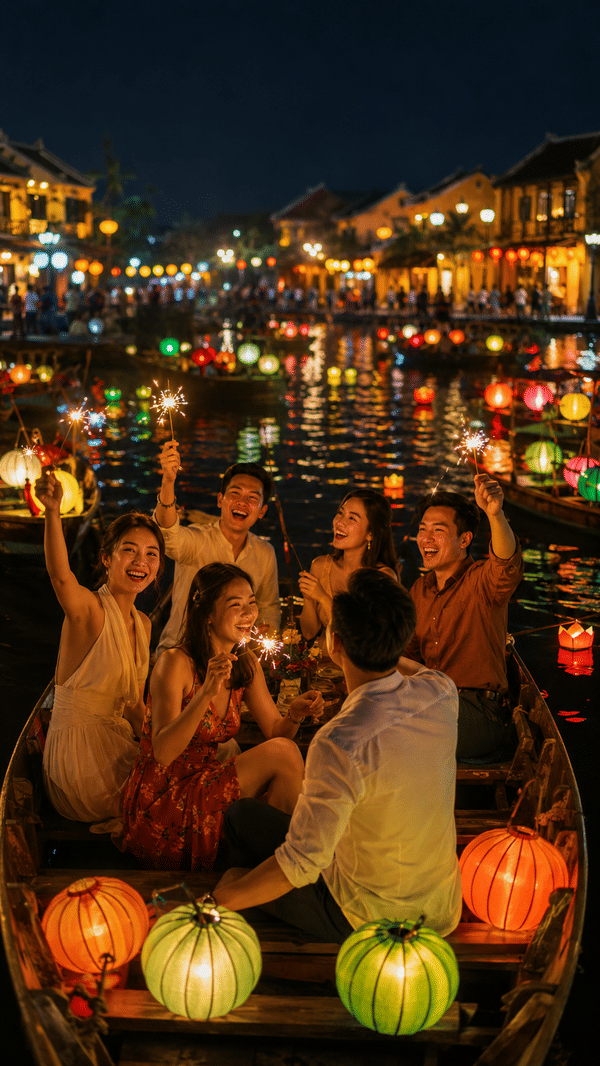
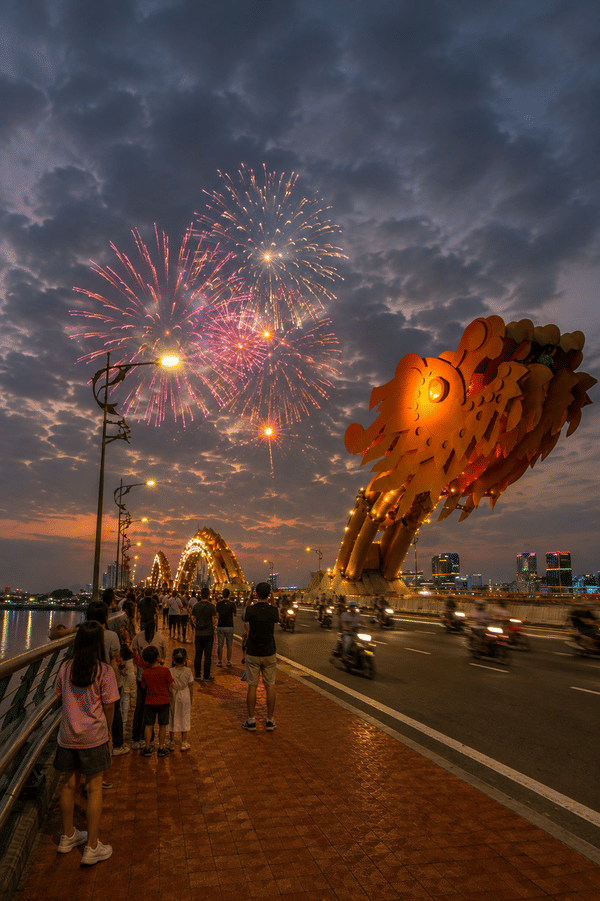
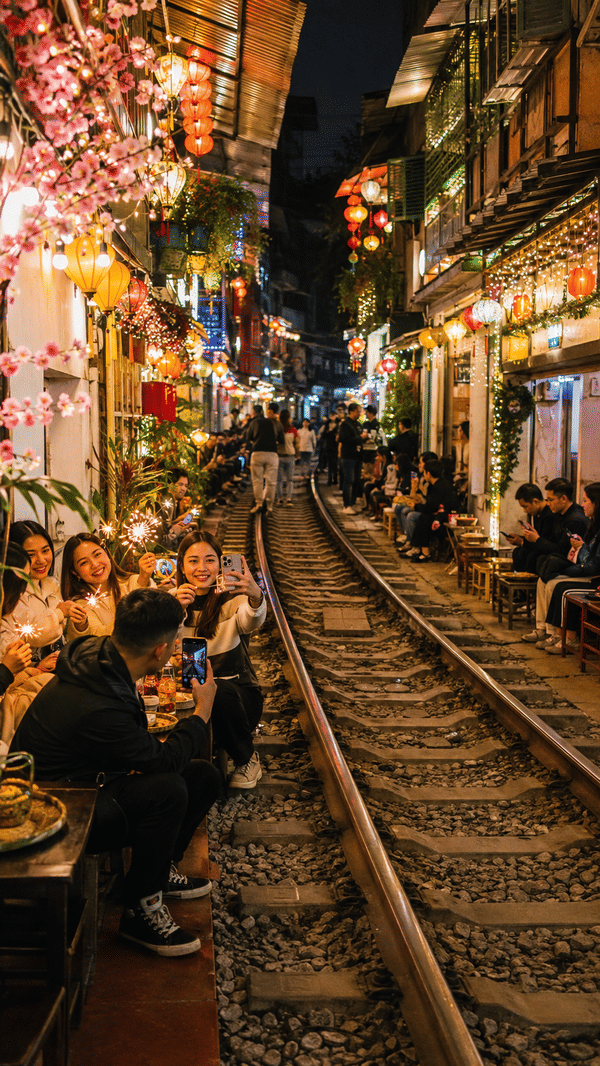
Vietnam tourism is packed with places that feel completely different from each other. Before you know it, you will be cruising by huge limestone islands in Halong Bay, only to find yourself walking along lantern-lit streets in Hoi An City.
This nation boasts of eight sites designated as UNESCO World Heritage Sites, highlighting their rich history, culture, and landscape.
Here are some top things to do in Vietnam you should definitely add to your trip:
Vietnam is a very safe and welcoming country for travelers. This Vietnam trip guide notes that the U.S. Department of State gives the country a Level 1 travel advisory, which means you should exercise normal precautions. The main thing to be careful of is petty theft, such as people on motorbikes snatching bags or phones in busy cities. A simple and effective precaution is to stay aware of your surroundings.
If you are in a busy city like Ho Chi Minh City, one good habit is to secure your valuables and not flash expensive electronics on busy streets.
Here are some tips to keep in mind for an easy Vietnam tourism:
For Vietnam tourism, a 10-day itinerary gives you enough time for experiencing all the highlights in the northern, central, and southern regions of Vietnam. However, in two weeks, it is possible to travel even more calmly. With less time, it would be better to stay only in one or two regions.

Vietnam is renowned for being one of the countries where your money will stretch far. Despite becoming increasingly popular, Vietnam still ranks among the cheapest destinations to visit. A recommended daily budget for a mid-range traveler can be around $60 to $90.
This will easily pay for good hotel accommodations, tours, as well as delicious meals from both restaurants and roadside stands, making Vietnam Tourism accessible for a wide range of budgets. On the other hand, luxury resorts can be found too, should you prefer a more expensive option.
This budget applies mainly to independent travelers. If you choose an all-inclusive Vietnam tourism package, most of your major costs will be covered before you even leave home.
Vietnam is at a thrilling moment. With rapid modernization and newer airports as well as improved road networks, getting around the country has never been easier, but at the same time, the country maintains its true character and rich culture.
This Vietnam travel guide will be helpful as you plan your upcoming trip there. Simply remember the basics, such as visa application, budgeting, and deciding where you want to go, and you’ll have a fantastic time.
Vietnam is the ideal place to experience culture, history, and natural attractions. However, if you need some assistance with your travel planning, WanderOn is always ready to assist you.

Trekking in Sapa is one of Vietnam's most rewarding adventures, winding through terraced rice paddies, bamboo forests, and Hmong and Dao hill-tribe villages in Lao Cai.

Scuba diving in Nha Trang is Vietnam's most accessible underwater experience, with clear warm waters, coral reefs, and marine life in the South China Sea.

Kayaking through Ha Long Bay's limestone islets is Vietnam's iconic water adventure, paddling past hidden caves, floating villages, and emerald waters in this UNESCO World Heritage site.

White water rafting near Da Lat ripples through Vietnam's Central Highlands, tackling exciting rapids amid pine forests, waterfalls, and the country's most romantic hill-station scenery.

Sandboarding on Mui Ne's white and red sand dunes is a quirky Vietnam thrill, combining desert-like landscapes with sunset vistas over the South China Sea.

Rock climbing on Cat Ba Island and Ha Long Bay is Vietnam's bouldering paradise, scaling limestone cliffs and deep-water soloing above emerald lagoons in the Gulf of Tonkin.

Bun Cha Huong Lien in Hanoi earned Vietnam worldwide fame as the Obama-Bourdain stop, serving classic charcoal-grilled pork with vermicelli in a casual no-frills setting.

Quan An Ngon in Ho Chi Minh City is Vietnam's best-loved street-food restaurant, gathering regional specialties like banh xeo, pho, and com tam under one lively courtyard.

Morning Glory in Hoi An is Vietnam's celebrated showcase of central Vietnamese cuisine, plating cao lau, white-rose dumplings, and banh xeo in a historic yellow-walled townhouse.

Banh Xeo 46A in Ho Chi Minh City is Vietnam's reference point for the crispy, turmeric-tinted savoury pancake filled with shrimp, pork, and bean sprouts.
Banh Mi Phuong in Hoi An is Vietnam's most famous banh mi joint, hailed by Anthony Bourdain for its crusty bread stuffed with pate, cold cuts, and fresh herbs.

Vietnam House Restaurant in Ho Chi Minh City is an elegant Vietnam fine-dining experience, serving heritage dishes from chef Luke Nguyen in a restored French-colonial mansion.

Ben Thanh Market in Ho Chi Minh City is Vietnam's most famous bazaar, packed with souvenirs, lacquerware, textiles, coffee beans, and street-food stalls inside a 1914 landmark.

The Hoi An Night Market is Vietnam's lantern-lit shopping highlight, lining Nguyen Hoang Street with handicrafts, silk lanterns, clothing, and local street food.

Dong Xuan Market in Hanoi is Vietnam's busiest wholesale bazaar, sprawling across four floors with textiles, clothing, electronics, and traditional Vietnamese wares.

Cai Rang Floating Market in Can Tho is Vietnam's iconic Mekong Delta experience, with boats piled high with fresh fruit, produce, and steaming bowls of noodle breakfasts at dawn.

Hanoi's Old Quarter is Vietnam's most atmospheric shopping district, with 36 craft streets stocked with silk, silver, lacquerware, coffee, and traditional street-food stalls.

Sapa Market in Lao Cai is Vietnam's colourful hill-tribe bazaar, selling handmade textiles, embroidered fabrics, and traditional handicrafts by Hmong and Dao minorities.
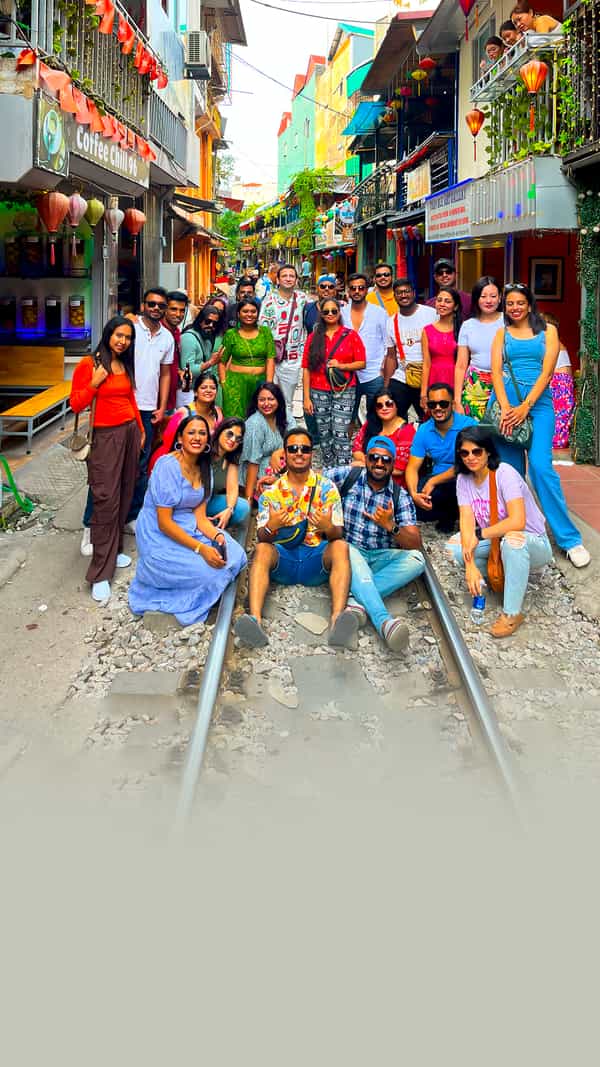
2N Hanoi • 3N Da Nang • 1N Ho Chi Minh
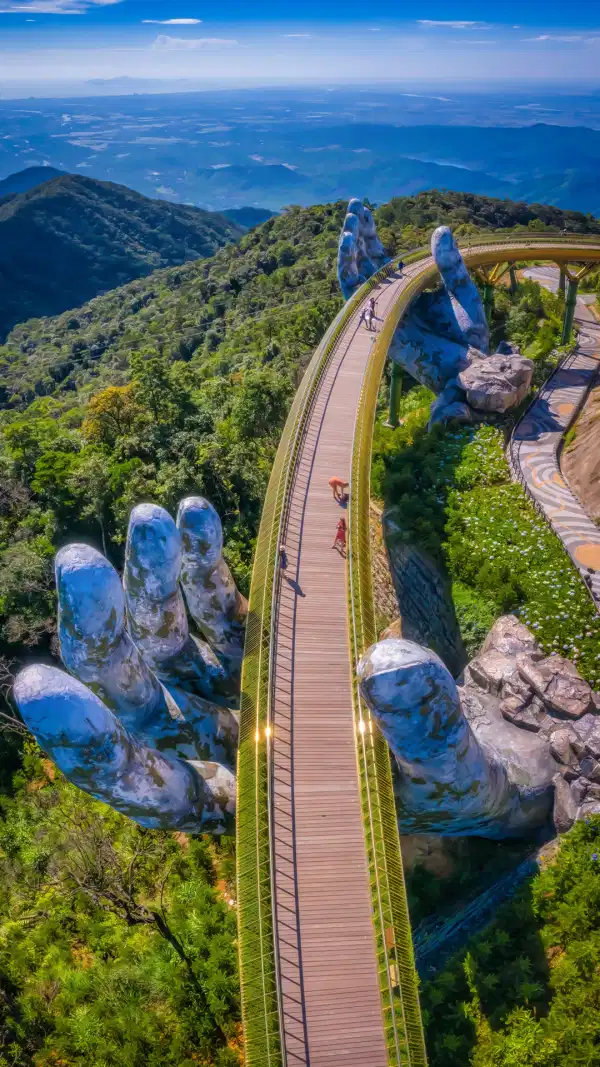
2N Hanoi • 3N Da Nang • 3N Phu Quoc
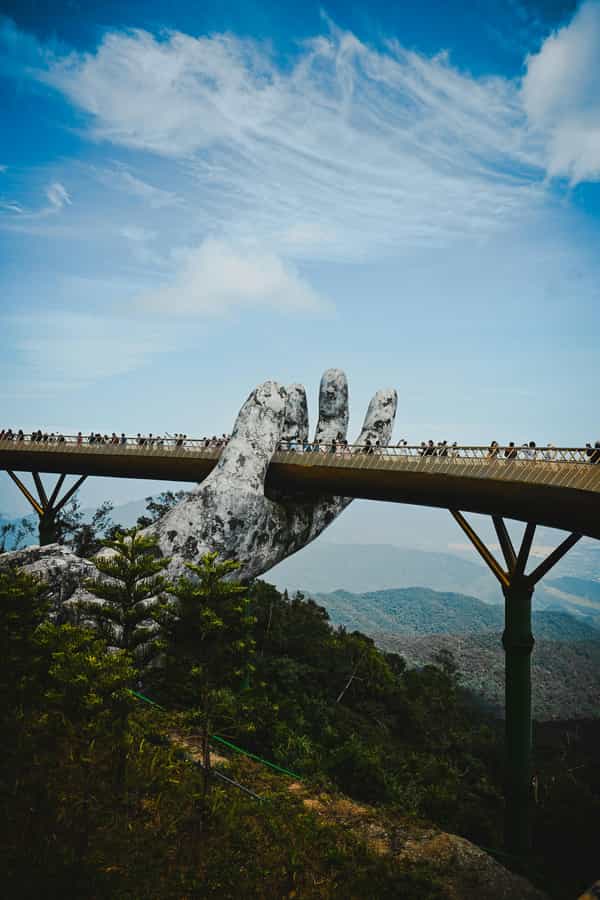
2N Hanoi • 3N Da Nang • 1N Ho Chi Minh

2N Hanoi • 1N Ha Long Bay Cruise • 2N Da Nang • 3N Ho Chi Minh

2N Hanoi • 3N Ho Chi Minh

2N Hanoi • 3N Da Nang • 2N Ho Chi Minh

2N Hanoi • 2N Ho Chi Minh

2N Hanoi • 1N Ha Long Bay Cruise • 2N Da Nang • 2N Ho Chi Minh

2N Hanoi • 2N Da Nang • 2N Ho Chi Minh

3N Hanoi • 1N Ha Long Bay Cruise

2N Hanoi • 1N Ha Long Bay Cruise • 3N Ho Chi Minh

3N Hanoi • 3N Da Nang • 3N Ho Chi Minh

2N Hanoi • 2N Da Nang • 2N Ho Chi Minh

2N Hanoi • 3N Ho Chi Minh

2N Hanoi • 1N Ha Long Bay Cruise • 2N Ho Chi Minh

2N Hanoi • 1N Ha Long Bay Cruise • 2N Da Nang • 1N Ho Chi Minh City • 3N Siem Reap

2N Hanoi • 1N Ha Long Bay Cruise • 2N Ho Chi Minh • 2N Siem Reap

2N Hanoi • 1N Ha Long Bay Cruise • 2N Da Nang • 2N Ho Chi Minh

2N Hanoi • 3N Ho Chi Minh

3N Hanoi • 3N Da Nang • 2N Ho Chi Minh

2N Hanoi • 2N Ho Chi Minh
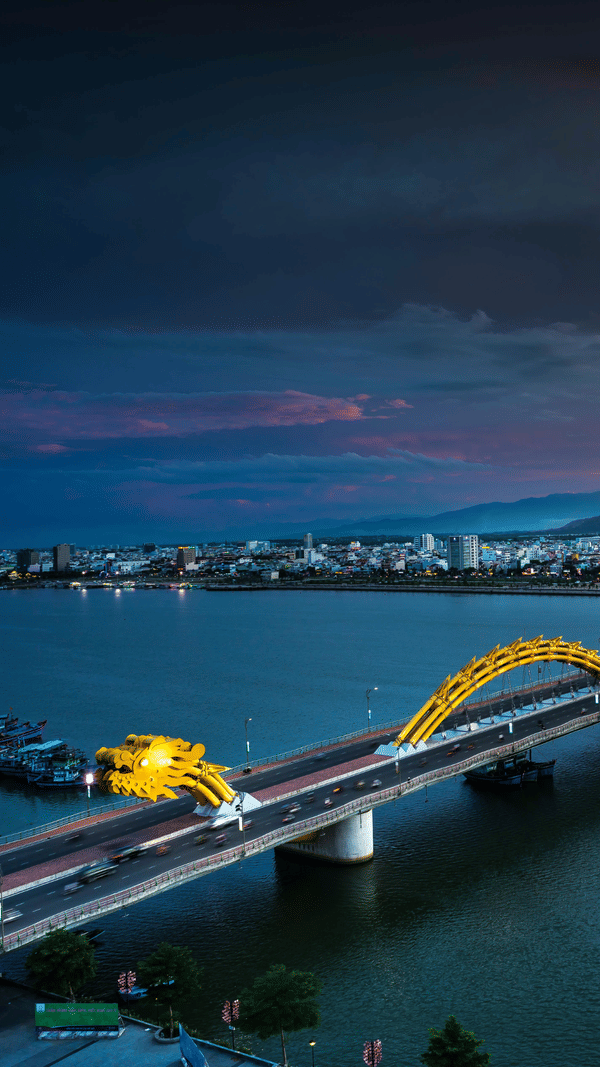
2N Hanoi • 3N Da Nang

2N Ho Chi Minh • 3N Da Nang • 2N Hanoi

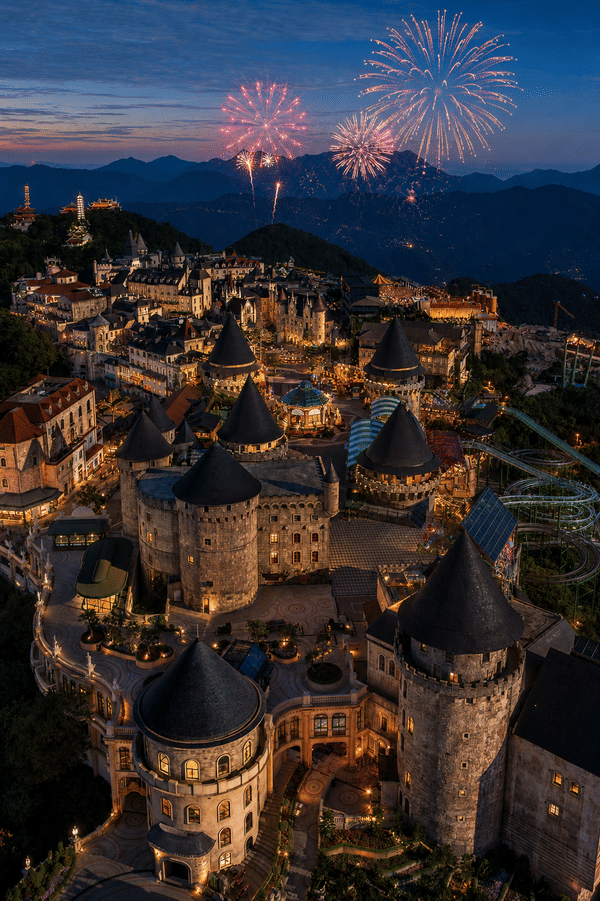
Ho Chi Minh City • Cu Chi Tunnels • Da Nang • Hoi An • Ba Na Hills • Hanoi • Ha Long Bay • Hanoi

2N Hanoi • 1N Ha Long Bay Cruise • 3N Da Nang

2N Hanoi • 3N Da Nang

3N Siem Reap

2N Hanoi • 1N Ha Long Bay Cruise • 2N Da Nang • 3N Saigon

2N Hanoi • 2N Da Nang • 2N Ho Chi Minh

2N Hanoi • 1N Ha Long Bay Cruise • 2N Ho Chi Minh

2N Hanoi • 2N Da Nang • 1N Ho Chi Minh

2N Hanoi • 2N Da Nang • 1N Ho Chi Minh

3N Hanoi

2N Hanoi • 3N Da Nang • 2N Ho Chi Minh

2N Hanoi • 2N Da Nang • 1N Ho Chi Minh

2N Hanoi • 2N Da Nang • 1N Ho Chi Minh

3N Hanoi • 3N Da Nang • 1N Ho Chi Minh

2N Hanoi • 3N Da Nang • 1N Ho Chi Minh

2N Hanoi • 1N Ha Long Bay Cruise • 3N Ho Chi Minh

2N Phnom Penh • 3N Siem Reap

3N Ho Chi Minh

2N Hanoi • 1N Ha Long Bay Cruise • 2N Saigon

2N Hanoi • 1N Ha Long Bay Cruise • 3N Da Nang • 3N Ho Chi Minh

1N Ho Chi Minh • 3N Da Nang • 3N Hanoi
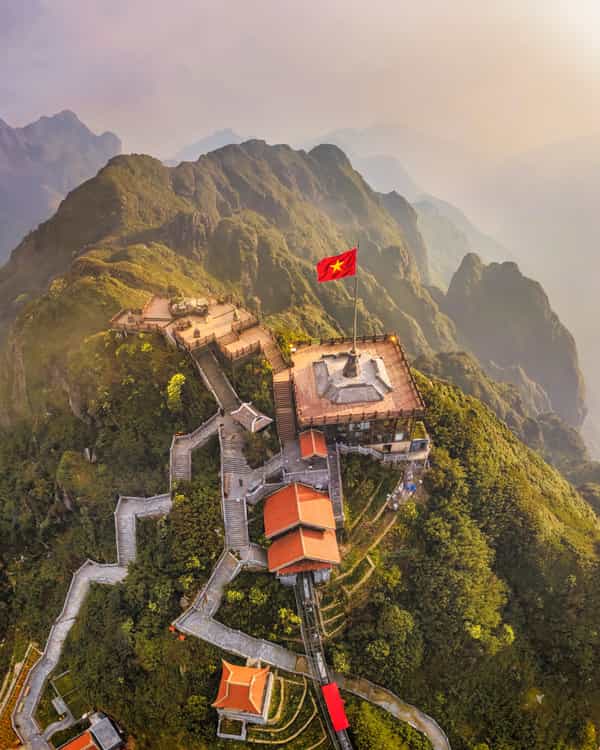
2N Sapa • 2N Hanoi • 3N Da Nang
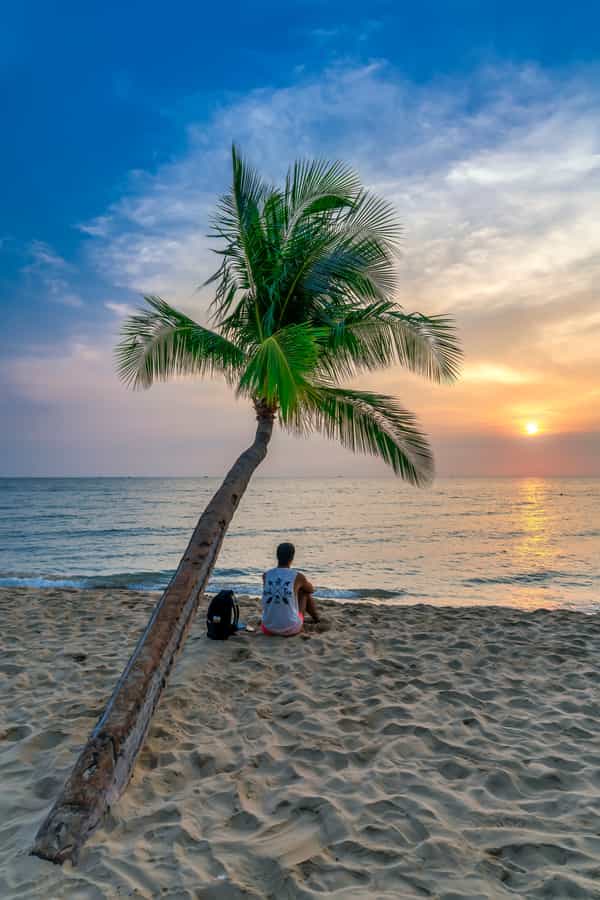
2N Sapa • 2N Hanoi • 3N Da Nang • 3N Phu Quoc
2N Hanoi • 3N Da Nang • 1N Ho Chi Minh
2N Hanoi • 3N Da Nang
2N Hanoi • 3N Da Nang • 3N Phu Quoc
2N Hanoi • 3N Da Nang • 1N Ho Chi Minh
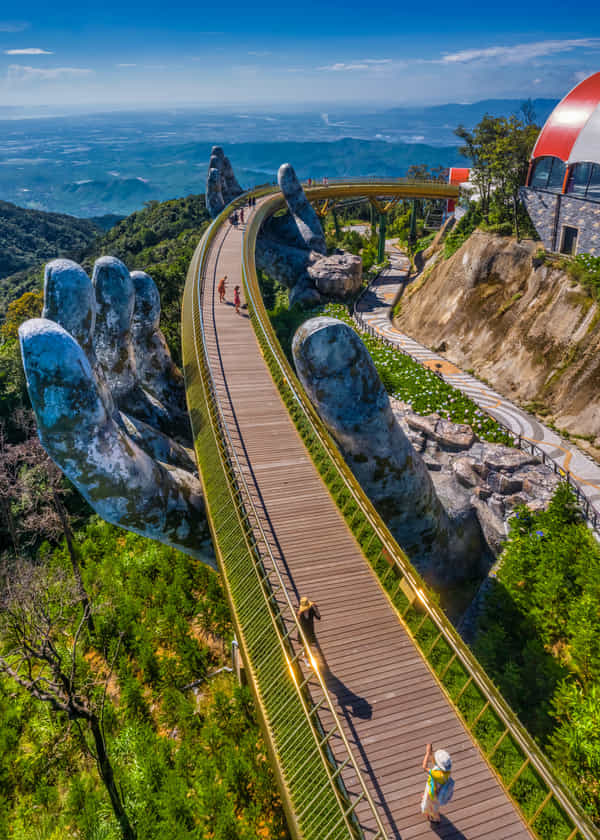
2N Sapa • 2N Hanoi • 3N Da Nang • 1N Ho Chi Minh

1N Dong Van • 1N Du Gia • 2N Hanoi • 3N Da Nang • 1N Ho Chi Minh

1N Dong Van • 1N Du Gia • 2N Hanoi • 3N Da Nang

1N Dong Van • 1N Du Gia • 2N Hanoi • 3N Da Nang • 3N Phu Quoc
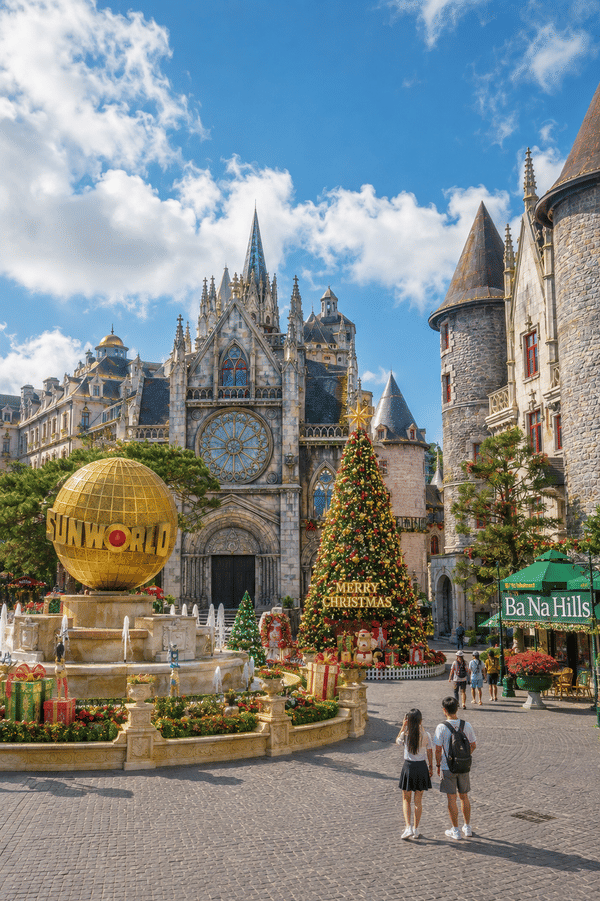
2N Sapa • 2N Hanoi • 3N Da Nang
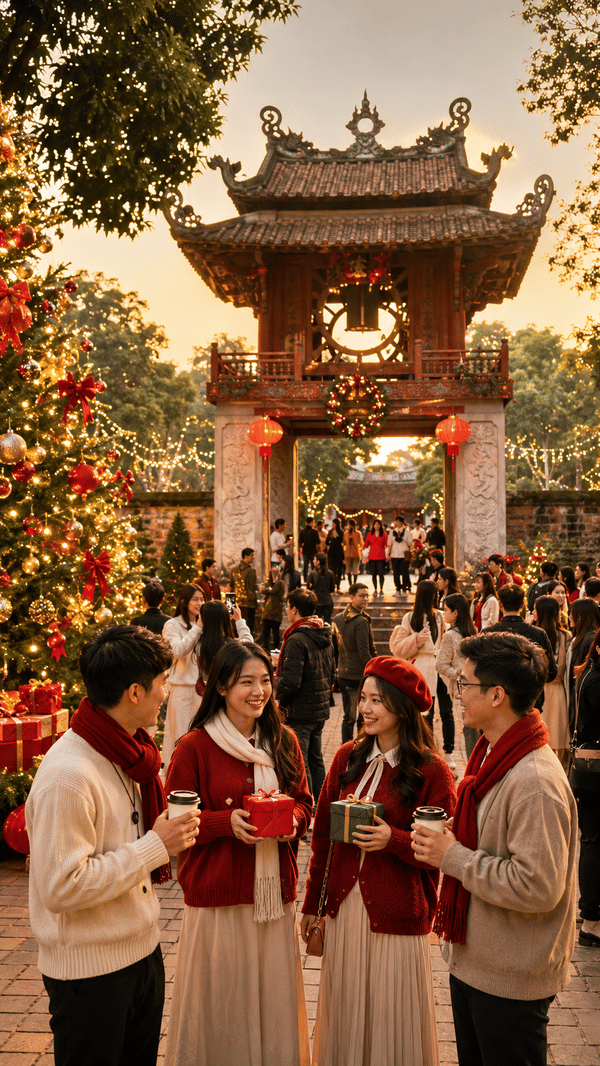
2N Sapa • 2N Hanoi • 3N Da Nang • 1N Ho Chi Minh

2N Sapa • 2N Hanoi • 3N Da Nang • 3N Phu Quoc
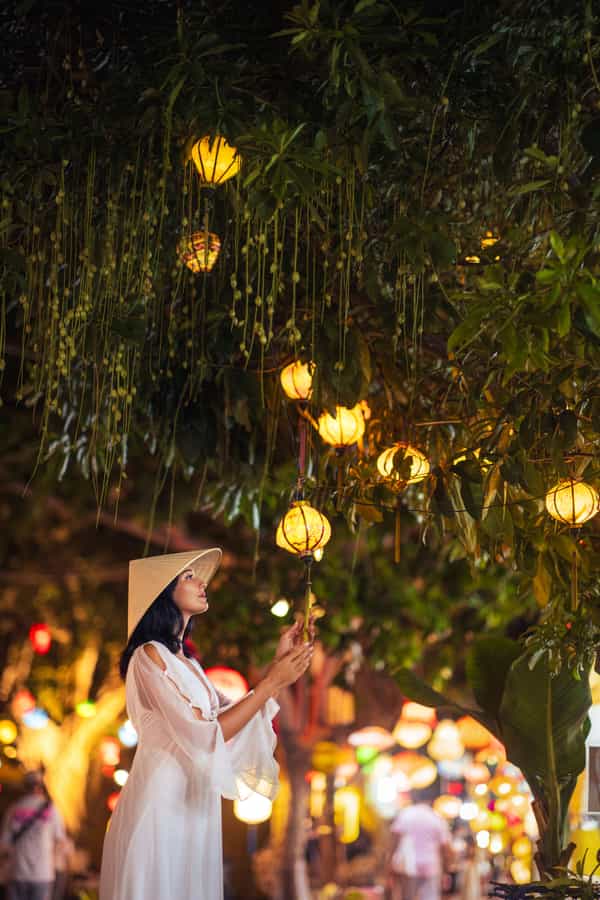
2N Hanoi • 3N Da Nang • 1N Ho Chi Minh
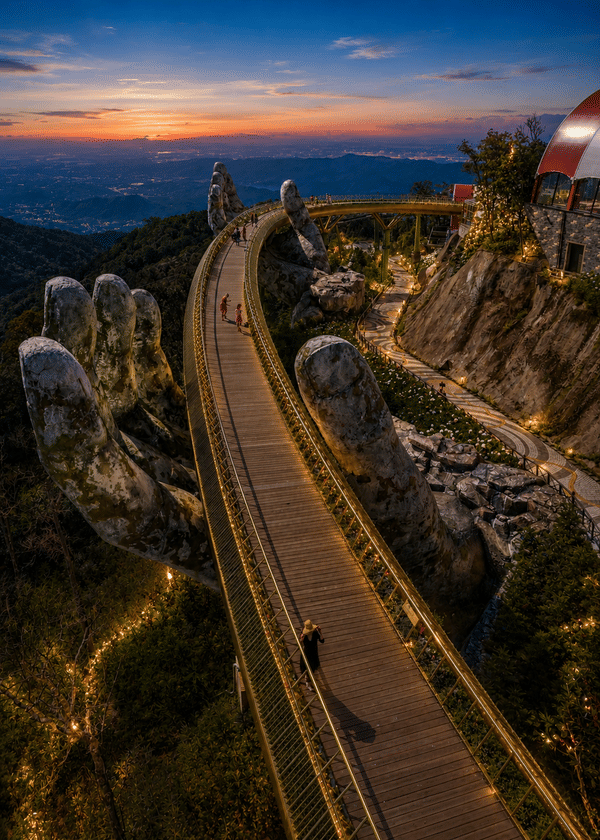
2N Hanoi • 3N Da Nang
2N Hanoi • 3N Da Nang
2N Hanoi • 3N Da Nang • 1N Ho Chi Minh
2N Hanoi • 3N Da Nang • 3N Phu Quoc
2N Sapa • 2N Hanoi • 3N Da Nang
2N Sapa • 2N Hanoi • 3N Da Nang • 1N Ho Chi Minh
2N Sapa • 2N Hanoi • 3N Da Nang • 3N Phu Quoc
2N Hanoi • 3N Da Nang
2N Hanoi • 3N Da Nang • 3N Phu Quoc
2N Hanoi • 3N Da Nang • 1N Ho Chi Minh
Hanoi • Ha Long Bay • Hanoi • Da Nang • Hoi An • Ba Na Hills • Da Nang
2N Hanoi • 3N Da Nang • 1N Ho Chi Minh
2N Ho Chi Minh • 3N Da Nang • 2N Hanoi
Ho Chi Minh City • Cu Chi Tunnels • Da Nang • Hoi An • Ba Na Hills • Hanoi • Ha Long Bay • Hanoi
2N Hanoi • 3N Da Nang • 2N Ho Chi Minh
2N Hanoi • 3N Da Nang

2N Hanoi • 3N Da Nang

2N Hanoi • 3N Da Nang • 1N Ho Chi Minh

5N Hanoi

3N Phu Quoc

1N Sapa • 2N Hanoi • 3N Da Nang

2N Hanoi • 3N Da Nang • 1N Ho Chi Minh

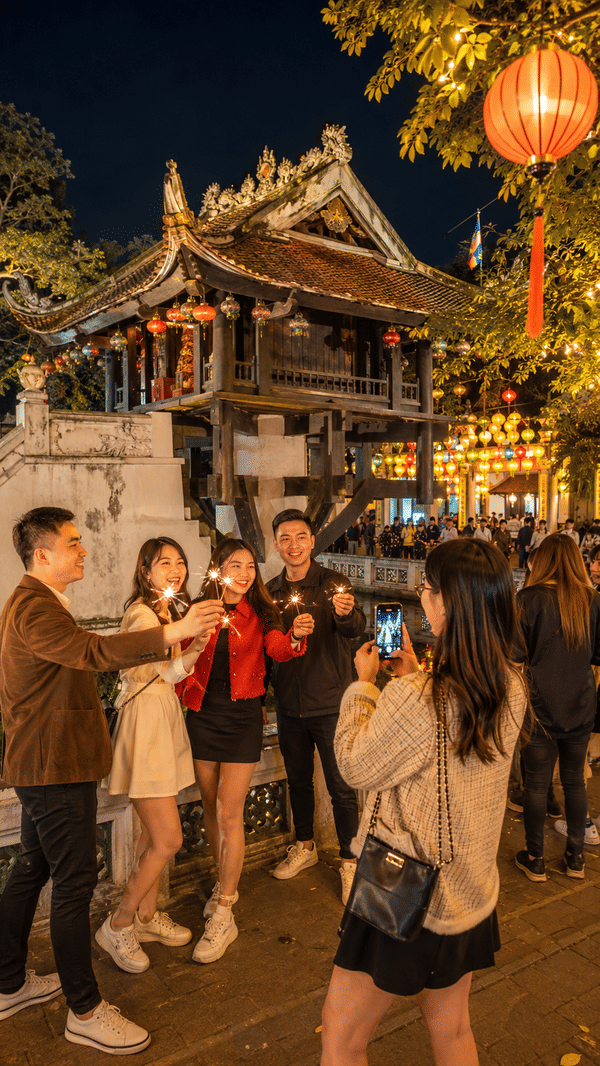
Hanoi • Ho Chi Minh Mausoleum • One Pillar Pagoda • Ninh Binh • Incense Village • Ha Long Bay • Hanoi

1N Hanoi • 1N Ha Long Bay Cruise • 3N Da Nang
3N Hanoi

2N Hanoi • 3N Da Nang • 3N Phu Quoc

3N Hanoi • 3N Da Nang
2N Hanoi • 2N Da Nang • 1N Ho Chi Minh
3N Ho Chi Minh
2N Hanoi • 3N Ho Chi Minh
2N Hanoi • 3N Da Nang • 1N Ho Chi Minh
2N Hanoi • 1N Ha Long Bay Cruise • 3N Ho Chi Minh
2N Hanoi • 1N Ha Long Bay Cruise • 2N Ho Chi Minh
2N Hanoi • 3N Ho Chi Minh
2N Hanoi • 1N Ha Long Bay Cruise • 2N Da Nang • 2N Ho Chi Minh
2N Hanoi • 1N Ha Long Bay Cruise • 3N Ho Chi Minh
2N Hanoi • 2N Da Nang • 2N Ho Chi Minh
2N Hanoi • 2N Da Nang • 2N Ho Chi Minh
2N Hanoi • 1N Ha Long Bay Cruise • 2N Ho Chi Minh • 2N Siem Reap
2N Hanoi • 2N Da Nang • 2N Ho Chi Minh
3N Siem Reap
3N Hanoi • 1N Ha Long Bay Cruise
2N Phnom Penh • 3N Siem Reap
2N Hanoi • 3N Ho Chi Minh
3N Hanoi • 3N Da Nang • 3N Ho Chi Minh
2N Hanoi • 1N Ha Long Bay Cruise • 2N Ho Chi Minh
2N Hanoi • 1N Ha Long Bay Cruise • 2N Da Nang • 1N Ho Chi Minh City • 3N Siem Reap
2N Hanoi • 1N Ha Long Bay Cruise • 2N Da Nang • 3N Saigon
2N Hanoi • 2N Ho Chi Minh
2N Hanoi • 2N Ho Chi Minh
2N Hanoi • 1N Ha Long Bay Cruise • 2N Saigon
2N Hanoi • 1N Ha Long Bay Cruise • 2N Da Nang • 2N Ho Chi Minh
2N Hanoi • 1N Ha Long Bay Cruise • 2N Da Nang • 3N Ho Chi Minh
3N Hanoi • 3N Da Nang • 1N Ho Chi Minh
2N Hanoi • 1N Ha Long Bay Cruise • 3N Da Nang
2N Hanoi • 1N Ha Long Bay Cruise • 3N Da Nang • 3N Ho Chi Minh
3N Hanoi • 3N Da Nang • 2N Ho Chi Minh
2N Hanoi • 3N Da Nang • 2N Ho Chi Minh
2N Hanoi • 2N Da Nang • 1N Ho Chi Minh
2N Hanoi • 2N Da Nang • 1N Ho Chi Minh
2N Hanoi • 2N Da Nang • 1N Ho Chi Minh
DEEPAK BAJAJ
7 Jul 2026We went on a customized trip to vietnam with wanderon and it was wondeful. from itineray design to execution it was wonderful. Aditya helped in organising it well and then Somesh Bindal, our Point of Contact was literally travelling with us everyday. The way he took care of us was something beyond expectation. Thanks Somesh and team wanderon for great execution and care throughout. Thank you
Monishka Music
29 Jun 2026It was a beautiful experience throughout. My destination was Vietnam and Somesh Bindal - from the sales and Execution team took care of all the necessary arrangements and timely coordination was done..The food, accommodation and transport was truely remarkable…. Wishing all the best to the team… keep growing and keep giving your best 👍
Rupam Katte
28 Jun 2026Hi Team, We had an amazing experience with WonderOn Agencies on our Vietnam trip specifically with the point of contacts Nikki Mehta, Somesh Bindal and the entire team. Everything was planned and executed seamlessly, making the entire journey completely hassle-free. From airport transfers and hotel arrangements to sightseeing and activities, every detail was well organized, allowing us to simply relax and enjoy our vacation. The itinerary was thoughtfully curated, and we had a wonderful time exploring Vietnam and participating in all the activities. A big thank you to the WonderOn team for their excellent coordination and support throughout the trip. We truly appreciate the effort that went into making this vacation so memorable and look forward to planning many more trips with WonderOn in the future. 🥰🥰❤️❤️
PARAM B
26 Jun 2026I went on an amazing trip to Vietnam (Phu quoc) it was perfectly curated by WanderOn, the trip was smooth and perfect due to the planning and daily updates from the team. Somesh Bindal was our POC and he was very supportive with any doubts that we had, amazing experience with him. It was a great decision to go ahead with WanderOn
Your right to Know!
Yes, Indian citizens need a visa to enter Vietnam. The easiest way to get one is by applying for the 90-day e-visa online before your trip. This procedure is quick and hassle-free.
If you wish to travel all around the country, the recommended time for doing so is between February and April when the climate is moderate in all parts of Vietnam. If you intend to visit the southern parts, then the period between November and April will be perfect for you, while traveling to central Vietnam is best from March to August.
A minimum of 10 days is enough time to cover the major places in the northern, central, and southern parts of Vietnam. However, 14 days will be a more comfortable duration. If you only have seven days, it's best to choose either the northern or southern region to tour.
Yes, Vietnam is considered very safe for all types of travelers, including those traveling alone. As with any destination, it's smart to be cautious in crowded areas to prevent petty theft. Using ride-hailing apps like Grab and having good travel insurance are also highly recommended.
In Vietnam, the currency that must be used is the Vietnamese Dong (VND). It will be used in all your transactions. Some business establishments may accept US dollars but you are assured of getting better rates when you use the Dong. Cash is very useful because it will be accepted in most establishments.
1. Indians need a Vietnam e-visa, which can be applied online in advance with passport, photo, and itinerary details.
2. Carry Vietnamese Dong for small purchases, as street vendors in Hanoi and Hoi An don't accept cards or foreign currency.
3. Use Grab for taxis and motorbike rides in Vietnam's big cities to avoid overcharging by traditional cab operators.
4. Respect Vietnam's pagodas and war memorials — dress modestly, remove hats indoors, and avoid loud conversations inside.
5. Street food in Vietnam is generally safe — look for busy local stalls with fresh ingredients and high daily turnover.
6. Monsoon rains affect central Vietnam from September to November, so plan Hoi An, Hue, and Da Nang itineraries accordingly.
Some good reads to help you travel better!


Travel More. Worry Less. We've Got the Rest.
Expertly Crafted Itineraries
Famous sights, hidden gems, and everything in between — planned around your vibe, your crew, your budget.
Passionate Trip Captains
Our Captains are trained to lead and set the vibe. They will be part guide, part friend, all in.
End-to-End Travel Support
Visa help, on-ground assistance, round-the-clock support! You just book, we will handle the rest.
Top Rated by Travellers
4.9 stars on Google and TripAdvisor from 2 lakh+ travellers who booked, and came back to say it was worth it.
Transparent Pricing, No Hidden Costs
We clearly spell out what's included and what's not, so nothing catches you off guard mid-trip.
Best Stays, Transport & Meals
We arrange comfy stays, reliable drivers with good vehicles, and the best meals we can find for you.
Don't Just Dream, Travel!
Don't just dream travel!
Allow us to call you back!

Don't just dream travel!
Allow us to call you back!