


Hindu Temples in Vietnam are ancient Cham-era shrines built between the 4th and 14th centuries, reflecting strong Indian cultural and religious influence in Southeast Asia. Though Vietnam is predominantly Buddhist today, these temples, especially the UNESCO-listed My Son Sanctuary stand as remarkable symbols of Shaivism and the once-powerful Champa kingdom.
Other famous Hindu temples in Vietnam include the sacred Po Nagar Cham Towers, dedicated to the goddess Yan Po Nagar and Po Klong Garai Temple, known for its well-preserved red-brick architecture. Many of these sites are easily accessible from cities like Da Nang and the coastal hub of Nha Trang, and entry fees typically range from INR 100 to 300.
These temples exist because of centuries of maritime trade between India and the Champa Kingdom, which led to the spread of Hinduism, Sanskrit inscriptions, and Shiva worship in Central Vietnam. For Indian and spiritual travelers, these temples offer a chance to rediscover shared cultural heritage.
Today, severalVietnam tour packages include these heritage sites, allowing travelers to explore Vietnam’s hidden Hindu legacy alongside its natural beauty.
Quick Facts: Hindu Temples in Vietnam

- Origin: Built between the 4th and 14th centuries by the Champa Kingdom.
- Primary deity: Lord Shiva
- Most famous Hindu temple in Vietnam: My Son Sanctuary (UNESCO World Heritage Site)
- Best time to visit: Early morning (7AM -10AM)
- Guide Requirement: Hiring a guide is recommended.
- Other major temples: Po Nagar Cham and Po Klong Garai Temple.
- Location: Central Vietnam near Da Nang, Hoi Anand Nha Trang.
- Architectural style: Cham red-brick tower architecture without mortar.
Our best-selling Vietnam tour packages:
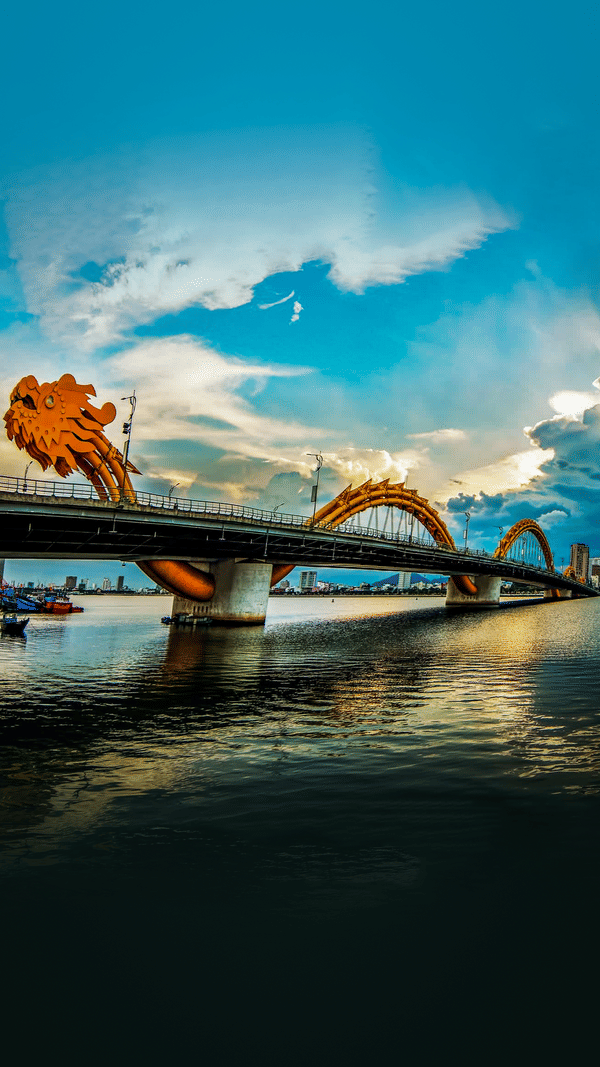
6 Days Vietnam Community Trip with Hanoi and Da Nang
The Ultimate 7-Day Vietnam Tour Package

8 Days Vietnam Group Tour with Flights from Delhi

4-Day Vietnam Journey: Hanoi, Ninh Binh, and Halong Bay Adventure
Top Hindu Temples in Vietnam You Must Visit
The Hindu temples in Vietnam reflect centuries of Indian cultural influence brought by the Champa Kingdom. From the Oldest Hindu temple in Vietnam to the Biggest Hindu temple in Vietnam, these sacred sites will take you through Shaivite heritage. If you are looking for an ancient Hindu temple in Vietnam or a living modern day Hindu temple, here are the most significant ones to explore.
Ancient Hindu Temples in Vietnam (Champa Era)
1. My Son Sanctuary

It is the biggest Hindu temple in Vietnam and the most important religious site of the Champa Kingdom. Often referred to as the spiritual capital of ancient Champa, this temple complex consists of multiple brick towers dedicated primarily to Lord Shiva, making it the most prominent Shiva temple in Vietnam.
- Location: Duy Phú, Duy Xuyên District, Quảng Nam, Vietnam
- Dedicated to: Lord Shiva
- Entry fee: INR 523
Highlights:
- UNESCO World Heritage site
- Largest cluster of ancient Hindu temples in Vietnam
- Rich Sanskrit inscriptions and Shiva lingams.
2. Po Nagar Cham Towers

Po Nagar is among the oldest Hindu Temples in Vietnam, dating back to the 7th century. Though later integrated with local beliefs, it was originally a major Hindu sanctuary dedicated to the goddess Yan Po Nagar, associated with Durga.
- Location: 61 Hai Tháng Tư, Vĩnh Phước, Nha Trang, Khánh Hòa 650000, Vietnam
- Dedicated to: Goddess Yan Po Nagar (linked to Durga)
- Entry fee: INR 419
Highlights:
- One of the best-preserved ancient Hindu temples in Vietnam.
- Still an active place of worship.
- Hosts Cham cultural festivals
3. Po Klong Garai Temple

Located near Phan Rang, Po Klong Garai temple is a well-preserved Cham-era shrine dedicated to Lord Shiva, reflecting Vietnam’s ancient Hindu heritage. Often considered a notable Indian temple in Vietnam, it features iconic red-brick towers, intricate carvings, a modest entry fee, and scenic hilltop views that make it a lovely stop on Vietnam honeymoon packages.
- Location:Đô Vinh, Phan Rang-Thap Cham, Ninh Thuận, Vietnam
- Dedicated to: King Po Klong Garai (associated with Shiva worship)
- Entry fee: INR 170
Highlights:
- Exceptional preservation
- Classic Cham red-brick architecture.
- An important ritual site for Cham people.
Suggested read: Hoi An Lantern Festival
4. Duong Long Towers

Duong Long Towers are tall 12th-13th century Cham temple towers in Binh Dinh, dedicated mainly to Lord Shiva and known for their intricate carvings and Indian-influenced architecture. Often regarded as a significant Indian temple in Vietnam, the site reflects the Champa Kingdom’s Hindu heritage and offers a quiet, culturally rich visit with minimal crowds.
- Location: 2WXGR+RM Xã, Tây Sơn District, Binh Dinh, Vietnam
- Dedicated to: Lord Shiva
- Entry fee: INR 200
Highlights:
- Among the tallest ancient Hindu towers in Southeast Asia
- Features sandstone carvings with Hindu iconography ‘
5. Banh It Towers

Banh It Towers are a group of four Cham-era brick towers built between the 11th and 12th centuries, showcasing strong Hindu architectural influences from the Champa Kingdom. Dedicated primarily to Lord Shiva and other Hindu deities, the complex stands on a hill near Quy Nhon and is known for its refined carvings, curved tower shapes and symbolic design element, making it an important vn temple reflecting Vietnam’s historical Hindu presence.
- Location: Phước Hiệp, Tuy Phước District, Binh Dinh, Vietnam
- Dedicated to: Primarily Lord Shiva
- Entry fee: INR 50 - 70
Highlights:
- Elevated placement symbolizing Mount Meru
- Brick towers with decorative lintels
- Strategic religious positioning
6. Po Rome Tower

Po Rome Tower is one of the last surviving Cham Temple towers built during the late Champa period. Unlike earlier purely Shivaite shrines, this temple reflects a transition phase where Hindu traditions come with local royal ancestor worship.
- Location: GV28+F8P, Phước Hữu, Ninh Phước, Ninh Thuận, Vietnam
- Dedicated to: King Po Rome (ruled in the 17th century), a deified Cham ruler.
- While centered around royal worship, the temple reflects strong Hindu influence and is part of the broader legacy of ancient Hindu temples in Vietnam.
- Entry fee: INR 60
Highlights:
- Built in 17th century, making it one of the last Cham brick towers constructed.
- Features classic-red brick Cham architecture with decorative carvings.
- Houses statues and symbolic elements connected to Hindu-influenced Cham spirituality.
- Plays a role during the annual Kate Festival, an important Cham religious celebration.
Modern Vietnam Hindu Temple Sites
7. Mariamman Temple

Unlike the ancient Cham ruins, Mariamman Temple represents a living Vietnam Hindu temple built in the late 19th century by Tamil traders during French Colonial rule. The Mariamman Temple in Ho Chi Minh City, Vietnam, is a temple dedicated to the Hindu goddess Mariamman. If you're flying in from western India, here's how to reach Vietnam from Pune.
- Location: 45 Trương Định, Phường Bến Thành, Quận 1, Thành phố Hồ Chí Minh 70000, Vietnam
- Dedicated to: Goddess Mariamman
- Entry fee: INR 166
Highlights:
- Dravidian-style architecture
- Daily Hindu rituals.
- Living example of Hinduism in Vietnam today.
8. Subramaniam Temple

Another example of a modern Shiva and Murugan worship site in Vietnam, this temple serves the Indian-origin community and celebrates traditional Hindu festivals. Located in the heart of Ho Chi Minh City, this vibrant shrine reflects the cultural footprint of Indian traders who once settled in the region, making it a rare living example of an Indian temple in Vietnam.
Unlike ancient Cham ruins, this VN temple in Vietnam still hosts daily prayers, traditional rituals and festive celebrations like Thaaipusam, offering visitors a glimpse into Hindu traditions.
- Location: QMFX+PX District 1, Ho Chi Minh City, Vietnam
- Dedicated to: Lord Murugan (Subramaniam)
- Entry fee: INR 200
Highlights:
- Traditional South Indian temple features
- Celebrates Hindu festivals
- Active devotional site.
Why are There Hindu Temples in a Buddhist Country?

- Hinduism reached Vietnam through maritime trade routes from India between the 2nd-4th Century CE.
- Indian merchants and priests introduced Sanskrit texts, temple architecture and Shaivism to Central Vietnam.
- The rulers of the Champa Kingdom adopted Hinduism as their state religion.
- Most ancient temples were dedicated to Lord Shiva, which is why many sites are considered a Shiva temple in Vietnam.
- The oldest Hindu temple in Vietnam dates back to the 4th century at My Son Sanctuary.
- After the decline of Champa in the 15th century, Buddhism became dominant under Vietnamese dynasties.
- Today, these temples remain as historical monuments showcasing early India-Vietnam cultural connections.
Suggested read: Bridges in Vietnam
Hindu Festivals Celebrated at These Temples

Even today, you will see that many Hindu temples in Vietnam are not just historical monuments but active cultural and spiritual centers for the Cham community. These festivals are important for travelers exploring an ancient Shiva temple in Vietnam.
1.Kate Festival (Cham Festival)
- The most important religious festival of the Cham people.
- Celebrated annually around September–October (7th month of the Cham calendar).
- Held at major ancient Hindu temples in Vietnam like Po Klong Garai Temple and Po Rome Tower.
- Includes traditional rituals, offerings, music, Cham dances, and ceremonial dressing of deity statues.
- Honors Cham kings and Hindu deities, especially Shiva.
2.Thap Ba Festival
- Special prayer ceremonies are conducted for Goddess Yan Po Nagar.
- Devotees offer incense, fruits, and flowers.
- A larger festival is celebrated around April–May, attracting both Cham devotees and tourists.
- The rituals mixes Hindu goddess worship with local spiritual traditions.
3.Rija Nuga
A “damp construction” festival where Cham communities gather at temples for prayers, often involving rituals for rainfall and protection for fishermen.
4. Deepavali
- Known as the Festival of lights, this is celebrated with oil lamps and community gatherings in Hindu temples and by the Indian community in Hanoi and Ho Chi Minh city.
5. Mahashivratri
- Observed in honor of Lord Shiva, involving fasting and in some cases, prayers at local temples.
Travel Tips to Visit Hindu Temples in Vietnam

- Best time to visit: Plan your trip between February and April for pleasant weather, especially when exploring ancient Hindu temples in Vietnam like My Son Sanctuary.
- Start early: Visit major sites such as the oldest Hindu temple in Vietnam early in the morning to avoid heat and crowds.
- Dress modestly: When visiting a Shiva temple in Vietnam or any active Vietnam Hindu temple, wear covered clothing (shoulders and knees covered).
- Combine with nearby cities: Many Hindu temples in Vietnam are located near popular destinations like Da Nang and Nha Trang, making them easy to include in your itineraries, and many Vietnam tour packages under ₹75,000 a lready cover these cities.
- Hire a local guide: Understanding Champa history enhances your experience at ancient temple complexes. Guides explain Shaivism, Cham architecture and temple symbolism.
- Check entry fee: Most of the ancient sites have a small entry fee (INR 100 - INR 300).
- Respect local rituals: At temples like Po Nagar Cham towers, rituals are still performed, so maintain silence and avoid disturbing worshippers.
- Photography tips: Photography is allowed at most sites, but avoid flash inside sanctuaries of a Shiva temple in Vietnam.
Suggested read: Shopping malls in Vietnam
Why Visit Hindu Temples in Vietnam?

The Hindu temples in Vietnam beautifully highlight a lesser-known chapter of the country’s history, when the Champa Kingdom embraced Shaivism and built magnificent shrines dedicated to Lord Shiva. From the ruins of the oldest Hindu temple in Vietnam at My Son Sanctuary to the active worship traditions at Po Nagar Cham Towers, these temples reflect centuries of Indo-Vietnam cultural connection.
Today, these ancient sites stand as architectural treasures and living symbols of shared heritage. For travelers, especially Indians, exploring a Shiva temple in Vietnam adds depth and meaning to the journey.
Frequently Asked Questions
When did Vietnam become a Hindu country?
Vietnam never became a fully Hindu country. However, between the 4th and 15th centuries, central and southern Vietnam were ruled by the Champa Kingdom, whose kings followed Hinduism, especially Shaivism. During this period, many Hindu temples in Vietnam were built, including famous Shiva shrines like My Son Sanctuary.
Which Vietnam kingdoms were Hindu?
The main Vietnam kingdom that followed Hinduism was the Champa Kingdom (4th–15th century). Its rulers practiced Shaivism and built many ancient Hindu temples in Vietnam, including the famous Shiva temple complex at My Son Sanctuary.
What is the significance of Cham architecture in Hindu temples?
Cham architecture is special because it feels like a meeting point between India and Vietnam. Built by the Champa Kingdom, temples like My Son Sanctuary combine Hindu beliefs with local design, creating red-brick towers and carvings that tell stories of devotion and cultural connection.
Are there Hindu temples in Vietnam?
Yes, there are several Hindu temples in Vietnam, mainly built between the 4th and 15th centuries by the Champa Kingdom. The most famous example is My Son Sanctuary, an ancient Shiva temple complex and one of the most important historical sites in the country.
Is Hinduism big in Vietnam?
No, Hinduism is not a major religion in Vietnam today. It was mainly practiced by the Champa Kingdom between the 4th and 15th centuries. Today, Hinduism survives through ancient temple sites like My Son Sanctuary and within the Cham and Indian communities.
Which is the world's no. 1 biggest Hindu temple?
The world’s largest Hindu temple is Angkor Wat. Built in the 12th century by King Suryavarman II, it was originally dedicated to Lord Vishnu and later became a Buddhist temple. Spread across about 162 hectares, Angkor Wat is considered the biggest Hindu temple in the world and one of the greatest architectural masterpieces of Southeast Asia.
What is the Hindu kingdom in Vietnam?
The Hindu kingdom in Vietnam was the Champa Kingdom (4th–15th century). Its rulers followed Hinduism, especially Shaivism, and built many ancient Hindu temples in Vietnam, including the famous temple complex at My Son Sanctuary.


