


Ask anyone who has done a Bhutan in April trip, and they'll tell you the same thing: they almost didn't go because of the cost, and not one of them regretted it.
Temperatures sit comfortably between 10°C and 20°C, the rhododendrons turn entire hillsides into a riot of red and pink, and the skies stay clear enough to actually see the Himalayas. April is arguably the best month to visit, and the numbers back it up. Tourism spikes during spring for a very good reason.
The Paro Tsechu festival, which usually falls in March or April, is reason enough to book a Bhutan trip in April on its own. Centuries-old masked dances, butter lamps glowing at dusk, monks in elaborate costumes performing rituals that predate most countries on the map. It's the kind of thing you watch with your jaw slightly open.
Oh, and the trails? Absolutely stunning in April. Wildflowers line the paths, the air smells clean in a way city dwellers completely forget is possible, and Tiger's Nest Monasteryframed against a spring sky is the kind of view that breaks your camera roll.
Browse our Bhutan Tour Packages to figure out the best fit for your trip. Permits, logistics, and accommodation are all taken care of, so you can focus on the jaw-dropping parts.
Best Selling Bhutan Tour Packages
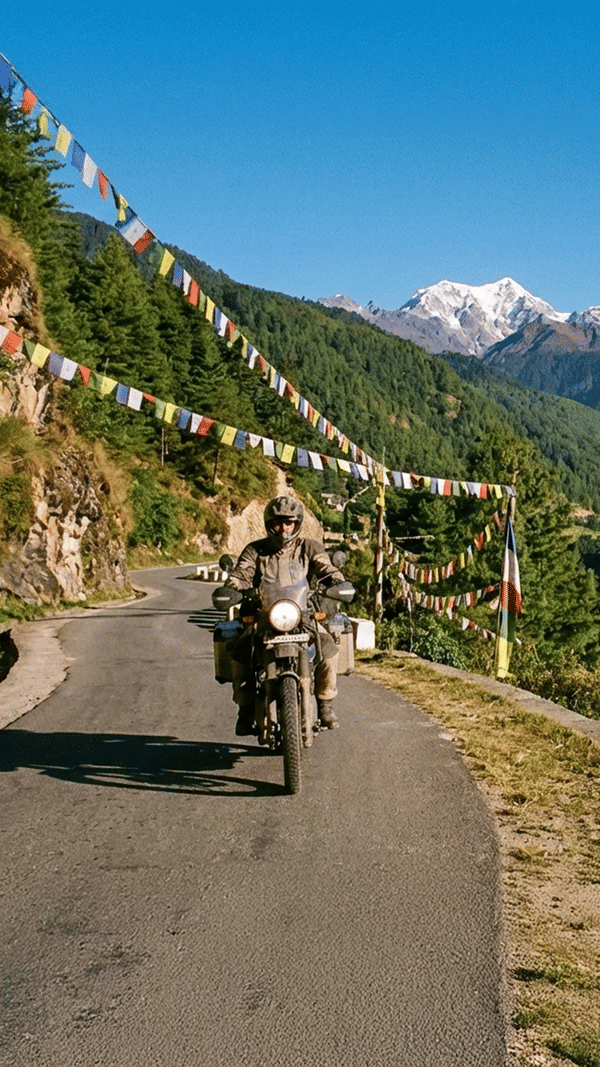
8-Days Bhutan Bike Trip Expedition: Ride across the Land of Thunder Dragon
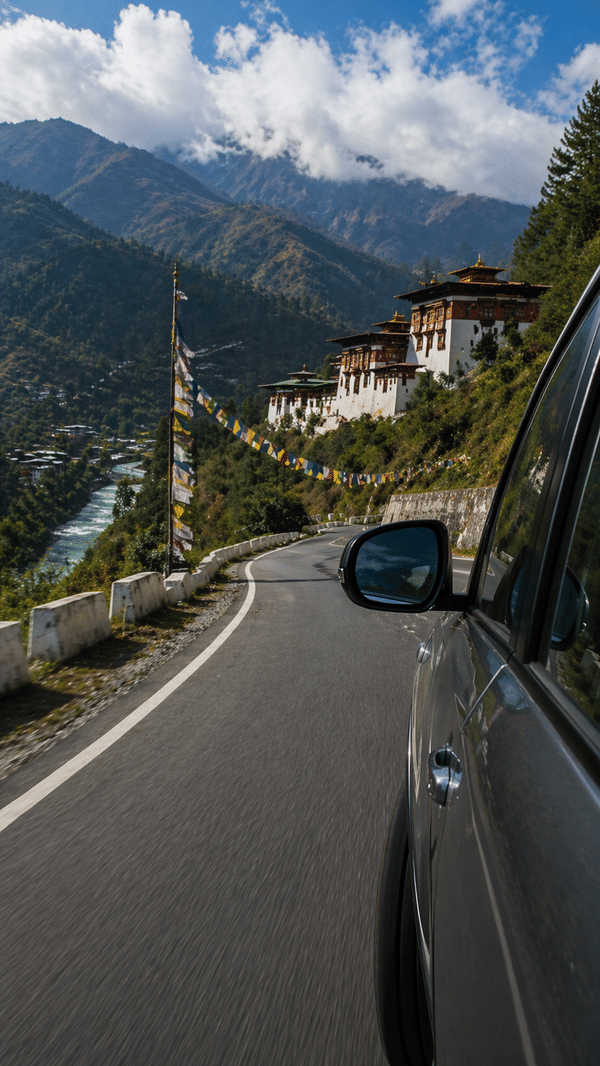
Epic 7 Days Bhutan Road Trip: A Drive Through Quiet Himalayas
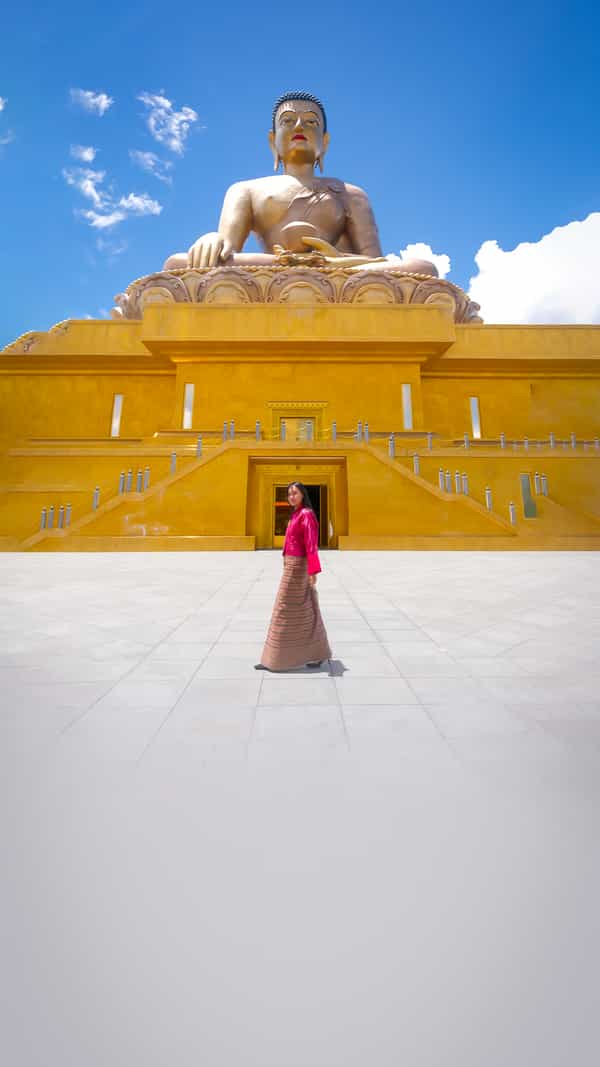
Bhutan Road Trip with Phobjikha Valley

10 Days Complete Bhutan Tour Package
Quick Info: Bhutan in April
- Temperature: 10°C to 25°C (cool mornings, pleasant days, chilly evenings)
- Weather: Mostly clear skies with occasional light showers
- Vibe: Fresh, green, and calm with blooming landscapes
- Best For: Sightseeing, hiking, photography, cultural experiences
- Crowd Level: Moderate to high (spring season)
- Budget: Mid to slightly high
- Clothing: Light layers, jacket, comfortable shoes
- Ideal Trip Duration: 5 to 7 days
Bhutan Weather in April

Let’s get practical.
- Temperature: 10°C to 25°C in most valleys
- Mornings: Cool and clear
- Afternoons: Pleasant, ideal for outdoor activities
- Evenings: Slightly cold
The weather in Bhutan in April is one of the biggest reasons people choose this time. You don’t have to deal with extreme cold or heavy rains. Skies are usually clear, which means better mountain views and smoother travel plans.
Another thing worth knowing, mornings are the best time for sightseeing. The weather in Bhutan in April tends to be crisp and clear early in the day, while afternoons can sometimes bring light clouds or short showers.
Overall, the weather in Bhutan in April makes it easy to explore without constantly worrying about disruptions.
Suggested Read: Travel Guide For a Solo Female Traveller
Bhutan Temperature in April
The Bhutan temperature in April depends on where you are, but here’s a realistic idea:
- Paro & Thimphu: 10°C to 20°C
- Punakha: 15°C to 25°C
- Higher regions: Can drop below 10°C
What this really means is simple, the Bhutan temperature in April is comfortable for most travellers. You won’t need heavy winter gear, but you can’t rely on just summer clothes either.
Layering is the smartest approach. The Bhutan temperature in April shifts through the day, so being flexible with clothing makes your trip easier.
Is April a Good Time to Visit Bhutan

Let’s answer this honestly.
Is April a good time to visit Bhutan? Yes, and for most people, it is one of the best months.
Here is why:
- Nature looks fresh and green
- Flowers are in bloom
- Roads and routes are open
- The weather is stable
You get a bit of everything without major problems.
But it is not perfect. Since many people travel during this time, prices go up. Hotels fill faster. You might not get last-minute deals.
Still, if you are planning your first visit, is April a good time to visit Bhutan becomes a simple yes.
What Makes Bhutan in April Special
There is something different about Bhutan in April.
It is not just about good weather. It is about how the place feels.
Spring is at its peak. Trees are full of leaves, flowers are blooming, and the air feels clean. You will see pink, red, and white flowers across hillsides. Rivers flow stronger after winter snow melts.
Here is what stands out:
- Hills look greener and fuller
- Valleys feel alive, not dry
- Snow peaks are still visible in the distance
- The overall mood is calm and refreshing
A Bhutan trip in April gives you this balance. It is not too quiet like winter and not too wet like the monsoon.
What this really means is you see Bhutan when it feels complete.
Best Places to Visit in Bhutan in April

If you are planning your route, focus on places that give you variety. These are the best places to visit in Bhutan in April:
1. Paro
Paro is where most trips begin, and one of the easiest places to explore. It is known for its valley views, traditional houses, and important monasteries. The hike to Tiger’s Nest Monastery is the main highlight. In April, clear skies and mild temperatures make the climb easier. You can also visit Paro Dzong and the National Museum of Bhutan for history and views.
2. Thimphu
Thimphu is the capital, but it feels calm and manageable. It blends modern life with strong traditions. You can visit Buddha Dordenma and Memorial Chorten to understand local culture. Markets and small cafes show everyday life. April weather makes walking around comfortable, and you can explore without feeling rushed or tired.
3. Punakha
Punakha is warmer and greener than most regions. It was once the capital and still holds cultural importance. The Punakha Dzong sits between two rivers and is one of Bhutan’s most beautiful structures. In April, jacaranda trees bloom, adding colour to the area. The weather also makes it easier to enjoy short hikes and riverside walks.
4. Phobjikha Valley
Phobjikha Valley is wide, quiet, and less developed. It is known for black-necked cranes in winter, but in April, it turns green and peaceful. You can walk along nature trails, visit small villages, and enjoy open landscapes. It is a good place to slow down and take a break from busy travel plans.

5. Bumthang
Bumthang is often called Bhutan’s spiritual centre. It has several ancient temples like Jambay Lhakhang and Kurje Lhakhang. In April, the valleys turn green, and apple blossoms begin to appear. It feels quieter and more traditional compared to western Bhutan.
6. Haa Valley
Haa Valley is less visited and feels untouched. The drive through Chele La Pass offers wide views of the mountains. In April, the valley is green and fresh. It is a good option if you want fewer tourists and a more local experience.
7. Dochula Pass
Dochula Passlies between Thimphu and Punakha. It is known for its 108 stupas and panoramic mountain views. In April, visibility is usually clear, so you can see snow-covered peaks on good days. It is a short stop but worth including in your route.
8. Tang Valley
Tang Valley is quieter than the main Bumthang area. It is known for its remote feel and simple village life. In April, apple blossoms and greenery make it more scenic. It is ideal if you want to explore beyond the usual tourist spots.
These are the best places to visit in Bhutan in April if you want a mix of culture, landscapes, and slower travel.
Things to Do in Bhutan in April

Now let’s focus on experiences. These are the key things to do in Bhutan in April that make your trip more meaningful:
1. Hike to Tiger’s Nest Monastery
This is the most famous activity in Bhutan. The hike takes a few hours and involves a steady climb. April weather makes it easier with cool air and clear views. The monastery sits on a cliff, and reaching it feels rewarding.
2. Visit Dzongs and Monasteries
Places like Punakha Dzong and Paro Dzong are important cultural sites. They are used for both religious and administrative purposes. Visiting them helps you understand Bhutan’s traditions and architecture.
3. Attend Festivals
Events like Paro Tshechu feature mask dances and rituals. These are real community events. You can see traditional clothing, music, and local customs up close.
4. Walk Through Villages
Village walks show you everyday life. You will see farming, traditional houses, and local routines. April makes this easier because the weather is mild and comfortable for walking.
5. Try Local Food
Bhutanese food is simple but flavourful. Ema Datshi is the most popular dish. Meals often include red rice and seasonal vegetables. April brings fresh produce, which improves the taste and variety.

6. Take Short Treks and Nature Walks
April is a good time for short treks because the trails are dry and the weather is stable. You can try easy routes around Paro or Bumthang. Forest paths, rivers, and open valleys make these walks enjoyable without needing advanced trekking skills.
7. Experience a Traditional Hot Stone Bath
A hot stone bath is a local wellness practice. Heated stones are placed in water mixed with herbs. It helps relax muscles after long days of walking. Many farmhouses offer this experience.
8. Explore Local Markets
Markets in places like Thimphu show daily life. You will find vegetables, handmade goods, and textiles. It is a good way to understand local culture and interact with people.
9. Scenic Drives Through Mountain Roads
Travel in Bhutan is not just about destinations. Roads pass through forests, valleys, and mountain passes like Dochula Pass. In April, landscapes look fresh and clear, making drives more enjoyable.
10. Stay in a Farmhouse
Farm stays give you a closer look at Bhutanese life. You can eat home-cooked meals and see how families live. It is simple but gives a more personal experience.
Suggested Read: Adventure Activities in Bhutan
Bhutan Festivals in April

One of the best parts of Bhutan in April is the cultural side.
- Paro Tshechu (March 30 – April 3, 2026): One of Bhutan's most famous events, held at Rinpung Dzong. The highlight is the pre-dawn unveiling of the giant Guru Throngdel (sacred tapestry) on the final morning, which is believed to cleanse the viewer of sins.
- Domkhar Tshechu (April 26 – 28, 2026): A local celebration in the Chumi Valley of Bumthang, featuring traditional dances unique to the region.
- Ura Yakchoe (April 28 – May 2, 2026): Held in the Ura Valley of Bumthang, this festival is famous for the display of a sacred relic believed to have been left by a mysterious monk and the specific "Ura Yakchoe" dance.
- Haa Spring Festival (April 7 – 9, 2026): A vibrant event in the Haa Valley that showcases traditional nomadic lifestyles, local sports, and indigenous cuisine.
- Rhododendron Festival (April 13 – 14, 2026): Celebrated at the Lamperi Botanical Park near Thimphu, this event focuses on Bhutan's floral biodiversity. It features nature walks, environmental programs, and traditional cultural performances in blooming rhododendrons.
- Gomphukora Tshechu (April 1 – 3, 2026): Though starting in late March, these tentative final days at Gom Kora in eastern Bhutan involve pilgrims circumambulating a sacred rock throughout the night.
Experiencing Bhutan festivals in April gives you a deeper connection to the place. You are not just watching from the outside. You feel part of the crowd.
Bhutan Trip Cost in April

A Bhutan trip in April is not the cheapest, but it is manageable.
1. Fixed Cost You Cannot Avoid
Bhutan has a Sustainable Development Fee (SDF).
- Indian citizens: ₹1,200 per person per night
- Other foreign nationals: $100 per person per night
This is mandatory. It’s charged per night of stay and goes toward tourism control and conservation.
So for a 6-night Bhutan trip in April, an Indian traveller pays ₹7,200 just as a base fee.
2. Total Trip Cost in April
April is one of the busiest months, so expect slightly higher prices than average.
Budget (tight, limited comfort)
₹25,000 to ₹35,000 (5–6 days)
- Basic hotels
- Shared or limited transport
- Minimal flexibility
Mid-range (most realistic choice)
₹40,000 to ₹75,000 (6–7 days)
- Good hotels
- Private vehicle
- Meals + permits
This is the sweet spot for most travellers.
Premium
₹80,000 to ₹1.5 lakh+
- Boutique stays or luxury hotels
- Private guide and driver
- Better food and curated experiences
A Bhutan trip in April costs more because demand is high, not because the country is overpriced.
3. Daily Cost Breakdown
Here’s what you actually spend per day:
- Hotel: ₹2,000 to ₹8,000
- Food: ₹500 to ₹1,500
- Transport: ₹3,000 to ₹5,500 per day (vehicle with driver)
- Entry fees: ₹300 to ₹500 per site
Transport is the highest cost. Distances look short on maps, but roads are slow and winding.
How to Reach Bhutan
1. By Air (Fastest and Easiest)

How to reach Bhutan is simple on paper, but there are a few details that matter. You have two main options: by air or by road. Your choice depends on budget, time, and how much effort you want to put in.
Flying is the most convenient way to reach Bhutan.
The only international airport is Paro International Airport. It is surrounded by mountains, and the landing itself is known for being scenic.
Airlines operating:
- Druk Air
- Bhutan Airlines
Direct flights from India:
- Delhi
- Kolkata
- Guwahati
- Bagdogra
Other international routes: Bangkok, Kathmandu, Singapore, Dhaka
What to know:
- Flights are limited, so prices go up quickly
- Morning flights usually have better mountain views
- Window seats on the left side (from India) often give Himalayan views
If you want the least hassle, this is the best option.
2. By Road (Budget-Friendly and Flexible)

If you want to save money or prefer a gradual journey, travelling by road works well.
The most common entry point is Phuentsholing, which connects to Jaigaon in West Bengal.
Distance:
- From Siliguri or Bagdogra: around 4 to 5 hours
- From Kolkata: around 14 to 16 hours (usually broken into stops)
Other entry points:
- Gelephu (from Assam)
- Samdrup Jongkhar (from Assam)
These are less crowded but not as commonly used for first-time trips.
What to know:
- You need an entry permit at the border
- Roads in Bhutan are mountainous and slow
- Travel time increases once you cross into Bhutan
This option is cheaper but takes more time and planning.
3. By Train (Nearest Railway Options)

Bhutan does not have its own railway network, so you need to combine train and road travel.
Nearest stations:
- Hasimara (closest, about 17 km from the border)
- New Alipurduar (around 60 km away)
- New Jalpaiguri (NJP) (major hub, about 150 km away)
From these stations, you travel by road to Phuentsholing and then continue into Bhutan.
Permits and Entry Rules
For Indian travellers:
- Passport or Voter ID required
- Entry permit issued at the border or Paro airport
- Covers Paro and Thimphu
For places like Punakha, Bumthang, and Phobjikha, you need a special area permit, which your hotel or agent usually arranges.
Suggested Read: Cafes in Bhutan
Where to Stay
Here’s the thing. Where you stay in Bhutan matters more than you think. Distances are long, travel is slow, and your hotel becomes your base, not just a place to sleep. In April, demand is high, so booking early is not optional.
Let’s break it down by budget and travel style.
1. Ultra Luxury Stays (If Budget Is Not a Concern)

If you want privacy, comfort, and curated experiences, these are top-tier options.
- Amankora: A set of lodges across Paro, Thimphu, Punakha, Gangtey, and Bumthang. You move from one valley to another without changing the experience. Very minimal, very calm.
- Six Senses Bhutan: Each lodge has a theme and focuses on wellness. Expect spa treatments, organic food, and quiet locations.
- COMO Uma Paro and COMO Uma Punakha: Slightly more accessible than the above, but still premium. Clean design, great service, and good locations.
What this means: You are paying for space, silence, and a very smooth experience.
2. Luxury and Heritage Hotels (Best Balance)

This is where most travellers who want comfort without extreme pricing land.
- Taj Tashi: Located in the capital, it blends traditional Bhutanese design with modern comfort.
- Zhiwa Ling Heritage: One of the most authentic stays. Traditional architecture, detailed interiors, and a strong cultural feel.
- Dhensa Boutique Resort: Set on a hill with wide valley views. Quiet and scenic.
- Gangtey Lodge: One of the best stays in the valley. Great for views and a peaceful atmosphere.
What this means: Comfort, character, and good locations without going overboard.
3. Mid-Range Hotels (Most Practical Choice)

If you want a smooth trip without overspending, this is your category.
- Hotel Olathang: Set in a forested area. Spacious, simple, and peaceful.
- Norkhil Boutique Hotel & Spa: Central location, comfortable rooms, reliable service.
- Hotel Norbuling: Modern and well-maintained. Good for short stays.
- Hotel Lobesa: Simple riverside stay with easy access to main attractions.
What this means: Clean, comfortable, and it works well for most travellers.
4. Farm Stays and Homestays (For Real Experience)

If you want to see how people actually live, this is the best option.
- Sangaygang Farmhouse: Popular farmstay with traditional meals and local interaction.
- Homestays in Phobjikha Valley: Simple rooms, home-cooked food, and quiet surroundings.
- Farm stays in Bumthang: Great for cultural immersion and slower travel.
What this means: Less comfort, more authenticity.
Common Planning Mistakes

People usually mess up here:
1. Overpacking the itinerary
Trying to cover too many places in a few days. Bhutan is slow to travel. Stick to 2 to 3 regions.
2. Underestimating travel time
Mountain roads take longer. Even Thimphu to Punakha takes 3 hours.
3. Last-minute bookings
April is the peak season. Flights, hotels, and cars sell out fast.
4. Ignoring permits
Beyond Paro and Thimphu, places like Bumthang need permits.
5. Packing wrong
Days are mild, but mornings and evenings get cold. Carry layers.
6. No acclimatisation
Don’t rush into hikes like Tiger’s Nest Monastery on day one.
7. Not carrying cash
Cards don’t work everywhere, especially in remote areas.
8. Rushing the experience
Bhutan is not a checklist destination. Slow down, or you miss the point.
Curated Bhutan Tour Packages
8-Days Bhutan Bike Trip Expedition: Ride across the Land of Thunder Dragon
Epic 7 Days Bhutan Road Trip: A Drive Through Quiet Himalayas
Bhutan Road Trip with Phobjikha Valley

Best of Bhutan in 5 Days

Best of Thimphu, Punakha and Paro - 8 Days Bhutan Tour Package

Explore the Gems of Bhutan - 6 Days Tour Package
Bhutan Travel Itinerary for April
Here is a simple Bhutan travel itinerary for April:
Day 1: Arrive in Paro and rest
Day 2: Paro sightseeing and Tiger’s Nest
Day 3: Travel to Thimphu
Day 4: Travel to Punakha
Day 5: Explore Punakha
Day 6: Return to Paro
Day 7: Departure
This plan gives you enough time without rushing too much.
Pros of Visiting Bhutan in April
- Comfortable weather
- Clear mountain views
- Blooming landscapes
- Cultural festivals
Cons of Visiting Bhutan in April
- Higher prices
- More tourists
- Need to book early
Travel Tips for Bhutan in April

Keep these in mind, and your trip stays smooth:
1. Start your days early
Mornings are clearer. Plan hikes and viewpoints early, especially for places like Tiger’s Nest Monastery.
2. Book everything in advance
April is the peak season. Flights, hotels, and cars get full quickly.
3. Pack in layers
Days are pleasant, but mornings and evenings are cold. Don’t rely on just light clothes.
4. Don’t rush your itinerary
Travel is slow. Keep fewer destinations like Paro, Thimphu, and Punakha.
5. Carry enough cash
Cards don’t work everywhere, especially outside cities.
6. Respect local culture
Dress modestly in monasteries and follow basic rules like removing shoes.
7. Stay hydrated and go slow
Altitude can affect you. Take it easy on day one.
8. Expect basic connectivity
The Internet works in towns, but doesn't work in remote areas.
9. Choose a good driver
You’ll spend a lot of time on the road. A reliable driver makes a big difference.
10. Keep your plans flexible
The weather is mostly stable, but small changes can happen. Don’t over-plan every hour.
Final Thoughts: Is Bhutan in April Worth It?
Here’s the honest answer.
If you want a mix of culture, nature, and comfort, Bhutan in April delivers. It’s not the cheapest month, and it’s not the quietest either. But it gives you a well-rounded experience without major compromises.
A Bhutan trip in April feels complete. You see the country at its best, without dealing with extreme weather or limited access. With WanderOn, the journey becomes even smoother, combining well-planned itineraries with meaningful local experiences.
So if you’re sitting on the fence, this is one of those times where going with the popular choice actually makes sense.
Frequently Asked Questions
Is April a good time to visit Bhutan?
Yes, April is a great time to visit Bhutan. The weather is pleasant, with clear skies and blooming flowers. It’s perfect for sightseeing, trekking, and attending festivals. The natural beauty of Bhutan is at its best.
What makes April a special time to visit Bhutan?
April is special in Bhutan because of its spring beauty, mild weather, and vibrant festivals. Rhododendrons bloom across the valleys, making the landscape colorful. It’s also an ideal time for trekking and exploring Bhutan’s rich culture without extreme weather.
What is the average cost of staying in Bhutan in April?
The average cost depends on your travel style. Budget travelers may spend around ₹12,000 per day, while luxury stays can cost ₹25,000 or more. Bhutan follows a minimum daily package, usually around ₹15000–₹20,000 per person for guided tours.
Are there any customized Bhutan tour packages in April?
Yes, many travel agencies offer customized Bhutan tour packages in April. You can choose cultural tours, trekking adventures, or luxury experiences. Packages usually include accommodation, meals, transport, and a guide, ensuring a hassle-free trip. Prices start from ₹50,000 per person, approximately.
Which festivals can I attend in Bhutan in April?
In April, you can attend Paro Tshechu, one of Bhutan’s biggest festivals. It features masked dances, traditional music, and religious rituals. The festival offers a great chance to experience Bhutanese culture, meet locals, and enjoy colorful celebrations.