


Let's talk about why Bhutan in May is absolutely magical! The weather is just right – not too hot, not too cold – and the mountain views will seriously take our breath away.
We've talked with tourists who went last May, and they couldn't stop talking about the wildflowers everywhere. The rhododendrons stood in a glory of bloom, splashing riotous colour over the green hillslides.
And when we discussplaces to go to Bhutan, we have to point out Tiger's Nest Monastery. It's built onto the face of a cliff (wow, indeed?) and the climb up we wean ourselves on memories that last a lifetime. The Punakha Dzong is a must-see too – sitting between two rivers, it seems like something out of a fantasy film.
We recommend checking out ourBhutan Tour Packagesfor the easiest way to handle all the permits and logistics. Trust us, this little Himalayan kingdom will steal your hearts!
Quick Info: Bhutan in May
- Temperature: 15°C to 25°C (cool mornings, pleasant days, slightly chilly evenings)
- Weather: Mostly clear with occasional light showers
- Vibe: Fresh, green, and peaceful with blooming landscapes
- Best For: Sightseeing, trekking, photography, and cultural experiences
- Crowd Level: Moderate (less crowded than peak festival months)
- Budget: Mid-range to slightly high, depending on stay and travel style
- Clothing: Light layers, comfortable shoes, and a light rain jacket
- Ideal Trip Duration: 5 to 7 days for western Bhutan, 8 to 10 days with Bumthang
Bhutan Weather in May
Let’s get practical.
- Temperature: 15°C to 25°C in most valleys
- Mornings: Clear and cool
- Afternoons: Pleasant, sometimes light showers
- Evenings: Slightly chilly
The Bhutan weather in May is ideal for sightseeing, hiking, and monastery visits. You get clear mountain views in the morning, which is when you should plan your major activities
Curated Bhutan Tour Packages
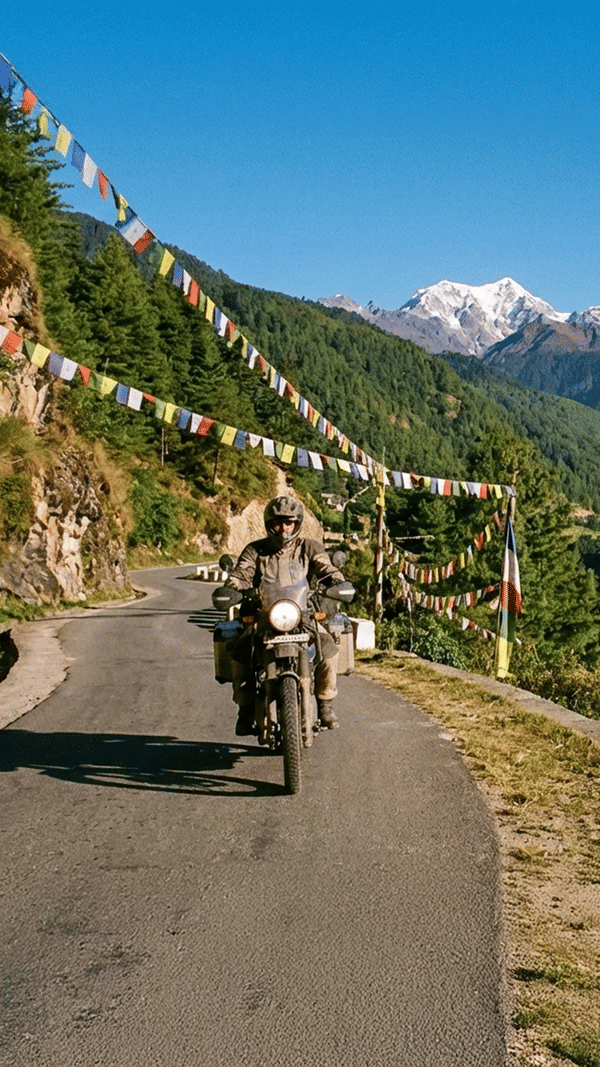
8-Days Bhutan Bike Trip Expedition: Ride across the Land of Thunder Dragon
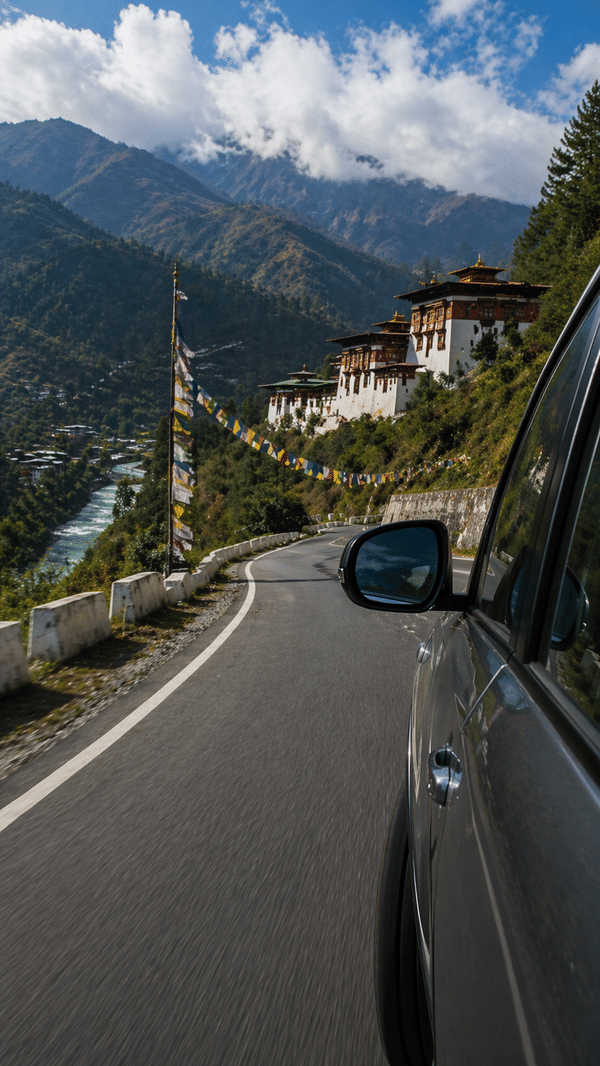
Epic 7 Days Bhutan Road Trip: A Drive Through Quiet Himalayas
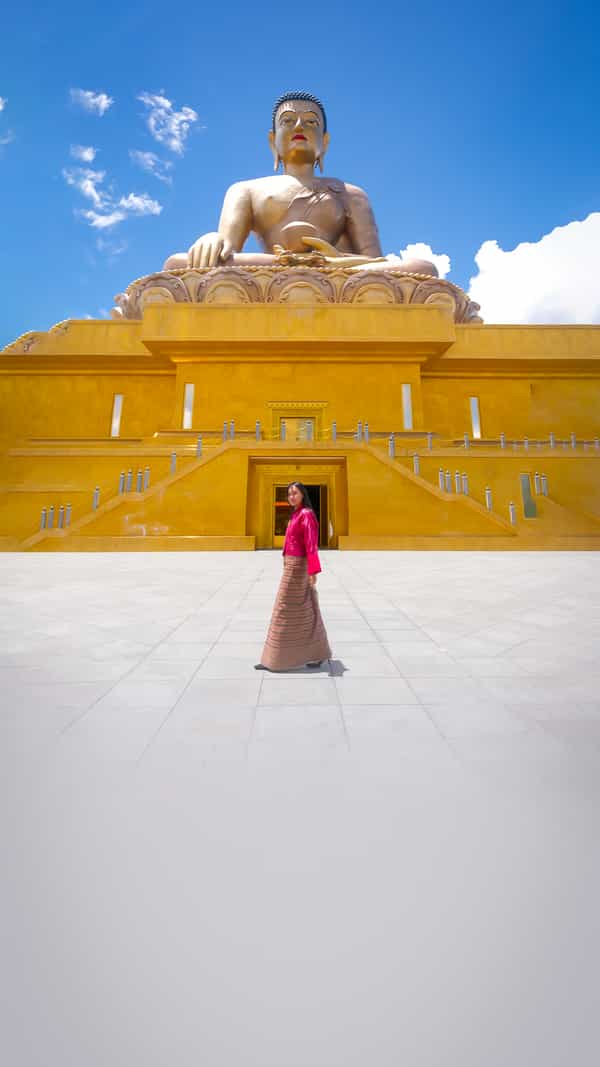
Bhutan Road Trip with Phobjikha Valley

Best of Bhutan in 5 Days

Archery and Picnic in the Land of Dragons: Bhutan Squad Trip
What Makes a Bhutan Trip in May So Special?

The natural beauty in Bhutan in May is hard to miss. Spring is at its peak, and the entire country feels fresh, green, and alive. Hillsides are covered with blooming rhododendrons, magnolias, and wild orchids, adding bright colours to the landscape.
Here’s what makes it stand out:
- Landscapes in full bloom: Valleys turn colourful with pink, red, and white flowers against green hills and snow-covered peaks
- Peaceful valleys: Places like Phobjikha Valley feel quieter and more scenic without winter crowds
- Seasonal beauty in Bumthang: Apple blossoms and wild strawberries add a soft, scenic charm
- Better wildlife sightings: Animals like red pandas and Himalayan black bears are more active after winter
- Strong conservation: Over 70% forest cover means rich biodiversity and untouched nature
What this really means is simple. A Bhutan trip in May is not just about visiting places. It’s about experiencing the country when it feels most alive.

Best Places to Visit in Bhutan in May
When planning your itinerary, these are the spots you absolutely shouldn't miss - the best places to visit in Bhutan in May:
1. Thimphu - Where Tradition Meets Modern Life

As Bhutan's capital and largest city, Thimphu gives you this fascinating blend of traditional and contemporary Bhutanese life. The massive Buddha Dordenma statue literally gleams in May's clear sunshine as it overlooks the entire valley. Watching locals of all ages circling theNational Memorial Chorten in their daily prayers and visiting the Folk Heritage Museum to see how rural Bhutanese have lived for generations grounds you in the culture.
Don't miss the quirky Takin Preserve, home to Bhutan's national animal that honestly looks like someone combined a goat and a cow after having a few too many drinks!
2. Punakha - The Perfect Valley

The former capital,Punakha, is home to what many consider Bhutan's most beautiful dzong (fortress-monastery). Built where two rivers meet - the "Mother" Mo Chhu and "Father" Pho Chhu - Punakha Dzong becomes even more spectacular in May when jacaranda trees burst into purple bloom around its whitewashed walls.
With the pleasant Bhutan weather in May, the short hike up to Khamsum Yulley Namgyal Chorten rewards you with panoramic views of terraced rice fields and the winding river below. If you're feeling adventurous, Punakha's also where you can try river rafting - the water levels in May are perfect for it!
3. Paro - More Than Just Tiger's Nest

WhileTiger's Nest monastery steals the spotlight (and deservedly so!), Paro Valley offers so much more. The National Museum, housed in the ancient Ta Dzong watchtower, gives you crucial context about Bhutan's fascinating history. Kyichu Lhakhang, one of Bhutan's oldest temples dating back to the 7th century, has this peaceful energy enhanced by spring flowers blooming in its courtyard.
The town itself is charming, with traditionally painted wooden shops and restaurants serving authenticBhutanese cuisine. May evenings in Paro are perfect for strolling through town, picking up handcrafted souvenirs or sampling ema datshi (chilli cheese) if you're brave enough to handle the spice!
4. Bumthang - Bhutan's Spiritual Heart

Often called Bhutan's spiritual heartland,Bumthang consists of four main valleys that may transform into a vast paradise with apple orchards in bloom and fields turning brilliant green after winter.
The ancient temples here -Jambay Lhakhang and Kurje Lhakhang being the most famous - come wrapped in legends and history so rich you can almost feel it. Bumthang also produces Bhutan's famous Red Panda beer, and trust me, there's nothing quite like sampling it in the brewery's outdoor garden on a perfect May afternoon.
5. Phobjikha Valley – Wide, Peaceful Landscapes
Phobjikha Valley offers a completely different pace compared to Bhutan’s cities. Known for its wide glacial valley, it turns green in May with wildflowers scattered across the landscape.
While the famous black-necked cranes are not present in this season, the valley feels quieter and more open. It’s ideal for slow travel, nature walks, and simply taking in uninterrupted views of Bhutan’s countryside.
6. Haa Valley – Offbeat and Less Explored

Haa Valley remains one of Bhutan’s least visited regions, which is exactly why it stands out. The journey via Chele La Pass offers stunning views, and once you reach the valley, it feels untouched and authentic.
In May, the landscape is green and fresh, with fewer tourists around. It’s a good choice if you want to experience rural Bhutan and local life without the usual crowds.
7. Dochula Pass – Scenic Stop with Big Views
Dochula Pass is a popular stop between Thimphu and Punakha, known for its 108 stupas and panoramic Himalayan views. In May, the weather is generally clear, which improves visibility of the snow-capped peaks. While it’s not a long stop, the views and setting make it worth including in your itinerary.
8. Chele La Pass – High-Altitude Views

Chele La Pass is the highest motorable road in Bhutan and offers sweeping views of the Himalayas. In May, rhododendrons bloom along the route, adding colour to the otherwise rugged landscape. It’s a great spot for photography and a scenic drive, especially if you’re travelling between Paro and Haa Valley.
9. Tang Valley – Quiet Extension of Bumthang
Tang Valley is a quieter part of Bumthang that often gets skipped. In May, it becomes especially scenic with apple blossoms and seasonal fruits like wild strawberries. The valley feels remote and less developed, making it a good option for those looking to slow down and explore beyond the usual tourist circuit.
Suggested Read: Travel Guide For a Solo Female Traveller
Things to Do in Bhutan in May
Beyond just sightseeing, these activities will make your Bhutan trip in May unforgettable:
1. Trekking Through Paradise

May's mild temperatures create perfect conditions for Bhutan's famous treks. While multi-day expeditions require serious preparation, there are plenty of day hikes for casual walkers, too.
The Bumdra Trek near Paro leads to this mountain monastery, where you can actually camp overnight with views of the Himalayan range. The Tang Valley Natural Trail in Bumthang winds through pine forests, meadows, and villages, giving you intimate glimpses of authentic rural life that most tourists never experience.
2. Watching (or Trying!) Archery
Archeryisn't just Bhutan's national sport - it's a cultural institution. Local matches often happen on weekends, and visitors are always welcome. These aren't quiet, serious competitions - they're lively social events! The skill is incredible - archers hitting targets from distances that seem impossible - but it's the atmosphere that makes these events so special.
Our Bhutan tour packages in May include opportunities to try this traditional sport under expert guidance. Fair warning: it's much harder than the locals make it look!
3. Soaking in a Hot Stone Bath

After days of hiking and exploration, there's nothing better than a traditional
Bhutanese hot stone bath. River stones heated in a fire are placed in wooden tubs filled with water and local herbs, creating this therapeutic soak that makes your muscles sigh with relief.
Many farmhouses and heritage hotels offer this authentic experience, often accompanied by ara (local rice wine) and traditional snacks. The mild evenings of Bhutan in May make this outdoor experience particularly pleasant.
4. Hands-On Food & Cultural Experiences in Bhutan
Bhutanese cuisine, famous for its spicy flavours and unique ingredients, deserves more recognition than it gets. Severalrestaurants in Bhutan and hotels offer cooking classes where you can learn to make dishes like ema datshi, red rice, and momos (dumplings).
May brings fresh spring vegetables to markets, making these culinary adventures even more rewarding. Just be prepared for LOTS of chilli - Bhutanese food doesn't hold back on the heat!
5. Festival Hopping and Cultural Events

If your timing aligns, attending a local festival or tsechu adds a completely different layer to your trip. These are not tourist performances but real community events with masked dances, rituals, and storytelling. Even smaller festivals in May feel more personal and less crowded.
6. Exploring Local Markets and Handicrafts
Local markets in Bhutan are where everyday life unfolds. In May, they are filled with fresh seasonal produce and handmade goods. Walking through these markets gives you a closer look at Bhutanese culture, from traditional textiles to local food habits.
7. Wildlife and Nature Walks

Bhutan’s forests feel especially alive in May. The greenery is dense, and wildlife becomes more active after winter. Even a simple walk through these landscapes can turn into a memorable experience, with chances to spot rare birds and unique Himalayan species.
8. Monastery Visits and Spiritual Experiences
Visiting monasteries in Bhutan is less about ticking off sights and more about slowing down. The calm surroundings, sound of prayers, and mountain views create a peaceful atmosphere that stays with you long after you leave.
9. Scenic Drives Across Mountain Passes

Travel in Bhutan is not just about destinations. The drives themselves are a highlight. Roads wind through mountains, forests, and valleys, with frequent viewpoints that make you stop and take it all in. In May, the landscapes look especially fresh and clear.
10. Farm Stays and Rural Experiences
Staying at a farmhouse gives you a more personal side of Bhutan. You get to experience simple, everyday life, from home-cooked meals to conversations with locals. It’s not polished or curated, and that’s exactly what makes it memorable.
Suggested Read: Laya Gasa Trek
Bhutan Trip Planning: Costs, Routes, and What to Know
While Bhutan tourism in May offers countless advantages, there are some practical things to consider:
How to Reach Bhutan in May

By Air (Fastest Option)
Flying is the easiest and most convenient way to reach Bhutan. Paro International Airport is the only international airport in the country, surrounded by mountains, making the landing one of the most scenic in the world.
- Airlines: Druk Air and Bhutan Airlines operate flights to Bhutan
- Direct flights from India: Delhi, Kolkata, Guwahati, and Bagdogra
- International routes: Bangkok, Kathmandu, Singapore, and Dhaka
- Tip: Choose a window seat on flights from Delhi or Kathmandu for Himalayan views, including Mount Everest on clear days
By Road (Scenic and Budget-Friendly)
Travelling by road is a good option if you want a more budget-friendly and flexible journey. There are three main entry points from India.
- Phuentsholing (West Bengal): The most common entry point, located next to Jaigaon
- From Siliguri or Bagdogra: Around 4 to 5 hours (160 km approx.)
- From Kolkata: Around 650 km with bus options available
- Gelephu (Assam): About 250 km from Guwahati, less crowded but less commonly used
- Samdrup Jongkhar (Assam): Around 150 km from Guwahati, ideal for entering eastern Bhutan
By Rail (Nearest Railway Stations)
Bhutan does not have its own railway network, so you’ll need to take a train to nearby Indian stations and continue by road.
- Hasimara (West Bengal): Closest station, about 17 km from Phuentsholing
- New Alipurduar (West Bengal): Around 60 km from the border
- New Jalpaiguri (NJP): Major rail hub, about 155 km away, well connected to cities like Delhi and Kolkata
Essential Travel Requirements for May 2026
- Documents: Indian citizens need a valid passport (min. 6 months validity) or a Voter ID card. Other nationalities must have a pre-arranged visa.
- Sustainable Development Fee (SDF): Indians: Mandatory fee of₹1,200 per adult per night, Other Foreigners: Approximately$100 per adult per night.
- Permits: An Entry Permit is required for all travellers. A standard permit covers Thimphu and Paro; a "Special Area Permit" is needed for regions further east, like Punakha or Bumthang.
- Bookings: For May peak season, it is highly recommended to book flights and TCB-certified hotels well in advance.
Where to Stay in Bhutan: From Simple to Luxurious
1. Ultra Luxury: The Circuit Lodges

For those who want complete privacy, consistent service, and zero compromises, Bhutan’s circuit lodges are in a different league.
- Amankora: Five lodges are spread across Paro, Thimphu, Punakha, Gangtey, and Bumthang. The design is minimal, calm, and deeply connected to nature. What stands out is how they structure your journey as a “kora” style experience, moving from valley to valley without losing comfort.
- Six Senses Bhutan: Six Senses Bhutan is a collection of five lodges is built around wellness and storytelling. Each property has a theme. Paro is called the “Stone Ruins,” Thimphu the “Palace in the Sky.” Expect spa programs, organic food, and immersive experiences at every stop.
- COMO Uma Paro and COMO Uma Punakha: These are slightly more accessible than the above, but still firmly luxury. COMO blends traditional Bhutanese style with clean, modern design. COMO Uma Paro is especially popular because of its location near Tiger’s Nest.
2. Luxury and Heritage Hotels

This category gives you a strong sense of place without going all in on ultra luxury pricing.
- Taj Tashi, Thimphu: Right in the capital, built in traditional dzong style but with modern comforts. Great if you want location plus comfort.
- Zhiwa Ling Heritage, Paro: One of the most authentic luxury stays in Bhutan. Hand-carved woodwork, traditional design, and a strong cultural feel.
- Dhensa Boutique Resort, Punakha: Set on a hill with views of the Punakha Valley. Quiet, scenic, and ideal if you want space without isolation.
Gangtey Lodge, Phobjikha Valley: One of the best places to stay in the valley. Wide open views, cosy interiors, and a strong connection to nature.
3. Mid-Range Hotels and Reliable Stays

This is where most travellers land, and honestly, it works well.
- Hotel Olathang, Paro: One of the oldest hotels in Bhutan, set in a forested area. Simple but spacious and peaceful.
- Norkhil Boutique Hotel, Thimphu: A comfortable and centrally located stay with good service and clean rooms.
- Hotel Norbuling, Thimphu: Modern, well-maintained, and reliable. A solid choice in the capital.
- Hotel Lobesa, Punakha: A no-fuss hotel near the river. Clean rooms and easy access to nearby attractions.
4. Farmstays and Local Homestays

If you want to understand Bhutan beyond sightseeing, this is where it happens.
- Sangaygang Farmhouse, Paro: A well-known farmstay where you can experience traditional meals and local hospitality.
- Phobjikha Valley Homestays: Several family-run homes offer stays with simple rooms, warm food, and views of the valley.
- Bumthang Farmstays: Great for cultural immersion. You get to see daily life, try local dishes, and interact with families.
Suggested Read: Adventure Activities in Bhutan
Cost of a Bhutan Trip in May (from India)
Let’s break it down in a way that actually helps you plan.
1. Fixed cost you can’t escape
- SDF (Sustainable Development Fee): ₹1,200 per person per night
- 5 nights = ₹6,000
- 7 nights = ₹8,400
This is non-negotiable. It’s basically Bhutan’s entry fee.
2. Realistic total cost (May = peak season)
Budget trip (DIY, shared transport)
- ₹20,000 – ₹30,000 (5–6 days)
- Very basic hotels, shared cabs, minimal comfort
- Works if you’re okay sacrificing convenience
People do it cheaper (₹25K), but it’s tight and not comfortable
Mid-range (most people)
- ₹35,000 – ₹70,000 per person (6–7 days)
- Includes:
- Hotels (₹2K–₹8K/night)
- Private car (₹3K–₹5K/day)
- Food + entry fees
This is the sweet spot.
Comfortable / premium
- ₹70,000 – ₹1.5 lakh+ per person
- Better hotels, private driver, guided experiences
- Flights included if coming from metro cities
3. Daily cost breakdown (rough reality)
- Hotel: ₹2,000 – ₹8,000
- Food: ₹500 – ₹1,500/day
- Transport: ₹3,000 – ₹5,000/day
- Sightseeing: ₹300 – ₹500 per place
4. Important: May = expensive
- Peak season -20–40% higher prices
- Hotels and taxis cost more
- Packages inflate fast
Pros of Visiting Bhutan in May

1. The weather is almost perfect
- 15°C to 25°C range
- Clear skies, comfortable days
- Ideal for sightseeing and hiking
2. Spring landscapes are unreal
- Rhododendrons and greenery everywhere
- Valleys look alive, not dry
3. Best time for iconic experiences
- Tiger’s Nest hike is comfortable
- Mountain views are clearer than the monsoon
4. Festivals + cultural vibe
- Spring has local festivals
- More energy, more happening atmosphere
Cons of Visiting Bhutan in May

1. It’s crowded (by Bhutan standards)
Here’s the thing: Bhutan never feels “overcrowded” like Manali.
But compared to itself? May is busy.
2. Prices go up - noticeably
- Hotels: +30% easily
- Transport: harder to bargain
- Packages: inflated
3. Advance booking becomes necessary
- Last-minute = expensive or limited options
- Good hotels sell out fast
4. Not ideal if you want solitude
- If your goal is peace, May isn’t it?
- Try June (rain risk) or winter instead.
Best Selling Bhutan Tour Packages
8-Days Bhutan Bike Trip Expedition: Ride across the Land of Thunder Dragon
Epic 7 Days Bhutan Road Trip: A Drive Through Quiet Himalayas
Bhutan Road Trip with Phobjikha Valley

10 Days Complete Bhutan Tour Package
What to Pack for Bhutan in May

Essential Clothing and Footwear
- Bhutan in May has pleasant days but cooler mornings and evenings, especially in higher regions. Packing smart layers is key.
- A simple layering system works best. Carry light base layers, a warm fleece or light jacket, and a waterproof outer layer in case of occasional rain.
- Modest clothing is important, especially for visiting monasteries and dzongs. You’ll need to cover your shoulders and knees, so pack long pants, long skirts, and shirts with sleeves. Avoid shorts, ripped jeans, or sleeveless tops for cultural sites.
- For footwear, comfortable walking or hiking shoes are essential, especially for uneven trails and hikes like Tiger’s Nest. Carry a pair of sandals or flip-flops for relaxing at your hotel. Also pack extra socks, as you’ll need to remove shoes inside temples.
Gear and Travel Essentials
- The sun can be strong at higher altitudes, even in May. Carry sunscreen, sunglasses, and a hat to protect yourself.
- A small daypack is useful for daily travel, especially to carry water, snacks, and extra layers. Choose one with a rain cover if possible.
- Don’t forget a universal travel adapter and a power bank, as charging points can be limited in remote areas.
Health and Hygiene Essentials
- It’s always better to carry a basic medical kit. Include pain relief medicines, allergy tablets, and something for stomach issues. May is bloom season, so mild allergies can happen.
- Keep hand sanitiser and tissues with you, as facilities may not always be available in remote areas. Insect repellent is useful if you’re visiting lower or warmer regions.
Documents and Money
- Carry both physical and digital copies of important documents, including your passport and permits. Make sure your passport has enough validity.
- Cash is important in Bhutan, especially outside major towns. Indian Rupees are widely accepted, but it’s best to carry smaller denominations. ATMs are available in places like Paro and Thimphu, but can be limited elsewhere.
Festivals in Bhutan in May: Authentic Celebrations

May still offers opportunities to witness some incredible celebrations:
- Ura Yakchoe
- Dates: April 28 – May 2, 2026
- Location: Ura Lhakhang, Bumthang
- Description: This festival commemorates the community being saved from leprosy by a sacred relic. Highlights include a sacred relic procession through the village and traditional Cham (masked) dances performed by locals and monks.
- Dolay Drupchen
- Dates: Late May (Tentatively May 20–30, 2026; check local 2026 lunar dates)
- Location: Tiger’s Nest (Taktsang) Monastery, Paro
- Description: A 10-day holy festival involving intense prayers, chanting, and rituals dedicated to Guru Rinpoche. It is a highly spiritual time for devotees seeking blessings at Bhutan’s most iconic sacred site
- Lord Buddha's Parinirvana (Saga Dawa)
- Date: May 31, 2026
- Location: All over Bhutan
- Description: A significant religious public holiday marking the birth, enlightenment, and passing of Lord Buddha. Many Bhutanese visit local temples to offer butter lamps and prayers
Creating Your Perfect Bhutan Experience

When booking our Bhutan tour packages in May, consider these factors:
How Long Should You Stay?
A minimum of seven days allows exploration of western Bhutan (Paro, Thimphu, Punakha) without feeling rushed. Adding Bumthang and eastern regions requires at least 10-14 days due to the long driving distances on winding mountain roads.
Our honest advice? Stay as long as you possibly can - Bhutan reveals itself slowly, and some of the most magical moments happen when you're not rushing from one sight to the next.
Suggested Read: Cafes in Bhutan
What Are You Into?
We offer specialised packages focusing on photography, birdwatching, cultural immersion, or trekking. May provides excellent conditions for all these activities, with the added advantage of blooming landscapes and clear mountain views.
Communicate your specific interests to your tour operator - it ensures they'll match you with guides who share your passions and can customise your itinerary accordingly.
Is May a Good Time to Visit Bhutan?
A Bhutan trip in May offers that perfect blend of adventure and tranquility. Whether you're meditating in ancient monasteries, hiking through rhododendron forests, or connecting with local families, the experiences gained here leave lasting impressions. The kingdom's commitment to sustainability and cultural preservation provides valuable lessons for our increasingly homogenised world.
Whether you're drawn by spectacular hikes, ancient spiritual practices, or simply the chance to experience a country that follows its own path, Bhutan in May easily earns a spot on your travel list. With WanderOn, the journey becomes even smoother, combining well-planned itineraries with meaningful local experiences.
Bhutan’s thoughtful tourism approach ensures your visit supports local communities while preserving what makes the country truly special.
And really, what more could we ask for as travellers than that?
Frequently Asked Questions
Is May a good time to visit Bhutan?
Yes, May is a great time to visit Bhutan. The weather is pleasant, flowers are blooming, and skies are mostly clear. It’s perfect for sightseeing, hiking, and enjoying nature without the heavy tourist rush of peak seasons.
Are there any festivals in Bhutan during May?
Yes, some local festivals like Ura Yakchoe in Bumthang happen in May. These festivals show Bhutan’s unique culture with dances, music, and local traditions. It’s a great way to experience the real spirit of Bhutanese life and celebrations.
How much does a Bhutan trip cost in May?
A trip to Bhutan in May can cost around ₹44,999 to ₹60,000 per person for 5–7 days, including hotels, food, permits, and local travel. Costs may go up depending on luxury options and guided tours you choose.
Which are the best places to visit in Bhutan in May?
Top places to visit in May include Paro, Thimphu, Punakha, and Phobjikha Valley. These spots offer amazing views, ancient monasteries, and peaceful vibes. The valleys are green and the weather is perfect for outdoor sightseeing and temple visits.
What are the advantages of visiting Bhutan in May?
May brings great weather, fewer tourists, and blooming flowers. You can enjoy peaceful sightseeing, local festivals, and scenic hikes. It’s also easier to find good hotel deals compared to peak months. Overall, it’s a relaxing and beautiful time to go.


