


This don't do checklist for Ladakh trip exists because travellers keep repeating the same preventable mistakes every season. Skipping the mandatory 48-hour acclimatisation in Leh, ignoring permit and environment fee requirements, driving recklessly on mountain passes, carrying single-use plastics (which can get you fined or jailed), disrespecting monastery dress codes, and trying to cover every destination in under a week.
This guide on Ladakh trip mistakes breaks down exactly what to avoid across health, permits, driving, environment, culture, packing, and itinerary planning. Whether you are sorting out your own plans or comparing Leh Ladakh tour packages that handle the logistics for you, the mistakes covered here apply equally
If you are riding through Khardung La on two wheels, this guide will help you do it right. The best Leh Ladakh bike trip packages build in rest days and mechanic support, but knowing what mistakes to avoid in Ladakh on your end makes the ride truly unforgettable.
Why Ladakh Is Not Your Average Hill Station

Leh sits at roughly 3,500 metres (11,500 feet). Khardung La, Pangong Lake, and Tso Moriri push well past 4,000 metres. At these elevations, oxygen levels drop to about 60% of sea-level norms. Your body needs time to adjust to the high elevations. This is the single most critical fact to internalize before planning a Ladakh trip: altitude does not care how young, fit, or enthusiastic you are.
The region is also ecologically fragile, culturally distinct, and logistically unforgiving. If you have ever wondered, “Is Ladakh trip dangerous without planning?”, the answer is a firm yes. Mobile networks vanish outside Leh town. ATMs can run out of cash without warning. Fuel stations are scarce on certain routes. Weather can flip from blazing sun to hailstorm in under an hour.
Best Selling Tour Packages
Manali to Srinagar Ladakh Trip with Umling La & Nubra Valley - Pocket Saver

Great Lakes of Ladakh: Manali to Srinagar - 9 Days Value Expedition
7 Days Thrilling Ladakh Tour with Umling La - Classic Value Circuit
11 Days Value Edition Ladakh Tour: Srinagar to Manali with Umling La
11 Days Manali Leh Umling La Manali - Value Saver Escape
Don't Skip Acclimatization

All tourists arriving in Leh by air must undergo a mandatory 48-hour acclimatisation period before travelling to higher altitudes. This is an official directive from the Ladakh administration to prevent Acute Mountain Sickness (AMS).
AMS symptoms range from headaches, nausea, and dizziness to, in severe cases, fluid buildup in the lungs or brain (High Altitude Pulmonary Edema and High Altitude Cerebral Edema). Both conditions are life-threatening and require immediate descent and medical attention.
The fix is straightforward: spend your first two days in Leh doing nothing strenuous. Skipping acclimatisation remains one of the top Ladakh trip mistakes to avoid, and somehow still the most frequently repeated.
What to do during your acclimatisation days in Leh:
- Drink at least 3 to 4 litres of water per day.
- Avoid alcohol, smoking, and sleeping pills for the first 48 to 72 hours.
- Take short, easy walks rather than strenuous hikes.
- Eat light, easily digestible meals.
- Consult your doctor about Diamox (acetazolamide) before the trip, not after you land.
- Sleep at a lower elevation than the highest point you visited during the day.
Don't Ignore Permits and Documentation

The permit situation in Ladakh has shifted in recent years. Indian citizens no longer need an Inner Line Permit (ILP) for restricted areas. They must, however, pay an Environment Fee (around ₹400) and a Red Cross Fund fee (around ₹50). Foreign nationals still require a Protected Area Permit (PAP). You can check the latest requirements and apply through the official portal.
Permit-related confusion is one of the most overlooked ladakh trip planning mistakes, and it can derail your itinerary before it even begins.
Get documentation sorted before you arrive, or at minimum on your first acclimatisation day. Carry multiple photocopies of your ID. Foreign nationals should keep their passport and Protected Area Permit (PAP) accessible at all times; checkpoints are frequent on routes to Nubra Valley, Pangong, and Tso Moriri.
Network Mistake: Not Carrying a Postpaid SIM

One of the most common Ladakh trip planning mistakes is assuming your regular SIM will work. In reality, only postpaid connections (especially BSNL, Airtel, or Jio postpaid) have reliable coverage in Ladakh.
If you’re carrying a prepaid SIM from outside Jammu & Kashmir, chances are it won’t work at all. This can leave you stranded without maps, bookings, or even the ability to call for help.
Tip: Always switch to or carry a postpaid SIM before your Ladakh trip to stay connected in remote areas.
Timing Mistake: Choosing the Wrong Season
Picking the wrong time to visit Ladakh can completely change your experience. Many travelers plan their trip too early in the year (April–May), expecting all routes to be open.
However, high-altitude passes like Rohtang and Baralacha La may still be blocked due to snow, especially on the Manali side. On the other hand, visiting too late in the season can mean harsh cold and limited accessibility.
Tip: The best time for a Ladakh trip is usually from June to September, when most routes are open and conditions are more stable.
Route Mistake: Taking the Manali Route Too Early

The Manali to Leh route is incredibly scenic, but also more challenging, especially if taken too early in your trip. Many travelers make the mistake of starting from Manali without giving their bodies time to adjust.
This route involves a rapid gain in altitude, which significantly increases the risk of acute mountain sickness (AMS).
Tip: Start your journey from Srinagar if possible, as it offers a gradual ascent and better acclimatization. If you still choose Manali, ensure you have proper rest days planned.
Ladakh Driving and Road Safety Don'ts

Ladakh's roads are legendary, and not always for good reasons. One of the biggest Ladakh trip mistakes includes ignoring high altitude, narrow mountain passes, unpredictable weather, and loose gravel which make driving here genuinely risky if you get careless. These Ladakh travel don'ts on the road are non-negotiable rules every driver must follow:
What not to do in Ladakh trip while driving?
- Never drive at night. There is zero street lighting on mountain roads, and the risk of landslides, stray animals, and unmarked drops is very real.
- Never overtake on blind curves. The number of accidents caused by impatient passing on single-lane mountain roads is staggering, making it one of the most dangerous Ladakh trip mistakes.
- Always inspect brakes, tires, chain tension (for bikes), and fluid levels before every long drive.
- Download offline maps (Google Maps or OsmAnd) before leaving Leh. Phone GPS fails on many stretches.
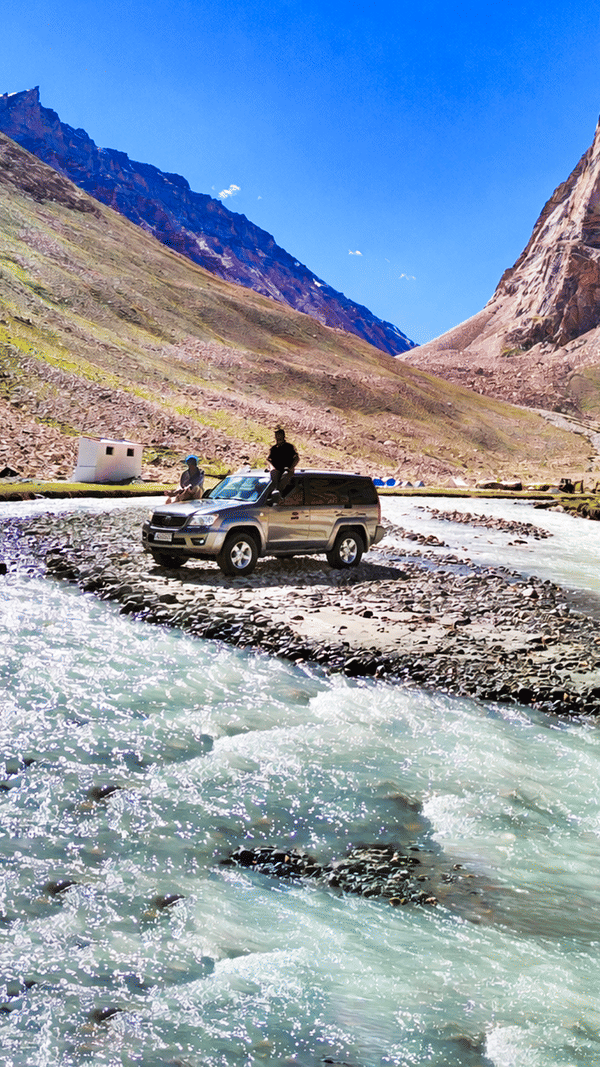
- Never power through a water crossing without checking depth first. Glacial melt creates stream crossings on roads, especially on the Manali-Leh highway, and what looks shallow can swallow a wheel.
- Do not rely solely on a single fuel stop. Carry a spare fuel can on remote routes like Tso Moriri or the Umling La road.
If you are planning a Ladakh bike trip, all of this goes double. Motorcycle travellers face additional hazards from cold-induced numbness in hands and feet, which slows reaction time dramatically.
Avoid Ladakh trip planning mistakes and pack proper riding gloves, layered clothing, and a toolkit with basics: puncture repair kit, spare clutch cable, and electrical tape.
Reckless driving ranks among the most dangerous Ladakh trip mistakes, and one that puts not just you but every other traveller on that narrow road at risk.
More Amazing Ladakh Tour Packages

6 Days Leh Trip with Nubra and Pangong | Super Saver
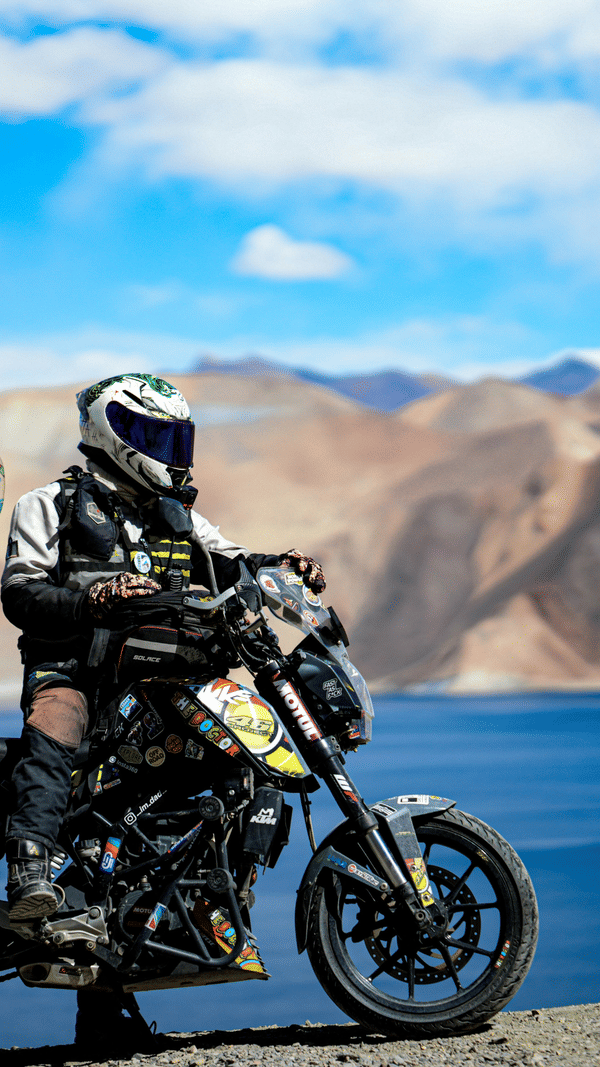
9 Days Srinagar to Leh Tour with Umling La - Pocket Saver Deal

11 Days Manali Leh Manali Tour Package with Umling La
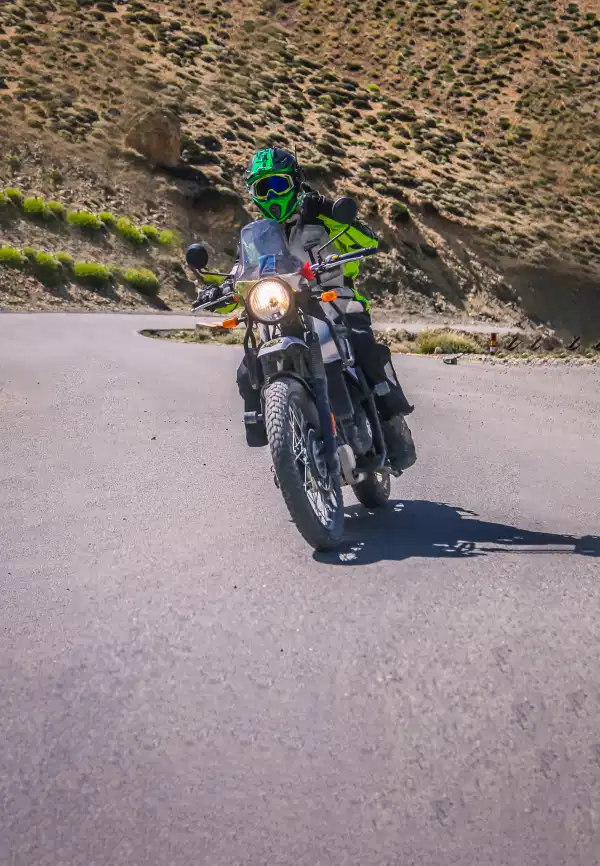
8-Day Leh Ladakh Tour Package with Turtuk and Tso Moriri
Environmental Mistakes That Can Get You Fined (or Jailed)

Ladakh enforces a strict ban on single-use plastics. This is not a polite request printed on a tourism brochure. Plastic bags, disposable cutlery, and single-use bottles can land you heavy fines or even jail time.
Carry a reusable water bottle, a cloth bag for shopping, and pack out all your trash. On treks, this applies even more strictly since there are no waste disposal facilities on most trails.
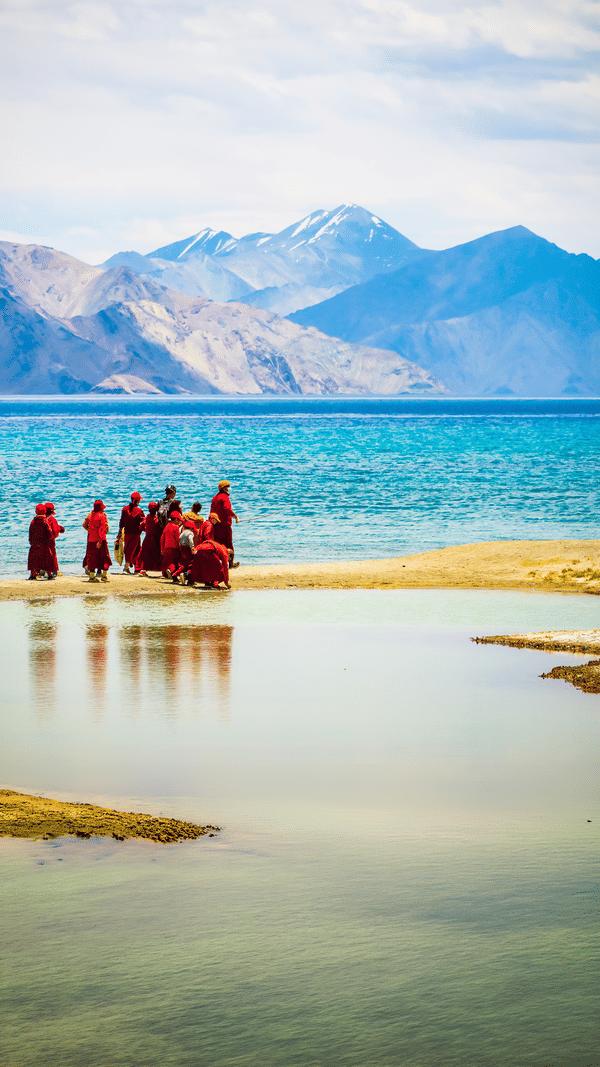
Driving off-road near sensitive areas like Pangong Lake and Tso Moriri is prohibited and damages the fragile high-altitude ecosystem.
One issue that gets far too little airtime: noise pollution. Honking excessively near monasteries, wildlife zones, or residential areas is disrespectful and, in some protected zones, restricted. Ladakh's silence is part of its identity.
Environmental rules every Ladakh visitor must follow:
- Carry a reusable water bottle and refill at guesthouses or filtered water points.
- Use cloth bags for all shopping in local markets.
- Pack out every piece of waste from treks and campsites.
- Use only established campsites, never pitch a tent in ecologically sensitive zones.
- Do not drive off-road near Pangong Lake, Tso Moriri, or any wildlife reserve.
- Avoid excessive honking near monasteries, wildlife zones, and residential areas.
Cultural Don'ts: Respecting Ladakhi Traditions

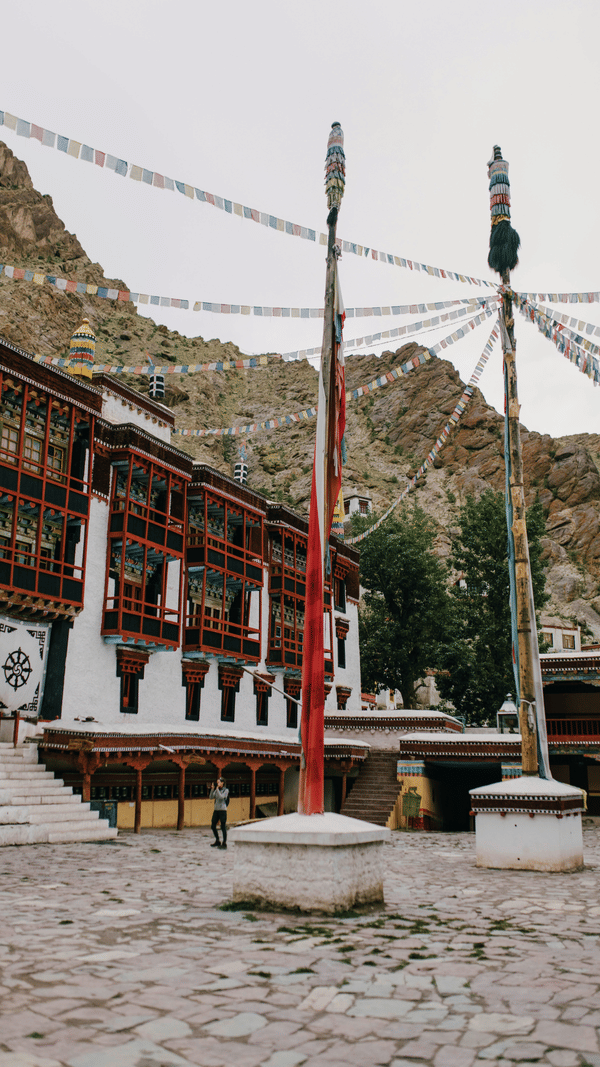
Ladakh's culture runs deep in Tibetan Buddhism, and most travellers are respectful. Still, a few recurring missteps keep surfacing. Don't enter a monastery wearing shorts, sleeveless tops, or revealing clothing. Remove shoes before entering prayer halls. Avoid touching or sitting on prayer wheels, mani stones, or religious artefacts for photo ops. Always walk clockwise around stupas, mani walls, and monasteries, following the Buddhist tradition of circumambulation.
Cultural rules to follow at monasteries and religious sites:
- Dress modestly: cover shoulders and knees before entering any monastery or gompa.
- Remove footwear at the entrance of prayer halls.
- Walk clockwise around stupas, mani walls, and monastery courtyards.
- Ask permission before photographing monks, locals, or religious ceremonies.
- Never touch or move mani stones, prayer flags, or religious artefacts.
- Keep voices low inside monastery premises.
- Do not photograph military installations under any circumstances.
If you are staying in one of the best homestays in Ladakh, be conscious of water use. Water is an incredibly scarce resource in this cold desert, and your hosts are sharing what they have. Short showers, turning off taps, and not wasting food all go a long way in showing genuine respect for your hosts.
Ladakh Itinerary Mistakes Beginners Make
Trying to see everything in five or six days is the classic beginner trap and should be on the top of a don’t do checklist for Ladakh trip. Ladakh is not a destination you "cover." Rushing from Pangong to Nubra Valley to Tso Moriri in rapid succession means you spend most of the trip in a vehicle, exhausted and altitude-sick, barely absorbing anything.
A thoughtful Ladakh itinerary gives each major destination at least one full day, with buffer days for weather delays and rest.
Then there is the false economy of booking the cheapest accommodation everywhere. Ladakh nights are cold, even in July. A room with no heating can make your stay uncomfortable and unbearable.
If you are travelling with family, particularly children or elderly members who are more vulnerable to altitude and cold, a Ladakh family trip with pre-arranged comfortable stays and medical support makes a genuine difference.
Thrilling Ladakh Tour Packages

8D Ladakh with Umling La | Himalayan 450 CC | Exclusive Trip with WanderOn
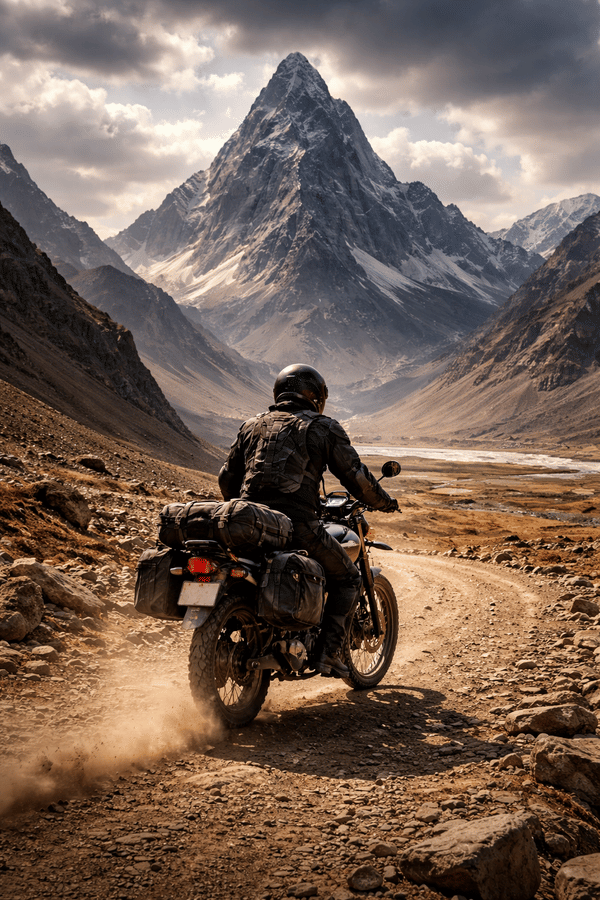
6 Days Zanskar Bike Trip from Manali | Monasteries and Mountains
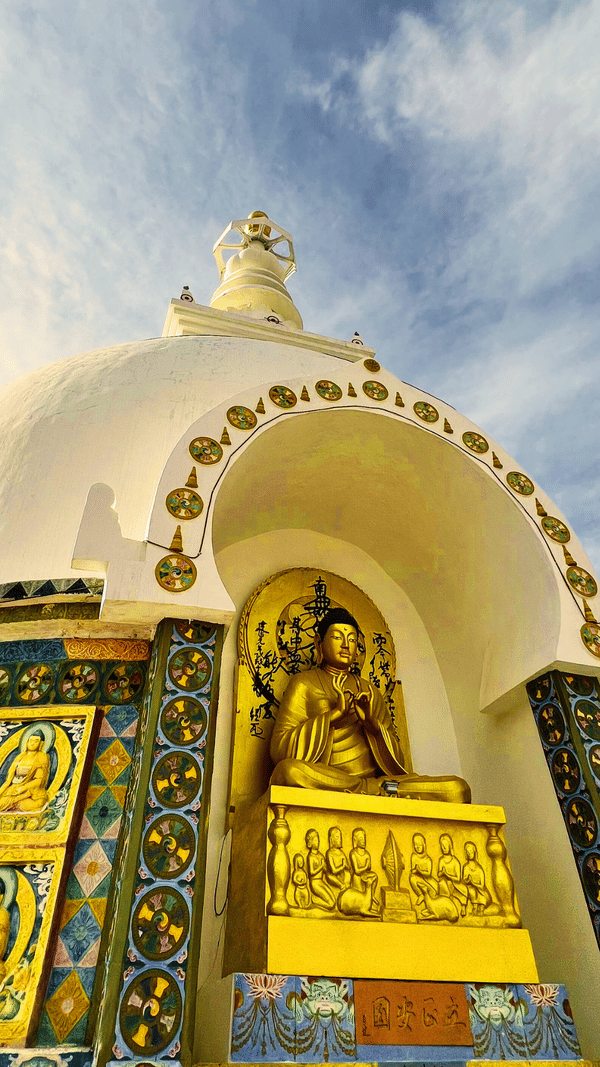
8 Days Thrilling Leh Ladakh Tour Package with Umling La
8 Days Thrilling Leh Ladakh Tour Package with Umling La
Packing Mistakes to Avoid in Ladakh

Overpacking and underpacking are both real problems. The answer is layering. Ladakh's temperature can swing from 30°C in direct sunlight to below 0°C after sunset, sometimes within the same day.
You need a solid base layer (thermals), an insulating mid-layer (fleece or down jacket), and a windproof, waterproof outer shell. Not packing well is one of the most important Ladakh travel mistakes to avoid.
Packing essentials you must not forget:
- Thermal base layers (top and bottom).
- Fleece or down insulating mid-layer.
- Windproof and waterproof outer shell jacket.
- SPF 50+ sunscreen (UV radiation at altitude burns in under 30 minutes).
- UV-protective sunglasses.
- SPF lip balm (dry air and wind cause severe chapping).
- Diamox (acetazolamide) after consulting your doctor.
- Painkillers, ORS sachets, and anti-diarrheal medication.
- At least ₹10,000 to ₹15,000 in cash (ATMs are unreliable outside Leh).
- Power bank and car charger (electricity is inconsistent at remote camps).
- Offline maps downloaded before leaving Leh.
Sunscreen with SPF 50+ and UV-protective sunglasses are non-negotiable; UV radiation at altitude can burn exposed skin in under 30 minutes. Carry at least ₹10,000 to ₹15,000 in cash beyond your digital budget, because ATMs in Leh are unreliable and digital payments fail in most remote areas. A power bank and car charger are essential since electricity supply is inconsistent at remote camps and homestays.
The Complete Don't Do Checklist for a Ladakh Trip

Bookmark these things not to do in Ladakh and revisit them at every stage of your journey:
- Don't skip the 48-hour acclimatisation in Leh after flying in.
- Don't drink alcohol, smoke, or take sleeping pills in the first 48 to 72 hours.
- Don't travel without the required Environment Fee and Red Cross Fund receipts (or PAP for foreign nationals).
- Don't drive at night or overtake on blind curves.
- Don't use single-use plastics anywhere in Ladakh.
- Don't drive off-road near Pangong Lake, Tso Moriri, or other ecologically sensitive zones.
- Don't enter monasteries in inappropriate clothing or photograph people without permission.
- Don't try to cover every destination in under a week.
- Don't rely solely on digital payments or a single ATM withdrawal.
- Don't ignore pre-existing health conditions or skip a medical consultation before the trip.
- Don't drive at night on mountain roads under any circumstances.
- Don't camp outside designated campsites in protected areas.
- Don't photograph military installations.
- Don't power through water crossings without checking depth first.
Outstanding Ladakh Tour Packages

7 Days Leh Ladakh Tour Package With Turtuk Village
9 Days Thrilling Srinagar to Leh Tour Package with Umling La

Thrilling Experiential Ladakh Tour With Umling La: SUV Edition

5-Day Leh Ladakh Tour: Khardung La Adventure
Wrapping Up: Your Ladakh Trip, Done Right
The don't do checklist for a Ladakh trip distills to three principles: respect the altitude, respect the environment, respect the culture. Most Ladakh travel mistakes stem from treating the region like any other tourist destination. It is not one. Plan for the altitude. Carry the right documents. Pack smart. Drive carefully. Leave no trace.
If you would rather not juggle all of this planning yourself, organised group trips handle permits, acclimatisation schedules, vehicle maintenance, and accommodation so you can focus on the experience. Browse WanderOn's travel guides for more destination-specific advice, or explore their international tour packages if Ladakh has sparked a bigger travel itch.
Frequently Asked Questions
What are the biggest mistakes in the Ladakh trip?
Ignoring acclimatization, rushing itinerary, overexerting on arrival, poor hydration, skipping permits, underestimating altitude sickness, wrong clothing, overpacking, riding recklessly, and not checking weather or road conditions in advance.
What should I avoid in Ladakh?
Avoid alcohol, smoking, and heavy exercise initially. Don’t ignore AMS symptoms, litter, disrespect locals or monasteries, travel at night, skip acclimatization days, or rely completely on mobile networks.
How to prepare for a Ladakh trip?
Build stamina, consult a doctor, pack layered clothing, carry medicines, plan acclimatization days, book stays in advance, arrange permits, keep cash, and research routes, weather, and transport options thoroughly.
What are the most common mistakes in a Ladakh trip?
Skipping rest on arrival, poor planning, ignoring AMS signs, overconfidence in driving, inadequate packing, lack of fuel planning, tight schedules, and not accounting for unpredictable weather and road closures.


