


If you are wondering “how to experience Ladakh festivals like a local?” Ladakh summer festivals are your answer. And if you’re already planning a trip or even a Ladakh bike trip, timing it around these festivals completely changes the experience.
Because this is when Ladakh shifts from quiet to vibrant. Monasteries are no longer just places you visit, they become active spaces filled with chants, music, and movement. Villages gather, families travel from nearby regions, and courtyards turn into stages for rituals that have been followed for centuries.
Festivals like Hemis Tsechu bring grand masked dances and spiritual storytelling, while Yuru Kabgyat at Lamayuru stands out for its dramatic setting and powerful rituals. Sindhu Darshan offers a completely different experience, focusing on culture and unity along the Indus River.
If you are planning around Ladakh festivals 2026, these events give you a more complete understanding of the region, far beyond what you see on a regular Ladakh trip.
1. Saka Dawa Festival (The Holiest Buddhist Day)

2026 Date: 31 May
Location: Celebrated all across Ladakh, especially at Leh Polo Ground and many monasteries
Why it’s important:
Also called “Buddha Purnima,” this day marks the birth, enlightenment, and passing away of Lord Buddha. Saka Dawa Festival is considered the most sacred day for Buddhists.
What happens during the festival:
- Tarboche Flagpole Change: Monks replace an old prayer flagpole with a new one. People believe that if the pole stands straight, the year ahead will be lucky and peaceful.
- Doing Good Deeds: People avoid eating meat, free animals like birds or fish, and walk around holy places (this is called kora) to earn good karma.
- Cham Dances: In some monasteries, monks perform special masked dances to remove bad energy and protect people.
Best-Selling Ladakh Tour Packages
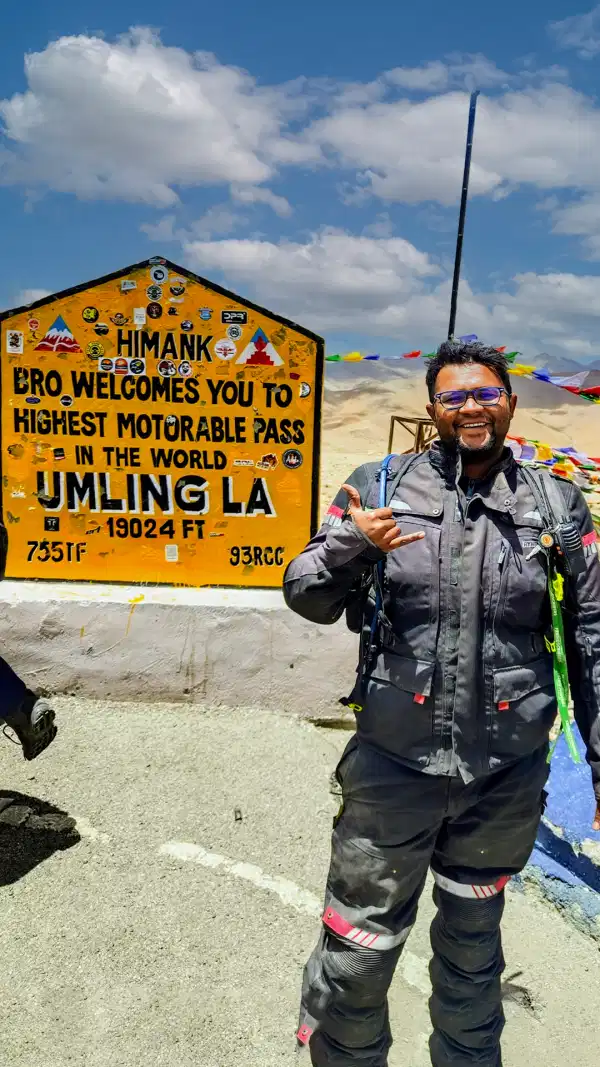
Best Ladakh Bike Trip from Srinagar to Manali | Umling La | Tso Moriri
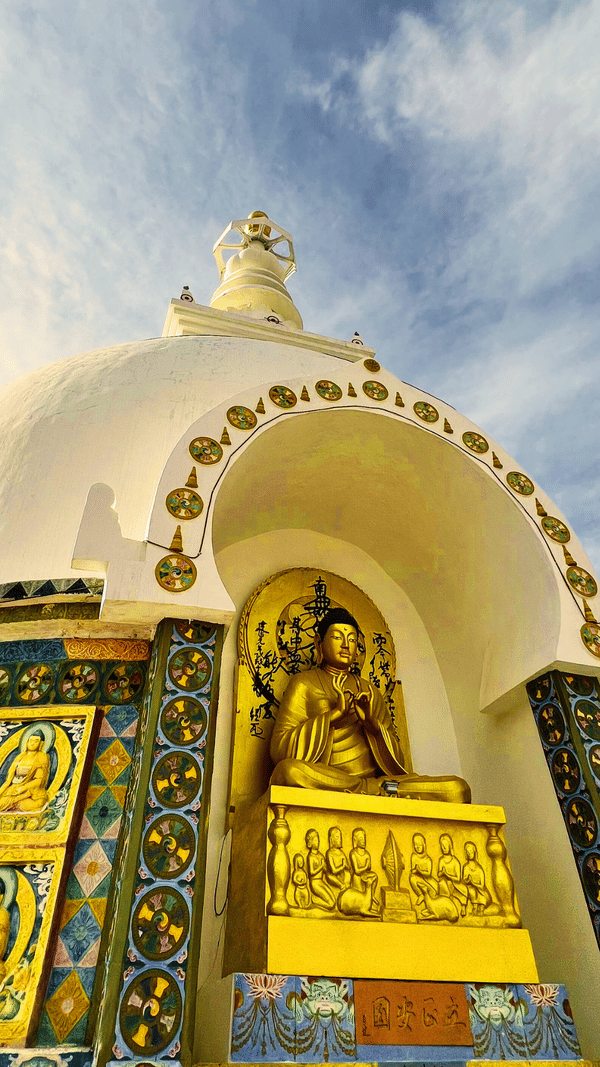
8 Days Thrilling Leh Ladakh Tour Package with Umling La
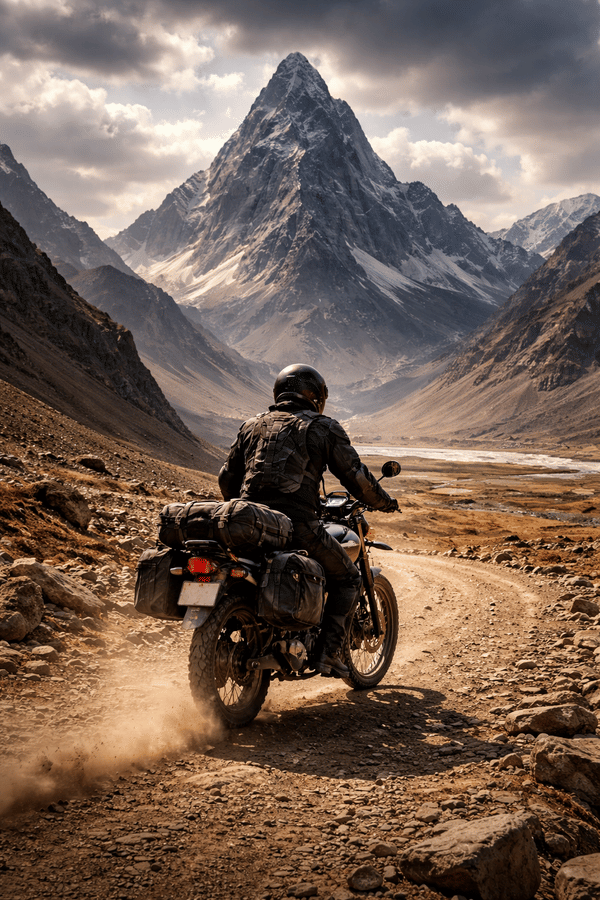
6 Days Zanskar Bike Trip from Manali | Monasteries and Mountains
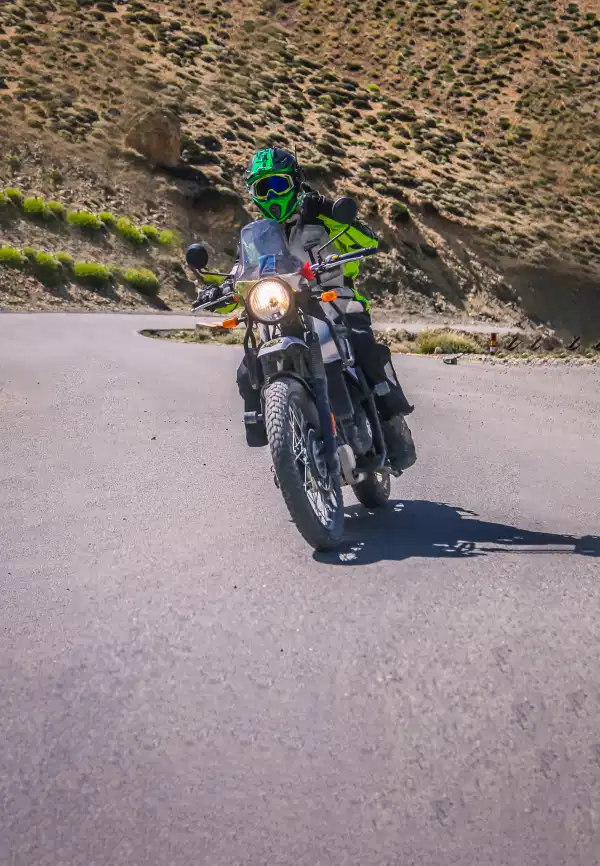
8-Day Leh Ladakh Tour Package with Turtuk and Tso Moriri
2. Sindhu Darshan (A Tribute to the Indus River)

2026 Dates: 22–27 June
Location: Sindhu Ghat near Shey Village, on the Indus River
Why it’s important:
This summer festival in Ladakh celebrates the Indus River, which is very important in Indian history. It also represents unity, bringing people from different parts of India together. Among major Ladakh festivals 2026, this one is special as it marks the 30th anniversary and will be celebrated as the first Sindhu Kumbh Mela.
What happens during the festival:
- River Ceremony: People bring water from different rivers across India and pour it into the Indus. This shows unity in diversity.
- Prayers and Celebrations: Monks perform prayers by the river, followed by cultural performances, music, and bonfires from different Indian states.
3. Yuru Kabgyat (The Masked Dance Festival)

2026 Dates: 13–14 June
Location: Lamayuru Monastery, about 115 km from Leh, in the “Moonland” region
Why it’s important:
This is one of the most unique Ladakh summer festivals, dedicated to Yama (Lord of Death) and Guru Padmasambhava. It is believed to protect people from disasters and remove evil spirits.
What happens during the festival:
- Masked Cham Dances: Monks wear colourful masks and perform slow, powerful dances showing the victory of good over evil, with music from drums and long pipes.
- Final Ritual: On the last day, offerings are burned in a procession. Locals whistle loudly to drive away negative energy.
4. Hemis Festival Ladakh (The Grandest Celebration)

2026 Dates: 24–25 June
Location: Hemis Monastery, around 45 km from Leh
Why it’s important:
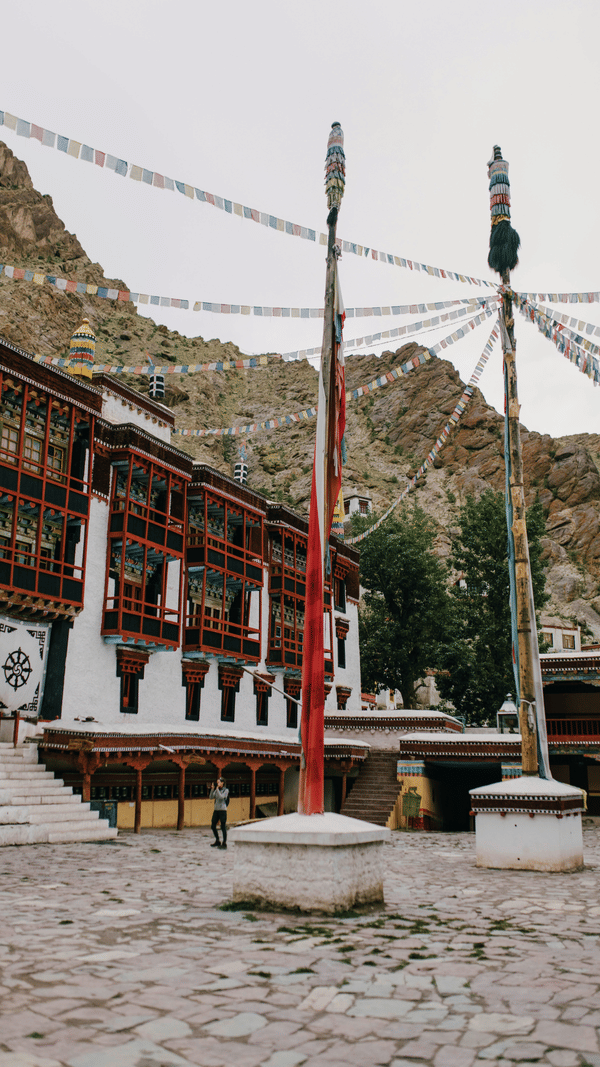
Hemis Festival Ladakh is the biggest and most famous among all Ladakh monastery festivals. It celebrates the birth anniversary of Guru Padmasambhava (Guru Rinpoche), who brought Buddhism to the Himalayan region.
What to expect:
- Sacred Cham Dances: Monks wear bright silk costumes and large masks and perform powerful dances in the monastery courtyard, with music from cymbals and long horns.
- Eight Forms of Guru Rinpoche: During the festival, special dances show the different forms (manifestations) of Guru Padmasambhava.
- Thangka Display: A huge two-storey thangka is shown every 12 years (next in 2028), but smaller sacred thangkas are displayed every year.
5. Shachukul Kabgyat (The Remote Eastern Festival)

2026 Dates: 2–3 July
Location: Shachukul Monastery, about 125 km east of Leh, near Pangong Lake in the Changthang region
Why it’s important:
This is one of the lesser-known Ladakh monastery festivals, dedicated to spiritual protectors like Achi Chokyi Dolma and Mahakala. It belongs to the Drikung Kagyu tradition of Buddhism. If you want a quieter and more authentic Ladakh summer festival June July experience, this is a great choice.
What to expect:
- Peaceful & Local Experience: Since it’s far from the main tourist areas, this festival feels more real and less crowded.
- Monastic Rituals: The dances and prayers focus on protecting people and celebrating Buddhist teachings.
Best Ladakh Travel Packages for Summer 2026
7 Days Thrilling Ladakh Tour with Umling La - Classic Value Circuit

Great Lakes of Ladakh: Manali to Srinagar - 9 Days Value Expedition
Manali to Srinagar Ladakh Trip with Umling La & Nubra Valley - Pocket Saver
11 Days Value Edition Ladakh Tour: Srinagar to Manali with Umling La
6. Phyang Tsedup (The "Smiling Lamas" Festival)

2026 Dates: 12–13 July
Location: Phyang Monastery, around 17–20 km from Leh
Why it’s important:
This festival is dedicated to Skyoba Jigten Gombo, the founder of the Drikungpa order. It is one of the more unique Ladakh summer festivals because of its longer performances and rituals.
What to expect:
- Long Cham Dances: The masked dances here are longer than usual, sometimes lasting up to 30 minutes each.
- Annual Thangka Display: Unlike Hemis, a large thangka is displayed every year during this festival.
- Final Ritual: The Phyang Tsedup festival summer ends with the burning of “Storma” (ritual figures) to remove bad energy and negativity.
7. Korzok Gustor (The Zanskar Highlight)

2026 Dates: 11–12 July
Location: Karsha Monastery, the largest monastery in Zanskar, overlooking Padum
Why it’s important:
This is a “Gustor” festival, which means it celebrates the victory of good over evil. It’s one of the most important Ladakh summer festivals in the remote Zanskar region.
What to expect:
- Black Hat Dance: Monks perform a powerful masked dance to drive away evil spirits and protect the community.
- Effigy Ritual: The festival ends with a symbolic ritual called “Argham,” where a sacrificial cake is cut. This represents destroying ego and negative energy.
8. Takthok Tsechu

2026 Dates: 24–25 July
Location: Takthok Monastery, in Sakti village, about 46 km from Leh
Why it’s important:
This is the only festival in Ladakh linked to the Nyingma school, the oldest sect of Tibetan Buddhism. The monastery itself is very special because it is built around a cave where Guru Padmasambhava is believed to have meditated.
What to expect:
- Guru Tsengyat Dances: Monks perform dramatic masked dances showing the eight forms of Guru Padmasambhava.
- Spiritual Offerings: Large ritual cakes called Stormas are prepared and offered to protect people from natural disasters and negative energy.
9. Nomadic Festival

2026 Dates: 9–10 August
Location: Changthang region (often in Hanle or Korzok)
Why it’s important:
Unlike monastery-based Ladakh summer festivals, this one focuses on the Changpa nomads and their way of life. It celebrates their culture, traditions, and survival in high-altitude regions.
What to expect:
- Traditional Sports: Horse racing and archery competitions that are fun and energetic to watch.
- Local Crafts & Food: Stalls selling yak wool products, fresh yak cheese, and traditional dishes.
- Nomadic Lifestyle: Visitors can see and even step inside Rebo (yak-hair tents) to understand how nomads live.
Top Ladakh Trip Packages for Every Traveller

Leh Ladakh Family Trip – A Perfect Blend of Adventure & Togetherness

Living the Ladakh Dreams- Exclusive Ladakh Luxury Packages

8 Days Best Luxury Trip To Ladakh- Where stunning landscapes meets luxury

10 Day Ladakh package for couple- Mix of Romance and Adventure!
10. Ladakh Festival

2026 Dates: 21–24 September
Location: Leh Town, starting from the main market to the Polo Ground
Why it’s important:
This is one of the biggest Ladakh festivals 2026, organised to showcase the culture of the entire region before winter begins. It brings together traditions from different parts of Ladakh in one place.
What to expect:
- Cultural Parade: Groups from Nubra, Zanskar, and other regions walk in traditional dress, showing their unique identities.
- Polo & Archery: Fast-paced matches of polo and archery, which are deeply rooted in Ladakhi history.
- Evening Performances: Folk music, dance shows, and modern performances in the heart of Leh.
Even though it happens towards autumn, it still carries the vibrant spirit of Ladakh summer festivals and is the perfect way to end your trip.
How to Plan Ladakh Festival Trip in Summer?

Planning your trip around Ladakh summer festivals is one of the smartest ways to experience the region beyond sightseeing. Here’s how to do it right without overcomplicating things:
1. Pick your festival first
Decide which festival you want to attend. Dates are fixed, so this becomes the base of your entire plan.
2. Plan your route around it
Once you know where the festival is, plan nearby places accordingly. This saves time and avoids unnecessary travel.
3. Book early
During festival time, flights, stays, and transport get booked quickly. It’s better to plan in advance than struggle later.
4. Give your body time to adjust
Ladakh is at a high altitude, so spend a couple of days in Leh before moving around.
5. Keep extra days
Weather can change anytime. A buffer day or two helps you stay relaxed if plans shift.
6. Pack smart
Even in summer, it can get cold. Carry layers, sunscreen, and clothes suitable for monastery visits.
7. Respect the culture
These festivals are religious events, not performances. Stay calm, observe quietly, and be mindful while taking photos.
8. Don’t skip nearby places
Balance your trip with a few scenic spots so it doesn’t feel rushed or repetitive.
9. Experience local life
Try local food, interact with people, and take it slow. That’s where the real experience comes from.
10. Keep it simple
You don’t need to cover everything. Even one good festival experience can make your trip memorable.
How to Experience Ladakh Festivals like a Local?

It’s not about just showing up, it’s about how you show up.
- Arrive early, stay longer
Locals don’t rush in for the main event. They come early, settle in, and stay through the rituals. Do the same instead of hopping in and out.
- Sit, observe, don’t just click
It’s tempting to record everything, but festivals here are meant to be experienced. Watch the dances, listen to the chants, notice the details.
- Dress and behave respectfully
Simple, modest clothing works best. Sit quietly during rituals and avoid blocking views or moving around too much.
- Follow the local rhythm
Eat where locals eat, take breaks when they do, and don’t try to “optimize” everything. These festivals are slow for a reason.
- Talk to people
A simple conversation with a local can tell you more than any guide. Ask what the rituals mean or how they celebrate.
- Stay nearby if possible
Instead of doing a quick visit, spend a night in the same village or area. The vibe before and after the festival is just as special.
- Don’t treat it like a show
This is the most important part. These are real spiritual and cultural events, not performances. The more respectfully you experience them, the more meaningful they feel.
What Makes Ladakh Summer Festivals So Unforgettable?

Think of it like this. It’s not just a festival, it’s like the whole place comes alive for a reason.
First, the location makes it special. These festivals don’t happen in halls or big grounds. They happen in monasteries, surrounded by mountains, where chants echo and everything feels calm but powerful. That’s when people start wondering how to experience Ladakh festivals like a local? because just watching from a distance doesn’t feel enough.
Then come the dances and rituals. Monks wear big masks, move slowly, and perform stories through their actions. It’s not random. Every step means something, even if you don’t fully understand it.
The timing also matters. Most Ladakh summer festival dates fall during the best weather, so roads are open, skies are clear, and you can actually travel easily from one place to another.
And the best part? The people. Locals don’t treat it like a show. They sit, watch, pray, talk, and just be there. When you slow down and do the same, you start feeling connected instead of just being a tourist.
That’s what makes it unforgettable. It’s not just what you see, it’s how it makes you feel when you’re part of it.
Frequently Asked Questions
What are the best summer festivals in Ladakh 2026?
Some of the best summer festivals in Ladakh include Hemis Tsechu, Yuru Kabgyat, and Sindhu Darshan. Each one offers a different vibe, from grand monastery rituals to cultural celebrations by the Indus River.
What is the best time to visit Ladakh for summer festivals?
The ideal time is June to August, when most summer festivals in Ladakh take place. The weather is pleasant, roads are open, and multiple festivals happen across regions.
Which is the biggest summer festival in Ladakh?
Hemis Tsechu is considered the biggest summer festival in Ladakh. It attracts large crowds for its vibrant masked dances and spiritual significance
Is June a good time to visit Ladakh for festivals?
Yes, June is one of the best months as major events like Hemis Tsechu and Sindhu Darshan happen during this time.


