


Most Ladakh itineraries revolve around the usual highlights, but far beyond them lies Tsaga La Pass, sitting at an altitude of around 4,635 metres (15,207 ft) in the remote Changthang region. Positioned on the strategic Chushul–Loma–Hanle route, this high-altitude pass is less about sightseeing and more about experiencing Ladakh in its rawest, most untouched form.
Unlike popular passes, Tsaga La sees very limited traffic, has no commercial infrastructure, and lies close to the Line of Actual Control, making permits and planning essential. The terrain here is defined by gravel tracks, sandy stretches, and vast open valleys, with almost no network connectivity or fuel stations nearby. This is where typical Ladakh trip packages usually stop, and more immersive journeys begin.
For those opting for Ladakh bike tour packages, Tsaga La offers a thrilling stretch that tests both skill and endurance, while rewarding you with unmatched solitude and sweeping high-altitude landscapes.
If you’re looking to go beyond Ladakh’s mainstream routes, Tsaga La is where the journey truly starts to feel like an expedition.
Quick Information About Tsaga La Pass Ladakh

- Location: Southeastern Ladakh, near the Indo-China border region
- Tsaga La Pass Altitude:~4,600 meters (15,090 feet)
- Tsaga La Pass Ladakh Route: Lies on the road connecting Nyoma–Loma–Chushul circuit
- Best Time to Visit: May to September (winters are extremely harsh and often inaccessible)
- Tsaga La Road Condition: Mostly rough, off-road patches with some gravel and dirt tracks
- Permit Required: Yes (Inner Line Permit is mandatory due to sensitive border area)
- Distance from Leh:~165 km
- Nearest Village: Tsaga Village (approx. 5 km from the pass)
- Wildlife: Excellent for spotting Kiang (Tibetan wild ass) and Black-necked Cranes
- Facilities: None. No fuel, food, or mobile connectivity between Chushul and Loma.
Explore Our Ladakh Travel Packages

7 Days Leh Ladakh Tour Package With Turtuk Village
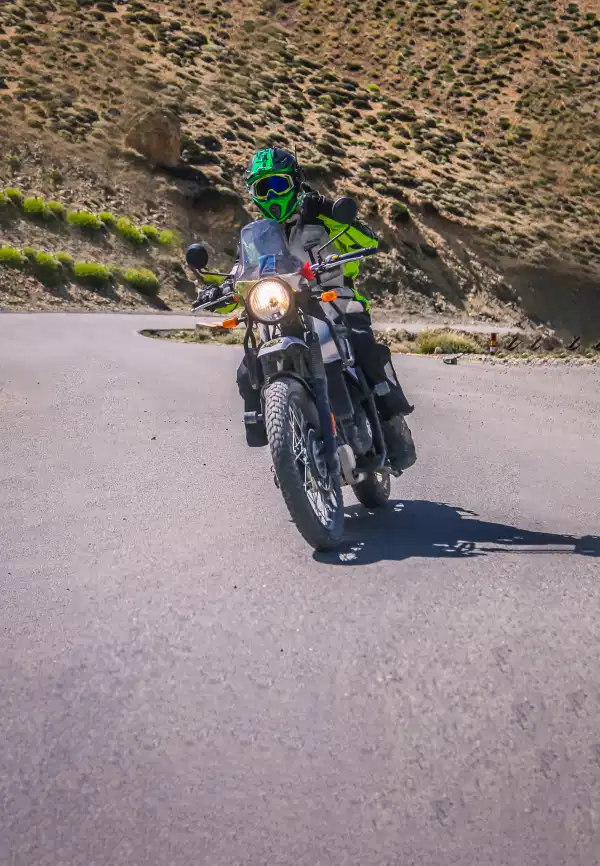
8-Day Leh Ladakh Tour Package with Turtuk and Tso Moriri
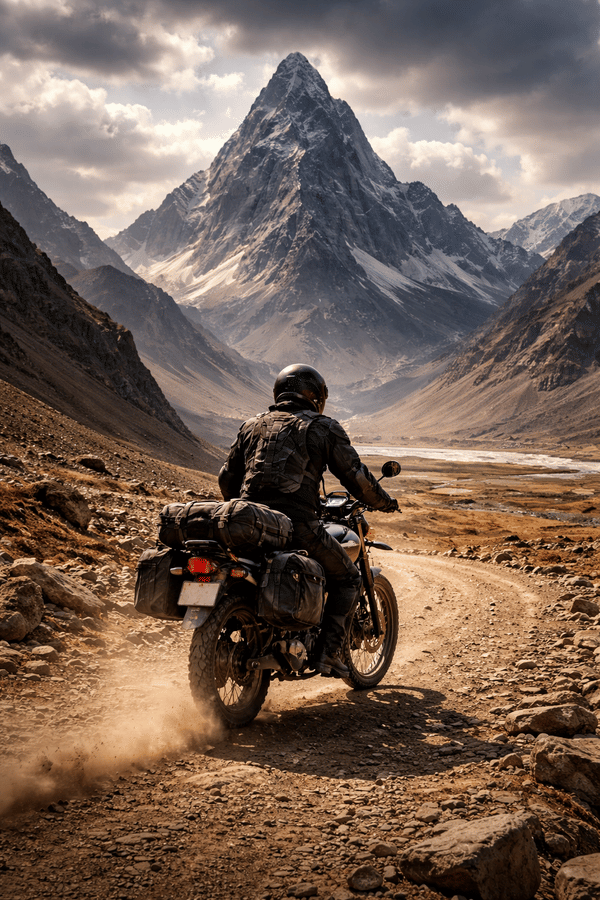
6 Days Zanskar Bike Trip from Manali | Monasteries and Mountains
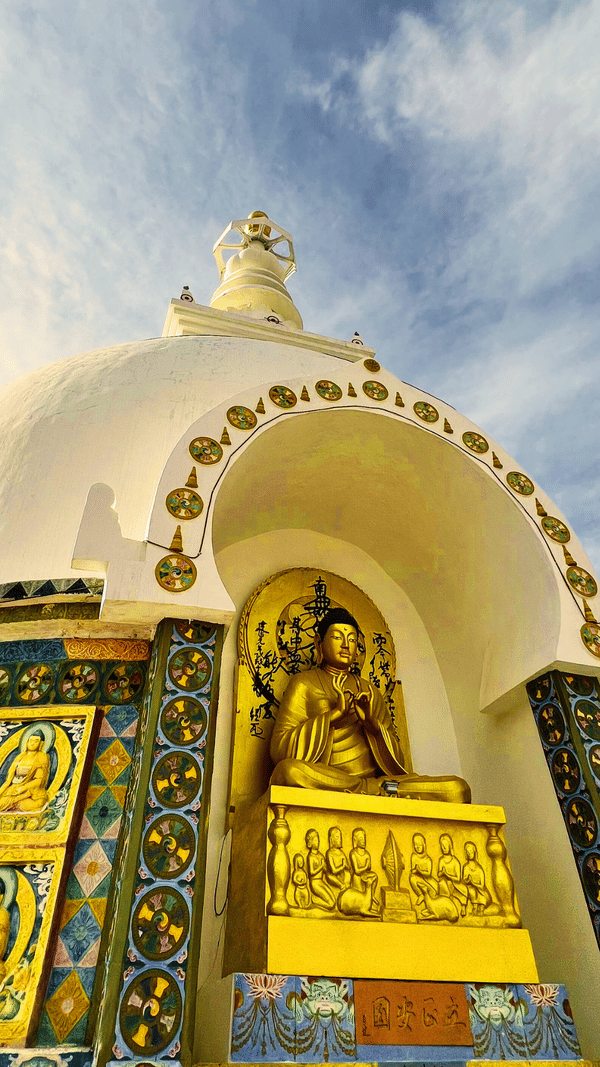
8 Days Thrilling Leh Ladakh Tour Package with Umling La
Best Time to Visit Tsaga La Pass

The best time to visit Tsaga La Pass Ladakh is from June to September. During this period, most of the snow has melted, making the rugged dirt tracks more navigable, and the weather is comparatively stable for high-altitude travel.
Seasonal Breakdown
- Peak Season (June – August):
This is when the region sees the highest number of travelers. Key routes, including the sensitive Chushul–Hanle corridor, are fully open. Daytime temperatures typically range between 5°C to 15°C, though strong winds can make it feel much colder, sometimes even sub-zero despite sunlight.
- Ideal Window (September):
Often considered the hidden sweet spot, September offers firm Tsaga La road conditions, crystal-clear skies, and excellent visibility. It’s the perfect time for photography, especially around the nearby Rezang La massif, with sharp landscapes and deep blue skies.
Shoulder Season (April – May & October):
- Early season travel can be tricky as melting snow creates soft, unstable patches, challenging for non-4x4 vehicles.
- By October, temperatures drop quickly, and the onset of winter in Ladakh makes travel harsher and less comfortable.
Periods to Avoid
Winter (November – April):
This is not a safe time to visit. Temperatures can plunge to -20°C to -30°C, and heavy snowfall makes roads nearly invisible and extremely dangerous, especially on remote dirt trails.
Best Time of Day to Cross
- 10:00 AM – 3:00 PM: Safest window with better visibility and relatively warmer conditions
- 8:00 AM – 10:00 AM: Ideal for photography, as morning light enhances shadows and textures across the high-altitude desert landscape
How to Reach Tsaga La Pass

Reaching the pass Tsaga La in Ladakh is an adventure in itself. This remote high-altitude pass is accessible only by road, typically as part of a multi-day journey between Pangong Tso and Hanle. There is no public transport, so you’ll need a private vehicle or a capable bike.
Primary Routes to Tsaga La Pass Ladakh
1. From Pangong Tso (Scenic Route)
This is the most preferred and visually stunning route, especially for those doing the Pangong to Hanle via Tsaga La circuit.
- Route: Spangmik → Man → Merak → Chushul → Tsaga La
- Distance:~70–80 km from Pangong’s southern shores
- Tsaga La Road Conditions:
- High-altitude dirt tracks
- Sandy stretches along the lake
- Occasional rough and broken sections
- Vehicle Advice: A 4x4 SUV or high ground clearance vehicle is strongly recommended, especially for sand patches
- This Tsaga La Pass Ladakh route stands out for its raw beauty and remote landscapes, with very limited traffic.
2. From Leh (Direct / Conventional Route)
A more direct approach if you’re not including Pangong Lake first.
- Route: Leh → Karu → Upshi → Chumathang → Loma → Tsaga La
- Distance:~165 km from Leh
- Road Conditions:
- Smooth paved roads till Loma
- Followed by gravel, dirt tracks, and off-road patches toward the pass
Transport Options
Private Taxi:
- Hire vehicles like Innova, Scorpio, or XUV through local taxi operators (commonly regulated by Leh taxi unions)
Motorcycles:
- Adventure bikes like the Royal Enfield Himalayan are ideal due to their high clearance and stability on rough terrain
- Rentals available via agencies such as Bharat Bike Rental or Two Wheels Adventure
Fuel Planning:
- Last reliable fuel station: Karu (about 35 km from Leh)
- Carry 10–20 litres of extra fuel in jerry cans
- No petrol pumps in the Chushul–Loma sector
Things to Do at Tsaga La Pass Ladakh

Situated at an altitude of around 4,635 metres (15,207 ft), the pass Tsaga La in Ladakh is less of a stopover and more of an experience-driven transit point.
Due to its extreme isolation and proximity to the Line of Actual Control (LAC), activities here revolve around the raw beauty of the high-altitude desert and nearby historic sites.
1. High-Altitude Photography
The pass offers 360-degree panoramic views of the vast Changthang plains - rolling brown hills, sandy valleys, and endless open skies. The straight, unpaved roads create perfect leading lines for dramatic landscape shots against deep blue skies.
2. Wildlife Spotting
This region is part of a fragile Trans-Himalayan ecosystem. Keep an eye out for:
- Kiang roaming freely across the plains
- Black-necked Crane, a rare and graceful species found in select high-altitude wetlands
3. Observe Nomadic Life
You may come across the Changpa nomads living in traditional Rebo tents, herding their prized pashmina goats across the windswept terrain, offering a rare glimpse into one of the most resilient lifestyles in Ladakh.
4. Sunrise & Sunset Views
At this altitude, light behaves differently. The sky turns shades of orange, pink, and deep purple.
- Best photography window: 8:00 AM – 10:00 AM
- Textures of the landscape appear sharper and more dramatic during early light
Best-Selling Ladakh Tour Packages
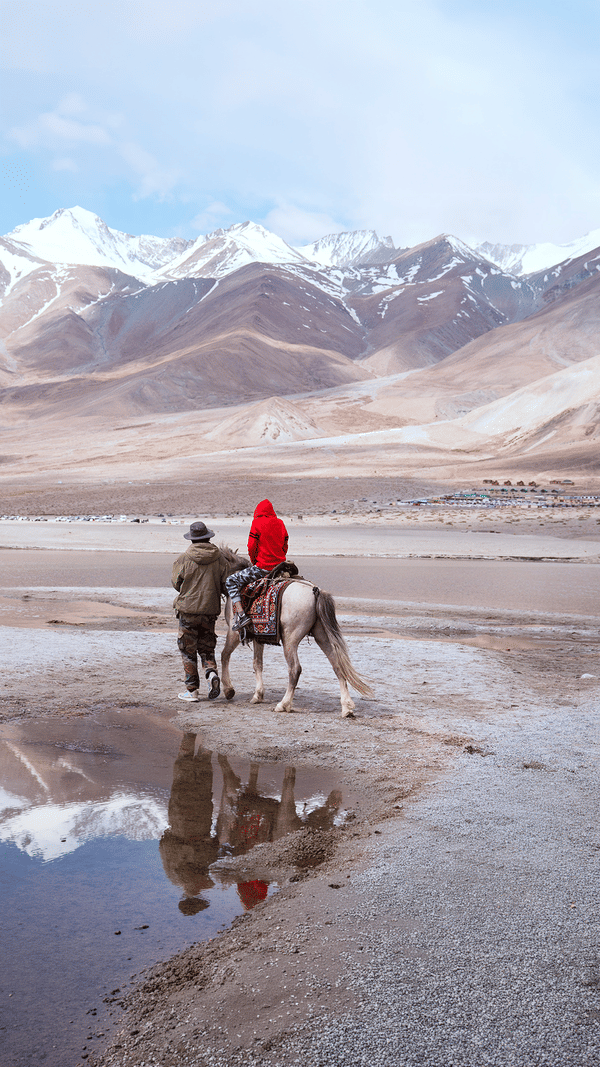
11 Days Manali Leh Umling La Manali - Value Saver Escape
11 Days Value Edition Ladakh Tour: Srinagar to Manali with Umling La

Great Lakes of Ladakh: Manali to Srinagar - 9 Days Value Expedition

6 Days Ladakh Family Trip: A Blend of Adventure and Togetherness
Places to Visit Near Tsaga La Pass

While the Tsaga La Pass itself is a brief stop, the surrounding region is filled with historic, scientific, and offbeat natural attractions that make the journey truly memorable. Here are some of the top things to do near Tsaga La Pass:
- Rezang La War Memorial
Located about 15–20 km from the pass, this is a must-visit. It honors the 114 soldiers of the 13 Kumaon Regiment who fought during the Sino-Indian War. The site now features:
- A double-storied museum
- A mini-theatre showcasing a documentary on the battle
- A café run by the Indian Army
- Chushul Village
A historic settlement near the Line of Actual Control, known for its traditional Ladakhi culture. It also serves as a key access point for travelers coming from the southern side of Pangong Tso.
- Indian Astronomical Observatory (Hanle)
Located around 50–60 km from the pass, this is one of the world’s highest astronomical observatories, operated by the Indian Institute of Astrophysics. Visitors can explore the Himalayan Chandra Telescope (day visits only).
- Hanle Dark Sky Sanctuary
India’s first designated dark-sky sanctuary, offering incredible stargazing and astrophotography opportunities thanks to minimal light pollution and crystal-clear skies.
- Loma Bend & Loma Café
A scenic junction where the road from Tsaga La meets the Indus Valley highway. The army-run café here is a popular halt for tea, snacks, and river views.
- Southern Shores of Pangong Tso
Traveling via Tsaga La lets you explore quieter villages like Merak and Man, far less crowded than the main Pangong stretch.
- Ryul Tso & Chilling Tso (Koyon Tso)
Remote twin high-altitude lakes near Hanle, perfect for travelers seeking solitude and untouched landscapes.
For extreme adventurers, Hanle serves as the gateway to this legendary pass at 19,024 ft, one of the highest motorable roads in the world.
Where to Stay Near Tsaga La Pass

There are no hotels or guesthouses at the Tsaga La Pass itself due to its extreme altitude and sensitive border location. Accommodation is available in nearby settlements like Chushul (~35 km), Hanle (~50 km), and Nyoma (~40 km).
Most stays near Tsaga La Pass are basic homestays offering simple rooms, home-cooked meals, and a warm local experience.
Stay Options in Chushul (Pangong Side)
- Ideal for travelers coming from Pangong Tso
- Close to the Rezang La War Memorial
- Rezangla Border Homestay: Authentic stay in the last border village with mountain views
- Black Top Homestay: Simple, no-frills lodging on the Chushul–Hanle route
Stay Options in Hanle (Astronomical Side)
- Best stop for stargazing and observatory visits
- Close to the Indian Astronomical Observatory
- Sonam Homestay: Affordable, well-rated, known for hospitality
- Umlingla Residency: Comfortable rooms; hosts often assist with telescope viewing
- Hanle House: More premium option with better comfort and Milky Way views
Stay Options in Nyoma (Loma Side)
- Larger settlement with better basic facilities
- Access to medical support and connectivity (limited)
- Padma Homestay: Spacious rooms, known for food and hospitality
- Karma Tongjee Homestay: Cozy stay with hot water and home-cooked meals
- Dawa Homestay: Rare option with electricity and Wi-Fi in this remote region
Traveler-Favorite Ladakh Packages for Couples

8-Day Leh Ladakh Couple Tour Package with Srinagar, Nubra & Pangong

Couple trip to leh ladakh with Hanle and Umling La– 8 Days of Romance

10 Days Ladakh Trip For Couple: Your Himalayan Love Story

6-Day Ladakh Trip For Couples with Marsimik La
Tips to Visit Tsaga La Pass Ladakh

Visiting the Tsaga La Pass (4,635 m) demands proper planning. With extreme altitude, remote terrain, and proximity to the Line of Actual Control (LAC), this isn’t a casual stop, it’s a serious high-altitude journey.
Permits & Documentation
- Pay the Ladakh environment fees and wildlife fees online (₹450–₹600 approx.)
- Carry 10+ photocopies of your permit/receipt for checkpoints like Loma and Chushul
- Ensure your permit clearly mentions the Chushul–Loma–Hanle route
- Foreign nationals need a Protected Area Permit (PAP) via a registered agent
- Travel for foreigners is allowed only in groups of at least two
Health & Acclimatisation
- Spend at least 2 days in Leh before heading to Tsaga La
- Helps reduce the risk of Acute Mountain Sickness
- Drink 3–4 litres of water daily
- Butter tea or ginger-honey tea can help with mild symptoms
- Avoid car heaters; use layered clothing to stay warm
Vehicle & Logistics
- Carry 10–20 litres of extra fuel (no pumps between Tangtse–Nyoma–Hanle)
- Expect 20–30% lower fuel efficiency at high altitude
- Prefer SUVs or 4x4 vehicles due to sand and gravel stretches
- Keep essentials: tyre inflator, puncture kit, and shovel
Strategic Restrictions & Connectivity
- Do not photograph army camps, bunkers, convoys, or checkposts
- Area is sensitive due to proximity to LAC
- No mobile network or internet connectivity
- Inform someone about your travel plan before leaving Hanle or Chushul
Essential Checklist
- Documents: Permit copies (10+), original ID
- Vehicle: Spare fuel, tyre inflator, shovel
- Health: Portable oxygen, prescribed meds, sunscreen
- Clothing: Windproof jacket, thermals, sunglasses
Why Visit Tsaga La Pass After You’ve Explored Ladakh’s Popular Routes?

If it’s your first trip to Ladakh, chances are your itinerary revolves around places like Pangong, Nubra Valley, and the famous high passes. And rightly so, they’re accessible, well-connected, and give you a solid introduction to the region. But the real shift in perspective happens when you return, looking for something quieter, rawer, and far less predictable. That’s where Tsaga La Pass Ladakh begins to make sense.
This isn’t a place you visit for landmarks or comfort. It’s a route you take when you’re ready to experience Ladakh beyond the usual circuit. Unlike the more popular passes, Tsaga La doesn’t have crowds, cafés, or signboards waiting for photos, it offers something more subtle: a sense of remoteness that’s hard to find elsewhere.
The experience is defined by the Tsaga La road condition - gravel tracks, sandy stretches, and long empty routes that demand better driving skills and planning. It’s not for first-timers, but perfect once you understand how Ladakh works.
Following a proper Tsaga La pass travel guide becomes important here, because this route is remote, less forgiving, and far less commercial.
In short, you don’t come to Tsaga La to see Ladakh, you come here when you’re ready to actually experience it.
Frequently Asked Questions
How do I reach Tsaga La Pass?
You can reach the Tsaga La Pass by road via the Chushul–Loma–Hanle route. Most travelers come either from Pangong Tso (via Merak–Chushul) or from Leh via Karu and Nyoma. Private vehicles or bikes are required, along with permits.
What is the best time to visit Tsaga La Pass?
The best time is from June to September, when snow has cleared and roads are accessible. September is especially ideal for clear skies, stable conditions, and fewer tourists.
What are some attractions near Tsaga La Pass?
Nearby highlights include the Rezang La War Memorial, Hanle (with its observatory), and the quieter southern shores of Pangong Tso. These spots add history, culture, and scenic beauty to your journey
What’s the best vehicle to drive through Tsaga La?
A 4x4 SUV or high ground clearance vehicle is best due to gravel roads and sandy patches. For riders, adventure bikes like the Royal Enfield Himalayan are ideal for handling the terrain.
Is Tsaga La Pass open throughout the year?
No, Tsaga La is not open year-round. It remains inaccessible during winter (November–April) due to heavy snowfall and extreme weather, and is typically open only in summer months.


