


So you're thinking about Europe, but can't decide when to go. Summer or winter? Trust me, this is a question every traveller gets stuck on.
Here's the thing about Europe in Summer vs Winter. Both seasons show you a completely different side of the continent. Summer is loud, golden, and full of life. Rooftop bars in Rome, beach clubs in Croatia, and sunsets that go on forever. Winter is intimate and oddly magical. Christmas markets, mulled wine, snow on old city rooftops, and far fewer tourists fighting for the same view.
The peak season vs off season Europe debate really comes down to your travel style. Do you want energy or peace? Sunshine or atmosphere? A packed itinerary or slow morning coffees in an empty square?
Whatever your answer, there is an itinerary built for you. Take a look at our Europe tour packagesand start planning the trip that actually fits how you travel.
Europe in Summer vs Winter – Quick Overview

Europe changes a lot between the summer season in Europe and the winter season in Europe. These differences affect your budget, daily plans, what you can see, and how you enjoy the trip.
- In Europe in Summer, you get long days, warm weather, buzzing beaches, and busy cities. Tourists arrive in large numbers because June, July, and August are the peak travel months.
- In Europe in Winter, it is colder, quieter, and often magical with snow, holiday lights, and seasonal markets. December is a top month in the Europe winter months for festive travel.
This guide explains what to expect from each season, including weather, crowds, costs, and the best places to visit, so you can make an informed choice before planning your Europe tourism experience.
Most Selling Europe Tour Packages
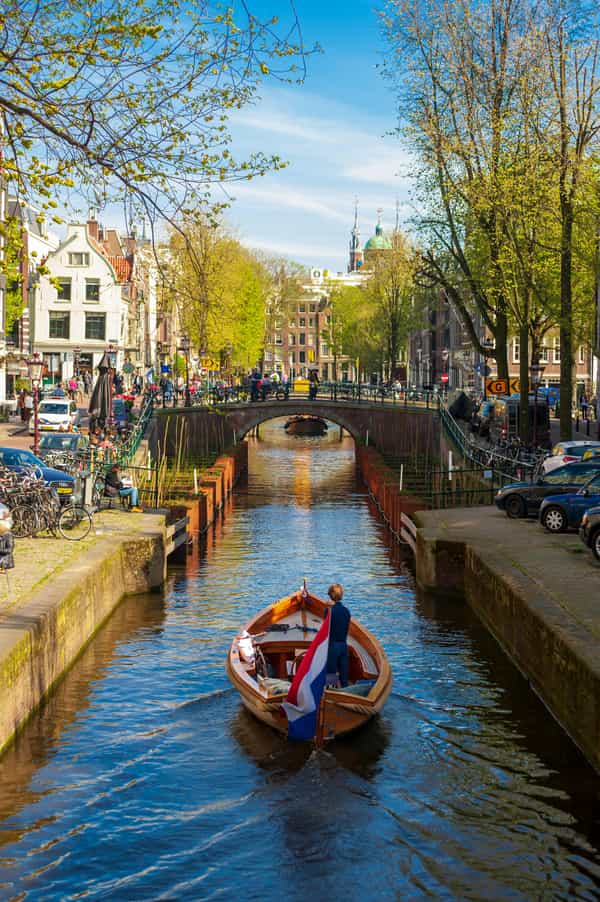
9 Days Amazing Europe Tour: France, Belgium, The Netherlands, Germany, Switzerland
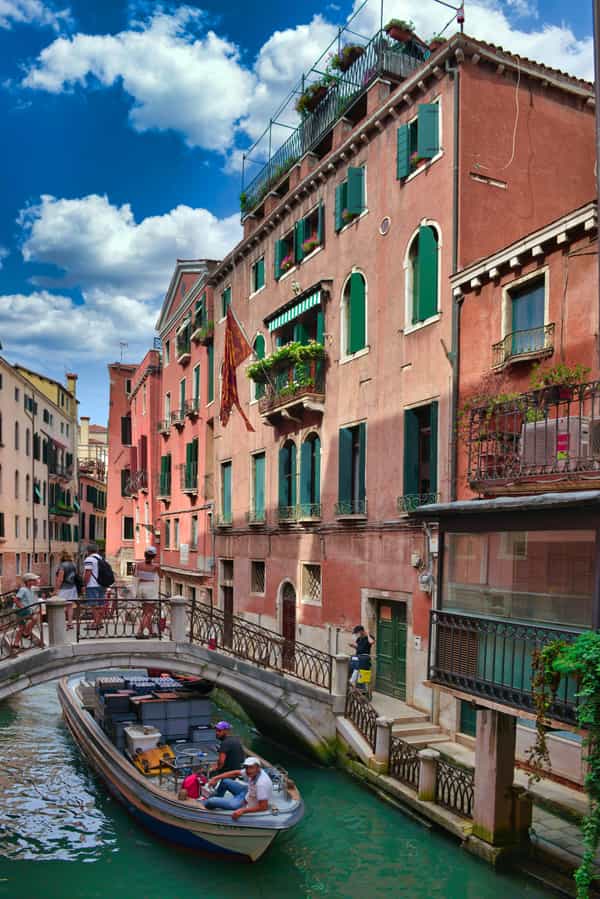
13-Days Perfect Europe Tour 2026: Paris, Switzerland, Italy & More

Best of Europe 2026: 10-Days Tour from Paris to Rome
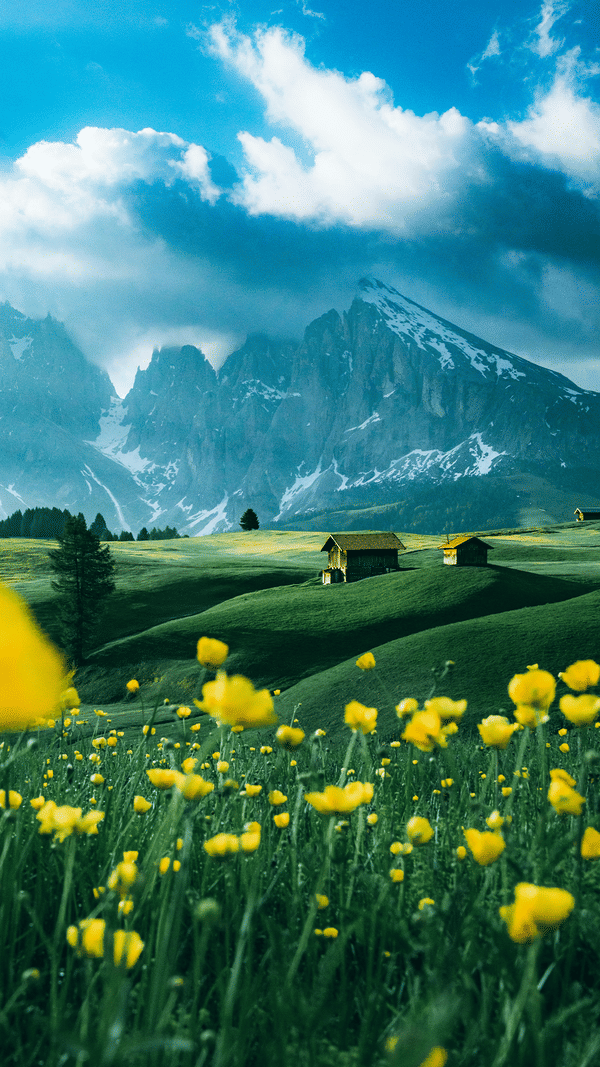
11 Days Amazing Europe Tour Package

6 Days Trip to Paris and Nice - Exotic Europe Tour Package
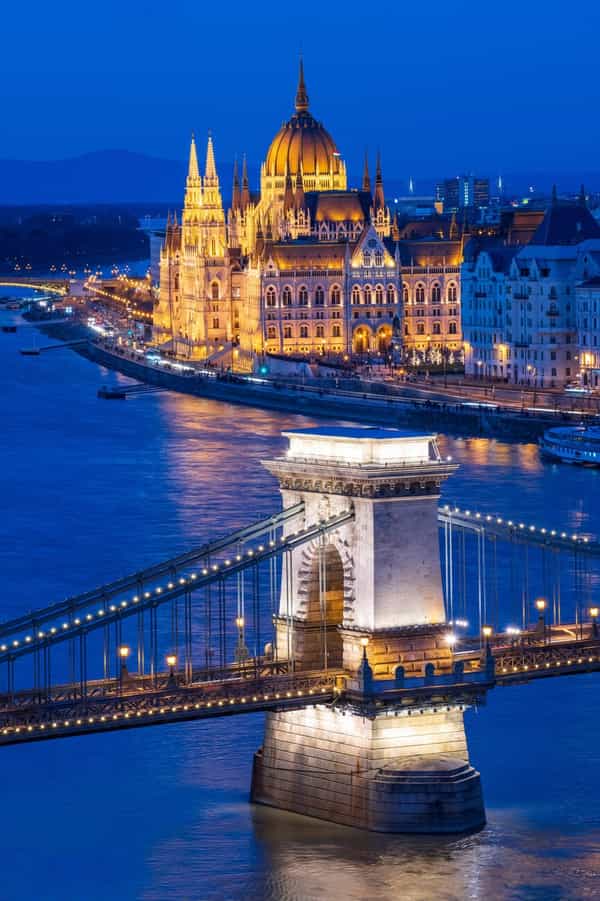
9-Day Europe Backpacking Trip: Prague, Vienna & Budapest
Understanding the Seasons
The Summer Season in Europe

The summer season in Europe mostly covers the Europe summer months of June, July, and August. These months are warm in most regions. The sun stays up longer. People go to beaches, lakes, outdoor cafes, and outdoor events, making Europe tour packages in summer a natural fit for travellers who want to experience the continent at its busiest and most energetic.
Regional Climate & Weather
The summer season in Europe varies across the continent because of its large geography. Weather conditions differ between southern, central, and northern regions during the Europe summer months.
The Europe summer temperature changes from place to place, but most of Europe gets warmer weather in the Europe summer months. Southern Europe is usually hot.
1. Southern Europe (Italy, Greece, Spain, Portugal)
Southern Europe experiences hot and dry weather. Temperatures usually range from 28°C to 35°C (82°F to 95°F). During heatwaves in July and August, temperatures can exceed 40°C (104°F). These sunny conditions make the region popular for beaches and summer holidays in Europe.
2.Western and Central Europe (France, Germany, Switzerland)
This region has warm and comfortable summers. Average daytime temperatures range between 22°C and 30°C (72°F to 86°F). The weather is pleasant for sightseeing, though occasional rain showers or thunderstorms can occur.
3.Northern Europe (UK, Scandinavia, Baltics)
Northern Europe has cooler summers with temperatures between 15°C and 25°C (59°F to 77°F). Some areas experience the Midnight Sun, where daylight can last nearly 24 hours during the summer season in Europe.
Key Summer Experiences
- Beaches: The Mediterranean coast, including the Amalfi Coast (Italy), Santorini (Greece), and the Algarve (Portugal), is at its prime for swimming and sunbathing.
- Festivals: Major events include Glastonbury (UK) and Fête de la Musique (France) in June, Tomorrowland (Belgium) in July, and the Edinburgh Fringe (Scotland) and La Tomatina (Spain) in August.
- Outdoor Adventure: The Swiss Alps and Dolomites offer ideal conditions for high-altitude hiking, as trails become snow-free and mountain huts open for the season.
Travel Considerations
- Crowds & Pricing: This is the most expensive and crowded time to visit. Popular cities like Paris, Rome, and Barcelona see massive tourist influxes, leading to long queues at major attractions.
- Planning: It is highly recommended to book flights, accommodations, and even museum tickets 2–3 months in advance.
- Daylight Saving Time: Most of Europe observes European Summer Time, which begins on the last Sunday of March and ends on the last Sunday of October.
Suggested Read: Le Walk App Europe
The Winter Season in Europe

The winter season in Europe generally covers the Europe winter months of December, January, and February. The Europe winter temperature is cool to cold most of the time. In winter, Europe experiences chilly to cold weather conditions, with Europe tour packages in winter offering travellers a way to experience the continent's festive cities, snowy landscapes, and quieter streets.
Regional Climate & Temperatures
The winter season in Europe varies widely depending on the region. Weather changes across the continent during the Europe winter months, with colder conditions in the north and milder temperatures in southern areas.
1. Northern Europe (Scandinavia, Iceland, the Baltic)
Northern Europe experiences very cold winters. Temperatures often fall between −10°C and −20°C (14°F to −4°F). Snowfall is common, and daylight hours are very short. In areas above the Arctic Circle, the sun may not rise for several weeks.
2. Central and Eastern Europe (Germany, Austria, Poland, Czech Republic)
This region has cold winters with temperatures usually ranging from −5°C to 5°C (23°F to 41°F). Snow is common, especially in mountain regions such as the Alps. Many cities feel festive during this time with winter markets and seasonal events.
3. Western Europe (UK, France, Netherlands)
Western Europe has milder winters compared to the north. Temperatures typically range between 0°C and 10°C (32°F to 50°F). Snow is less common in major cities like London or Paris, and rain is more frequent.
4. Southern Europe (Spain, Italy, Greece, Portugal)
Southern Europe is the warmest part of the continent during winter. Daytime temperatures usually stay between 8°C and 15°C (46°F to 59°F). Coastal areas and islands often feel pleasant, making them attractive for travellers looking for mild winter weather.
Key Winter Experiences
1.Christmas Markets: Major cities like Vienna, Munich, Prague, and Strasbourg (the "Capital of Christmas") transform into festive wonderlands from late November through December.
2. Winter Sports: The Alps (France, Switzerland, Austria, Italy) and Pyrenees offer world-class skiing and snowboarding. Notable resorts include Zermatt (Switzerland) and Courchevel (France).
3.Northern Lights: Winter is the peak time to view the Aurora Borealis, particularly in Tromsø (Norway), Abisko (Sweden), and throughout Iceland and Finnish Lapland.
Festivals & Culture:
- Hogmanay (Edinburgh, Scotland): Famous 3-day New Year's celebration with street parties and fireworks.
- Venice Carnival (Italy): Held in February, featuring iconic masks and grand masquerade balls.
- Thermal Baths: A popular way to warm up, especially in Budapest (Hungary) or the Blue Lagoon in Iceland.
Travel Advantages
- Lower Costs: Outside of the Christmas/New Year peak, winter is the off-season for most of Europe, meaning cheaper flights and accommodation.
- Fewer Crowds: Iconic landmarks like the Eiffel Tower or the Colosseum have significantly shorter queues compared to the summer months.
- Atmosphere: The "hygge" (cosiness) of European cafes, illuminated streets, and snow-covered landscapes provides a unique fairytale aesthetic.
Suggested Read: Travel Around Europe on a Budget: Complete Guide 2026
Crowds and Costs in Summer and Winter
Europe in Summer vs Winter: Crowds

- Summer (June – August): This is the peak tourist season, leading to what some describe as "tourist mayhem," especially in July and August when European schools are on holiday. Expect long queues at major landmarks like the Eiffel Tower or Colosseum, and a need for restaurant and train reservations weeks in advance.
- Winter (November – February): This is the low season (except for Christmas and New Year), characterised by significantly fewer crowds. You can experience cities "as the locals do," with quieter streets and almost no wait times for popular attractions.
- Shoulder Season Alternative: May, June, and September are often considered the "sweet spot," offering a balance of pleasant weather with more manageable crowds and pricing than the summer peak.
Europe in Summer vs Winter: Costs

Costs change a lot based on the season. In the summer months, hotels, flights, and some activities cost more because demand is high. This is part of what travel experts call peak season vs off season Europe.
Summer Costs (Peak Season: June–August)
Summer is the most expensive time to visit due to high demand from both international and domestic tourists.
- Flights: Round-trip airfares from India are at their highest, often ranging between ₹55,000 and ₹85,000 for economy class.
- Accommodation: Hotel rates can double or even triple compared to low-season prices. A night in a mid-range city hotel often costs between ₹16,631 and ₹ 23,099.
- Tour Packages: A typical 7-night itinerary covering cities like Paris, Vienna, and Prague generally costs between ₹2.3 lakh and ₹2.6 lakh per person.
Winter Costs (Low Season: November–February)
Outside of the Christmas and New Year window, winter offers the lowest travel costs of the year.
- Flights: Round-trip tickets from India are generally ₹25,000 to ₹35,000 cheaper than summer rates.
- Accommodation: Hotels and vacation homes frequently offer significant discounts to fill rooms, sometimes dropping rates to ₹6,500 – ₹13,859 per night.
- Tour Packages: The same 7-night itinerary (Paris, Vienna, Prague) that costs over ₹2.3 lakh in summer drops to approximately ₹1.5 lakh to ₹1.8 lakh in winter. This makes it one of the cheapest time to visit Europe if you avoid the Christmas and New Year holiday week.
Note: While winter is generally cheaper, costs can spike for ski resorts in the Alps and major cities during Christmas week, where prices can be 1.5 to 2 times higher than a regular winter week.
Suggested Read: Best eSIM for Europe Travel
Best Places to Visit in June and December
Best Places to Visit in Europe in June

June is right at the start of the Europe summer months. Many places are warm but not hot, and crowds are not as heavy as in July and August. Many travellers consider June the start of perfect summer breaks Europe before peak crowds arrive.
Some of the Best places to visit in Europe in June are:
Cultural Cities and Festivals
- Lisbon and Porto, Portugal: June is festival season in Portugal. Lisbon celebrates the Santo António Festival on June 13 with street parties, music, and grilled sardines. Porto hosts the lively São João Festival, where people gather for fireworks, concerts, and night-long celebrations.
- Paris, France: Paris becomes a giant stage during Fête de la Musique on June 21. Musicians perform free concerts across streets, parks, and public squares, creating one of the most exciting music nights in the city.
- London, United Kingdom: London hosts several traditional events in June. Visitors can watch Trooping the Colour, the King’s Birthday Parade, or attend horse racing at the famous Royal Ascot.
- Barcelona, Spain: Barcelona becomes a hotspot for music lovers in June. Major events include Primavera Sound and the Sónar Festival, which attract international artists and large crowds.
- Florence and Pisa, Italy: These cities celebrate historic events in June. Pisa hosts Giugno Pisano, a series of traditional festivals, while Florence stages the historic Calcio Storico matches in Piazza Santa Croce.
Beach and Island Escapes
By June, Mediterranean sea temperatures reach around 22°C to 23°C, making coastal destinations perfect for swimming and relaxing during summer holidays in Europe.
- Crete, Greece: Crete combines history and nature. Visitors can explore the Palace of Knossos and relax at famous beaches like Elafonissi, known for its pink sand.
- Algarve, Portugal: The Algarve region is famous for golden cliffs, hidden coves, and clear water. It is one of the easiest and most scenic Summer Destinations in Europe for first-time visitors.
- Hvar, Croatia: Hvar offers crystal-clear Adriatic waters, lively harbour towns, and lavender fields that begin blooming in June.
- Mallorca, Spain:Mallorca is perfect for families and relaxed travellers. The island has beautiful beaches like Es Trenc, along with well-developed resorts and coastal towns, making it worth considering when planning Europe family tour packages during the summer months.
These destinations show why June is considered one of the Best places to visit in Europe in June, offering a mix of festivals, city culture, and beach escapes across the continent.
Best Places to Visit in Europe in December

December is part of the Europe winter months and has its own charm. Many travellers like cities with holiday markets, lights, and seasonal culture.
Some of the Best places to visit in Europe in December are:
Christmas Market Cities
- Strasbourg, France
- Often called the “Capital of Christmas,” Strasbourg hosts one of the oldest Christmas markets in Europe, dating back to 1570. The city fills with more than 300 wooden stalls and a giant Christmas tree in Place Kléber.
- Vienna, Austria
- Vienna’s famous market at Rathausplatz is surrounded by historic buildings and festive lights. Visitors come for traditional sweets, crafts, and the well-known “Tree of Hearts.”
- Prague, Czech Republic
- Prague becomes a winter wonderland in December. Large Christmas markets appear in Old Town Square and Wenceslas Square, surrounded by Gothic architecture and festive decorations.
- Cologne, Germany
- Cologne hosts several Christmas markets, with the most famous located directly beneath the towering Cologne Cathedral. The festive stalls, lights, and seasonal food make it one of the Best places to visit in Europe in December.
Arctic and Alpine Adventures
For travellers who want snow, winter sports, or Northern Lights views, these Winter Destinations in Europe are ideal.
- Rovaniemi, Finland
- Located in Lapland, Rovaniemi is known as the official home of Santa Claus. Visitors enjoy reindeer safaris, husky sledging, and unique stays in glass igloos.
- Tromsø, Norway
- Tromsø is one of the best places in Europe to see the Northern Lights because it sits within the aurora zone.
- Zermatt, Switzerland
- This charming car-free village sits at the base of the Matterhorn. It offers reliable snow, beautiful alpine scenery, and world-class skiing.
- Innsbruck, Austria
- Innsbruck combines a historic medieval town with nearby ski resorts. Visitors can explore the city and reach the mountain slopes within minutes.
Mild Weather and Winter Sun
Not everyone wants freezing temperatures during the winter season in Europe. Southern destinations provide warmer weather.
- Tenerife, Spain (Canary Islands)
- Tenerife is one of the warmest places in Europe in December. Daytime temperatures often reach around 21°C (70°F), making beach visits possible even in winter.
- Lisbon, Portugal
- Lisbon stays mild during the Europe winter months with daytime temperatures around 16°C (61°F). It is perfect for exploring historic neighbourhoods without summer crowds.
- Rome, Italy
- Rome has cool but comfortable winter weather, usually between 3°C and 12°C. Visitors can enjoy festive lights and Vatican celebrations with fewer tourists.
Budget-Friendly Winter Cities
- Budapest, Hungary
- Budapest is known for its thermal baths and beautiful Christmas market at Vörösmarty Square. Warm baths in winter are a unique experience.
- Kraków, Poland
- Kraków offers medieval architecture, festive markets, and some of the most affordable food and accommodation in Europe.
- Tallinn, Estonia
- Tallinn’s Old Town looks like a storybook in winter. Snow-covered streets and medieval buildings create a magical atmosphere.
Winter has a very different pace. Some of the most beautiful Winter Destinations in Europe include mountain towns, old cities with lights, and places known for holiday traditions. These destinations show why December is one of the Best places to visit in Europe in December, offering everything from festive markets and snowy mountains to mild winter sunshine.
Suggested Read: How many days are enough for Europe
Europe Summer vs Winter: Activity Ideas

Summer and winter in Europe offer two completely different versions of the same continent. Summer is about outdoor life and the sea, while winter focuses on festive atmosphere and snow culture, giving travellers plenty of options when choosing Europe group tour packages around their preferred season.
Summer Activity Highlights (June–August)
- Mediterranean Beach Hopping: Rent a boat in the Greek Islands, explore the turquoise coves of the French Riviera, or swim in the hidden sea caves of the Algarve, Portugal.
- High-Altitude Hiking: Tackle the Tour du Mont Blanc or explore the Dolomites in Italy. The mountain huts (rifugios) are fully open, and the wildflowers are in bloom.
- Music & Art Festivals: Attend world-famous events like Glastonbury (UK), Tomorrowland (Belgium), or the Sziget Festival (Hungary).
- The Midnight Sun: In Scandinavia or Iceland, take advantage of nearly 24 hours of daylight for late-night sightseeing and road trips.
- Al Fresco Dining: Experience the peak of European "piazza culture"—long evening meals in outdoor squares in cities like Rome, Seville, or Athens.
Winter Activity Highlights (December–February)
- Christmas Markets: Shop for handmade ornaments and drink mulled wine (Glühwein) in the historic squares of Munich, Strasbourg, or Vienna.
- Northern Lights Chasing: Head to the Arctic Circle in Norway, Sweden, or Finnish Lapland for aurora safaris and dog-sledging.
- World-Class Skiing: Hit the slopes in St. Moritz (Switzerland), Courchevel (France), or St. Anton (Austria) for premier skiing and après-ski culture.
- Thermal Spa Retreats: Soak in steaming outdoor pools while it snows around you, most famous at the Blue Lagoon (Iceland) or the Széchenyi Baths (Budapest).
- Cosy City Culture: Focus on "indoor" Europe. spend afternoons in the world’s best museums (like the Uffizi or Louvre) without the summer crowds, followed by hot chocolate in a historic café.
Europe Tour Packages
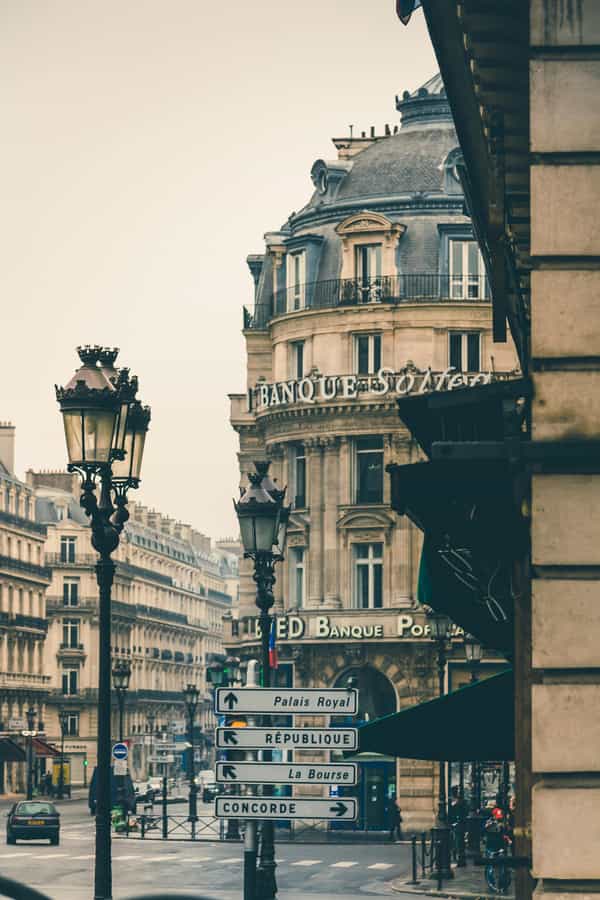
8-Days Highlights of Europe Summer Tour Package: Paris to Zurich

Wonders of Paris and Nice - 7 Days Europe Tour Package
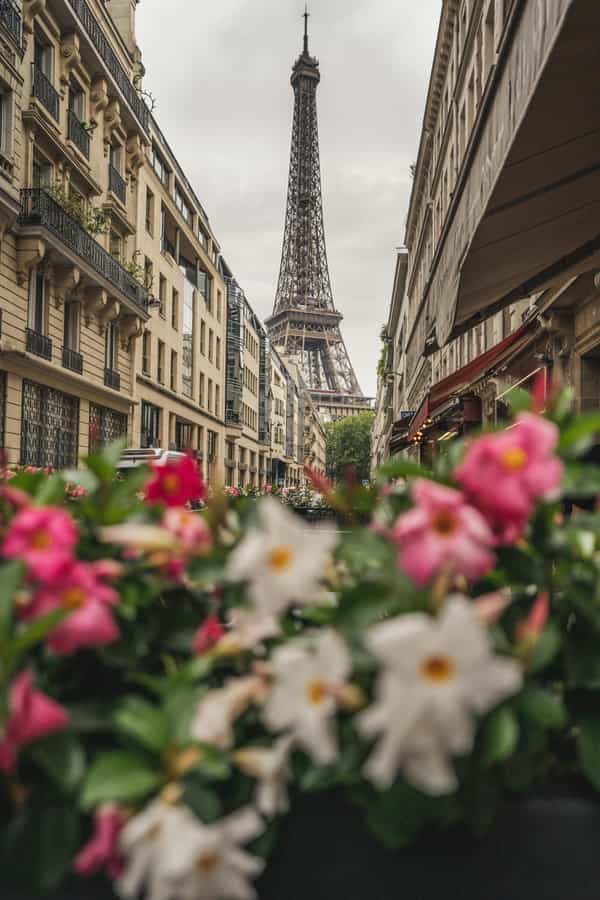
13-Day Iconic Europe Tour: London, Paris, Amsterdam & Swiss Alps Summit

15-Day Europe Group Trip 2026: Paris to Budapest
Tips for Travelling Europe in Summer vs Winter
Tips for Summer

Travelling during the summer season in Europe requires a little planning because the Europe summer months are the busiest time for tourism.
- Book Early
- Flights, trains, and major attractions sell out quickly during summer holidays in Europe, so book tickets and accommodations 2–3 months in advance.
- Plan Around the Heat
- In Southern Europe, temperatures can rise above 35°C (95°F). Explore cities early in the morning, rest indoors during the afternoon, and continue sightseeing in the evening.
- Stay Hydrated
- Carry a reusable bottle and refill it at public fountains in cities like Rome, Vienna, and Zurich instead of buying expensive bottled water.
- Pack Light Clothing
- Wear breathable fabrics like cotton or linen and comfortable walking shoes. Carry a light scarf if you plan to visit churches that require covered shoulders and knees.
Tips for Winters

- Dress in Layers
- Use a three-layer system. Start with a thermal base layer, add a warm sweater or fleece, and finish with a waterproof winter jacket.
- Plan for Shorter Days
- In the northern parts of Europe, the sun can set as early as 3 PM to 4 PM. Plan outdoor sightseeing in the morning and visit museums, shops, or cafés in the late afternoon.
- Wear Proper Footwear
- Choose waterproof boots with a good grip. Snow and wet streets are common during the winter season in Europe, so comfortable footwear is essential.
- Choose Destinations Carefully
- Some coastal destinations close during winter with limited transport and hotels. Major cities remain active during the Europe winter months, making them easier for winter travel.
Best Time to Visit Europe

When people ask what the best time to visit Europe is, the simple answer is that each time has meaning based on what you want.
If you want warmth, long days, sea, and outdoor life, then Europe in Summer is the best for you.
If you want calm, winter culture, holiday lights, and lower costs, then Europe in Winter may be better.
Many travellers like to travel in spring and fall too because the weather is mild and crowds are smaller. But for this guide, we focus on Europe in Summer vs Winter so you can compare the two clearly.
Summary: Europe in Summer vs Winter
There’s no single “right” answer to Is Europe better in summer or winter. It depends on what kind of trip you want.
If beaches, open‑air cafés, and long evenings excite you, the summer season in Europe is your choice. If snow, indoor wanderings, holiday lights, and off season Europe perks appeal to you, then the winter season in Europe is the one.
Use this guide to decide what matters most: weather, cost, crowds, or special experiences. Then you’ll know your answer to when the Best time to visit Europe really is.
Frequently Asked Questions
When is the cheapest month to visit Europe?
January is usually the cheapest month to visit Europe. The holiday crowds from December disappear, and demand for travel drops. Flights and hotels often offer lower prices, making it a good time for budget travellers during the Europe winter months.
What are the advantages of visiting Europe in winter?
Europe in Winter offers fewer crowds, lower travel costs, and festive holiday markets. Snowy landscapes make cities and mountain towns beautiful. Travellers can enjoy winter sports, cosy cafes, and seasonal traditions during the winter season in Europe.
What are the advantages of visiting Europe in summer?
Europe in Summer offers warm weather, longer daylight hours, and many outdoor events. Beaches, islands, and city parks are lively. Travellers can enjoy festivals, street cafes, and sightseeing comfortably, which makes the summer season in Europe popular for holidays.
Is Europe cheaper in winter than in summer?
Yes, Europe is usually cheaper in winter than in summer. Flights and hotels often cost less during the Europe winter months because it is off-season. Prices only rise around Christmas and New Year when many people travel for the holidays.
Is Europe better to visit in summer or winter?
Both seasons offer different experiences. Europe in Summer has warm weather, long days, and lively festivals. Europe in Winter has fewer crowds, festive markets, and snowy landscapes. The best season depends on whether you prefer outdoor activities or cosy winter travel.


