Moti Market
Moti Market in Leh is a bustling Ladakh street bazaar stacked with Tibetan artifacts, prayer wheels, turquoise jewelry, thangkas, and authentic Himalayan souvenirs.

Plan your Ladakh trip with top routes, places to visit, best time to go, travel tips and curated Itinerary Ideas.
Ladakh tourism hits different the moment you enter Leh. The air feels thinner, the sky stretches out in a shade of blue you've probably never seen before and there's this incredible silence that just wraps around you. Whether it's the surreal beauty of Pangong Lake changing colors right before your eyes or the ancient monasteries perched on hilltops in Hemis and Thiksey, every corner of this region has something that stays with you.
A Leh Ladakh trip is raw, it's real, and it pulls you closer to nature in ways that are hard to put into words. Hundreds of thousands of travelers make this journey every year, and honestly, most of them come back saying it changed something in them.
Whether you're planning a Leh Ladakh bike trip over Khardung La, heading back to explore quieter spots like Hanle or Turtuk, or just trying to figure out if Ladakh is actually worth the hype, you'll find everything you need right here. Permits, routes, how to deal with acute mountain sickness, where to eat, common scams to watch out for, and the places that genuinely earn a spot on your itinerary.
| Detail | Information |
|---|---|
| Capital | Leh |
| Altitude | 3,500 m (11,500 ft) at Leh, with passes exceeding 5,300 m (17,500 ft) |
| Best Time to Visit | June to September for road trips and most activities; January to February for the Chadar Trek |
| Permits Required | Inner Line Permit (ILP) for Indian nationals; Protected Area Permit (PAP) for foreign nationals, now available through the e-permit system |
| How to Reach | Flights to Kushok Bakula Rimpochee Airport (Leh), Manali-Leh Highway, or Srinagar-Leh Highway |
| Languages Spoken | Ladakhi, Hindi, English (widely understood in tourist areas) |
| Currency | Indian Rupee (INR). Carry cash as ATMs are limited outside Leh |
| Mobile Network | BSNL and Jio postpaid SIMs work in Leh. Prepaid SIMs and most other networks have no coverage |
| Key Attractions | Pangong Lake, Nubra Valley, Magnetic Hill, Khardung La, Zanskar Valley, Hemis Monastery |
| Average Summer Temperature | 15°C to 30°C (June to August) |
| Average Winter Temperature | -15°C to -30°C (December to February) |
 on [Unsplash](https://unsplash.com/photos/a-sign-on-the-side-of-a-mountain-with-mountains-in-the-background-3bCJE_NAfHo?utm_source=vizup&utm_medium=referral)](https://wanderon-images.gumlet.io/programmatic/landing/2026/05/22/1779429919374-auto.jpg?auto=format&q=100&w=900)
Inner Line Permit (ILP): If you're heading to Nubra Valley, Pangong Tso, Tso Moriri or Hanle, you'll need an Inner Line Permit. Indian tourists can get it either through the official e-permit portal or in person at the DC Office in Leh. The online process is free. Processing takes a few hours.
Protected Area Permit (PAP): For foreign nationals, arranged through registered travel agencies. Covers similar areas as the ILP. You'll need to travel in a group of at least two, and the agency handles the paperwork.
Hanle and Umlingla Pass need extra permissions beyond the standard ILP, so apply separately. One small habit saves a lot of arguing at checkpoints: carry printed copies of every permit. Digital files often get waved off when there's no signal, which is, frankly, most of the time.
How to reach Ladakh is one of the biggest questions in any Ladakh travel guide. You've got three routes in: fly to Leh, drive up from Manali, or drive in via Srinagar.
Leh Kushok Bakula Rimpochee Airport, sitting at around 3,256 meters, is your gateway to Ladakh by air. If you are wondering how to reach Ladakh from Delhi , direct flights (about 1 hour 20 minutes) are operated by IndiGo, Vistara, Air India, and SpiceJet. Leh is also connected with direct flights from Mumbai, Srinagar, and Jammu. Book early for peak season, and always keep a buffer day on both ends of your trip so nothing catches you off guard.
The Manali-Leh Highway (473 km, 12–14 hours) usually opens June to mid-October, cutting through Rohtang, Baralacha La, and Tanglang La. It's spectacular, challenging, and high-altitude almost immediately. The Srinagar-Leh route (434 km, 10–12 hours) is generally open May to November, via Zoji La, Drass, and Kargil. Altitude rises more gradually, which makes it the smarter choice if you're thinking about acclimatization.
The most common Leh Ladakh trip guide advice still holds: fly one way, road-trip the other. You get the ease of a quick arrival paired with one of the world's great drives. If you're planning to do it on two wheels, this Ultimate Guide to a Leh-Ladakh Bike Trip lays out the details. Before you start, check BRO's updates for road conditions, as they change fast.
| Season | Months | Temperature Range | Weather Conditions | Best For |
|---|---|---|---|---|
| Summer | June to September | 15°C to 30°C | Warm days, cool nights, occasional rain in July and August | Road trips, trekking, camping, sightseeing, and visiting high-altitude passes |
| Autumn / Spring | October and April | 0°C to 15°C | Crisp air, clear skies, cold mornings and evenings | Photography, peaceful monastery visits, and fewer crowds |
| Winter | November to March | -15°C to 5°C | Heavy snowfall, frozen lakes, sub-zero temperatures | Chadar Trek on the frozen Zanskar River, snow festivals, and winter photography |
 on [Unsplash](https://unsplash.com/photos/a-mountain-range-with-a-lake-in-the-foreground-TzeoULMYyEQ?utm_source=vizup&utm_medium=referral)](https://wanderon-images.gumlet.io/programmatic/landing/2026/05/22/1779429919826-auto.jpg?auto=format&q=100&w=900)
Peak Season (June to September): June to September is the best time to visit Ladakh. Both the Manali and Srinagar highways stay open, Khardung La is accessible, and the weather is warm enough for camping under open skies. Bikers, road-trippers, and first-timers flock here for good reason. Just keep in mind that August can bring occasional rain and landslides on the Manali route, so late June and July tend to be the sweetest spot.
Shoulder Season (October and April): These months sit right on the edges of the main season, and honestly, they have their own charm. October wraps Ladakh in golden light and quiet trails perfect for photographers and solitude seekers. April is the start of spring when snow begins to melt and the passes slowly open up. You won't find big crowds, and the landscapes feel raw and untouched.
Off Season (November to May): Roads close, temperatures plunge, and Ladakh becomes a snow-covered wonderland. January and February bring the legendary Chadar Trek, when the frozen Zanskar River turns into a walkable trail (strictly for the well-prepared). Flights to Leh still operate year-round, so winter Ladakh is doable.
This is the heart of any Ladakh travel guide: the tourist places in Ladakh you can actually reach, grouped by region, with descriptions that help you decide what earns a day of your time.
Getting to Nubra means crossing Khardung La(5,359m), among the highest motorable passes in the world. On the other side, the landscape shifts so dramatically it can feel like you've crossed into another country.
 on [Unsplash](https://unsplash.com/photos/the-night-sky-is-filled-with-stars-above-a-mountain-DkJVvlTRx2c?utm_source=vizup&utm_medium=referral)](https://wanderon-images.gumlet.io/programmatic/landing/2026/05/22/1779429920214-auto.png?auto=format&q=100&w=900)
If you want even more ideas beyond this list, this roundup of Things to do in Ladakh is a solid starting point. And if you're a confident driver, the Wari La route over Khardung La deserves serious consideration for the views alone.
AMS doesn't care how fit you are. Marathon runners get hit; people who never work out sometimes don't. It comes down to how your body handles low oxygen at 3,500m and above, and there's no reliable way to know before you land.
Watch for headache, nausea, dizziness, breathlessness, and insomnia. If you're dealing with all five, descend immediately. This isn't a "tough it out" moment. Every season, people end up in military hospitals because they brushed off the early warning signs.
Prevention protocol: Rest on Day 1 in Leh. Skip uphill walks, alcohol, and sleeping pills. Drink plenty of water. Diamox 125mg twice daily, starting 24 hours before arrival (consult your doctor first). The common mistake is treating Diamox like armour, then riding to Khardung La on Day 2.
Pack for layers, not volume. In Ladakh, a 25°C swing in the same day is normal. A good down jacket, thermals, and a windproof shell will cover a sunny Leh afternoon and a freezing Pangong night without turning your bag into a brick.
Essential Ladakh travel tips:

Standard 7-Day Circuit: Leh (2 days for acclimatization and sightseeing) → Nubra Valley via Khardung La (2 nights, covering Diskit, Hunder, Turtuk) → Pangong Tso via Shyok Road (1 night) → Leh via Chang La (1 day) → Tso Moriri or departure.
Extended 10-Day Route: Add Zanskar (Padum), Hanle, and Umlingla Pass. It takes tighter planning, extra permits, and a vehicle you trust. Fuel planning matters: fill up in Leh, Karu, Diskit, and Kargil. Between those points, there's nothing to count on.
Self-drive is usually the cheapest, and the easiest to underestimate if you don't have high-altitude driving experience. A rented car with a driver costs more but lowers the risk. Group tours take care of logistics, permits, stays, transport, and acclimatization schedules. If you'd rather spend your energy on the trip than the admin, WanderOn's Leh Ladakh tour packages are an option to consider. For a shorter, focused run, the Sham Valley itinerary is another.

The local food in Ladakh leans Tibetan: hearty, warming, and designed for cold weather. Don't come expecting endless variety. Come expecting comfort.
In Leh, the reliable names are Bon Appetit (multi-cuisine), Gesmo Restaurant (a backpacker staple since the 90s), The Tibetan Kitchen (excellent thukpa), and Alchi Kitchen if you're heading through Sham Valley. One reality check: once you're outside Leh, meals get basic fast. Expect dal-rice-maggi at dhabas. For long stretches to Pangong and Nubra, keep protein bars and dry fruits in your day bag.
Ladakh tourism isn't about racing through a checklist. It's about being forced (by altitude, distance, and silence) to slow down. The monasteries, the passes, the lakes that change colour with the light: they don't just look unlike anywhere else in India. They register differently. This ladakh travel guide runs from permits and routes to food and scams so you can arrive prepared instead of frazzled. If the logistics feel heavier than the excitement, WanderOn can take care of permits, stays, routes, and acclimatization schedules so you can focus on the place itself. Some destinations you visit. Ladakh has a way of visiting you back.

Zanskar Valley is Ladakh's remote Himalayan jewel, famous for the frozen Chadar trek, ancient monasteries, turquoise rivers, and some of India's most untouched mountain landscapes.

Pangong Tso is Ladakh's iconic high-altitude lake straddling the India-China border, known for its surreal blue hues, changing colours through the day, and cinematic desolate beauty.

Kargil is Ladakh's historic gateway town between Srinagar and Leh, blending war-memorial heritage with scenic drives, apricot orchards, and access to remote Suru and Zanskar valleys.

Khardung La is one of the world's highest motorable passes at over 5,300m, a legendary Ladakh checkpoint leading to Nubra Valley with surreal snow-capped Himalayan views.

Nubra Valley is one of Ladakh's most memorable landscapes, known for dramatic terrain, desert stretches, mountain views, and iconic stops like Diskit and Hunder.

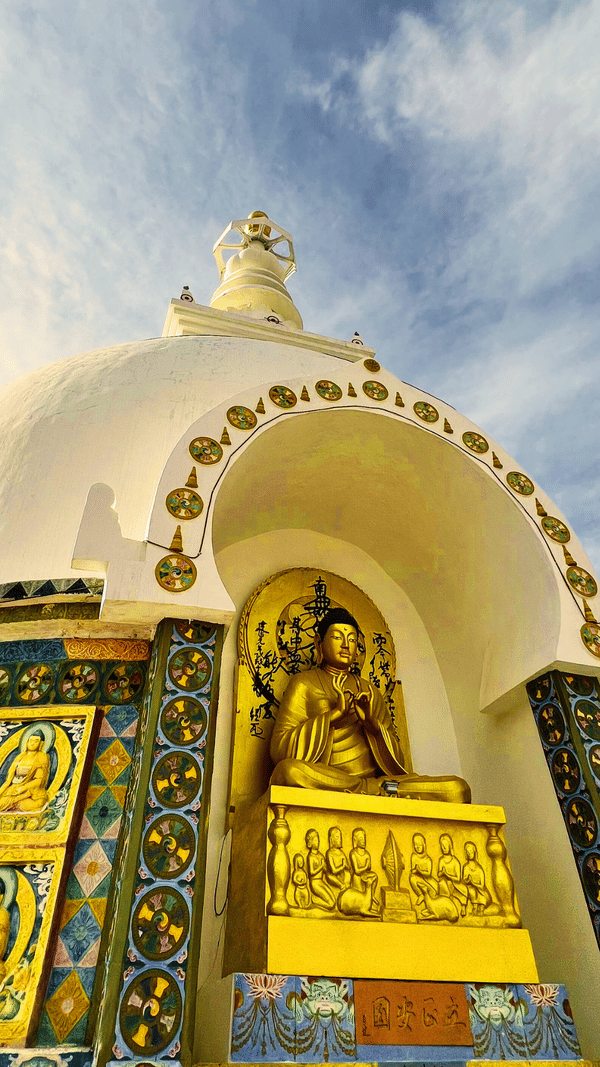
Spituk Gompa is an 11th-century Buddhist monastery near Leh perched on a hilltop, home to vibrant masks, prayer halls, and sweeping views of the Indus Valley.

River rafting on the Zanskar near Nimu is a Ladakh classic, battling icy rapids through deep Himalayan gorges with towering cliffs rising on every side of you.

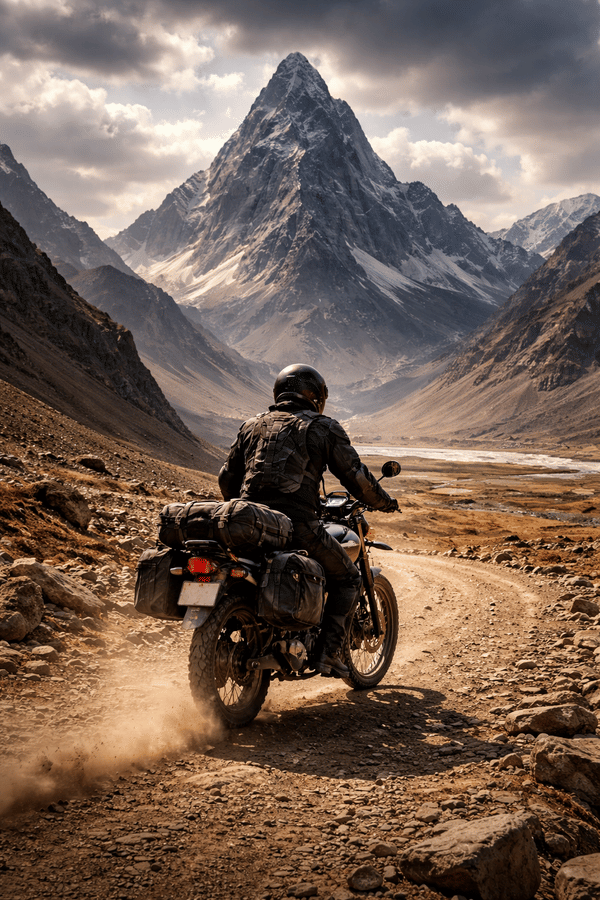
Mountain biking around Leh is one of Ladakh's greatest thrills, conquering steep trails, high-altitude passes, and barren moonlike landscapes with unmatched Himalayan panoramas.

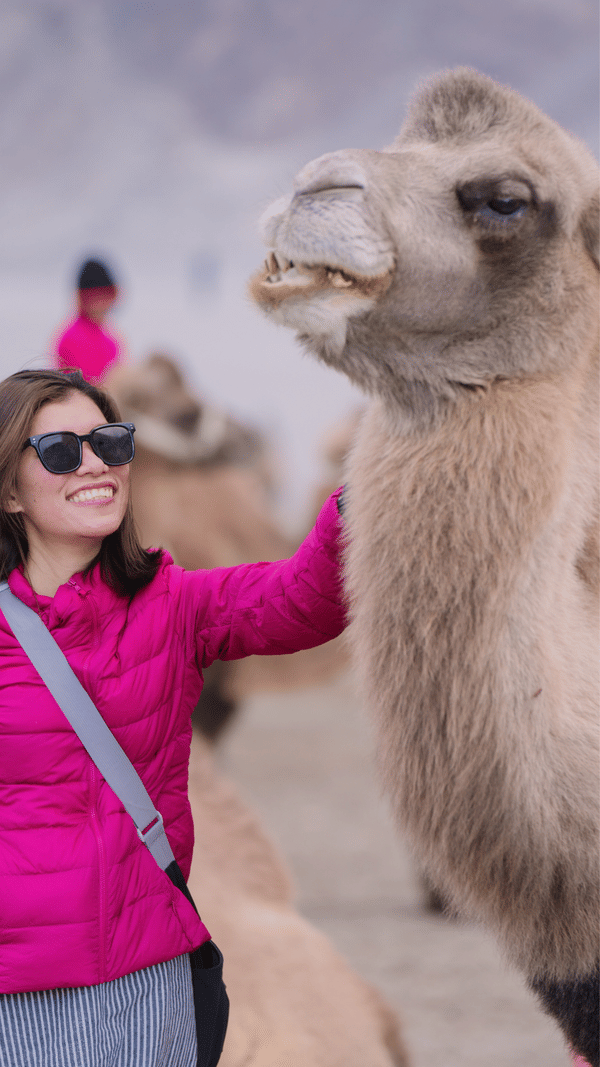
Camel safaris at Hunder sand dunes offer Ladakh's most unique ride on double-humped Bactrian camels, drifting through cold-desert landscapes beneath snow-capped Karakoram peaks.

Trekking to Stok Kangri and across Ladakh's high passes takes adventurers through remote villages, glacier views, and some of the Himalayas' most rewarding high-altitude routes.

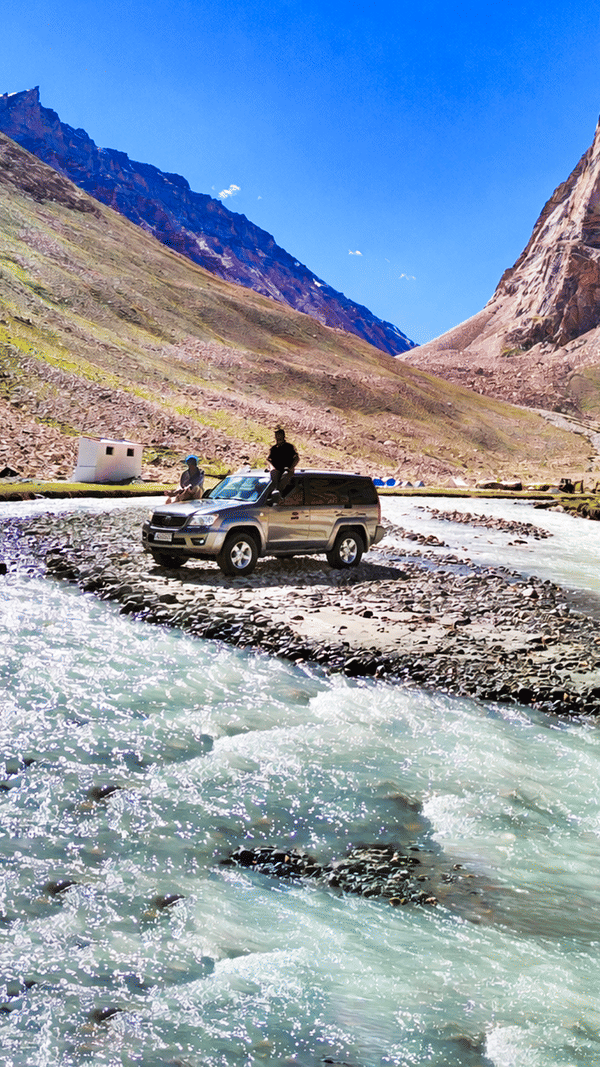
SUV expeditions through Nubra Valley uncover Ladakh's rawest beauty, navigating rugged cold-desert tracks, sand dunes, and remote monasteries framed by the Karakoram range.

Quad biking across Nubra Valley's sand dunes is a short, adrenaline-packed Ladakh adventure, blending speed with dramatic cold-desert scenery around Hunder and Diskit.

The Tibetan Kitchen on Fort Road, Leh is a Ladakh institution for authentic Tibetan thukpa, momos, and gyathuk, also dishing up Indian and Chinese comfort food.

Lehvenda Cafe on Leh's Main Bazaar is a cozy traveller favourite mixing Italian pastas, Indian thalis, and fast food, with a chilled rooftop Ladakh atmosphere.

Tsas by Dolkhar on Tukcha Road, Leh is a boutique restaurant showcasing modern Ladakhi farm-to-table cuisine with Indian and global fusion twists in an elegant setting.

De Khambir near Leh's Main Bazaar serves authentic Ladakhi khambir breads, Tibetan momos, and Indian staples, offering travellers a warm, flavorful slice of local cuisine.

Wazwan Planet at Balkhan Chowk, Leh delivers rich Kashmiri Wazwan feasts alongside Indian and Tibetan plates, ideal for trying rogan josh and gushtaba during a Ladakh trip.

Namza Dining near Leh's Zangsti Road is a refined Ladakh favourite celebrated for traditional Ladakhi and Tibetan tasting menus plated in beautiful local pottery and textiles.
Moti Market in Leh is a bustling Ladakh street bazaar stacked with Tibetan artifacts, prayer wheels, turquoise jewelry, thangkas, and authentic Himalayan souvenirs.

The Women's Alliance of Ladakh Shopping Hub in Chubi promotes local craftswomen, selling handwoven woolens, pashmina, silver jewelry, and organic produce from Ladakhi villages.

Zanskar Arts on Leh's Main Bazaar is a go-to stop for leather goods, handcrafted bags, and Tibetan-inspired accessories made by artisans from across Ladakh.

Himalayan Pashmina Shawls on Leh's Main Bazaar is famed for authentic Ladakhi pashmina, cashmere stoles, and embroidered shawls ideal for luxe Himalayan keepsakes.

Ladag Apricot Store at LBA Complex, Zangsti celebrates Ladakh's apricot harvest with jams, dried fruits, oils, and cosmetics, a uniquely local Leh souvenir stop.

Leh's Main Bazaar is Ladakh's shopping heartbeat, lined with stalls for Tibetan artifacts, turquoise-and-silver jewelry, pashmina shawls, and quirky Himalayan keepsakes.
3N Leh • 1N Nubra Valley • 1N Pangong
3N Leh • 1N Nubra Valley • 1N Pangong • 1N Hanle
1N Jispa • 2N Padum • 1N Gonbo Rangjon • 1N Manali

1N Srinagar • 1N Kargil • 2N Leh • 2N Nubra Valley • 1N Pangong • 1N Tso Moriri

4N Leh • 1N Nubra Valley • 1N Pangong

1N Srinagar • 1N Kargil • 2N Leh • 1N Nubra Valley • 1N Pangong • 1N Tso Moriri

3N Leh • 2N Nubra Valley • 1N Pangong

Leh • Lamayuru • Kargil • Padum • Purne • Gonbo Rangjon • Shinkhu La • Jispa • Manali • Delhi/ Chandigarh

3N Leh • 1N Kargil • 2N Padum • 1N Jispa

1N Srinagar • 1N Kargil • 2N Leh • 1N Nubra Valley • 1N Pangong • 2N Hanle

Leh • Sham Valley • Khardung • La • Nubra • Pangong • Hanle • Umling • La • Leh

3N Leh • 1N Nubra Valley • 1N Pangong

2N Leh • 3N Nubra Valley • 1N Pangong

Leh • Lamayuru • Kargil • Padum • Purne • Gonbo Rangjon • Shinkhu La • Jispa • Manali • Delhi/ Chandigarh

Leh • Sham Valley • Khardung • La • Nubra • Pangong • Chang La • Leh

3N Leh • 1N Nubra Valley • 1N Pangong • 1N Hanle • 1N Karzok

2N Leh • 1N Nubra Valley • 1N Pangong • 1N Hanle • 1N Nyoma

4N Leh • 2N Nubra Valley • 1N Pangong • 1N Tso Moriri

Leh • Khardung La • Nubra • Turtuk • Shyok Valley • Pangong • Chang La • Leh

3N Leh • 1N Nubra Valley • 1N Pangong

4N Leh • 2N Nubra Valley • 1N Pangong

2N Leh • 1N Nubra Valley • 2N Pangong

4N Leh • 2N Nubra Valley • 1N Pangong

1N Srinagar • 1N Kargil • 2N Leh • 1N Nubra Valley • 1N Pangong • 2N Hanle

1N Srinagar • 1N Kargil • 2N Leh • 2N Nubra Valley • 1N Pangong

4N Leh • 1N Nubra Valley • 1N Pangong

Leh • Kargil • Padum • Gonbo Rangjon • Jispa • Suraj Tal • Leh

1N Srinagar • 1N Kargil • 3N Leh • 2N Nubra Valley • 1N Pangong • 1N Tso Moriri

2N Leh • 1N Nubra Valley • 1N Pangong • 1N Hanle • 1N Nyoma

2N Leh • 1N Nubra Valley • 2N Pangong

Leh • Lamayuru • Kargil • Padum • Purne • Gonbo Rangjon • Shinkhu La • Jispa • Manali • Manali/ Chandigarh

Srinagar • Kargil • Leh • Khardung La • Nubra Valley • Pangong • Tso Moriri • Leh

Srinagar • Kargil • Leh • Khardung La • Nubra Valley • Pangong Lake • Hanle • Umling La • Chumathang • Leh

Srinagar • Kargil • Leh • Nubra Valley • Turtuk • Pangong Tso • Leh

1N Leh • 1N Kargil • 2N Padum • 1N Purne • 1N Jispa • 1N Manali

Delhi • Manali • Jispa • Purne • Padum • Kargil • Lamayuru • Leh

Leh • Nubra Valley • Pangong Tso • Hanle • Karzok • Leh

3N Leh • 1N Nubra Valley • 1N Pangong

1N Srinagar • 1N Kargil • 2N Leh • 2N Nubra Valley • 1N Pangong • 1N Sarchu • 1N Manali

3N Leh • 1N Nubra Valley • 1N Kargil • 2N Srinagar

2N Leh • 1N Nubra Valley • 2N Pangong

Srinagar • Kargil • Leh • Khardung La • Nubra Valley • Turtuk • Pangong • Tso Moriri • Leh

2N Leh • 3N Nubra Valley • 1N Pangong

3N Leh • 1N Nubra Valley

2N Leh • 3N Nubra Valley • 1N Pangong

3N Leh • 1N Nubra Valley • 1N Pangong

Leh • Nubra Valley • Pangong Tso • Hanle • Umling La • Nyoma • Leh

3N Leh • 1N Nubra Valley • 1N Pangong • 2N Hanle

Delhi • Srinagar • Kargil • Leh • Khardung La • Nubra Valley • Pangong • Tso Moriri • Leh • Delhi

1N Manali • 1N Jispa • 1N Purne • 2N Padum • 1N Kargil • 2N Leh • 1N Nubra Valley • 1N Pangong

2N Leh • 1N Nubra Valley • 1N Pangong • 1N Hanle • 1N Nyoma

4N Leh • 1N Nubra Valley • 1N Pangong

3N Leh • 1N Nubra Valley • 1N Pangong • 1N Hanle • 1N Karzok
3N Leh • 1N Nubra Valley • 1N Pangong • 2N Hanle

Leh • Khardung La • Diskit • Nubra Valley • Turtuk • Pangong • Tso Moriri • Leh

Srinagar • Kargil • Leh • Khardung La • Nubra • Pangong • Hanle • Umling La • Tsomoriri • Leh

Delhi • Manali • Sarchu • Leh • Nubra Valley • Turtuk • Pangong Tso • Leh • Kargil • Srinagar

1N Srinagar • 1N Kargil • 2N Leh • 2N Nubra Valley • 1N Pangong • 1N Sarchu • 1N Manali

2N Leh • 1N Nubra Valley • 2N Pangong

4N Leh • 1N Nubra Valley • 1N Pangong

4N Leh • 1N Nubra Valley • 1N Pangong

4N Leh • 1N Nubra Valley • 1N Pangong

Leh • Sham Valley • Khardung La • Nubra • Pangong • Leh

Delhi • Manali • Sarchu • Tso Moriri • Pangong • Nubra Valley • Leh • Kargil • Srinagar

3N Leh • 1N Nubra Valley

Leh • Sham Valley • Khardung • La • Nubra • Pangong • Hanle • Umling • La • Leh

3N Leh • 1N Nubra Valley • 1N Pangong • 2N Hanle

1N Srinagar • 1N Kargil • 2N Leh • 1N Nubra Valley • 1N Pangong • 1N Tso Moriri

3N Leh • 1N Nubra Valley • 1N Pangong

4N Leh • 2N Nubra Valley • 1N Pangong • 1N Tso Moriri

3N Leh • 1N Nubra Valley • 1N Pangong • 2N Hanle

1N Srinagar • 1N Kargil • 2N Leh • 2N Nubra Valley • 1N Pangong

4N Leh • 2N Nubra Valley • 1N Pangong • 1N Tso Moriri

1N Manali • 1N Sarchu • 2N Leh • 2N Nubra Valley • 1N Pangong • 1N Kargil • 1N Srinagar

4N Leh • 2N Nubra Valley • 1N Pangong • 1N Tso Moriri

1N Srinagar • 1N Kargil • 2N Leh • 1N Nubra Valley • 1N Pangong • 1N Tso Moriri

3N Leh • 1N Nubra Valley • 1N Pangong

1N Manali • 1N Sarchu • 1N Tso Moriri • 1N Pangong • 1N Nubra Valley • 1N Leh • 1N Kargil • 1N Srinagar

Leh • Nubra Valley • Pangong Tso • Marsimik La • Pangong • Leh

1N Srinagar • 1N Kargil • 2N Leh • 2N Nubra Valley • 1N Pangong • 1N Tso Moriri

1N Manali • 1N Sarchu • 2N Leh • 2N Nubra Valley • 1N Pangong • 1N Kargil • 1N Srinagar

2N Leh • 1N Nubra Valley • 1N Pangong • 1N Hanle • 1N Nyoma
1N Leh • 1N Kargil • 2N Padum • 1N Purne • 1N Jispa • 1N Manali

Leh • Khardung La • Nubra Valley • Thang • Turtuk • Siachen • Pangong • Leh

3N Leh • 2N Nubra Valley • 1N Pangong • 1N Sarchu • 1N Manali

1N Srinagar • 1N Kargil • 2N Leh • 2N Nubra Valley • 1N Pangong • 1N Sarchu • 1N Manali

3N Leh • 1N Nubra Valley

3N Leh • 1N Kargil • 2N Padum • 1N Jispa

4N Leh • 2N Nubra Valley • 1N Pangong

1N Srinagar • 1N Kargil • 2N Leh • 2N Nubra Valley • 1N Pangong

3N Leh • 1N Nubra Valley • 1N Pangong • 1N Hanle • 1N Karzok

3N Leh • 1N Nubra Valley • 1N Pangong

4N Leh • 1N Nubra Valley • 1N Pangong

Srinagar • Kargil • Leh • Nubra Valley • Turtuk • Pangong Tso • Leh

4N Leh • 2N Nubra Valley • 1N Pangong

Leh • Sham Valley • Khardung • La • Nubra • Pangong • Hanle • Umling • La • Demchok • Leh

4N Leh • 1N Nubra Valley • 1N Pangong

1N Srinagar • 1N Kargil • 2N Leh • 2N Nubra Valley • 1N Pangong • 1N Sarchu • 1N Manali

1N Srinagar • 1N Kargil • 2N Leh • 2N Nubra Valley • 1N Pangong • 1N Tso Moriri

4N Leh • 2N Nubra Valley • 1N Pangong

4N Leh • 1N Nubra Valley • 1N Pangong

1N Manali • 1N Sarchu • 2N Leh • 2N Nubra Valley • 1N Pangong • 1N Kargil • 1N Srinagar

4N Leh • 1N Nubra Valley • 1N Pangong

1N Srinagar • 1N Kargil • 2N Leh • 2N Nubra Valley • 1N Pangong • 1N Tso Moriri

Leh • Sham Valley • Khardung • La • Nubra • Pangong • Chang • La • Leh
3N Leh • 1N Nubra Valley • 1N Pangong • 2N Hanle
3N Leh • 2N Nubra Valley • 1N Pangong • 1N Tso Moriri • 1N Hanle
3N Leh • 1N Nubra Valley • 1N Pangong
3N Leh • 1N Nubra Valley • 1N Pangong • 1N Hanle
1N Jispa • 2N Padum • 1N Gonbo Rangjon • 1N Manali
Leh • Khardung La • Diskit • Nubra Valley • Turtuk • Pangong • Tso Moriri • Leh
Srinagar • Kargil • Leh • Khardung La • Nubra • Pangong • Hanle • Umling La • Tsomoriri • Leh
1N Srinagar • 1N Kargil • 2N Leh • 2N Nubra Valley • 1N Pangong • 1N Tso Moriri
4N Leh • 2N Nubra Valley • 1N Pangong
3N Leh • 1N Nubra Valley
3N Leh • 1N Nubra Valley • 1N Pangong
Leh • Nubra Valley • Pangong Tso • Hanle • Umling La • Nyoma • Leh
Leh • Lamayuru • Kargil • Padum • Purne • Gonbo Rangjon • Shinkhu La • Jispa • Manali • Manali/ Chandigarh
2N Leh • 1N Nubra Valley • 1N Pangong • 1N Hanle • 1N Nyoma
2N Leh • 1N Nubra Valley • 2N Pangong
2N Leh • 1N Nubra Valley • 2N Pangong
3N Leh • 1N Nubra Valley • 1N Pangong • 2N Hanle
2N Leh • 1N Nubra Valley • 1N Pangong • 1N Hanle • 1N Nyoma
2N Leh • 1N Nubra Valley • 2N Pangong
1N Srinagar • 1N Kargil • 2N Leh • 1N Nubra Valley • 1N Pangong • 1N Tso Moriri
2N Leh • 3N Nubra Valley • 1N Pangong
1N Srinagar • 1N Kargil • 2N Leh • 2N Nubra Valley • 1N Pangong • 1N Tso Moriri
1N Manali • 1N Sarchu • 2N Leh • 2N Nubra Valley • 1N Pangong • 1N Kargil • 1N Srinagar
3N Leh • 1N Nubra Valley • 1N Pangong • 1N Hanle • 1N Karzok
3N Leh • 1N Nubra Valley • 1N Pangong • 1N Hanle • 1N Karzok
3N Leh • 1N Nubra Valley • 1N Pangong
3N Leh • 1N Nubra Valley • 1N Pangong • 1N Hanle • 1N Karzok
4N Leh • 1N Nubra Valley • 1N Pangong
Leh • Khardung La • Nubra Valley • Thang • Turtuk • Siachen • Pangong • Leh
1N Manali • 1N Jispa • 1N Purne • 2N Padum • 1N Kargil • 2N Leh • 1N Nubra Valley • 1N Pangong
3N Leh • 1N Kargil • 2N Padum • 1N Jispa
3N Leh • 1N Nubra Valley • 1N Pangong
2N Leh • 1N Nubra Valley • 1N Pangong • 1N Hanle • 1N Nyoma
3N Leh • 1N Nubra Valley • 1N Kargil • 2N Srinagar
3N Leh • 2N Nubra Valley • 1N Pangong • 1N Sarchu • 1N Manali
Leh • Nubra Valley • Pangong Tso • Marsimik La • Pangong • Leh
Leh • Sham Valley • Khardung • La • Nubra • Pangong • Chang • La • Leh
4N Leh • 1N Nubra Valley • 1N Pangong
1N Srinagar • 1N Kargil • 2N Leh • 2N Nubra Valley • 1N Pangong
3N Leh • 1N Nubra Valley • 1N Pangong • 2N Hanle
1N Srinagar • 1N Kargil • 2N Leh • 2N Nubra Valley • 1N Pangong
2N Leh • 3N Nubra Valley • 1N Pangong
3N Leh • 1N Nubra Valley • 1N Pangong • 2N Hanle
3N Leh • 1N Nubra Valley • 1N Pangong
1N Manali • 1N Sarchu • 2N Leh • 2N Nubra Valley • 1N Pangong • 1N Kargil • 1N Srinagar
1N Srinagar • 1N Kargil • 2N Leh • 2N Nubra Valley • 1N Pangong • 1N Tso Moriri
4N Leh • 1N Nubra Valley • 1N Pangong
3N Leh • 1N Kargil • 2N Padum • 1N Jispa
2N Leh • 3N Nubra Valley • 1N Pangong
4N Leh • 1N Nubra Valley • 1N Pangong
Leh • Sham Valley • Khardung • La • Nubra • Pangong • Hanle • Umling • La • Leh
Leh • Sham Valley • Khardung • La • Nubra • Pangong • Hanle • Umling • La • Demchok • Leh
Leh • Nubra Valley • Pangong Tso • Hanle • Karzok • Leh
4N Leh • 2N Nubra Valley • 1N Pangong
3N Leh • 1N Nubra Valley • 1N Pangong
Delhi • Manali • Jispa • Purne • Padum • Kargil • Lamayuru • Leh
3N Leh • 1N Nubra Valley • 1N Pangong
Srinagar • Kargil • Leh • Khardung La • Nubra Valley • Pangong • Tso Moriri • Leh
2N Leh • 1N Nubra Valley • 1N Pangong • 1N Hanle • 1N Nyoma
1N Srinagar • 1N Kargil • 2N Leh • 2N Nubra Valley • 1N Pangong • 1N Tso Moriri
Delhi • Srinagar • Kargil • Leh • Khardung La • Nubra Valley • Pangong • Tso Moriri • Leh • Delhi
4N Leh • 2N Nubra Valley • 1N Pangong • 1N Tso Moriri
4N Leh • 2N Nubra Valley • 1N Pangong • 1N Tso Moriri
1N Srinagar • 1N Kargil • 2N Leh • 1N Nubra Valley • 1N Pangong • 2N Hanle
1N Srinagar • 1N Kargil • 2N Leh • 1N Nubra Valley • 1N Pangong • 2N Hanle
1N Srinagar • 1N Kargil • 2N Leh • 2N Nubra Valley • 1N Pangong • 1N Sarchu • 1N Manali
2N Leh • 1N Nubra Valley • 2N Pangong
4N Leh • 1N Nubra Valley • 1N Pangong
3N Leh • 1N Nubra Valley

1N Leh • 1N Kargil • 2N Padum • 1N Purne • 1N Jispa • 1N Manali
4N Leh • 2N Nubra Valley • 1N Pangong
1N Srinagar • 1N Kargil • 2N Leh • 2N Nubra Valley • 1N Pangong • 1N Sarchu • 1N Manali
1N Manali • 1N Sarchu • 2N Leh • 2N Nubra Valley • 1N Pangong • 1N Kargil • 1N Srinagar
1N Srinagar • 1N Kargil • 3N Leh • 2N Nubra Valley • 1N Pangong • 1N Tso Moriri
3N Leh • 2N Nubra Valley • 1N Pangong
1N Leh • 1N Kargil • 2N Padum • 1N Purne • 1N Jispa • 1N Manali
1N Srinagar • 1N Kargil • 2N Leh • 1N Nubra Valley • 1N Pangong • 1N Tso Moriri
4N Leh • 2N Nubra Valley • 1N Pangong • 1N Tso Moriri
Srinagar • Kargil • Leh • Nubra Valley • Turtuk • Pangong Tso • Leh
Leh • Lamayuru • Kargil • Padum • Purne • Gonbo Rangjon • Shinkhu La • Jispa • Manali • Delhi/ Chandigarh
4N Leh • 1N Nubra Valley • 1N Pangong
1N Srinagar • 1N Kargil • 2N Leh • 1N Nubra Valley • 1N Pangong • 1N Tso Moriri
4N Leh • 1N Nubra Valley • 1N Pangong
Srinagar • Kargil • Leh • Nubra Valley • Turtuk • Pangong Tso • Leh
Leh • Khardung La • Nubra • Turtuk • Shyok Valley • Pangong • Chang La • Leh
Leh • Sham Valley • Khardung • La • Nubra • Pangong • Hanle • Umling • La • Leh
Leh • Sham Valley • Khardung • La • Nubra • Pangong • Chang La • Leh
Leh • Lamayuru • Kargil • Padum • Purne • Gonbo Rangjon • Shinkhu La • Jispa • Manali • Delhi/ Chandigarh
3N Leh • 1N Nubra Valley • 1N Pangong
4N Leh • 2N Nubra Valley • 1N Pangong
Leh • Kargil • Padum • Gonbo Rangjon • Jispa • Suraj Tal • Leh
1N Srinagar • 1N Kargil • 2N Leh • 2N Nubra Valley • 1N Pangong
4N Leh • 2N Nubra Valley • 1N Pangong
3N Leh • 1N Nubra Valley
1N Srinagar • 1N Kargil • 2N Leh • 2N Nubra Valley • 1N Pangong • 1N Sarchu • 1N Manali
Srinagar • Kargil • Leh • Khardung La • Nubra Valley • Turtuk • Pangong • Tso Moriri • Leh
1N Manali • 1N Sarchu • 1N Tso Moriri • 1N Pangong • 1N Nubra Valley • 1N Leh • 1N Kargil • 1N Srinagar
Delhi • Manali • Sarchu • Tso Moriri • Pangong • Nubra Valley • Leh • Kargil • Srinagar
1N Srinagar • 1N Kargil • 2N Leh • 2N Nubra Valley • 1N Pangong • 1N Sarchu • 1N Manali
4N Leh • 1N Nubra Valley • 1N Pangong
Delhi • Manali • Sarchu • Leh • Nubra Valley • Turtuk • Pangong Tso • Leh • Kargil • Srinagar
Leh • Sham Valley • Khardung La • Nubra • Pangong • Leh
Srinagar • Kargil • Leh • Khardung La • Nubra Valley • Pangong Lake • Hanle • Umling La • Chumathang • Leh
4N Leh • 2N Nubra Valley • 1N Pangong • 1N Tso Moriri
4N Leh • 1N Nubra Valley • 1N Pangong
4N Leh • 1N Nubra Valley • 1N Pangong
Soumyadip Das
12 Jul 2026We travelled to Srinagar-Leh-Ladakh. A beautiful and overwhelming journey. Our experience was really great with WanderOn. Our virtual guide Eshta supported us with all the queries and helped in our journey.
Pashangh Irani
12 Jul 2026We booked a trip to Ladakh via Wanderon. Honestly, it was great because we didn't have to worry about anything. From hotels and travel bookings to support during the trip, they had it all handled. Eshta was our POC who did a great job getting us through any issues and guiding us during the trip as well. Will definitely be using them again.
chaitanya chaitu
12 Jul 2026Had an amazing Ladakh trip with WanderOn! Everything was well organized, and the entire experience was smooth and memorable. A special thanks to our virtual trip advisors, Manish and Eshta, for their constant support and quick responses throughout the trip. Highly recommend WanderOn for a hassle-free travel experience!
Pooja Sapte
9 Jul 2026WanderOn is great for Ladakh trip. Our team captain Ayush and Bharat were amazing. Chaotic hoti baaton pe mene bohot cheda he unko and also because I took them as kids But these kids managed the trip extremely well. Ayush got responsibility and care on the table while Bharat got fun and adventure Both are extremely knowledgeable and fun to hang out with Despite of certain shortcomings in the entire journey I really had fun as the entire group was awesome I absolute didn’t feel like I was travelling with strangers I made a lot of new friends that I am going to treasure for life. The main thing that everyone cribbed about was food, which the only section where WanderOn should work on. Baaki sab badhiya that tha . I would thank WanderOn, Ayush and Bharat for making this dream bike ride comfortable and successful for me. And moreover thanks for the new friends I met on this trip All in all a great trip
Your right to Know!
Yes. Ladakh is widely considered one of India's safer regions for solo travellers and women: locals are welcoming, crime rates are low, and Leh has established tourist infrastructure. Still, use common sense, share your itinerary with someone, avoid isolated areas after dark, and don't do remote stretches like Zanskar completely alone.
Seven days is the minimum for Leh, Nubra Valley, and Pangong Tso with proper acclimatization. With 10 days, you can add Tso Moriri, Hanle, or Zanskar. Under five days is a bad idea for most people because you'll need 1–2 days in Leh just to acclimatize.
Yes, but only up to a point. Leh town and a few nearby monasteries don't require a permit. Nubra Valley, Pangong Tso, Tso Moriri, Hanle and Umlingla require an Inner Line Permit (ILP) for Indian tourists or a Protected Area Permit (PAP) for foreign nationals.
It depends on health and how you plan the trip. Altitude (3,500m+) is the main concern, and elderly travellers and children can be more susceptible to AMS. Speak to a doctor before travel, fly into Leh (skip the punishing road approach), acclimatize for two full days, and keep the itinerary to lower-altitude areas like Leh town and Sham Valley. The Sham Valley trek is gentle enough for many families.
Budget: ₹15,000 to ₹20,000 per person covers shared taxis, basic guesthouses and local food. Mid-range travellers can expect to spend ₹25,000 to ₹35,000 for a private cab, decent hotels and restaurant meals. Premium trips with flights, luxury camps, and a private SUV run ₹50,000 and above. Flights from Delhi go anywhere from ₹4,000 to ₹15,000 one way depending on the season.
1. Spend enough time acclimatizing in Leh before moving to higher-altitude areas like Pangong, Khardung La, or deeper circuits.
2. Carry warm layers even in the main travel season, as weather in Ladakh can change quickly across routes and altitudes.
3. Route conditions and accessibility can vary, so choose your itinerary based on season, comfort level, and travel duration.
4. Keep printed IDs and permit-related documents ready where required, especially for sensitive or restricted routes.
5. Mobile connectivity can be limited in several parts of Ladakh, especially on deeper or more remote circuits.
6. Plan your Ladakh trip with enough buffer for road movement, rest, and altitude adaptation instead of rushing the itinerary.
Some good reads to help you travel better!


Travel More. Worry Less. We've Got the Rest.
Expertly Crafted Itineraries
Famous sights, hidden gems, and everything in between — planned around your vibe, your crew, your budget.
Passionate Trip Captains
Our Captains are trained to lead and set the vibe. They will be part guide, part friend, all in.
End-to-End Travel Support
Visa help, on-ground assistance, round-the-clock support! You just book, we will handle the rest.
Top Rated by Travellers
4.9 stars on Google and TripAdvisor from 2 lakh+ travellers who booked, and came back to say it was worth it.
Transparent Pricing, No Hidden Costs
We clearly spell out what's included and what's not, so nothing catches you off guard mid-trip.
Best Stays, Transport & Meals
We arrange comfy stays, reliable drivers with good vehicles, and the best meals we can find for you.
Don't Just Dream, Travel!

Don't just dream travel!
Allow us to call you back!

Don't just dream travel!
Allow us to call you back!