


If you’re a fan of winter wonderlands and dare to face extreme weather just for otherworldly views, Spiti Valley is calling! Spiti in February sees the harshest conditions with 5-10 feet of snow burying the landscape and average temperatures hovering between -15°C (day) and -30°C (night).
In this deep freeze, Spiti Valley shifts into survival mode: waterfalls are frozen mid-drop, rivers are thick ice layers, and hotels are shut because the pipes have long since burst. Your only option is a traditional homestay in Kaza or Tabo.
While the BRO keeps the route from Shimla to Spiti in February open, high-altitude roads often block for days after fresh snow. The bone-chilling winds are so sharp they can literally make you gasp for air after walking just a few steps.
Spiti Valley trip in February is only for the seasoned travelers chasing Snow Leopard sightings, clear Milky Way views, or the Losar festival celebrations. If that sounds like you, checking out Spiti tour packages with a 4x4 and a local guide is the only way to do this safely.
Follow this guide to learn about Shimla to Kaza road status, navigate the Spiti Valley in February and discover the best experiences.
Spiti In February 2026: Quick Snapshot

- Spiti Valley Temperature in February:-15°C (Day), -30°C (Night).
- Weather Status: High-altitude cold desert; 100% dry snow with heavy wind chill and occasional blizzards.
- Road Status: Shimla-Kaza open; Manali-Kaza/Kunzum Pass closed until May.
- 2026 Sissu Ban: Tourism strictly prohibited from Jan 20 to Feb 28, local religious restrictions, no hotel/sightseeing access in Sissu.
- February 2026 Events: Losar (Tibetan New Year) from Feb 18–20, Halda Festival (Feb 17–18), and Mandi Shivratri (Feb 15–21).
- Highlights: Rare Snow Leopard sightings, frozen river confluences, and the surreal "White Desert" monastery views.
- Best For: Photographers, Snow Leopard trackers, hardcore adventure seekers, primitive living enthusiasts.
- Precautions: Use 4x4s with snow chains, follow a 5-layer clothing system, and allow 48 hours for acclimatization.
Our Top-Selling Spiti Tour Packages

Spiti Valley Backpacking Trip | Pocket Saver Himalayan Adventure
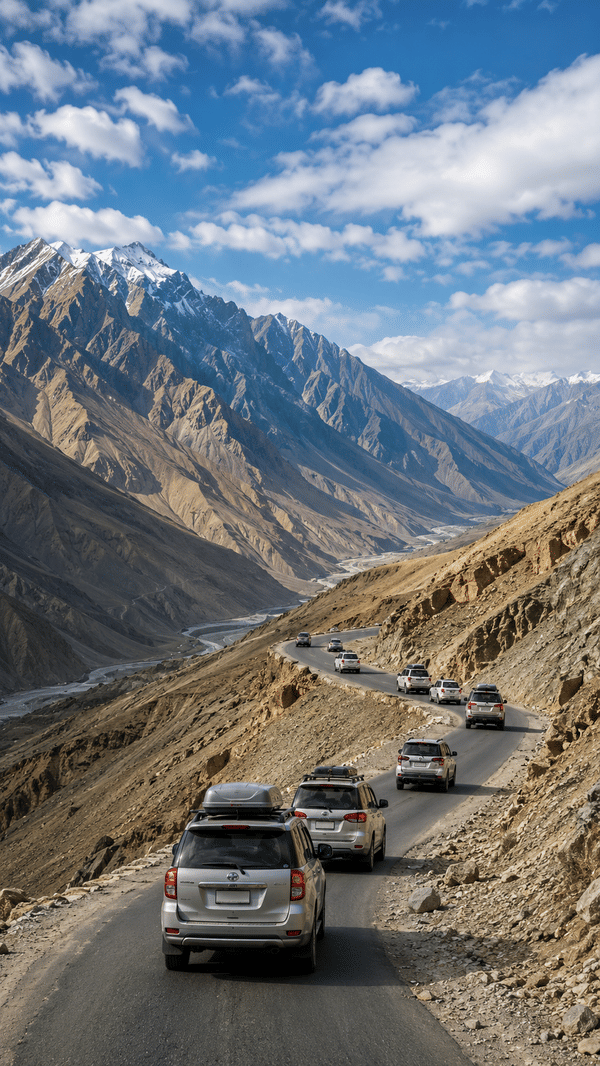
Full Spiti Valley Circuit Group Tour From Delhi: Shimla To Manali

Spiti Valley - Bliss in Budget with Sangla Holi Celebration

Frozen Spiti Expeditions
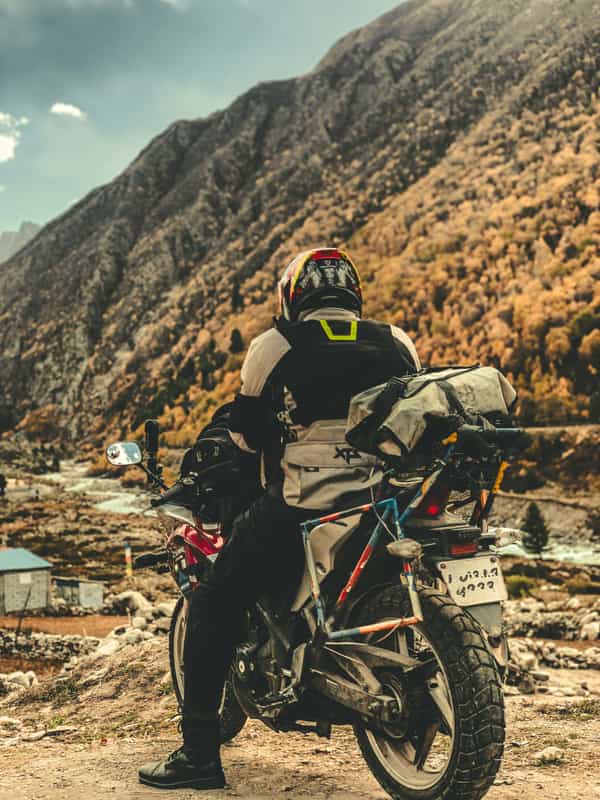
Spiti Valley Circuit Group Bike Trip | Tirthan To Manali On Two Wheels

Spiti Valley - Exclusive Escape with Sangla Holi Celebration
How’s The Weather Like In Spiti In February?

Spiti Valley in winter gets extremely cold and gets covered in a thick, white 5-10 ft snow blanket. The Spiti weather in February is a white-out season, with minimal crowds and only expert travelers surviving the freeze. Mostly, this is the best time for snow leopard expeditions and stargazing for interstellar views.
And how cold is Spiti in February? Expect daytime highs that struggle to cross -10°C, while nights routinely plummet to -30°C. The air is incredibly dry, making the sun feel deceptively sharp, but the moment you step into the shade, the Spiti Valley temperature in February hits your bones instantly.
Breaking Down the Spiti Weather in February
- Temperature: Expect a range of -15°C to -24°C on average, though high-altitude villages like Kibber can easily see -30°C on clear nights. Due to the extreme wind chill on the valley floor, a -15°C afternoon can easily feel like -25°C if you aren't wearing windproof layers.
- Snowfall Patterns: February is peak snow season; while many days are "Spiti Blue" (vividly clear skies), Western Disturbances often bring 2–3 day blizzards that can dump several feet of snow at once and worsen the Spiti weather in February.
- Sunlight & Visibility: You get about 11 hours of daylight, providing a decent window for photography, but the sun sets early behind the peaks, causing the temperature to drop 10 degrees in minutes.
- Frozen Environment: Humidity stays low (around 45-60%), meaning the snow stays powdery and dry, but this also means all running water is frozen solid including the pipes.
- Precipitation: Expect roughly 100 mm of precipitation, all of which falls as snow. There is zero chance of rain in the valley during this time.
How To Reach Spiti In February?

By Air
There is no direct airport in Spiti Valley. Your options depend on weather reliability:
- Chandigarh International Airport (IXC): The most recommended starting point. It has excellent connectivity with major cities like Delhi, Mumbai, and Bangalore (1–3 hours) and is less prone to winter cancellations. From here, it’s a 4-hour drive (122 km) to Shimla.
- Bhuntar Airport (Kullu): While technically closer to the district (~200 km from Shimla), it is unreliable in February. Frequent snow and fog often lead to last-minute cancellations. Even if you land, you must still drive the long way around via Shimla/Kinnaur as the Manali route is closed.
By Rail
Since there is no railway station in Spiti, you must transition to the road at these hubs:
- Chandigarh Railway Station: The most practical broad-gauge station. It is well-connected to Delhi, Mumbai, and Kolkata. You can easily hire a 4x4 or board a bus to Shimla from here.
- Kalka Railway Station: Ideal for the UNESCO Kalka-Shimla Toy Train (5–6 hours). It’s a scenic way to reach Shimla before switching to a rugged SUV for the expedition to Kaza.
- Shimla Railway Station: The closest you can get by rail. From here, your 450 km mountain road journey begins.
By Road
In February, the "Spiti Loop" is impossible to complete. You must enter and exit through the same route.
1. Manali-Kaza Route: The Closed Route
Traveling from Manali to Spiti in February is impossible. The Kunzum Pass (15,060 ft) is buried under 15–20 feet of snow and remains closed until late May. While the Atal Tunnel provides access to the Lahaul side (Keylong/Sissu), the connecting path to Kaza is completely blocked by snow.
2. Shimla-Kaza Route: The Only Open Route
Traveling from Shimla to Spiti in February is your only lifeline. This highway (NH-05) stays open year-round because it follows the river valley at a lower altitude. However, be prepared for temporary closures of 24 - 48 hours during active blizzards or heavy snowfall and check Shimla to Kaza road status before heading further.
From the airport, you can reach Spiti Valley via a daily HRTC bus from the Shimla Bus Stand or by hiring a specialized 4x4 vehicle. The journey is covered in two stages:
- Day 1: Shimla to Kalpa/Reckong Peo (220 km | 9 - 10 hours); overnight stay
- Day 2: Kalpa to Tabo/Kaza (200 km | 8 - 10 hours)
Before you head out, check our comprehensive Lahaul and Spiti travel guide for more tips on road conditions.
Spiti Winter Festivals: February 2026 Event Calendar

If you time your Spiti Valley trip in February right, you won’t just see the snow; you’ll see the valley come alive with ancient rituals. Here are the key festivals in Spiti Valley in February 2026:
- Mandi Shivratri Fair (February 15 – February 21): If you are traveling via the Mandi route, you’ll catch the "Mahakumbh of the Hills." Watch over 200 village deities arrive in colorful palanquins to meet Lord Bhootnath.
- Losar Eve (February 17): The "Ghost-driving" ritual. Locals use torches and firecrackers to drive away the bad energy of the previous year—it’s loud, smoky, and incredibly atmospheric.
- Losar: Tibetan New Year (February 18 – February 20): Losar is a major festival in Spiti. 2026 is the Year of the Fire Horse. Expect monasteries to be draped in new prayer flags, monks performing the masked Chham Dance, and locals sharing Ghutuk (noodle soup) and butter tea.
- Halda Festival (February 17 – 18): This is the "Festival of Lights." Every family brings out lit cedar torches (Haldas) to a central location to form a massive bonfire. It’s a ritual to ward off evil spirits and ensure a good harvest.
- Gochi (Gothsi) Festival (Mid-February): Celebrated in the Bhaga Valley (Kullu), this unique tradition honors the birth of male children born in the past year with archery, feasts, and local Chhang.
- Sangla Holi / Fagli Festival (February 28 – March 3): As you drive through Kinnaur, you’ll encounter the Fagli festival. It’s a 4-day celebration where masked dancers in grass robes perform rituals to welcome spring, culminating in the unique Sangla Holi played with dry colors and snow.
Note: These dates follow the lunar calendar. While Feb 18th is the official New Year, celebrations in remote villages can vary by a day or two. Always ask your homestay host for the local "schedule" when you arrive.
Best Places To Visit In Spiti In February

Despite extreme conditions, there are some of the beautiful places to visit in Spiti in February that look surreal only in winter.
1. The "High Circuit": Hikkim, Komik, and Langza
These three villages are usually lumped into one day-trip from Kaza, and they are the "flex" of any Spiti Valley trip in February.
Hikkim Village: This rugged cluster of stone houses is home to the World’s Highest Post Office. Yes, it stays open in winter, and sending a postcard from here in -20°C is a core memory, even if the local postman has to trek through waist-deep snow to get your mail down to Kaza.
Langza Village: Famous for the massive golden Buddha statue that watches over the valley. The contrast of the gold against the white peaks is unreal. This "Fossil Village" offers the best views of the Chau Chau Kang Nilda peak, though its famous prehistoric marine fossils remain buried under deep snow.
Komik Village: Sitting at 15,050 feet, it’s one of the highest villages in the world reachable by road. It’s known for the fortress-like Tangyud Monastery where you can experience the intense silence of a winter retreat and share butter tea with monks who stay behind to guard the ancient rituals.
- How to Reach: Roughly 18 - 22 km from Kaza; start with Langza first, followed by Komic and Hikkim; the entire circuit takes about 3-5 hours depending on snow.
- Pro Tip: These roads are the first to close after a blizzard. You’ll need a local driver who knows how to spot "Black Ice”.
2. Kaza: The Primary Hub
Kaza in Spiti Valley is the administrative heart and your primary survival base in the winter. Spiti in February, including Kaza transforms into a quiet, monochrome settlement of whitewashed houses and prayer flags fluttering against sub-zero winds. While the market is mostly closed, the few open homestays offer the most authentic experience of Spitian hospitality and local culture.
- How to Reach: Only via the Shimla-Kinnaur route (NH-05); expect a 2-day journey with an overnight halt at Kalpa or Reckong Peo.
- Winter Highlight: Ice-walking on the frozen Spiti River and witnessing the masked Chham dances at the local monastery during Losar.
- Pro Tip: This is the only place to find a basic hospital and functional (though temperamental) ATMs; withdraw all the cash you need here before heading to higher villages.
3. Key Monastery: The Snow-Capped Castle
If you’ve seen one photo of Spiti, it was probably this one. Perched on a volcanic-looking hill at 4,166 meters, Key Monastery (or Ki Monastery) is the largest monastery in Spiti Valley. In February, the "hive" structure looks like a giant tiered cake covered in powdered sugar. It’s not just for the ‘gram, though; the monks are incredibly welcoming in winter and might even invite you in for a cup of steaming butter tea to hide from the wind.
- How to Reach: It’s an easy 14 km drive from Kaza. In deep snow, a 4x4 vehicle is non-negotiable.
- Winter Highlight: Seeing the golden light of the "blue hour" hit the monastery while the Spiti river below sits completely frozen.
- Pro Tip: Try to visit during the morning prayer (around 7-8 AM); the sound of the long horns echoing through the snowy silence is beautiful.
4. Chicham Bridge: Asia’s Highest Suspension Bridge
Chicham Bridge is a terrifyingly beautiful feat of engineering. Suspended 1,000 feet above a massive gorge, the bridge connects Kibber to Chicham village and is one of the best places to visit in Spiti Valley.
In February, the gorge below is a chasm of ice and shadows. Walking across it while the winter wind howls through the suspension cables is a pure adrenaline rush.
- How to Reach: About 20 km from Kaza, usually visited right after Key Monastery.
- Winter Highlight: Looking down into the gorge to see the frozen streams that look like veins of marble.
- Pro Tip: Keep your phone/camera inside your jacket until the last second; the wind on the bridge is so cold it can kill your battery in under 60 seconds.
5. Tabo Monastery: The "Ajanta of the Himalayas"
Unlike the hilltop monasteries, Tabo is tucked away in a flat valley. It’s over 1,000 years old and a UNESCO World Heritage site. Because it's at a slightly lower altitude than Kaza, the weather is slightly more bearable here. The mud-brick structures of Tabo Monastery in Spiti look humble from the outside, but inside, the frescoes and statues are world-class.
- How to Reach: Located on the main highway, about 48 km before Kaza.
- Winter Highlight: Exploring the ancient meditation caves carved into the cliffs above the monastery.
- Pro Tip: It’s pitch black inside the main temples to protect the ancient paintings; bring a small torch, but never use flash photography as it damages the 1,000-year-old pigments.
6. Dhankar Monastery: The Cliffside Wonder
Dhankar Monastery in Spiti looks like it’s clinging to the cliff for dear life. Dhankar was once the capital of Spiti, and the old monastery (Gompa) is literally built into the crumbling "razor-back" ridges. It overlooks the confluence of the Spiti and Pin rivers, which in February looks like a giant white 'Y' etched into the earth. The energy here is intense; you can feel the centuries of prayers baked into the mud walls.
- How to Reach: It’s a 7 km uphill detour from the main highway at a place called Sichling (located between Tabo and Kaza).
- Winter Highlight: Standing on the roof of the old monastery to see the "Frozen Confluence", the best landscape shot in the valley.
- Pro Tip: In winter, the weight of the snow makes the old mud-brick unstable, so watch where you step and follow the monks' instructions on where it's safe to walk.
7. Gue: The Village of the 500-Year-Old Mummy
Gue Village is probably one of the most underrated places to visit in Spiti in February. It’s home to the naturally mummified remains of a monk (Sangha Tenzin). He’s sitting in a meditative pose, and science still isn't 100% sure how he's so well-preserved without any chemicals. In February, the village is a ghost town, making the experience even more eerie and spiritual.
- How to Reach: A 10 km detour from the main road near Sumdo (the border of Kinnaur and Spiti)
- Winter Highlight: The eerie, peaceful silence of the Gue temple when it's surrounded by 3 feet of fresh powder snow.
- Pro Tip: Check with locals in Sumdo before heading to Gue; the detour road often stays blocked for a day or two after fresh snow.
Amazing Things To Do In Spiti In February

Spiti in February offers raw and rugged experiences that are not for the faint of heart. Here are some of the best things to do in Spiti in February that you probably can’t experience in summer:
1. Spotting the Snow Leopard
Spiti in February offers the absolute peak window for a Snow Leopard expedition. As heavy snow pushes blue sheep (the leopard’s main food source) down to the lower cliffs near the riverbeds, these elusive cats follow.
Spotting a snow leopard in Spiti Valley is the ultimate experience for wildlife lovers. You’ll spend your days scanning rugged, white ridges with expert local spotters in villages like Kibber and Chicham who can track pugmarks and alarm calls from miles away.
- The Experience: It’s a game of ultimate patience. You’ll sit on frozen ridges with high-end binoculars, waiting for a flash of grey fur against the white rocks.
- How to Do It: Base yourself in a Kibber homestay; they have the best network of local trackers and high-end spotting scopes for guests.
- Wildlife Sightings: Even if the "Ghost" stays hidden, you’re almost guaranteed to see Tibetan Wolves, Red Foxes, and massive herds of Ibex.
2. Experiencing the Losar Festival 2026 (Feb 18–20)
If your dates align, you’ll witness Losar (Tibetan New Year) in Spiti, the most vibrant time in the Buddhist calendar. This is when the Spiti Valley celebrates the "Year of the Fire Horse" with masked Cham Dances at Key and Tabo monasteries to ward off evil spirits.
This is one of the most celebrated things to do in Losar Village among travelers. Unlike commercial summer events, this is a deeply personal community celebration where you’ll be welcomed into homes for traditional Guthuk soup.
- The Experience: You’ll hear the resonance of long copper horns echoing across the snowy valley as monks perform rituals that haven't changed in over a thousand years.
- How to Do It: Plan to stay in Kaza or Tabo during the third week of February; check the monastery schedules locally as dates can shift slightly.
- Key Highlight: Dancing with locals around a bonfire while sharing Chang (barley wine) is the best way to forget the -25°C cold.
3. Sipping Chai at the Lingti Ice Cafe
Ever wanted to have a meal inside a giant igloo? Located about 15 km from Kaza, the Lingti Ice Cafe is a masterpiece of local engineering built entirely inside a frozen waterfall in Spiti which is Lingti Waterfall.
It’s essentially a giant glowing igloo where you can sit on benches carved from solid ice while the waterfall behind you stays suspended in time. It’s the only place in India where you can have a hot meal inside a structure that will literally melt away by April.
- The Experience: Sipping steaming butter tea while sitting on a "glacier-mirror" floor is a surreal, "Narnia-like" experience that feels like a reward after a long day of travel.
- How to Do It: Hire a 4x4 from Kaza for a quick afternoon trip; the road is narrow but usually kept clear for this popular winter landmark.
- Key Highlight: The glowing blue light inside the cafe after sunset makes for the most iconic "White Spiti" photo you can take.
4. Winter Milky Way Stargazing in Spiti
Spiti offers the clearest night skies in India, because the winter air is bone-dry and there is zero dust or light pollution. Stargazing in Spiti Valley is a must-try experience for anyone who wants to see the cosmos in high definition.
In February, you can see the Milky Way with your naked eye in such high definition that it looks like a textured cloud stretching across the high-altitude horizon. It’s definitely one of the most unique things to do in Spiti in February.
- The Experience: Standing in the silence of Langza at 2 AM under a million stars is a humbling experience that makes you feel like you’re standing on the edge of the universe.
- How to Do It: Head to high villages like Langza or Hikkim for the best vantage points; keep your camera gear inside your jacket to keep the sensors warm.
- Key Highlight: Capturing the Golden Buddha of Langza silhouetted against a spinning galaxy is a bucket-list shot for any photographer.
5. Walking the Spiti River "Chadar"
While the Zanskar Trek in Ladakh is famous for its Chadar Trek, Spiti offers its own version of a "Chadar" (ice sheet) walk in February. When temperatures consistently hit -25°C, sections of the Spiti River freeze into a thick, translucent blue floor, allowing you to walk directly on the water.
Walking on the frozen Spiti river is a surreal, sensory experience where the world is dead silent, except for the muffled roar of the river still flowing beneath feet of solid ice.
- The Experience: You’ll be walking through a white canyon with jagged cliffs on both sides, stepping over "pancakes" of ice and frozen ripples that look like they were flash-frozen mid-wave.
- How to Do It: The best spots are usually near the Pin River confluence or the flat stretches close to Kaza; always go with a local who can test the ice "health" with a walking stick.
- Winter Highlight: Standing in the middle of the riverbed and realizing that the giant "rocks" around you are actually boulders of blue ice trapped in the freeze.
Safety Guidelines For Spiti Valley Trip In February

The Spiti weather in February is the only real boss and turns it into a survival zone. Here are some of the best travel tips for Spiti Valley:
- Vehicle & Expert Driver: A 4x4 with snow chains is mandatory. Hire a local, experienced driver who specializes in winter terrain to spot Black Ice and handle the specific fuel & maintenance needs (like preventing diesel freeze) that outsiders often miss.
- Driving Window: Only drive between 10:00 AM and 4:00 PM. You want the sun to soften the ice. Driving in the dark or early morning is an invitation for a skid.
- Gradual Ascent: Acute mountain sickness in Spiti is real and hits harder in winter. Follow a slow ascent via the Shimla-Kinnaur route and spend 48 hours in Kaza to acclimatize. Carry portable oxygen cans and consult a doctor about Diamox.
- The Dry Toilet Reality: Pipes freeze solid at -25°C, so there is no running water. You’ll be using traditional "dry compost toilets" (a hole in the ground with sawdust). Bring plenty of wet wipes and hand sanitizer.
- Layering (101): Forget one "big jacket." Use the 5-layer system: Thermal base, fleece mid-layer, heavy wool sweater, down jacket (rated for -30°C), and a windproof outer shell.
- Emergency Kit & Buffer Days: Snowstorms can shut roads for 3 days. Always carry a survival kit (dry fruits, extra power banks, heavy blankets, enough water) and keep 2-3 buffer days in your itinerary so you don't miss your flight home.
- Water Body Safety: Never walk on frozen rivers or lakes (like Dhankar or Chadratal) without a local guide. Ice thickness is deceptive in February and can crack under weight, leading to fatal hypothermia.
- Battery Drain: Extreme cold kills electronics. Keep your phone and camera batteries in an inner pocket (close to your body heat) and only take them out when you're ready to shoot.
- Mobile Connectivity: BSNL (Postpaid) is your only lifeline; while Jio has limited 4G in Kaza town, it often fails in high villages; expect to be "off the grid" past Reckong Peo.
- Hydration: The air is bone-dry. You’ll lose water just by breathing. Drink 3-4 liters daily, even if you aren't thirsty, to keep your blood flowing and prevent headaches.
Spiti Valley Trip Cost In February

Here’s the realistic 2026 budget breakdown for a 7 to 8-day winter Spiti Valley expedition starting from Delhi or Chandigarh.
- Transport: A 4x4 vehicle rental (Thar, Jimny, or Scorpio-N) with a specialized driver costs roughly ₹35,000 – ₹45,000 for the full circuit, or ₹4,500 – ₹6,000/day for self-drive (excluding fuel).
- Accommodation: Since major hotels are closed, expect to pay ₹1,500 – ₹2,500 per night per person for a homestay, including breakfast, dinner, and a warm spot by the Bukhari (wood heater).
- Specialized Activities: Professional Snow Leopard "spotters" in Kibber charge approx. ₹2,000 – ₹3,000 per day for their tracking expertise and high-end spotting scopes.
- Entry Permits: Indian citizens only need a valid ID, but foreign nationals must pay approx. ₹500 – ₹700 for an Inner Line Permit (ILP), usually processed in Shimla or Reckong Peo.
- Total Estimated Budget: A budget group traveler should plan for ₹35,000, while a mid-range private tour will sit closer to ₹65,000 – ₹75,000 (including emergency buffer funds).
What To Carry For A Spiti Trip In February?

Packing for Spiti in February is about survival first, fashion second. Since the mercury hits -30°C, you need to be strategic. Here is your essential things to carry while travelling to Spiti Valley in February:
- Core Clothing (5-Layer System): Layer merino wool thermals with a heavy fleece, a high-fill sub-zero down jacket, a windproof parka, and fleece-lined trekking pants.
- Extremities & Accessories: Prevent frostbite with a fleece-lined beanie, a thick neck gaiter, double-layered gloves (liners + waterproof mittens), and high-ankle snow boots with wool socks.
- Health & Skincare: Combat snow glare and dry air with SPF 50+ sunscreen, UV-protected sunglasses, and heavy-duty moisturizer, plus Diamox for altitude safety.
- Electronics & Power: Carry a 20,000 mAh power bank and a headlamp; keep all spare batteries inside your jacket pockets to prevent them from dying in the cold.
- The Cash Rule: Withdraw ₹20,000 – ₹25,000 in hard cash in Shimla, as Kaza ATMs and digital payments frequently fail due to frozen hardware or zero connectivity.
Spiti In February: Are You Ready To Brave The White Desert?

Spiti in February isn't for everyone. It’s cold, it’s raw, and it’ll push you out of your comfort zone every single day. But if you’re okay with dry toilets and -20°C nights, you’ll get to see a side of the Himalayas that most people never even dream of.
Just remember to pack right, keep your plans flexible, and respect the local traditions. It’s a trip that stays with you long after the snow melts.
Ready to see the white desert for yourself? Connect with the team at WanderOn for your Spiti Winter Expeditions and grab your spot on the next 4x4 adventure!
Frequently Asked Questions
Is Chandratal Lake open in February?
No, Chandratal Lake is completely inaccessible in winter; the road from Kaza to the lake and the Kunzum Pass are buried under 10 - 15 feet of snow and typically don’t open until June. The best time to visit Chandratal is from June to early October.
Is Spiti accessible in February?
Yes, Spiti is accessible in February but only via the Shimla-Kaza route. Accessibility is "limited" and weather-dependent. Heavy blizzards can block the road at Nako or Malling Nallah for several days. A 4x4 vehicle and an experienced local driver are mandatory for navigating the black ice and snow.
In which month does snowfall start in Spiti Valley?
In Spiti Valley, light snowfall usually begins in October, but the heavy, consistent snow that transforms the valley into a "White Desert" typically sets in by December and continues through February.
Is Kaza open in February?
Yes, Kaza remains open as it is the administrative headquarters of Spiti Valley. However, life here is in "survival mode" as most hotels are closed, running water is unavailable due to frozen pipes, and temperatures drop to -30°C. You will be staying in homestays.
Is Spiti Valley open in February?
Technically, yes. Spiti valley is open in February, but is only accessible via the Shimla-Kinnaur route. The Manali-Kaza route (via Kunzum Pass) is completely closed for the winter due to heavy snow.


