


Rudyard Kipling called Spiti "a world within a world", a place where the mountains have their own language. If you’ve ever watched Highway and felt those rugged peaks calling out to Alia Bhatt, you know the feeling of standing at the very edge of the map.
This Spiti Valley spring travel guide is for the traveler ready to witness the Himalayas "waking up" between March and May. Planning a Spiti trip isn't like a weekend in Manali; it's a game of strategy, especially for first-timers. Expect Spiti Valley temperature swinging from a crisp 12°C under the sun to a bone-chilling -15°C at night.
But if you’re willing to choose peace over luxury for a chance to track the Snow Leopard or join the legendary Sangla Holi celebrations, you’ll find Spiti in Spring at its rawest and most peaceful. While Kunzum Pass and Chandratal remain closed, major attractions like Key and Tabo monasteries, and the high-altitude villages of Hikkim and Langza, are fully accessible.
If you're ready to explore Spiti Valley before summer crowds, this is your ultimate Spiti Valley spring travel guide.
What Does Spring In Spiti Feel Like?

Spiti Valley in March - May feels like living in a high-contrast photograph. The air is bone-dry, the sky is a deep indigo, and the sun feels like a warm hug, until it sets, and the wind reminds you that the Himalayas still own the place.
Then why visit Spiti in spring? To understand it better, this Spiti Valley spring travel guide breaks down the three phases of the season and figures out the best time to visit Spiti Valleyin spring.
Early Spring (March): The Tail End Of Winter
This is for the brave as the temperatures hover around 8°C at daytime to -10°C at night. Everything is still draped in white, and the Spiti River is a frozen turquoise ribbon.
Spiti Valley in Marc h sees lesser crowds, where you can occasionally hear the "cracking" sound of ice melting, which locals call the valley's heartbeat. It’s the absolute best time to spot an Ibex or even a Snow Leopard wandering near the villages.
Mid-Spring (April): The Great Thaw
Spiti Valley in Aprilsees the "slush season." The thick snow turns into muddy streams, and the jagged brown skeleton of the mountains begins to show. The Spiti Valley temperature April ranges between -5°C to -19°C.
It feels like an adventure movie; your car will be splashing through glacial melt, and the "snow walls" on the sides of the road are at their most dramatic height.
Late Spring (May): The Reawakening
In the Spiti Valley in May, the "winter isolation" feeling fades and temperatures remain between -5°C to 10°C. High-altitude villages like Hikkim and Langza become easy to reach, and you’ll see farmers out for the first time in six months preparing the soil for barley.
This is the best time to visit Spiti Valley in spring. The sun is powerful now, but the wind still has a bite.
Weather & Road Conditions In Spiti In Spring

5°C to 12°C, but the moment it sets, the mercury plunges back to a bone-chilling -5°C or even -15°C. You’ll experience dry, biting winds and bone-dry air that makes the sky look an impossibly deep shade of blue.
Spiti spring road conditions are defined by the "Great Thaw." While the Shimla-Kaza highway remains open, melting snow turns the path into a muddy, slushy obstacle course that requires a high-clearance SUV. Stay alert for "black ice" in the mornings and localized stone-falls as the warming mountains begin to shift.
Best-Selling Spiti Valley Trips In 2026

Spiti Valley Backpacking Trip | Pocket Saver Himalayan Adventure

Spiti Valley Adventure From Chandigarh: Sangla, Kalpa & Tabo Special

Spiti Valley Road Trip: Chandratal & Pin Valley Circuit
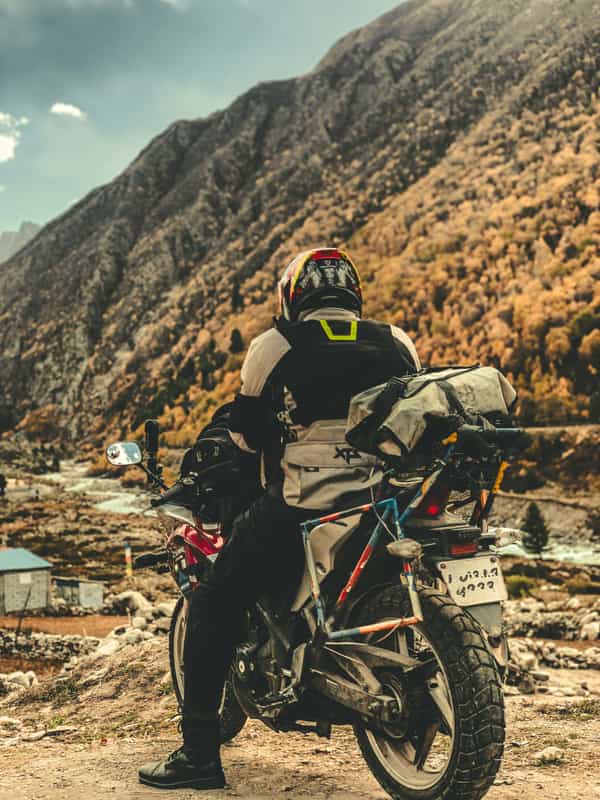
Spiti Valley Circuit Group Bike Trip | Tirthan To Manali On Two Wheels
Is Spring A Good Time To Visit Spiti?

If you are looking for lush green meadows or a comfortable luxury holiday, Spring is not the time for you. However, if you want to see the Himalayas in their rawest, most dramatic state where the ice is still thick but the roads are finally passable, then Spiti Valley in March - May is arguably the most rewarding.
If you’re still wondering why visit Spiti in spring, remember that It is a fantastic idea for photographers, wildlife enthusiasts, and travelers who prioritize peace over comfort. Just come prepared for "rugged" living for which this Spiti Valley spring travel guide will help you.
The Pros of Spiti in Spring:
- Empty Landscapes: Explore Spiti Valley before summer crowds. You get the Spiti Valley monasteries in spring and "world’s highest" spots almost entirely to yourself before the June tourist surge.
- Best Wildlife Sightings: This is the only time you can spot Snow Leopards and Ibex at lower altitudes near the villages before they retreat to high peaks in the summer heat.
- Visual Contrast: You’ll see the "Bicolor Spiti", brilliant turquoise rivers breaking through white ice, set against a backdrop of deep brown mountains.
- Massive Snow Walls: The roads are flanked by 10-15 foot walls of snow (especially in April), a sight that disappears by mid-June.
- Authentic Culture: Since there are fewer tourists, you’ll spend more time sitting in local kitchens, drinking butter tea, and experiencing true Spitian hospitality.
The Cons of Spiti in Spring:
- The "Dry" Lifestyle: Most hotels have frozen pipes in Spring. You will likely be using traditional dry (compost) toilets and "bucket baths" with heated water.
- Extreme Temperature Swings: The 25-degree drop between a sunny afternoon and a midnight freeze can be physically exhausting.
- Unpredictable Roads: Melting snow causes "mud-slush" and falling rocks. A 6-hour drive can easily turn into a 10-hour wait if the BRO is clearing a small slide.
- Closed Passes: You cannot do the "Full Circuit." You must enter and exit via Shimla, as the Manali-Kaza road (Kunzum Pass) remains closed.
- Limited Food Menus: Since the valley is just waking up, fresh vegetables are scarce. Expect a lot of Thukpa, Thentuk, and dal-rice.
How To Reach Spiti In Spring?

To reach Spiti Valley in Spring, you need to understand one thing: there are no direct flights or trains to the valley. Your journey will always be a mix of air or rail followed by a long, scenic mountain road trip.
By Air: The Fastest Start
Flying is the quickest way to reach the base of the Himalayas, but you will still need to continue by road from the airport.
Chandigarh International Airport (IXC)
- The most reliable gateway with the best connectivity.
- Connectivity: Direct flights from Delhi, Mumbai, Bangalore, and Kolkata.
- Travel Duration: From the airport, it’s a 3–4 hour drive to Shimla to begin the circuit.
Bhuntar Airport (Kullu - KUU)
- Closest geographically, but tricky in Spring.
- Connectivity: Mostly connected via Delhi (small Alliance Air flights).
- Travel Duration: Approx. 8–10 hours drive toKaza if the road is clear, but flights are often cancelled due to spring winds.
Jubbarhatti Airport (Shimla - SLV)
- Puts you right at the start of the Shimla to Spiti spring route.
- Connectivity: Limited flights (mostly from Delhi).
- Travel Duration: 1 hour from the airport to Shimla city.
By Rail: The Scenic Start
If you love trains, you can get as far as the foothills before switching to a car or bus.
Chandigarh Railway Station
- The most convenient major station.
- High-speed Shatabdi from Delhi (3.5 hours).
- You can hire an SUV or take a bus from here to Shimla/Kaza.
Kalka / Shimla (The Toy Train)
- A UNESCO World Heritage experience.
- Take a broad-gauge train to Kalka, then switch to the narrow-gauge Toy Train to Shimla (5-6 hrs).
- Once you reach Shimla, the rest of the journey to Spiti is strictly by road.
Road Routes To Reach Spiti In Spring
Once you arrive in Shimla or Chandigarh by air or rail, you must choose your road path. In Spring, the mountains make the choice for you.
Route 1: The Shimla–Kinnaur Route: The Open Route
Shimla to Spiti spring route is via the Hindustan-Tibet Highway (NH-5) and your only reliable way into the valley from March to May.
- Path: Shimla - Narkanda - Rampur - Reckong Peo - Nako - Kaza
- Travel Duration: 2 Full Days (Minimum)
- Day 1: Shimla to Kalpa/Reckong Peo (9–10 hours)
- Day 2: Kalpa to Kaza (8–9 hours)
- Spiti Spring Road Conditions: Mostly paved, but expect slushy "snow-melt" patches near Nako. Read Shimla to Spiti bike tripto plan your dream bike trip to the mountains.
Route 2: The Manali–Kaza Route (Closed)
Do not trust your GPS if it suggests going via Manali in Spring.
- Path: Manali - Atal Tunnel - Kunzum Pass - Kaza
- Status: The Kunzum Pass (15,060 ft) is buried under 20 feet of snow and does not open until late May or June. You cannot reach Kaza this way in early Spring.
Explore this guide on Spiti Valley road trips for detailed information on logistics and road conditions.
By Public Transport: The HRTC Bus (The Budget Way)
If you aren't hiring a private SUV, the Himachal Road Transport Corporation (HRTC) is the lifeline of the valley. There is no direct "single" bus. You must break the Shimla-Kaza route into two parts:
- Shimla to Reckong Peo: Take the evening bus (around 6:00 PM - 8:00 PM) from Shimla ISBT. Arrive in Reckong Peo early in the morning.
- Reckong Peo to Kaza: Catch the famous "Kaza Bus" that departs Reckong Peo at 7:00 AM.
- Travel Duration: Approx. 20–22 hours in total.
- Fare: Roughly ₹800 - ₹1,000 for the entire journey.
- Pro Tip: In Spring, bus services can be suspended for a day if it snows heavily. Always check at the Reckong Peo bus stand the evening before.
Discover step by step breakdown onhow to reach Spiti in detail for a well-planned trip to the valley without hassle.
Top Places To Visit In Spiti In Spring
In Spring, Spiti is a mix of accessible lower valleys and "waking up" high-altitude villages. While the legendary Chandratal Lake remains closed, these places to visit in Spiti in spring are at their most dramatic.
1. Key Monastery (Kye Gompa)

Perched like a fortress on a pyramid-shaped hill, Key Monastery is the largest and most photographed monastery in the valley. In Spring, the surrounding slopes are often still dusted with white, creating a stunning contrast against the ancient, mud-brick walls of the monastery. It’s a functioning religious center and one of the must-visit additions to any Spiti Valley spring travel guide, where you can sit with the monks for a cup of salt tea.
- Location: 14 km from Kaza
- Timings: 6:00 AM – 6:00 PM (Daily)
- Entry Fee: Free (Donations are highly appreciated).
- Things to Do: Attend the morning prayer chants (7 AM), explore the labyrinthine rooms and ancient murals, and climb the roof for 360-degree valley views.
2. Chicham Bridge
Suspended over a deep 1,000-foot gorge, Chicha Bridge is officially the highest suspension bridge in Asia. In early Spring, the gorge below is often filled with frozen waterfalls and jagged ice, making it one of the uniqueplaces to visit in Spiti.
It’s a thrill to walk across, especially when the sharp mountain winds catch you in the middle, reminding you of the sheer altitude (over 13,500 ft).
- Location: 20 km from Kaza (near Kibber village)
- Timings: Open all day (Best visited during daylight)
- Entry Fee: Free
- Things to Do: Capture the iconic "bridge in the mountains" photo, look down into the Samba Lamba gorge, and drive across to Chicham village.
3. Tabo Monastery

Known as the "Ajanta of the Himalayas," this UNESCO World Heritage site is over 1,000 years old. Unlike other Spiti Valley monasteries in spring perched on hills, Tabo Monastery is built on the valley floor and is famous for its incredible stucco statues and wall paintings.
The mud structures look especially raw and beautiful against the clear, blue Spring sky. It’s one of the top places to visit in Spiti in spring.
- Location: 48 km before Kaza (on the Shimla route)
- Timings: 6:00 AM – 6:00 PM (Temple interiors may close for lunch from 12 PM - 1:30 PM)
- Entry Fee: Free
- Things to Do: Explore the 9 main temples, hike to the meditation caves on the hill opposite the complex, and buy local handicrafts in the village.
4. Hikkim & Langza
These two villages offer the ultimate "high-altitude" Spring experience. Hikkim houses the world’s highest post office, while Langza is guarded by a massive, golden Buddha statue overlooking the valley. As the snow melts in April and May, the ground here becomes a treasure hunt for marine fossils dating back millions of years.
- Location: Approx. 15–18 km from Kaza
- Timings: Post office typically opens from 10:00 AM – 4:00 PM
- Entry Fee: Free (Postcards cost ₹20–₹50)
- Things to Do: Mail a postcard from the highest post office, visit the Buddha statue in Langza, and hunt for fossils (Tethys Sea remains) in the melting fields.
5. Dhankar Monastery & Lake

Dhankar Monastery is a structural marvel, built on a 12,000-foot cliff that looks like it’s crumbling into the valley. In Spring, the mud spires of the monastery look incredibly dramatic against the clear blue sky.
TheDhankar Lake trekabove the monastery usually opens by late April, offering a chance to see a high-altitude lake as it transitions from solid ice to liquid blue.
- Location: 32 km from Kaza (between Tabo and Kaza)
- Timings: 6:00 AM – 5:00 PM
- Entry Fee: Free (Donations welcome)
- Things to Do: Explore the old fort (Dhankar Fort), hike to Dhankar Lake (45–60 mins), and sit in the meditation hall for a moment of quiet.
6. Pin Valley National Park (Mudh Village)
While most of Spiti is a high-altitude desert, Pin Valley is the "green" lung of the region. In Spring, it is the best place to witness the "awakening" as the Pin River thaws. The Pin Valley National Park is also the most likely place to spot wildlife like the Siberian Ibex and the elusive Snow Leopard as they descend to lower altitudes for water.
- Location: 35 km from Attargu Bridge (near Kaza)
- Timings: Open all day; National Park entry closes by sunset
- Entry Fee/Cost: Free (Permit required for deep trekking)
- Things to Do: Visit Mudh Village (the last village), spot wildlife using binoculars, and enjoy the unique purple-hued rock formations of the valley.
7. Gue Village (The 500-Year-Old Mummy)

Gue is a small village near the Indo-China border that houses the naturally preserved mummy of a Buddhist monk (Sangha Tenzin). In Spring, the drive to Gue is spectacular because the road follows the river through a narrow gorge that starts to lose its winter ice, revealing deep turquoise pools.
- Location: 12 km diversion from the Sumdo-Kaza highway
- Timings: 8:00 AM – 5:00 PM
- Entry Fee: Free
- Things to Do: See the miraculously preserved mummy, visit the new Gue Monastery, and enjoy the absolute silence of this remote border village.
8. Nako Village & Lake
Nako is your first real taste of the high-altitude desert on your way from Shimla. In early Spring (March/April), Nako Lake is often still partially frozen, creating a "glass-like" appearance. The Nako village itself is a maze of ancient mud houses that look beautiful as the locals begin their first agricultural activities of the year.
- Location: At the border of Kinnaur and Spiti (approx. 3,600m)
- Timings: Open all day
- Entry Fee: Free
- Things to Do: Walk around the sacredNako Lake, visit the Nako Monastery, and catch the sunset from the hilltop stupas.
Unique Things To Experience In Spiti In Spring
Spring in Spiti is the season of "firsts"—the first break in the ice, the first sighting of wildlife, and the first prayer for the harvest. This Spiti Valley Spring travel guide covers the most unique experiences you can only have during the Spiti Spring:
1. Celebrate Sangla Holi (Faguli Festival)

This isn't your typical water-and-colors Holi. In the gateway valley of Kinnaur, you can join the locals at the Bering Nag Temple to watch the ancient Phagli dances, where men wear heavy wooden masks and grass skirts to drive away winter demons.
The 2026 Sangla Holi celebration is unique because of a Lunar Eclipse on March 3rd, making the main procession a rare, solemn-yet-joyful event where you’ll play with herbal colors and snow against a backdrop of the Kinner Kailash range.
- Key Dates: March 2nd – March 4th, 2026 (main deity procession on March 2nd)
- Location: Sangla Village, Kinnaur Valley
- Cost: Free to attend (Stay in local homestays like Batseri or Rakcham)
2. Track The Snow Leopard In Kibber
Spring is the "golden window" for wildlife because the deep snow on the high peaks forces the Snow Leopard’s prey, the Himalayan Ibex and Blue Sheep, down to the cliffs just above the villages for water.
To spot Snow Leopard in Spiti Valley, you’ll spend your days with local "spotters" from Kibber or Chicham who use high-powered telescopes to track these camouflaged cats. It is a game of extreme patience where you’ll sit on frozen ridges, but the reward is seeing the world's most elusive predator in its rawest habitat.
- Best Time: March – Mid-April
- Location: Kibber Wildlife Sanctuary and Rong Nala
- Cost: Guided tracking days cost approx. ₹3,000 – ₹5,000 per day
3. Fossil Hunting In The "Himalayan Seabed"

As the heavy winter snow melts in late April, it physically shifts the topsoil in the high villages, uncovering millions of years of history. You can walk the mud trails behind the giant Buddha statue inLangzaand find Ammonites (spiral-shaped marine fossils) just lying on the ground from when this area was the Tethys Sea. It’s a surreal experience to hold a 250-million-year-old sea creature while standing at 14,500 feet in a desert.
- Specific Dates: Mid April – Late May (Post-snowmelt)
- Location: The "Fossil Hills" of Langza and Hikkim
- Cost: Free (Please take photos only; removing fossils is prohibited)
4. Witness The "Yurma" (First Sowing) Ritual
This is a deeply local agricultural festival that marks the first day the soil is soft enough to plow after six months of frost. You can witness the entire village gathering to decorate their yaks with colorful woolen tassels and sing ancient "plowing songs" that haven't changed in centuries.
It is one of the most authentic moments of Spitian life, showing the valley’s transition from a frozen wilderness back into a living, breathing community.
- Key Dates: Typically Mid-to-late May 2026 (Dates are fixed by lamas locally)
- Location: Demul and Lhalung villages
- Cost: Free (Be respectful and ask permission before photographing rituals)
5. Attend Saga Dawa (Buddha Purnima) At Key Monastery

Celebrating the birth, enlightenment, and death of Buddha, this is the most significant spiritual day in the spring calendar. You can join the monks at Key Monastery for special prayer ceremonies and watch as they unfurl giant Thangka paintings (silk scrolls) that are only shown once a year.
The atmosphere is filled with the deep drone of Tibetan horns and the smell of thousands of butter lamps, offering a much more peaceful experience than the crowded summer festivals.
- Key Date: May 1, 2026 (Buddha Purnima) & May 31, 2026 (Saga Dawa)
- Location: Key Monastery (Kye Gompa)
- Cost: Free (Donations for the monastery kitchen are welcome)
Where To Stay in Spiti Valley In Spring?
Choosing where to sleep is a vital part of your Spiti Valley spring travel guide strategy, as most large hotels remain closed until June. Your best bet is to stay in "Winter-ready" homestays or specific boutique hotels that have invested in insulation and heating systems.
1. Hotel Deyzor (Kaza)

Known as the most iconic stay in the valley, Deyzor is one of the famous hotels in Kaza which is more of a cultural hub than just a hotel. It is one of the few places that stays partially open or opens early in Spring with a focus on sustainability and high-altitude comfort.
The rooms are filled with local books, fossils, and curated Spitian art, and the host, Karan, is a goldmine of information for Spiti spring road conditions. It’s a good addition to your spring Spiti Valley itinerary.
- Location: Behind BSNL Office, Kaza
- Average Cost:₹3,500 – ₹5,500 per night
- Amenities: Cafe with organic food, library, space heaters, and the best travel desk in the valley.
2. Spiti Sarai (Rangrik)
Located just across the river from Kaza, this boutique resort offers the best views of Key Monastery. It’s built with traditional thick mud walls which provide natural insulation, making it much warmer than concrete hotels. In Spring, it is a peaceful alternative to the relatively busier Kaza market area.
- Location: Village Rangrik (5 km from Kaza)
- Average Cost:₹4,000 – ₹6,500 per night
- Amenities: In-house restaurant, 24/7 travel assistance, and traditional heated dining area (Bukhari).
3. Lara’s Homestay (Langza)

For a true high-altitude experience at 14,500 feet, Lara’s is a legendary family-run stay. It is a traditional mud house where you live exactly like the locals. In Spring, you’ll spend your evenings around the central kitchen stove, eating Thukpa and hearing stories about the winter snows. It is the best place for fossil hunters and stargazers.
- Location: Langza Village (Near the Buddha Statue)
- Average Cost:₹1,500 – ₹2,500 (Usually includes breakfast and dinner)
- Amenities: Traditional dry toilets, home-cooked Spitian meals, and heavy Himalayan quilts.
4. Tethys Himalayan DEN (Chicham)
If you are visiting in March or April for snow leopard tracking, this is the place to be. It is specifically designed to cater to wildlife photographers and winter travelers. The rooms are exceptionally clean and designed to trap heat, which is vital since Chicham is one of the highest and coldest inhabited villages in the region.
- Location: Chicham Village (Near Chicham Bridge)
- Average Cost:₹3,000 – ₹4,500 per night
- Amenities: Expert wildlife spotters on call, heated rooms, and hot water buckets provided on request.
5. Zomsa Inn (Kaza)

A modern take on the traditional homestay, Zomsa is located in the heart of Kaza and is very popular with solo travelers and backpackers. It balances a cozy, social vibe with proper amenities. They are very active in the spring season and often organize small group walks to nearby monasteries.
- Location: Kaza Main Market area
- Average Cost:₹2,000 – ₹3,500 per night
- Amenities: Free Wi-Fi (when the satellite works), in-house cafe, and cozy common room.
Travel Tips For Spiti In Spring

Planning a trip during the "Great Thaw" isn't like a standard mountain holiday; it’s a game of strategy. This Spiti Valley spring travel guide breaks down some essential travel tips to keep you moving when the valley is waking up.
Road & Vehicle Logistics
- The 10 AM Rule: Never start your drive before 9:00 AM. You need the sun to melt the "black ice" (invisible frozen patches) that forms on the roads overnight.
- High Clearance is Non-Negotiable: Use an SUV with at least 180mm–200mm ground clearance. Melting snow creates deep "slush-pools" and hidden rocks that will damage a hatchback or sedan.
- The 400km Fuel Gap: Reckong Peo is your last reliable fuel stop. Kaza has the world’s highest pump, but in early spring, tankers are often delayed. Always carry a 10L–20L jerry can of spare fuel.
- Anti-Freeze is Vital: Ensure your car’s coolant is rated for -20°C. Regular water in the radiator will freeze and can crack your engine block overnight in the Kaza cold.
- Buffer Days are Mandatory: Keep 1–2 extra days in your Spring Spiti Valley itinerary. A sudden spring snow-spell can shut the Shimla-Kaza road for 24 hours without warning.
Health & Altitude Strategy
- Acclimatize at Kalpa: Spend at least one night in Kalpa or Reckong Peo (9,000 ft) before pushing to Kaza (12,500 ft). This is the gold standard for avoiding Altitude Sickness (AMS).
- Hydrate Well: Drink 4–5 liters of water daily. The bone-dry spring air dehydrates you silently, which is the #1 trigger for altitude headaches.
- SPF is Your Shield: The high-altitude sun reflecting off the snow is brutal. Use SPF 50+ and polarized sunglasses to prevent "snow blindness" and skin peeling.
- Prepare for "Dry Toilet': Most hotels have frozen pipes. Be prepared to use traditional compost toilets (no water/flush) and "bucket baths" with heated water in homestays.
Electronics & Mobile Connectivity
- Battery Survival: Extreme cold drains phone and camera batteries in minutes. Keep your electronics in an inner jacket pocket close to your body heat.
- Offline Everything: Download Google Maps and all entertainment before leaving Shimla. Expect zero data connectivity once you cross Nako.
- Carry Enough Cash: Carry all the cash you need from Shimla or Reckong Peo. The lone ATM in Kaza is notoriously unreliable during the spring thaw.
Spiti Spring Packing List
- Merino Wool Layers: Packing for the Spiti Valley temperature April swings is about layers. Pack high-quality thermal layers and windproof outer layers. Temperatures swing from 12°C in the sun to -15°C the moment it sets. Carry a 40-50 L backpack, not more than that.
- Waterproof Boots: Spring means "slush." You need high-ankle, waterproof trekking boots to navigate melting snow and mud.
- Skin Essentials: Your Spiti spring packing list must include high SPF sunscreen (SPF 50+), UV-protection sunglasses, lip-balm, and cold cream.
- Power Bank (20,000 mAh+): Since electricity can be spotty during spring storms, a high-capacity power bank is your lifeline.
- Dry Toiletries: Carry extra wet wipes, hand sanitizer, and tissues, as running water is a luxury in the high-altitude homestays.
First-Aid Kit: Include Diamox (for AMS), Paracetamol, band-aids, antiseptic, and personal medication.
Why Is Spring Spiti’s Best Kept Secret?
Visiting Spiti Valley in Spring isn’t just a trip; it’s a front-row seat to the Himalayas waking up. While summer brings crowds and dust, and winter brings extreme isolation, Spring offers a rare middle ground. This Spiti Valley spring travel guide gives a detailed breakdown on logistics, travel tips, best spots, and everything you need to know for a perfect trip.
You get the high-contrast beauty of deep blue skies against massive white snow walls, the intimacy of unhurried monastery visits, and a raw, authentic connection with the locals as they prepare for the year ahead. It’s a season for the patient traveler, the photographer, and anyone who wants to see the "Middle Land" before the rest of the world arrives.
Ready to witness the great Himalayan thaw? Plan your journey with WanderOn to experience the best of this cold desert in spring.
Frequently Asked Questions
Is April a good time to visit Spiti Valley?
April is excellent for adventurers who want to see the Great Thaw. You get massive snow walls and frozen landscapes without winter’s extreme isolation. It is the best time for photography and spotting Himalayan wildlife, though you must be comfortable with basic homestays and dry toilets.
Which route is open to Spiti in spring?
Only the Shimla-Kinnaur route (NH-5) is open. It’s an all-weather road that avoids high-altitude passes like Kunzum. The Manali-Kaza route remains buried under snow until late May or June, so do not attempt to enter or exit via the Atal Tunnel or Rohtang.
What is the temperature in Spiti during spring?
Expect extreme fluctuations. Daytime temperatures range from 5°C to 12°C, feeling pleasant under the sun. However, once the sun sets, it plunges to -5°C or -15°C. The air is very dry, and the wind chill can make it feel significantly colder than it actually is.
How many days are needed for a Spiti spring trip?
You need at least 8 to 9 days. This allows two days for a slow, safe ascent from Shimla to Kaza to prevent altitude sickness, 3 days to explore the high-altitude villages, and 2 days for the return journey, plus a mandatory buffer day.
Are roads safe in Spiti during April-May?
Yes, but they require mountain awareness. While the BRO keeps the Shimla route clear, you’ll encounter melting snow slush and morning black ice. Safety depends on hiring a local driver who understands these conditions and avoiding travel after dark when roads refreeze.


