Surfing
Surfing in Hikkaduwa is Sri Lanka's beginner-friendly wave playground, famed for warm Indian Ocean water, consistent breaks, and a laid-back backpacker-meets-local south-coast vibe.

Most people are surprised when they first look Sri Lanka up. It's a small island nation, just 65,610 sq km, even smaller than Tamil Nadu, sitting 31 km off India's southern tip in the Indian Ocean. But what's packed into that space is what makes it special. Beaches, mountains, ancient ruins, tea estates, rainforests, and wildlife, most of it within a few hours of each other. Sri Lanka tourism is on a serious upswing. According to reports, the island welcomed a record 2.36 million visitors in 2025, with Indians leading as the largest source market. It's not hard to see why.
You can climb a 5th-century rock fortress at sunrise, ride one of the world's great mountain journeys through tea estates, spot leopards in the wild by afternoon, and be at a beach bar in Mirissa by evening. Add to that 8 UNESCO World Heritage Sites, a food culture entirely its own, and a hill country that feels nothing like a tropical island.
If you're trying to get the basics right (visas, flights, money) or just figuring out where to start, this Sri Lanka travel guide covers everything: best time to visit, top places to go, how to get there, what to budget, and what the island is actually like on the ground. If you'd rather skip planning a Sri Lanka trip from India and get straight to it, WanderOn's Sri Lanka Tour Packages are a good place to start.
| Detail | Information |
|---|---|
| Capital | Sri Jayawardenepura Kotte (legislative); Colombo (commercial capital) |
| Official Languages | Sinhala, Tamil; English is widely used in tourism areas |
| Currency | Sri Lankan Rupee (LKR) (e.g. 1 INR = ~3.41 LKR) |
| Time Zone | IST (UTC+5:30) |
| Country Code | +94 |
| Electricity | 230V / 50Hz; Type D, G plugs are common |
| SIM & Mobile Networks | Dialog, Mobitel, Airtel Lanka, Hutch, tourist SIMs are sold at BIA airport |
| Visa for Indians | Free ETA on arrival; valid 30 days |
| Famous for | Sigiriya rock fortress, UNESCO heritage cities, tea estates, Yala leopard safaris, Mirissa whale watching, Galle Fort, and Kandy to Ella scenic train |
| Best for | Couples and honeymooners, solo backpackers, wildlife enthusiasts, beach seekers, culture and heritage travelers, and families on a short international trip |
| Ideal Trip Duration | 7 to 10 days covers the Cultural Triangle, hill country, and one coastal region comfortably; 5 days for short trip |
| Popular Places | Colombo, Kandy, Sigiriya, Ella, Galle, Nuwara Eliya, Yala National Park, Mirissa, Trincomalee, Arugam Bay, Dambulla |
| Emergency Number | 119 (Police), 110 (Fire), 1990 (Ambulance) |
| Official Tourism Site | lovesrilanka.org |
For network coverage, Dialog Axiata is generally the safest bet across the island, including the hill country and long coastal stretches. You can buy a tourist SIM with a data pack (often 25–50 GB for about LKR 1,500–2,000) right in the Bandaranaike International Airport (BIA) arrivals hall. Roaming bills add up fast; a local SIM is the practical move.
Five reasons Sri Lanka tourism is on the rise and why it deserves a spot on every Indian's checklist:

From early 2026, Indian passport holders get the Sri Lanka ETA for free. Apply online before you travel; it's still required for a smooth entry at immigration.
Everything Indian travelers need to know about the Sri Lanka ETA:
What you need to know about handling money in Sri Lanka:
Deciding on the best time to visit Sri Lanka for your Sri Lanka tourism adventure depends entirely on which part of the island you want to explore. Thanks to two separate monsoon seasons that affect opposite coasts at different times, there is almost always a sunny beach somewhere on the island. This unique weather pattern makes Sri Lanka a genuine year-round destination, as long as you plan your itinerary according to the region.
| Month | Best Region | Weather | Highlights |
|---|---|---|---|
| Jan - March | South & West Coast, Cultural Triangle | Dry, sunny (26–32°C on the coast; 15–20°C in the hills) | Peak season. Best overall for first-timers. |
| Apr - May | Transition | Mixed (27–33°C; humidity rises heading into May) | Sinhala & Tamil New Year in April, book early |
| Jun - Sep | East Coast (Trincomalee, Arugam Bay) | Dry in east, wet in west (28–35°C on the east coast) | Best for surfers and beach seekers. |
| Oct - Nov | Transition | Intermittent showers (25–30°C; cooler in the hills at 14–18°C) | Whale watching starts. Fewer crowds, better prices. |
| Dec | South & West Coast, Hill Country | Dry, lush post-rain (26–31°C on the coast; 14–19°C in the hills) | Christmas in Galle is genuinely beautiful. |
For Indian travellers: The Diwali and Puja windows in October and November are a sweet spot. Monsoon is retreating on the west coast, the landscape is green, whale watching picks up off Mirissa, and prices are noticeably lower than peak December and January.
Flying is the fastest and most practical way to reach Sri Lanka from India:
A sea crossing between India and Sri Lanka is possible but requires advance confirmation:
There is no road or rail connection between India and Sri Lanka. The Palk Strait separates the two countries. Flight or ferry are your only options.

Sri Lanka fits a surprising amount into a small map. These are some of the best places in Sri Lanka that earn their place on a well-built itinerary:
Five unmissable things to do in Sri Lanka that deserve to be on your Sri Lanka trip guide checklist:
Sri Lankan cuisine draws on Sinhalese, Tamil, Malay, Dutch, and Portuguese influences built up over centuries. The flavor profile leans on fresh coconut milk, pandan leaves, Maldivian fish, and a spice palette that is fragrant rather than just hot.
Key dishes to know before you arrive:
Sri Lanka is predominantly Buddhist (around 70% of the population), shaping daily life in visible ways. Poya days (full moon holidays) restrict alcohol sales island-wide, so check the calendar if you're timing a celebration. For official updates, the Sri Lanka Tourism Development Authority is the reference point.

One detail many Sri Lanka travel guides might miss: once you're outside Colombo and the Southern Expressway, Sri Lanka moves at a slower pace. On mountain roads, a 200 km hop can easily stretch to 5–6 hours. Plan with slack in your schedule and avoid stacking long drives back-to-back. Whether you're on a Sri Lanka family trip covering multiple regions or a solo run through the hill country, a private driver for a week (around USD 35–50/day including fuel) is often the most comfortable, time-efficient option.
Practical tips that will genuinely improve your Sri Lanka travel experience:
| Category | Budget Backpacker | Mid-Range Traveler | Comfort/Luxury |
|---|---|---|---|
| Accommodation | INR 850–1,300 (~LKR 2,900–4,435) | INR 2,550–5,100 (~LKR 8,700–17,395) | INR 8,500–21,250+ (~LKR 29,000–72,465+) |
| Food | INR 420–680 (~LKR 1,430–2,320) | INR 1,275–2,125 (~LKR 4,350–7,245) | INR 2,550–5,100 (~LKR 8,700–17,395) |
| Transport | INR 420–680 (~LKR 1,430–2,320) (shared cab/bus) | INR 1,275–1,700 (~LKR 4,350–5,800) (shared private driver) | INR 2,975–4,250 (~LKR 10,145–14,500) (private car) |
| Sightseeing & Activities | INR 340–680 (~LKR 1,160–2,320) (local sites, free beaches) | INR 850–2,125 (~LKR 2,900–7,245) (Sigiriya, Yala safari, scenic train) | INR 2,550–5,100+ (~LKR 8,700–17,395+) (premium safaris, whale watching, cultural tours) |
| Total/Day (approx.) | INR 2,030–3,340 (~LKR 6,920–11,395) | INR 5,950–11,050 (~LKR 20,300–37,680) | INR 16,575–35,700+ (~LKR 56,520–121,740+) |
Flights are usually the single largest upfront cost. Economy return fares from Chennai typically run INR 8,000–18,000; from Mumbai and Bengaluru, expect INR 12,000–22,000; and from Delhi, INR 14,000–25,000. Booking 6–8 weeks ahead and travelling outside the December to March peak window brings fares down noticeably. Once you land, Sri Lanka is genuinely affordable at every spending level.

Planning a Sri Lanka trip itinerary looks straightforward on a map, until you factor in the drive times. A well-structured Sri Lanka trip guide or a curated package saves you from spending half your holiday just moving between stops. There are three main ways to organize your travel:
Sri Lanka tourism isn't merely recovering, it's moving with the confidence of a destination that knows exactly what it offers. Ancient cities and rock fortresses sit a few hours from working tea estates; leopard country and surf breaks share the same week; colonial-era fort towns deliver some of the island's best stays and meals. The record 2.36 million arrivals in 2025 weren't a blip. They're a sign Sri Lanka has settled into its role as one of Asia's most well-rounded trips.
Handle your ETA early, time your trip to the right coast, leave breathing room for road travel, and build a Sri Lanka itinerary around what you actually enjoy, rather than trying to "do" the whole island. Get those calls right and Sri Lanka delivers in a big way. Use this Sri Lanka trip guide alongside WanderOn's Sri Lanka Tour Packages to pick the format that suits your travel style.
Surfing in Hikkaduwa is Sri Lanka's beginner-friendly wave playground, famed for warm Indian Ocean water, consistent breaks, and a laid-back backpacker-meets-local south-coast vibe.

Scuba diving in Hikkaduwa is Sri Lanka's classic dive experience, with vibrant coral reefs, historic shipwrecks, and close encounters with tropical fish, rays, and sea turtles.

Wildlife safaris in Yala National Park are Sri Lanka's most iconic jungle adventure, boasting one of the world's densest leopard populations alongside elephants, sloth bears, and crocodiles.

Hot air ballooning near Dambulla and Sigiriya is Sri Lanka's most magical aerial adventure, drifting at sunrise over paddy fields, ancient temples, and the famed Lion Rock.

Zip lining in Kitulgala is Sri Lanka's adrenaline rainforest experience, gliding through lush canopies above the Kelani River with birdsong and misty tropical forest all around.

White river rafting in Kitulgala delivers Sri Lanka's most thrilling water adventure, with grade II-IV rapids carving through dense jungle alongside Bridge on the River Kwai filming sites.

Ministry of Crab in Colombo is Sri Lanka's globally celebrated seafood restaurant, started by cricket legends Jayawardene and Sangakkara, famed for garlic-butter and chilli crab classics.

The Curry Leaf at Hilton Colombo is a Sri Lanka staple for authentic island cuisine, plating rice-and-curry, string hoppers, and seafood beside a beautiful poolside setting.

SALT in Mirissa is a Sri Lanka beachfront favourite, serving fresh seafood plates, grilled tuna, and sunset cocktails right on one of the south coast's most scenic shores.

Seafood Cove at the Mount Lavinia Hotel in Colombo is a Sri Lanka classic for fresh Indian Ocean seafood, beachside seating, and cocktails with Arabian Sea breezes.

Nihonbashi in Colombo is Sri Lanka's celebrated Japanese restaurant from chef Dharshan Munidasa, known globally for sushi, sashimi, and immaculate technique using local seafood.

The Kandy House is Sri Lanka's charming colonial-era boutique restaurant, serving refined Ceylonese fusion cuisine surrounded by paddy fields and historic hill-country ambience.

Pettah Market in Colombo is Sri Lanka's chaotic bazaar of 15+ streets selling electronics, spices, Ayurvedic herbs, textiles, and every daily essential imaginable in the capital's old quarter.

Galle Fort's shops in Sri Lanka's UNESCO-listed Dutch fort stock antiques, handicrafts, Sri Lankan gemstones, hand-loomed sarongs, and quirky boutiques in pristine colonial buildings.

Laksala is Sri Lanka's government-run handicrafts emporium in Colombo, showcasing traditional island crafts like masks, batiks, brassware, and handwoven textiles at fixed prices.

Barefoot in Colombo is Sri Lanka's famous handloom and fashion store, designed by artist Barbara Sansoni, selling vibrant textiles, clothing, books, and its beloved garden cafe.

Kandy City Center is Sri Lanka's modern shopping destination in the hill capital, offering a supermarket, clothing brands, cafes, and souvenirs near the sacred Temple of the Tooth.

Ella's tea shops are Sri Lanka's prettiest Ceylon tea destinations, stacked with freshly packaged orange pekoe, silver-tip, and estate teas from Uva Province plantations.

1N Sigiriya • 2N Ella • 3N Mirissa • 1N Colombo
1N Sigiriya • 2N Ella • 3N Mirissa • 1N Colombo

2N Yala • 2N Bentota • 1N Colombo

2N Kandy • 1N Nuwara Eliya • 2N Bentota • 1N Colombo

1N Dambulla • 1N Kandy • 1N Nuwara Eliya • 2N Bentota • 1N Colombo

2N Kandy • 1N Nuwara Eliya • 1N Bentota • 1N Colombo

2N Kandy • 1N Nuwara Eliya • 1N Bentota • 1N Colombo

1N Kandy • 1N Bentota • 1N Colombo

1N Sigiriya • 1N Nuwara Eliya • 2N Ella • 2N Mirissa • 1N Colombo

1N Dambulla • 1N Habarana • 1N Kandy • 1N Nuwara Eliya • 2N Bentota • 1N Colombo

1N Anuradhapura • 1N Jaffna • 1N Trincomalee • 1N Kandy • 1N Kataragama 1N Colombo

2N Kandy • 2N Bentota • 1N Colombo
1N Sigiriya • 2N Ella • 3N Mirissa • 1N Colombo
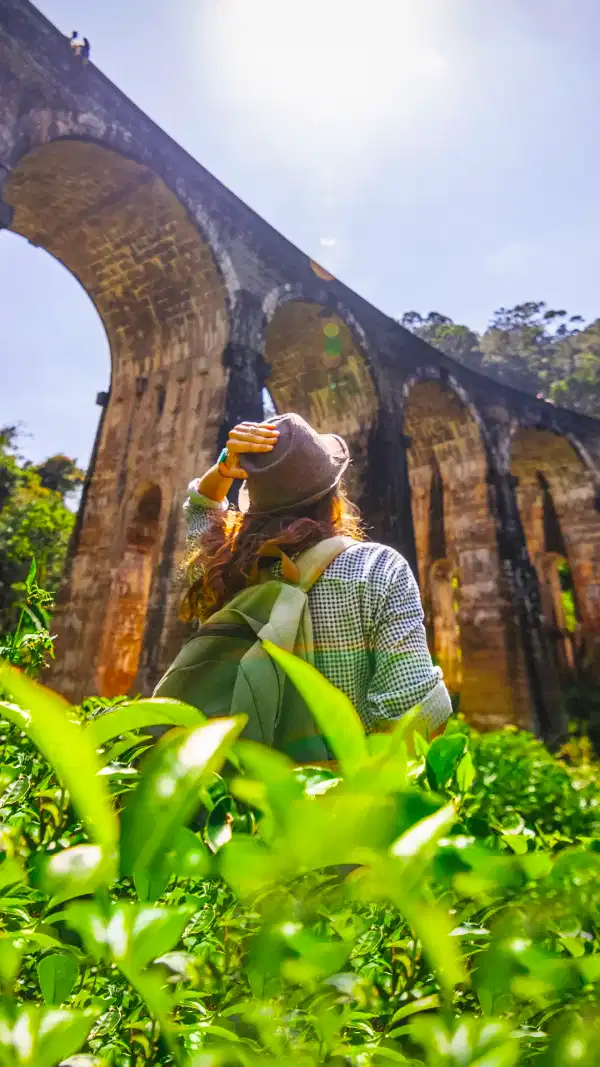
1N Sigiriya • 1N Nuwara Eliya • 2N Ella • 2N Mirissa • 1N Colombo

1N Kandy • 2N Bentota • 1N Colombo

1N Kandy • 1N Nuwara Eliya • 1N Bentota • 1N Colombo

2N Nuwara Eliya • 2N Bentota • 1N Colombo

2N Yala • 2N Mirissa • 1N Colombo

2N Sigiriya • 1N Kandy • 2N Ella • 2N Bentota

2N Dambulla • 1N Kandy • 1N Eliya • 1N Colombo

2N Kandy • 1N Nuwara Eliya • 1N Colombo

2N Kandy • 2N Nuwara Eliya • 1N Bentota • 1N Colombo

1N Sigiriya • 1N Trincomalee • 2N Kandy • 1N Nuwara Eliya • 1N Colombo


1N Bentota • 1N Yala • 2N Kandy • 2N Dambulla • 1N Colombo
1N Sigiriya • 2N Ella • 3N Mirissa • 1N Colombo
1N Sigiriya • 2N Ella • 3N Mirissa • 1N Colombo
1N Sigiriya • 2N Ella • 3N Mirissa • 1N Colombo
1N Sigiriya • 1N Nuwara Eliya • 2N Ella • 2N Mirissa • 1N Colombo

2N Mirissa • 1N Yala • 2N Ella • 1N Nuwara Eliya • 1N Colombo
1N Bentota • 1N Yala • 2N Kandy • 2N Dambulla • 1N Colombo
2N Sigiriya • 1N Kandy • 2N Ella • 2N Bentota
1N Sigiriya • 1N Trincomalee • 2N Kandy • 1N Nuwara Eliya • 1N Colombo
2N Kandy • 1N Nuwara Eliya • 1N Bentota • 1N Colombo
1N Kandy • 2N Bentota • 1N Colombo
1N Kandy • 1N Nuwara Eliya • 1N Bentota • 1N Colombo
2N Nuwara Eliya • 2N Bentota • 1N Colombo
2N Yala • 2N Mirissa • 1N Colombo
1N Sigiriya • 1N Nuwara Eliya • 2N Ella • 2N Mirissa • 1N Colombo
2N Dambulla • 1N Kandy • 1N Eliya • 1N Colombo
2N Yala • 2N Bentota • 1N Colombo
1N Dambulla • 1N Kandy • 1N Nuwara Eliya • 2N Bentota • 1N Colombo
1N Dambulla • 1N Habarana • 1N Kandy • 1N Nuwara Eliya • 2N Bentota • 1N Colombo
2N Kandy • 2N Nuwara Eliya • 1N Bentota • 1N Colombo
1N Anuradhapura • 1N Jaffna • 1N Trincomalee • 1N Kandy • 1N Kataragama 1N Colombo
2N Kandy • 2N Bentota • 1N Colombo
2N Kandy • 1N Nuwara Eliya • 1N Bentota • 1N Colombo
2N Kandy • 1N Nuwara Eliya • 2N Bentota • 1N Colombo
1N Kandy • 1N Bentota • 1N Colombo
2N Kandy • 1N Nuwara Eliya • 1N Colombo
Diksha
23 Jun 2026Amazing experience. This was my first ever solo trip. My trip captain was Riddhi. She was very supportive, helpful and encouraging throughout the journey. She was accommodating as well. I am so glad that I got on this trip. Keep it up!
Gunda Sailikhith
23 Jun 2026Had a great experience. Stays were good, marshall was good, customer care was good, accomodated extra drop offs and pickups free of cost. Absolutely worth it, especially the customer support
Ajinkya Desai
21 Jun 2026Entire Tour was highly appreciated the efforts taken by Our Capitan Prakash Mishra were helped us to enjoy the tour a lot ....Thanks Wander on....
Veenith Adepu
21 Jun 2026This was an another trip with WanderOn, and just like the previous ones, it was absolutely amazing! A big thanks to our captains Nishant, Tasdeeq, and Harsh for making the journey smooth, fun, and memorable. The breathtaking views and beautiful landscapes were truly the highlights of the trip. Most importantly, I met some wonderful people who turned from strangers into great friends. Looking forward to many more adventures with WanderOn!
Your right to Know!
Yes, but the process is easier than ever. As of 2026, Sri Lanka offers a free Electronic Travel Authorization (ETA) for Indian passport holders. You should apply online before you travel. The ETA covers a 30-day stay.
It depends on the coast (and the monsoon) you're planning around. December to March suits the south and west coasts and the hill country. May to August is the stronger window for the east coast, including Trincomalee and Arugam Bay. The simplest rule: avoid peak monsoon months for the region you're visiting.
Most travelers fly direct into Colombo's Bandaranaike International Airport from Chennai, Mumbai, Delhi, Bengaluru, Kochi, or Hyderabad. The main airlines are SriLankan Airlines, IndiGo and Air India and the Chennai flight takes less than 1.5 hours. There is also a ferry route from Nagapattinam to Kankesanthurai, which resumed in March 2026, but you'll want to check on availability and schedules before planning to use it.
Sri Lanka is one of South Asia's safest destinations for tourists. Petty crime is low, locals are welcoming, and solo travellers, including women are generally comfortable across the island. Standard travel precautions apply as they would anywhere.
Yes, WanderOn runs dedicated Sri Lanka itineraries for solo travelers, couples, and groups. The Sri Lanka group tour packages format unites like-minded travelers on a structured route covering the Cultural Triangle, hill country and coast, with accommodation, transport and key experiences all taken care of.
1. Indian passport holders need an ETA (Electronic Travel Authorisation) before visiting Sri Lanka — apply online ahead of travel.
2. Monsoon seasons affect Sri Lanka's east (October-January) and west (May-September), so plan beach and safari timing accordingly.
3. Respect Sri Lanka's Buddhist temples — cover shoulders and knees, and remove hats before entering shrines or sacred sites.
4. Never pose disrespectfully next to or on top of Buddha statues — this is a serious offense under Sri Lankan law.
5. Use tuk-tuks with meters (PickMe app) in Colombo to avoid overcharging, and carry Sri Lankan Rupees for smaller stops.
6. Mosquito-borne illnesses occur in parts of Sri Lanka, so carry repellent, wear long sleeves at dusk, and use nets when provided.
Some good reads to help you travel better!


Travel More. Worry Less. We've Got the Rest.
Expertly Crafted Itineraries
Famous sights, hidden gems, and everything in between — planned around your vibe, your crew, your budget.
Passionate Trip Captains
Our Captains are trained to lead and set the vibe. They will be part guide, part friend, all in.
End-to-End Travel Support
Visa help, on-ground assistance, round-the-clock support! You just book, we will handle the rest.
Top Rated by Travellers
4.9 stars on Google and TripAdvisor from 2 lakh+ travellers who booked, and came back to say it was worth it.
Transparent Pricing, No Hidden Costs
We clearly spell out what's included and what's not, so nothing catches you off guard mid-trip.
Best Stays, Transport & Meals
We arrange comfy stays, reliable drivers with good vehicles, and the best meals we can find for you.
Don't Just Dream, Travel!
Don't just dream travel!
Allow us to call you back!

Don't just dream travel!
Allow us to call you back!