


The best time to visit Manchester is June to August. The city genuinely comes alive in summer, with rooftop bars open, festivals everywhere, and longer days that make you want to stay out till midnight. That said, Manchester is one of those cities that works in any season if you know what you are looking for.
Timing matters more than people think. September to December is a great middle ground before things slow down in January and February. Spring and autumn are quieter, cheaper, and honestly underrated. And yes, it rains, but nothing like the horror stories. Most days, it is a drizzle, and then the sun is back out.
The best time to go to Manchester depends on what kind of trip you want. Check out our Europe Trip Packages to start planning your trip.
Our Top Selling Europe Tour Packages
12-Day Europe Backpacking Tour: Amsterdam to Budapest
9 Days Amazing Europe Tour: France, Belgium, The Netherlands, Germany, Switzerland
13-Day Iconic Europe Tour: London, Paris, Amsterdam & Swiss Alps Summit
13-Days Perfect Europe Tour 2026: Paris, Switzerland, Italy & More
Manchester Weather by Month – Big Picture

Before choosing the best time to visit Manchester, it helps to understand what the city actually feels like throughout the year. That seasonal variety is also part of what makes Europe tourism interesting, especially when you’re planning trips around weather and local events.
Some months are lively and packed with football fans and tourists. Others are quieter, colder, and better for budget travel. Looking at Manchester weather month by month makes it easier to decide the best time to go to Manchester based on the kind of trip you want.
January
Temp: 2°C to 7°C
Coldest and quietest month
Short daylight hours
Great for museums, football, and indoor cafés
February
Temp: 2°C to 8°C
Cold with frequent rain
Budget-friendly travel period
Less crowded attractions
March
Temp: 5°C to 11°C
Early spring begins
A mix of sunshine and rain
City starts feeling livelier
April
Temp: 7°C to 14°C
Fresh spring weather
Parks become greener
Comfortable for sightseeing
May
Temp: 10°C to 17°C
Mild and pleasant
Outdoor cafés get busy
Often considered the best month to visit Manchester
June
Temp: 13°C to 20°C
Long daylight hours
Great weather for walking
Start of the peak season in Manchester
July
Temp: 15°C to 23°C
Warmest month of the year
Busy tourist season
Football tours and events become popular
August
Temp: 14°C to 22°C
Lively summer atmosphere
Still crowded but energetic
Perfect for outdoor adventure activities in Manchester
September
Temp: 12°C to 19°C
Cooler but comfortable
Fewer tourists compared to summer
Excellent for sightseeing
October
Temp: 9°C to 15°C
Autumn colours appear
Cool evenings begin
Football season feels exciting
November
Temp: 5°C to 10°C
Cold and rainy weather
Low tourist crowds
Cosy city atmosphere
December
Temp: 2°C to 8°C
Cold but festive
Christmas markets and lights
One of the most atmospheric months
Manchester Temperature by Season

Winter (Dec–Feb): 2°C to 8°C – cold, rainy, and quieter
Spring (Mar–May): 5°C to 17°C – fresh, green, and pleasant
Summer (Jun–Aug): 14°C to 23°C – warm, busy, and lively
Autumn (Sep–Nov): 5°C to 19°C – cool, scenic, and relaxed
Understanding this helps you choose the Best time to visit Manchester depending on your budget, weather preference, and travel style.
Suggested Read: Explore the Best Places to Visit in Manchester in One Day
Manchester in Summer (June to August) – Peak Season

Summer is when Manchester feels most energetic. Streets stay busy late into the evening, parks fill with people, and outdoor events take over the city. For many travellers, this is the best time to visit Manchester because the weather becomes easier to enjoy.
At the same time, this is also the peak season in Manchester, so expect bigger crowds and higher prices.
If you're planning a wider European holiday around these months, Europe tour packages in summer can give you an idea of what a multi-country summer itinerary looks like.
When is Peak Season in Manchester?
The peak season in Manchester runs from June to August. July is usually the busiest month because schools across Europe are on holiday and tourism reaches its highest level.
This is also considered the best time of year to visit Manchester for first-time travellers who want to experience the city at its liveliest.
Seasonal Overview
- Temperature: Average temperatures stay between 14°C and 23°C. Compared to Indian summers, Manchester feels cool and comfortable even during the warmest weeks.
- Daylight: One major advantage is the long daylight hours. During June and July, sunsets happen close to 9:30 PM, giving you extra time for sightseeing and evening walks.
- Weather Conditions: Mostly pleasant with occasional rain showers. Manchester weather changes quickly, so carrying a light jacket still makes sense.
- Crowds & Costs: Hotels, flights, and attractions become more expensive during the summer. Popular football stadium tours and museums also get crowded.
What Makes Summer Special
Outdoor City Life
Manchester becomes far more social during the summer. Parks, beer gardens, rooftop cafés, and public spaces stay full of people enjoying the weather.
Football Culture
Even though the Premier League takes a break during part of the summer, stadium tours at Old Trafford and Etihad Stadium remain extremely popular.
Music and Festivals
Manchester’s music culture becomes very active during the summer. Outdoor concerts, food festivals in Manchester, and local events happen throughout the season.
This is a major reason why many travellers consider summer the best time to travel to Manchester.
Easy Day Trips
Summer is also the best time to plan a trip to Manchester if you want nearby countryside experiences. Day trips to the Peak District or Liverpool become much more enjoyable in good weather.
Why Many Travellers Choose Summer
For first-time visitors, summer often feels like the safest option. Weather conditions are manageable, attractions stay open longer, and the city feels alive.
That is why many still call this the Best Time to Visit Manchester despite the crowds.
Who Summer is Best For
- First-time UK travellers
- Football fans
- Festival lovers
- Families travelling during school holidays
- Travellers who enjoy lively cities
For these travellers, summer is the best season to visit Manchester.
Challenges You Should Know
Let’s keep expectations realistic.
- Crowds Increase Everywhere: Popular attractions, restaurants, and shopping streets get busy quickly.
- Prices Go Up: Hotels and flights are significantly more expensive during the peak season in Manchester.
- Weather Still Changes Fast: Even in summer, rain can appear suddenly. Manchester weather rarely stays fully predictable.
Smart Summer Travel Tips
- Book Hotels Early: Summer accommodation prices rise quickly.
- Pre-book Stadium Tours: Football stadium tours often sell out during busy periods.
- Explore Beyond the Centre: Neighbourhoods outside the tourist centre feel calmer and more local.
- Carry Layers: Evenings can still feel cool, especially for Indian travellers.
Suggested Read: Best Trails and Hikes in Manchester for Nature Lovers
Manchester in Spring (March to May) – Shoulder Season

Spring is when Manchester slowly wakes up after winter. Trees turn green again, parks become colourful, and people start spending more time outdoors.
For many travellers, spring is actually the best time to visit Manchester because it balances weather, crowds, and prices better than summer.
Why Spring Works So Well
Spring gives you comfortable weather without the chaos of peak tourist season.
You get:
- Better hotel prices
- Fewer tourists
- Comfortable sightseeing conditions
- A fresher and calmer atmosphere
That is why many travellers consider spring the best season to visit Manchester.
Seasonal Overview
- Temperature: Temperatures range from 5°C to 17°C across the season.
- Weather Conditions: Expect a mix of sunshine, clouds, and occasional rain. Layers are essential.
- Daylight: Days become noticeably longer by April and May.
- Crowds & Costs: Tourist numbers increase slowly, but prices remain below peak summer levels.
Month-by-Month Feel
- March: Still chilly but quieter and budget-friendly.
- April: Pleasant weather and blooming parks make the city more attractive.
- May: Many travellers consider this the best month to visit Manchester because conditions feel balanced.
What Makes Spring Special
- Comfortable Walking Weather: Manchester is easier to explore on foot in the spring. You can spend long hours outside without dealing with harsh cold or heavy summer crowds.
- Parks Look Beautiful: Places like Heaton Park become much more enjoyable.
- Football Season is Active: Spring is one of the best times to go to Manchester for football fans because league matches become more intense toward the end of the season.
Who Spring is Best For
- Couples
- First-time visitors
- Football travellers
- Photographers
- Travellers looking for balanced weather and costs
For many people, spring is the best time to visit Manchester overall.
Challenges You Should Know
- The weather can change quickly: Rain remains common.
- Prices Start Rising by May: The closer you get to summer, the more expensive travel becomes.
Best-Selling European Travel Packages

Best of Europe 2026: 10-Days Tour from Paris to Rome

Ultimate Europe Trip: Amsterdam Canals to Tomorrowland Beats
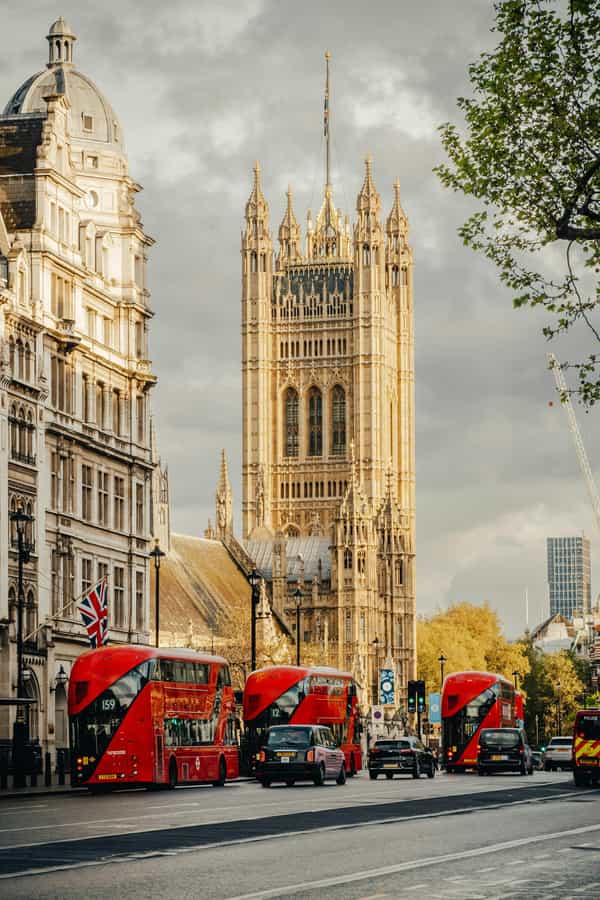
8-Days Best of United Kingdom Tour Package
11 Days Amazing Europe Tour Package
Manchester in Autumn (September to November) – Shoulder Season

Autumn is one of Manchester’s most underrated seasons. The summer crowds fade away, temperatures become cooler, and the city feels calmer.
For travellers who dislike busy tourist destinations, this can quietly become the best time of year to visit Manchester.
Autumn also works well for travellers who prefer slower-paced group itineraries, so Europe group tour packages can be worth considering if Manchester is part of a larger Europe trip.
Seasonal Overview
- Temperature: Around 5°C to 19°C.
- Weather Conditions: September stays mild, while November becomes colder and wetter.
- Daylight: Days shorten gradually after October.
- Crowds & Costs: Tourism slows down after summer, which helps reduce hotel costs.
Month-by-Month Feel
- September: Arguably the best month to visit Manchester for balanced weather and fewer crowds.
- October: Cooler temperatures and a strong football atmosphere.
- November: Cold, quieter, and more budget-friendly.
What Makes Autumn Special
- Football Atmosphere Peaks: Autumn is often the best time to travel to Manchester for football lovers because the season is fully active.
- Fewer Crowds: Museums, restaurants, and attractions feel less hectic.
- Scenic City Walks: Parks and canals take on autumn colours, making walks more enjoyable.
Who Autumn is Best For
- Slow travellers
- Repeat visitors
- Budget-conscious travellers
- Football fans
For these travellers, autumn becomes the best time to plan a trip to Manchester.
Challenges to Expect
- More Rain: Weather becomes less predictable.
- Shorter Days: Sunset arrives earlier, especially by November.
Suggested Read: 30 Best Local Foods in Manchester: Top Must-Try Dishes
Manchester in Winter (December to February) – Low Season

Winter changes Manchester completely. The city feels quieter, colder, and more local.
This is the low season, but for some travellers, it still becomes the best time to visit Manchester because of lower prices and festive atmosphere.
Seasonal Overview
- Temperature: Usually between 2°C and 8°C.
- Weather Conditions: Cold, rainy, and cloudy.
- Daylight: Short days with early sunsets.
- Crowds & Costs: Lowest hotel prices of the year outside Christmas week.
- Month-by-Month Feel
- December: Christmas lights and markets create a festive atmosphere.
- January: Quietest and cheapest month.
- February: Still cold, but slightly less gloomy than January.
- Winter Markets and Football Nights
Manchester feels cosy during winter. Christmas markets, warm cafés, football pubs, and rainy evenings give the city a completely different personality.
For some travellers, December becomes the best time to go to Manchester because of the festive energy.
If Manchester is part of a wider European winter trip, checking the best time to visit Europe can help you compare seasons across different destinations.
What Makes Winter Special
- Lower Travel Costs
- Flights and hotels become cheaper after the New Year.
- Fewer Tourists
- Attractions become easier to enjoy.
- Cosy Indoor Experiences
- Winter works well for museums, shopping, pubs, and football culture.
Who Winter is Best For
- Budget travellers
- Museum lovers
- Repeat visitors
- Travellers avoiding crowds
For these travellers, winter may actually be the best time to visit Manchester.
Challenges You Should Know
- Cold and Wet Weather
- Not ideal for outdoor sightseeing.
- Limited Daylight
- You need to plan activities carefully.
Suggested Read: Historical Places in Manchester: 15 Best Heritage Landmarks
Best Time to Visit Manchester from India

The best time to visit Manchester from India is usually between May and September.
Indian travellers often find Manchester cold throughout the year, even during summer evenings. That is why late spring and summer feel more comfortable.
September is another excellent option because the weather remains pleasant while crowds become smaller.
For most travellers, this is the best time to travel to Manchester without dealing with extreme cold.
Suggested Read: Best Things to Do in London this Summer 2026
So, What is the Best Time to Visit Manchester?

The best time to visit Manchester depends entirely on the experience you want.
If you want warm weather and outdoor events, summer is ideal. If you prefer fewer crowds and lower costs, spring and autumn work beautifully. Winter may be cold, but the Christmas atmosphere gives the city a completely different charm.
For most travellers, the best time to go to Manchester is between May and September. But football fans, budget travellers, and Christmas lovers may prefer different seasons entirely.
What makes Manchester special is that it never feels fake or overly polished. It feels real, energetic, creative, and deeply passionate about music, football, and culture. Timing your visit properly simply helps you experience the city at its best.
So before booking flights, think carefully about what kind of trip you actually want. That is the real secret to choosing the best time to visit Manchester.
Frequently Asked Questions
When is the cheapest time to visit Manchester?
January and February are usually the cheapest months to visit Manchester. Flights and hotels cost less because tourist crowds are smaller after the holiday season. The weather is cold and rainy, but it can still be a good time for museums, shopping, football matches, and budget travel.
Is summer a good time to visit Manchester?
Yes, summer is a great time to visit Manchester if you enjoy lively cities, outdoor events, and long sightseeing days. This is also the peak season in Manchester, so expect higher hotel prices and bigger crowds, especially around popular attractions and football-related experiences across the city.
When does Manchester have the best weather?
Manchester usually has its best weather during June, July, and August. Temperatures are mild, daylight hours are long, and outdoor activities become easier to enjoy. Rain can still happen anytime, but summer generally offers the most comfortable conditions for walking, sightseeing, and day trips nearby.
When should I visit Manchester for festivals and events?
Visit during summer (June-August) for major festivals like Manchester International Festival and Pride in August. Spring offers the Manchester Jazz Festival in May, while winter features the famous Christmas Markets.
Is it crowded in Manchester during summer?
Yes, summer is the peak Manchester tourist season with the highest visitor numbers. Popular attractions, hotels, and restaurants get very busy, especially on weekends. Book accommodation and tours well in advance during this period.
What time of year is best for photography in Manchester?
Autumn is excellent for photography with parks displaying beautiful golden and red foliage. Spring captures blooming flowers in gardens, while winter offers magical festive scenes with illuminated streets and Christmas decorations.
How many days are enough to explore Manchester?
Three to four days are enough to explore Manchester's main attractions, including museums, football stadiums, the Northern Quarter, and parks. Extend to five to seven days if attending festivals or exploring surrounding areas.
Does Manchester have snow in winter?
Manchester can experience occasional snow during winter (December-February), but it rarely accumulates or lasts long. Frost is more common. The city typically has cold, grey, rainy winter days rather than heavy snowfall.


