The best time to visit Europe for most travellers is May to June or September, when the weather is generally comfortable for sightseeing, the days are long and you can avoid the busiest weeks of summer. But there is no single answer for the whole continent—Southern, Central and Northern Europe can feel very different in the same month.
If you want beaches, long evenings and outdoor adventures, summer makes sense. If you are keen to explore Christmas markets in Europe or go skiing, winter is the obvious choice. Spring and autumn are better when you want to explore cities at a slower pace, with fewer people and, in many destinations, more comfortable temperatures.
For travellers planning holidays with curated Europe tour packages, your route should decide your dates. A trip through Italy, Switzerland, and France calls for a different approach from a journey through Scandinavia. The best time to visit Europe is ultimately the period that suits both your destinations and the kind of holiday you want.
Best Time to Visit Europe by Season
Spring in Europe
Spring is a particularly good choice if sightseeing is the main reason for your trip. By April and May, many European cities are comfortable for long days on foot, while parks and countryside begin coming back to life.
March can still feel like winter in Northern and Central Europe, while Southern Europe warms up sooner. By May, the difference is noticeable: outdoor cafés are lively, daylight lasts much longer, and you can spend a full day sightseeing without the intensity of midsummer.
Spring is also useful if you want to see Europe before the major summer rush. The official Visit Europe portal highlights shoulder-season travel for its quieter attractions, more relaxed pace and local experiences.
Typical daytime temperatures:
Southern Europe: 15–25°C
Western Europe: 12–20°C
Central Europe: 10–20°C
Northern Europe: 5–15°C
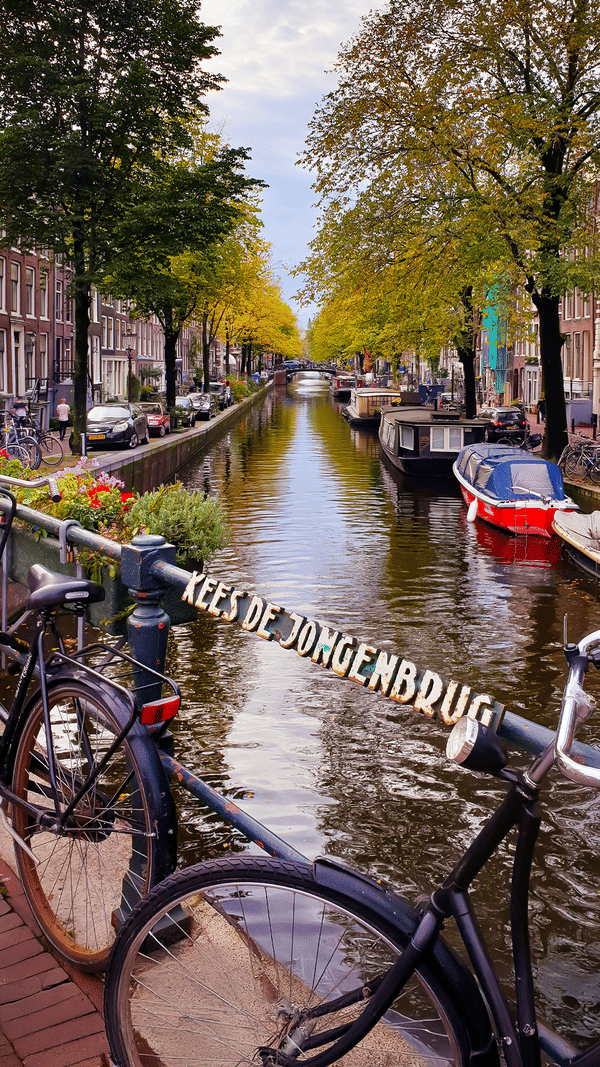
Good places to consider: Italy, France, the Netherlands, Portugal, Spain and Central Europe.
Keep in mind: Mountain destinations can still have snow in spring, and Northern Europe warms up more slowly than the south.
Europe in Summer
Europe in summer is the season for long evenings, Mediterranean beaches, Alpine hikes, outdoor dining and a packed calendar of events. June is usually the easiest month if you want summer without going straight into the busiest part of the season.
July and August are different. These are the core months of peak season in Europe, with very high visitor numbers in popular cities, coastal destinations and resorts. Recent EU data confirms that July and August account for nearly one-third of annual tourism nights, making them the busiest period of the year.
That doesn't make summer a bad time to travel. If you want summer in Europe specifically, the crowds may be a worthwhile trade-off.
Typical daytime temperatures:
Southern Europe: 25–35°C
Western Europe: 20–28°C
Central Europe: 20–30°C
Northern Europe: 15–25°C
Good places to consider: Greece, Croatia, Italy, Switzerland, Austria, Norway, Iceland and Portugal.
Keep in mind: Southern Europe can become very hot, especially during heatwaves. The European Environment Agency also identifies increasing heat stress and wildfire risk as important considerations for summer tourism.
Europe in Autumn
September is one of the easiest months to recommend if you want the benefits of summer without quite as much summer around you. Southern Europe can remain warm, while Central and Western Europe become more comfortable for long walking days.
By October, the weather becomes more variable. Southern destinations can still be pleasant, but Northern and Central Europe are cooler and wetter. This makes autumn particularly good for city breaks, museums, food-focused trips and scenic countryside rather than guaranteed beach weather.
The quieter atmosphere is a genuine advantage. Shoulder-season travel can mean less pressure at major sights and a more relaxed experience, although the exact low season varies between destinations.
Typical daytime temperatures:
Southern Europe: 18–30°C
Western Europe: 12–22°C
Central Europe: 10–20°C
Northern Europe: 5–15°C
Good places to consider: Italy, France, Portugal, Spain, Germany, Switzerland and Austria.
Keep in mind: September is much more reliable for warm weather than November. Don't treat the entire autumn season as one weather window.
Europe in Winter
Europe in winter works best when you actually want a winter trip rather than simply accepting cold weather as a compromise.
December is about Christmas markets, festive city centres and seasonal events. January and February are better suited to skiing and snow, particularly in the Alps. Farther north, winter also brings the long nights needed for Northern Lights viewing.
Typical daytime temperatures:
Southern Europe: 10–18°C
Western Europe: 5–12°C
Central Europe: 0–7°C
Northern Europe: -5–5°C
Alpine regions: -10–5°C
Good places to consider: Austria, Switzerland, Germany, Czechia, Finland, Norway and France.
Keep in mind: Snow isn't guaranteed everywhere. Higher-altitude Alpine resorts are generally a safer choice for snow-based holidays than lower-altitude destinations, and changing climate conditions are affecting snow reliability in some European winter destinations.
Rather than saying one month is automatically best, here's what you can realistically expect throughout the year.
Europe in January
Europe in January is a good choice if you're specifically looking for skiing, winter landscapes or quieter European cities.
Europe temperature in January varies dramatically. Mediterranean destinations are much milder than Scandinavia or the Alps, where freezing temperatures and snow are common.
Best for: Skiing, winter escapes, and Northern Lights trips.
Think twice if: You want long days outdoors or a first trip focused on sightseeing across several countries.
Europe in February
February remains a strong winter month for Alpine holidays. Austria, Switzerland, France and Italy all have established ski destinations, while major cities are generally less crowded than in summer.
Southern Europe is a better choice if you want sightseeing without severe cold. Northern Europe remains firmly wintry, with limited daylight in the far north.
Best for: Skiing, winter scenery and quieter city breaks.
Europe in March
March is a transition month. Southern Europe starts feeling noticeably more spring-like, while Central and Northern Europe can still be cold.
It's useful for travellers who want to avoid peak crowds and don't mind unpredictable weather. If you're travelling across several countries, southern destinations are the safer choice for outdoor sightseeing.
Best for: Southern Europe, early spring trips and quieter city breaks.
Europe in April
April brings longer days and increasingly comfortable temperatures across much of Western and Southern Europe.
You can comfortably build a sightseeing-heavy itinerary, although showers remain possible and Northern Europe can still feel chilly. Easter can also increase demand around certain destinations.
Best for: City breaks, spring landscapes and sightseeing.
Europe in May
If someone asks me for one month that works particularly well for a general Europe trip, May is near the top of the list.
You can expect comfortable conditions in much of Western, Central and Southern Europe, while summer crowds have not yet reached their peak. It's also a particularly rewarding month for combining cities with countryside and mountain destinations.
Best for: First-time visitors, multi-country trips, sightseeing and couples.
Europe in June
Europe in June weather is generally favourable for a broad European itinerary. Southern destinations are already warm, Central Europe is comfortable for sightseeing, and Northern Europe benefits from exceptionally long daylight hours.
This makes June particularly useful if you want to fit a lot into one trip. You can spend the day sightseeing, take a scenic train, or hike in the afternoon and still have plenty of daylight left in the evening.
Best for: First-time trips, Alps, Scandinavia, city breaks and Mediterranean travel.
Europe in July
July is firmly within peak season. Major attractions, beaches and resort towns are busy, and accommodation demand is high.
If you're travelling for beaches, islands or outdoor activities, July can be excellent. For a city-heavy itinerary through Rome, Paris, Barcelona or Athens, however, heat and crowds can make long sightseeing days tiring.
Best for: Beaches, islands, Alpine destinations and Northern Europe.
Europe in August
August is generally the busiest and hottest period for Southern Europe. Mediterranean destinations are popular with both international and domestic travellers.
If you're travelling during August, consider starting your sightseeing early and leaving the hottest part of the afternoon free. Northern Europe and higher-altitude destinations can offer more comfortable conditions.
Best for: Mediterranean beaches, Northern Europe and mountain escapes.
Europe in September
September is arguably the most versatile month on the calendar.
Summer crowds begin to thin, but much of Southern Europe remains warm enough for beaches. In Central Europe, the weather becomes more comfortable for walking, and the month is particularly well-suited for food and wine regions.
If you're still deciding on the best time to see Europe, September deserves to be near the top of your list.
Best for: Multi-country trips, Mediterranean travel, city breaks and scenic journeys.
Europe in October
Europe in October weather is increasingly autumnal, especially in Central and Northern Europe. Southern Europe can still be pleasantly warm, making it a good alternative if you want to avoid summer heat.
The weather in Europe in October is less predictable than in September, but that's not necessarily a disadvantage if your trip is focused on cities, food, museums and autumn scenery.
Best for: Italy, Portugal, France, Central Europe and city breaks.
Exciting Europe Christmas & New Year Tour packages
November is one of the quieter months for European tourism. Days are shorter, temperatures fall and rain becomes more common across much of the continent.
Southern Europe is generally the better option if mild weather matters. Towards the end of the month, festive events and Christmas markets begin appearing in some Central European cities.
November is also a good time to chase the Northern Lights, particularly in northern destinations such as Iceland, Norway, Sweden and Finland, where longer nights improve your chances of seeing them.
Best for: City breaks, museums, food, and lower-season travel.
Europe in December
Europe in December is worth choosing if you want festive Europe instead of warm Europe.
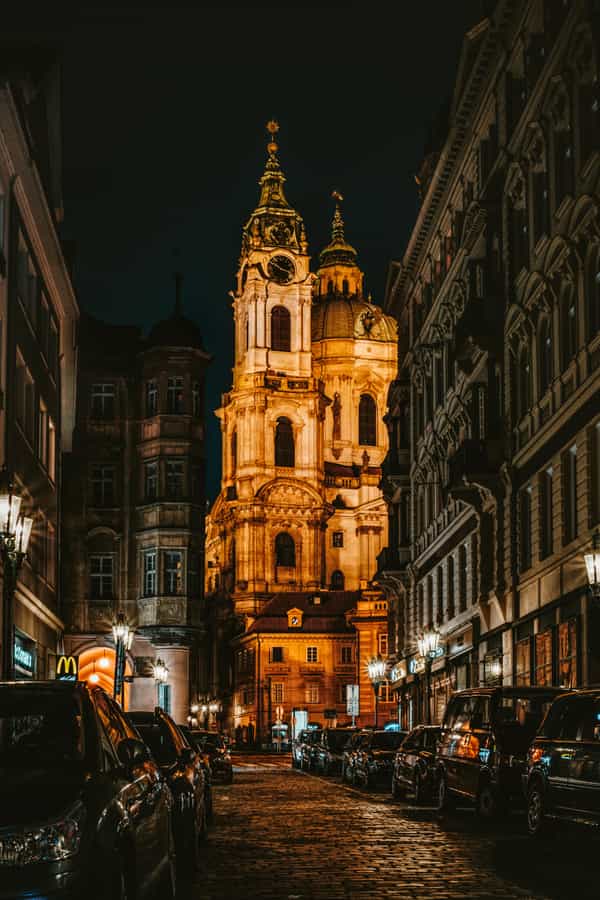
Vienna, Prague, Germany, Strasbourg and other Central European destinations become especially atmospheric as Christmas markets open and historic centres are decorated with lights.
If you're searching for the best places to visit in Europe in December, look for destinations where the winter season adds something to the trip rather than simply making sightseeing colder.
Best for: Christmas markets, winter romance, festive city breaks and skiing.
For a first multi-country trip, summer is usually easier because more outdoor attractions and seasonal activities are available and daylight hours are long.
Winter makes more sense when the season itself is part of your reason for travelling. You aren't choosing winter because it's the cheapest version of summer; you're choosing it because you specifically want snow, Christmas markets, skiing, or a different atmosphere.
Peak Season in Europe
The main peak season in Europe is July and August, although individual destinations have their own busy periods. Mediterranean resorts, major capitals and famous attractions can become particularly crowded.
You'll generally need to plan further ahead for accommodation and popular attractions, and prices can rise with demand. July and August also account for nearly one-third of annual tourism nights, underlining how concentrated European travel is during these months.
That said, don't automatically avoid peak season. If your priority is beaches, island hopping, hiking or summer in Europe, July or August may be exactly what you want.
The better approach is to choose your destination carefully and build your day around the conditions. In hot Southern European cities, for example, early-morning sightseeing and slower afternoons can make a huge difference.
Recently went on a central Europe trip with Wanderon, and it was a fabulous experience. Everything- from visa assistance to trip planning, including hotels was spot on, which made the whole experience enjoyable. Special thanks to Anshika, Yashwant, Yash, Aditya, Shipra for coordinating everything smoothly for my trip.
sahil girdhar
6 Jan 2026
I had a very good experience with WanderOn.
From planning to execution everything was super smooth.
The experts here listen and understand to all of your points during planning and create a curated package.
The most important part of getting VISAs done is in very smart and safe hands of Yashwant from Visa team, he will get it done with ease just submit your details to him.
Then Akash from Execution team will handle all the ground activities of execution. His support 24*7 during the trip is commendable.
Keep it up..
P.S. I booked my honeymoon package for Exploring Europe.
Achin Saxena
15 Dec 2025
WanderOn helped us to build a customised plan and arranged our honeymoon trip to Europe. They prepared the best possible arrangements for us in our budget. Special thanks to Aakash and Abhishek for being proactive starting from booking till the end of our journey.
Visited the rich Heritage of Athens and saw the natural wonders at Santorini in Greece.
Sushmit Tripathi
4 Nov 2025
Had an amazing experience with WanderOn on my recent trip to Europe! Everything was perfectly organized — from the itinerary and hotel bookings to local transfers and on-trip support. The team was professional, responsive, and genuinely cared about making the journey smooth and enjoyable. Special thanks to Deepak, Shreyash and Azad for the personal attention and excellent coordination. Highly recommended for anyone looking for a hassle-free and memorable travel experience!
Frequently Asked Questions
Your right to Know!
01
What are the best months to visit Europe?
The best months to visit Europe for most travellers are May, June and September. They offer a strong balance of comfortable weather, longer days and manageable crowds, while September is particularly good for Southern Europe after the peak summer rush.
02
What is the best country to visit in Europe for the first time?
Italy is one of the strongest choices for a first Europe trip because you can combine major cities, historic landmarks, food, countryside and coastline in one country. Rome, Florence and Venice also offer distinctly different experiences.
03
What European country is best to visit in winter?
Austria is one of the best European countries for winter, especially if you want Christmas markets, skiing and Alpine scenery. Vienna and Salzburg combine festive city experiences with easy access to mountain destinations.
04
Which European country is best to visit in summer?
Switzerland is an excellent summer choice if you want Alpine scenery, hiking, lakes and scenic train journeys. For a beach-focused summer, Greece, Croatia, Italy, Spain and Portugal are stronger choices.